

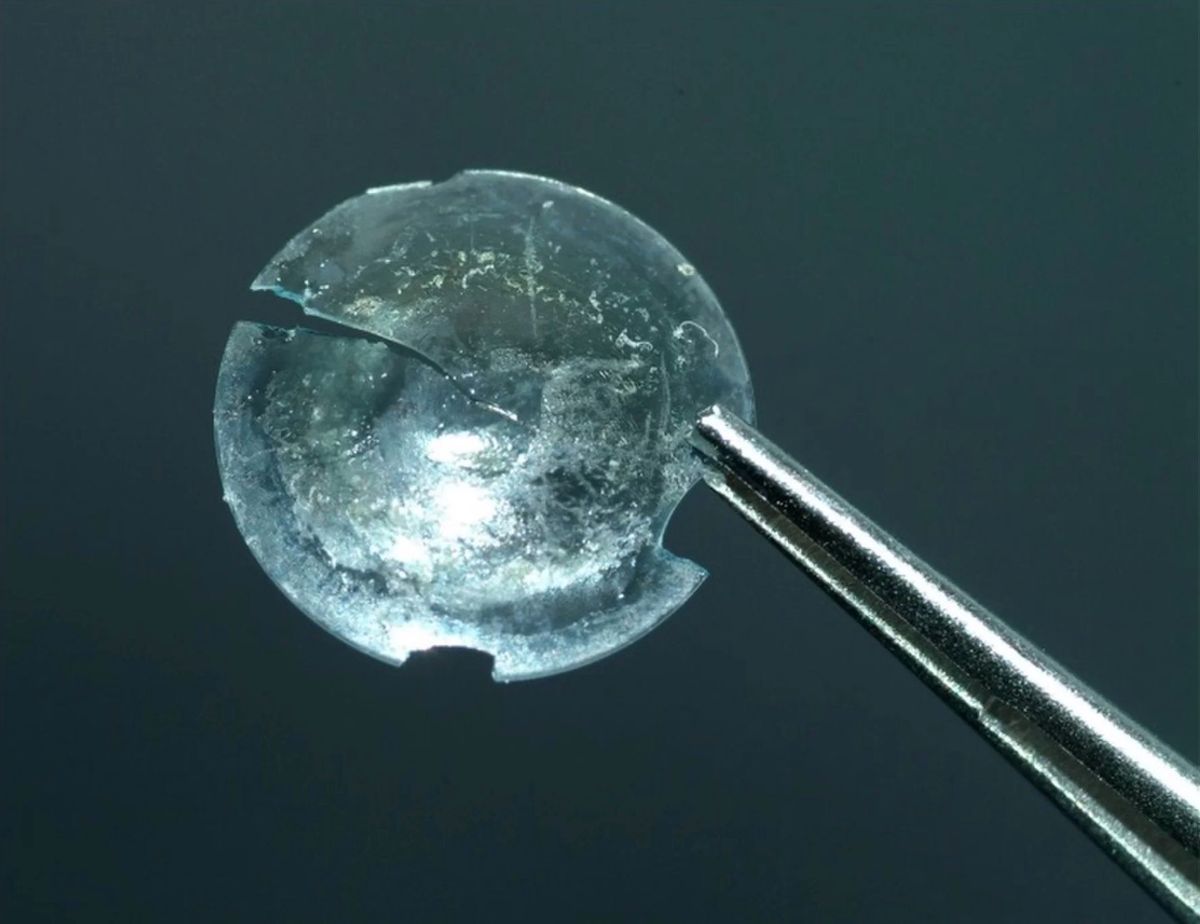
You might have wondered if dried-out contact lenses can be rehydrated. Contact lenses that dry out become brittle and can warp, crack, or tear. Wearing damaged contact lenses increases your risk of eye infections by a lot and can lead to corneal abrasions or scratches.
Your first instinct might be to rehydrate dried-out contacts instead of throwing them away. The process starts with soaking them in fresh contact solution, but you need to know if rehydration makes sense or if it's too risky. Not every dried-out lens can be safely restored.
Let me walk you through what you should know about rehydrating contact lenses, what it all means, and how to decide if your dried contacts can be saved or if you need new ones. Your eye health deserves priority, and with a three-month supply of contact lenses accessible for just $25, new lenses might be more affordable than you think.
If My Contacts Dry Out, Can I Rehydrate Them?
Finding dried-out contact lenses can be frustrating, and replacement costs add to the stress. The possibility of rehydration depends on several factors. Contact lens rehydration isn't as simple as adding water to a dry sponge because these medical devices make direct contact with your eyes.
Assessing the condition of the lens
You need to check the condition of dried contact lenses carefully before attempting rehydration. Dried contacts become brittle and can break easily, so handle them with care. Here's what to look for when you inspect your lens:
- Look for any visible cracks, tears, or scratches
- Check for warping or changes in shape
- Look closely at the edges for irregularities
Contact lenses contain hydrogel material that works like a sponge to absorb moisture. In spite of that, the lens might not fully recover its original properties after rehydration. The hydrogel material could rehydrate unevenly and cause subtle changes in the lens shape and fit. These changes might affect your vision quality and comfort.
Where and how it dried out matters
The way your lens dried out substantially affects whether rehydration is safe. You might be able to rehydrate the lens if:
- The solution in its case evaporated
- The lens stayed free from contaminants, dust, or unclean surfaces
- You know the exact time it's been dry
Lenses with higher water content lose moisture faster. The environment plays a role too - low humidity and increased airflow speed up drying. Time matters because longer and more severe dehydration reduces the chances of successful rehydration.
The location makes a vital difference. A lens that dried in a clean case is safer than one found on a bathroom counter or desk. Lenses might look clean but still harbor invisible bacteria or contaminants that could lead to infections.
When rehydration is not worth the risk
You should throw away dried lenses instead of trying to rehydrate them in these cases:
- You found the lens exposed on a countertop, desk, or bathroom sink
- You don't know how long it's been exposed to air
- The lens shows visible damage like cracks, chips, or tears
- It stays stiff or uneven after soaking
Trying to rehydrate contacts in these situations puts your eye health at risk. Poor contact lens care can cause serious eye infections and vision loss. Lenses that aren't cleaned properly or protected from bacteria raise your risk of eye problems.
The process might seem straightforward - just soak them in proper disinfecting solution to reabsorb moisture - but reality proves more complex. Eye health risks often outweigh any cost savings.
Eye care professionals give clear advice: if you're unsure about a dried contact lens, throw it away. A new pair costs much less than treating an eye infection or injury. Your vision's health should always come before trying to save a questionable lens.
How to Rehydrate Dried Contact Lenses
You can sometimes restore dried contacts through proper rehydration, similar to how a dehydrated sponge absorbs water. The lenses might not rehydrate perfectly, but a careful approach increases your chances of safely reusing them.
Clean your hands and lens case
Good hygiene is vital since contacts touch your eyes directly. Wash your hands well with mild soap and rinse off all soap residue. Use a lint-free towel to dry them so no lint transfers to your lenses. Stay away from soaps that contain cold cream, lotion, or oily cosmetics because they can contaminate your contacts.
A clean environment helps the rehydration process. Bacteria builds up in your lens case over time, so you need to clean it properly. Empty out any old solution. Use fresh contact lens solution to rinse the case and caps - never use water. Let the case air dry face down on a clean, lint-free towel before starting the rehydration.
Use fresh multipurpose solution
The right solution plays a key role in successful rehydration. Only use fresh, unexpired multipurpose contact lens solution - never water, saliva, or expired solution. Contact solutions have important ingredients: disinfectants kill germs, protein removers clear deposits, and preservatives keep everything safe.
Pour enough fresh solution into the lens case to fully cover your lens. The solution needs to cover the entire lens for even rehydration. Too little solution could lead to partial rehydration and an uneven lens surface.
Soak for 2–24 hours
The dryness of your contacts determines how long they need to soak. Eye care professionals suggest soaking times between 2 to 24 hours. Let severely dried lenses soak longer - preferably overnight. During this time, your contacts' hydrogel material slowly absorbs moisture back.
Put the cap on tightly to prevent evaporation or contamination while soaking. Keep the case away from heat and direct sunlight that might affect how well the solution works.
Inspect for damage before use
You must check the lens carefully before putting it in your eye. The lens might not fully recover its original properties after rehydration. Dr. Joe Wende, Medical Director for ContactsDirect, says, "If you rehydrate a contact lens, be sure to use every precaution when wearing it next. Inspect it closely for any small tears at the edges, any scratches on the lens, or any signs of contamination or buildup".
Check these things by holding the rehydrated lens up to light:
- Tears or splits, particularly around the edges
- Scratches across the surface
- Discoloration or cloudiness
- Warping or asymmetry in shape
Gently rub and rinse the lens with fresh solution before wearing it if it looks good. This step removes any loose deposits or contaminants. Throw away the lens right away if it feels stiff or uncomfortable after these steps. Even minor discomfort might mean there's microscopic damage that could cause serious eye irritation or infection.
Note that a rehydrated lens might not fit like it did before. The process isn't perfect - uneven rehydration can cause subtle changes to the lens shape and fit that might irritate your eyes.
Can You Wear Contacts After They Dry Out?
You might wonder if it's safe to wear a contact lens after rehydrating it. While the process can restore moisture, damage that's invisible to your eyes might still exist.
Risks of using rehydrated lenses
Rehydrated contact lenses can hide dangerous problems. The drying process often creates tiny cracks and makes lenses stiff, which can hurt your eye's sensitive surface. These damaged lenses on your eyes can cause corneal abrasions (scratches on the eye), serious infections like keratitis, burning sensations, excessive tearing, and your lens might tear while in your eye.
Contact lenses don't usually rehydrate evenly. Uneven moisture absorption changes the lens shape and fit in subtle but problematic ways. So, your vision quality suffers because the changed lens structure no longer matches your prescription exactly.
Your dried contact lenses become very brittle and can develop tiny tears, breaks, and cracks. These microscopic flaws create perfect spots for bacteria to hide and increase your risk of corneal scratches during insertion.
Symptoms to watch for
Watch for these warning signs after putting in a rehydrated contact lens:
- Persistent discomfort or foreign body sensation
- Stiffness or uneven feeling in your eye
- Burning, stinging, or excessive tearing
- Redness or pain that doesn't go away
- Blurred vision that doesn't improve with blinking
- Any discharge or other potential infection signs
Eye irritation might not show up right away. Your eye could start hurting hours after insertion as the damaged lens affects your eye throughout the day. Professional help might be needed if symptoms don't improve with simple home care.
When to remove and discard
You should take out and throw away rehydrated lenses in several cases. Remove them if you found the lens on a countertop, desk, bathroom sink, or other exposed surface. The same applies if you don't know how long it was exposed to air.
Take out the lens if it feels stiff or uneven after soaking, if you see any damage (cracks, chips, tears), or if it just doesn't feel right after insertion. Note that dried contacts become very brittle and easily damaged – even invisible tears can trap bacteria or harm your cornea.
Eye care professionals often say: "When in doubt, throw it out." A new pair of contacts costs substantially less than treating an eye infection or injury that could permanently damage your vision.
When to Throw Away Dried Out Contacts
A timely disposal of dried contact lenses helps prevent eye health issues and possible infections. You might want to save your lenses, but some situations leave you with no choice but to throw them away.
Visible damage or warping
Your dried contact lenses need a careful inspection before you try to rehydrate them. Any physical damage usually means the lens structure is permanently compromised. You should throw away your contacts right away if you see:
- Tears, damage, or scratches anywhere on the lens
- Changes in color or texture from its original condition
- Visible cracks, chips, or tears under light
- The lens stays misshapen even after soaking overnight
A dried contact lens becomes very fragile and can break easily. The smallest tears can harbor bacteria and could harm your cornea if you put them in. The lenses also tend to lose their original shape, which affects how they fit and can blur your vision.
Discomfort after rehydration
Your eyes will tell you if a rehydrated lens is still good to use. The lens needs to go in the trash if you notice:
Burning, stinging, or watery eyes after putting it in Ongoing discomfort even after proper rehydration The lens feels rigid or uneven in your eye
Without doubt, these signs show that the lens hasn't rehydrated properly or has hidden damage. The process isn't foolproof—lenses often absorb water unevenly, which changes their shape and fit. This affects both your vision and comfort.
Unknown exposure time or location
Some situations make it impossible to safely rehydrate your contacts:
Finding lenses on counters, desks, or bathroom sinks Not knowing how long they've been out of solution Contact with dirty surfaces or improper storage
A contact lens found on any surface isn't safe to use, even if it looks fine. Invisible bacteria and contaminants often make their way onto exposed lenses. Eye care professionals always say: "When in doubt, throw it out". New lenses cost much less than treating a serious eye infection.
Tips to Keep Your Contacts from Drying Out
Your contacts will last longer and your eyes will stay healthier when you take preventive measures instead of dealing with dried-out lenses later.
Always use fresh solution
Never "top off" old solution in your lens case with new solution. This dangerous habit reduces how well the solution can disinfect your lenses. You should empty your case completely each time and rinse it with fresh solution—never water—before adding new solution. Make sure to use solutions that match your specific lens type since different lenses need different care. Note that you should throw away preservative-free solutions within 24 hours after opening.
Close your case tightly
A tightly closed lens case keeps your lenses safe from evaporation and contamination. Your lenses and solution become exposed to airborne germs, dust, and debris when the case stays open. Eye irritation or infection can occur even after brief exposure. You should check that caps are secured properly after cleaning to keep your lenses in a clean environment.
Avoid sleeping in lenses
Your risk of contact lens-related eye infections increases 8 times when you sleep with contacts in. This happens because contacts create a barrier between your cornea and tears that limits oxygen delivery to your eyes—a condition known as "corneal hypoxia". Your corneas need to "breathe," so take out your contacts before sleeping unless you have prescribed extended-wear lenses.
Replace lenses and cases regularly
Your lens case needs replacement every three months according to most optometrists. Bacteria builds up in cases over time despite regular cleaning. Any signs of wear, damage, cracks, discoloration, or general deterioration mean you should replace your case right away. Regular cleaning helps extend your case's life but doesn't eliminate the need to replace it periodically.
Use rewetting drops if needed
Dry, irritated eyes get immediate relief from rewetting drops throughout the day. These special drops lubricate both your eyes and lenses. You should put 1-2 drops in your eye and blink 2-3 times if you experience minor irritation while wearing lenses. Look for drops marked "safe for use with contact lenses" to avoid products that might damage your lenses or irritate your eyes.
Conclusion
Many contact lens wearers struggle with dried-out lenses. You might think rehydrating contacts saves money, but your eye health matters more than saving a few dollars. Without doubt, dried lenses can cause eye infections, corneal scratches, and other complications that aren't worth the risk.
The success of rehydrating contacts depends on your lens condition, its drying location, and exposure duration. You should watch how the lens feels in your eye after following the rehydration steps. If you experience any discomfort, stinging, or changes in vision, take the lens out right away.
The best way to avoid dried contacts is through good habits. Make lens care part of your daily routine. Use fresh solution, keep your case closed tight, take out your lenses before bed, and replace both lenses and cases as recommended.
Your eyes need the best care possible. A fresh pair of contacts is usually the safest choice if you're unsure about a dried-out lens. Contacts might be an investment, but your vision is nowhere near replaceable - no matter the cost.