

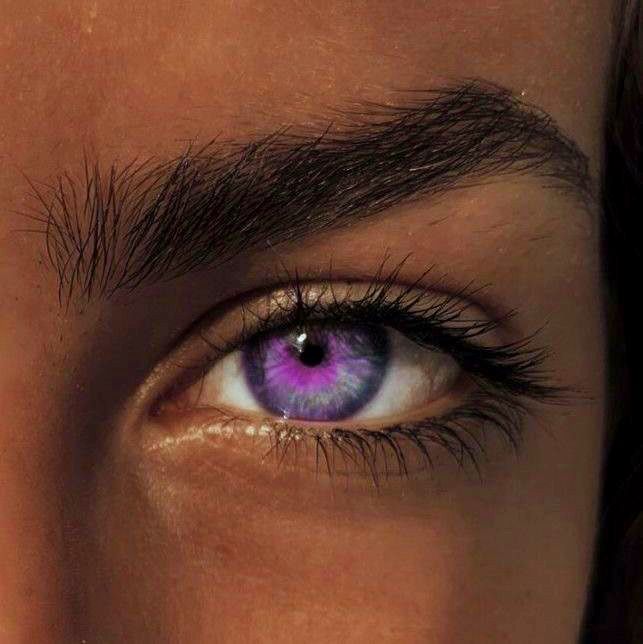
Most people never meet someone with genuine violet eyes in their lifetime. Brown eyes dominate the spectrum and appear in about 79% of the global population. The remaining colors become increasingly rare.
The sort of thing i love about green eyes is their vibrant hue. They show up in just 2% of people worldwide. Gray eyes are even harder to spot. They appear in nowhere near 1% of the global population. People often mistake them for light blue eyes. Some eye colors are so rare they exist in less than 1% of humans. A striking example is heterochromia, where someone has two different colored eyes. This condition affects less than 1% of people.
In this piece, you'll see the fascinating world of rare eye colors ranked from common to extraordinary. You'll find what makes these eye colors so unique, whether they can change over time, and how to safely try these distinctive shades using colored contact lenses.
What makes some eye colors so rare?
The rarest eye colors hide an amazing story that connects biology and physics. Let's get into the mechanisms that make some eye colors so hard to find.
Melanin levels and light scattering
Your eye color comes from the amount and spread of melanin in your iris. This pigment also gives color to your hair and skin. The more melanin you have, the darker your eyes look.
Most rare eye colors don't come from colored pigments at all. Light scattering creates many eye colors. To cite an instance, blue eyes have no blue pigment. They look blue because of the Tyndall effect - the same thing that makes the sky blue. This happens when shorter light waves (blue) scatter better than longer ones.
This helps us understand why green eyes show up in just 2% of people worldwide. Green eyes need perfect conditions: just enough melanin mixed with light scattering. The balance must be perfect - enough melanin to reduce blue light while letting other wavelengths create that green look.
The role of genetics in eye color
Scientists used to think eye color was simple, with brown beating blue. But research shows it's nowhere near that basic - many genes work together in different ways.
Your eye color depends on up to 16 different genes. The two biggest players are:
- OCA2: Makes the P protein that affects how melanin forms and stays in your iris.
- HERC2: Sits next to OCA2 and works like a switch for melanin production.
Other genes like ASIP, IRF4, SLC24A4, SLC24A5, SLC45A2, TPCN2, TYR, and TYRP1 play smaller but key roles. This complex gene dance explains why two brown-eyed parents might have a blue-eyed child.
Why some combinations are very uncommon
Some eye colors are super rare because they need specific gene combinations. Gray eyes are even harder to find than green - less than 1% of people have them. They need very little melanin plus special light-scattering traits.
Where you come from matters too. People who live far from the equator tend to have lighter eyes. Those closer to it usually have darker eyes. That's why brown eyes rule the world - about 70-79% of people have them.
Some colors only happen with genetic mutations or rare gene combinations. The sort of thing I love is violet eyes - they're among the hardest to find. Amber eyes, with their golden-copper shine, come from unusual pigment patterns that rarely show up.
The rarest eye colors need a perfect genetic recipe. Many uncommon gene variants must come together. This genetic lottery tells us why violet, gray, and green eyes remain so rare across the globe.
The 8 rarest eye colors in humans (ranked)
The world of eye colors holds some amazing surprises. From colors that seem almost magical to ones you might not realize are rare, each unique shade comes from specific genetic and pigmentation factors. Let me walk you through these remarkable variations.
1. Violet eyes – the rarest of all
Violet eyes sit at the top of nature's rarest eye colors. You'll hardly ever see true violet eyes, which makes them nature's most uncommon shade. People with a form of albinism usually have this striking purple tone because they have very low melanin levels. Elizabeth Taylor was famous for her supposed violet eyes, though they often looked deep blue in different lighting. The purple appearance comes from light that scatters through the iris in a specific way.
2. Red or pink eyes – linked to albinism
Red or pink eyes show up only in people who have albinism. This genetic condition affects about 1 in 20,000 Americans. These eye colors don't come from red pigment. The complete lack of melanin lets you see the blood vessels at the back of the eye. This creates red or pink irises that show up best in certain light. People's eyes with oculocutaneous albinism might look light blue or pale gray, but they can appear pink or red in direct light.
3. Gray eyes – less than 1% globally
Gray eyes are quite special. Only about 3% of people worldwide have them, and the number drops even lower in America - less than 1%. The silver-like look comes from people who have little to no melanin but lots of collagen in their iris stroma. Light bounces off this collagen to create that distinctive gray shade. You'll find most gray-eyed people in Eastern Europe, parts of Central Asia, South Asia, and the Middle East.
4. Green eyes – only 2% of the population
Green eyes take the crown as the rarest among common eye colors. Only 2% of people worldwide have them, though they're more common in America at about 9%. This beautiful color happens because of perfect balance - just a touch of brown melanin mixed with the way light scatters in the iris. True green eyes usually show one solid shade throughout, unlike hazel eyes. Northern Europeans, especially Irish and Scottish people, most often have green eyes.
5. Amber eyes – golden and unique
Amber eyes shine with a golden or coppery glow that sets them apart. These eyes are the third-rarest natural color after green and gray, showing up in less than 5% of people worldwide. The warm, even color comes from high amounts of lipochrome mixed with tiny bits of brown melanin. People with Southern European, Asian, South American, and Spanish backgrounds tend to have amber eyes more often. Unlike hazel eyes, amber eyes keep one steady tone without color mixing.
6. Hazel eyes – a color-changing blend
About 5% of people worldwide and 18% of Americans have hazel eyes. These eyes are special because they mix brown, green, and gold that seems to change with light, clothes, and surroundings. This color-shifting quality happens because melanin spreads throughout the iris, often creating a golden ring near the pupil with green or light brown edges. Hazel eyes have more melanin than green or blue but less than brown.
7. Blue eyes – not as common as you think
Blue eyes show up in about 8-10% of people worldwide. That's not very common, even though they're the second most popular eye color in America at 27%. Here's something cool - all blue-eyed people might share one ancestor who lived 6,000-10,000 years ago. This person had a genetic change that reduced melanin in their iris. Blue eyes don't actually have blue pigment. The color comes from light scattering through an iris with low melanin.
8. Black eyes – extremely high melanin levels
What looks like black eyes are actually very dark brown eyes packed with melanin. This deep pigmentation soaks up most incoming light, making the iris look so dark you might not see where it ends and the pupil begins. These ultra-dark eyes show up more in people from Africa, the Middle East, Mediterranean regions, and South Asia. Eyes that look almost black even in bright light are pretty rare. The contrast between these deep irises and white eyes creates a really striking look.
Can your eye color change over time?
People usually keep the same eye color throughout their lives. However, eye colors can change under specific circumstances. Your eyes might undergo permanent changes due to biological factors from birth through adulthood.
Eye color changes in babies
Parents are often surprised to find that their baby's eye color isn't set at birth. Newborns with lighter skin tones usually have blue or gray eyes because melanocytes haven't activated fully yet. These cells produce melanin pigment and respond to light exposure. The color starts to change between 3 to 9 months of age. Most children's eye color stabilizes by their first birthday. Some subtle changes might continue until age 3.
The sort of thing I love is how eye color changes most during the first six months. The most dramatic transformations happen between 3 and 6 months. Blue eyes are much more likely to change than brown eyes. Research shows that 27% of blue-eyed newborns developed a different eye color by age two. All but one of these brown-eyed babies managed to keep their brown color.
Conditions that may alter eye color
A sudden change in eye color often points to an underlying medical condition in adults. Eye diseases can trigger pigment changes. These include Horner's syndrome, Fuchs heterochromic iridocyclitis, and pigment dispersion syndrome. On top of that, some medications can make eye color darker over time. This is especially true with prostaglandins used to treat glaucoma.
Eye injuries can permanently change eye color by damaging the iris or causing tissue loss. Viral infections like rubella may destroy iris pigment. This results in heterochromia - when someone has two differently colored eyes.
Aging and hormonal effects
Melanin production in the iris naturally changes as we age. About 10-15% of Caucasian people experience gradual eye color changes throughout adulthood. These changes happen in two ways: darkening from increased melanin or lightening when pigment production drops.
Hormone changes during pregnancy, puberty, and menopause can affect melanin production temporarily. This sometimes causes subtle shifts in eye color. Sun exposure can also affect eye color. Just like it darkens skin, long-term sun exposure might slightly darken eyes or create iris freckles.
These natural color changes are rare but show how our bodies keep evolving throughout life.
Trying Rare Eye Colors with Contact Lenses
You don’t need to rely on genetics to experience rare eye colors. Colored contact lenses make it possible to explore unique shades like violet, amber, or gray without a permanent change. Whether for fashion, cosplay, or curiosity, these lenses let you experiment with eye color safely and temporarily.
Rare eye colors can dramatically change your overall look, adding depth, contrast, and personality in ways makeup alone often cannot.
Colored Contacts for Dark Eyes
Dark eyes, especially brown eyes, require specific lens design to achieve noticeable color changes. Because darker irises have more natural pigment, standard transparent lenses are not enough.
High-quality colored contacts for dark eyes typically use opaque or semi-opaque pigment layers. These designs place more color density across the lens surface, helping mask the natural iris while still looking natural.
Some shades work especially well on dark eyes:
-
Gray lenses create a striking yet balanced look and complement nearly all skin tones
-
Green lenses often include subtle yellow or beige flecks, allowing smoother blending with brown eyes
-
Blue lenses can look natural on dark eyes when they offer enough opacity and multi-tone patterning
Lens patterns and layered coloring are key. The more dimensional the design, the more realistic the final effect appears.
Safety Tips for Using Colored Contact Lenses
All contact lenses, including decorative and cosmetic ones, are regulated as medical devices. Even if the lenses do not correct vision, safe use still requires proper fitting and care.
To protect your eyes:
-
Always handle lenses with clean, dry hands
-
Never share contact lenses with others
-
Follow the recommended replacement schedule
-
Use fresh contact lens solution for cleaning and storage
-
Remove lenses immediately if you experience redness, pain, or unusual discharge
Ignoring proper lens care can lead to serious complications, including infections and corneal damage. Comfort and eye health should always come before appearance.
Rare Eye Colors to Try with Contact Lenses
Thanks to advances in lens technology, rare eye colors now look more realistic than ever. Modern lenses use blended edges and multi-tone designs to avoid harsh transitions and create a natural appearance.
Popular rare eye color options include:
-
Violet – One of the rarest eye colors, best achieved with soft blended designs that prevent an artificial look
-
Amber – Warm golden tones that add intensity and depth, especially striking on darker eyes
-
Gray – A versatile shade that can appear cool or smoky depending on lighting
-
Light green – Balanced tones with subtle flecks for a natural, luminous effect
Choosing lenses with smooth color transitions and breathable materials helps ensure both realism and comfort.
Fun facts about rare eye colors
Science has started to uncover fascinating secrets behind the world's rarest eye colors, which go far beyond their striking looks.
All blue-eyed people share a common ancestor
Here's something amazing - every person with blue eyes today can trace their eye color to just one ancestor. Scientists at the University of Copenhagen discovered that all blue-eyed humans descended from a single person who lived 6,000-10,000 years ago near the Black Sea. This ancestor's unique genetic mutation changed the OCA2 gene and created a "switch" that limited melanin production in the iris. The research team found nearly identical DNA regions surrounding this gene when they tested blue-eyed individuals.
Heterochromia: two different colored eyes
The United States has fewer than 200,000 people with heterochromia - a condition where someone's eyes have different colors. This unique trait shows up in three ways: complete heterochromia gives you two completely different colored eyes, sectoral heterochromia creates a different colored patch in one iris, and central heterochromia produces an inner ring of another color. The good news is that this eye condition usually comes from genetics and doesn't signal any health problems.
Eye color and light sensitivity
Your eye color plays a big role in how sensitive you are to light. People with lighter eyes (blue, gray, or green) tend to be more sensitive because their irises have less melanin pigment. This means more light gets through to the eye.
Conclusion
Eye colors showcase nature's most captivating genetic displays. In this piece, violet, red, gray, and green rank among the world's rarest colors. This is a big deal as it means that each affects less than 2% of people globally. Brown eyes dominate, appearing in nearly 80% of the world's population.
The science behind these colors shows an intricate interplay of melanin levels and light physics. Most eye colors don't come from actual pigments. The phenomenon depends on how light scatters through your iris structure. Blue eyes contain no blue pigment at all, yet they appear vividly blue through the same Tyndall effect that gives our sky its color.
Genetics is a vital part of this story. Your eye color's inheritance involves at least 16 different genes working together - nowhere near as simple as scientists first thought. The genetic lottery explains why some colors are so rare. They need specific combinations of uncommon gene variants to occur at the same time.
Eye color can change over time. Babies often see color changes in their first year when melanocytes become active. Adults might notice subtle shifts from aging, hormonal changes, or medical conditions that affect pigmentation.
Colored contact lenses are a great way to get rare eye colors without winning the genetic lottery. You can try violet, amber, or gray eyes temporarily. Note that these are medical devices that need proper prescriptions and care to protect your vision.
Your eye color tells a unique story of your genetic heritage, whether you have ultra-rare violet eyes or common brown ones. Next time you look into someone's eyes, think over the amazing biological processes creating that specific shade - maybe even one of earth's rarest colors.