Contact Lenses vs Glasses: A Real User's Guide to Better Vision
Jan 16,2026 | Coleyes
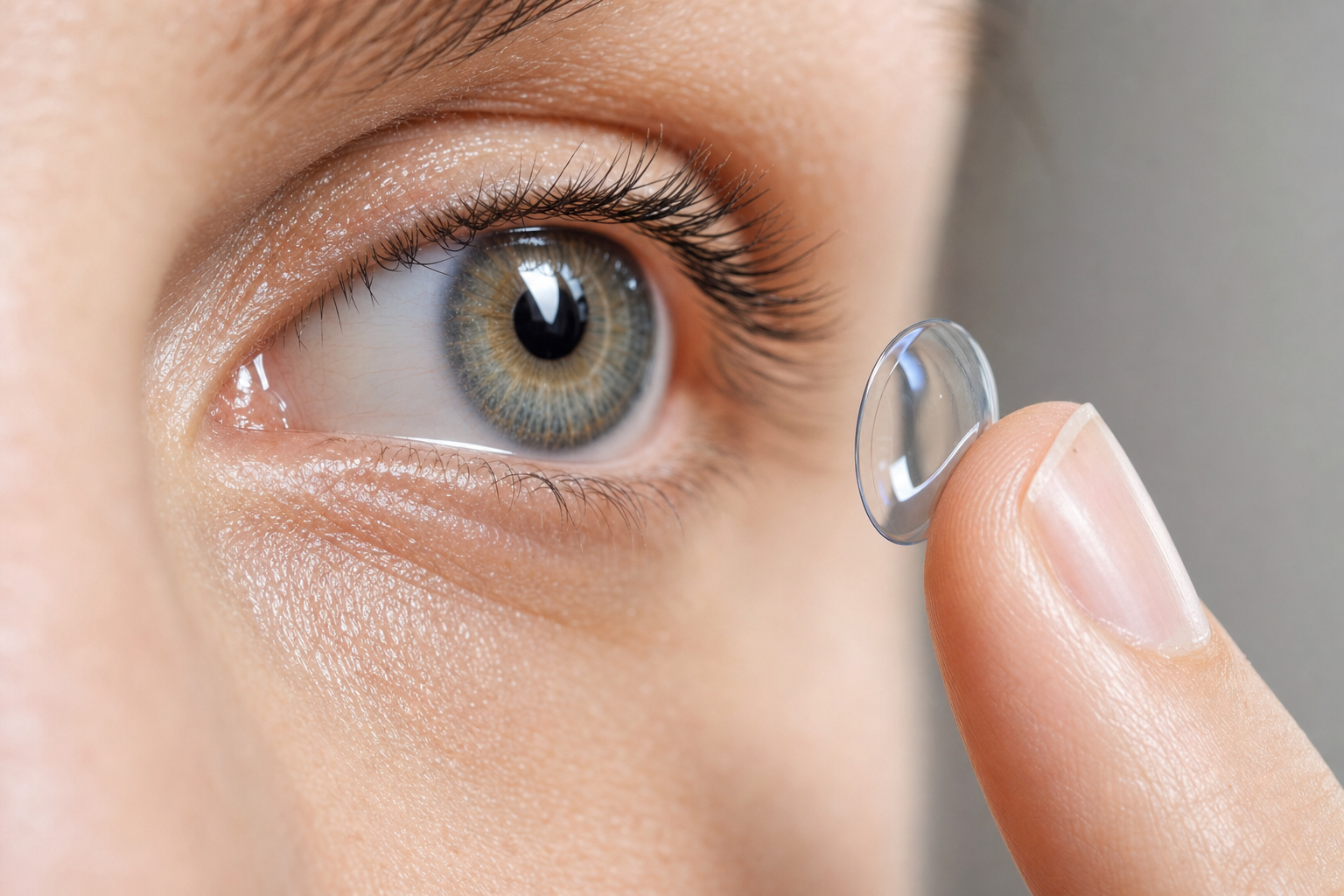
Contact lenses do way more than just correct your vision. These thin disks of plastic or glass sit directly on your eye and provide a more natural field of vision. Many people struggle with choosing between contacts and glasses, so you're definitely not alone.
Contact lenses are a great choice, especially when you have an active lifestyle. They don't move around during physical activity and stay clear even with a medical facemask on. Your field of view stays completely focused with contacts - something drivers and sports enthusiasts really appreciate. Glasses come with their own benefits that might work better based on your specific needs and priorities. This piece will help you compare contacts and glasses to find what works best for your lifestyle and vision needs.
What are contact lenses and glasses?
Vision correction technology has come a long way through the centuries. You now have several options to improve your eyesight. Contact lenses and glasses work on the same simple principle - they adjust light before it reaches your eyes to fix refractive errors.
How each corrects vision
Light not focusing correctly on your retina causes most vision problems. Contact lenses help over 45 million Americans see better. These thin, clear plastic disks float on the tear film that covers your cornea. They bend incoming light to focus it exactly on your retina.
Glasses do the same job but sit in front of your eyes instead of on them. They help you see better by adjusting how light hits your eyes - providing the extra refraction your eyes can't handle naturally.
Both contacts and glasses fix four types of refractive errors:
-
Nearsightedness (myopia) - You see objects clearly up close, but distant ones look blurry. Light focuses in front of the retina. Concave lenses, thinner in the center and thicker at edges, fix this issue.
-
Farsightedness (hyperopia) - Distant objects look clear, but close items appear blurry. Light focuses behind the retina. Convex lenses, thicker in the center and thinner at edges, help redirect light.
-
Astigmatism - An irregularly shaped cornea causes blurry vision at all distances. Cylindrical or toric lenses with uneven thickness correct this condition.
-
Presbyopia - Your eye's natural lens becomes less flexible in your 40s, causing age-related farsightedness. Multifocal lenses help with this condition.
Simple differences in design and use
These options differ mainly in placement and design. Contacts move naturally with your eyeball because they sit directly on it, while glasses rest on your face.
Contact lenses come in two main types:
- Soft contacts: Made from soft, flexible, water-holding plastic. Most people prefer these - about 90-95% of contact wearers choose them. You can get daily disposables or ones that last two weeks to a month.
- Hard contacts (rigid gas permeable): These last longer and need less care but might feel less comfortable. They work better for some conditions like astigmatism and can last a year with good care.
Glasses offer different lens designs:
- Single-vision lenses: Fix vision for one distance only.
- Multifocal lenses: Include bifocals (two prescriptions), trifocals (three prescriptions), and progressive lenses (smooth prescription change without visible lines).
On top of that, glasses come with specific materials and features. Modern frames use plastic or polycarbonate lenses instead of glass. These weigh less but scratch more easily. You can get polycarbonate lenses for sports, high-index lenses for stronger prescriptions, and coatings that cut glare or block blue light.
Your lifestyle, eye condition, and priorities usually determine whether you choose contacts or glasses. Eye care professionals suggest having both options ready for different situations.
Pros and cons of contact lenses
Contact lenses can make a big difference in your daily vision. They come with their own set of pros and cons that affect your everyday experience. Let's look at what makes them right or wrong for your needs.
Better peripheral vision
Contact lenses rest directly on your eye's surface and follow your eye movements to give you uninterrupted vision. You won't have frames blocking your side vision like glasses do, which lets you see more naturally around you. This boosted side vision helps especially while driving - you can spot cars coming from the sides and avoid accidents better. Athletes and sports lovers get better spatial awareness and perform better with this wider field of view.
No fogging or glare
Contacts have a clear advantage over glasses when it comes to weather-related problems. Your vision stays clear when you move from cold to warm spaces or wear a face mask - no more foggy lenses. You won't deal with annoying glare and reflections that glasses often create in bright light or while driving at night. The lenses sit right on your eyes instead of in front, so those distracting light reflections won't block your view.
More maintenance required
Contacts just need much more care than glasses. Each pair must be cleaned, disinfected, and stored properly. You'll have to buy special solutions and get a new lens case every three months to stop bacteria from growing. Many people find this daily routine boring, so they might skip steps and risk infections. Contacts also wear out over time, which means you must follow replacement schedules strictly - whether you use daily, bi-weekly, or monthly lenses.
Risk of eye infections
Eye infections are the biggest problem with contact lenses. Each year, about 1 in 500 contact users gets a serious eye infection. Keratitis, an infection in the cornea, happens most often and can damage your vision permanently or cause blindness in bad cases. Bad cleaning habits, sleeping with lenses not made for overnight use, and getting water on lenses make infections more likely. Watch out for red eyes, pain, too many tears, blurry vision, and sensitivity to light - take out your lenses right away and see a doctor if these happen.
Learning curve for beginners
New contact lens users need time to get comfortable. Most people take about 10-12 days to adjust to their lenses. Putting in and taking out contacts can be tricky at first, especially if touching your eyes makes you nervous. You'll need to learn how to check if a lens is inside-out and handle them the right way. On top of that, some people feel like there's something in their eye until they get used to it. The adjustment takes patience, but most people become skilled at handling their contacts naturally.
The choice between contacts and glasses comes down to your lifestyle, eye health, and what works best for you.
Pros and cons of glasses
Eyeglasses remain the most popular way to correct vision worldwide. They provide straightforward solutions but come with some notable drawbacks. These factors will help you decide which option works best for your needs.
Easy to use and maintain
Glasses are the most convenient way to correct vision. You won't need complex care routines like with contact lenses. A quick wipe with a microfiber cloth and occasional lens solution is all it takes. You don't have to worry about taking them out at night. A quality pair can last years with proper care, and you'll only need new ones when your prescription changes. This simple approach makes glasses perfect for children, older adults, or anyone who wants a hassle-free solution.
Can be a fashion accessory
Eyeglasses are no longer just functional items. They've become stylish fashion statements that improve your overall look. Different shapes, colors, and materials let you express your personality and complement your style. Many style-conscious people own several pairs to match different outfits or occasions. Designer brands have joined the eyewear market, and their frames have become status symbols while correcting vision.
Limited peripheral vision
Glasses have drawbacks despite their benefits. They substantially restrict your side vision. People naturally see about 135 degrees horizontally, but glasses cut this down to 90-115 degrees. Frames physically block side vision and create distracting edge distortions. These limits aren't just inconvenient—they create safety risks. Research shows that people who can't see well from the sides are 50% more likely to fall. Athletes feel the effects too. A study found that soccer players wearing glasses ran and turned more slowly.
Affected by weather conditions
Weather creates real problems for people who wear glasses. Your lenses fog up right away when you move from cold to warm places. Rain makes it hard to see clearly, and extreme temperatures can damage frames. Cold weather can make materials crack, while heat can warp plastic frames. High humidity makes things worse by causing constant fog and rusting metal frames faster. These problems make glasses tough to deal with during outdoor activities, driving in bad weather, or even walking into a warm building with a face mask.
The right choice depends on your lifestyle, style priorities, and how well you can handle these limitations. Many people find the simplicity and style worth the drawbacks, but you should weigh these factors against what contact lenses might offer in your case.
Which is better: contacts or glasses for your lifestyle?
The choice between contact lenses and glasses comes down to your lifestyle needs and priorities. Both options give you unique benefits that work well in different situations.
For active individuals
People with active lifestyles find contact lenses give them substantial advantages. Contacts sit right on your eye and move with it. This gives you unobstructed peripheral vision that's vital for sports where you need spatial awareness. You won't have to worry about them bouncing, slipping off, or fogging up during intense movement. Athletes love them for running, cycling, and team sports where glasses might get in the way of protective gear. Swimmers can use contacts with regular goggles to see clearly underwater. Athletes worried about eye injuries don't have to stress about broken frames during physical activities.
For children and teens
Contact lenses work well for kids as young as 8, based on their maturity level and knowing how to handle them safely. Studies show that soft contact lens infections are nowhere near as common in children compared to teenagers or adults. About 65% of teens say contacts boost their sports performance. Daily disposable lenses are the safest choice, with just one eye infection case per 5,000 wearers each year. Kids and teens feel more confident about their looks with contacts instead of glasses.
For people with dry eyes
Glasses are usually more comfortable if you have dry eyes. Contact lenses can affect your natural tear film and make dryness and irritation worse. Notwithstanding that, some contacts work better than others - silicone hydrogel lenses and daily disposables are good options if your eyes tend to be dry. Glasses work like a windshield to protect your eyes without disrupting natural hydration. They shield your eyes from wind and allergens that could irritate dry eyes. Many people mix it up - they wear glasses at home and contacts for special activities, just like switching between different shoes based on what they're doing.
For fashion-conscious users
Both options shine when it comes to style. Contacts let your natural features stand out without frames changing how you look. They're perfect to show off eye makeup and keep a frame-free appearance. On top of that, you can wear any sunglasses you want. Glasses have become fashion statements with endless frame choices to match your personality. Style-conscious people often keep several pairs to match different outfits and occasions.
Cost, care, and long-term considerations
Smart financial planning for vision correction means looking at both today's costs and tomorrow's expenses. Your choice between contacts and glasses will affect your budget and your everyday life.
Initial and ongoing costs
These options are different when it comes to cost commitments. Contact lens fittings need special eye exams that cost $100 to $250. A complete pair of glasses ranges from $200 to $800 based on your choice of frames and lens features.
Contact lenses come with ongoing expenses due to regular replacements. Daily disposables save you from buying cleaning solutions but cost more right away. You need to buy solutions and cases for biweekly or monthly lenses. Glasses turn out to be a smarter long-term investment. Looking at a ten-year period, glasses emerge as the more economical choice.
Cleaning and storage needs
Contact lenses need strict daily care. You must clean reusable lenses with specific solutions every night and store them in fresh solution. Never let them touch tap water or saliva. Your lens case needs replacement every three months to stay contamination-free.
Glasses need minimal care - just a microfiber cloth, some cleaning spray now and then, and a protective case. This big difference in maintenance makes glasses an attractive choice for people who want to keep things simple.
Durability and replacement frequency
These options have very different lifespans. Contact lenses follow strict schedules:
- Daily disposables: Discard after each use
- Bi-weekly lenses: Replace every 14 days
- Monthly lenses: Replace after 30 days
Wearing lenses longer than recommended leads to bacterial buildup and possible eye infections, even with good care. Glasses last for years with proper care. You only need new ones when your prescription changes or your frames break. This longer lifespan helps balance out their higher upfront cost.
Conclusion
The choice between contact lenses and glasses ended up being about your unique vision needs, lifestyle, and priorities. Each option brings its own perks that work better in different situations. Glasses keep things simple and stylish with minimal upkeep, while contacts give you natural vision without anything blocking your view or weather getting in the way.
A mix-and-match approach works best for lots of people. You can wear contacts when playing sports, going out, or doing things where glasses might be a hassle. Then switch to glasses when you're chilling at home or your eyes feel dry. This way, you get the best of both worlds.
Your daily routine should shape your decision. Athletes and active people usually go for contacts because they don't restrict movement or vision. People who want less maintenance or need protection for dry eyes might lean toward glasses. Kids and teens can safely use either option, but parents must watch over proper contact lens care.
Money matters too in this choice. Glasses need more cash upfront but turn out cheaper over time compared to buying contacts and cleaning solutions regularly. On top of that, contacts just need more careful cleaning and strict replacement timing to keep eye infections away.
The best vision health comes from regular eye exams, whatever option you pick. Your eye doctor can review which solution matches your vision needs perfectly. The right choice helps you see clearly and stay comfortable all day long.
Comment