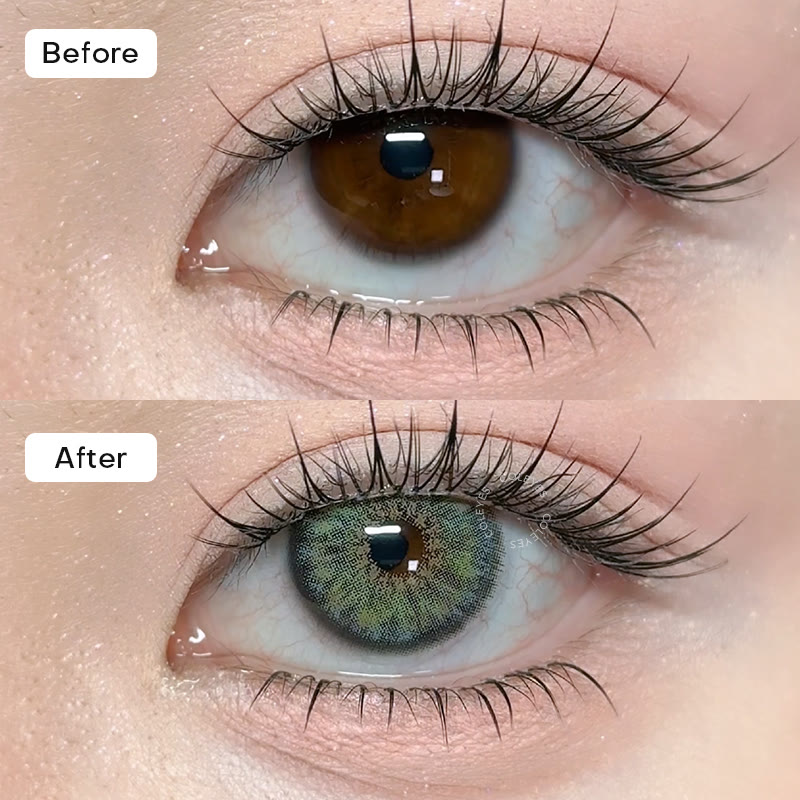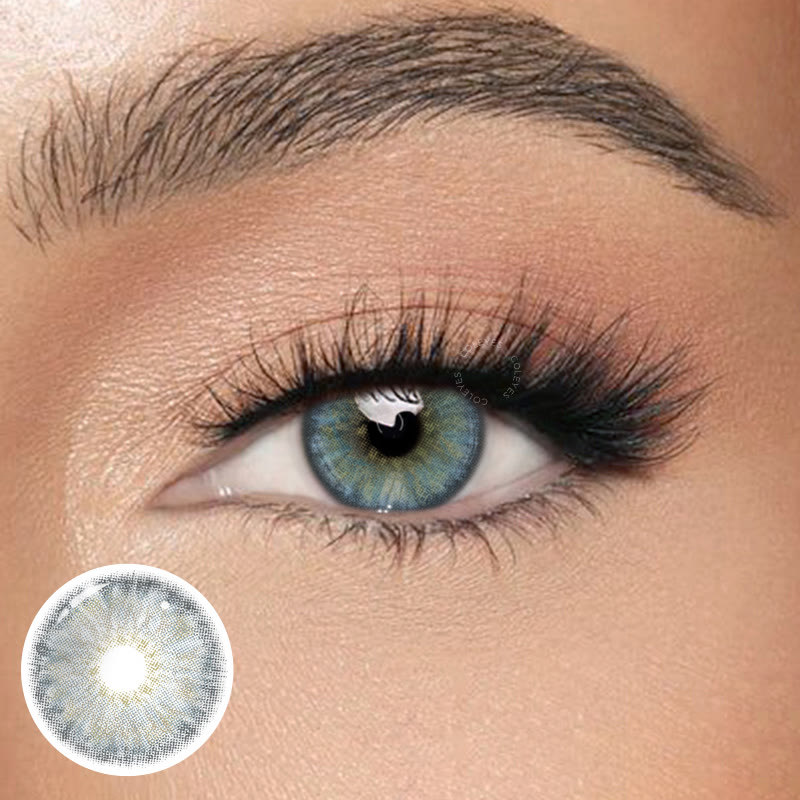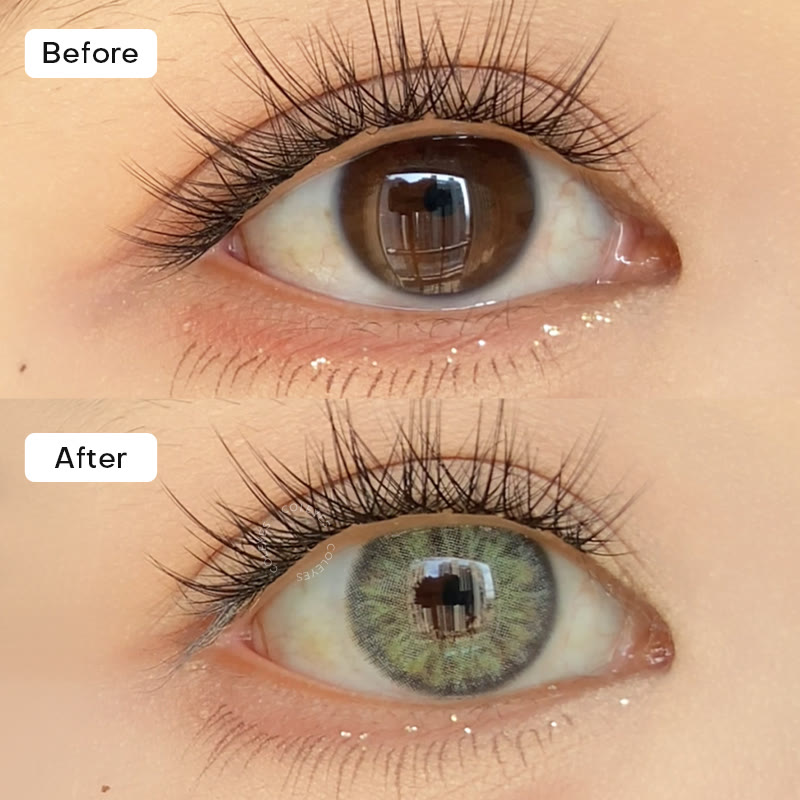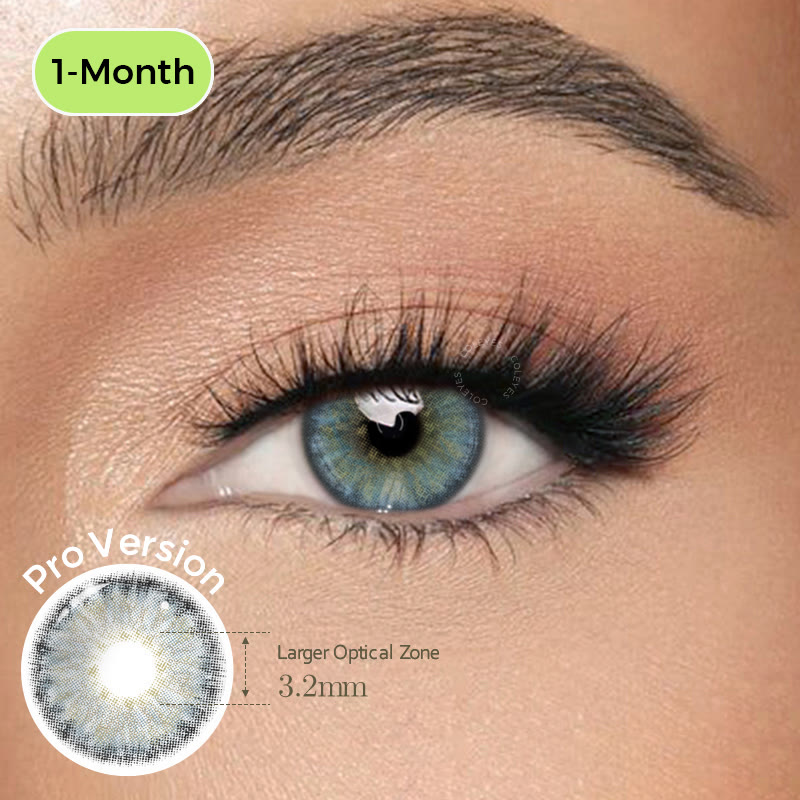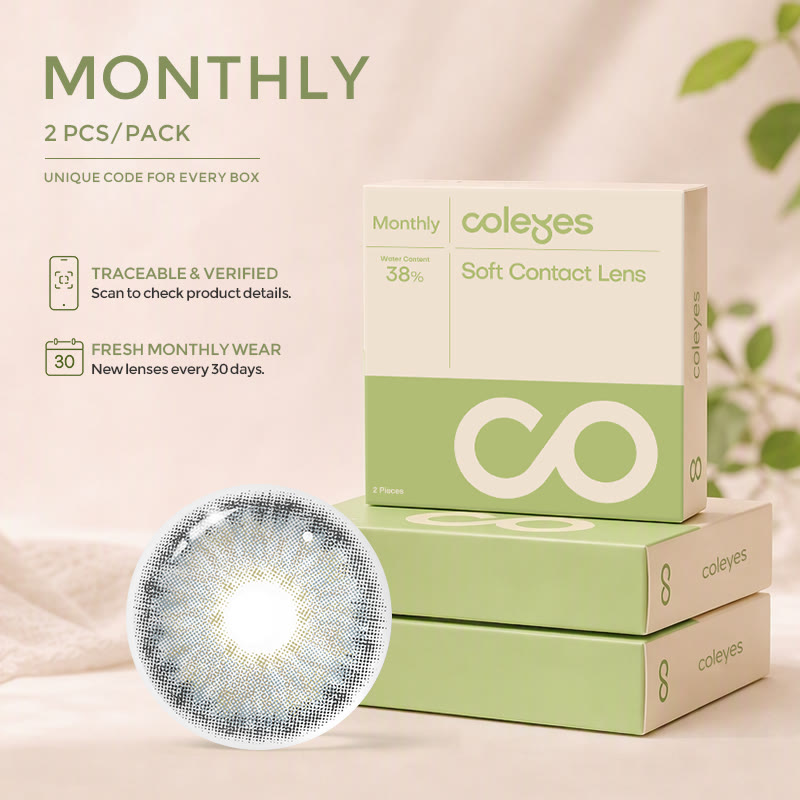

Buying non-prescription colored contacts online may seem harmless because they do not correct vision, yet many countries still require a valid prescription for these lenses. Even zero-power colored contact lenses rest directly on the cornea and can pose real risks when they come from unverified sellers. You may want FDA-approved non-prescription colored contacts, black colored contact lenses, or subtle blue shades for a cosmetic change. This piece explains safe sourcing, proper fitting, and care so you can find where to buy non-prescription colored contacts online without risking your eye health.
What Are Non-Prescription Colored Contacts?
Before looking online for non prescription colored contacts, understand what the term means and why these lenses still count as medical devices that sit directly on your eye.
What plano and 0.00 lens power mean
The label "plano" or "0.00" on a color contact lenses non prescription listing refers to lens power, not legal status. This number shows whether a lens corrects your vision. A power of -3.00 or +1.25 means the lens bends light to correct nearsightedness or farsightedness, while 0.00 means it provides no correction. Plano lenses are made for people with 20/20 vision who want colored eye contact lenses for appearance rather than clearer sight.
Lens power is only part of the picture. A contact lens listing may offer plano and negative powers on the same page, but neither option tells you what your eyes need. Base curve and diameter measurements describe the lens's curve and width. They matter as much as power because they determine whether the lens fits comfortably over your cornea. Choosing a color contact lens based on power alone can overlook measurements that affect comfort and safety.
Why cosmetic contacts still carry eye health risks
Non prescription colored eye contacts may not correct vision, but they still touch your cornea directly and can cause serious problems. Research cited by the American Academy of Ophthalmology found that people who wore colored contacts were 16 times more likely to develop keratitis, a serious eye infection, than people who wore regular contacts. Poorly fitted lenses can scratch the eye's surface and cause corneal abrasions. These injuries may lead to soreness, redness, light sensitivity, and discharge. Untreated abrasions can develop into corneal ulcers that may permanently scar the eye or require a corneal transplant to restore vision.
Tests have also found chlorine and other substances toxic to eye tissue in some tinted lenses. These substances can seep into the eye and contribute to vision loss. Severe or repeated complications from unsafe colored contacts can cause cataracts or secondary glaucoma, and these conditions may require surgery. FDA findings show that a poor fit alone increases the risk of corneal infection, conjunctivitis, reduced vision, and blindness. Bacterial infections linked to contact lens misuse can progress quickly. They may cause corneal ulcers and blindness within 24 hours without prompt treatment.
Why zero-power lenses still require a prescription in the US
Zero correction does not mean zero oversight. A 2005 amendment to the Federal Food, Drug, and Cosmetic Act classified all contact lenses as regulated medical devices. This includes decorative lenses with no corrective power, which require premarket clearance and a prescription before dispensing. The rule covers lenses sold as Halloween, cosmetic, theatrical, circle, or costume contacts.
Selling contact lenses without verifying a prescription is illegal. This rule applies to gas stations, beauty parlors, convenience stores, novelty shops, and unlicensed online sellers. The FTC's Contact Lens Rule requires eye care providers to give you a copy of your prescription after completing a fitting. That document lets you shop for color contact lenses non prescription through a legitimate seller. Skipping this step breaks the law and removes a safeguard that can prevent a cosmetic lens from becoming a medical problem.
Get an Eye Exam and Contact Lens Fitting
Even plano or zero-power lenses require a visit to a licensed eye doctor, not just a cart checkout. An eye exam and a contact lens fitting are separate steps. Skipping either leaves you without the information a retailer needs to confirm that the lens fits your eyes.
How an eye care professional checks if contacts suit your eyes
A contact lens fitting starts with a full eye exam to confirm that your eyes are healthy enough to wear lenses. The doctor usually completes several checks:
- A phoropter test cycles through lens options to measure how your eyes focus light. Doctors use this test even for plano lenses to confirm your baseline vision.
- A movement test checks how your eyes follow a moving object and can reveal coordination issues.
- A slit lamp exam provides a close look at your eyelashes, cornea, and iris. The doctor may also dilate your pupils to examine the retina and optic nerve, especially when you have nearsightedness.
The fitting then includes measurements that a standard eye exam does not cover. Your doctor measures your cornea's curvature, sometimes with 3D corneal topography, and checks your pupil and iris size to determine the right lens diameter. The doctor also evaluates tear film stability because dry eyes can make any contact lens uncomfortable. Dry eye syndrome, chronic eye infections, or severe allergies may prevent you from wearing contacts. Age also matters because teens must show that they can insert, remove, and clean lenses independently.
Your doctor will likely have you try a trial pair that does not contain your actual prescription. You will return about a week later so the doctor can check comfort and fit before finalizing your order. At the end of the process, a valid prescription should include the brand name, lens measurements, and expiration date. You will need this documentation before buying non prescription colored contacts online from a legitimate seller.
Why a glasses prescription cannot replace a contact lens prescription
A glasses prescription and a contact lens prescription measure different things, so one cannot replace the other. Glasses sit about 12 millimeters from your eyes, while contact lenses rest directly on the cornea. That difference changes the power calculation enough that the numbers rarely match. Glasses prescriptions list sphere, cylinder, and axis values to correct refractive errors such as nearsightedness, farsightedness, and astigmatism. A contact lens prescription also includes the base curve and diameter, which relate to your cornea's shape rather than your vision alone.
Brand matters as well. A contact lens prescription identifies the exact brand and material because breathability and water content differ by manufacturer. You should not switch brands without checking with your doctor. Online conversion charts that claim to turn a glasses prescription into contact lens specifications skip the exam and fitting. This shortcut also ignores corneal curvature. The expiration dates for the two prescriptions differ too. Even if you already wear contacts, a seller of colored contacts non prescription should request a current contact lens prescription, not an old glasses script, before processing your order.
Where to Buy Non-Prescription Colored Contacts Online Safely
Searching for non-prescription colored contacts online can bring up hundreds of options, from natural-looking color lenses to bold cosplay styles. However, there is an important safety rule to understand before you buy: in the United States, all contact lenses, including cosmetic and colored contacts, require a valid prescription. Lenses marketed as “non-prescription” or “plano” may have no vision correction, but they still need to fit your eyes properly and meet applicable regulatory requirements.
To find safe colored contacts online, choose a seller that takes eye health seriously, provides clear product information, and makes it easy to check lens specifications before ordering.
1. Choose an Online Colored Contact Lens Seller That Verifies Prescriptions
A trustworthy online contact lens retailer should follow U.S. prescription requirements rather than allowing customers to purchase lenses without verification. Before placing an order, check how the seller handles prescription submission and verification, whether it provides accessible customer support, and what information you need at checkout.
Be cautious of websites advertising cosmetic contact lenses that can be purchased without a prescription or any eye care information. A low price or a wide range of colors does not guarantee that the lenses are safe.
When shopping for colored contacts online, prioritize sellers that clearly explain their ordering requirements and help customers understand the information needed to choose suitable lenses.
2. Check the FDA Status of Each Colored Contact Lens
Not every colored contact lens is authorized for sale in the United States. Approval or clearance should never be assumed simply because a product is popular, appears on a familiar website, or belongs to a well-known collection.
Before purchasing FDA approved colored contacts, verify the regulatory status of the exact lens model and intended use. Pay attention to the specific product rather than relying on general statements about a brand or collection.
Take extra care with novelty lenses, oversized cosmetic contacts, and dramatic designs intended for Halloween or cosplay. These styles can look appealing in photos, but appearance alone does not establish safety or regulatory compliance. Avoid products whose U.S. regulatory status cannot be confirmed.
3. Compare Lens Specifications With Your Prescription
A reliable product listing should clearly display the available lens specifications. Before buying prescription colored contact lenses, check the details that determine whether a pair is suitable for your eyes.
Important specifications include:
-
Prescription power (PWR/SPH): The vision correction required for each eye, if applicable.
-
Base curve (BC): A measurement related to how the lens fits the shape of your eye.
-
Diameter (DIA): The overall width of the contact lens.
-
Replacement schedule and expiration date: Information that helps you use and replace the lenses appropriately.
The correct specifications depend on your individual eyes, and the measurements for your left and right eyes may differ. Do not choose lenses based only on color, appearance, or a generic size claim such as “one size fits all.”
When browsing Coleyes, review the individual product listing carefully and compare the available lens details with the guidance provided by your eye care professional. If a specification or safety detail is unclear, seek clarification before ordering.
4. Review Shipping, Returns, and Customer Support
Buying colored contacts online should be convenient, but transparent service policies matter just as much as product selection. Before placing an order, review the shipping options, estimated delivery times, tracking availability, and return or exchange conditions.
Contact lenses are medical devices, so return policies may differ from those for ordinary fashion accessories. Check whether opened, damaged, or incorrectly supplied products are eligible for a return, and keep the original packaging until you have confirmed that your order is correct.
A reputable online seller should also provide accessible customer service and clear information about its business and ordering process. If a website hides its contact details or offers vague shipping and refund terms, consider another seller.
5. Avoid Unverified Sellers and Misleading “One-Size-Fits-All” Claims
The safest way to shop for colored contacts is to avoid products with unclear origins, missing specifications, or questionable handling practices. Be particularly careful when purchasing from street vendors, flea markets, unverified social media sellers, or novelty shops that do not follow prescription requirements.
You should also avoid lenses sold in packaging that appears damaged, unsealed, or nonsterile. Never use contact lenses if the packaging, expiration date, or product identity raises concerns.
Poorly fitted or contaminated contact lenses can cause irritation, corneal scratches, infections, and other serious eye problems. Even lenses worn occasionally for parties, costumes, or photos need proper fitting and safe handling.
Before buying non-prescription colored contacts, remember that “non-prescription” usually refers to lenses without vision correction, not lenses that are exempt from prescription rules. Choose properly fitted, legally supplied lenses, follow the recommended cleaning and replacement instructions, and consult an eye care professional if you experience pain, redness, blurred vision, or unusual light sensitivity.
The bottom line: Finding the right colored contacts online involves more than choosing a shade. Verify prescription requirements, check the exact product's U.S. regulatory status, compare lens specifications, and review the seller's policies before placing your order. These steps can help you enjoy your preferred eye color while putting eye health first.
Choose the Right Color and Lens Type
Picking a shade involves more than personal taste because coverage and undertone affect how realistic the color looks on your eyes.
Enhancement tints versus opaque lenses for dark eyes
Dark irises need stronger pigment for any color change to show because standard tints can look muted against a dark base. Opaque and semi-opaque lenses contain more colored pixels across the surface area, and they can fully mask the iris underneath. Lenses with a smaller optical zone, which is the clear center over your pupil, allow color to reach closer to the center. This creates a bolder change, even with light blue or green shades. Enhancement tints work differently. They deepen your natural eye color instead of covering the iris, so they create a subtler effect that suits lighter eyes.
Choosing blue, brown, or green shades for your preferred look
Gray lenses suit most skin tones and often work well with brown eyes, while blue colored contacts create an instant contrast. Green lenses use yellow and beige undertones that blend more naturally with dark irises, creating a mysterious look rather than an artificial one. Warm skin tones often suit honey and hazel shades, along with caramel or olive tones. Cool undertones pair better with gray and icy blue, as well as violet or cool green. For a more dimensional look, 3-toned lenses combine multiple colors to create a layered effect.
Daily disposable versus reusable lenses
You wear daily lenses once and discard them, so you do not need solution or a lens case. They can cost more over time. Reusable lenses last from one to several weeks before replacement. They need cleaning and storage between wears, but they usually cost less. Colored lenses should generally be worn for no more than about 8 hours a day.
Match the prescribed lens brand and fit before ordering
Confirm that the listing's brand matches the one your doctor prescribed because fit can vary between manufacturers. Check that the diameter and base curve also match your measurements. Toric colored lenses are available for people with astigmatism, although availability depends on your prescription.
Check, Wear, and Care for Your Lenses Safely
Your lenses arrive at your door, but the safety steps do not stop there.
Check sealed packaging and lens details, including expiry dates, on arrival
Inspect the blister seal and confirm the brand label and expiry date before opening anything. Sealed contacts usually have a shelf life of 3 to 5 years, but a broken seal or expired date means the saline inside may already contain harmful organisms such as bacteria, fungi, or Acanthamoeba.
Wash and dry your hands before inserting or removing lenses
Wash your hands with antibacterial soap and dry them with a lint-free towel before touching your lenses. Damp hands and long nails can tear a lens, so use the soft pads of your fingers when inserting it.
Clean reusable lenses with the recommended solution and care for the case
Rub and rinse reusable lenses with fresh multipurpose solution each time you remove them. Never top off old solution. Rinse the case and let it air-dry upside down. Replace it every three months.
Keep lenses away from water and never sleep in, share, or layer them
Keep lenses away from tap water and other water sources, such as pools or hot tubs. Never sleep in your lenses, share them, or wear more than one lens on the same eye.
Follow your prescribed wear time and replacement schedule
Discard daily lenses the same day. Monthly lenses last 30 days, even if you do not wear them every day.
Remove lenses and seek prompt eye care for pain, redness, or blurred vision
Remove your lenses immediately if you notice pain, redness, or blurred vision, then call your eye doctor.
Conclusion
Zero-power lenses still require responsible care. Colored contacts rest directly on your cornea, so an eye exam, proper fitting, and a verified prescription remain essential, whatever your preferred look may be, whether that is black colored contact lenses or a subtle blue tint.
Quick online shopping may seem convenient, but retailers that verify your prescription and sell FDA-cleared lenses offer protection that convenience alone cannot provide. Choose the right shade and lens type, maintain good hygiene with clean hands and fresh solution, and replace your lenses on time to keep your eyes healthy while enjoying a new look safely.