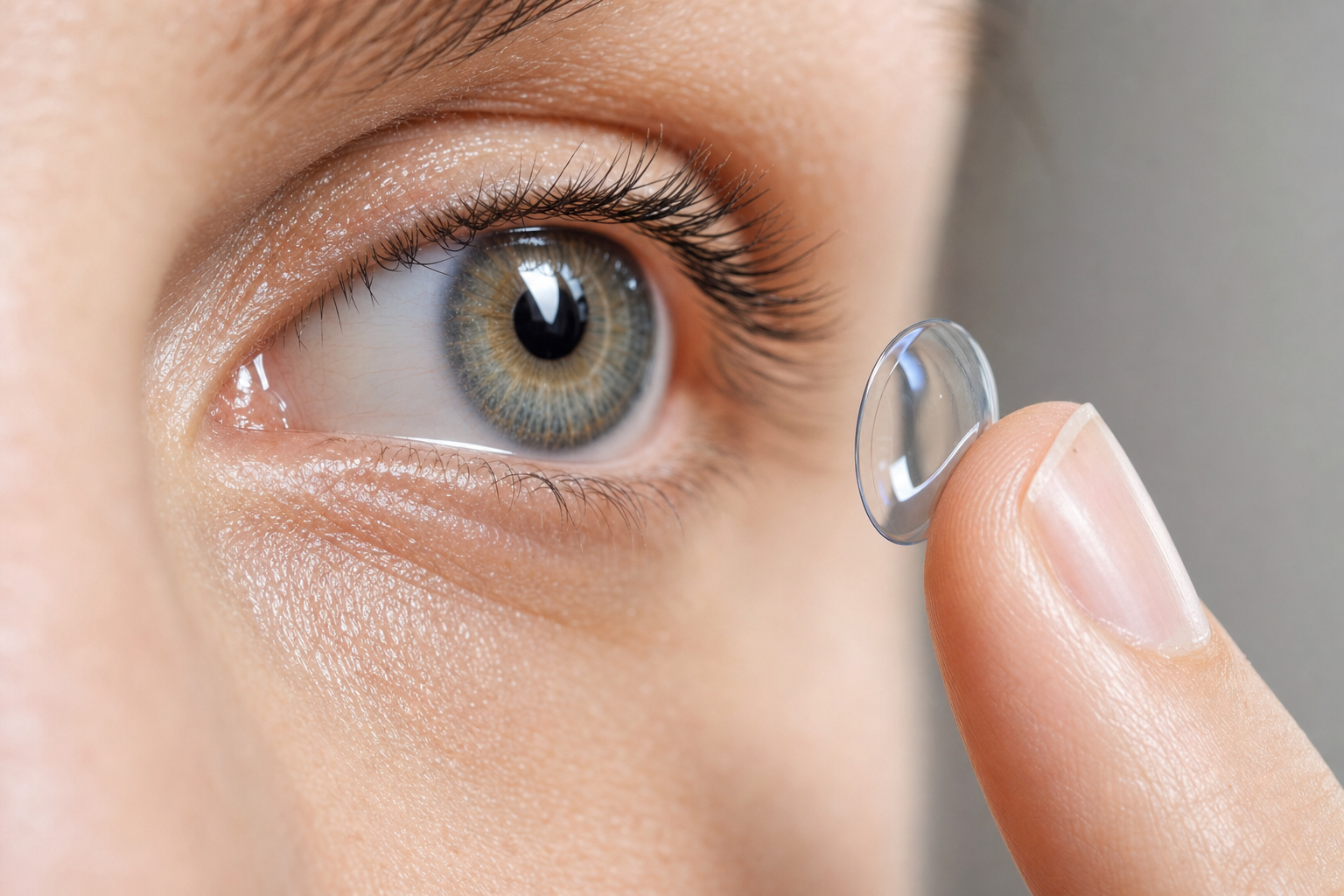
The Dangerous Truth About Storing Contacts Without Solution
Feb 12,2026 | Coleyes
Contact lenses are a daily reality for more than 34 million people in the U.S. and 71 million worldwide. Not having contact solution can create a serious problem with scary implications for your health.
Your vision and eye health depend on how well you take care of your contact lenses. Many people need to store contacts without solution or look for alternatives at some point. Never let water touch your lenses - it has bacteria that can infect your eyes. Using contaminated or homemade solutions puts your eyes at risk from dangerous microorganisms like Acanthamoeba.
Clean lenses are crucial to kill harmful germs that might cause severe eye infections. On top of that, your eyes need oxygen. Sleeping with contacts in leads to dry eyes, discomfort and possible infections. This piece will help you find safe emergency options when you run out of solution and teach you the right way to care for your lenses to keep your eyes healthy.
Why storing contacts without solution is dangerous
Your eye health faces serious risks when you store contact lenses incorrectly. Many people who wear contacts don't realize how dangerous poor lens care can be. This isn't just about keeping things tidy—your eyesight could be at stake.
Risk of eye infections like Acanthamoeba keratitis
Acanthamoeba keratitis (AK) can devastate your vision. This rare eye infection comes from tiny organisms that can make you lose your sight or go blind. Each year, doctors diagnose about 23,000 people worldwide with AK. Contact lens wearers make up 90% of all AK cases.
You get this infection when you don't store your lenses properly and they become contaminated. The Acanthamoeba parasite lives in water sources of all types and survives chlorine treatment. It sticks to contact lenses and moves to your eye, where it damages your cornea—the clear covering over your eye's colored part.
People with AK feel severe eye pain and sense something stuck in their eye. They might notice a whitish ring around the edge. The infection takes weeks or months to treat, and some people never fully recover.
Why water is never a safe substitute
The answer is crystal clear—water can never replace contact solution. You might think it's okay in emergencies, but every type of water brings serious risks:
- Tap water: Carries microorganisms like Acanthamoeba and won't disinfect your lenses
- Bottled water: Contains bacteria even though it looks clean
- Distilled water: Lacks the right properties to disinfect lenses
Water creates problems for your lenses too. Tap water lacks the salt content of your tears, so your contacts swell up and become too tight. This poor fit creates tiny breaks in your cornea where microorganisms can enter and cause infection.
The biggest danger comes from bacteria and parasites that live in water. These tiny organisms get trapped between your lens and eye surface. Even a quick splash of water puts you at risk of infection.
How bacteria and microbes affect your lenses
Contact lenses work like sponges. They soak up water and any contaminants in it. Bacteria multiply quickly once they attach to your lenses in that warm, moist environment. Research shows contact lenses change your eye's microbial makeup to resemble skin bacteria more closely.
Scientists found that lens wearers' eye surfaces contain more harmful bacteria. These include Pseudomonas, Acinetobacter, Methylobacterium, and Lactobacillus. These bacteria can cause serious eye conditions like conjunctivitis, keratitis, and endophthalmitis.
Bacteria first grow in your lens case. They move to your contacts and reach your eyes. Research proves that lens cases often harbor persistent contamination tied to microbial keratitis and corneal problems.
Bacterial keratitis doesn't happen often, but it poses real dangers—especially from Pseudomonas aeruginosa and Staphylococcus aureus. Without treatment, you could lose your vision or go blind. Proper lens care isn't optional—it's essential to protect your sight.
What not to use as a contact solution substitute
You might panic if you run out of contact solution. Learning what you should never use as a substitute could protect your vision.
Tap water and bottled water
Eye care professionals strictly forbid using any kind of water as a contact solution substitute. The FDA warns against putting your contact lenses in tap, bottled, distilled, lake, or ocean water.
The main reason is Acanthamoeba—a microscopic organism that lives in water sources. This parasite sticks to contact lenses and causes Acanthamoeba keratitis, an infection that's hard to treat. Water also makes your soft contact lenses swell and stick to your eyes.
Clean-looking water can trick you. It contains microorganisms that cause painful and blinding eye infections. Studies show that organisms behind microbial keratitis thrive in plumbing biofilms. Water source, region, season, and rainfall affect contamination levels.
Saliva and homemade saline
Your contacts feel dry and you think about licking them? Don't do it. Saliva isn't sterile and should stay away from your contact lenses. Your mouth breeds bacteria, no matter how clean you think it is.
Putting saliva on your contacts exposes them to oral bacteria. This increases your risk of keratitis and conjunctivitis (pink eye). These conditions show up as painful, red eyes with blurred vision, light sensitivity, and discharge.
Homemade saline is just as dangerous. The CDC links it to many cases of Acanthamoeba keratitis. Research shows that half of these infections came from homemade saline made with distilled water—which isn't sterile.
Store-bought contact solutions have special disinfectants. Homemade saline doesn't protect your lenses from contamination or your eyes from infection.
Expired contact lens solution
Don't ignore the expiration date on your contact solution—it's vital for safety. Expired solution puts you at risk for eye infections like keratitis.
The disinfecting properties in contact solution break down over time. This makes it useless against bacteria, fungi, and other pathogens. These microorganisms grow in expired solution, turning your lens case into a breeding ground for eye irritants.
Expired solution can't clean your lenses properly. Proteins and debris build up and cause redness, irritation, and discomfort. Never try to fix this by rinsing lenses with tap water.
You might think using expired contact solution isn't a big deal. The collateral damage—from irritation to serious eye infections—makes it too risky. If you're in a pinch, wear glasses instead of using bad solution.
Safe emergency alternatives to contact solution
It's stressful when you run out of contact solution. Luckily, you have a few safe temporary options that can help during emergencies without putting your eye health at risk.
Using sterile saline solution temporarily
Sterile saline solution is the only medically-advised temporary alternative when you don't have proper multipurpose solution. Your natural tears are similar to sterile saline, so it won't harm your lenses or irritate your eyes like water or homemade mixtures would.
The biggest problem with saline solution is that it lacks cleaning agents and disinfectants. This means it can't kill bacteria or clean protein deposits. You should only store your lenses in it for up to 24 hours.
Here's how to safely store contacts in saline during emergencies:
- Use only unopened, sterile ophthalmic saline (not nasal spray or wound wash)
- Clean your hands really well before touching lenses
- Rinse your lens case with sterile saline and fill the chambers
- Put your lenses in and seal the case tightly
You'll need to clean and disinfect your lenses with proper multipurpose solution before wearing them again. Note that saline solution works for rinsing after cleaning with another care system—never as a standalone solution.
Hydrogen peroxide-based systems (with caution)
Hydrogen peroxide systems are a great way to get both cleaning and disinfection for your contacts in emergencies. These solutions work especially well when you have sensitivities or allergies to multipurpose solutions since they're preservative-free.
Most hydrogen peroxide solutions come in 3% concentration and help break down proteins on your contacts. Safety is crucial here—hydrogen peroxide should never directly contact your eyes because it can cause intense burning and temporary damage to corneal cells.
The neutralization process is critical for safety. You must:
- Use the special case that comes with the solution
- Let the chemical reaction finish for 4-6 hours
- Never put hydrogen peroxide directly on lenses before wearing them
A platinum-coated disk in the special case turns hydrogen peroxide into harmless saline solution. This alternative needs careful handling since mistakes can seriously harm your eyes. Only use it if you understand the process completely.
When to use daily disposable lenses instead
Daily disposable contacts might be your best bet if you travel often or keep running out of solution. These lenses come in sterile individual packages and don't need solutions or cases.
Daily disposables solve the storage issue completely—just throw them away at night. This helps you avoid:
- Painful infections that need medical care
- Doctor visits that get pricey
- Risks of permanent vision damage
Your vision's health matters more than the cost of lenses. The safest choice is to throw away your lenses if you don't have proper storage options or access to these alternatives.
How to store contacts safely in an emergency
Even the most prepared contact lens wearers face emergencies sometimes. You need to know how to handle your contacts properly during these situations to avoid painful eye infections.
Steps to take if you run out of solution
These steps will help minimize risks in a true emergency:
- Use antibacterial soap to wash your hands and dry them with a lint-free towel
- Look for a clean, airtight container (never use drinking glasses or random containers)
- Use sterile saline solution to keep lenses hydrated if you have it (note that this doesn't disinfect)
- Storing lenses dry is safer than using non-sterile liquids when no solution exists
- Stay away from water, homemade saline, or saliva as substitutes
You might panic at first, but staying calm and following these steps will protect your vision. Note that this should be a one-time solution and not become routine.
How long can contacts be out of solution?
Your contact lenses start to dehydrate after 15-20 minutes of air exposure, especially in low-humidity environments. Dried out lenses become rigid and brittle, which means they could crack or break when you handle them.
You should soak the lenses in fresh contact solution for at least 24 hours to rehydrate them. Look carefully for any cracks, splits, or scratches before putting them back in. Throw them away right away if you see any defects.
Daily disposable lenses should never be stored—they work for single use only. Monthly or bi-weekly lenses should not be stored without proper solution for more than 12 hours in emergencies.
When to discard lenses instead of storing
A simple rule applies to all eye care decisions: "When in doubt, throw it out." Your vision matters more than the cost of new lenses.
Throw away your lenses immediately if:
- They touch tap water, bottled water, or saliva
- You spot tears, cracks, or shape changes
- They've dried out and look damaged
- Your eyes feel uncomfortable after putting them back in
- They've been stored incorrectly for over 12 hours
Without doubt, switching to glasses until you can properly disinfect your lenses or get new ones is the safest choice during any solution shortage. Wearing glasses temporarily beats risking long-term eye damage from infections.
Best practices for contact lens care and hygiene
Your contact lens care routine is the life-blood of healthy eyes. A single mistake in your daily care can lead to serious infections.
How to clean contact lenses properly
Start with clean hands - wash them with antibacterial soap and dry them with a lint-free towel. Put one lens in your palm and add fresh solution. Gently rub both sides with your finger for about 20 seconds. Give it another rinse with solution to remove any loose debris. Clean lenses help you avoid irritating protein buildup in your eyes.
How to disinfect contact lenses
Contact lens solutions do different jobs. Multipurpose solutions clean, rinse, and disinfect soft contacts. Hydrogen peroxide systems kill germs but need neutralization before you can wear them. If you use hydrogen peroxide, you'll need to wait 4-6 hours before putting in your lenses to avoid eye damage. Saline solution can't disinfect your lenses - it just rinses them after other cleaning methods.
Tips for storing your lens case
- Rinse it daily with fresh solution - never use water
- Let it air-dry upside down on a clean tissue, caps off
- Keep it away from bathrooms to avoid bacteria
- Get a new case every three months without fail
Why you should never top off old solution
Adding new solution to old solution makes disinfection less effective. This practice lets harmful microorganisms grow and can cause infections. Studies show all but one of these contact lens wearers do something risky with their lenses. Always throw out old solution completely - its disinfecting power weakens over time.
Conclusion
Contact lens care might seem like a minor detail in your daily routine. Poor storage can lead to serious eye infections and vision loss. In this piece, we've seen how dangerous habits like storing lenses in water, saliva, or homemade solutions create perfect conditions for harmful microorganisms. These microscopic threats, especially when you have Acanthamoeba, can seriously damage your eye health.
Sterile saline works only as a temporary emergency storage for up to 24 hours. Hydrogen peroxide systems need careful neutralization before use. Daily disposable lenses remove storage concerns completely. These are great options for travelers or people who often find themselves without proper solution.
Your vision needs protection at all costs. You should wear glasses instead of risking your eye health with improper lens storage. Clean your case often, get a new one every three months, and never "top off" old solution. You should throw away lenses right away if they've touched water or other contaminants, dried out completely, or stayed in improper storage too long.
Proper contact lens care ended up needing dedication to consistent habits. The few extra minutes you spend on proper cleaning, disinfection, and storage protect you from painful infections. This helps you avoid treatments that can get pricey and permanent damage. Taking care of your contacts means protecting your eyes – a small time investment that guards your vision for years ahead.
Comment