

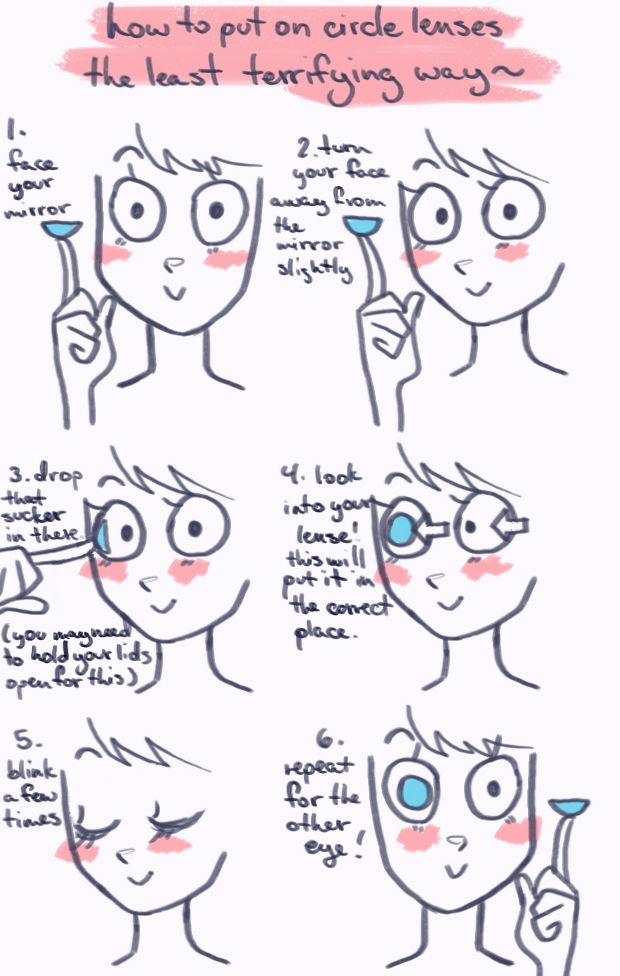
You need to know how long you can safely wear contacts to protect your eyes and avoid serious problems. Daily disposable colored contacts should stay in your eyes for 10-12 hours at most before you throw them away. Monthly disposable lenses can last 30 days when you take good care of them.
Eye doctors suggest wearing contact lenses only 8-12 hours each day, whatever type of lens you use. This helps you stay comfortable and avoid infections. Monthly or yearly contact lenses work best when you wear them about 9 hours daily. Your lenses will last longer when you clean and store them properly.
This detailed piece tells you everything about contact lens schedules, from your first pair to special situations. You'll discover what experts recommend for different types of lenses and warning signs that tell you to take out your contacts right away. You'll also learn professional advice about the longest safe wearing time to protect your vision.
How Long Are You Supposed to Wear Contacts?
Your contact lens wear time depends on the type of lens you use. You need to know the recommended wear times to keep your eyes healthy and avoid problems.
Daily wear vs extended wear
Contact lenses come in two main types based on when you can wear them. You must take daily wear lenses out before going to sleep and can only wear them when you're awake. Most people can wear these lenses comfortably for 8-16 hours straight, based on how sensitive their eyes are. Eye doctors suggest taking these lenses out 1-2 hours before bed to let your eyes rest.
Daily wear lenses have two subtypes:
- Daily disposable lenses: You wear them once and throw them away at night
- Reusable daily lenses: You can wear these multiple times if you clean and store them each night
Extended wear contacts are different. Their materials let more oxygen reach your cornea. You can wear these lenses non-stop - even while sleeping. Your eye doctor might let you wear extended wear lenses anywhere from one to four weeks before you need new ones. Some extended wear lenses work for up to 30 days straight, but this doesn't work for everyone.
How long is too long to wear contacts
Bad things can happen if you wear contacts longer than recommended. Eye doctors want you to take out even extended wear lenses at least once every week. This helps your eyes recover and cuts down infection risks from wearing them too long.
Sleeping in daily wear lenses is dangerous and makes eye infections much more likely. You should take out your contacts before any naps, whatever type they are.
Your contacts have been in too long if you notice:
- Red and irritated eyes
- Dry or scratchy feeling
- Vision gets blurry or hard to focus
- Light bothers your eyes more
- Eyes water too much
Take your lenses out right away if these signs show up. Let your eyes recover. Keeping contacts in when your eyes hurt can make things worse and lead to infections.
Keep in mind that extended wear lenses aren't right for everyone, even if they're approved for long-term use. Your eye doctor will look at your eye health and tell you exactly how long you can safely wear your lenses.
Wearing contacts too long can do more than just make you uncomfortable. This is a big deal as it means that you might get corneal hypoxia (when your cornea doesn't get enough oxygen). This can make your eyes swell up, get inflamed, and catch infections more easily.
First-Time Contact Lens Wear: What to Expect
The first steps of your contact lens trip can bring mixed feelings of excitement and nervousness. Putting a lens on your eye for the first time might feel odd, but knowing what lies ahead will make things easier.
How long to wear contacts first time
Your eyes need time to get used to the feeling of contact lenses. The first day, you should wear your new contacts for just 4-6 hours. This short time lets your eyes adapt slowly without getting stressed. Your eye doctor might give you specific instructions based on your eye health and lens type.
In those first few hours, you'll likely notice the lenses in your eyes. Many people say it feels like having something light in their eye, though it shouldn't hurt. You might also experience:
- Vision that's slightly blurry or changes
- More frequent blinking
- A feeling of the lens edges
- Dry eyes
Your lenses might cause discomfort if they're inside-out, dirty, or damaged. You should see your eye doctor right away if the irritation doesn't go away after checking these things.
How long to wear contacts when new
After your first day goes well, you can slowly increase your wearing time. Here's a good schedule for newcomers:
Day 2: Stay with 4-6 hours if it feels right
Day 3: Move up to 6-8 hours (one workday)
Day 4: Try 8-10 hours as your eyes adjust
Day 5: Reach the full recommended time of 10-12 hours
As time passes, keeping your contacts in longer becomes easier. All the same, you must follow your doctor's guidance and never sleep with contacts unless they're approved for overnight use.
Different types of lenses need different adjustment times. Soft contacts usually feel good quickly, but rigid gas-permeable lenses might take a week or more to feel natural. Special lenses like torics for astigmatism also need extra time to settle properly.
How long to wear contacts before it gets comfortable
Each person's adjustment time is different. Most people get used to their contacts within 10-12 days. During this time, you'll notice the lenses less each day until they feel like part of your eyes—except for seeing better.
Soft lens users usually find any discomfort goes away in a few days. Almost everyone adapts to soft lenses within two weeks. If you still feel uncomfortable after this time, your lenses might not fit right or you may need a different material.
Note that you should take out your lenses right away if you notice pain, redness, foggy vision, or vision problems that don't clear up. These signs might mean you need to see your eye doctor.
Patience and staying consistent are vital during this adjustment phase. By doing this with the recommended schedule and proper care, you'll soon enjoy the benefits that contact lenses bring.
Factors That Affect Safe Wear Time
Your comfortable and safe contact lens wearing time depends on several key factors. These variables help you make smart decisions about your wearing schedule beyond basic guidelines.
Eye health and sensitivity
Your eyes' unique characteristics are vital in determining safe wearing times. People with naturally dry eyes need shorter wearing periods. Some find their contacts uncomfortable after just a few hours. Your cornea's sensitivity also affects wear time. Studies show sensitivity drops over time and reaches its lowest point after 12 hours.
This means your eyes might not warn you about overwear after long periods of use. Long-term contact wearers report fewer dry eye symptoms. Their corneas have become less sensitive to these issues.
Medical conditions like dry eye syndrome can cut down comfortable wear times. Using lens rewetting drops can help increase tear volume and reduce dryness.
Lens material and oxygen permeability
The material of your contact lenses affects their safe wearing duration. Oxygen permeability (OP) measures how much oxygen reaches your eye through the lens. This measurement uses a value called Dk. Higher Dk values mean more oxygen gets to your cornea.
Regular hydrogel lenses have low Dk values between 9-50. Their oxygen transmission mainly depends on water content. Modern silicone hydrogel lenses deliver five times more oxygen with Dk values of 110-128. This improved oxygen flow explains why some lenses work for overnight wear.
Your cornea needs about 5 μl O₂/mm² cornea/hour, though needs vary between 3-10 μl. Daily wear requires 9.9% oxygen to prevent corneal swelling. Extended wear needs 17.1% to keep swelling at safe levels.
Not getting enough oxygen leads to serious problems:
- Corneal hypoxia (oxygen deprivation)
- Corneal swelling and clouding
- Decreased visual acuity
- Potential for neovascularization (abnormal blood vessel growth)
Environmental conditions
Your environment affects how long you should wear contacts. Oxygen levels change with altitude. At 5,000 feet, atmospheric oxygen drops from 21% to about 18% and keeps decreasing at higher elevations. This reduced oxygen might affect comfort, especially with non-silicone lenses.
Air quality and humidity affect comfort and safety. Dry environments make lenses dehydrate faster. This leads to discomfort and blurry vision as contacts and your eye surface become irregular. Air conditioning and hot weather can make these problems worse.
Other environmental factors include:
- Dust or allergens that collect on lenses
- Screen time that reduces blinking and increases dryness
- Air movement that speeds up tear evaporation
Understanding these factors helps you adjust your wearing schedule to keep your eyes healthy and comfortable throughout the day.
When to Stop Wearing Contacts Immediately
Your eyes need immediate attention when contact lenses cause problems. Learning these warning signs will help you avoid serious complications and protect your vision.
Signs of infection or irritation
Your eyes will tell you when something's wrong. Take your contacts out right away and get urgent medical care if you notice:
- Worsening pain in or around your eyes that stays after removing lenses
- Sudden blurry vision that doesn't clear up when you blink
- Extreme light sensitivity making normal indoor light uncomfortable
- Unusual discharge looking mucous-like, watery, or colored
- Persistent red eyes getting worse instead of better after taking out lenses
These symptoms might point to microbial keratitis or other serious infections needing immediate medical attention. Your vision could suffer permanent damage if you wait too long.
Wearing contacts with expired prescriptions
Using contacts past their expiration date puts your eye health at risk. Old lenses become brittle and can develop tiny tears that might scratch your cornea.
Your expired lenses create perfect conditions for bacteria and fungi to grow, which can lead to:
- Keratitis (corneal inflammation) causing redness, blurred vision, and pain
- Conjunctivitis bringing swelling, redness, and itchiness
- Corneal abrasions from worn-out lens materials
Old prescriptions can also trigger headaches, blur your vision, and strain your eyes as your vision changes over time. Switch to glasses right away and see your eye doctor if you notice any vision problems while wearing older lenses.
When lenses feel uncomfortable despite care
Your contacts should feel comfortable all day if they fit properly and you take care of them. Ongoing discomfort after cleaning is a red flag.
Take your lenses out immediately if you feel:
- A burning or scratching sensation that won't go away
- Cloudy or foggy vision even after using rewetting drops
- Painful dryness when blinking
- Something stuck under your lens
Give your eyes a break by wearing glasses if you feel any discomfort. Call your eye doctor if symptoms last more than a day or get worse after removing your lenses. Trying to push through the discomfort can damage your cornea and make infections more likely.
Doctor-Recommended Safety Tips
Contact lens wearers need professional eye care guidance to protect their eyes. Expert recommendations help you stay comfortable and maintain healthy eyes for years to come.
Consultation before resuming after eye conditions
You should remove your contacts right away if your eyes become red or irritated. Make sure to get urgent eye care if these symptoms don't go away. Pink eye or conjunctivitis patients must avoid wearing contacts until they heal completely. Wearing them too soon can make irritation worse and slow down recovery. The same goes for styes and other infections - wait until all signs of redness, swelling, and pain disappear. Your optometrist will learn about the infection's cause and give you individual-specific experiences about when you can safely wear contacts again.
How long to not wear contacts before eye exam
Soft contact lens users need to take out their lenses at least 2 hours before a routine eye exam. People who wear rigid gas-permeable lenses might need several days without them to get accurate results. Some eye doctors suggest longer periods - 12-24 hours for soft lenses and up to 3 weeks for rigid contacts. Bring your lenses to your appointment so your doctor can quickly replace them if needed.
Using rewetting drops and taking breaks
People wear contact lenses and use rewetting drops to handle dryness, feel more comfortable, and clean away debris. These drops can make wearing time more comfortable by a lot, especially when your eyes feel dry at the end of the day. Take out your contacts first if you need prescribed eye drops. Wait about 15 minutes before putting them back in. On top of that, it helps to give your eyes "contact lens holidays" - a two-week break now and then lets your delicate corneas reset. These breaks help your tear film stabilize and keep the moisture that guards against irritation.
Conclusion
Proper contact lens wear schedules are crucial for your eye health. This piece explains that you should wear most contacts for 8-12 hours daily, whatever type of lens you use. New wearers should build up their wearing time slowly. They can start with 4-6 hours in their original schedule before reaching the recommended maximum.
Your lens wear duration depends on your eye sensitivity, lens material, and environment. These factors substantially affect how long you can wear your lenses comfortably. Silicone hydrogel materials let more oxygen reach your eyes than traditional hydrogels, which means you might be able to wear them longer while keeping your corneas healthy.
Note that discomfort is your eyes' way of warning you. You just need to remove your lenses and see a professional if you experience red, irritated eyes, blurry vision, or unusual discharge. On top of that, avoid wearing contacts with expired prescriptions or uncomfortable lenses, even with proper care.
Taking regular breaks from contact lenses is a strong recommendation from eye doctors. These "contact lens holidays" help your corneas recover and stay healthy. Rewetting drops definitely help you wear lenses longer comfortably, but they can't replace a proper wear schedule.
Contact lenses are a great way to get vision correction when used correctly. These safety guidelines protect both your comfort now and your eye health in the future. Pay attention to what your eyes tell you, respect their boundaries, and enjoy the freedom of contacts without risking your vision.