

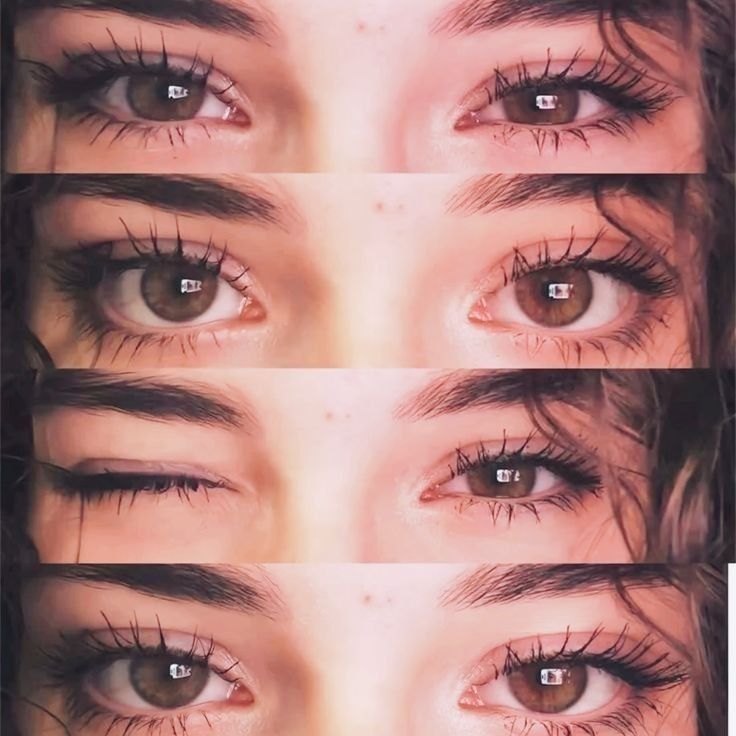
Brown eyes are the world's most common eye color, with 70-80% of people having various shades of brown. Most people don't realize just how diverse brown eyes can be.
Scientists tell us that all humans had brown eyes about 10,000 years ago. What we see as a simple brown color is actually a beautiful range of shades from light honey to deep chocolate. The science behind eye color is fascinating - every person's eyes are brown at their core. The final color we see depends on melanin levels and how light bounces through the iris.
This piece will show you the different types of brown eyes and some rare variations you might have missed. You'll also learn how colored contacts can change brown eyes with the right opacity and pigmentation. Brown eyes are far from ordinary, whether you want to understand your own eye color or just love learning about human genetics.
How Brown Eyes Are Formed
Your genes start determining your brown eyes' color before you're born by controlling melanin production. Many people think they simply inherit their eye color from their parents, but the process is nowhere near that simple.
Role of melanin in eye color
Melanin is the main pigment that gives eyes their color. Special cells called melanocytes make this natural substance and store it in tiny compartments called melanosomes. The amount of melanin in your iris determines how deep your brown eye color will be.
Eyes with lots of melanin absorb more light, which makes them dark brown or almost black. It also makes your eyes look great and acts as a vital shield against harmful UV rays - like having built-in sunglasses. This natural protection explains why brown eyes are so common - about 79% of people worldwide have them. They provide better sun protection than lighter colored eyes.
Genetic inheritance and dominance
Brown eyes don't follow a simple inheritance pattern - they're the result of several genes working together. Scientists used to think eye color was pretty straightforward, but now we know that up to 16 different genes help decide your eye color.
Two genes are the most important in this process:
- OCA2 gene (located on chromosome 15): This controls how much melanin you make and is linked to different eye colors
- HERC2 gene: This tells OCA2 what to do, with one specific part controlling how OCA2 works
Darker eyes tend to be dominant. Brown usually wins out over blue and green, but there are many exceptions because these genes interact in complex ways. That's why two blue-eyed parents can sometimes have a brown-eyed child - something that didn't make sense under the old genetic models.
The old single-gene theory turned out to be wrong since eye color doesn't follow basic inheritance rules. Each parent passes down a mix of genetic variants that ended up determining the melanin in your iris.
Why all eyes technically have brown pigment
The sort of thing I love about eye color is that almost everyone has melanin in their iris's back layer. Only people with conditions like albinism are different. This means all eyes have some brown in them.
The amount of melanin in your iris's front layer creates different eye colors. Brown eyes have lots of melanin in both front and back layers. People with hazel or green eyes have less melanin up front than those with brown eyes. Blue or gray eyes happen when there's little to no melanin in the front layer.
Your iris structure changes how light interacts with melanin. The countless variations in iris structure - including tiny dents and patterns - create your unique eye color. It's so unique that no two people have similar eye colors, not even identical twins.
Different Shades of Brown Eyes
Brown eyes are more than just a single color—they show an amazing range of shades, each with its own special features and visual effects. The colors range from light golden tints to deep near-black hues, and each variation has its own beautiful genetic signature.
Light brown: honey and cognac
The lightest brown eyes show beautiful variations that sparkle with golden tints. Honey brown eyes blend golden, amber, and brown tones that catch light with warm, bright reflections. These eyes don't show just one flat color but mix brown, yellow, gold, and sometimes tiny green specks. This rare variation appears in only about 5% of people worldwide.
Cognac brown eyes, named after the famous brandy, look a bit darker than honey brown and have distinct rusty red undertones. These eyes show natural, earthy colors that look like autumn shades with hints of fire red and orange. People sometimes mix up cognac eyes with amber ones, but cognac browns have their own special mix of melanin types. The warm undertones create a deep look that changes subtly in different lights.
Medium brown: chestnut and russet
Chestnut eyes show a warm, medium shade with romantic reddish undertones that look just like real chestnuts. These eyes have more melanin than honey or cognac types but stay light enough to see the pupil clearly. The warm reddish-brown often has unique gold or caramel backgrounds that add character. Round chestnut-colored eyes usually give people a young, doe-eyed look.
Russet brown eyes have a darker brown base with clear reddish-orange tones. This rare brown eye variation gets its unique shade from high pheomelanin levels mixed with darker eumelanin. Russet eyes often shine with amber or gold highlights in bright light. The name comes from the French word "rousset" which means "reddish". These eyes look a bit darker than chestnut but still show a visible pupil.
Dark brown: chocolate and black-brown
Chocolate brown eyes rank among the darkest variations and look like deep pools of melted chocolate. This cool-toned dark shade has few warm undertones and creates a rich, deep look because of high melanin levels. The heavy melanin makes pupils harder to see. Research suggests that people with these deep eyes often seem more trustworthy and caring.
Black-brown eyes have the most melanin of all eye colors, which makes their pupils blend with the iris. These very dark eyes appear most often in sunny places like Africa and Asia, where their deep color helps protect against UV radiation. The pupil and iris look almost the same, creating a mysterious, attractive gaze. This maximum melanin level explains why these eyes can look almost black at first glance.
The amazing variety of brown eyes shows how a simple color can have remarkable differences—each shade comes from a unique mix of genetic factors and melanin patterns that make your eyes truly yours.
Rare and Unusual Brown Eye Colors
Most people don't notice the amazing world of rare and unusual brown eye colors beyond common variations. These unique shades show extraordinary color combinations that only a small percentage of people have.
Amber-brown with golden hues
True amber eyes are one of the world's rarest colors - only 5% of people have them. These eyes have more pheomelanin (a reddish-yellow pigment) and less eumelanin (dark brown-black pigment) than regular brown eyes. This special mix creates a stunning golden-yellow to copper look.
The solid color makes amber eyes special. Hazel eyes mix green, brown, and gold with multiple flecks, but amber eyes have a consistent golden-yellow color throughout the iris. This creates an almost magnetic quality with warmth that catches everyone's attention.
Natural sunlight makes amber eyes show:
- A metallic shine with gold or bronze reflections
- Rich undertones from pale honey to deep burnt copper
- Subtle changes between golden in bright light and coppery in shadows
People from South America, Asia, and the Middle East have these eye colors more often, but they're rare in European or African populations.
Reddish-brown and russet tones
Russet brown eyes are another rare treasure. They blend dark brown with warm red or auburn undertones. Only 5% of people worldwide have this eye color. The name comes from an old cloth dyed with woad and madder to create a soft reddish-brown color.
Russet eyes stand out because they look like autumn leaves. Light brings out amber or gold reflections that create amazing depth through dark brown, auburn, and gold combinations. This rare eye color needs specific genes working together, including TYRP1 and SLC24A4.
You'll find these reddish-brown or amber eyes more often in Turkey, Iran, Pakistan, and India. The magic of russet eyes comes from their special mix of eumelanin and pheomelanin, which creates depth and a beautiful reddish-brown shine in light.
Black-brown eyes with indistinct pupils
Black-brown eyes sit at the darkest end of the spectrum. They have so much melanin that they look almost black at first glance. The pupil and iris colors blend together so well that you can barely tell them apart, creating a mysterious look.
These super dark eyes are common in sunny regions, especially in Africa and Asia. The high melanin content protects eyes from harmful UV rays - nature's sunglasses.
Black-brown eyes fascinate people because they look so uniform. Regular brown eyes show clear boundaries between iris and pupil, but black-brown eyes blur these lines. Many cultures see this mysterious gaze as a sign of depth and soul.
Colored Contacts for Brown Eyes
Brown eyes can look amazing with colored contacts. Finding the right lenses that work well on darker eye colors needs some technical know-how. More than 55% of people worldwide have brown eyes, and the contact lens industry has created special options just for these deeper shades.
Why opacity matters for dark eyes
Opacity is a vital factor when you want colored contacts to show up on brown eyes. Darker irises can easily show through lighter-colored lenses because contact lenses have some transparency. High-opacity or "opaque-tinted" lenses pack more colored pixels into each area. This gives better coverage to hide your natural eye color.
The lens design plays a big role too. Look for these features:
- Strong pigments throughout the lens
- A smaller clear center that lets color get closer to the pupil
- Multiple color layers that make shades pop
Top lens colors for brown eyes
Brown eyes work well with many colored contact options. Here are some popular picks:
Hazel and light brown lenses add subtle depth while keeping things warm and natural. These shades make dark brown eyes brighter without looking fake.
Gray lenses have become a hit because they look good on everyone and add mystery. Blue contacts create an eye-catching contrast with dark brown eyes. Green lenses give you a special look with yellow and beige undertones that mix well with darker irises.
Natural vs dramatic looks
Your style and comfort level will help you decide between subtle changes or total transformation. A natural look needs:
- Earth-toned shades like Agata or Avela for mild changes
- Tri-color lenses with three blended colors for realistic depth
- Lenses with limbal rings to define your iris edge
Bold statements come from fully opaque lenses in bright blues, greens, or grays that cover even the darkest brown eyes. Slightly larger lenses (13.0-14.2mm) work for everyday wear, while bigger sizes (14.5mm+) create more drama.
Virtual try-on and sample tips
Virtual try-on tools can show you how different lens colors look on your eyes. These digital mirrors help you see how colors match your skin tone, makeup, and natural eye color.
You can now get sample lenses or try lenses at home from many brands. Note that colored contacts need a prescription, even if you wear them just for looks. Your eyes' health comes first - never share contact lenses with anyone else.
Interesting Facts About Brown Eyes
People with brown eyes have several surprising advantages that go beyond their beautiful looks. Their darker irises come with unique biological features that offer some remarkable benefits.
Brown eyes and sun protection
The high amount of melanin in brown eyes naturally shields against harmful UV rays. This built-in protection helps people with darker eyes deal better with bright light and reduces glare on sunny days. Eye doctors stress that brown-eyed people should still wear good sunglasses outdoors, despite this natural advantage.
Lower risk of certain eye diseases
The American Academy of Ophthalmology's research shows that brown-eyed people have better protection against age-related macular degeneration (AMD) and diabetic retinopathy. Their darker eyes also mean less chance of developing ocular melanoma and Type 1 diabetes compared to light-eyed people. Studies from 2014 revealed an interesting twist - darker eyes might increase the risk of cataracts.
Cultural perceptions and trustworthiness
The sort of thing I love comes from a PLOS ONE study that found people tend to trust brown-eyed individuals more than those with blue eyes. This trust doesn't come from eye color alone but from facial features that usually go with brown eyes. These include broader chins, wider mouths with upturned corners, and larger eyes - features that naturally show happiness and openness. Brown eyes represent reliability, compassion, and inner strength in many cultures.
Conclusion
Brown eyes showcase nature's amazing diversity. This piece shows these common eyes have extraordinary variations that range from honey-gold tints to deep chocolate hues. About 70-80% of the world's population has brown eyes, yet each person's iris pattern works like a unique fingerprint.
Brown eyes' natural advantages go beyond just looks. Their higher melanin content shields against harmful UV rays and reduces the risk of eye conditions like macular degeneration. People with brown eyes handle bright light better, though they still need sunglasses for full protection.
The sort of thing I love about brown eyes is their genetic complexity. Your eye color doesn't follow simple inheritance patterns. Instead, multiple genes work together to determine how melanin spreads through your iris. This explains why two blue-eyed parents can have brown-eyed children - genetics works in surprising ways.
You can change your natural brown shade with colored contacts if you want a different look. Note that darker eyes need more opaque lenses. The options are endless - from subtle hazel or light brown to bold blues or greens.
Brown eyes stand out for their amazing diversity and practical benefits. Your brown eyes tell a unique genetic story while giving you natural advantages, whether they're light honey, rich russet, or deep chocolate. Take a moment to appreciate your brown eyes' beauty next time you look in the mirror - they're far from ordinary.