

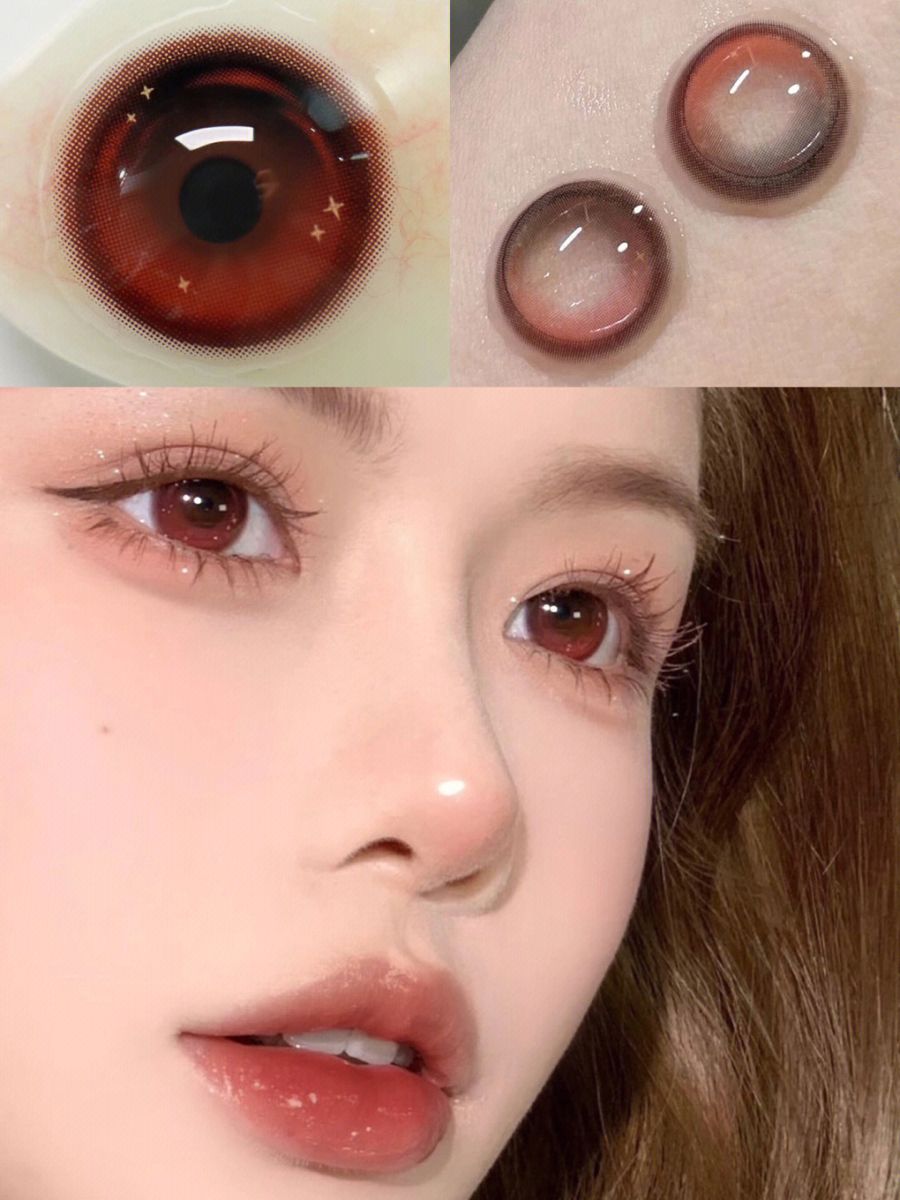
The colored contact lens market has grown remarkably by 32% in the last five years. This growth shows how people want more customized ways to change their eye appearance. These eye-transforming accessories let you change your look without permanent changes. But choosing them needs more than just picking an attractive color.
Most people don't know that colored contact lenses are medical devices. You need a prescription to buy them, even without vision correction. That perfect pair of blue contacts might catch your eye. But remember - daily disposables cost between $45 to $90 each month. Your eyes need proper care to prevent infections and keep your vision clear. This guide will help you avoid common mistakes when buying colored contacts.
Mistake 1: Choosing the wrong type of colored contact lenses
People often make mistakes when buying colored contact lenses. The biggest problem is picking the wrong type for their needs. First-time buyers think all colored contacts are basically the same. They focus on looks instead of understanding the real differences between lens types.
Prescription vs non-prescription lenses
Colored contact lenses come in two main types: prescription and non-prescription (also called plano) lenses. Prescription colored contacts do two things - they fix vision problems like nearsightedness or farsightedness and change your eye color. These lenses work great if you wear glasses or clear contacts and want to try a new eye color.
Non-prescription colored contacts don't correct vision (0.00 power) and are just for looks. They're made for people with perfect vision who want to change their eye's appearance. All the same, an eye care professional must fit these plano lenses properly.
Keep in mind that both types need the same care and professional oversight. The FDA says all contact lenses are medical devices that must fit your eye's unique shape, whether they're colored or clear, prescription or non-prescription.
Colored contact lenses for astigmatism
People with astigmatism can still wear colored contacts. Special toric colored contact lenses help fix this common problem that makes vision blurry or distorted. These lenses have a complex design with different powers in various parts.
Toric colored contacts use two powers - one fixes astigmatism and another handles nearsightedness or farsightedness. They also have special weights to stay in place on your eye.
You should talk to an eye care professional to see if toric colored contacts work for you. These lenses often use older materials that don't let as much oxygen through.
Why you still need a prescription for non-corrective lenses
Many people wrongly think non-vision correcting colored contacts don't need a prescription. This mistake leads them to buy colored lenses from costume shops, beauty stores, or sketchy online sellers.
Here's the truth: every colored contact lens needs a valid prescription from an eye doctor - even the purely cosmetic ones. This isn't just red tape - it's about keeping your eyes safe. Poorly fitted contact lenses can cause serious problems like:
- Corneal scratches or abrasions
- Serious eye infections
- Corneal ulcers
- Conjunctivitis (pink eye)
- Decreased vision
- Permanent blindness
An eye doctor must measure each eye to ensure proper fit and check how your eyes react to contact lenses, even if you have perfect vision. Buying from places that don't ask for prescriptions isn't just illegal - it could damage your eyes permanently.
A proper eye exam and lens fitting are must-have steps to wear colored contact lenses safely, whatever your vision needs are.
Mistake 2: Ignoring your natural features when picking a color
Picking colored contact lenses without thinking about your natural features is like buying clothes without knowing your body type. Your skin tone, hair color, and natural eye color are vital parts that determine which lens colors will look best on you.
How skin tone affects lens appearance
Finding the perfect colored contacts starts with understanding your skin's undertone—the subtle hue beneath your surface skin color. Your undertone stays constant and substantially affects how colors look against your complexion.
Here are quick ways to find your undertone:
-
The Jewelry Test: Hold silver and gold jewelry against your skin in natural light. Silver looking better points to cool undertones. Gold looking better suggests warm undertones. Both metals looking good means you might have neutral undertones.
-
Vein Check: Look at your wrist veins. Bluish or purple veins point to cool undertones, while greenish veins hint at warm undertones. Veins that look colorless or match your skin suggest neutral undertones.
-
Sun Reaction: People with cool undertones tend to burn fast and rarely tan. Those with warm undertones tan easily and burn less often.
Cool undertones (pink, bluish, or reddish hues) pair beautifully with gray, blue, or violet contacts. Warm undertones (golden, peach, or yellow) look great with honey, brown, and green lenses. People with neutral undertones can pull off almost any lens color.
Matching lenses with hair color
Your hair color sets the stage for your colored contacts, creating either harmony or striking contrast with your chosen lens shade.
Blue colored contacts work great with blonde hair, as both light and dark blue shades create an eye-catching look. Green lenses can give a natural vibrancy. Violet contacts can give blondes a unique, mystical appearance.
Redheads should try green contacts—these complementary colors create an electric effect. This combination works because red and green sit opposite on the color wheel, making each color pop. Blue lenses also create a captivating contrast against red hair.
Brown hair looks natural with brown or hazel lenses. Different brown shades blend well together, adding depth without looking fake. Blue contacts can create a stunning contrast against brown hair.
Black hair works as a canvas for any lens color. Blue or purple lenses create high impact against black hair. Dark-colored lenses like gray or black can create a mysterious, cohesive look.
Best colored contacts for dark eyes
Dark eyes present a challenge when choosing colored contacts. Dark irises can overpower lighter colors through the lens's natural transparency.
Opaque or semi-opaque lenses are a great choice for dark eyes. These lenses pack more colored pixels per surface area to mask the dark iris underneath. Look for designs with smaller optical zones that let color extend closer to the center without affecting your vision.
Gray lenses look good on all skin tones and add intrigue to dark eyes. Blue contacts transform brown eyes dramatically, especially in opaque forms. Green lenses create mystery without looking artificial, thanks to yellow and beige undertones that blend with dark irises naturally.
Hazel, honey, beige, or light brown lenses offer subtle enhancement rather than complete change. These options brighten dark eyes while looking believable.
Circle lenses give dark-eyed people another option. These lenses create a doll-like effect by adding a limbal ring—a dark outer circle that makes the iris look bigger. Tri-color lenses mix tones and highlights like balayage does for hair, adding dimension.
Note that lens design affects the final look on dark eyes as much as color does. The pattern features like opacity, tonality, size, and limbal rings are just as important as color when making your choice.
Mistake 3: Buying From Unverified or Unsafe Sources
Purchasing colored contact lenses from untrustworthy sellers is one of the most dangerous mistakes you can make. It’s not just about getting lenses that look different from the photos—unsafe lenses can cause permanent eye damage or even lead to blindness.
Why FDA-Approved Colored Contact Lenses Matter
In the U.S., the FDA classifies all contact lenses—even purely cosmetic ones—as Class II or Class III medical devices. They are regulated at this level because improperly made or poorly fitted lenses can pose serious health risks.
FDA-approved lenses must meet strict standards for:
-
Material safety
-
Oxygen permeability
-
Sterile manufacturing
-
Consistent quality control
This approval ensures the lenses are safe for direct contact with your eyes and produced in clean, medical-grade environments. Always choose lenses that clearly state they meet FDA requirements.
Risks of Counterfeit or Novelty Lenses
Unapproved or counterfeit lenses often contain unsafe chemicals, low-quality dyes, and materials that can irritate or damage your eyes. Wearing lenses without proper regulation or a valid prescription makes you significantly more likely to develop serious infections like keratitis.
FDA studies have shown that nearly one-third of unapproved lenses carry microbial contamination, including harmful bacteria that can cause corneal ulcers. These ulcers are painful, often leave permanent scars, and in severe cases can lead to vision loss.
Many fake lenses also have rough edges, incorrect curvature, or poorly designed coloring layers. These flaws can scratch the cornea and cause long-term complications that sometimes require medical procedures to correct.
Where to Buy Colored Contact Lenses Safely
The safest way to buy colored contacts is through licensed eye care professionals or retailers that verify prescriptions. In the U.S., it is legally required for all sellers to:
-
Request your valid prescription
-
Verify it with your eye doctor
-
Provide lenses that match your medical specifications
Avoid purchasing colored lenses from:
-
Street vendors or flea markets
-
Beauty supply or costume shops
-
Seasonal Halloween stores
-
Unverified websites or online marketplaces
Legitimate optical retailers and authorized online stores follow strict handling protocols, store lenses in proper conditions, and offer only medically approved products. If a seller tries to skip the prescription check, they are violating the law—and likely selling unsafe lenses.
Mistake 4: Not understanding lens replacement schedules
Eye health and visual comfort depend on following the right replacement schedules for colored contact lenses. Many people wear their lenses longer than recommended, which can lead to serious complications.
Daily vs monthly vs yearly lenses
Colored contact lenses come in different replacement cycles that match specific needs and priorities. Daily disposable colored lenses give you the best convenience and hygiene since you just throw them away after one use. Monthly colored contacts work for 30 days once opened if you clean them daily. Quarterly lenses last up to three months with proper care and have special smooth surfaces that resist deposits. Yearly colored contacts typically last 8-10 months with daily use, though they're designed to last up to 12 months after opening.
Your replacement cycle starts as soon as you open the lens package—not when you first wear them. Daily disposables are perfect for new wearers who want to try different eye colors before switching to longer replacement cycles.
How long can you wear colored contacts?
You should wear colored contacts no more than 10-12 hours each day. New users need to start with less than 6 hours daily and slowly increase to 8 hours as their eyes get used to the lenses. Eye care professionals suggest taking 1-2 days off every week to avoid "over wear syndrome" that can cause corneal hypoxia.
Signs it's time to replace your lenses
Here are clear signs that show you need new colored contacts:
- Discomfort or irritation that stays after cleaning
- Blurred or distorted vision
- Excessive dryness
- Visible protein deposits or debris buildup
- Damaged, torn, or bent lenses
Protein deposits build up on all lens types over time. This is a big deal as it means that wearing contacts past their replacement date increases infection risks. Quarterly and yearly lenses usually become less comfortable around the 8-10 month mark, so you should replace them whatever the stated timeline.
Note that you should never wear expired colored contact lenses because the solution becomes unsterile and unsafe for your eyes.
Mistake 5: Poor hygiene and lens care habits
Good hygiene while handling colored contact lenses affects both how well they work and your eye health. Many eye infections happen not from the lens itself but because people don't handle and care for them properly.
Cleaning and storing your lenses properly
Start by washing your hands really well with soap and water before you touch your colored contact lenses. Put the lens in your palm and add a few drops of the recommended cleaning solution. Gently rub it for about 20 seconds to remove deposits. Never use water or saliva because they have harmful microorganisms that can cause serious infections. Your lenses need to be stored in a clean case with fresh solution—don't reuse old solution or try to "top it off." You should replace your lens case every three months to stop bacteria from growing.
Why you should never sleep in your lenses
Wearing colored contact lenses while sleeping raises your infection risk by a lot and can lead to corneal hypoxia. Your cornea needs oxygen to stay healthy, but oxygen becomes limited during sleep as your eyes stay closed. This lack of oxygen makes the cornea swell up and causes discomfort, blurred vision, and in bad cases, corneal ulcers. If you fall asleep with your lenses on, take them out as soon as you wake up and let your eyes rest for a day.
Common hygiene mistakes to avoid
Common care mistakes include:
- Using tap water to rinse lenses or cases
- Not putting in fresh solution daily
- Not cleaning lenses by rubbing them
- Wearing lenses in pools or showers
- Wearing lenses longer than recommended (10-12 hours maximum)
Note that colored contact lenses touch your sensitive eye surface—just one slip in hygiene can cause problems.
Conclusion
Colored contact lenses can be a fun way to reshape your appearance. But picking the right ones involves more than just choosing a color you like. This piece highlights five mistakes that could affect your eye health and how happy you'll be with your colored lenses.
You need to know about different types of colored contacts to find lenses that work for your eyes and give you the look you want. Note that all colored lenses need a valid prescription, whatever your vision needs might be.
Your natural features will substantially affect how colored contacts look on you. Your skin undertone, hair color, and natural eye's color are the foundations of finding lens colors that enhance rather than clash with your appearance.
Safety should be your main goal when buying colored contacts. Always purchase from FDA-approved sellers who check your prescription. Fake lenses can seriously damage your vision and eye health - the lower price isn't worth the risk.
You should stick to recommended replacement schedules to avoid problems with worn-out lenses. Don't wear your lenses longer than recommended, whether they're daily disposables or yearly ones.
Good hygiene practices reduce your risk of infection dramatically. Clean hands, fresh solution, and regular case changes are vital parts of responsible lens care.
These guidelines will help you dodge painful complications while enjoying your colored contacts. These lenses should boost your confidence and be fun to wear, not cause discomfort or health issues. With proper knowledge and good habits, you can safely try different eye colors and keep your vision healthy for years.