
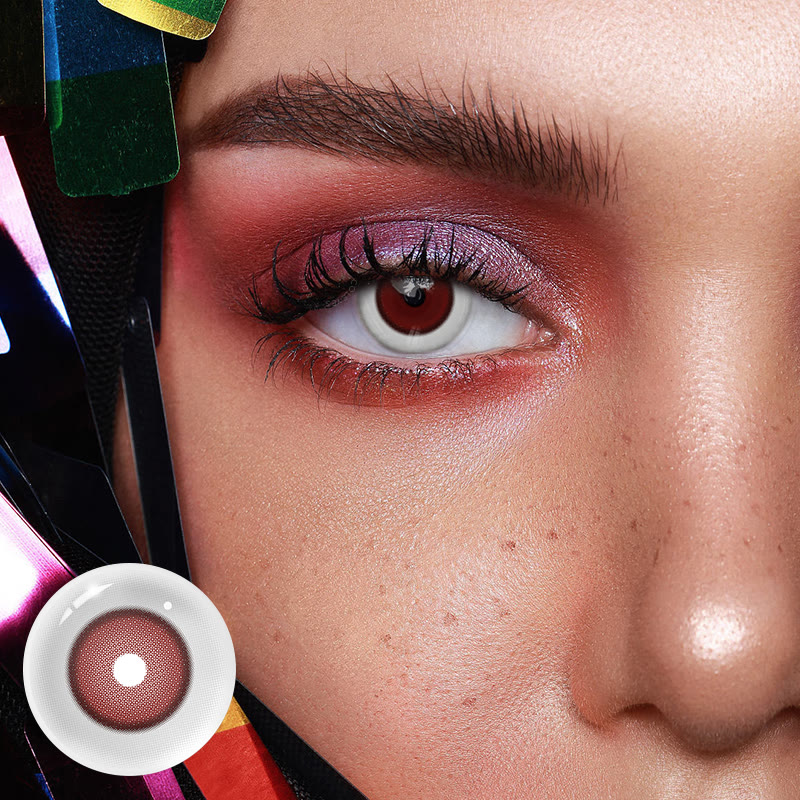
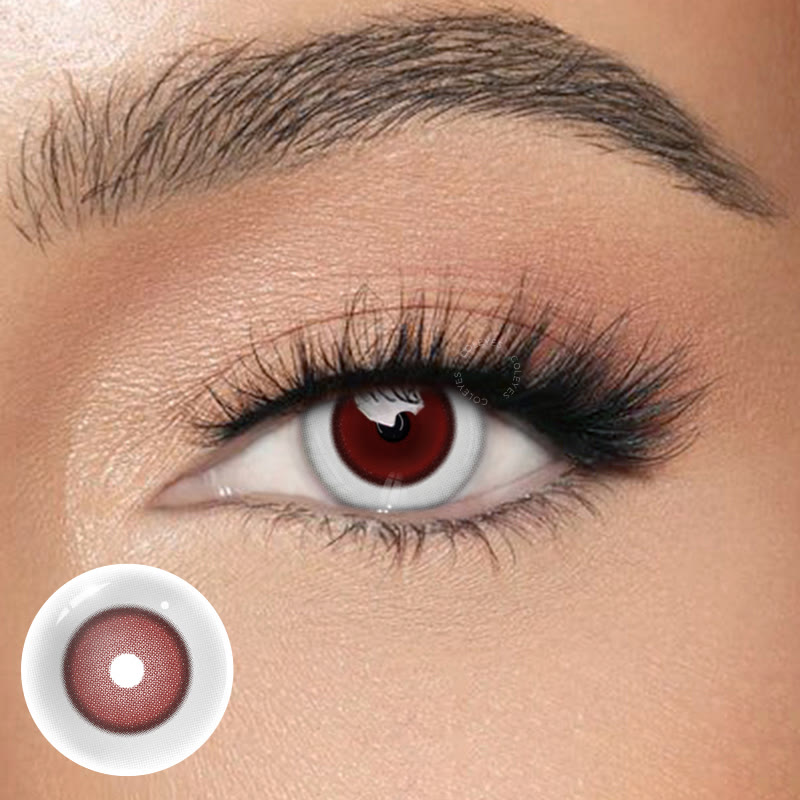
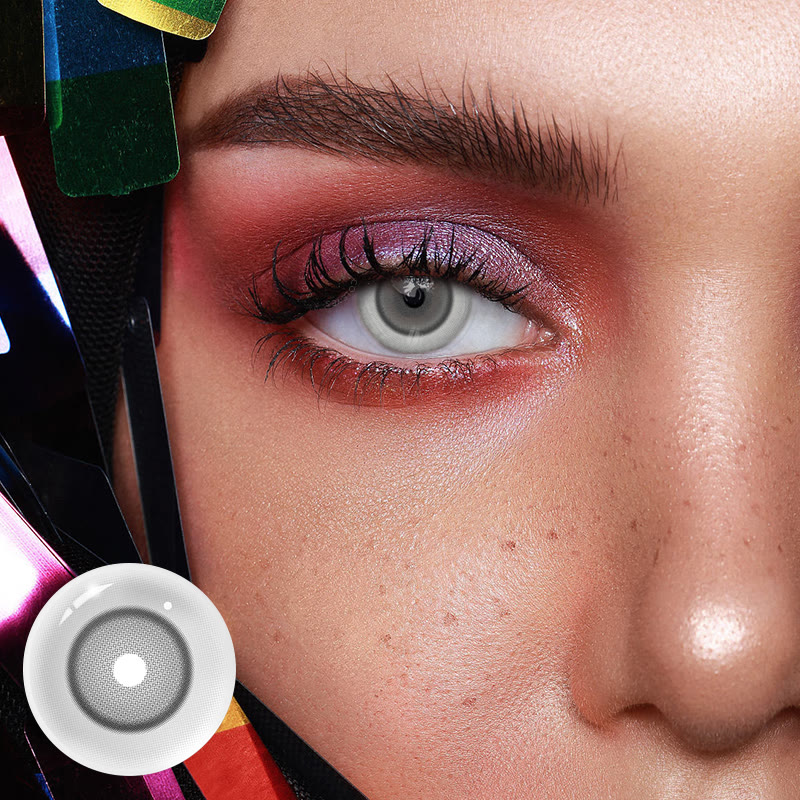
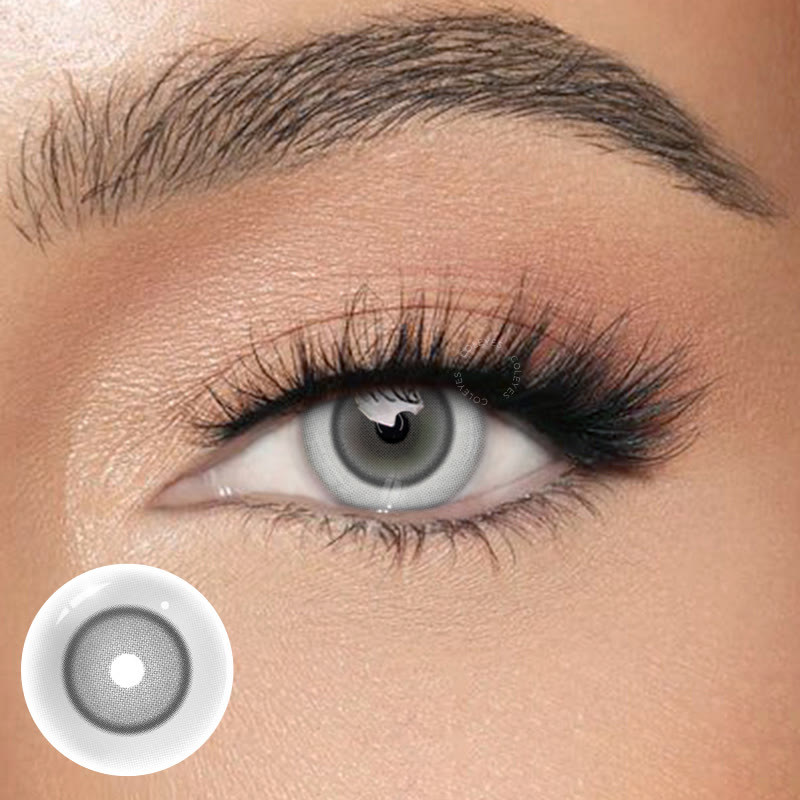
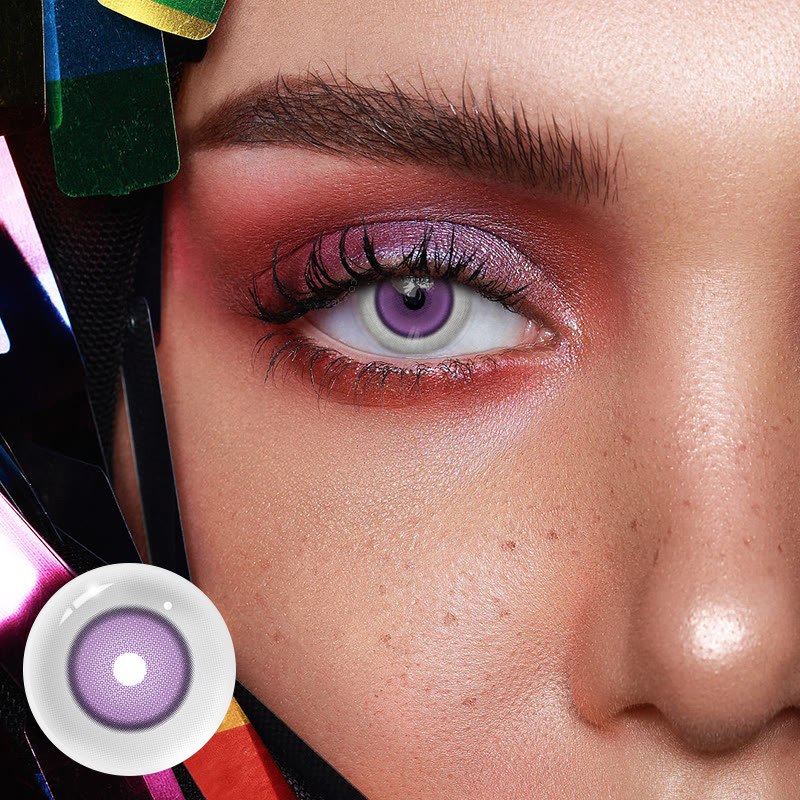
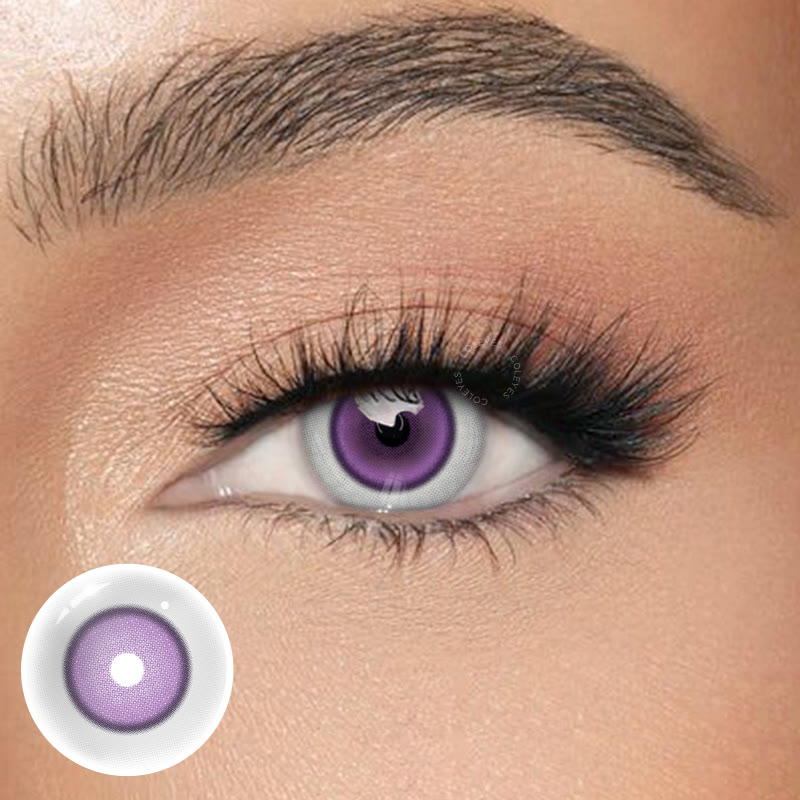
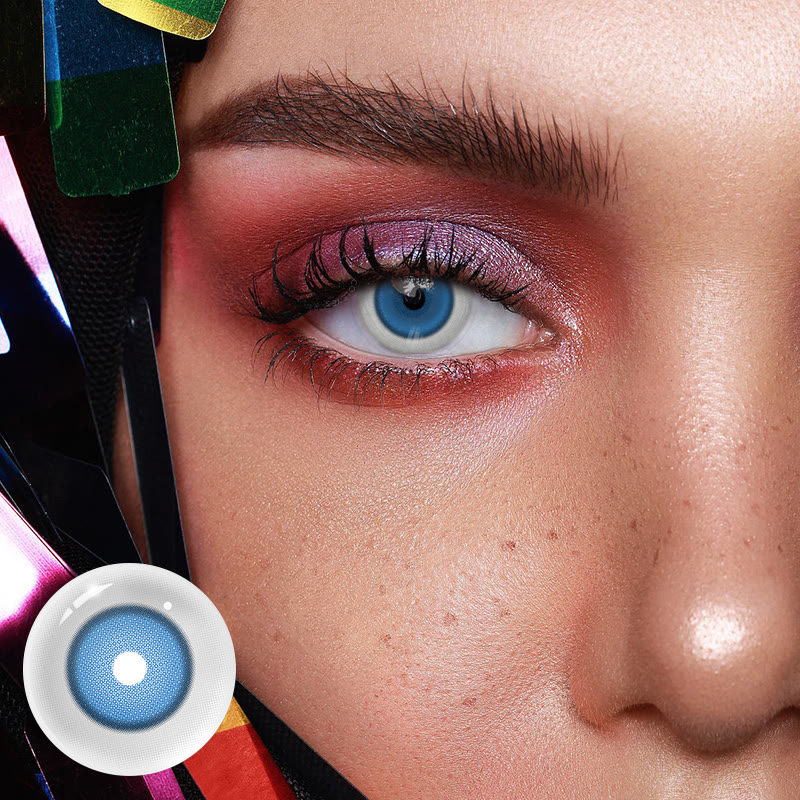
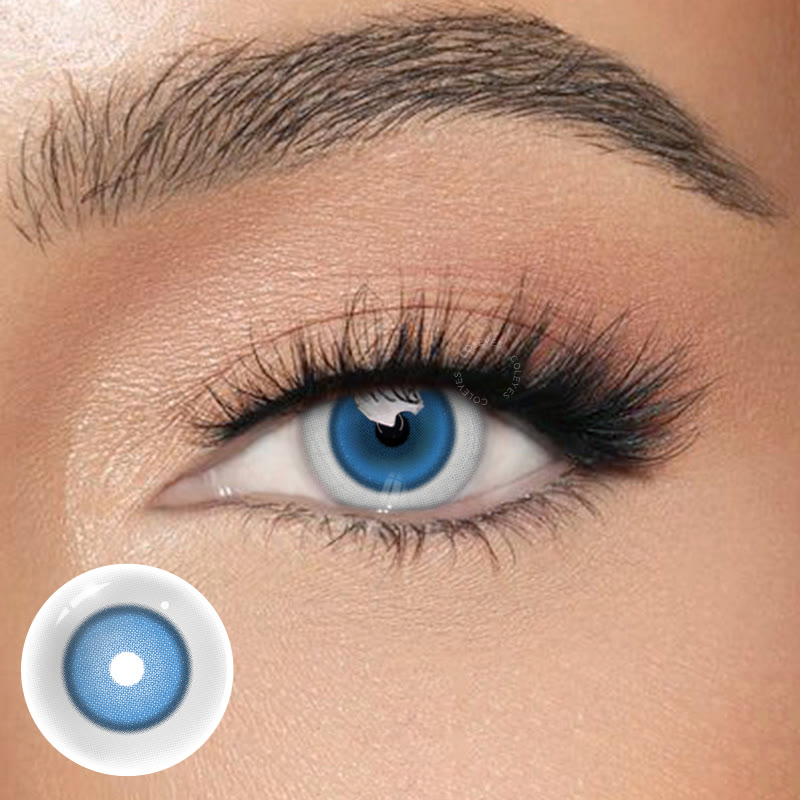
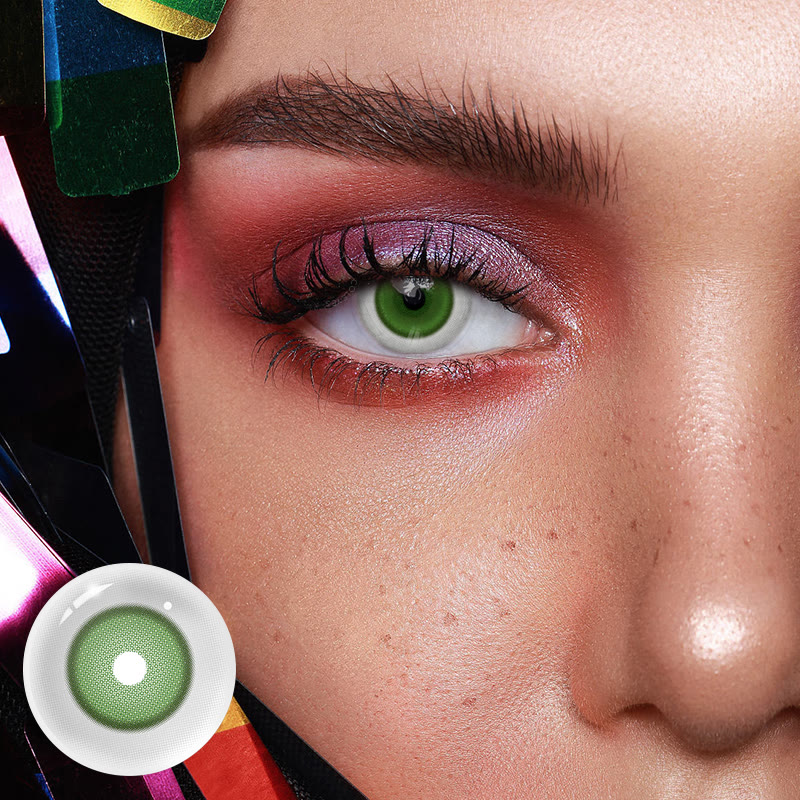
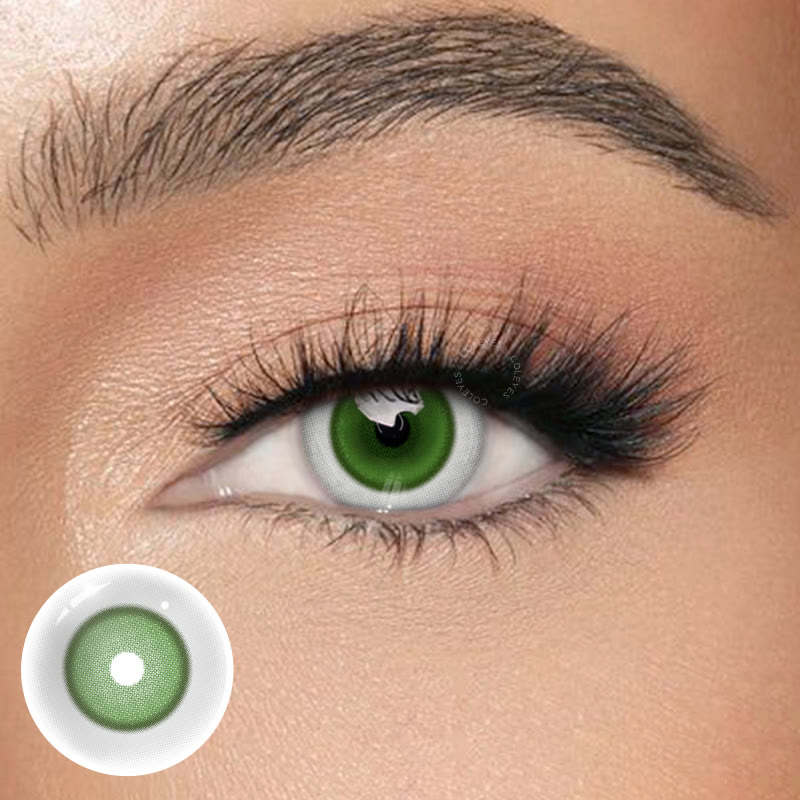
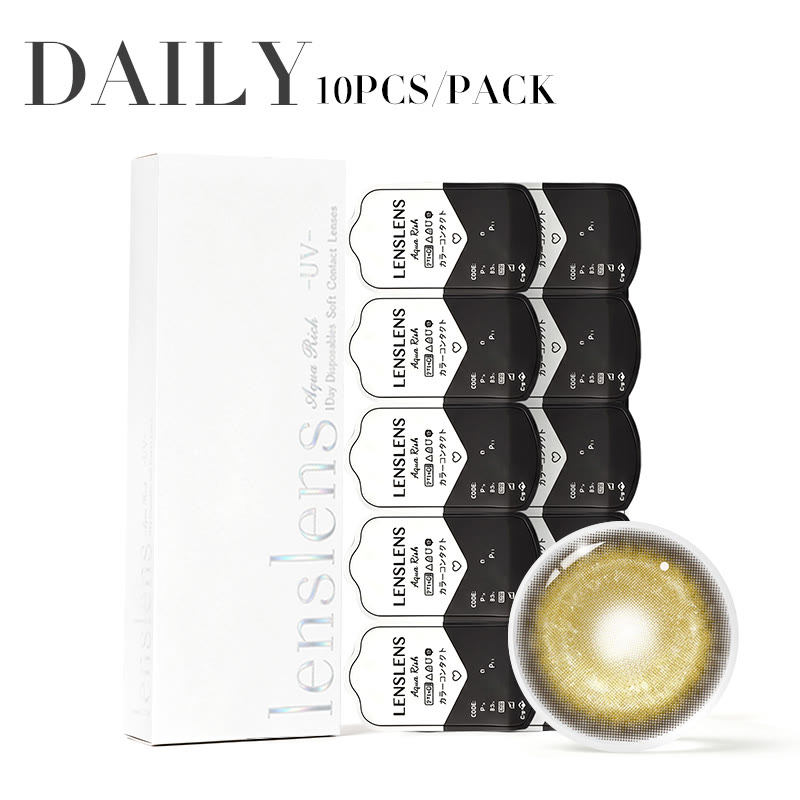
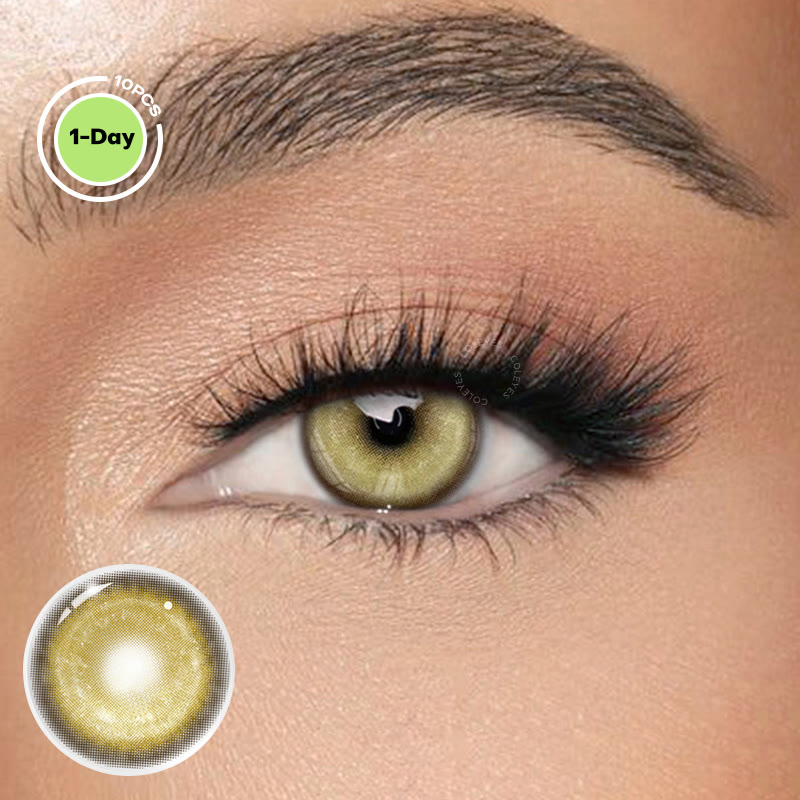
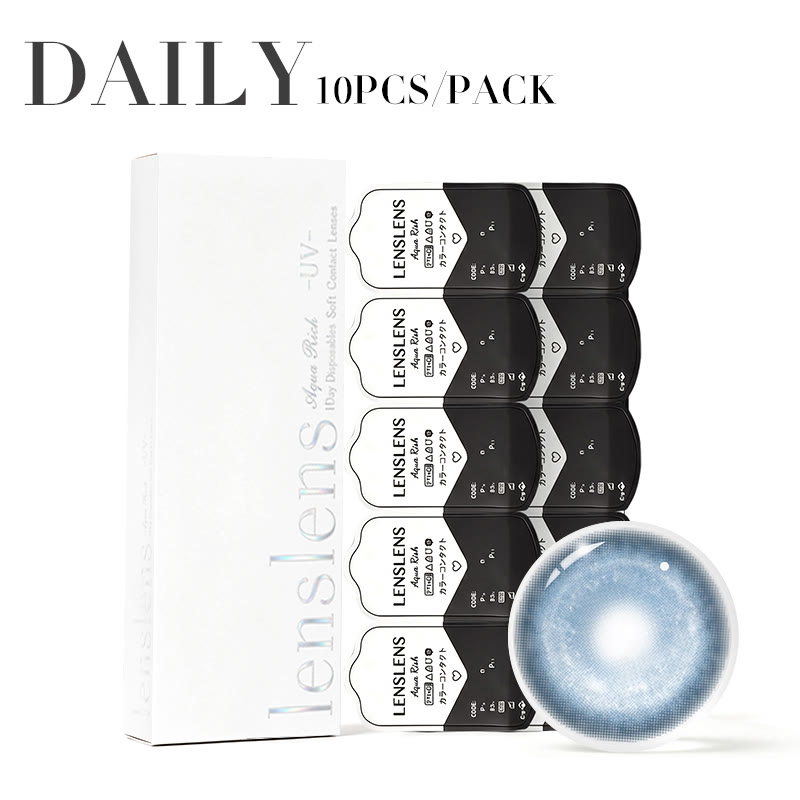
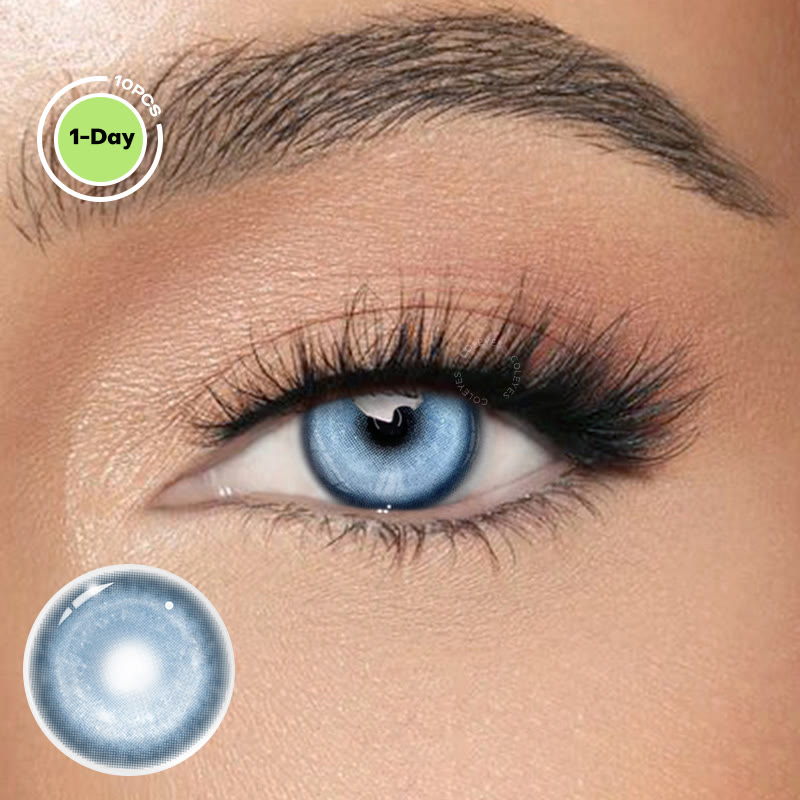
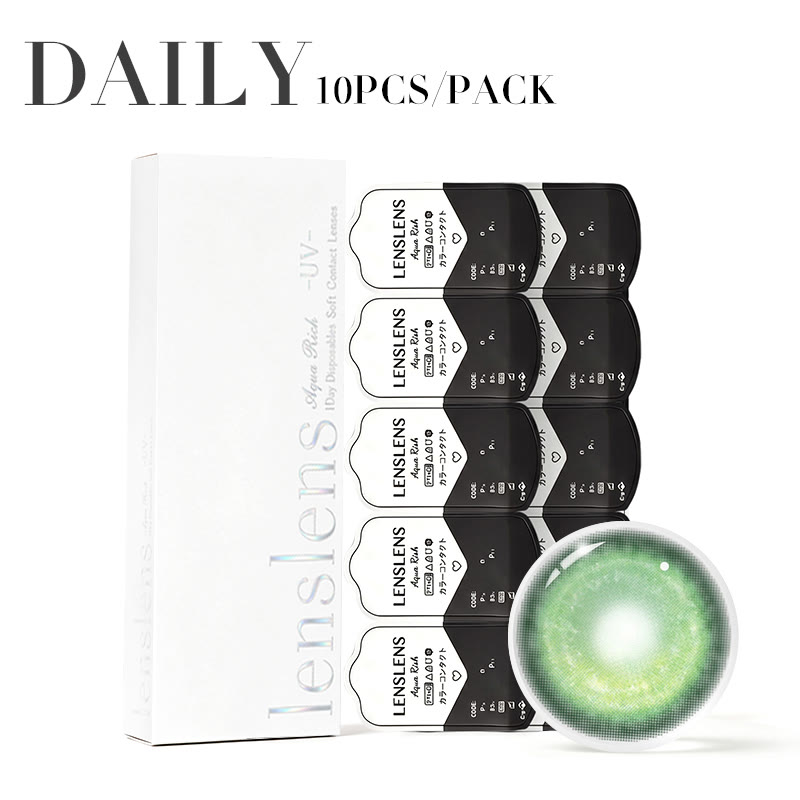
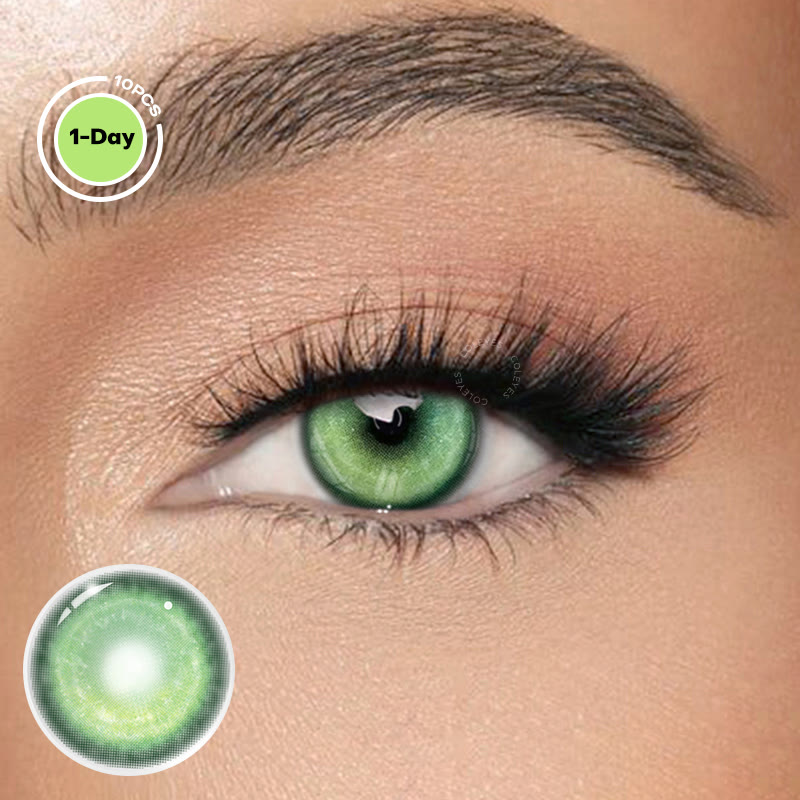
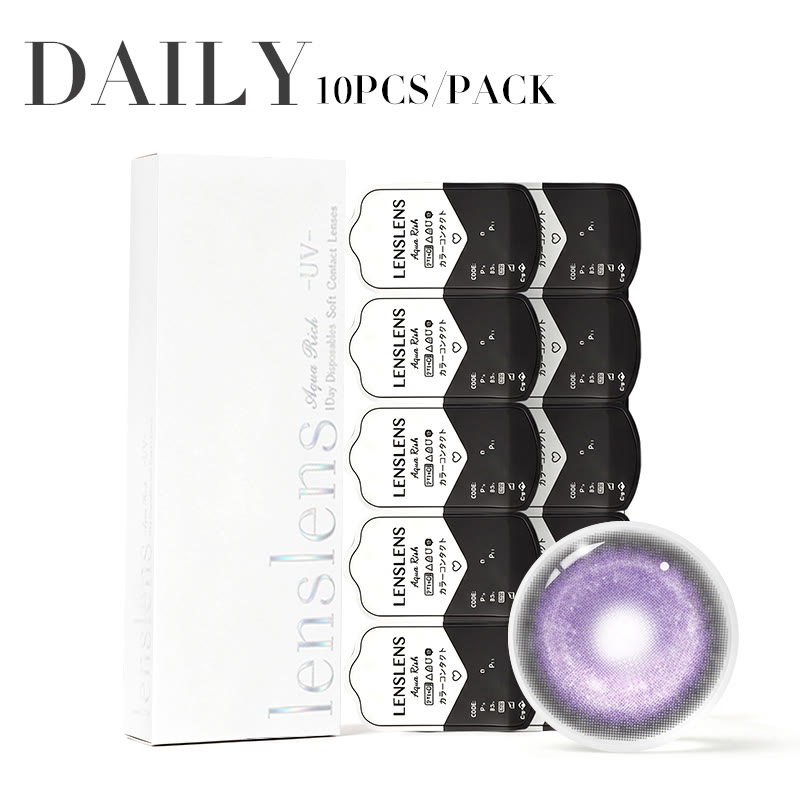
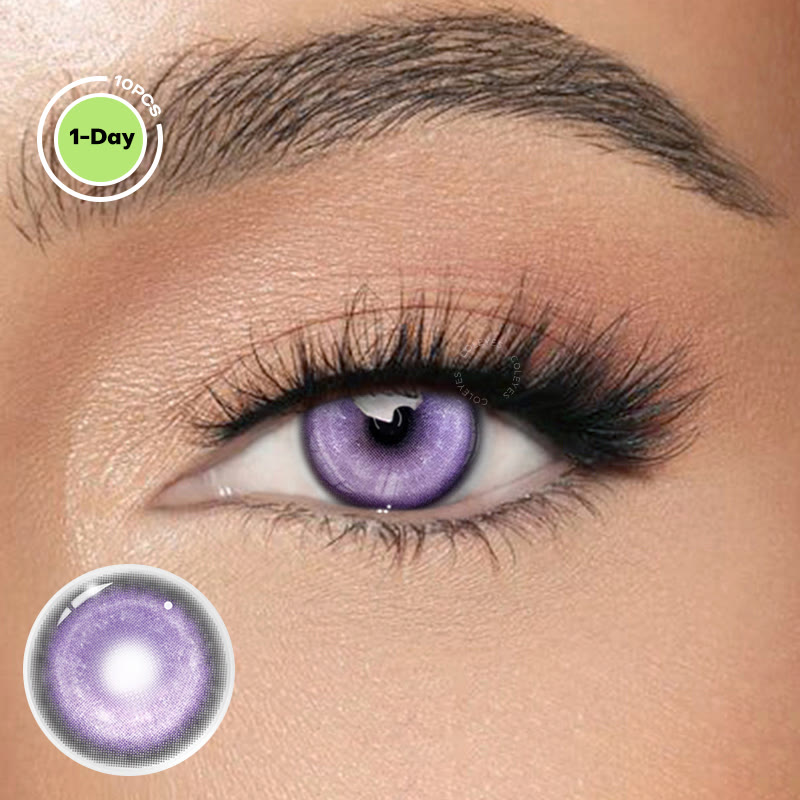
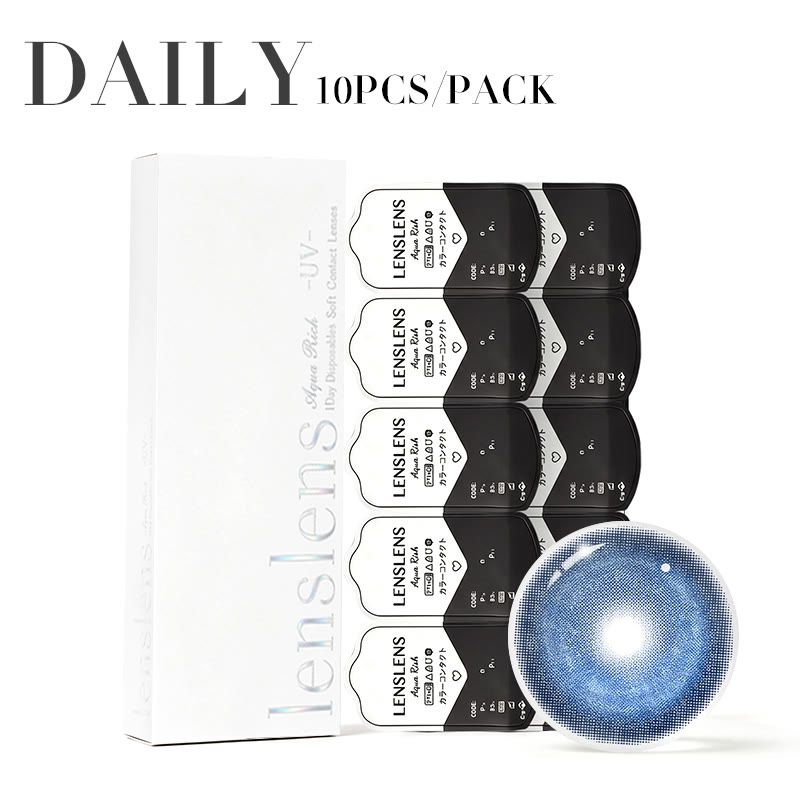
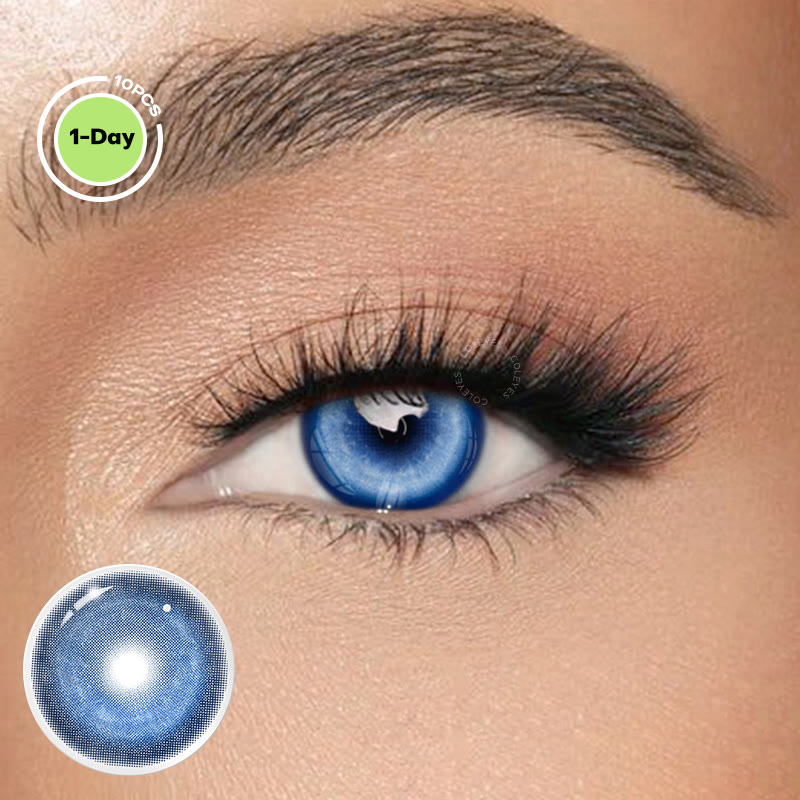
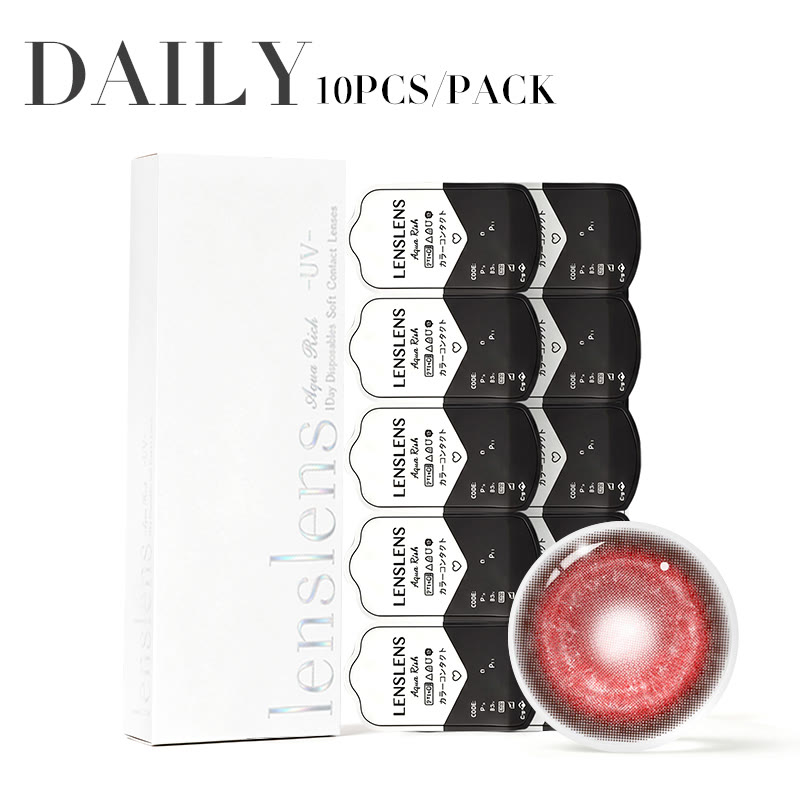
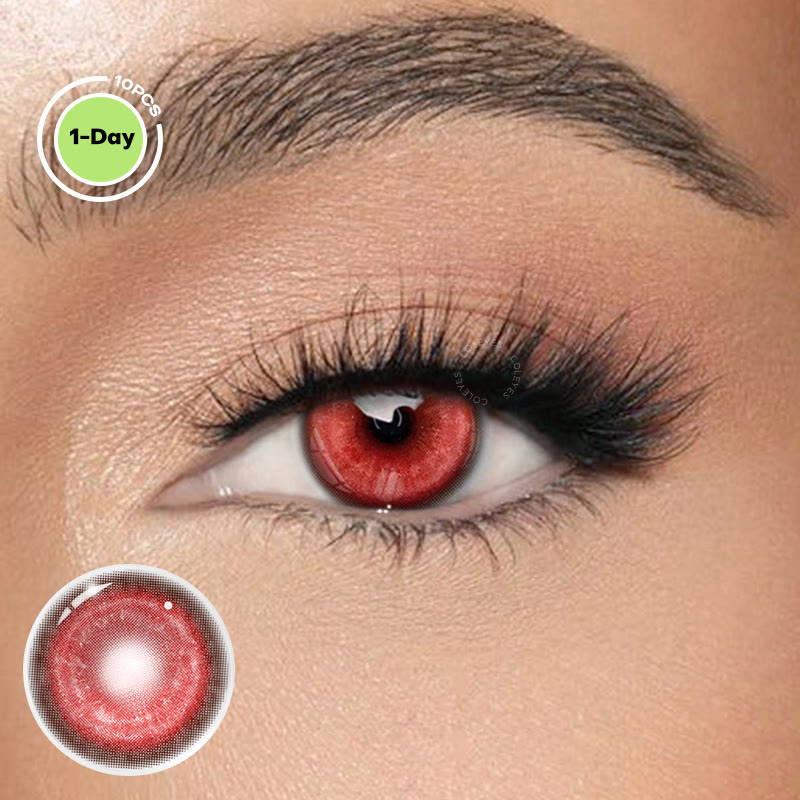
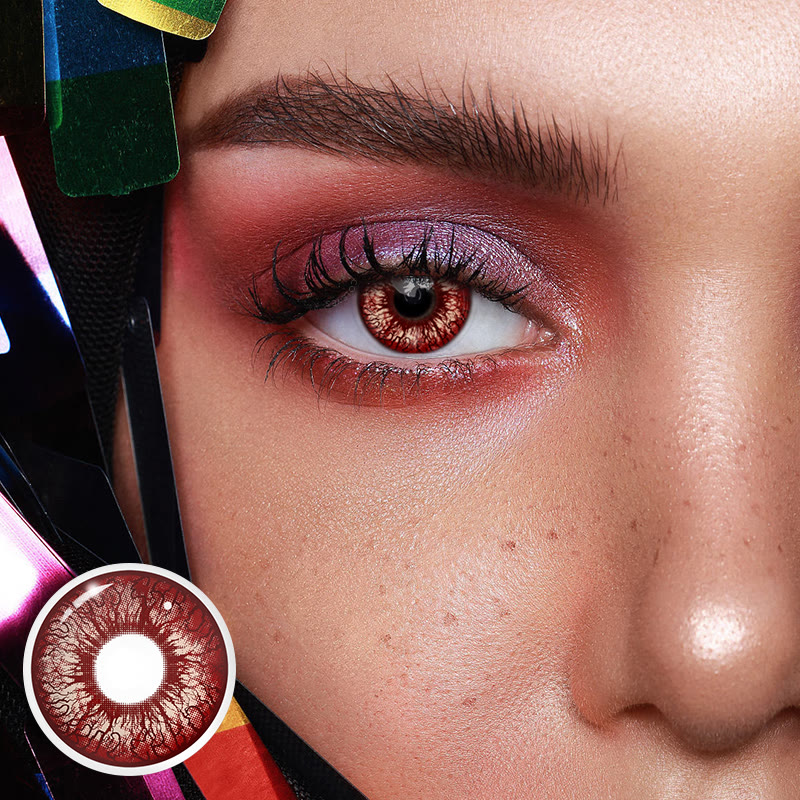
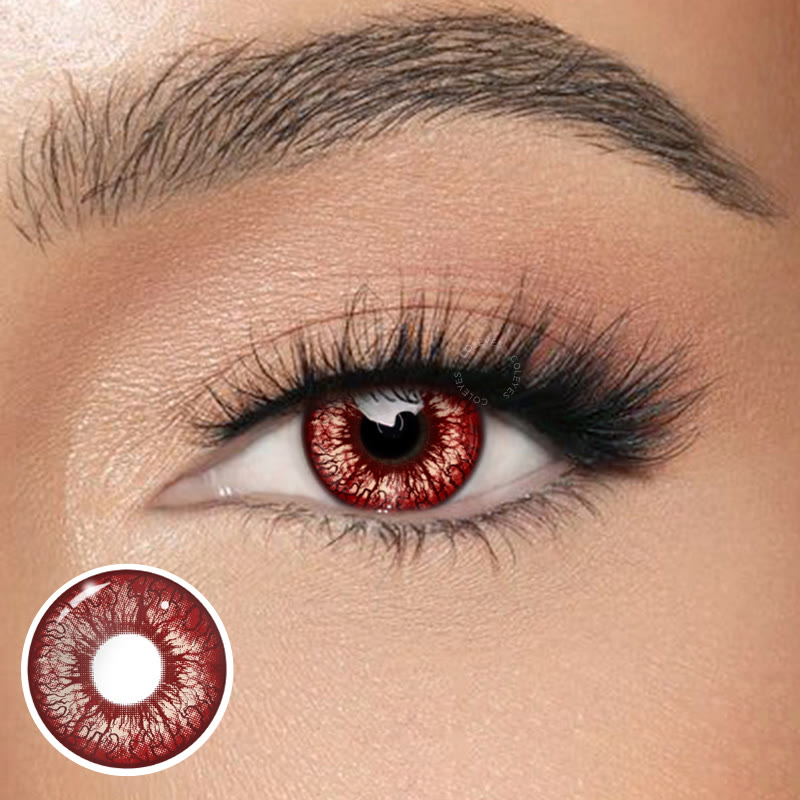
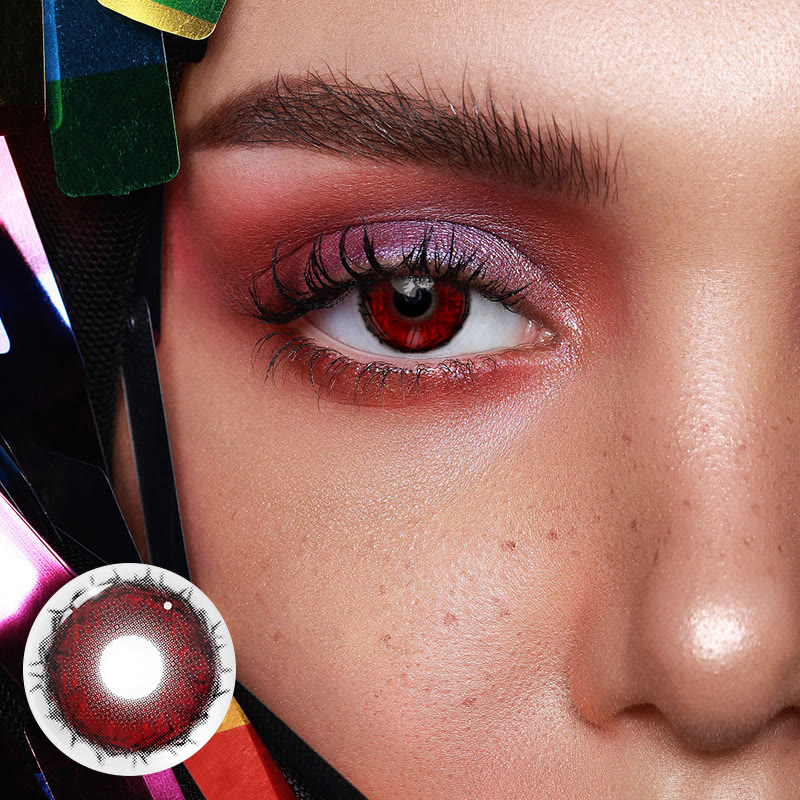
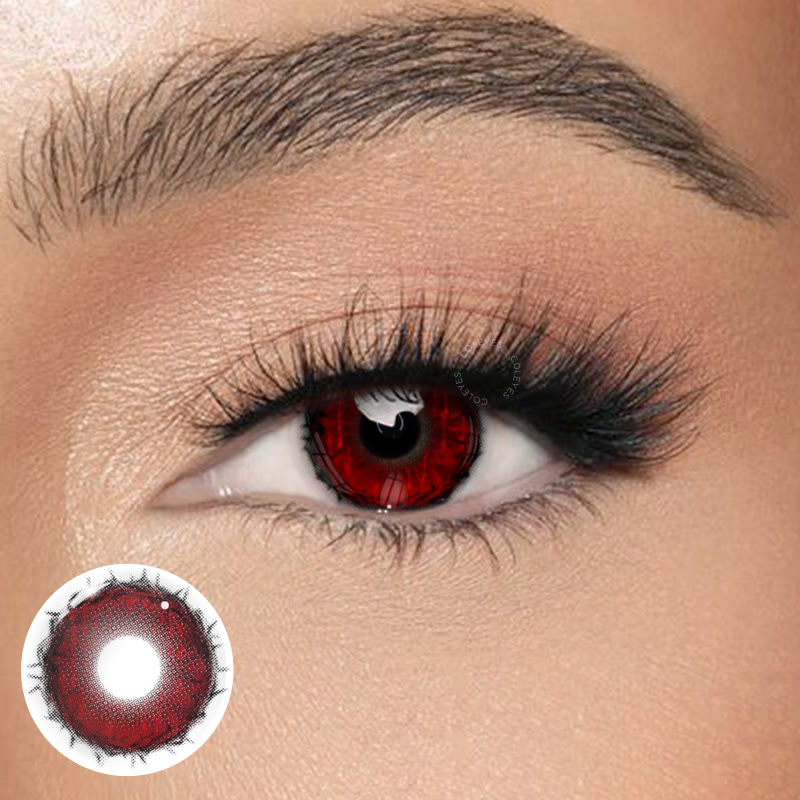
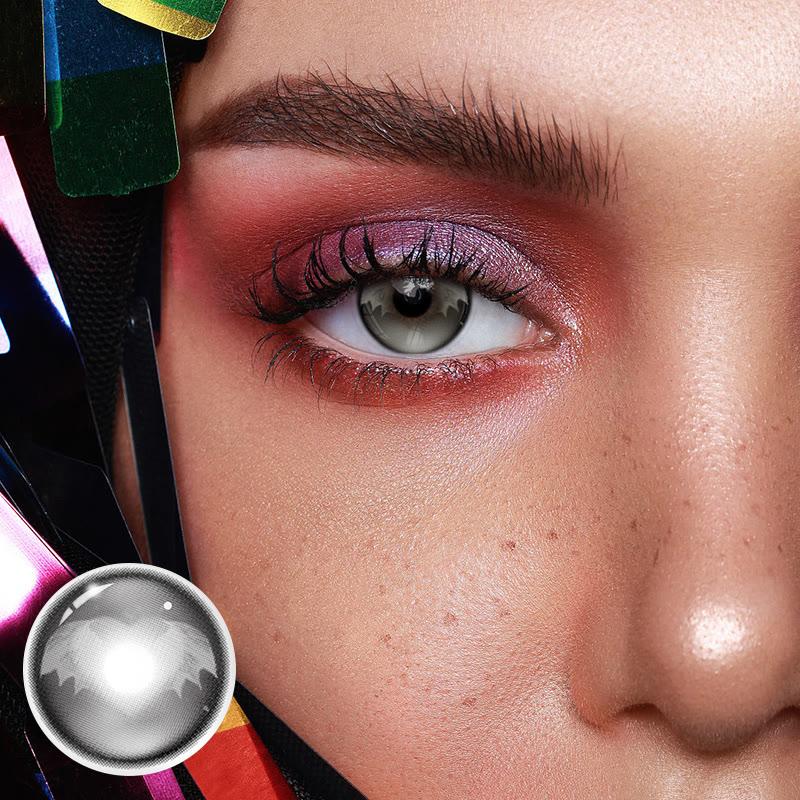
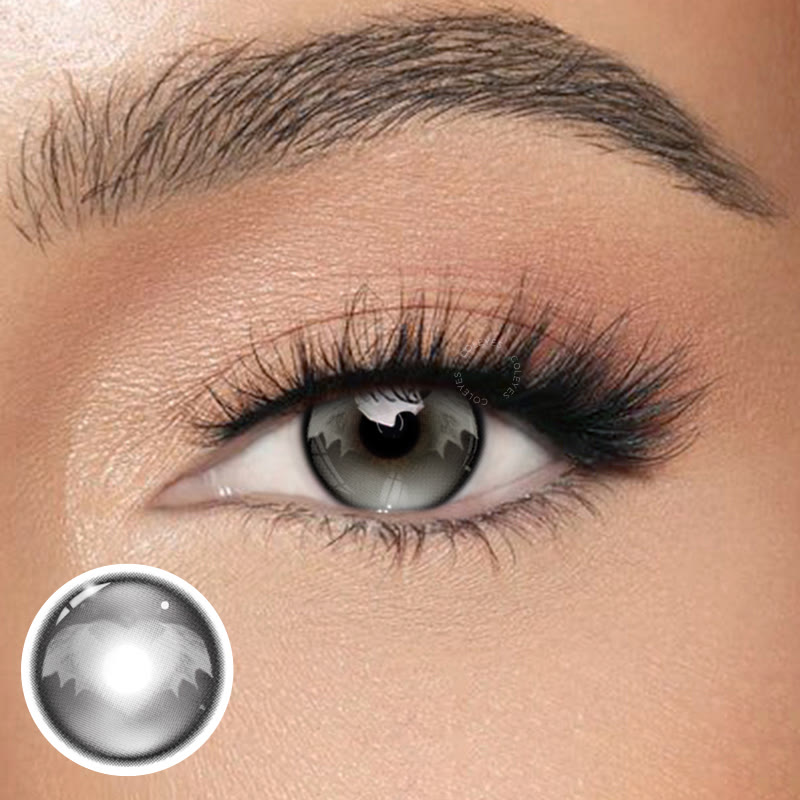
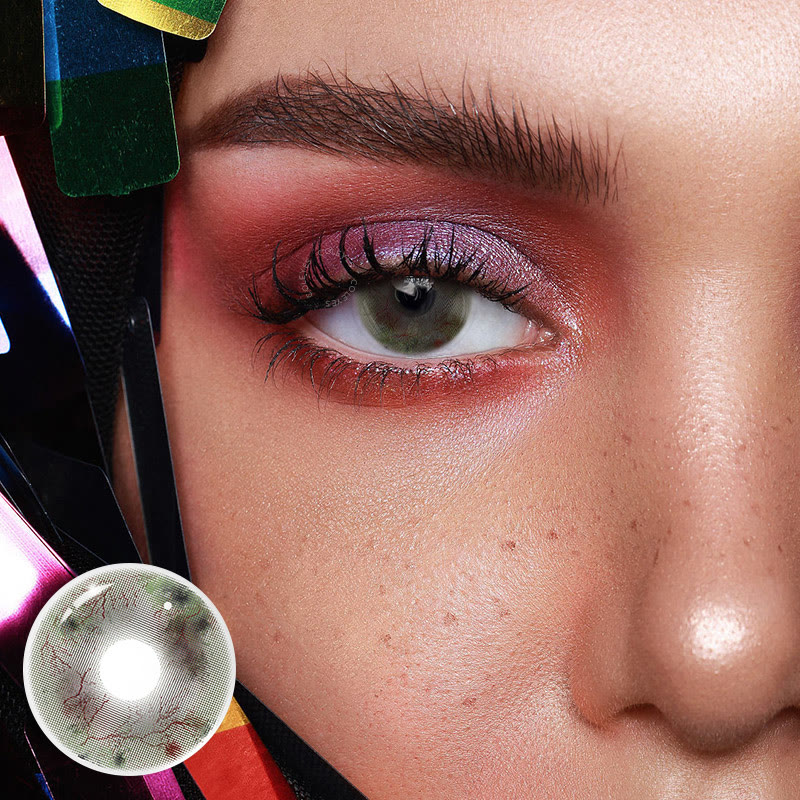
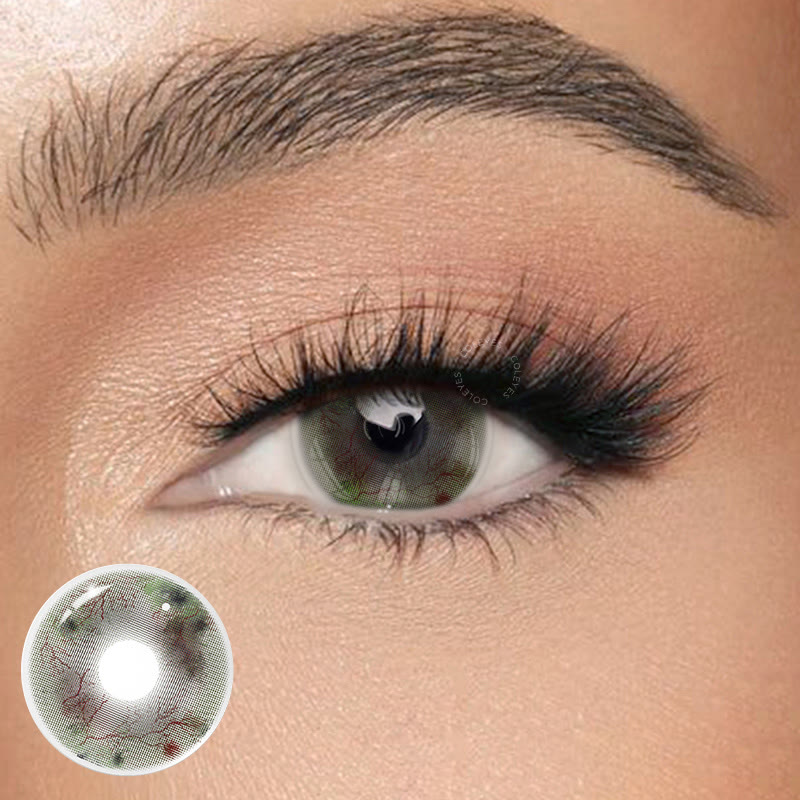
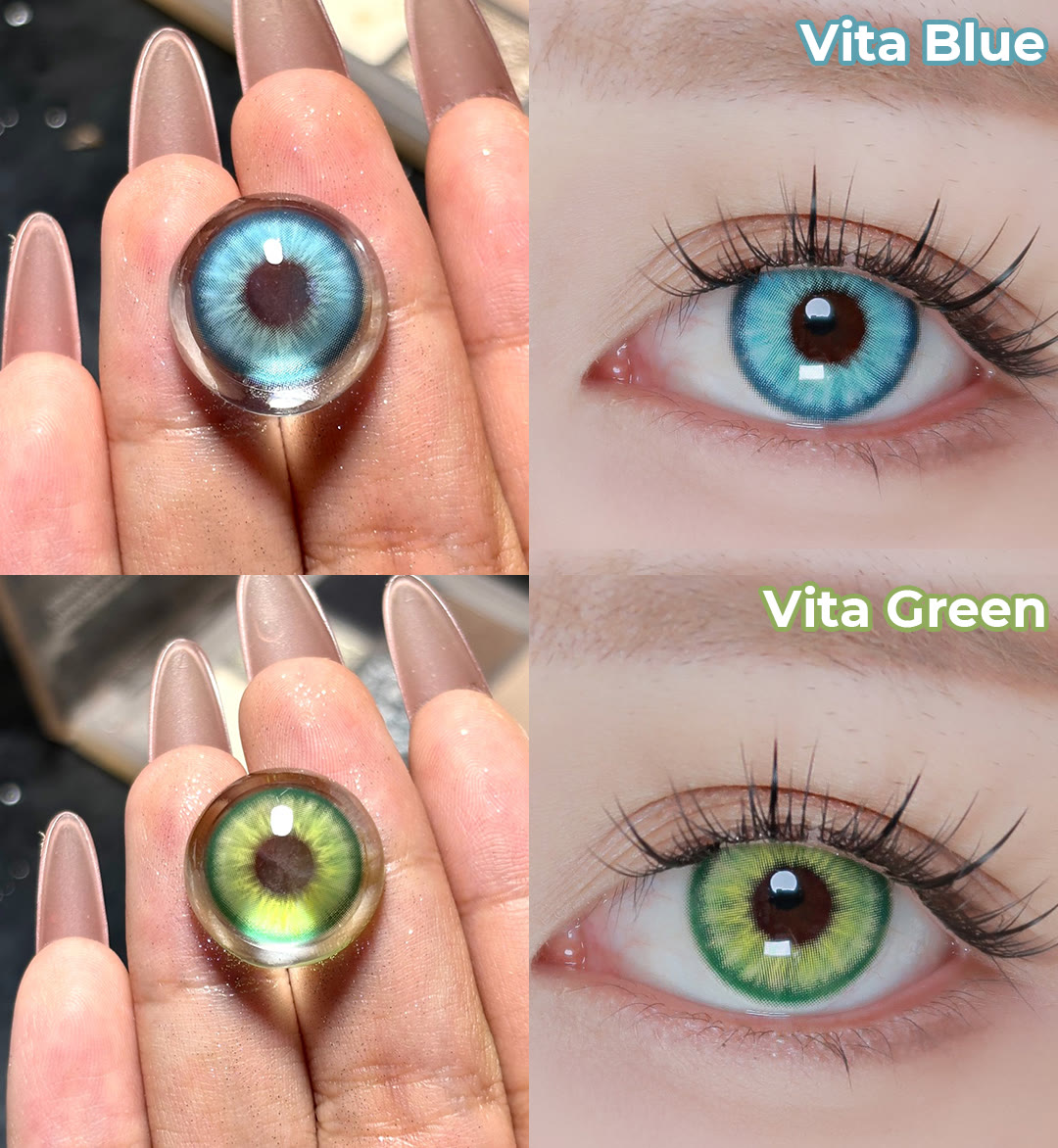
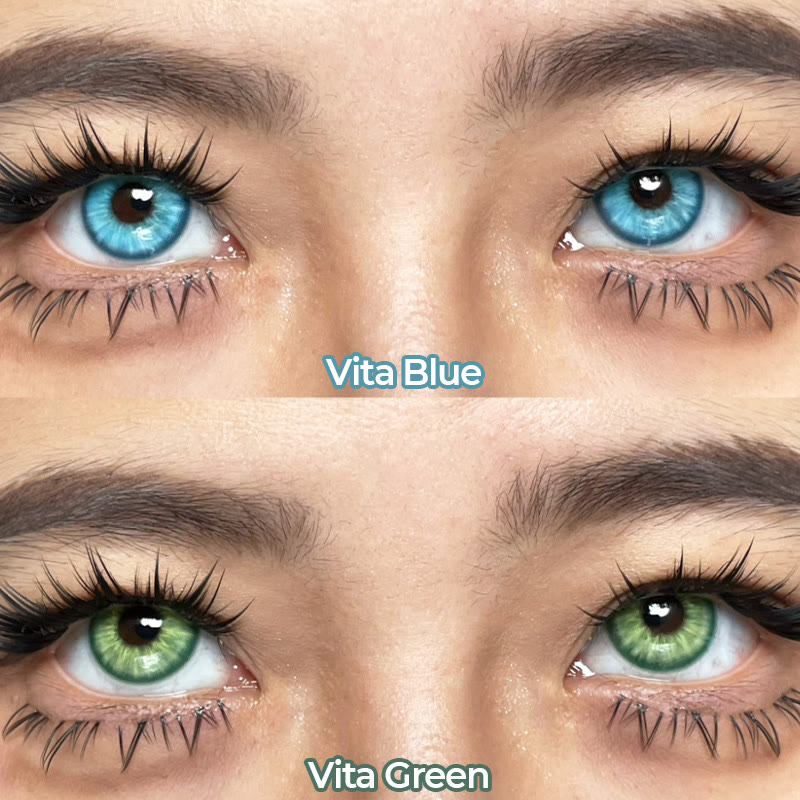
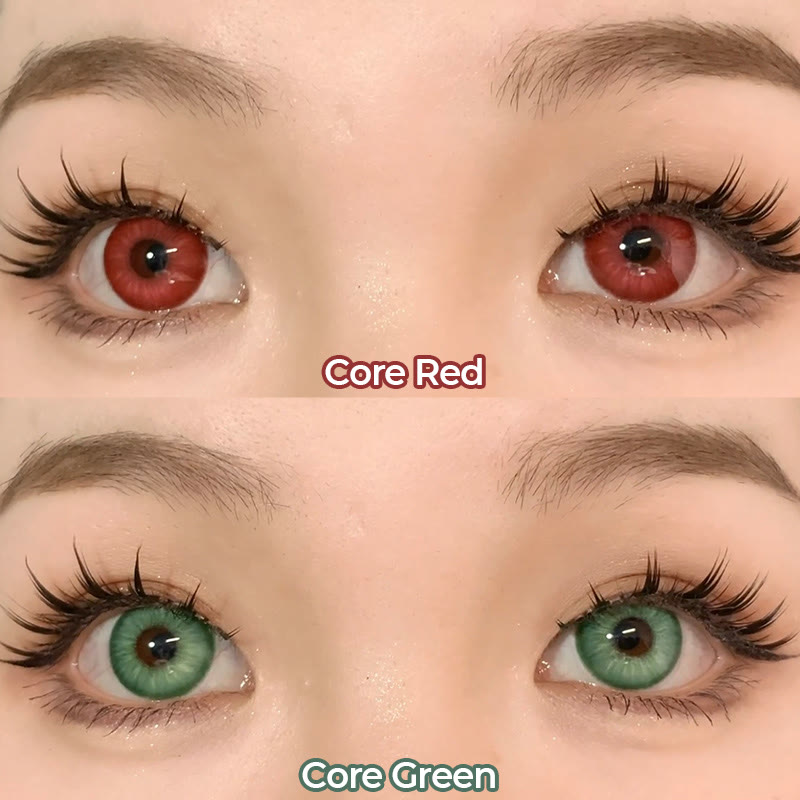
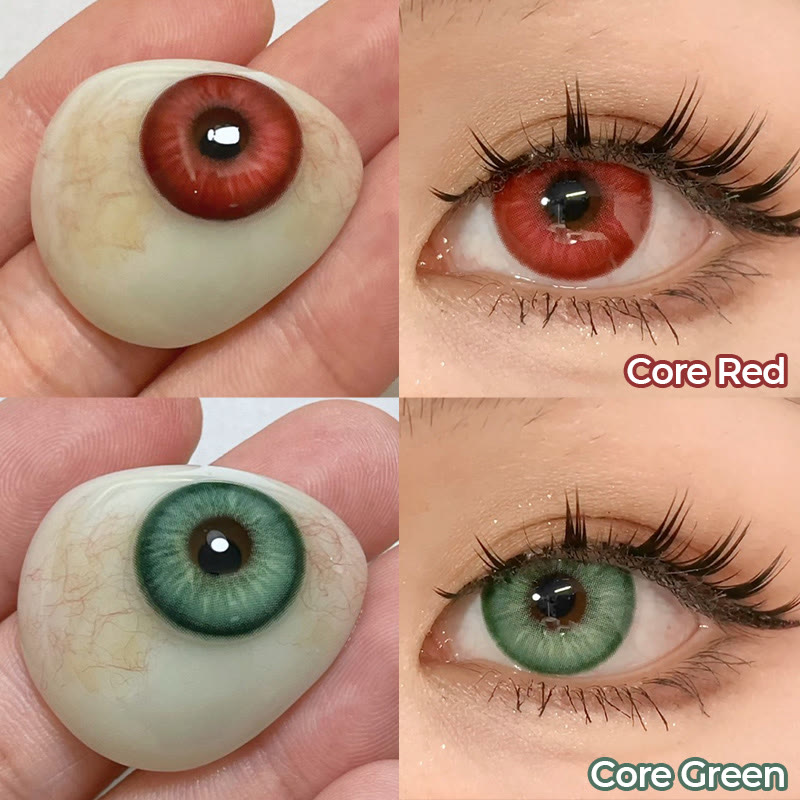
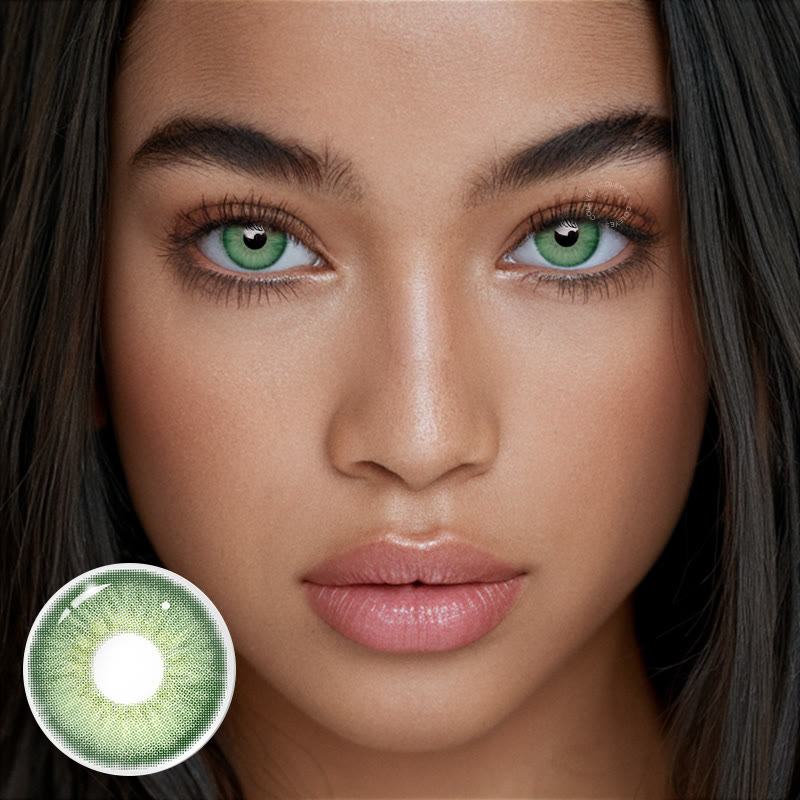
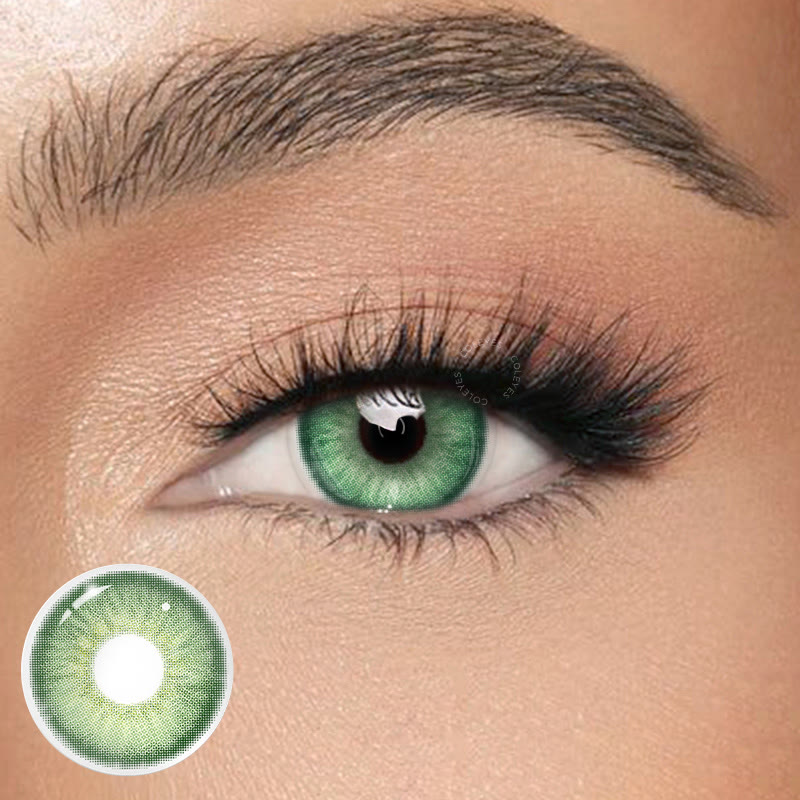
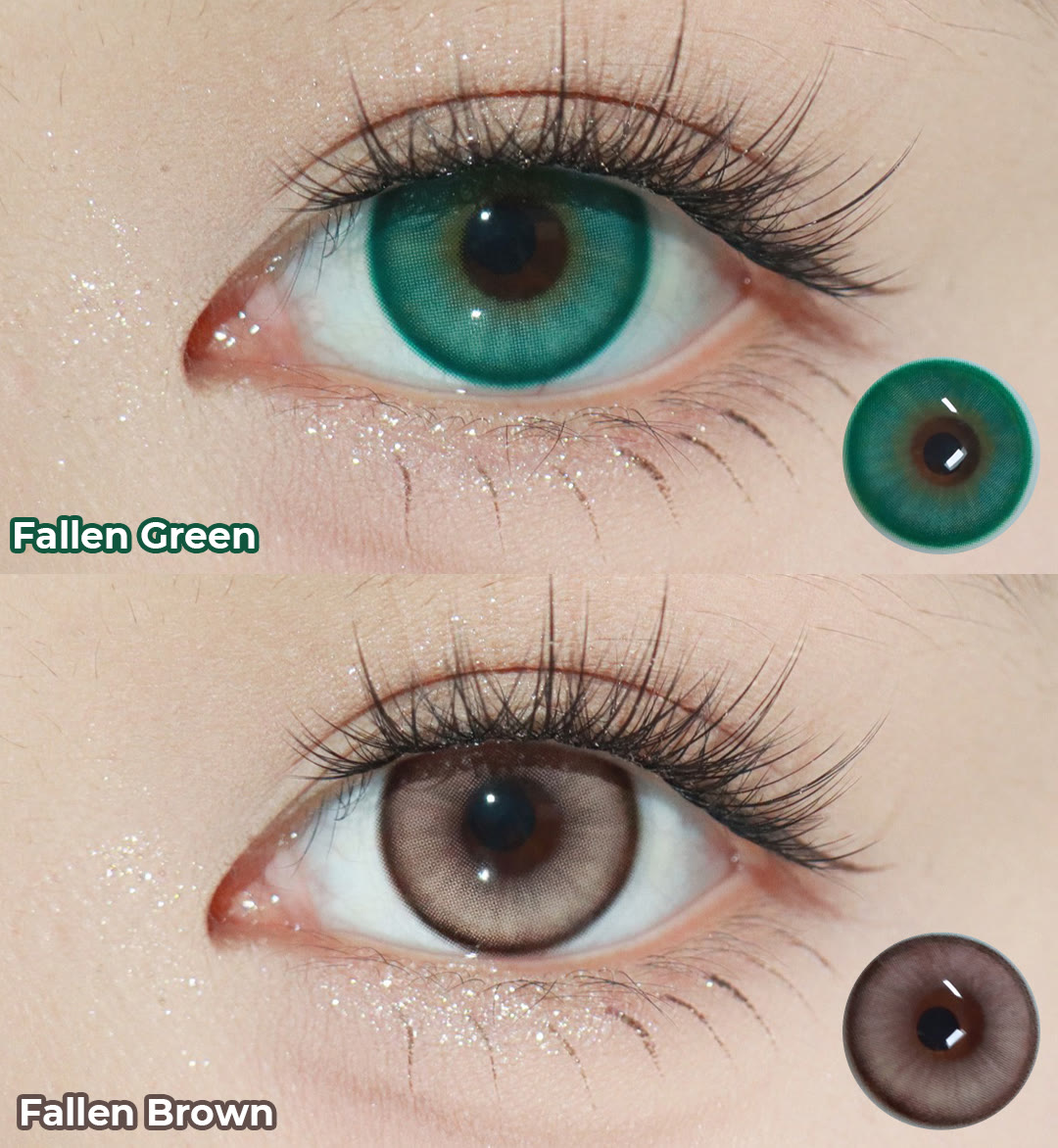
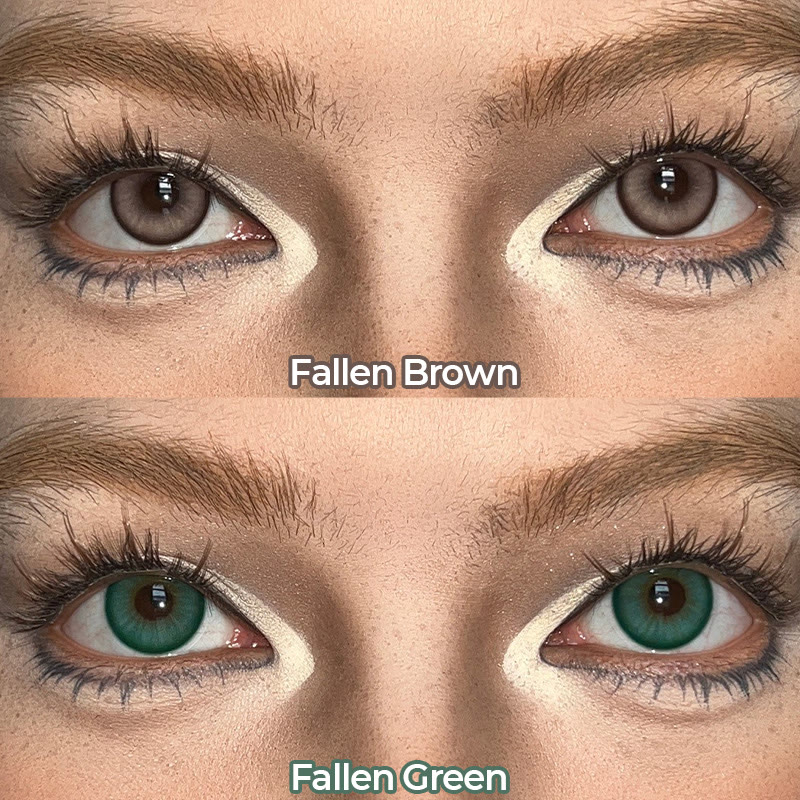
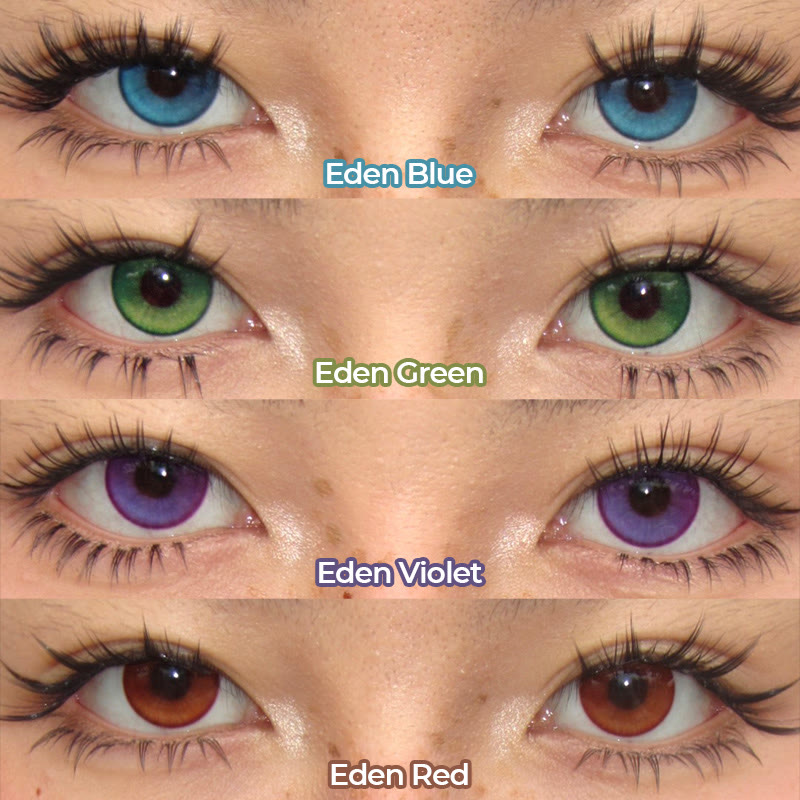
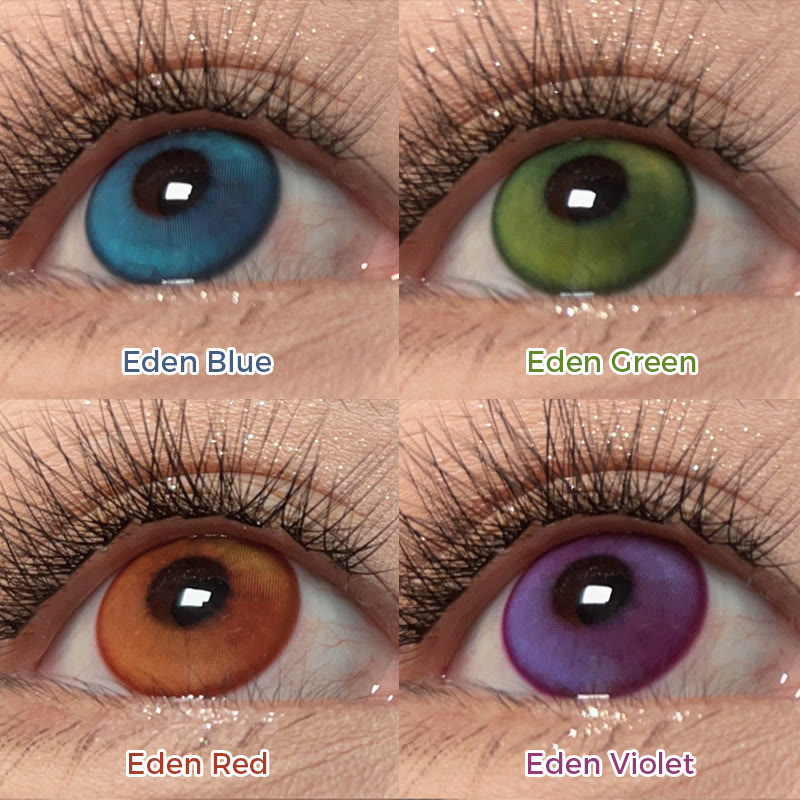
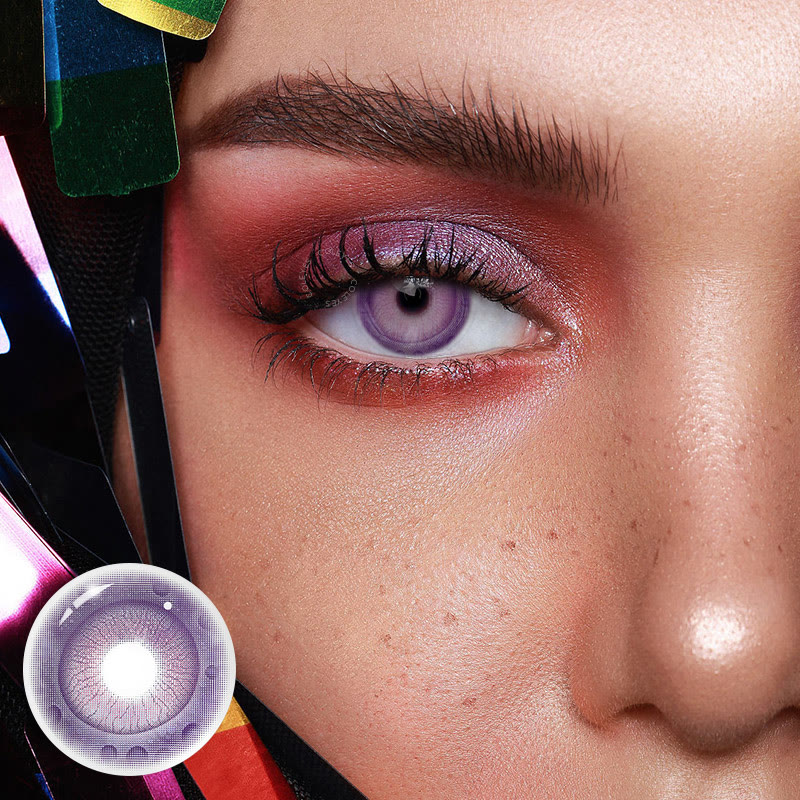
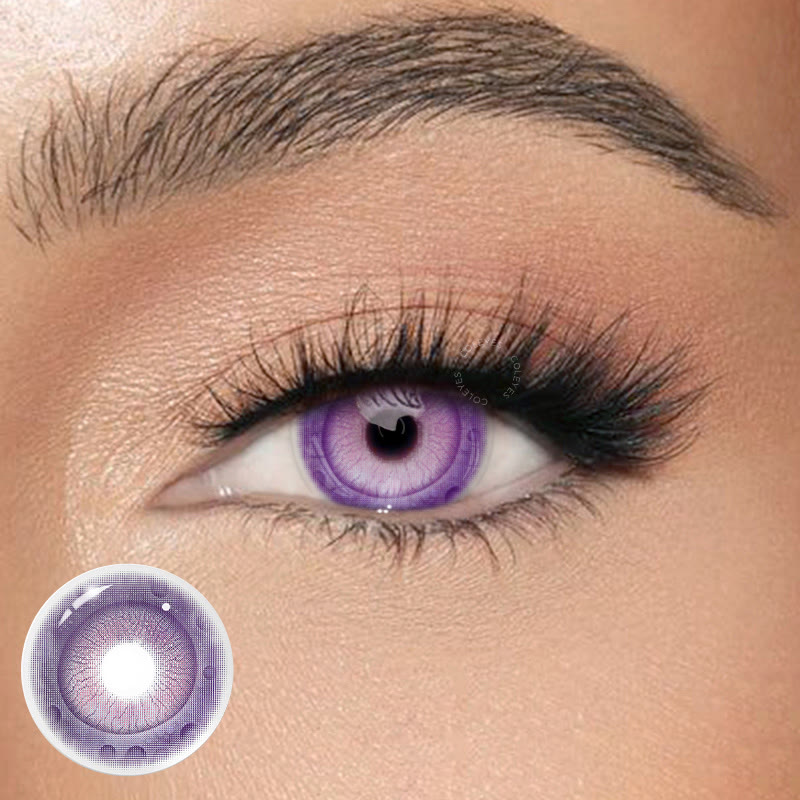
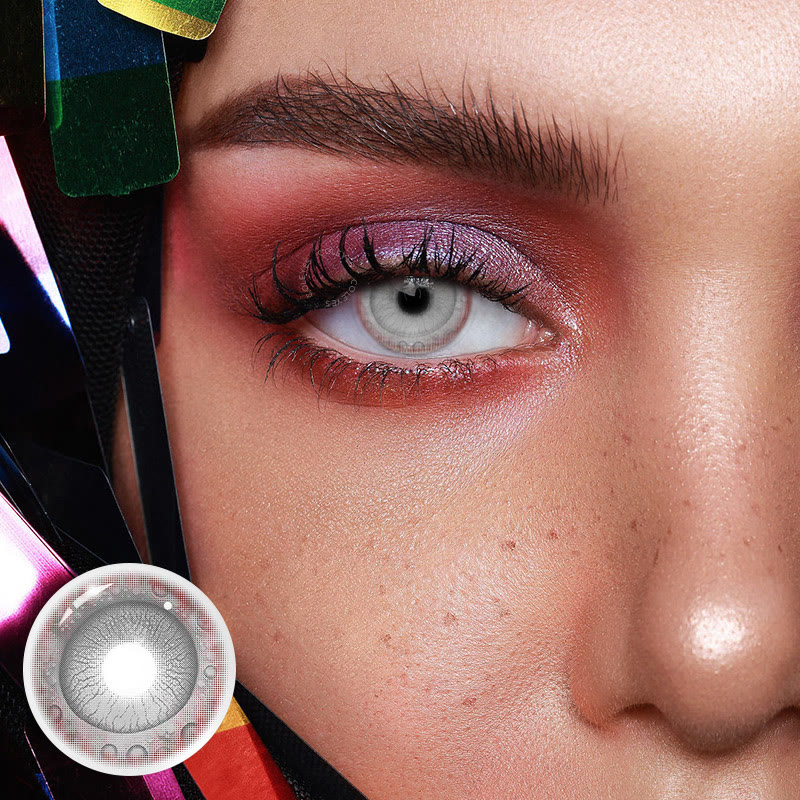
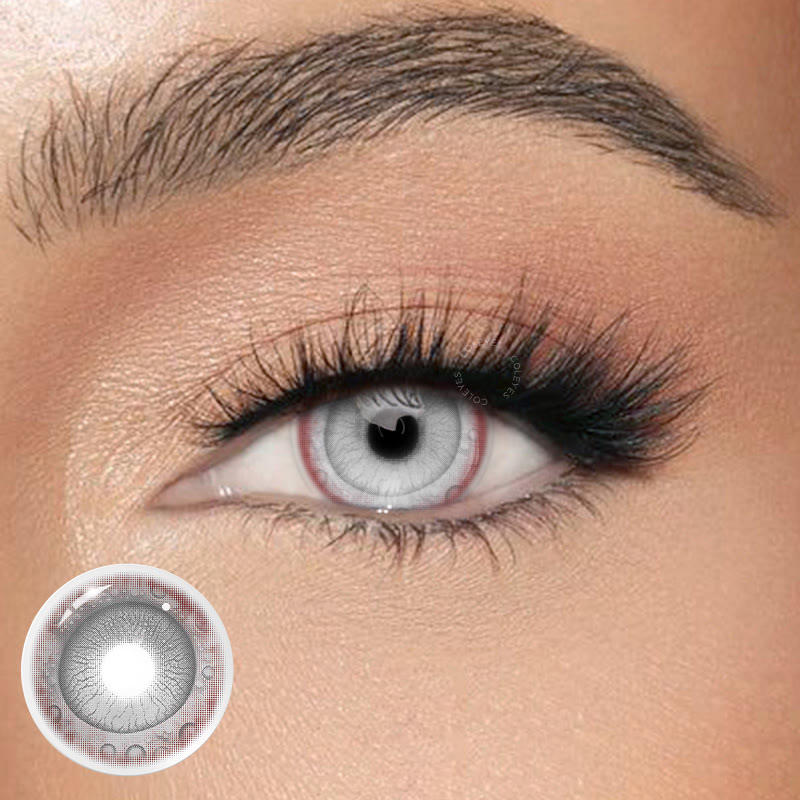
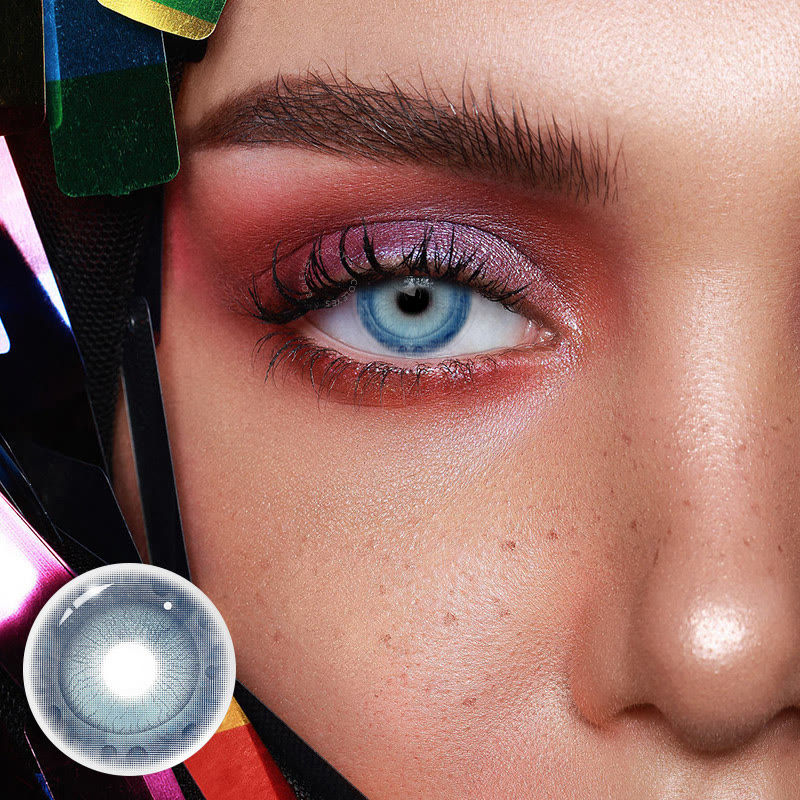
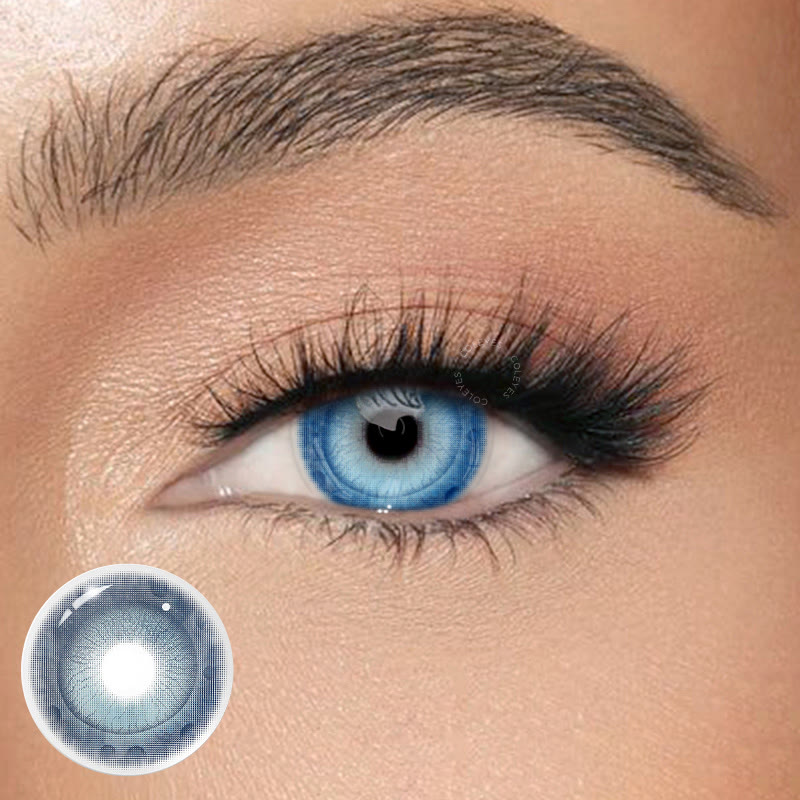
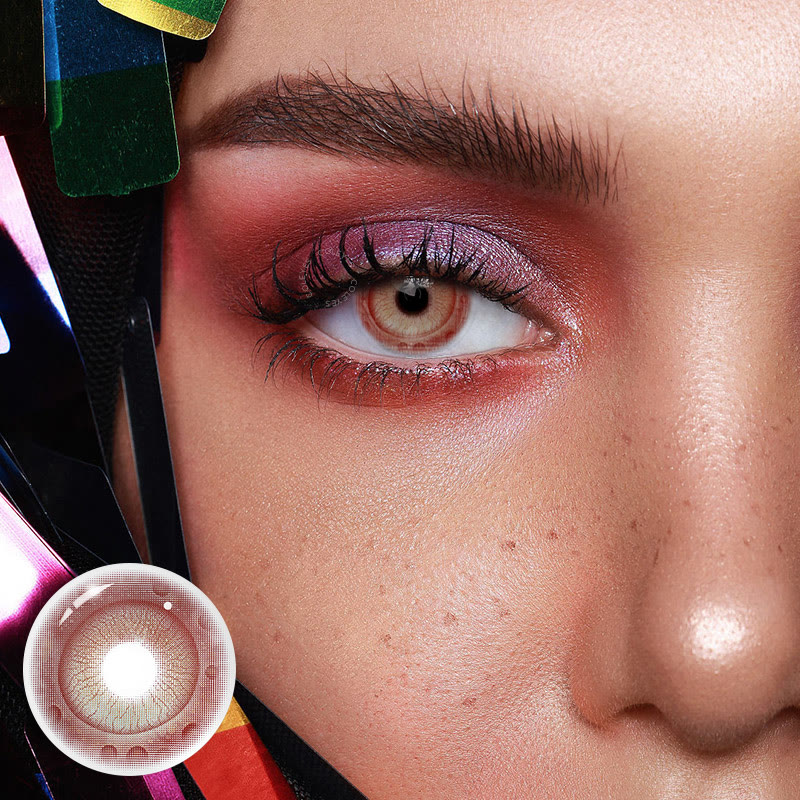
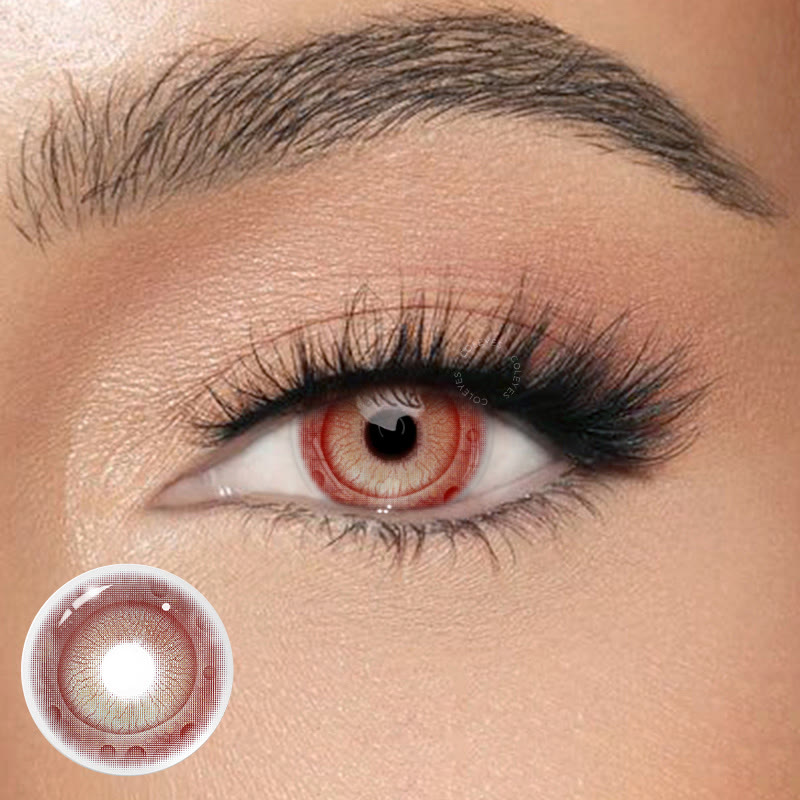
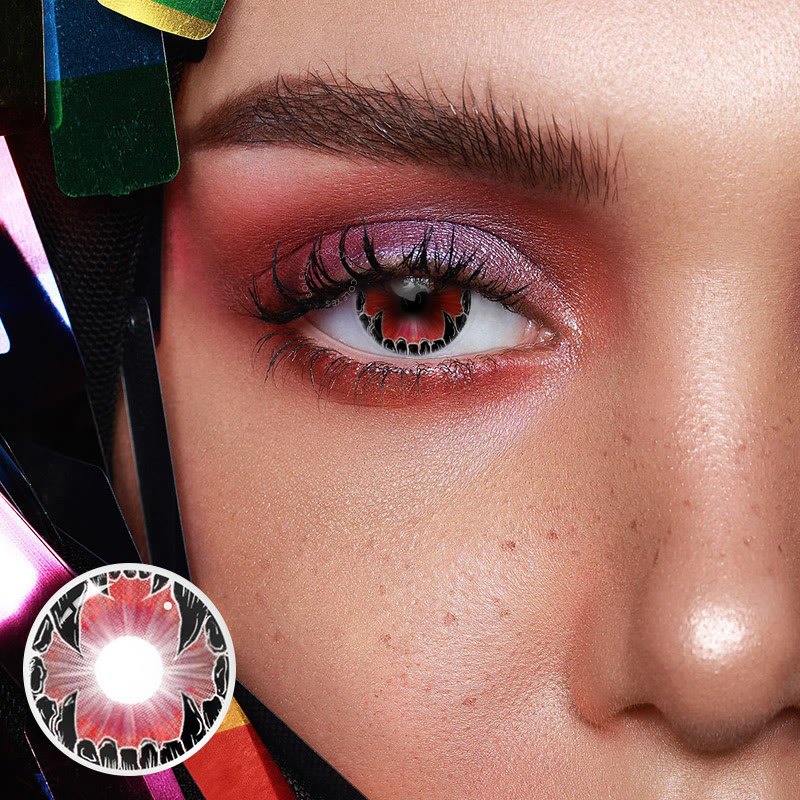
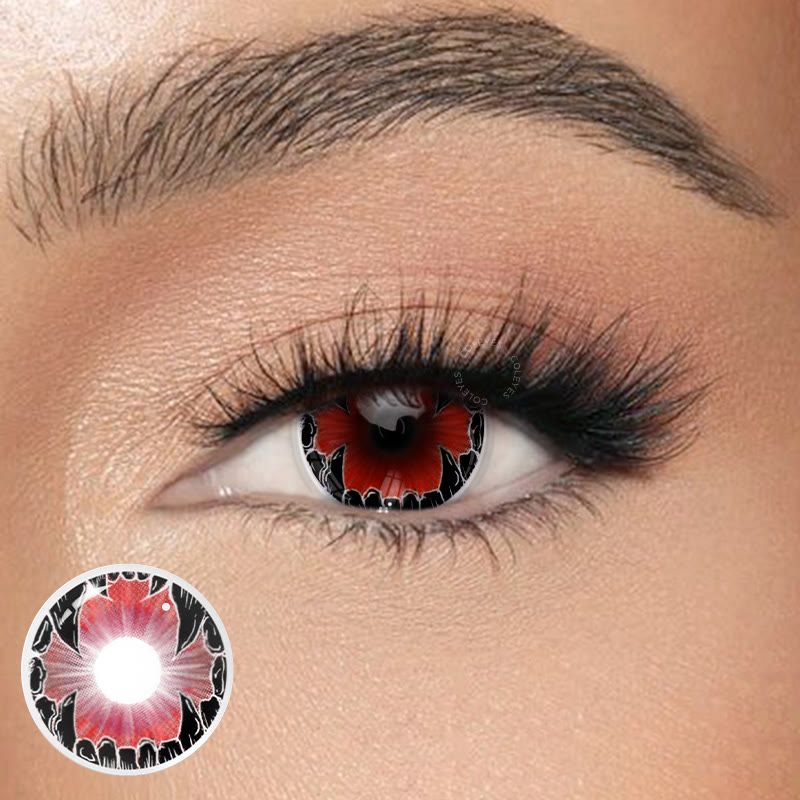
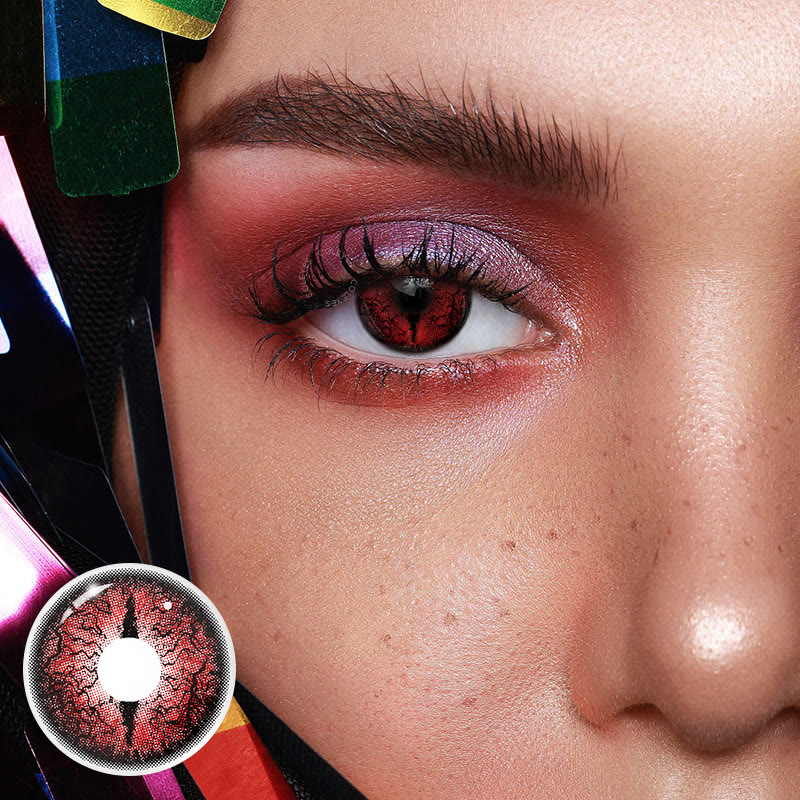
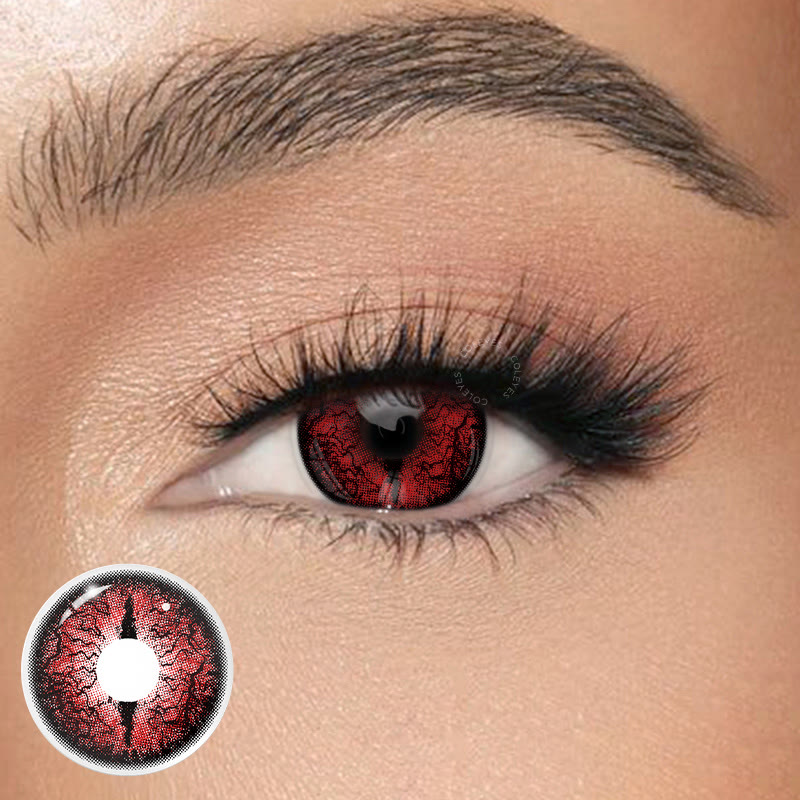
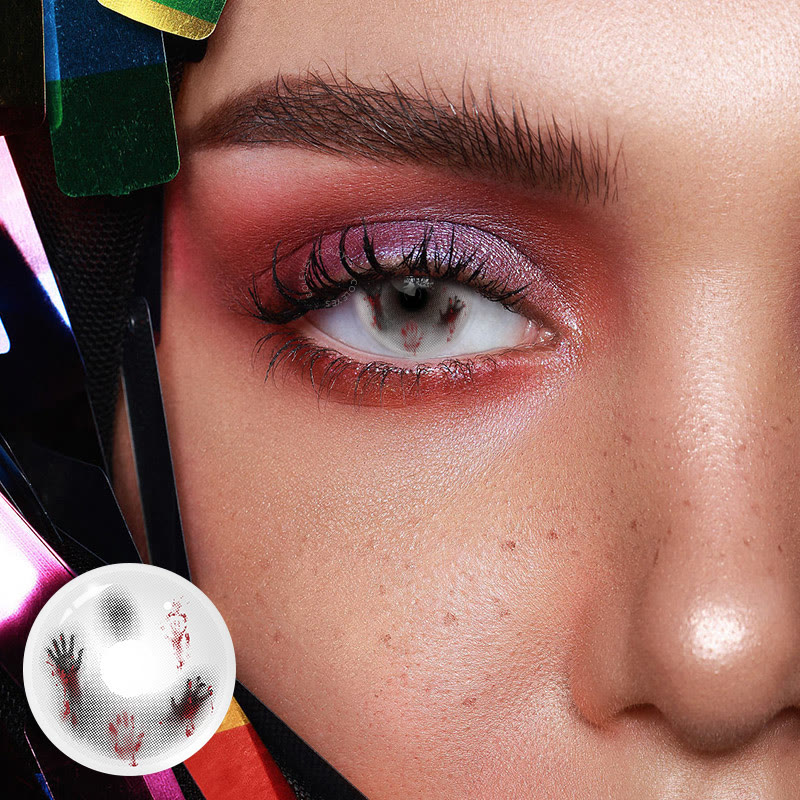
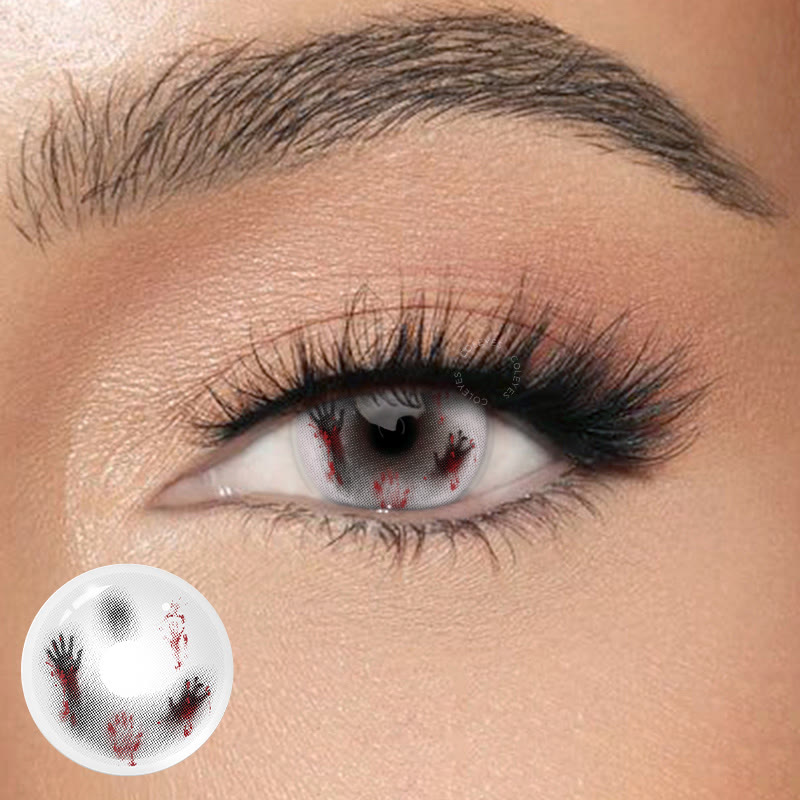
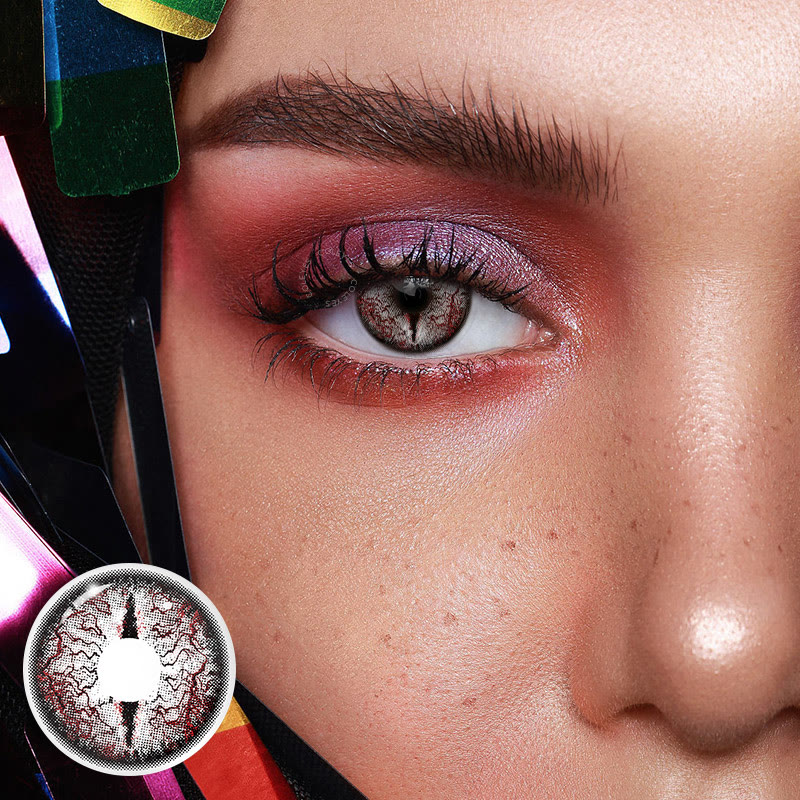
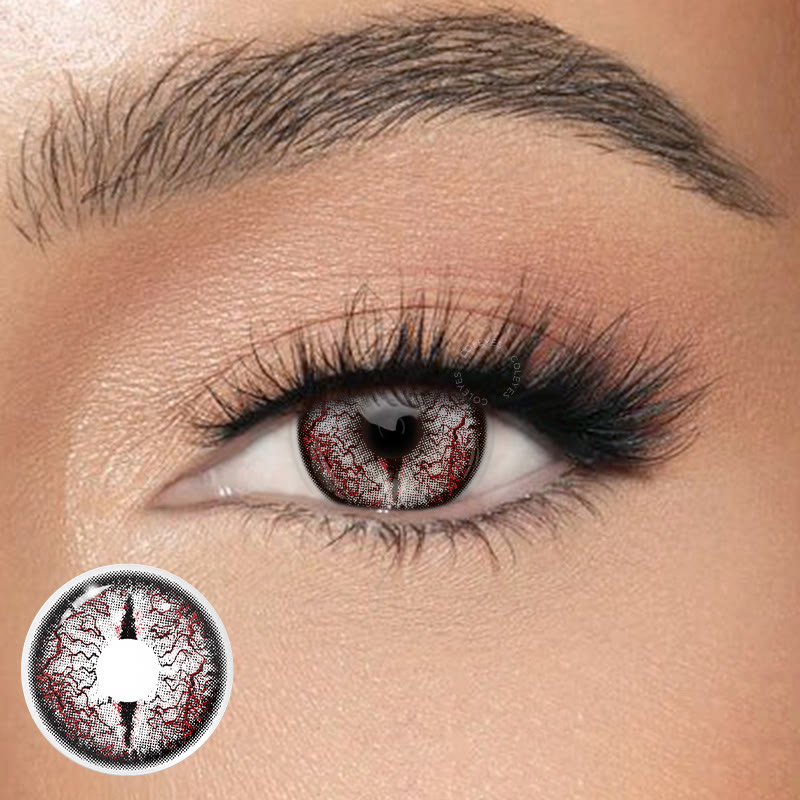
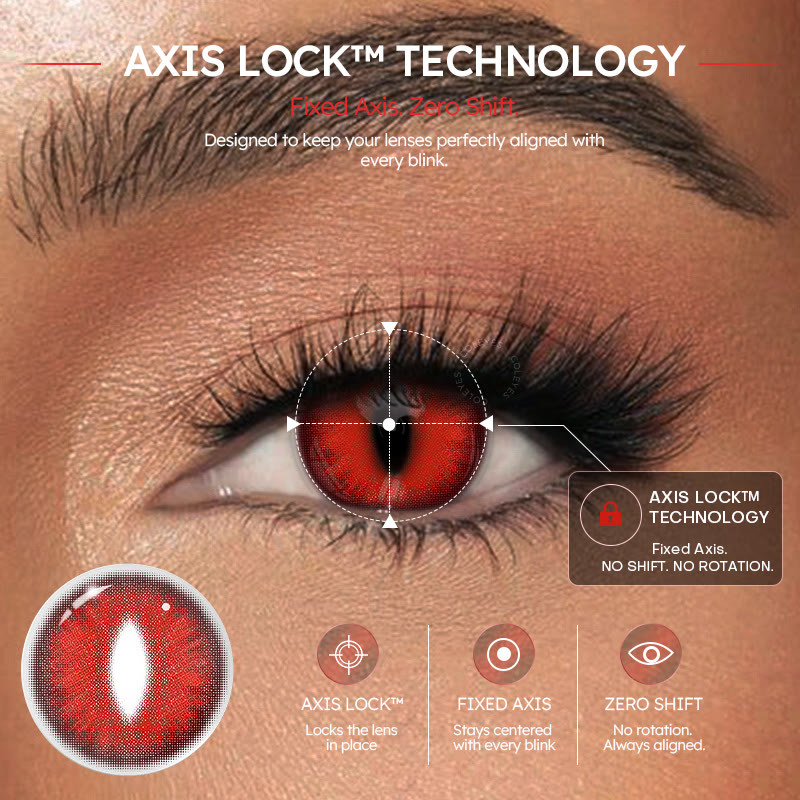
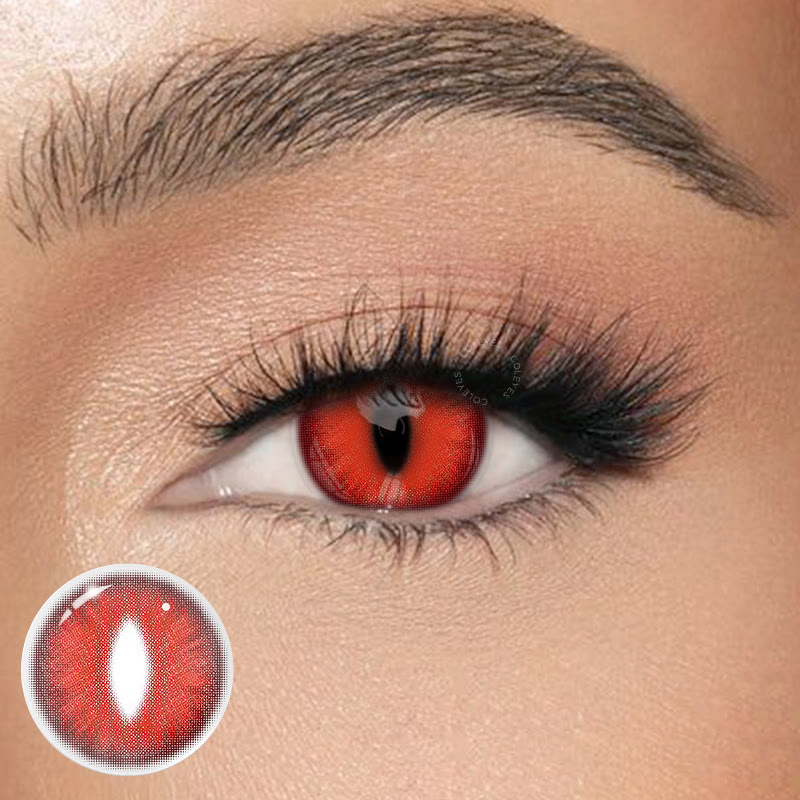
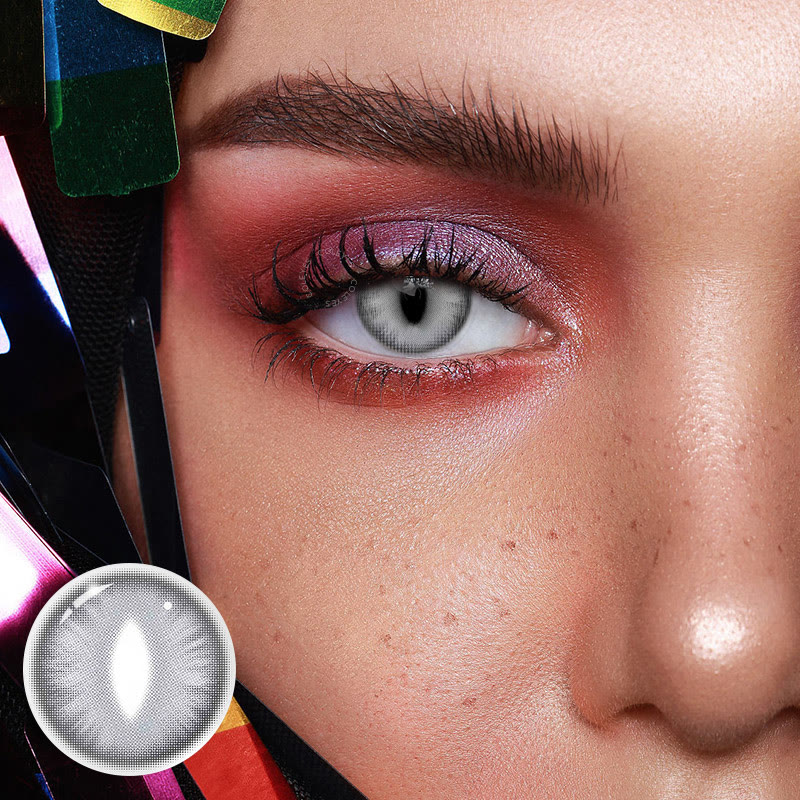
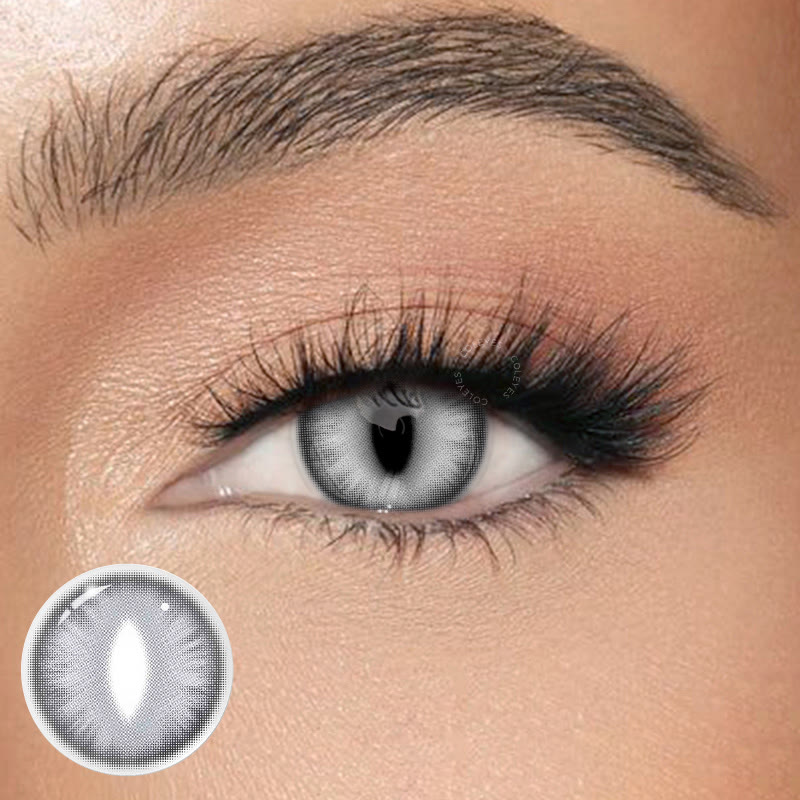
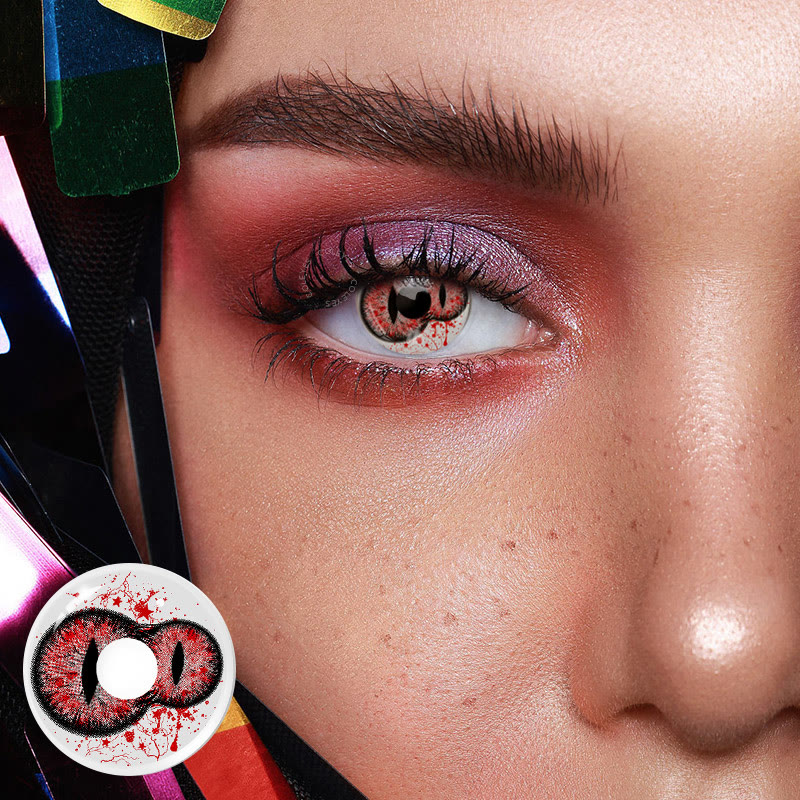
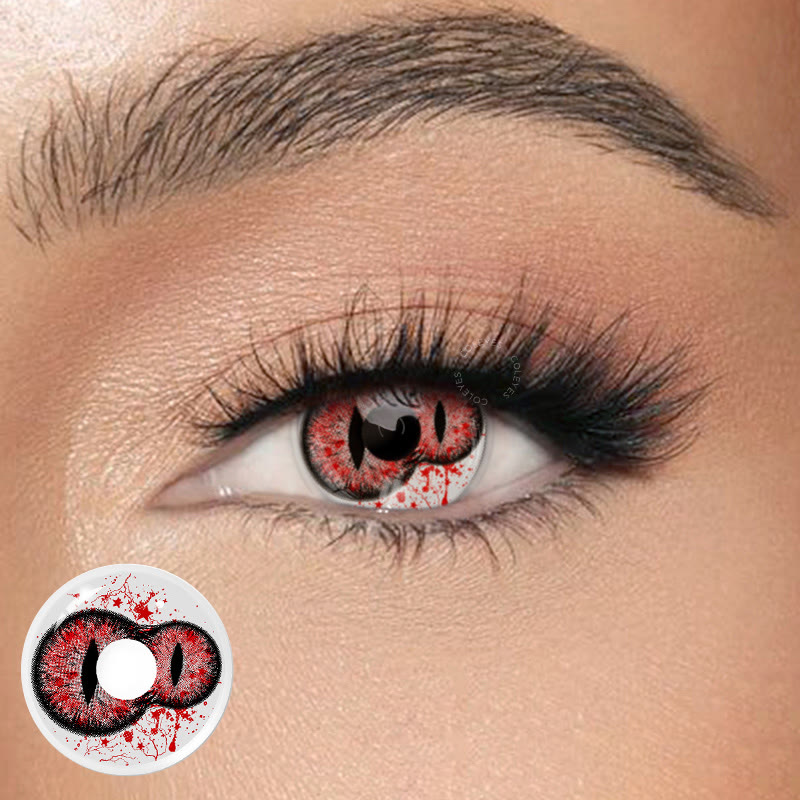
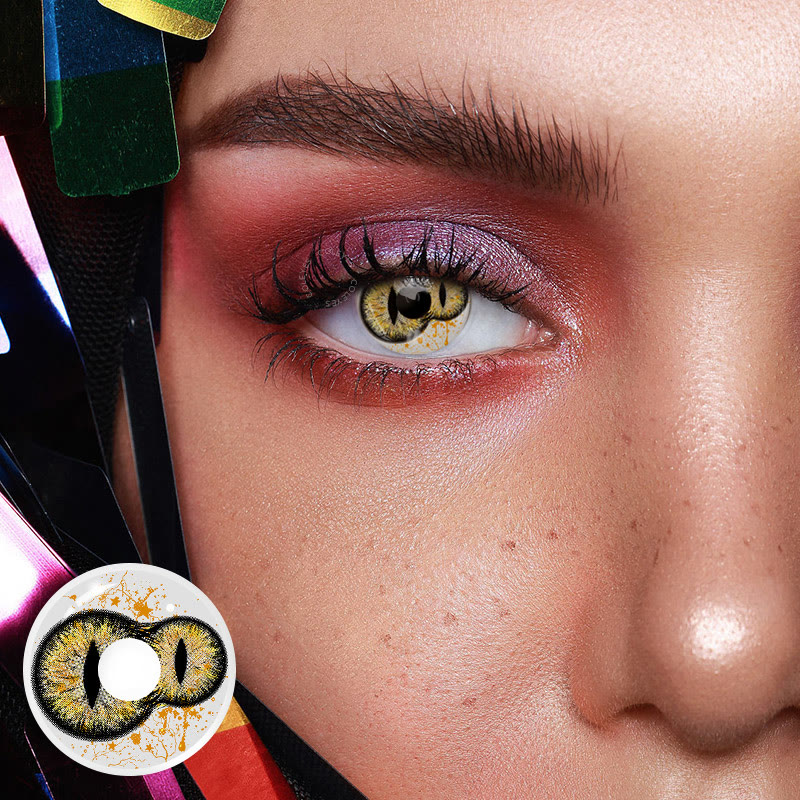
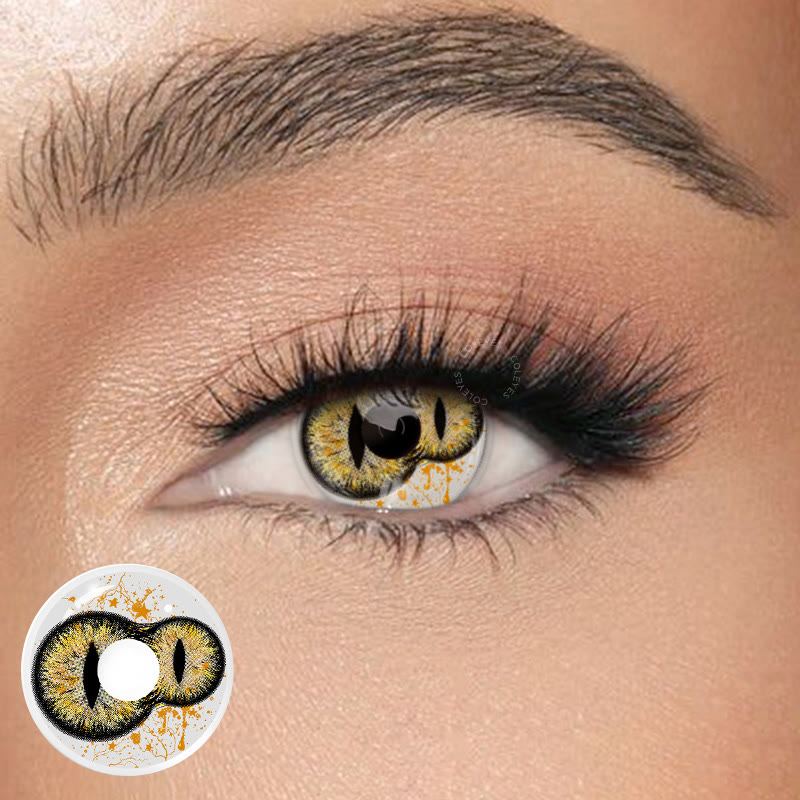
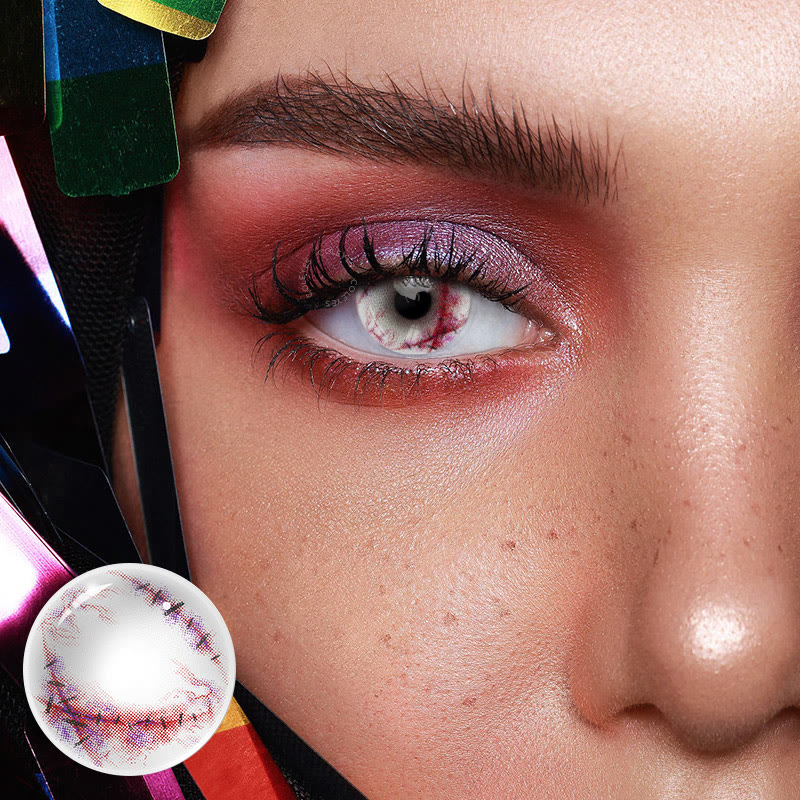
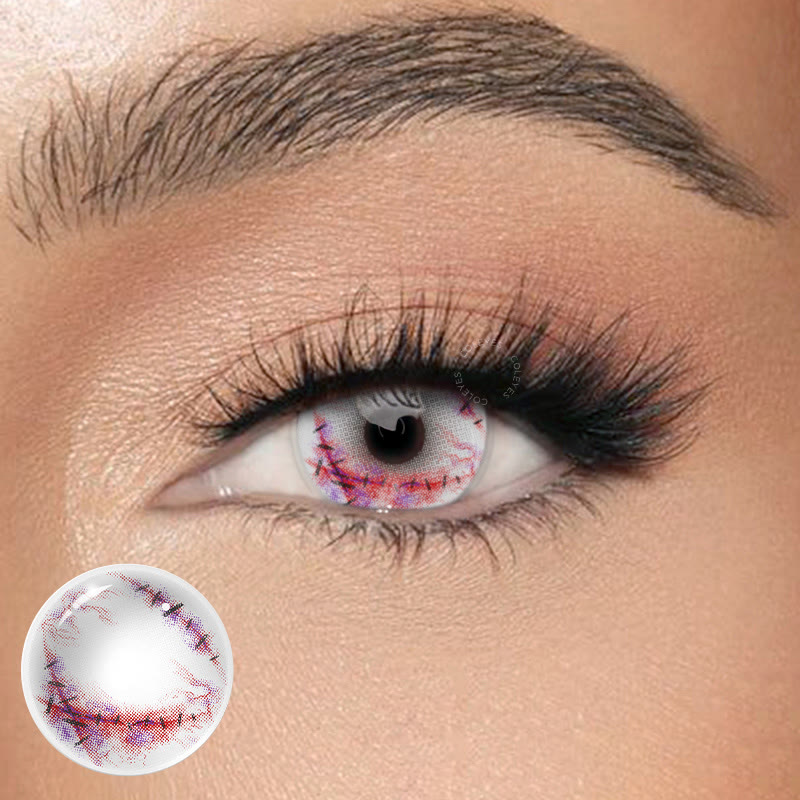
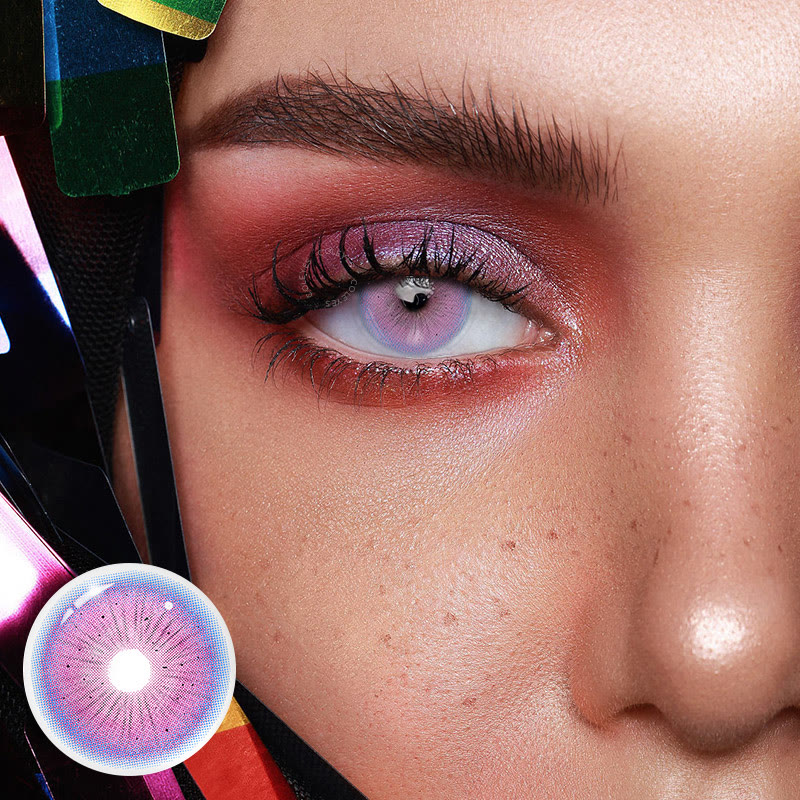
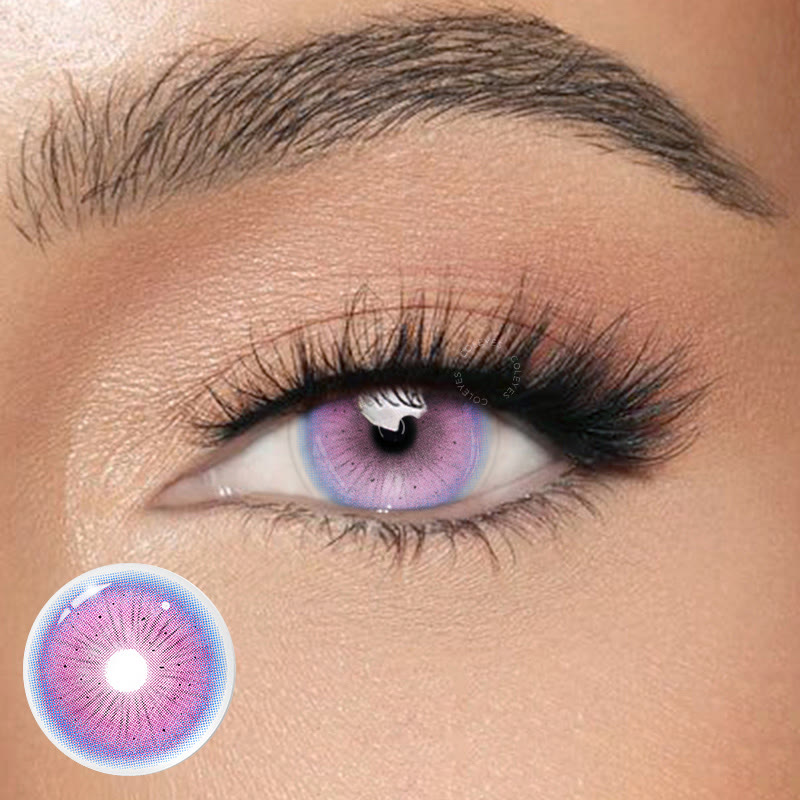
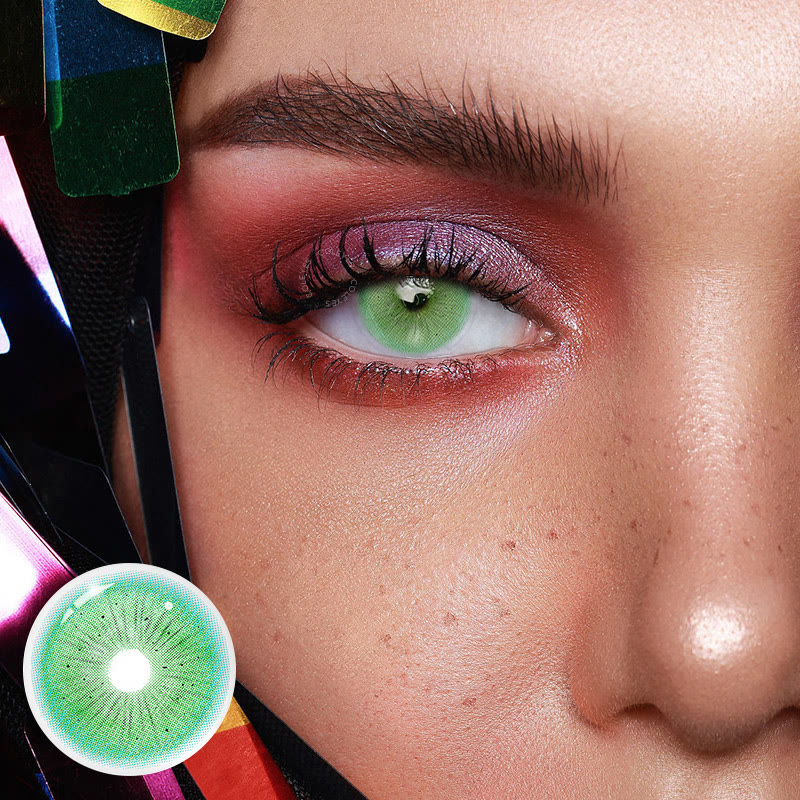
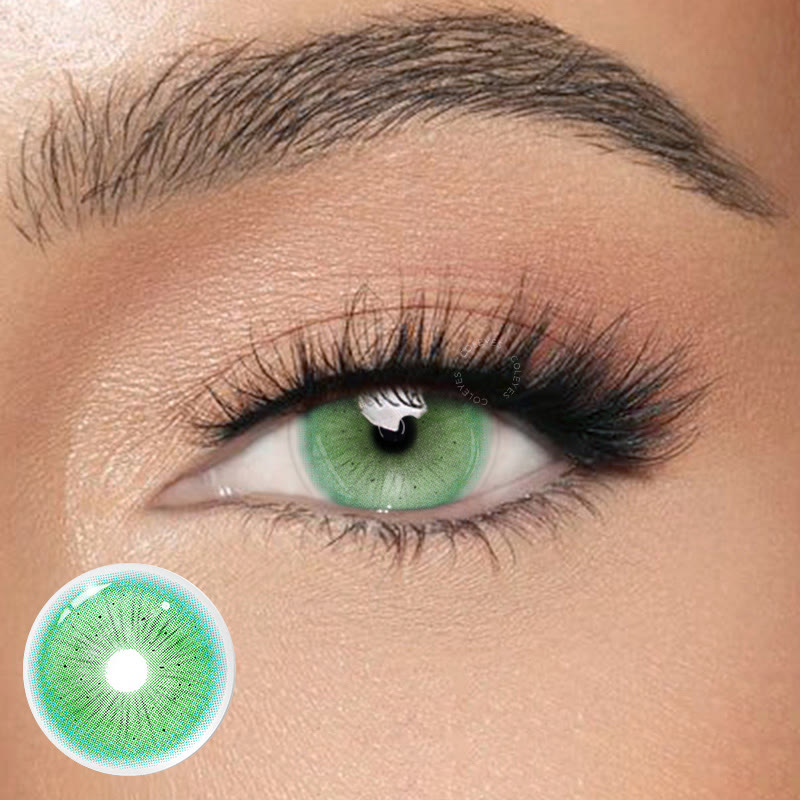
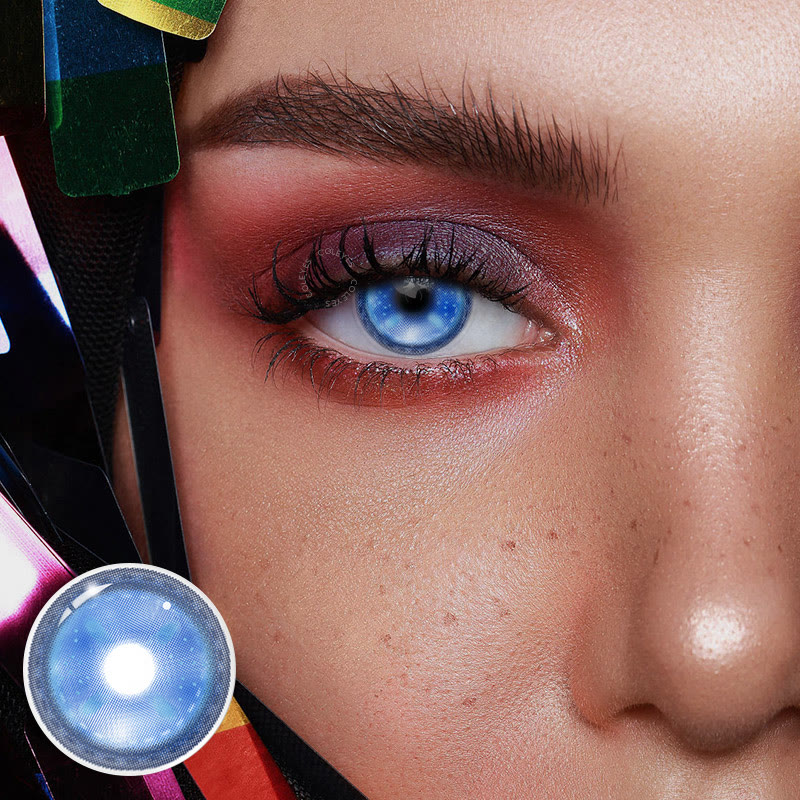
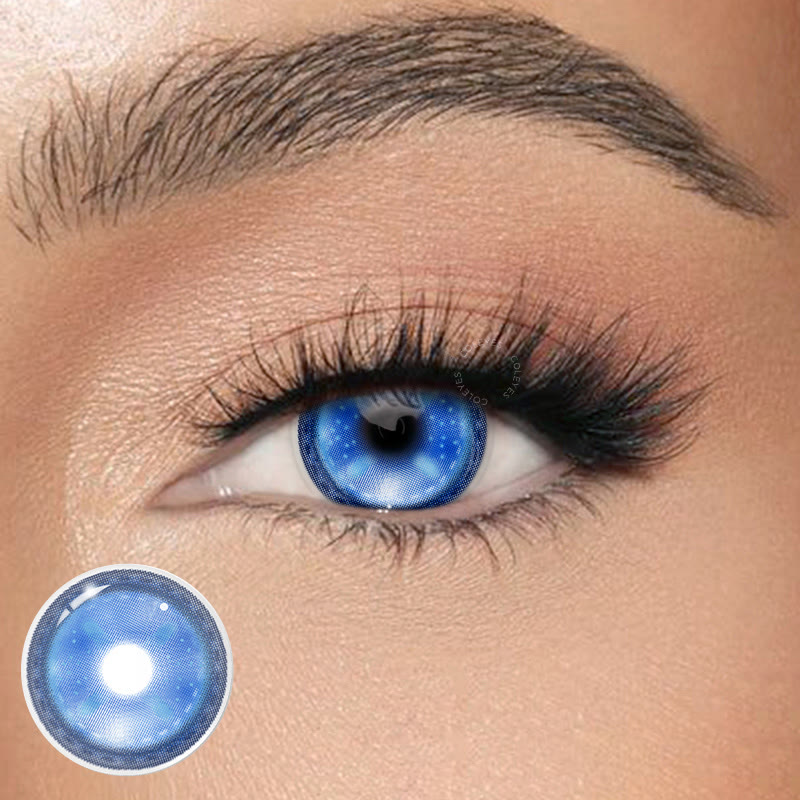
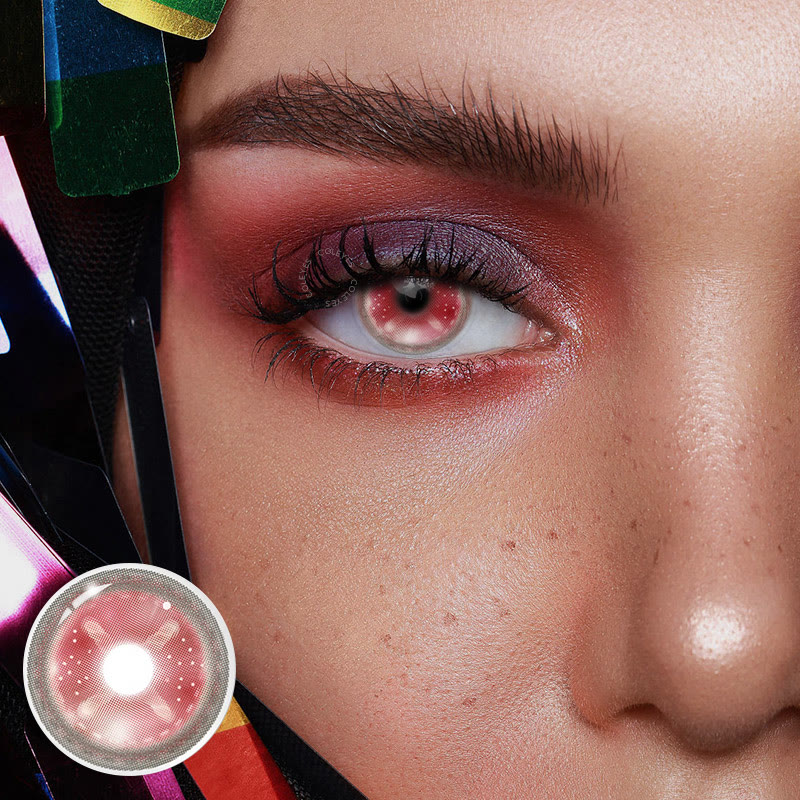
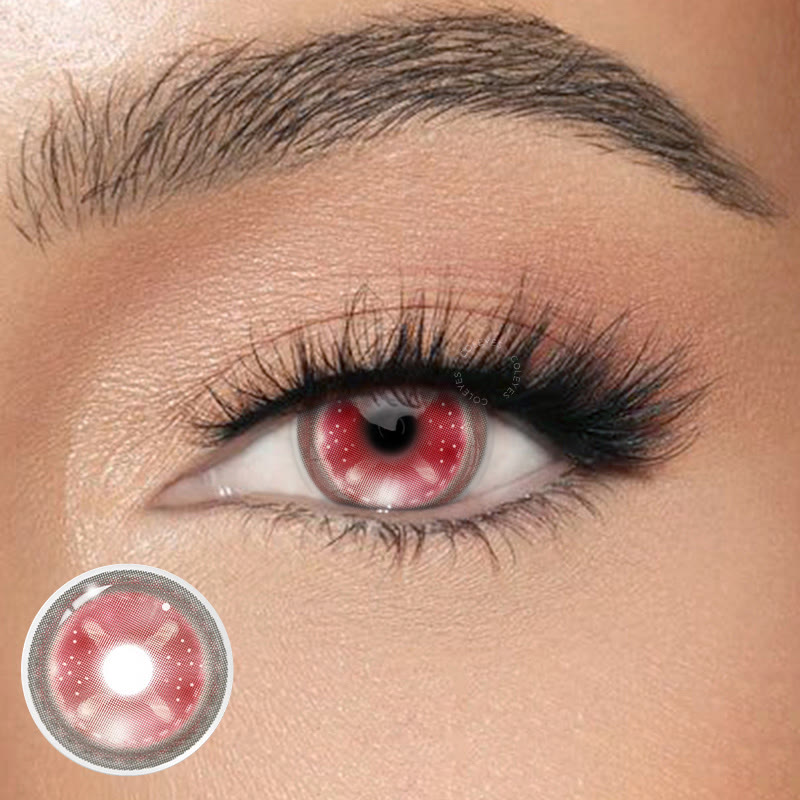
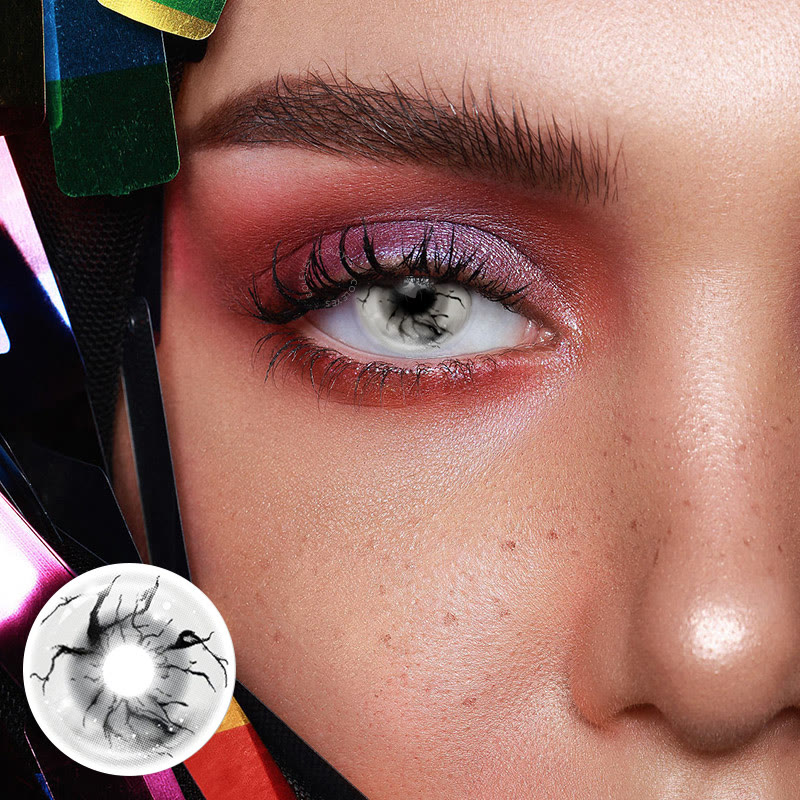
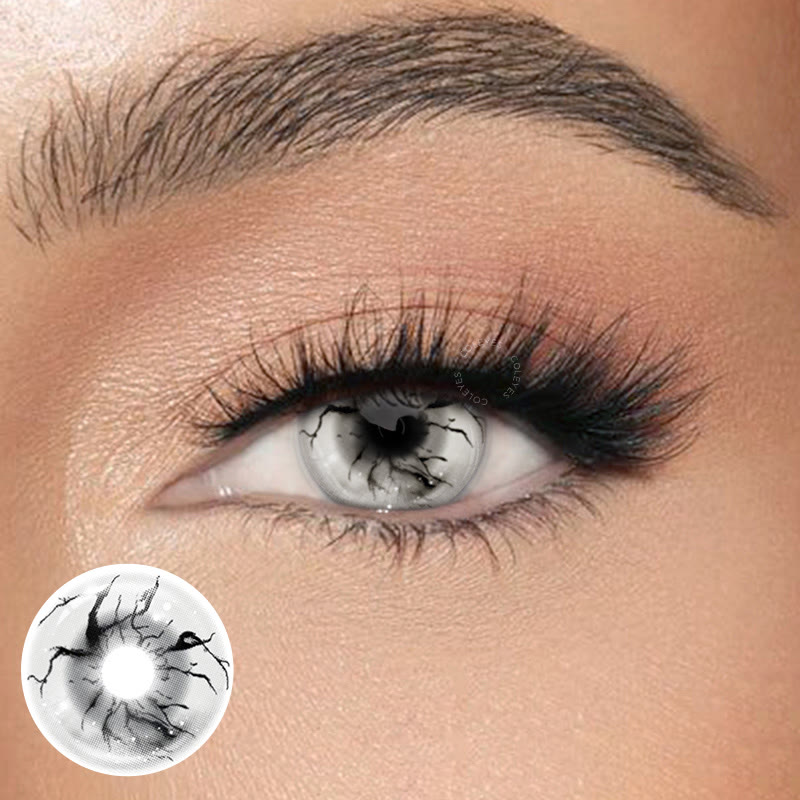
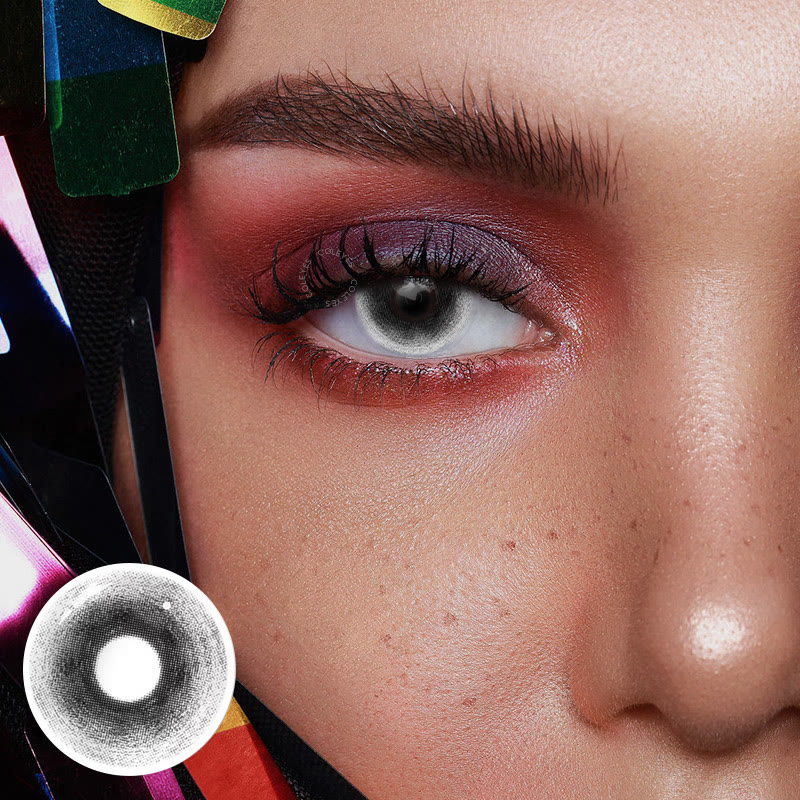
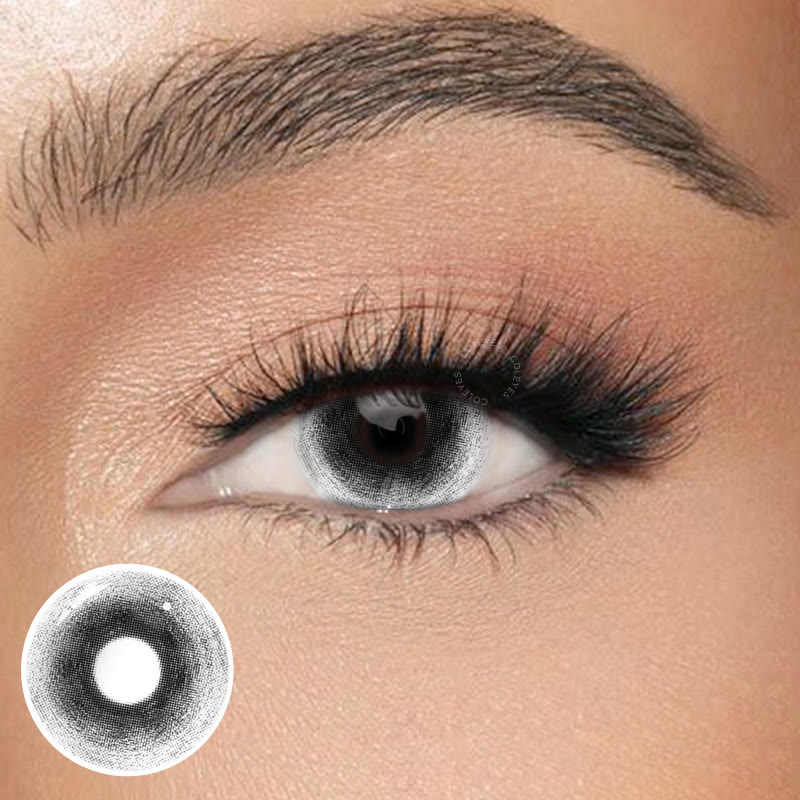
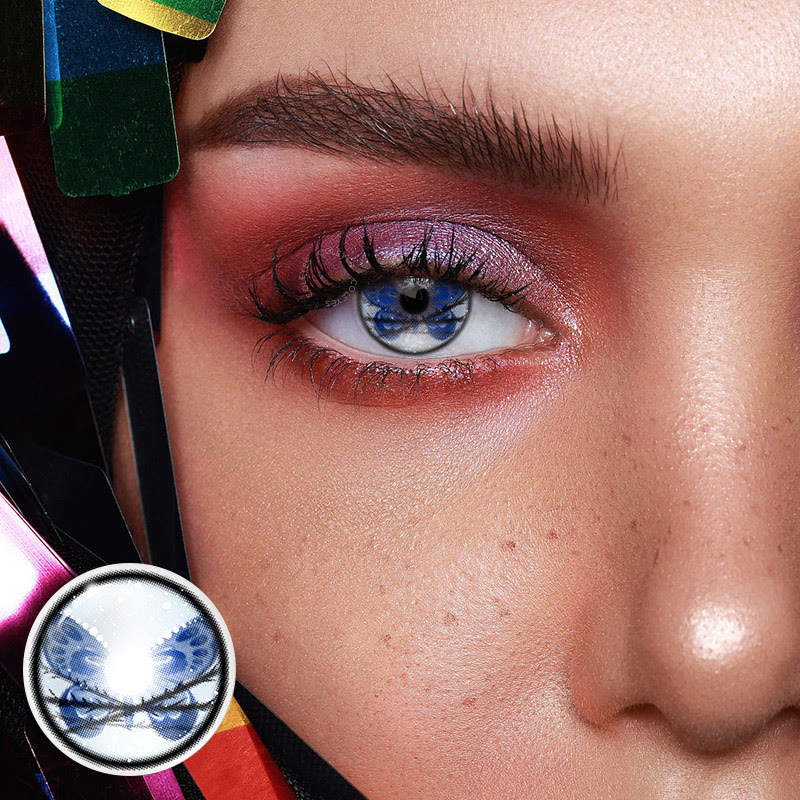
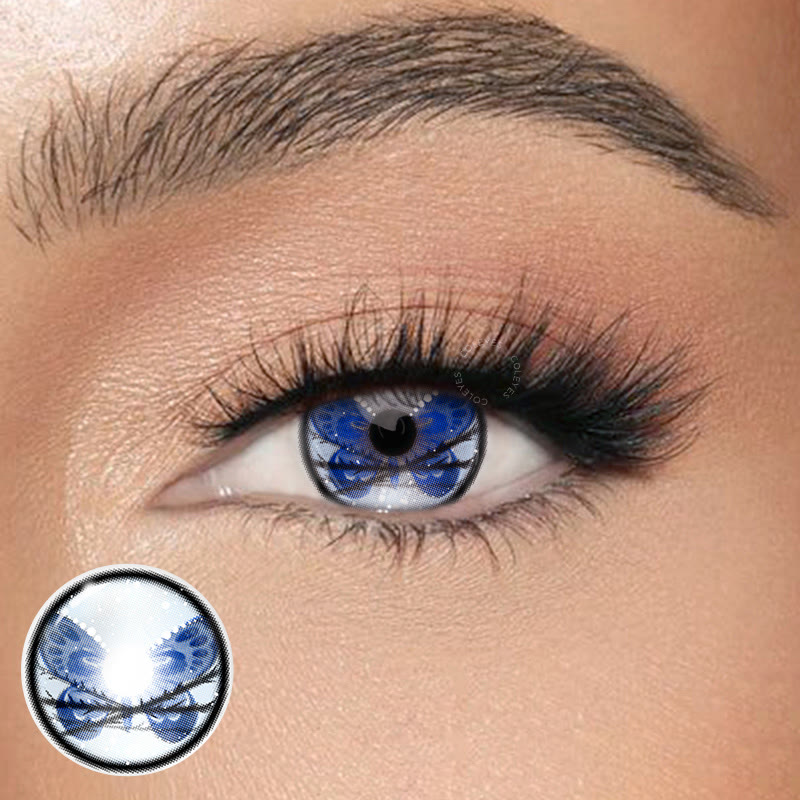
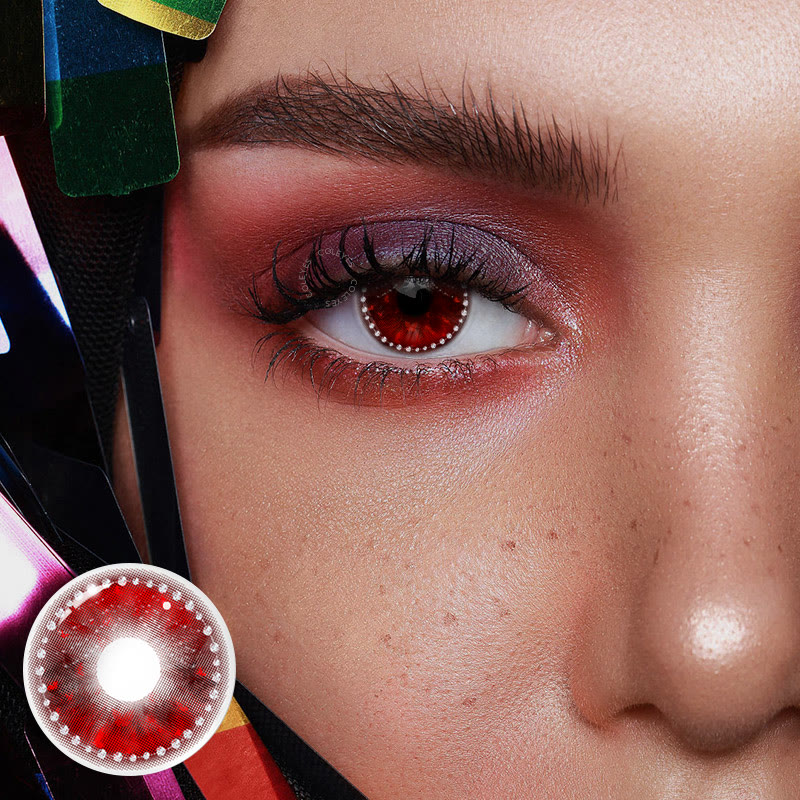
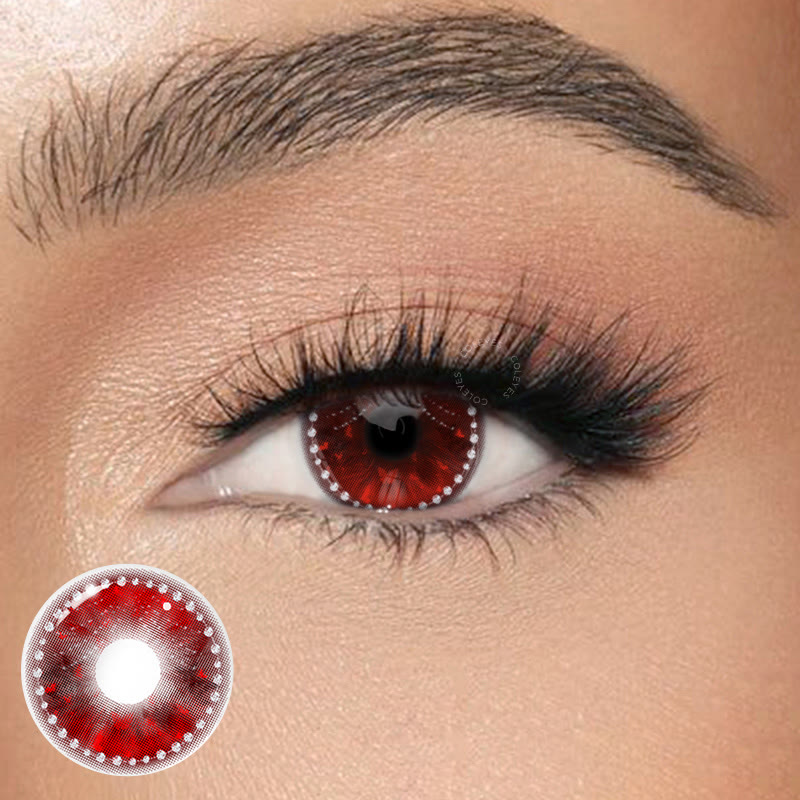
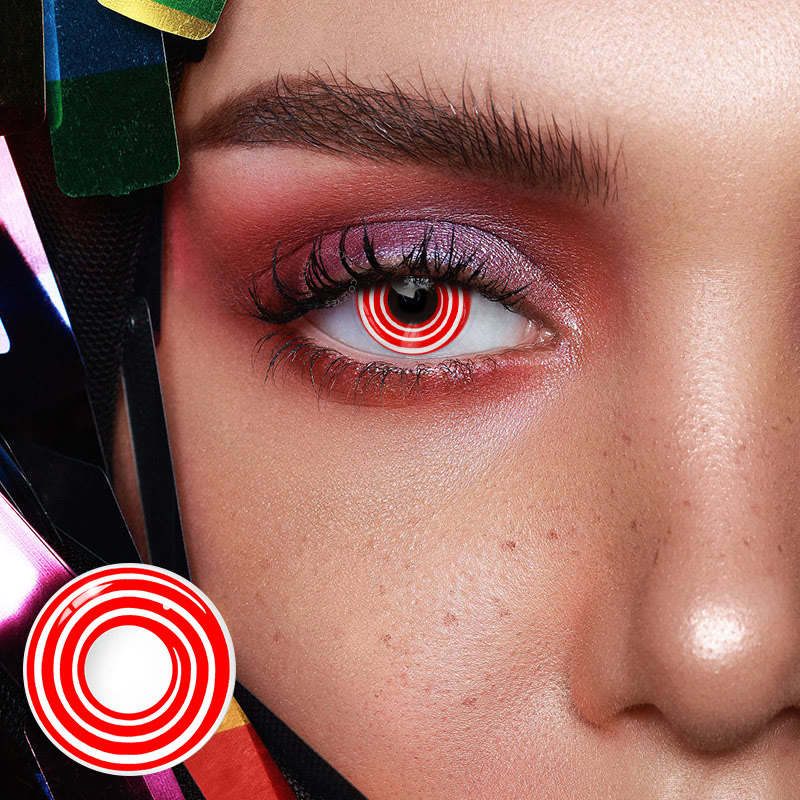
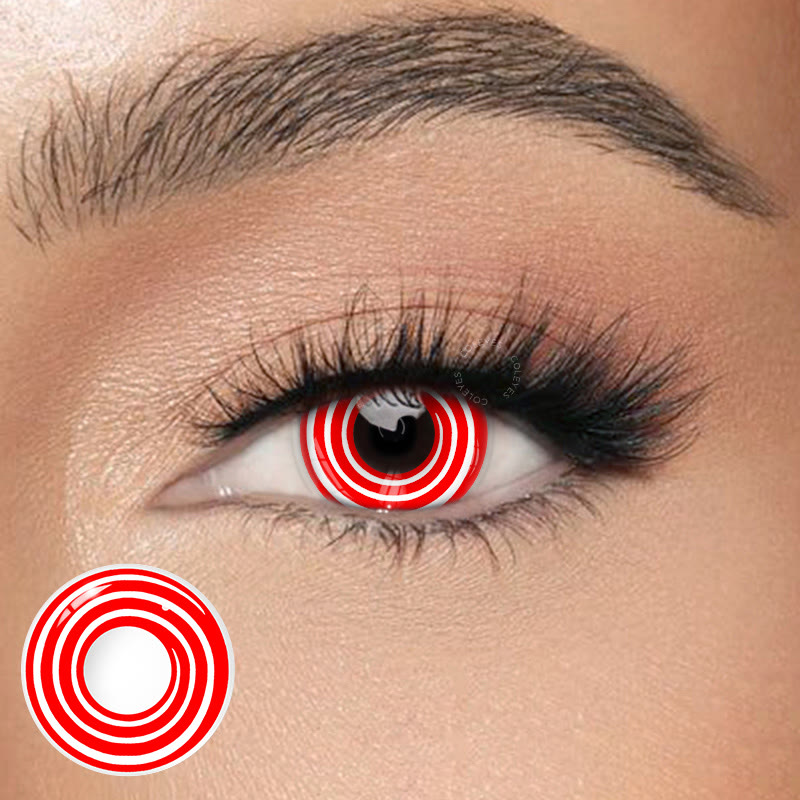
Circle colored contact lenses have revolutionized the beauty world. They offer a dramatic way to change your look while correcting your vision. These unique prescription circle lenses make your eyes look larger and more defined, creating a bold effect that regular contacts can't match.
You can enjoy these lenses' benefits whether you need vision correction or not. Prescription circle lenses work with myopia power from -0.00 to -10.00 diopters, which helps most nearsighted users. Many people have questions about their safety and selection process. This piece will answer all your questions if you want to try these eye-boosting accessories but worry about health concerns.
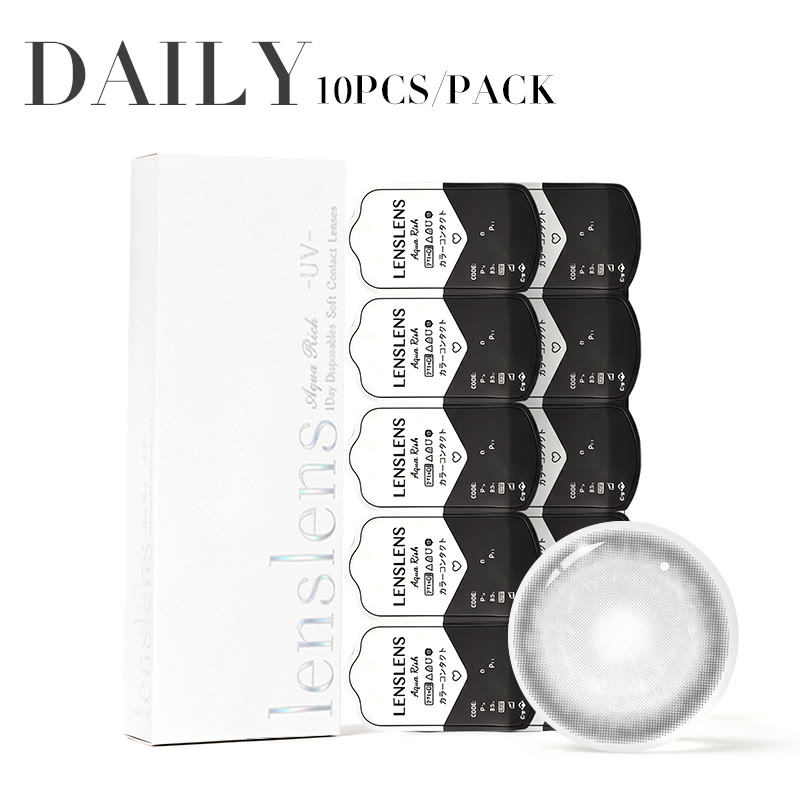
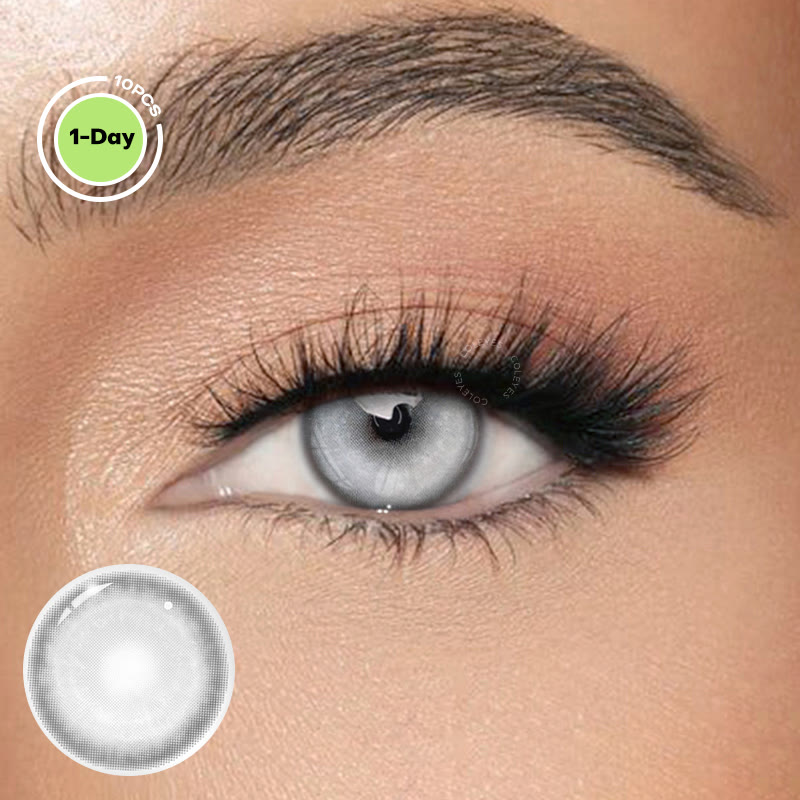
Circle lenses do more than change your eye color. They feature a darker outer ring that makes your eyes appear larger. The lenses come in different sizes - from 14.0mm to 14.5mm for a subtle look, to 15.0mm or more for a dramatic, doll-like effect. These features make them a popular fashion accessory for style enthusiasts.
Understanding Circle Lenses and Their Purpose
Circle lenses work differently from regular contacts. They create an optical illusion that changes your eye's look completely. These special cosmetic lenses first appeared in South Korea in the mid-2000s. Their appeal quickly spread beyond Asian markets worldwide, especially after stars like Lady Gaga wore them in music videos.
What makes circle lenses unique?
Circle lenses stand out because they make your eyes look bigger. Regular contact lenses are about 14.0mm wide and just cover your iris. Circle lenses come bigger - anywhere from 14.2mm to 16.5mm. They extend the colored part past your iris onto the white of your eye.
The magic happens through a design feature called the limbal ring. These lenses have a dark outer edge that makes your eye's natural boundary pop. This ring works so well because it builds on something your eyes already have. Young, healthy eyes naturally show this ring more clearly, but it fades as we age. Circle lenses bring back this youthful feature artificially.
Regular colored contacts can't match the variety circle lenses offer:
- Diameter options: You can pick from 14.0mm, 14.2mm, 14.5mm, 14.8mm, or even 15mm sizes
- Color variety: Everything from subtle natural shades to bold fantasy colors
- Design complexity: Regular contacts use 2-3 colors, but circle lenses can mix up to 8 different colors in one lens
- Pattern diversity: Styles range from everyday subtle to bold cosplay looks
People who need vision correction can get prescription circle lenses. These combine better eyesight with the bigger eye effect.
Why people choose circle lenses over regular contacts
Science tells us something interesting - people everywhere find larger eyes more attractive and youthful. Circle lenses tap right into this preference. Research shows faces with bigger irises look more attractive, no matter if the iris color is light or dark.
People who switch to prescription circle lenses often feel more confident. The change isn't just physical - it boosts their mood too. That's why social media influencers, performers, and anyone wanting to look their best love these lenses.
Circle lenses shine in special situations too. Cosplayers use them to nail their anime and manga character looks. They're perfect for makeup artists' creative projects and photo shoots. Lots of people grab them for Halloween parties and conventions when they want to look totally different.
The practical benefits stack up nicely against regular colored contacts. They cost less both daily and yearly. Quality circle lenses last 9-12 months with proper care. That's great news for regular users.
You can pick exactly how dramatic you want to look. Smaller graphic diameters around 13.3mm give you a natural boost. Bigger ones between 14.5mm-15mm create that eye-catching doll-eyed look popular in Asian beauty.
Prescription circle lenses hit the sweet spot. They fix your vision and make your eyes pop - all in one package.
Prescription vs Non-Prescription Circle Lenses
The difference between prescription and non-prescription circle lenses matters a lot for your eye health. Circle lenses might be popular fashion accessories, but they're medical devices that need proper fitting and care.
Who should use prescription circle lenses?
You should get prescription circle lenses if you need vision correction and want to improve your looks. These special lenses fix vision problems like short-sightedness (myopia), long-sightedness (hyperopia), and astigmatism. They let you enjoy bigger-looking eyes without compromising your vision if you already wear contacts or glasses.
Prescription circle lenses are a great way to get many benefits, even if you just want them to look good. An eye care professional will fit them specifically to your eyes for better comfort. Most prescription circle lenses work for people with nearsightedness from -0.00 to -10.00 diopters.
People with perfect vision should still get prescription circle lenses instead of non-prescription ones. Your eye doctor will take exact measurements to make sure the lenses fit right and won't hurt your eyes, whatever your vision needs.
Can you wear non-prescription circle lenses safely?
Eye experts agree that buying non-prescription circle lenses without professional guidance puts your eyes at risk. Some sellers say non-prescription lenses are safe for cosmetic use, but the FDA and eye care professionals strongly disagree.
"One size fits all" non-prescription lenses are nowhere near safe. Contact lenses must match each person's eye shape and size. Lenses that don't fit well can cause corneal scratches, ulcers, and bacterial infections like keratitis.
Research shows real dangers. A survey of 686 women found that 25% used non-prescription contacts, and 60% had eye problems like pain, redness, and swelling. The number jumped to 88% for people who borrowed someone else's lenses.
Circle lenses create extra risks because their pigments and patterns make them thicker than regular contacts. Less oxygen reaches your eyes, which can lead to serious problems:
- Corneal scratches and abrasions
- Bacterial infections
- Pink eye (conjunctivitis)
- Decreased vision
- In severe cases, blindness
The FDA found bacteria in 60% of colored contacts bought online without prescriptions. Since 2005, U.S. law and many other countries have banned selling any contact lenses without a prescription.
Prescription glasses vs circle lenses
Your glasses prescription is different from what you need for contact lenses, including circle lenses. This happens because contacts sit right on your eye, while glasses stay away from it.
Here's what to think over when choosing between glasses and prescription circle lenses:
Prescription circle lenses fix your vision and improve your looks at the same time. You can change your eye color and make them look bigger while seeing clearly—glasses can't do that.
These lenses need more care than glasses. You must clean them properly and replace them on schedule to avoid infections.
Circle lenses might cost more upfront but could save money over time if you want to change eye colors. Quality circle lenses last 9-12 months with good care.
Safety should come before looks. Always talk to an eye care professional before you decide between prescription circle lenses or glasses.
Are Circle Lenses Safe? What Eye Experts Really Say
Circle lenses have become a huge trend for those chasing doll-like, larger-than-life eyes — but many people wonder: are they actually safe? Eye care specialists agree that while circle lenses can be worn safely, they carry real risks if purchased or used incorrectly.
Understanding the Medical Side of Circle Lenses
The U.S. FDA classifies all contact lenses — cosmetic or corrective — as medical devices that require professional fitting and prescription. Wearing lenses without guidance can expose you to complications such as infection, irritation, or long-term vision damage.
Common Safety Concerns and Misconceptions
Eye doctors warn that the biggest risk comes from buying lenses online or from unverified sellers. Research shows that more than half of non-prescription colored lenses purchased this way contain bacterial contamination or fail safety standards.
Circle lenses also tend to be thicker and more heavily pigmented than standard contact lenses, reducing the oxygen flow to the cornea and increasing dryness or redness.
Popular myths include:
-
Myth: “One size fits all.”
Reality: Each person’s eye shape and curvature are unique. Poorly fitted lenses can cause scratching or even corneal ulcers. -
Myth: “Non-prescription lenses are fine for special occasions.”
Reality: Even one day of wear can harm your eyes if the fit or material isn’t right. -
Myth: “Buying from beauty shops or costume stores is safe.”
Reality: U.S. law bans the sale of contact lenses without a valid prescription.
What Optometrists Recommend
Circle lenses can be worn safely when three key rules are followed:
-
Get a professional fitting — Always have an optometrist measure your eye curvature, even if you don’t need vision correction.
-
Buy from reputable sources — Choose sellers who provide verified medical-grade materials and lens certification.
-
Follow strict hygiene — Clean and store lenses exactly as instructed using the right solution, never tap water or saline.
If you notice pain, redness, discharge, or blurred vision while wearing circle lenses, remove them immediately and see an eye doctor. Early treatment can prevent permanent eye damage.
What Users Say Online
Online discussions show that many long-time users wear circle lenses safely — but always emphasize responsible use. People share that finding an optometrist familiar with cosmetic contacts helps them feel more supported during fittings.
Community feedback often highlights these best practices:
-
Stick to verified lens suppliers only
-
Keep lenses clean and replace them as directed
-
Avoid sleeping or swimming with lenses on
-
Always carry lens solution and a case when out
How to Choose and Order the Right Lenses
The perfect pair of prescription circle lenses needs more than just a pretty color. You need the right measurements and expert guidance to look good and stay safe.
How to get prescription circle lenses
Schedule a contact lens exam with an optometrist or ophthalmologist before you buy any circle lenses. The specialized exam costs between $100-$250 and is different from a regular vision check. You'll need a "plano" prescription (zero vision correction) even if your vision is perfect but you want colored contacts.
Your eye's specific curvature and dimensions are measured to ensure a proper fit. The contact lens prescription has details like base curve, diameter, and power that are different from eyeglass prescriptions. Vision insurance plans often cover these exams, and you can use HSA or FSA funds to pay for them.
Where to Buy Safe Circle Lenses Online
Once you have a valid prescription, the next step is finding a reliable online store that offers certified, high-quality circle lenses. Always look for sellers that:
-
Require a prescription before purchase
-
Offer medical-grade materials and FDA or CE safety certifications
-
Provide clear lens details such as base curve, diameter, and water content
-
Include worldwide shipping and transparent return policies
These features ensure you’re getting authentic, safe-to-wear lenses—not imitations or unregulated imports. Many reputable retailers now also provide online prescription verification, making it easy to order securely from home.
Exploring Styles: Pink Circle Lenses and Beyond
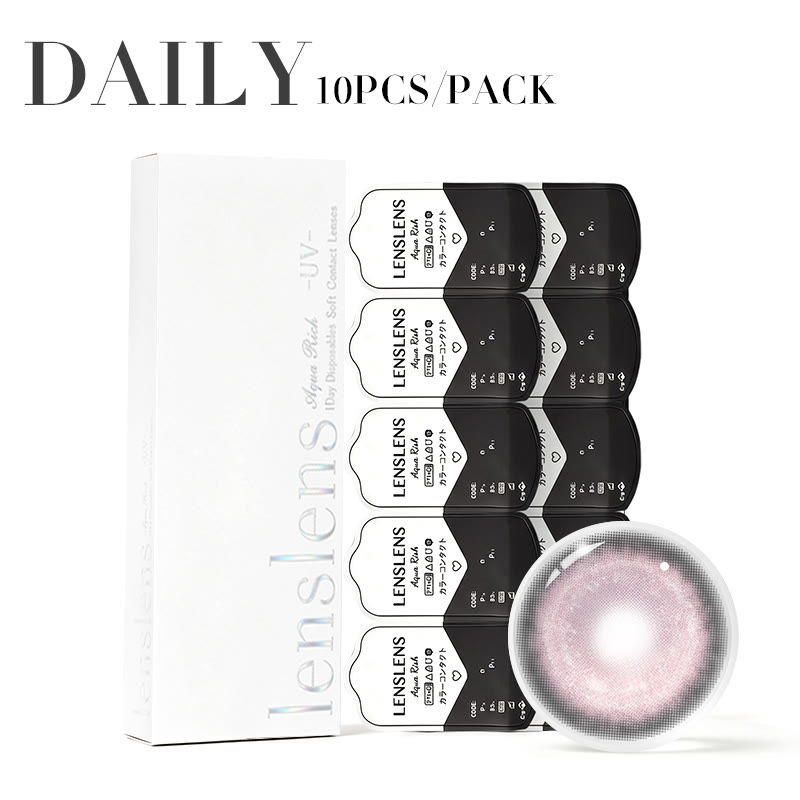
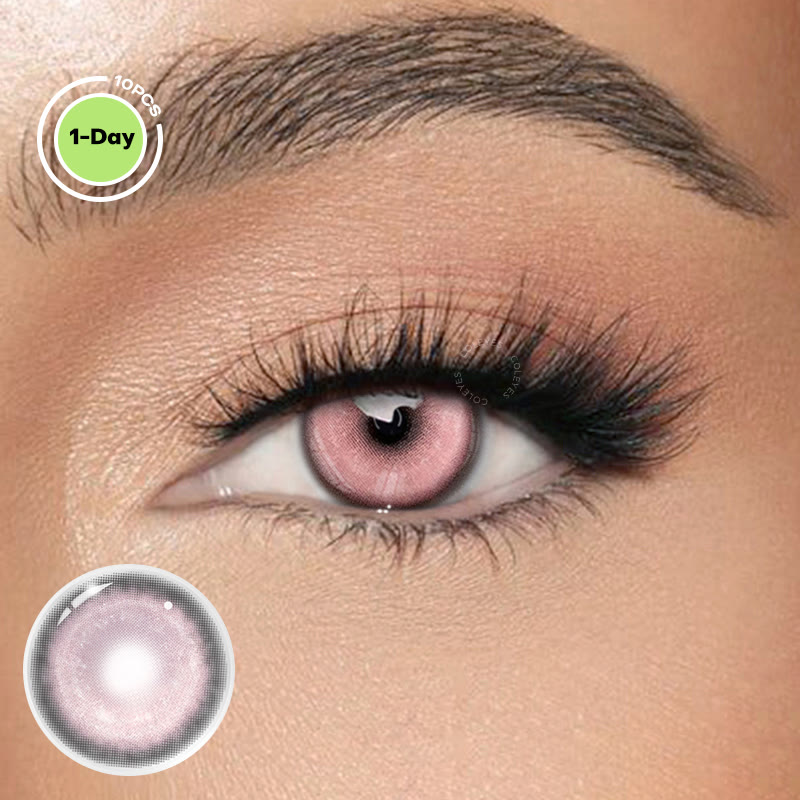
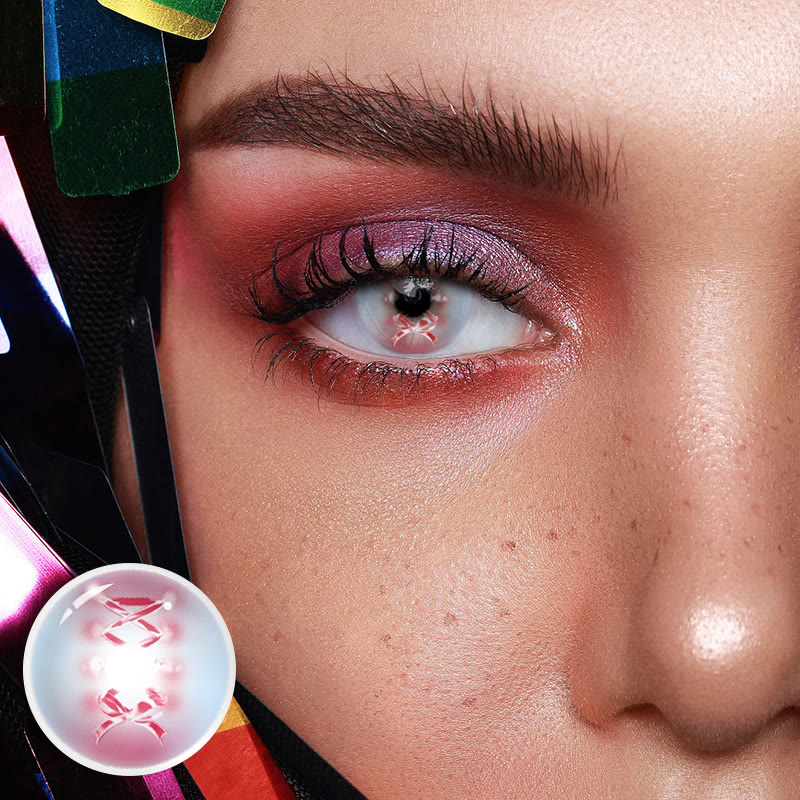
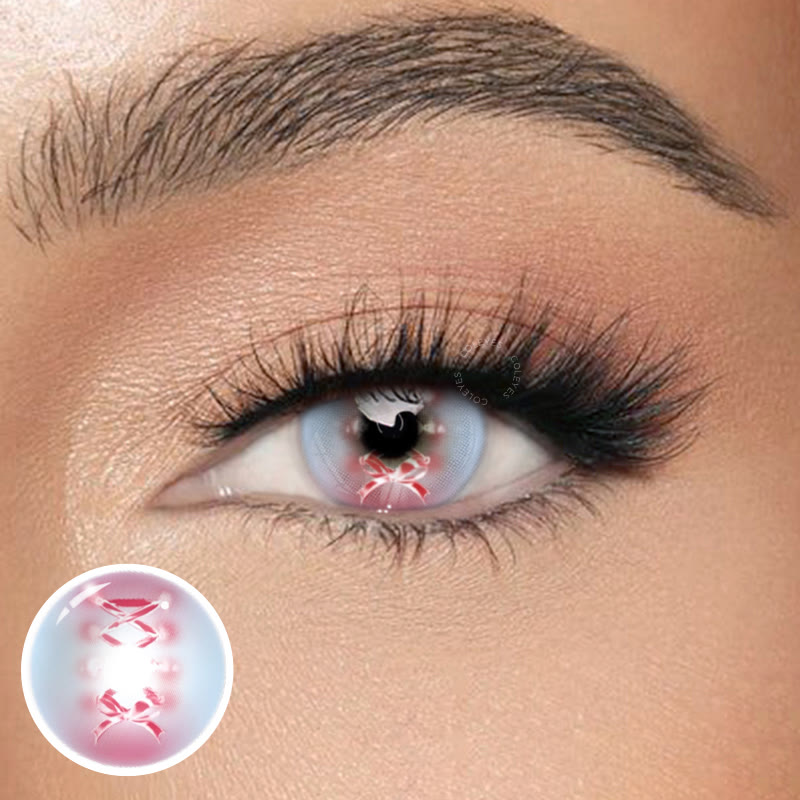
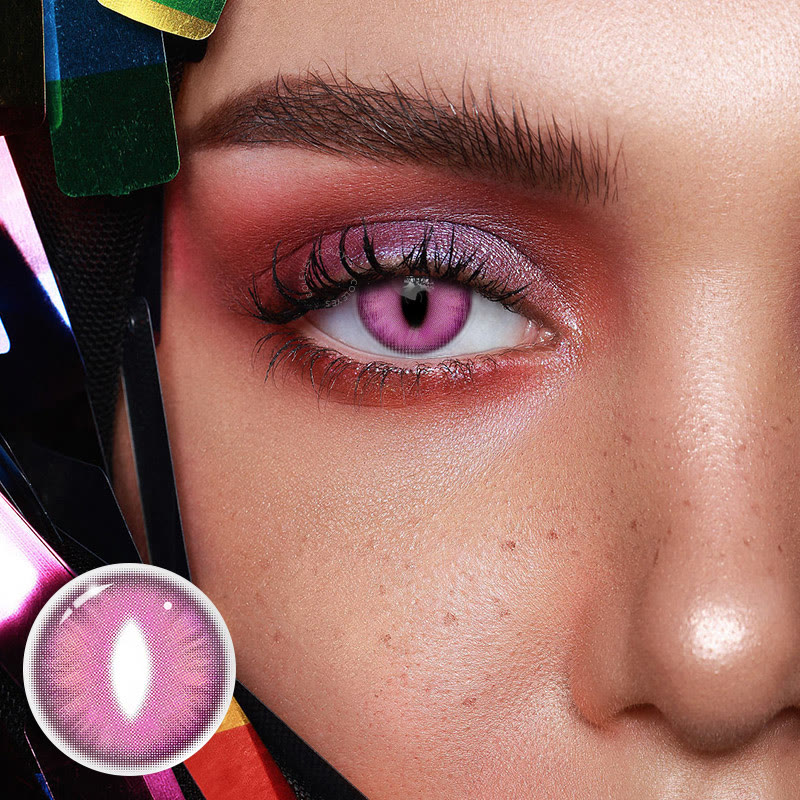
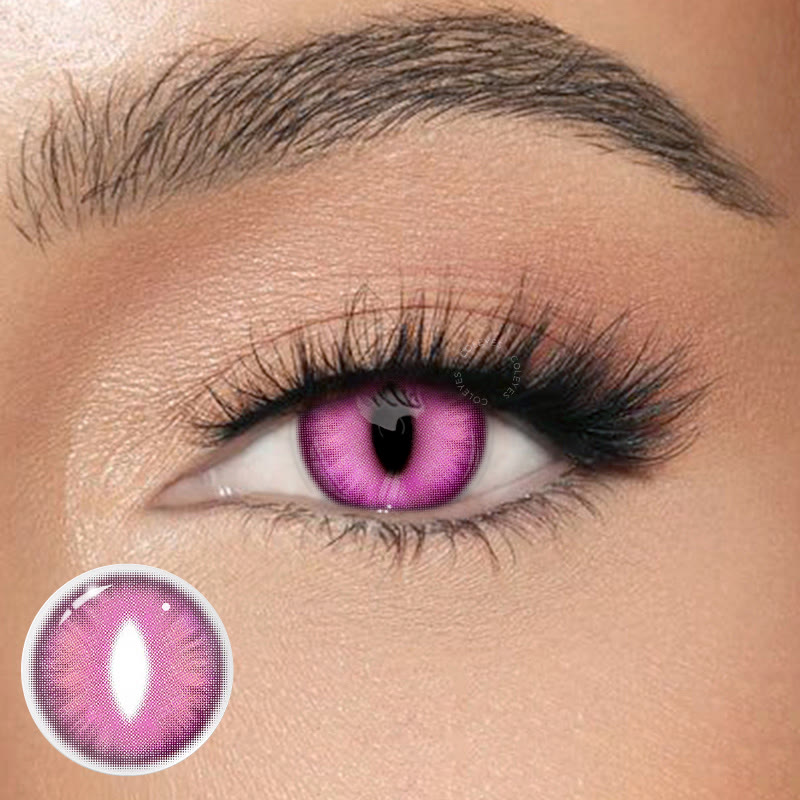
Pink circle lenses have become one of the most popular color trends, known for adding a soft, dreamy look that suits both everyday wear and cosplay transformations.
These lenses are available in a range of tones—from subtle blush pinks that enhance your natural color to vivid magenta shades that deliver bold, standout results.
The diameter (typically 14.0–14.5 mm) affects how large and defined your eyes appear. For a more natural enlargement, go for smaller diameters; for a dramatic, dolly-eye effect, choose slightly larger sizes.
Different limbal ring designs also shape your final look:
-
Solid rings create striking contrast and strong definition.
-
Dotted or gradient rings offer a softer, more natural blend.
-
Multi-tone patterns combine two or three hues to mimic the depth and complexity of real irises.
Whether you’re after an everyday enhancement or a full cosplay transformation, understanding these design features helps you choose circle lenses that look stunning and feel comfortable all day.
Wearing and Caring for Your Lenses
The right way to handle prescription circle lenses is vital for your eye health and making your lenses last longer. Learning the right techniques to insert, remove, clean, and store them will keep your circle lenses safe and comfortable.
How to insert and remove circle lenses
Clean your hands well with unscented soap before you start. Put the lens on your index finger and check if it looks like a bowl instead of a flat saucer. Use your other hand to hold your upper eyelid and pull down the lower lid with your middle finger. Look up or straight ahead while you place the lens on your eye, then blink a few times so it centers.
You'll need clean hands to remove them too. Look upward and pull your lower eyelid down with your middle finger. Touch the bottom edge of the lens with your index finger, slide it down to the white of your eye, and pinch it gently between your thumb and index finger.
Cleaning and storing your lenses properly
Clean your lenses right after taking them out. Put the lens in your palm, add some multipurpose solution, and rub each side gently for 15-20 seconds. Never clean them with tap water or saliva. Your lenses need a clean case with fresh solution - don't reuse old solution or top it off.
A new lens case is needed every three months because bacteria can grow in old ones. New lenses should soak in solution for at least six hours before you wear them.
Signs you should stop wearing them
Take your lenses out right away if your eyes get red, painful, watery, or if your vision gets blurry. Watch out for burning sensations or feeling like something's stuck in your eye. These signs might mean you have an irritation or infection. Wearing lenses when they're uncomfortable could damage your cornea.
The recommended wearing time is 8 hours - don't go over this limit. Unless your lenses are made for overnight use, never sleep with them in. Keep them out when swimming or using saunas.
Conclusion
Prescription circle lenses are a great way to change your appearance while fixing vision problems. Their safety relies on proper professional guidance and careful care. This piece shows you can wear these specialized lenses safely if you get them through legitimate channels with a valid prescription.
Eye care professionals must check your eyes before you buy circle lenses - even if you have perfect vision. This rule isn't flexible because poorly fitted lenses can be risky, whatever their purpose. Your eyes need protection despite wanting dramatic effects.
The right care routine makes the difference between safe wear and potential risks. Clean hands, proper solutions, and regular maintenance help prevent infections and make your lenses last longer. Never ignore signs of discomfort or irritation.
Prescription circle lenses blend medical needs with style improvements perfectly. But safety should always come before looks. A positive experience comes from trusted brands, professional measurements, and careful hygiene.
These lenses have become a key part of beauty and fashion trends, but responsible use matters most. Get advice from qualified eye care professionals and follow their guidelines closely. You can enjoy the dramatic effects these unique lenses offer while keeping your vision safe.