

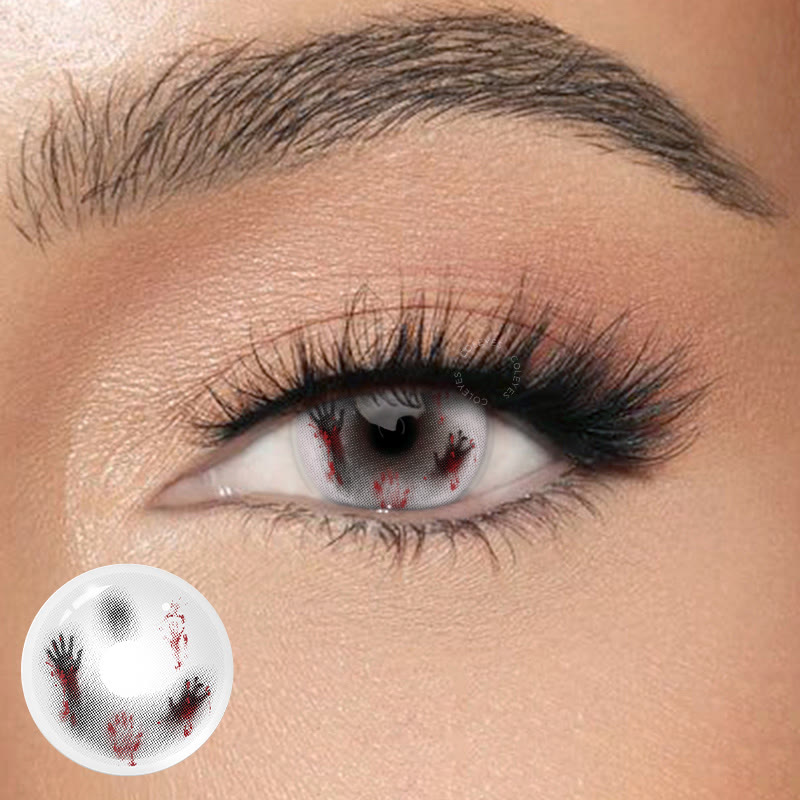
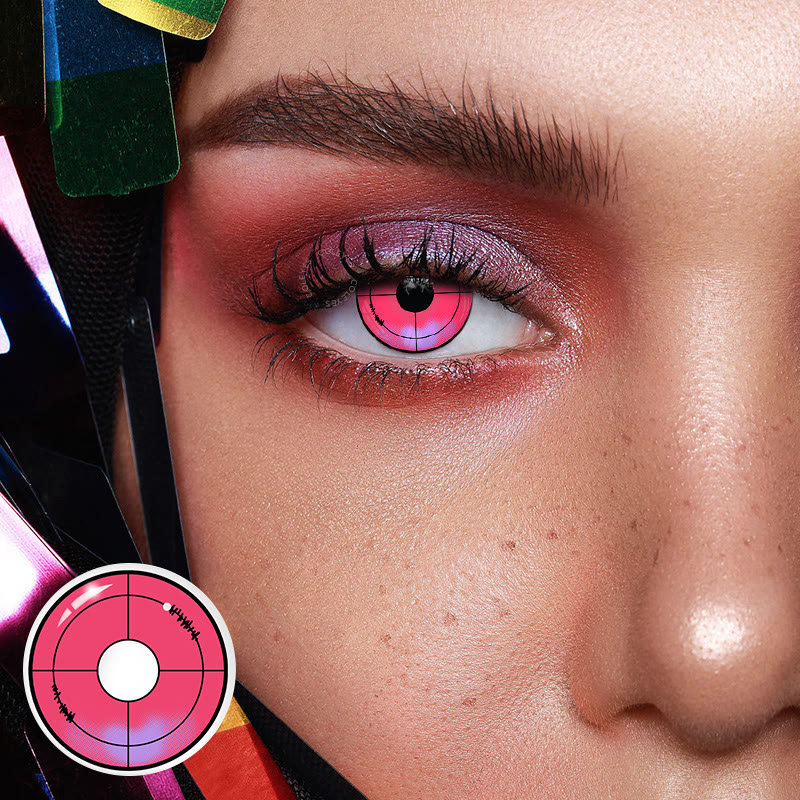
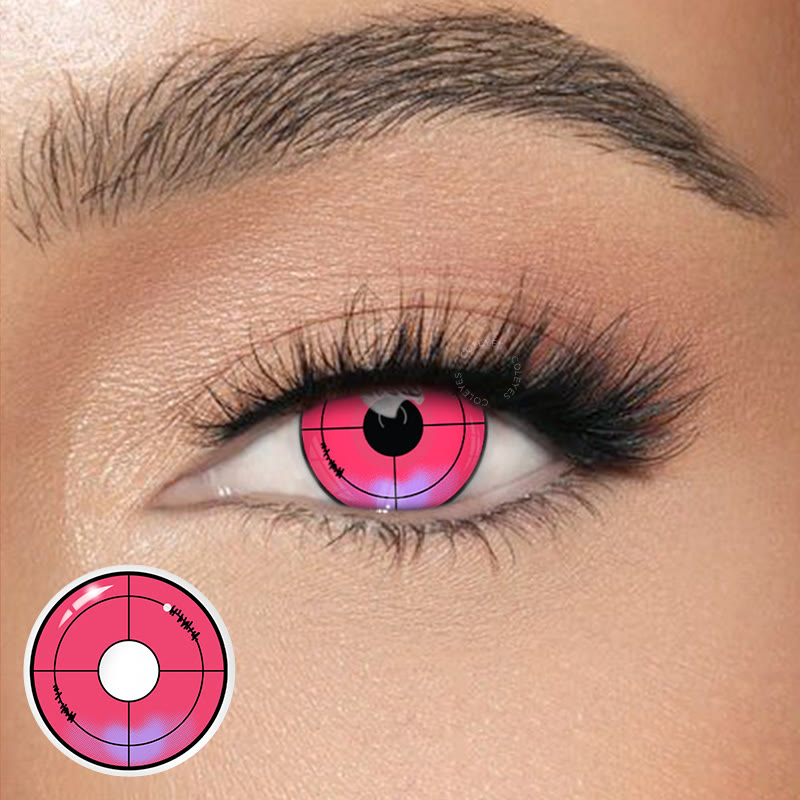
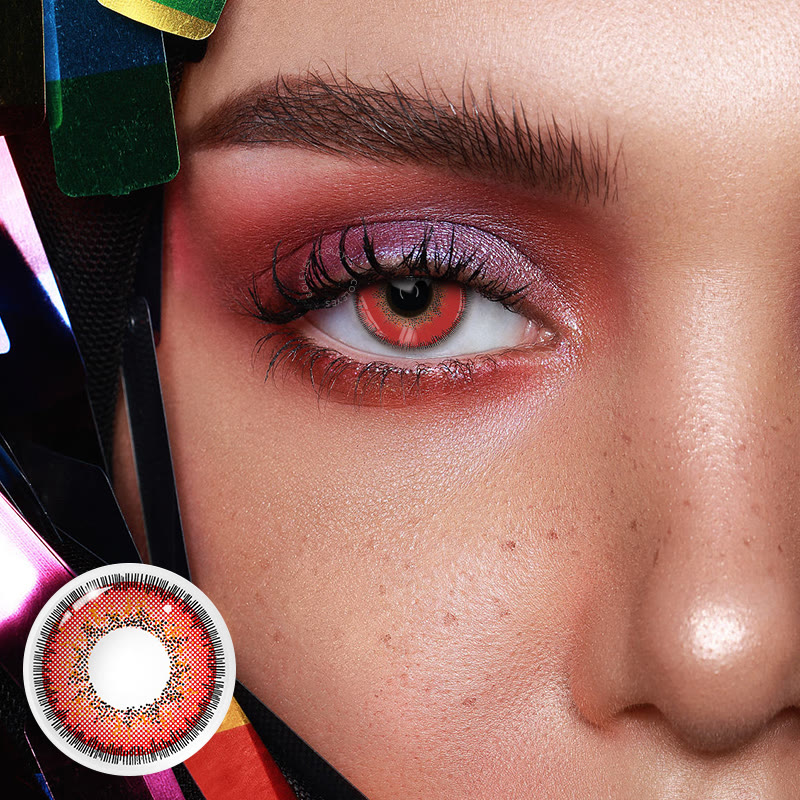

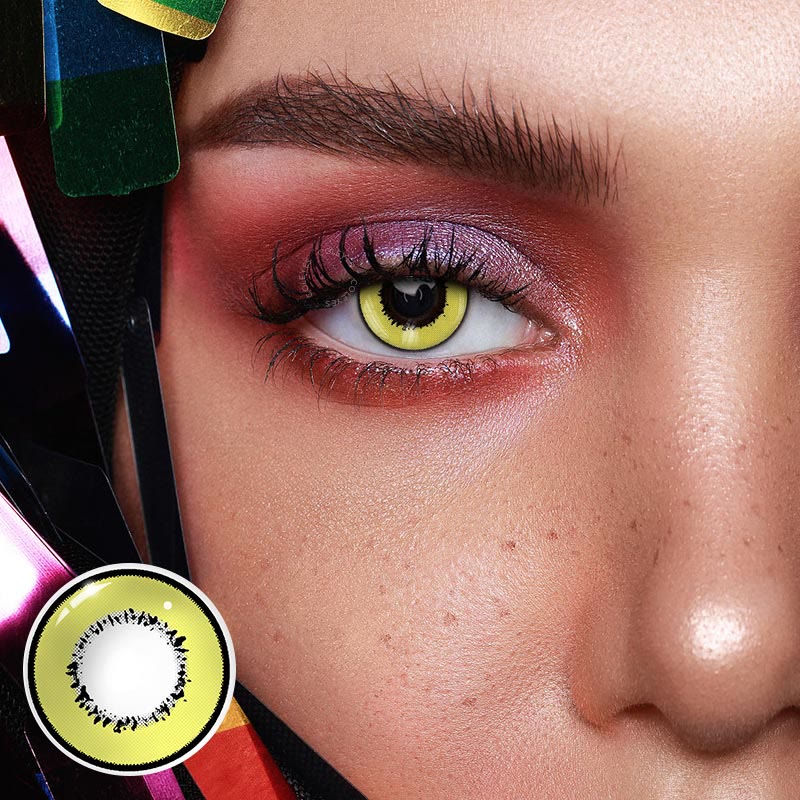
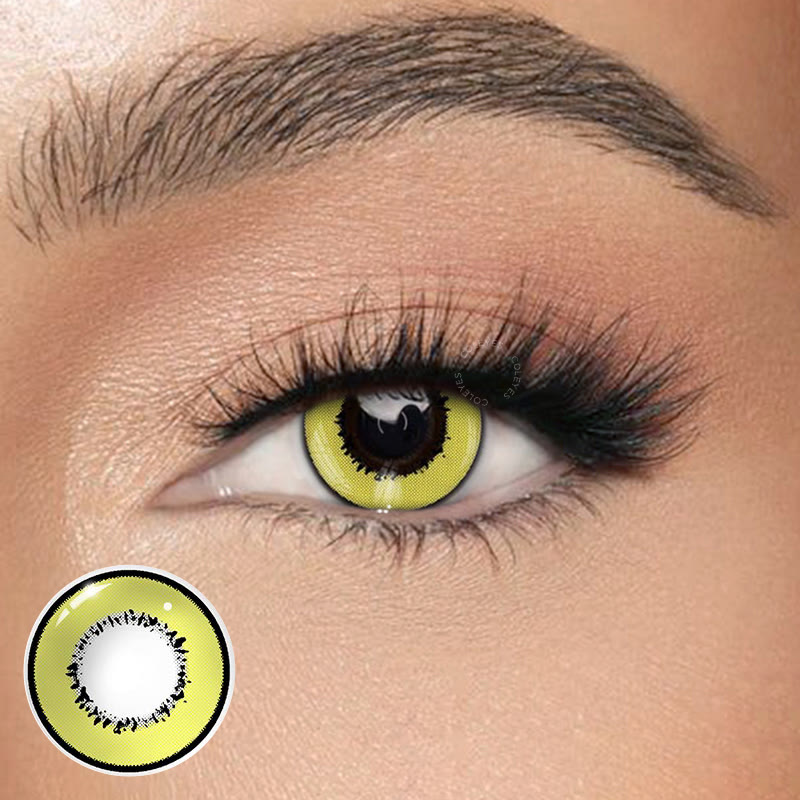
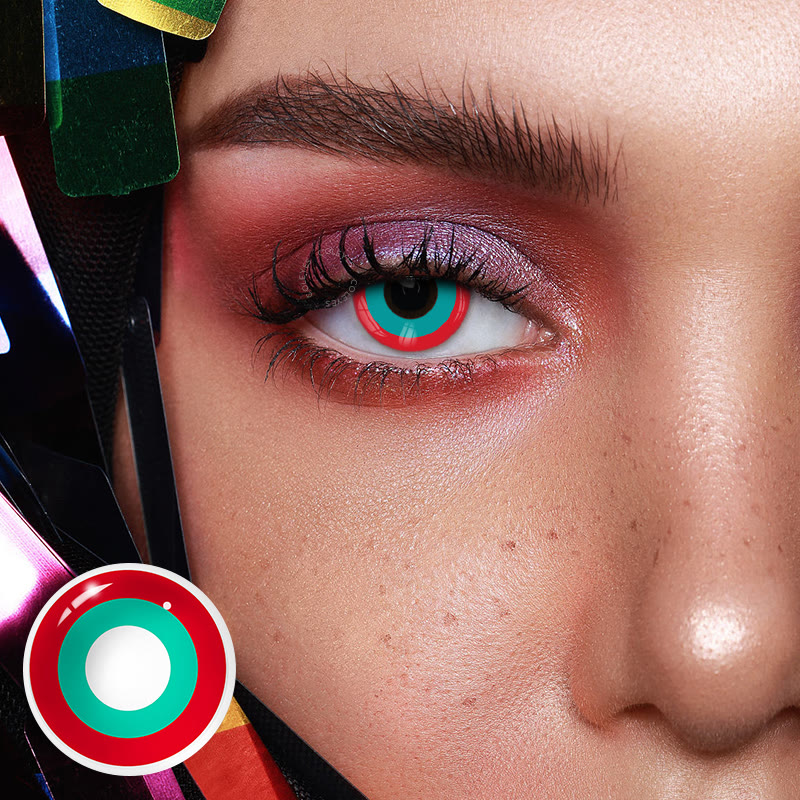
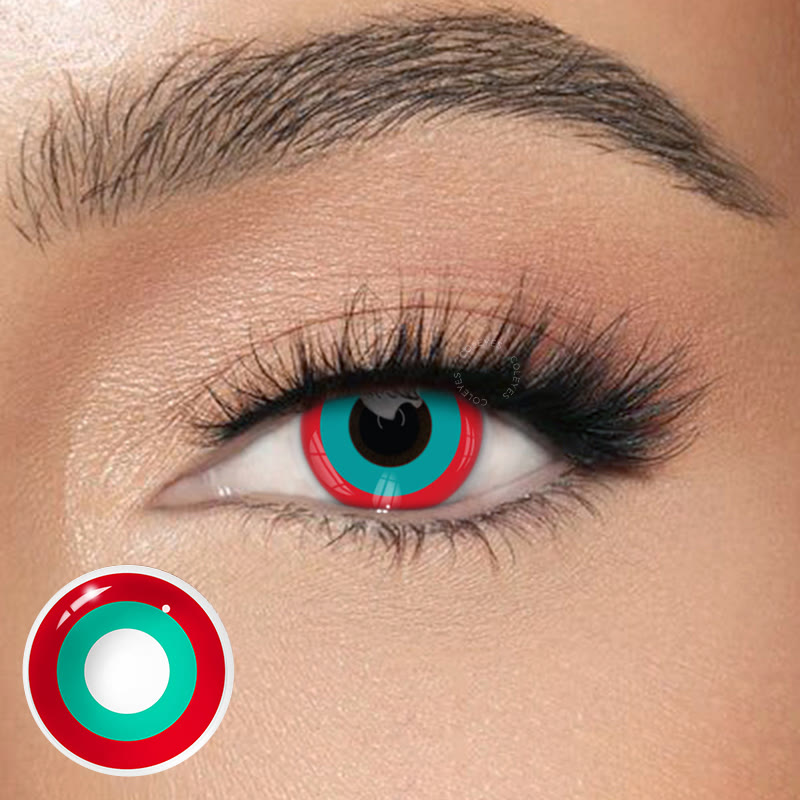







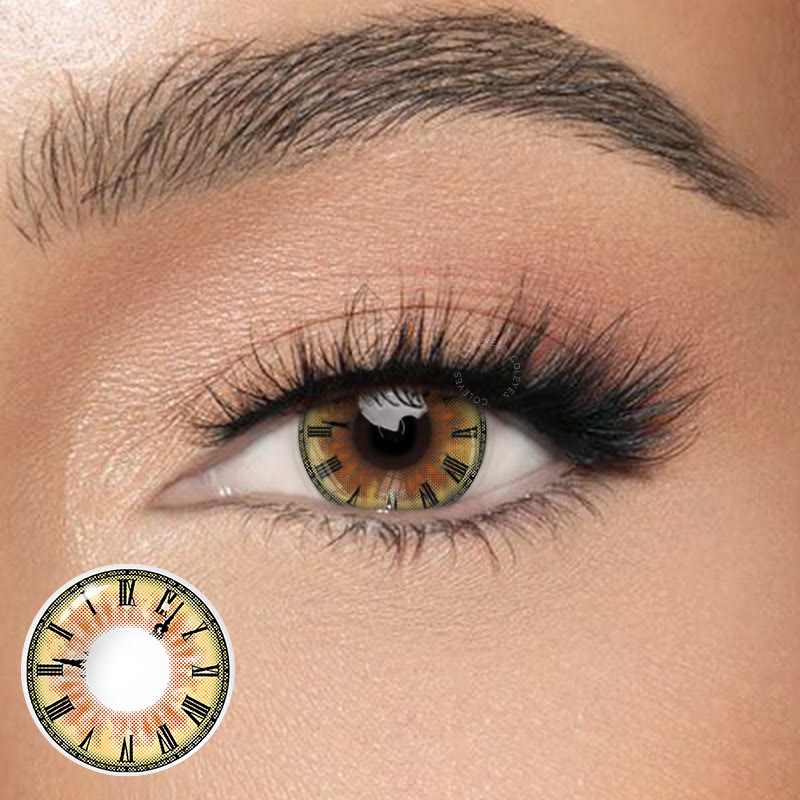
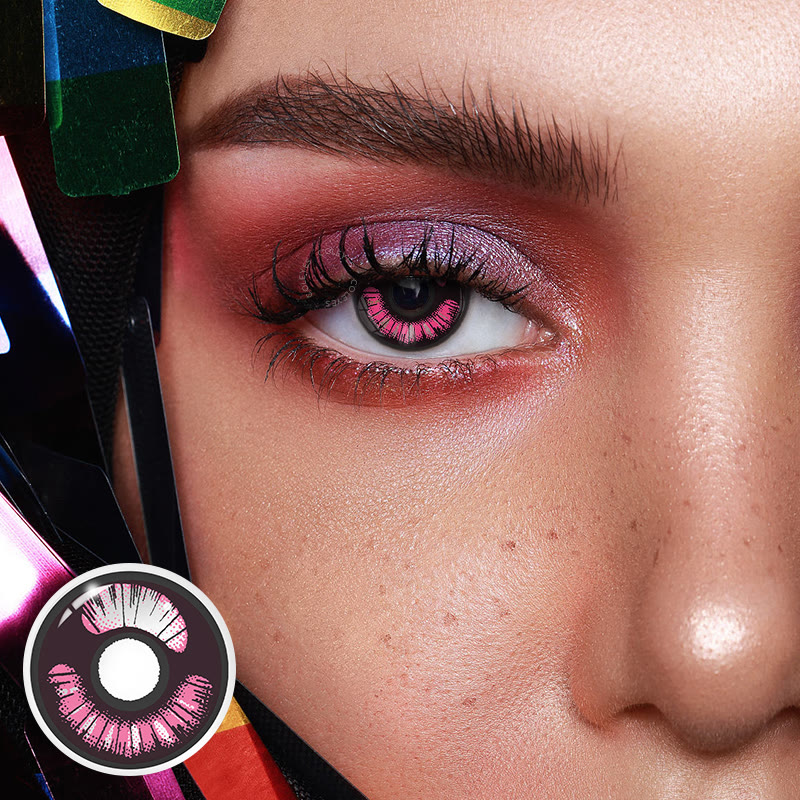
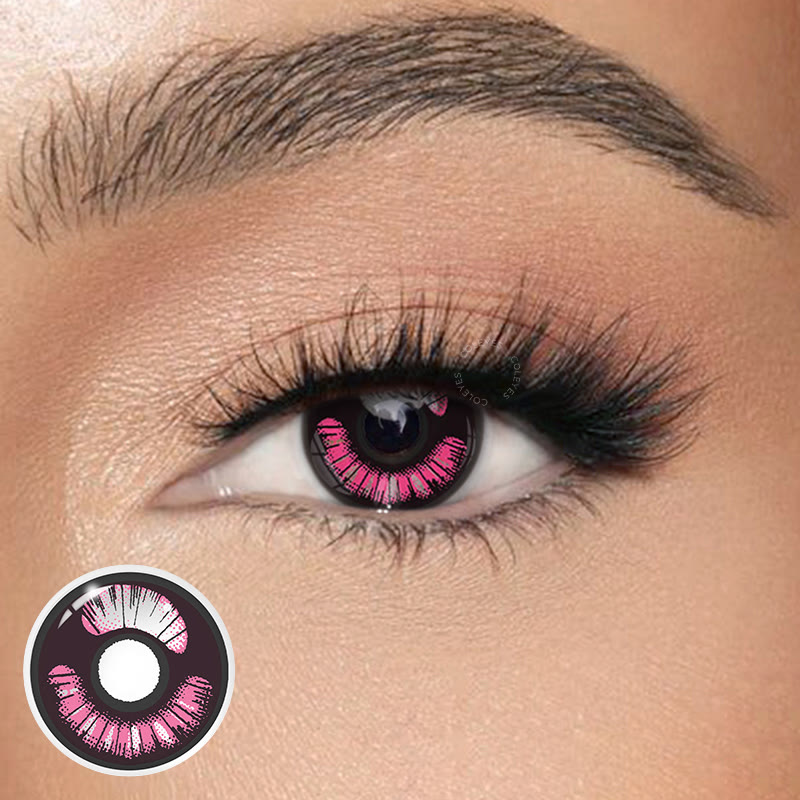
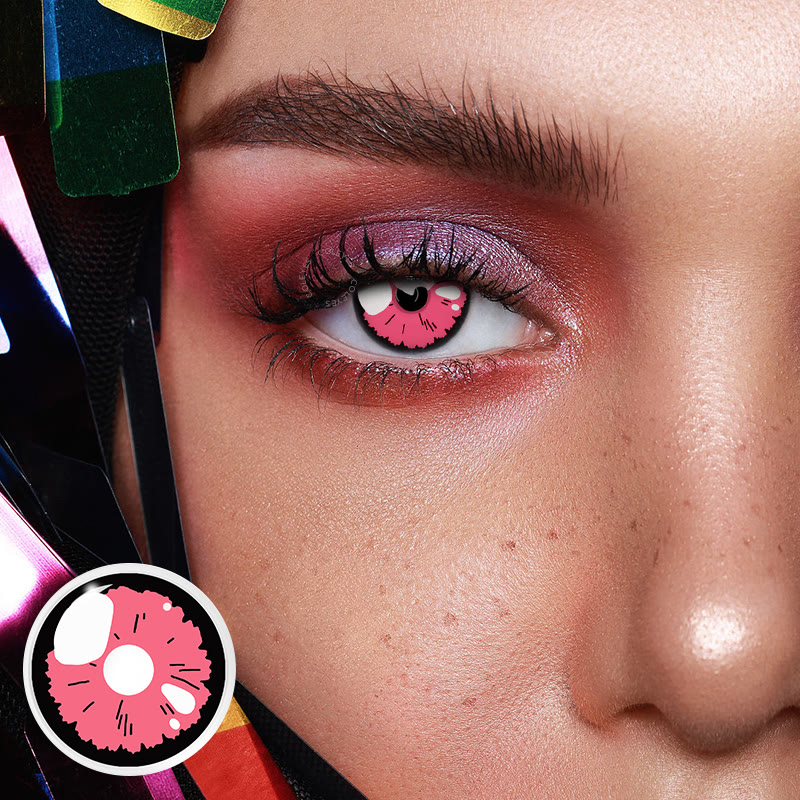

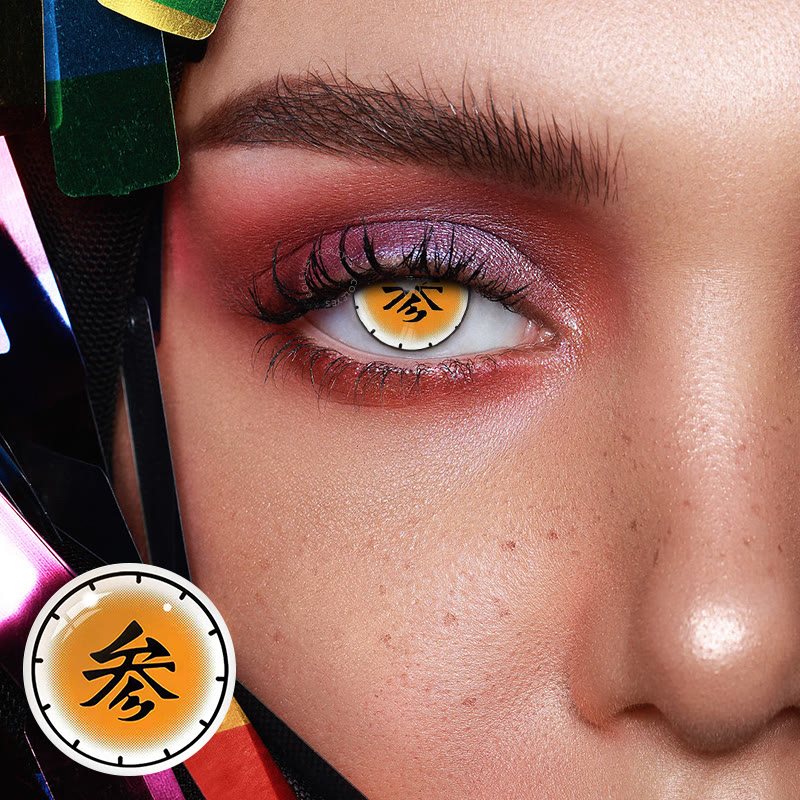
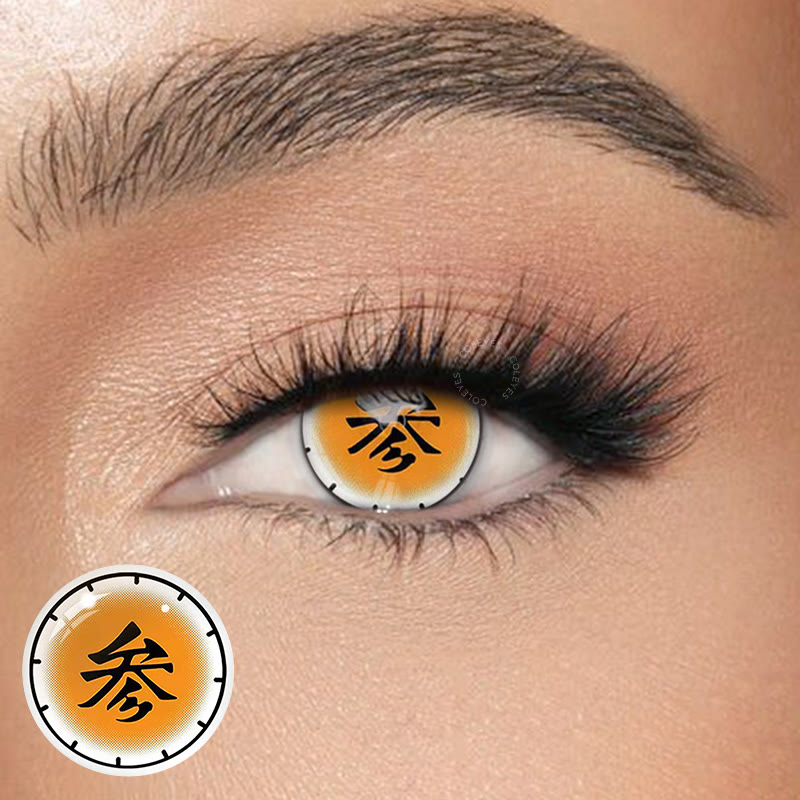
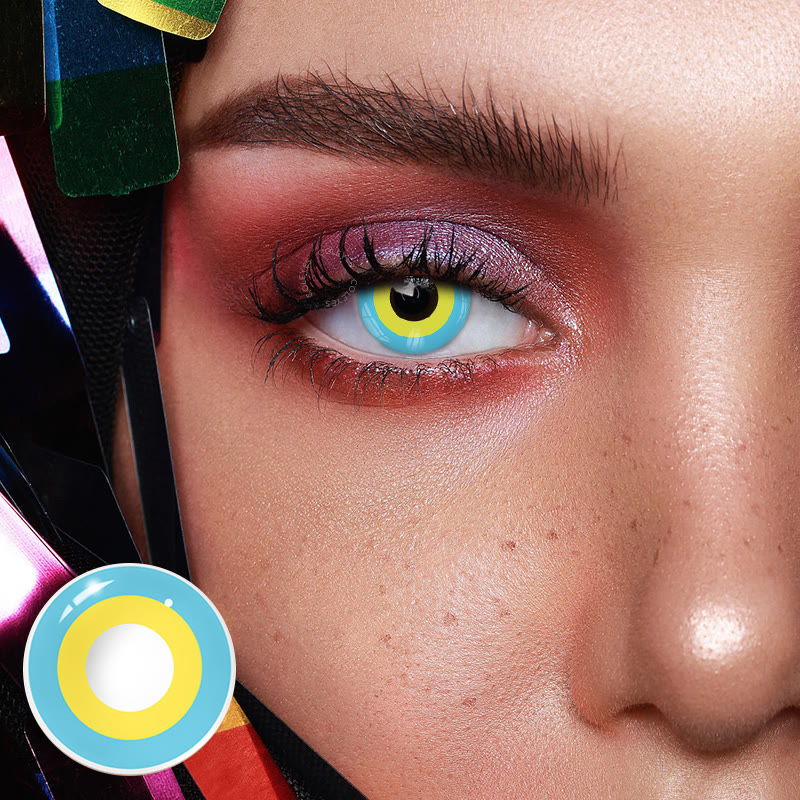
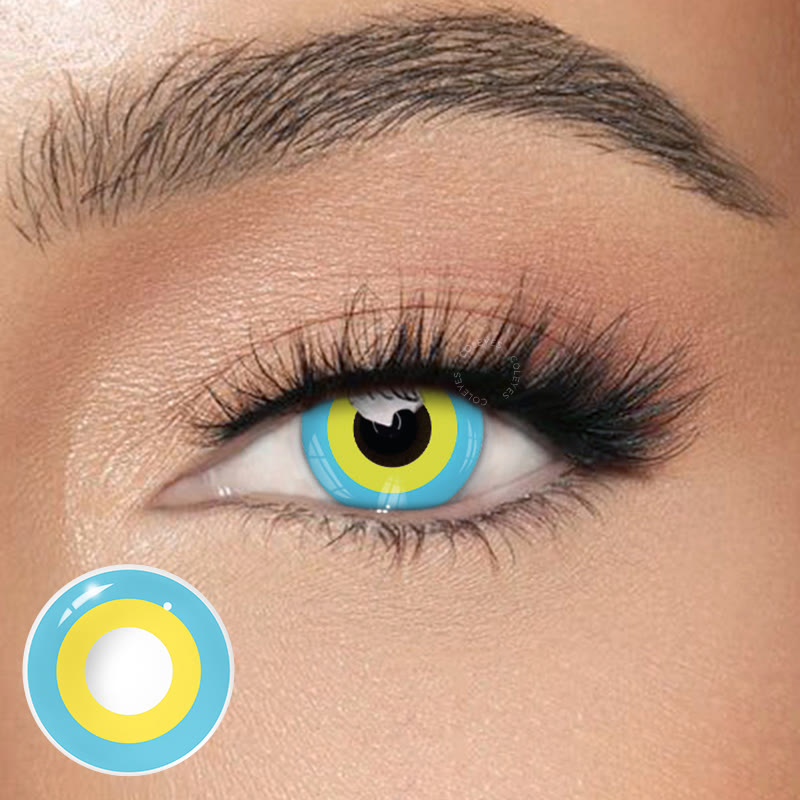

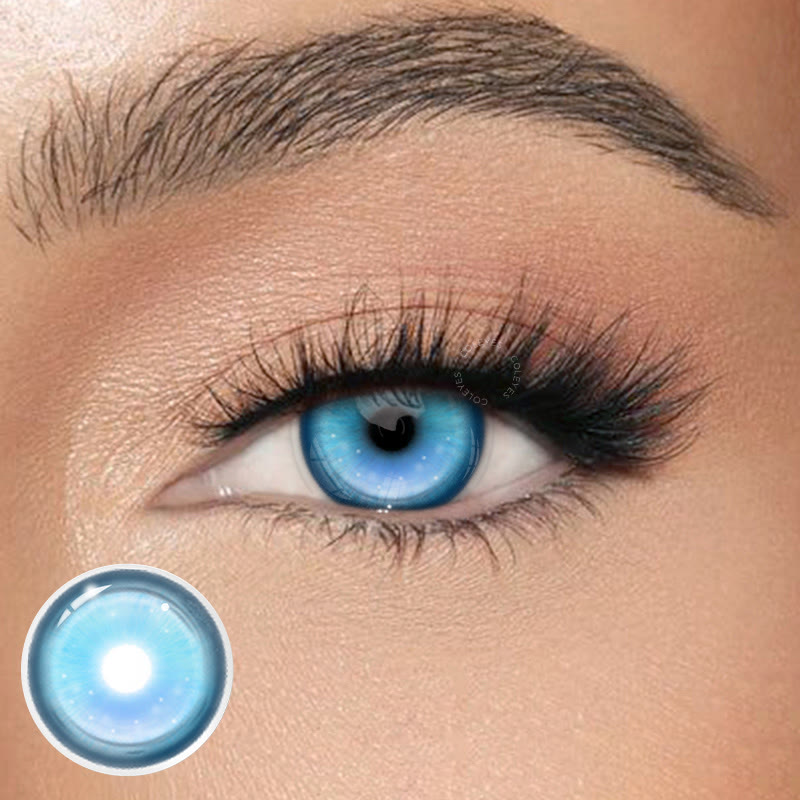
Dilated pupil contact lenses refer to two different things, and the confusion between them can lead to serious eye health concerns. You have cosmetic lenses designed to create the appearance of bigger eyes with enlarged pupils for everyday fashion wear. There's also the question of whether you can wear contacts with dilated eyes after a medical eye exam. The National Eye Institute reports that a complete dilated exam is the only way to make sure your eyes are healthy. We'll clarify what dilated eyes mean in this piece and explore both scenarios including pupil dilation procedures and cosmetic options. Safety guidelines for contact lens wearers are also provided.
What Are Dilated Pupil Contact Lenses
The term "dilated pupil contact lenses" creates confusion because it describes two separate products used in very different situations.
Contact Lenses That Create a Dilated Pupil Effect
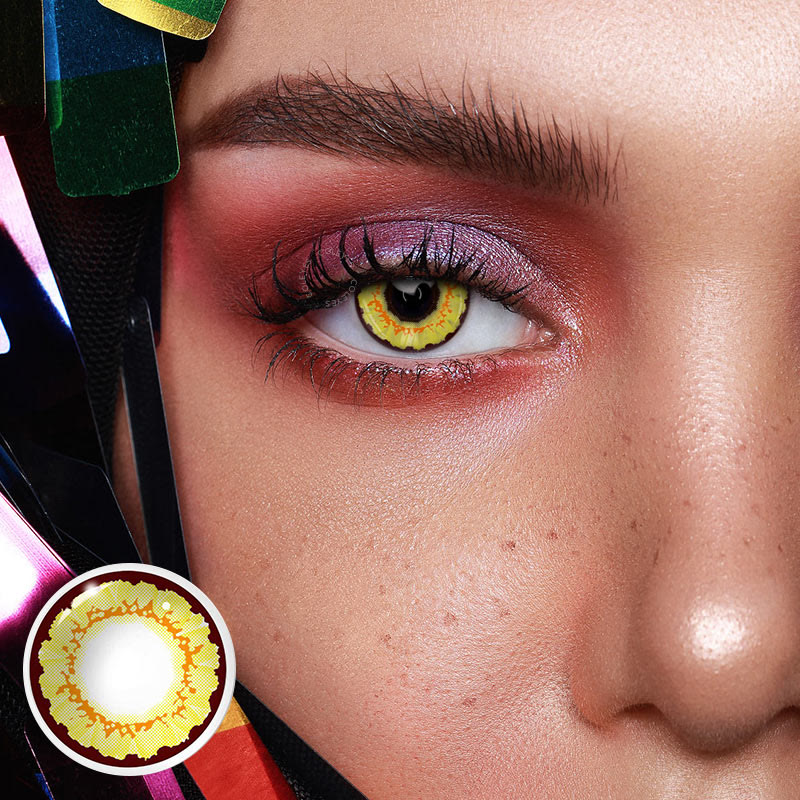
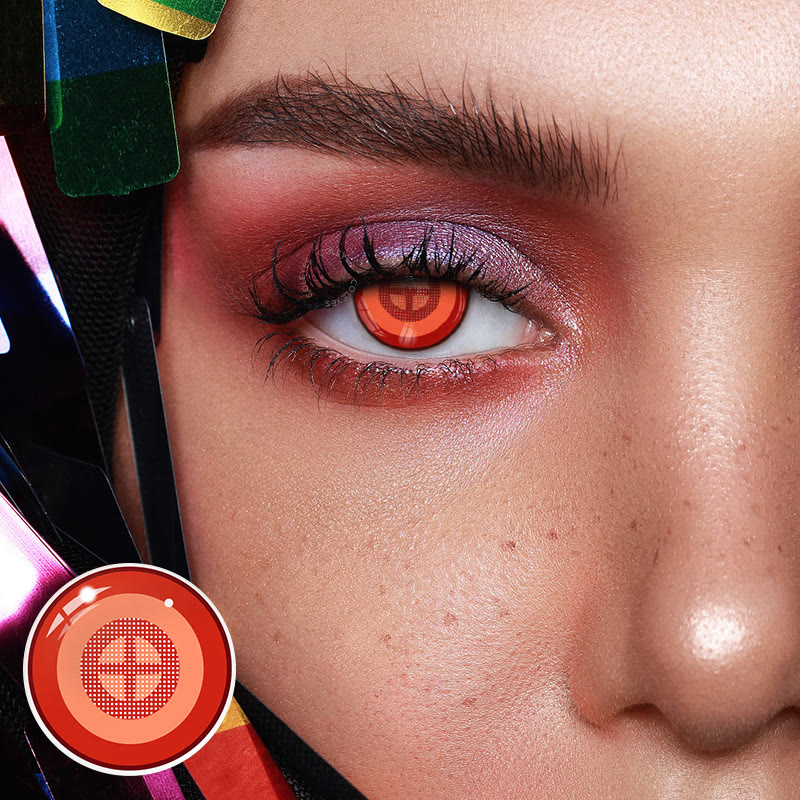
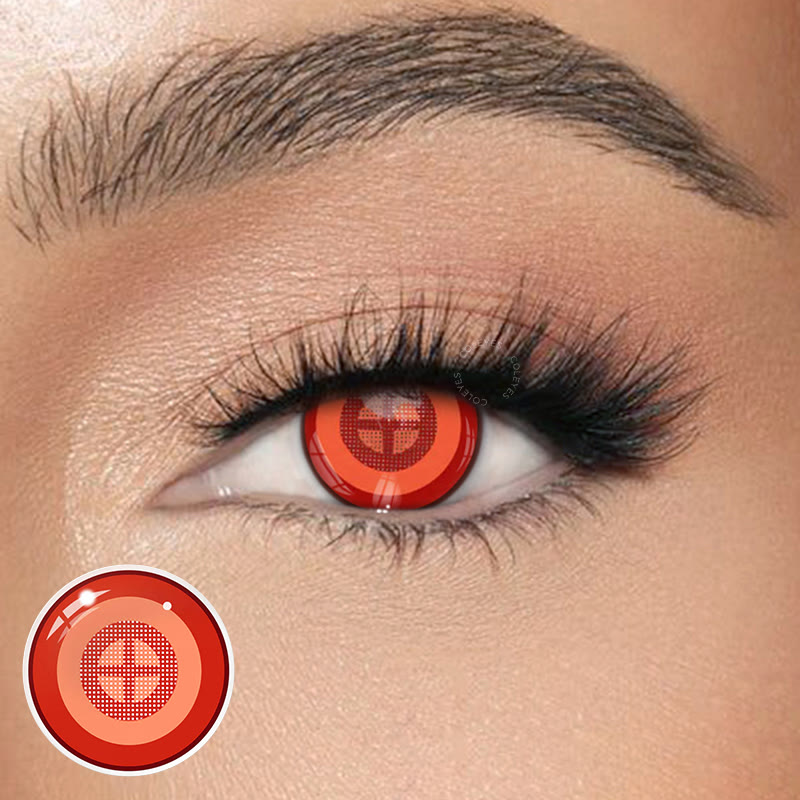
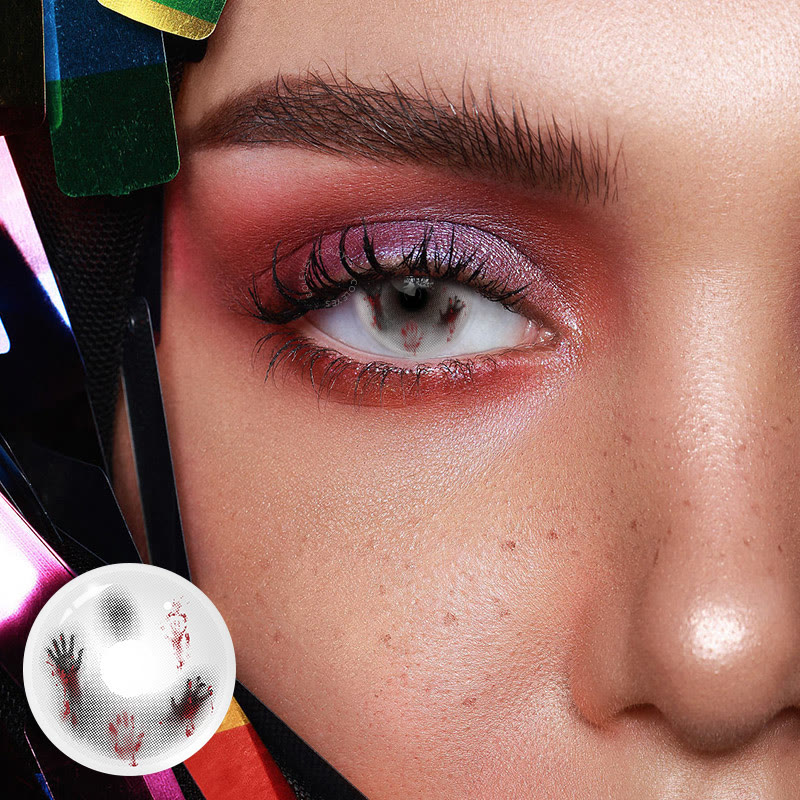
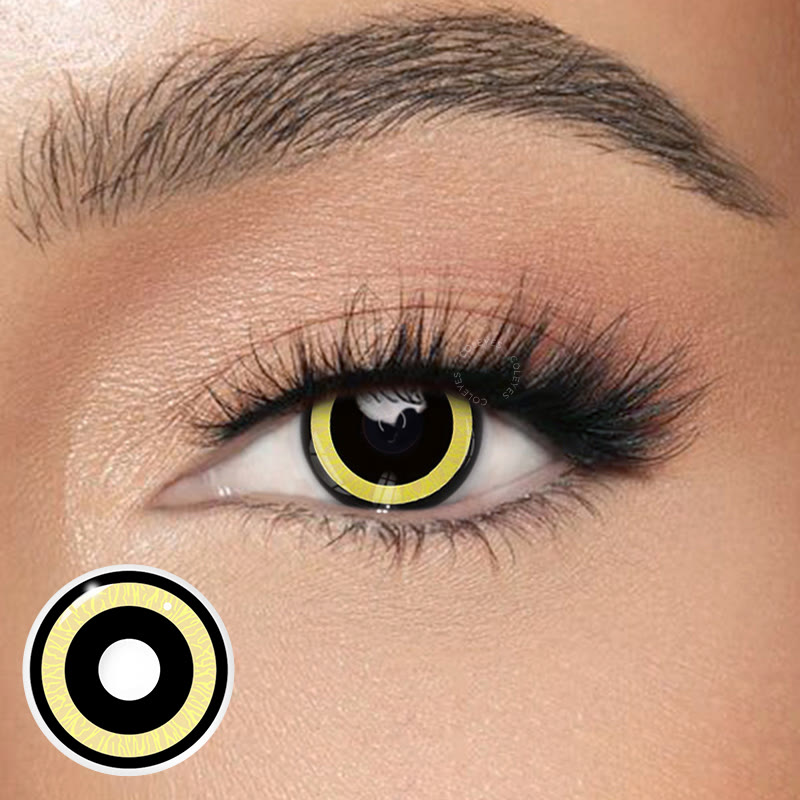
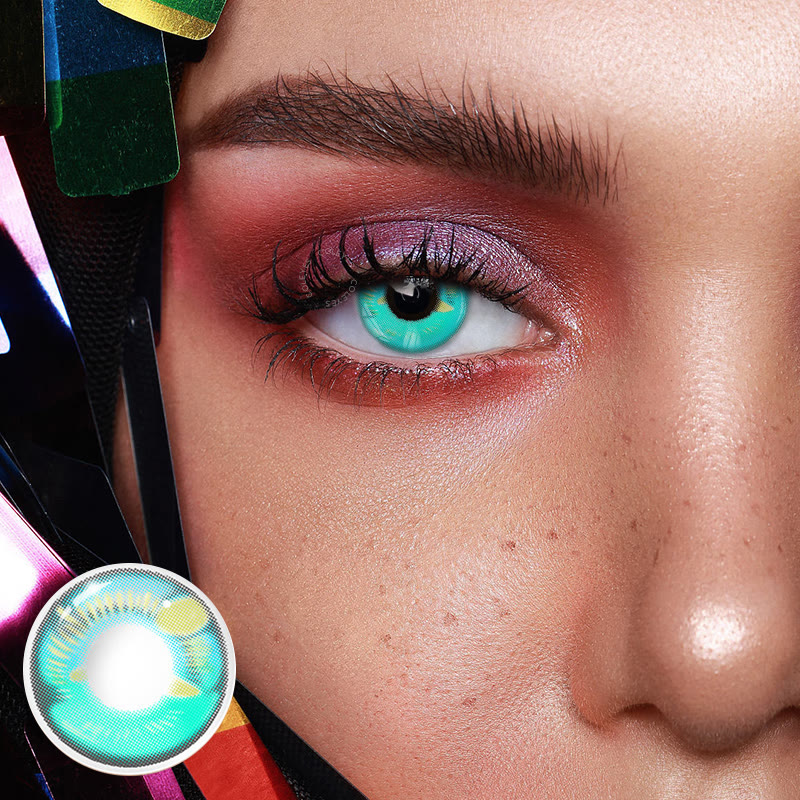
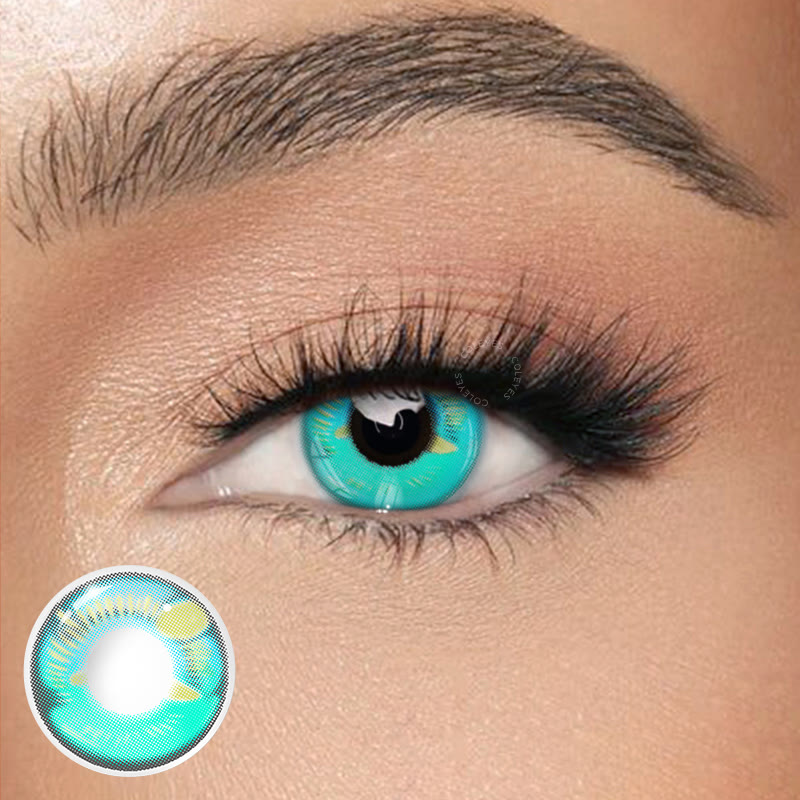
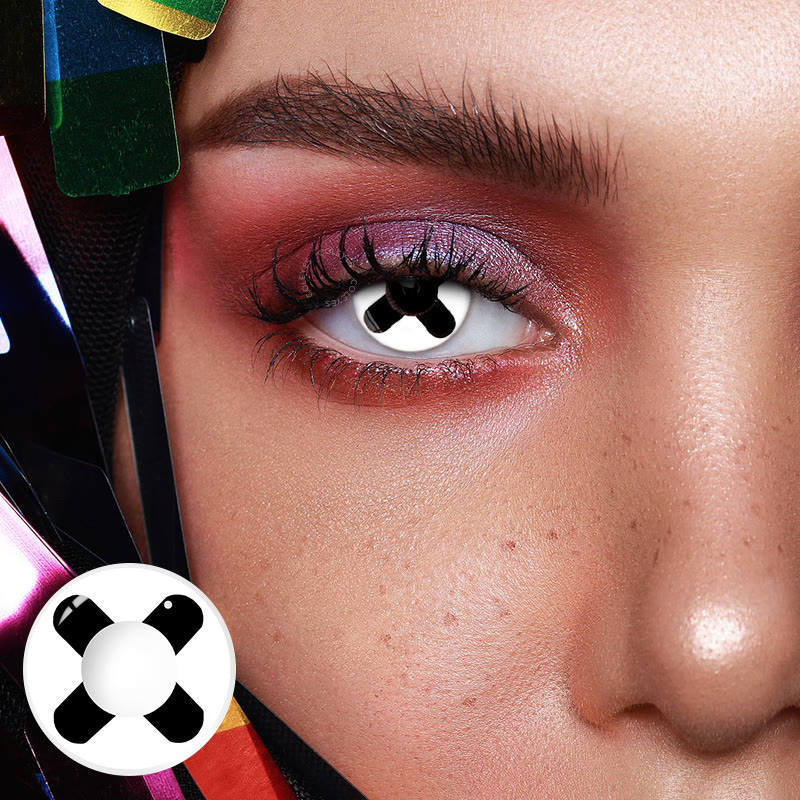
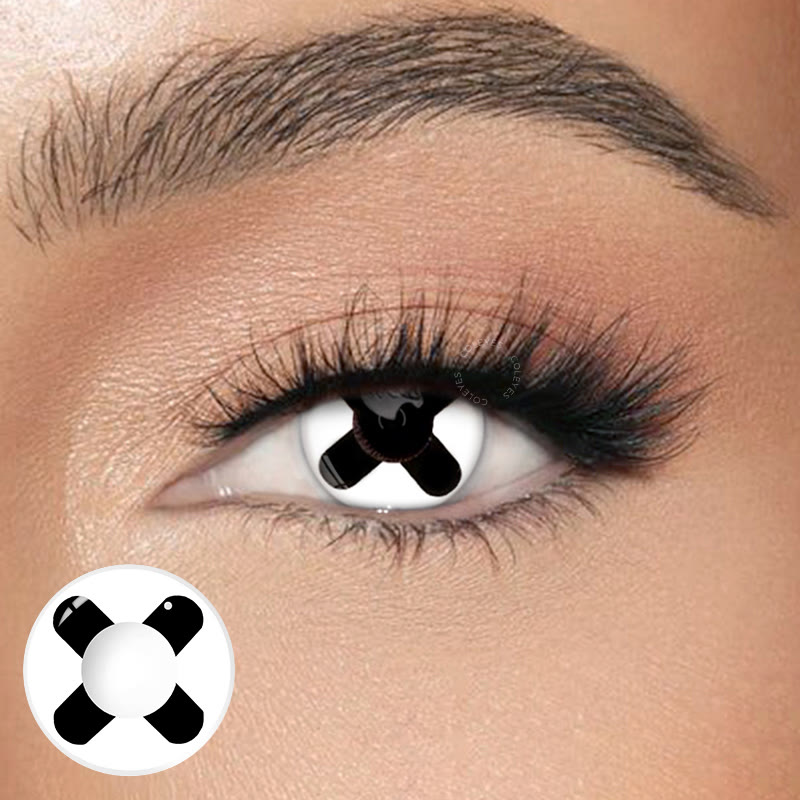
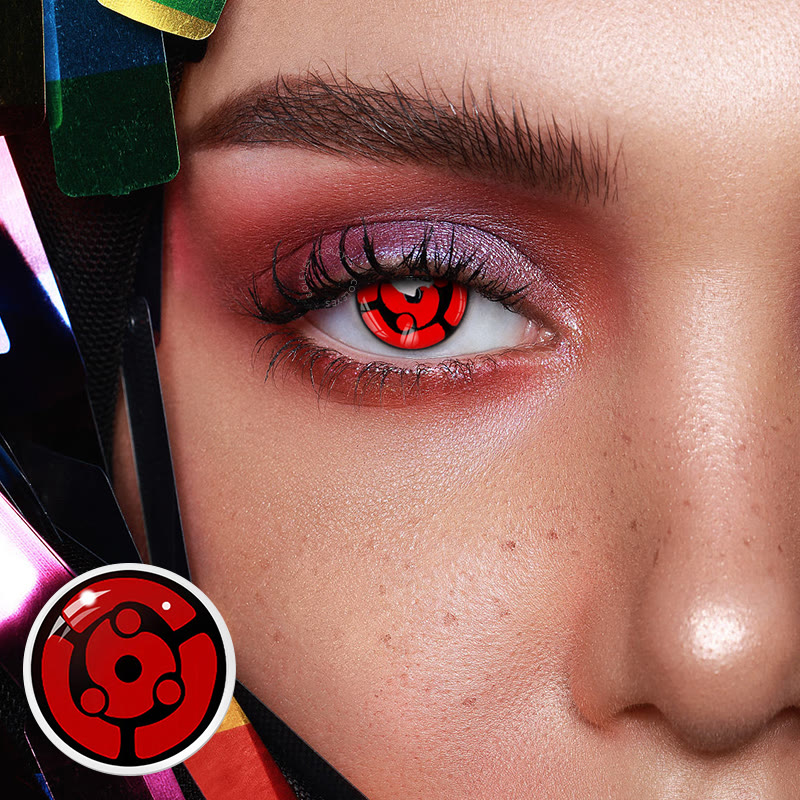
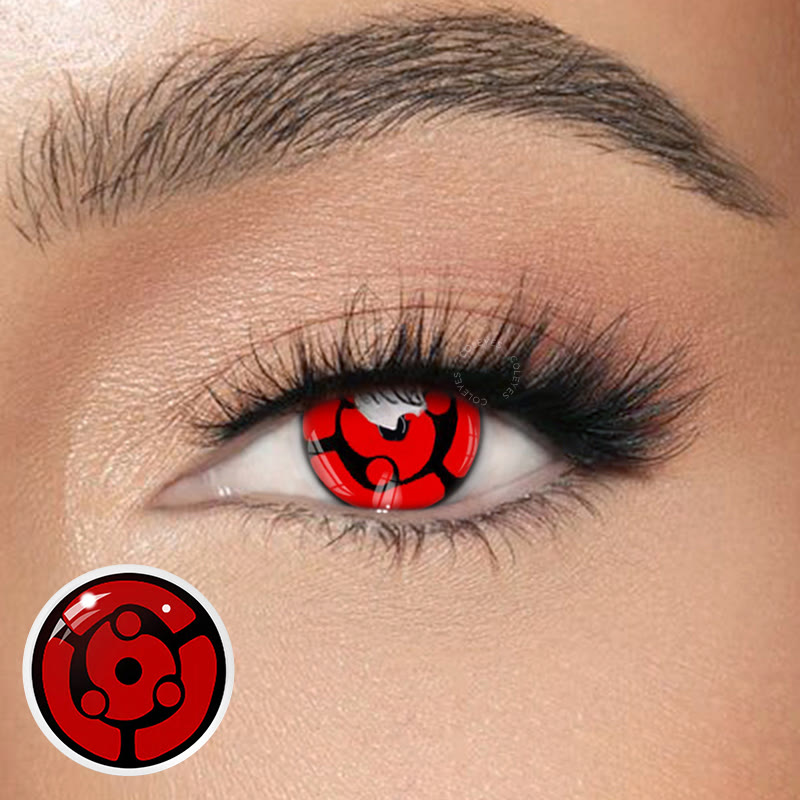
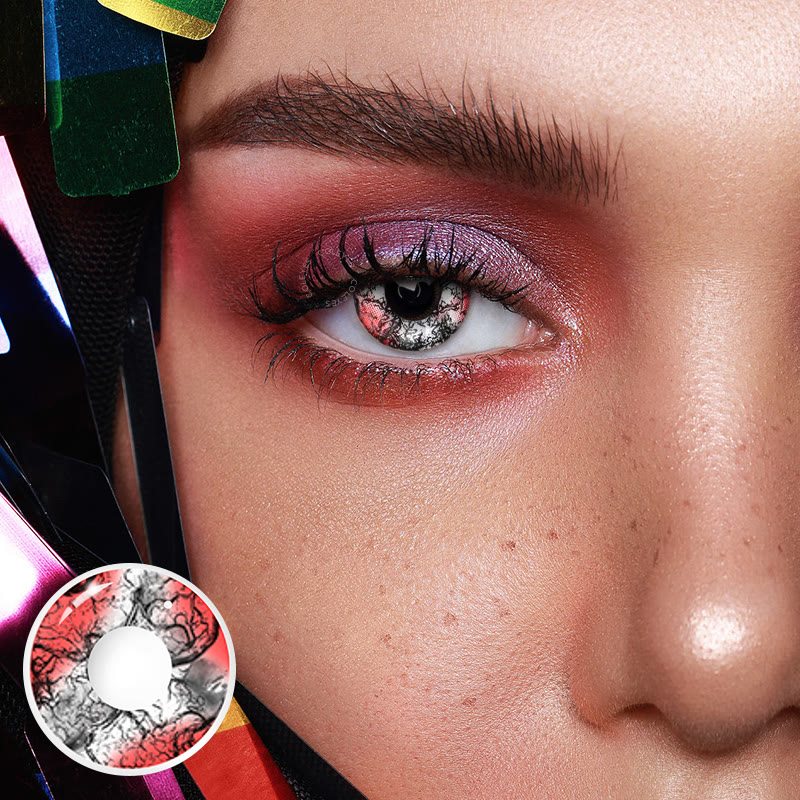
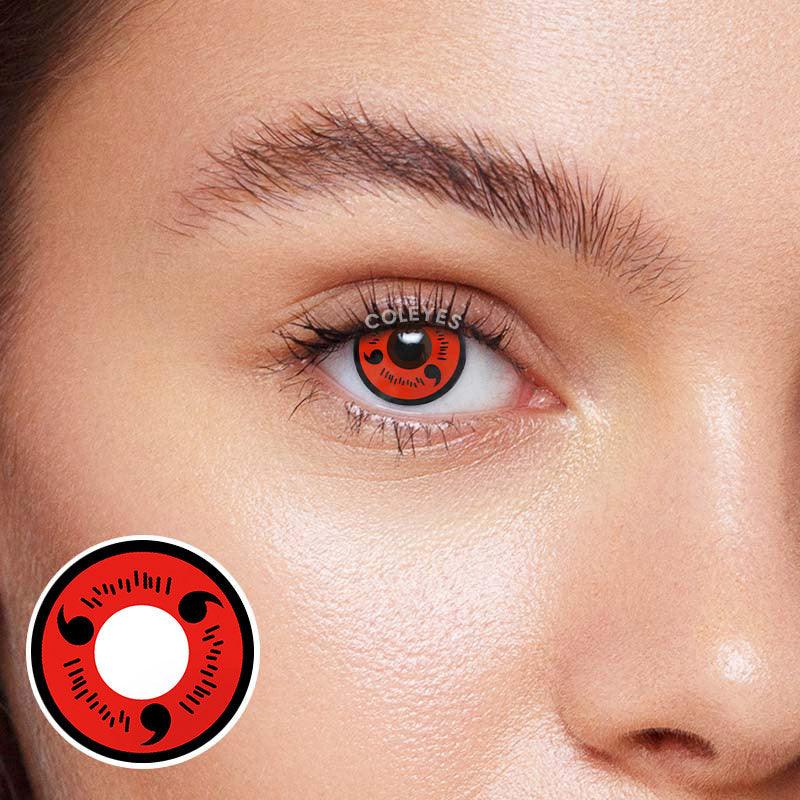
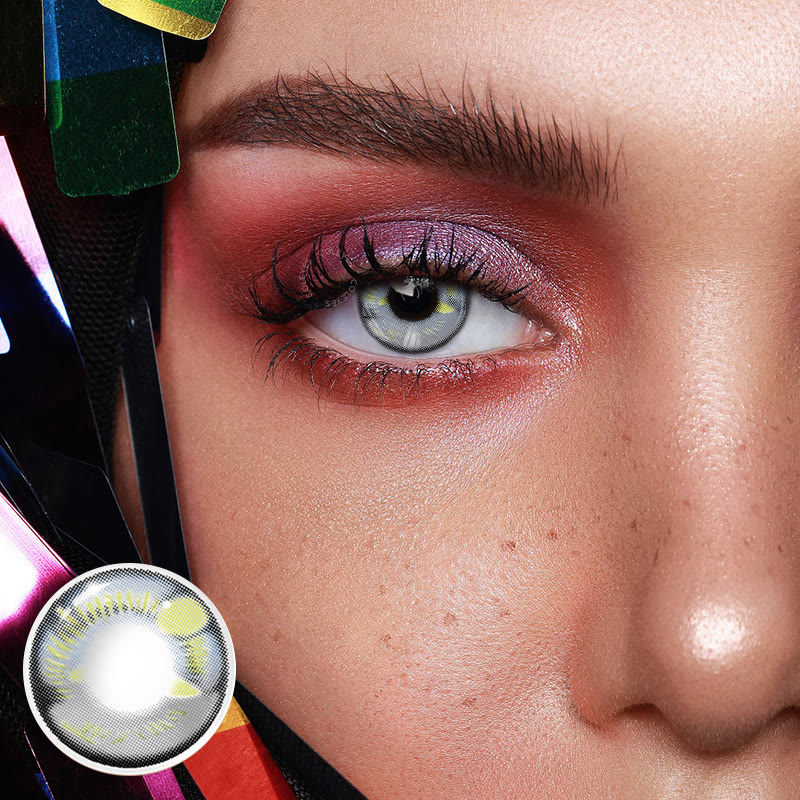
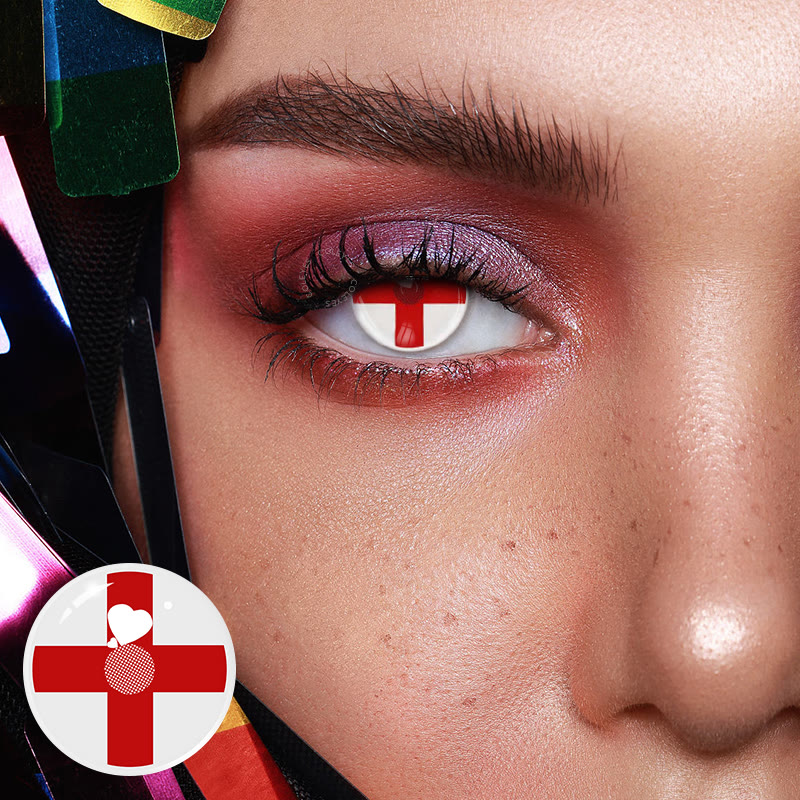
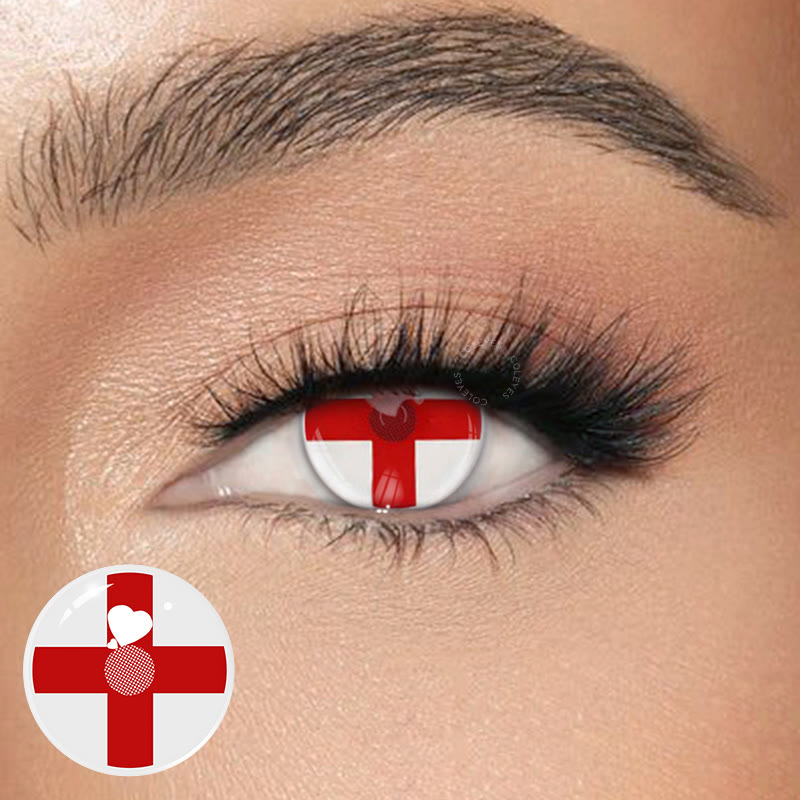
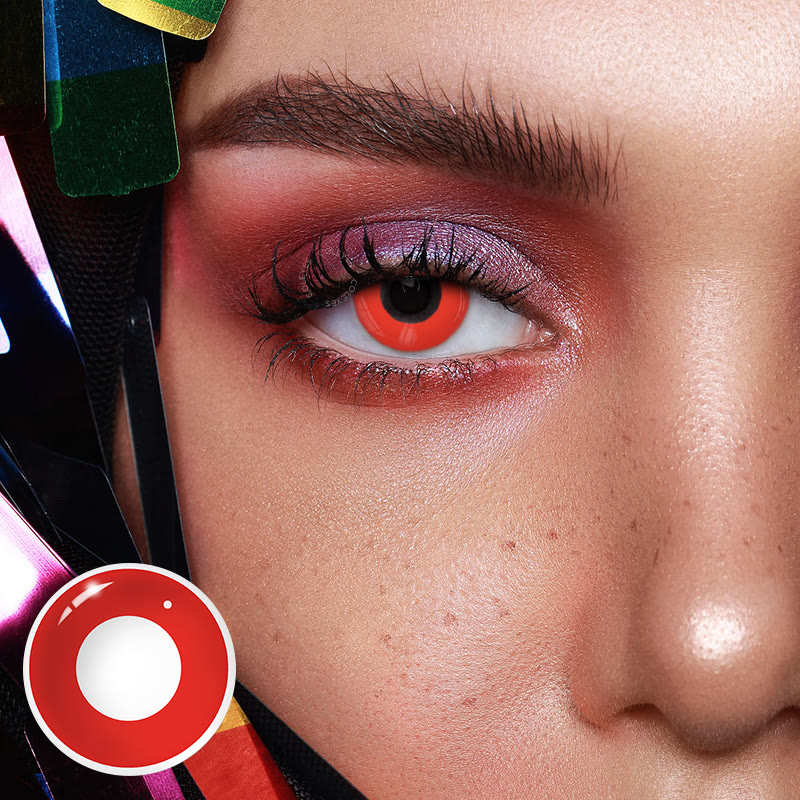
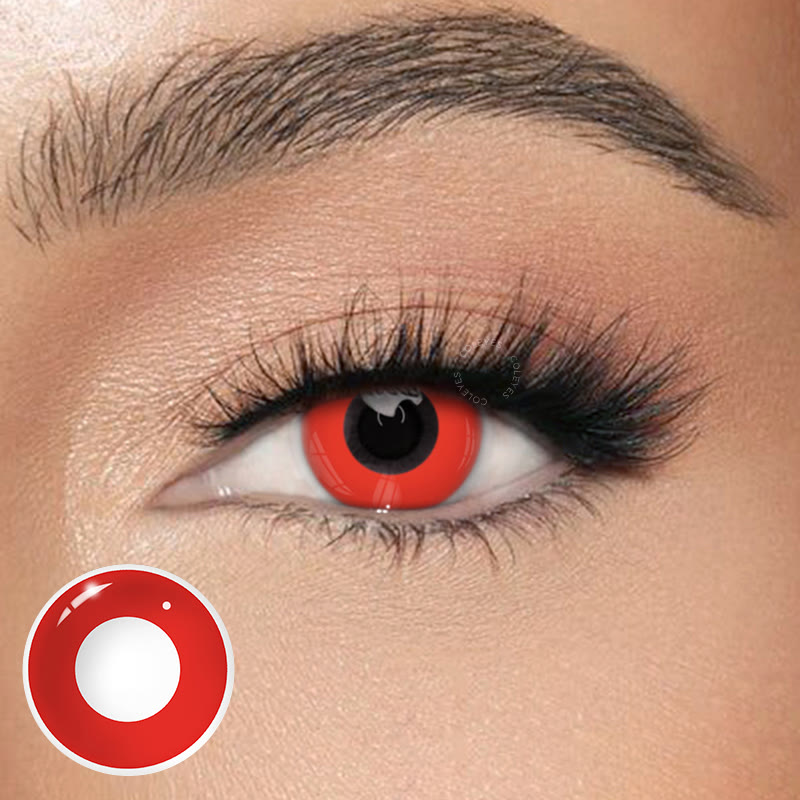
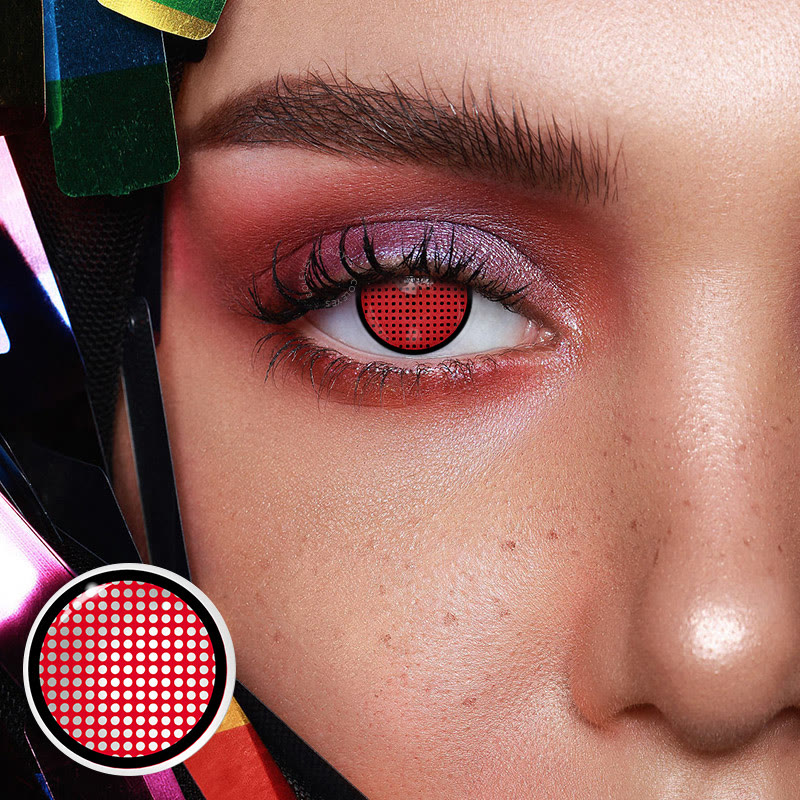
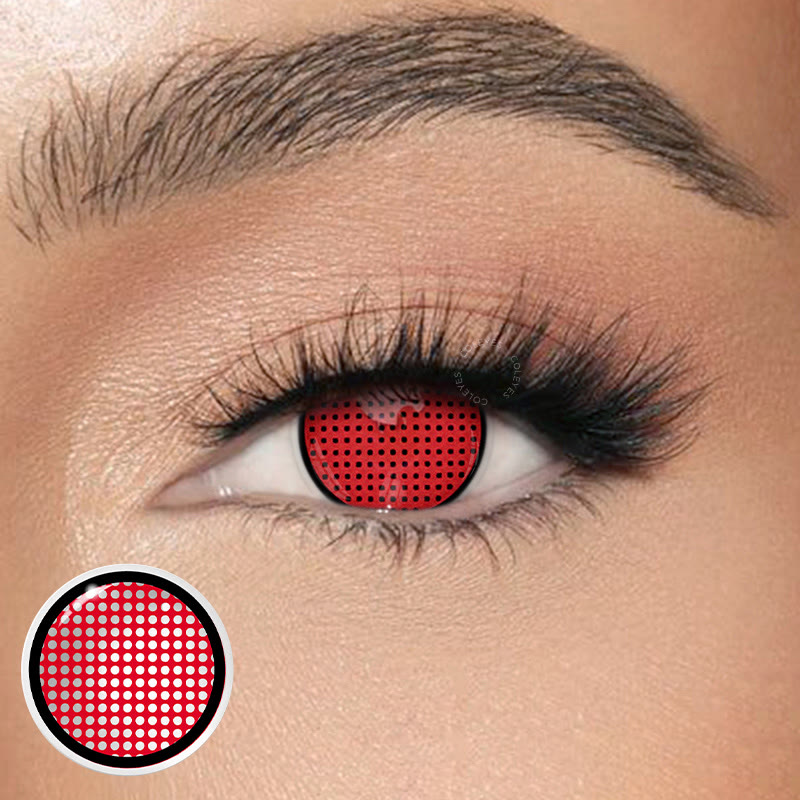
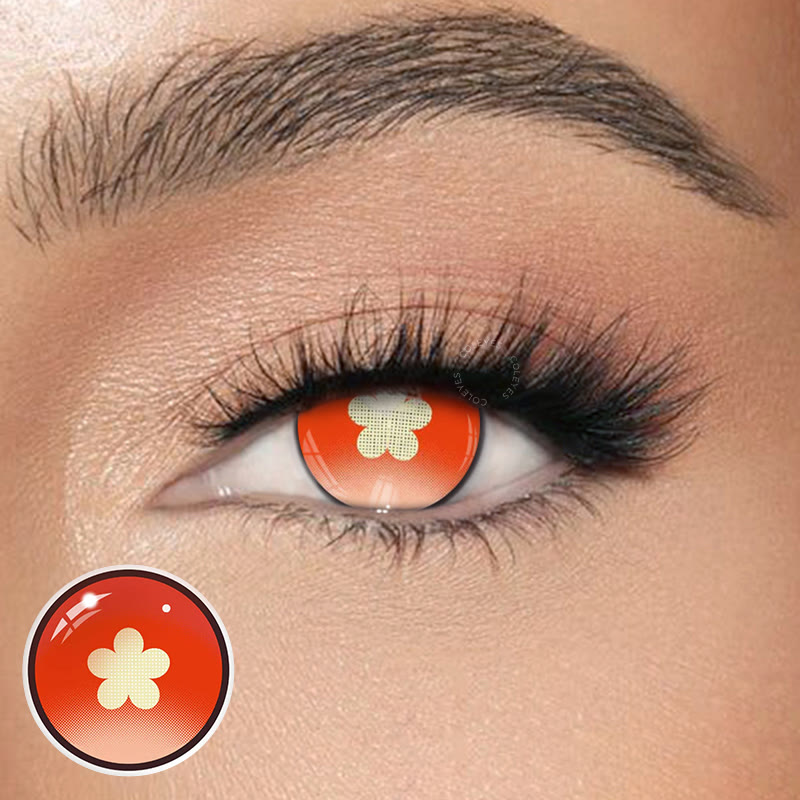
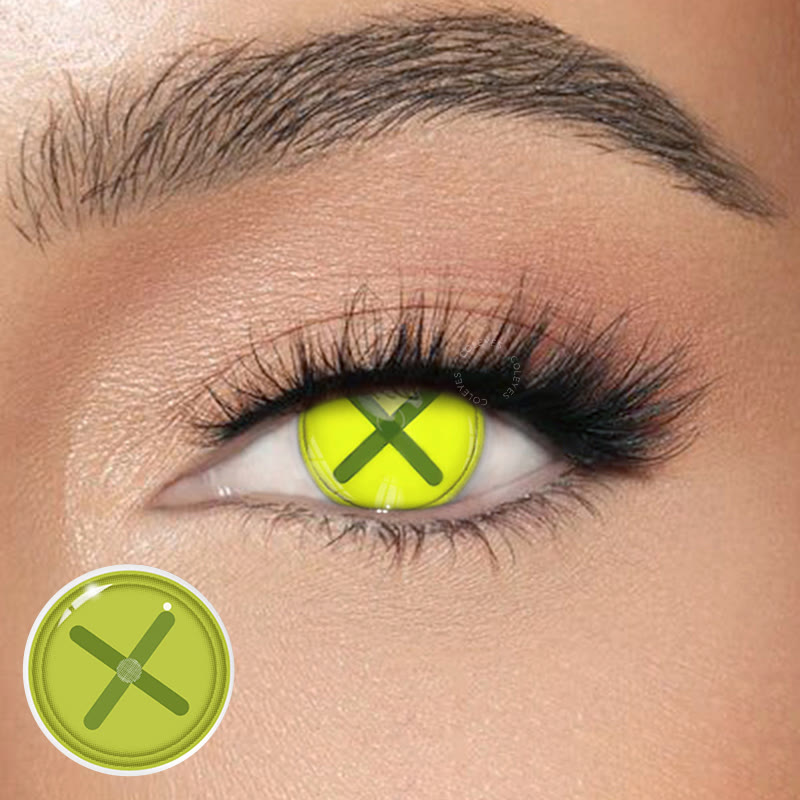
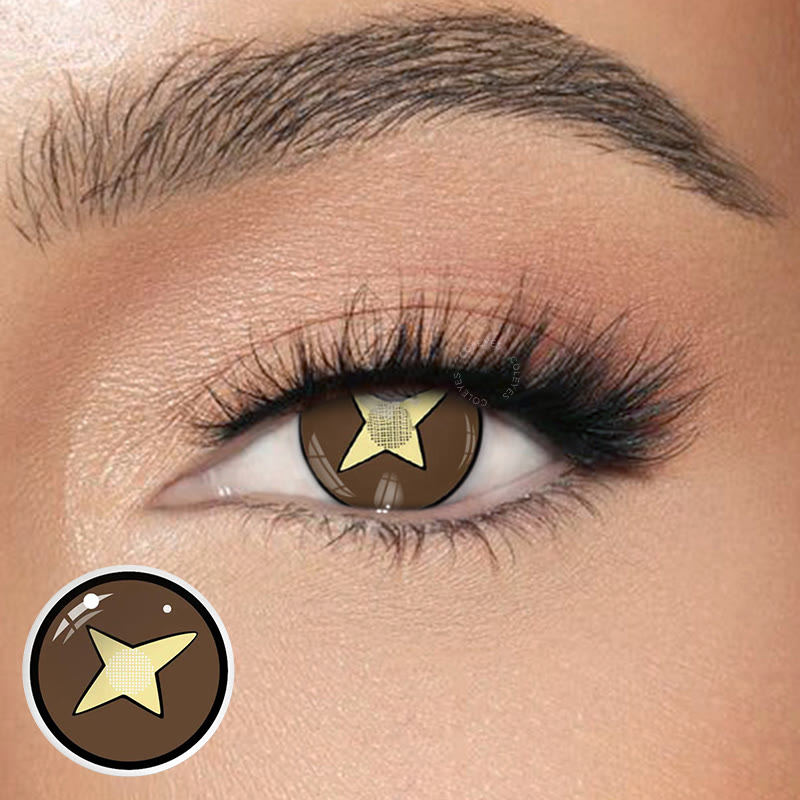
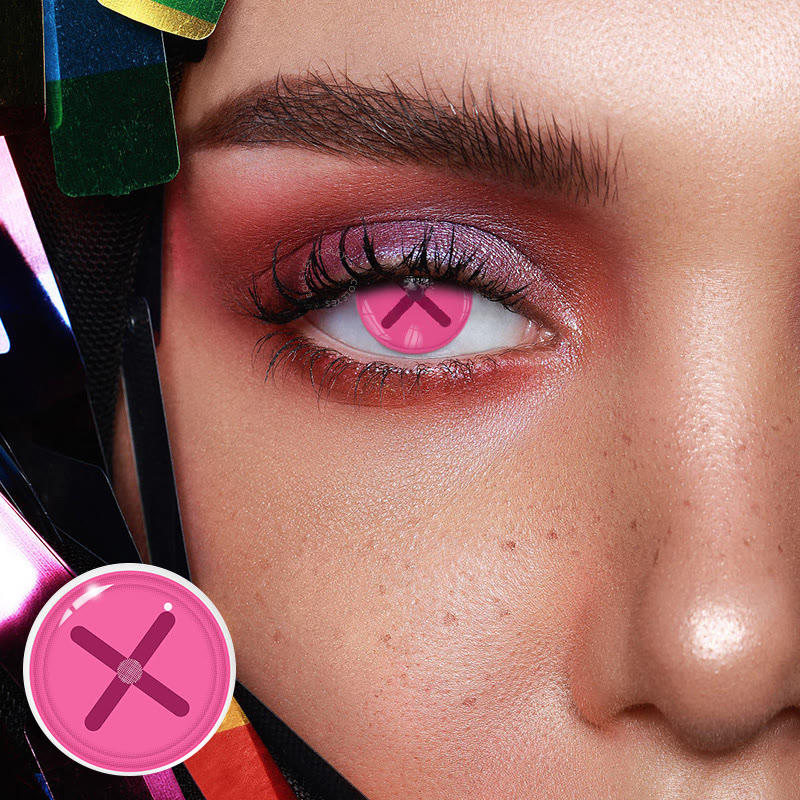
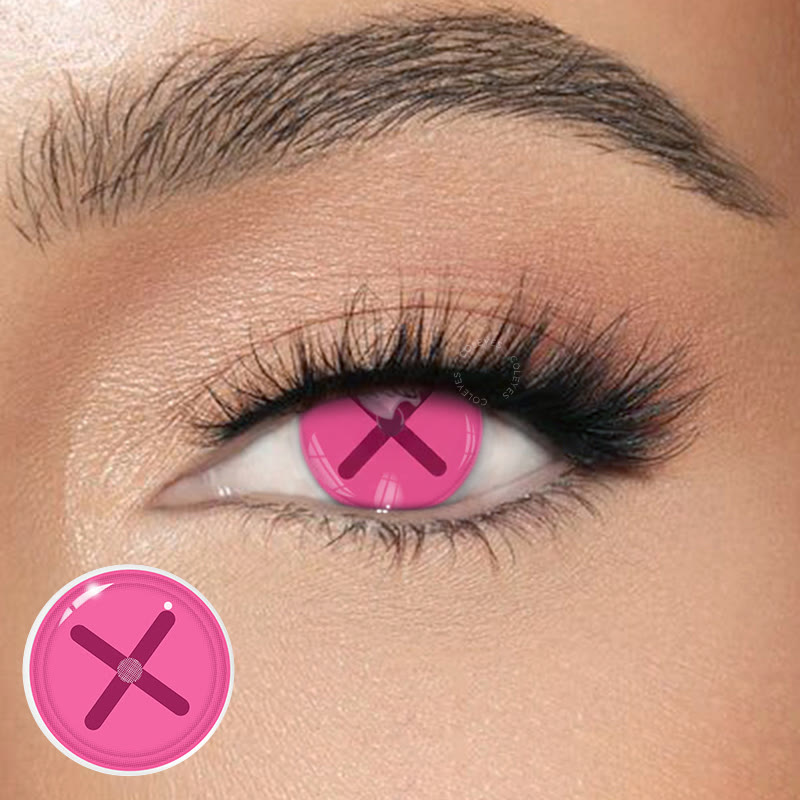
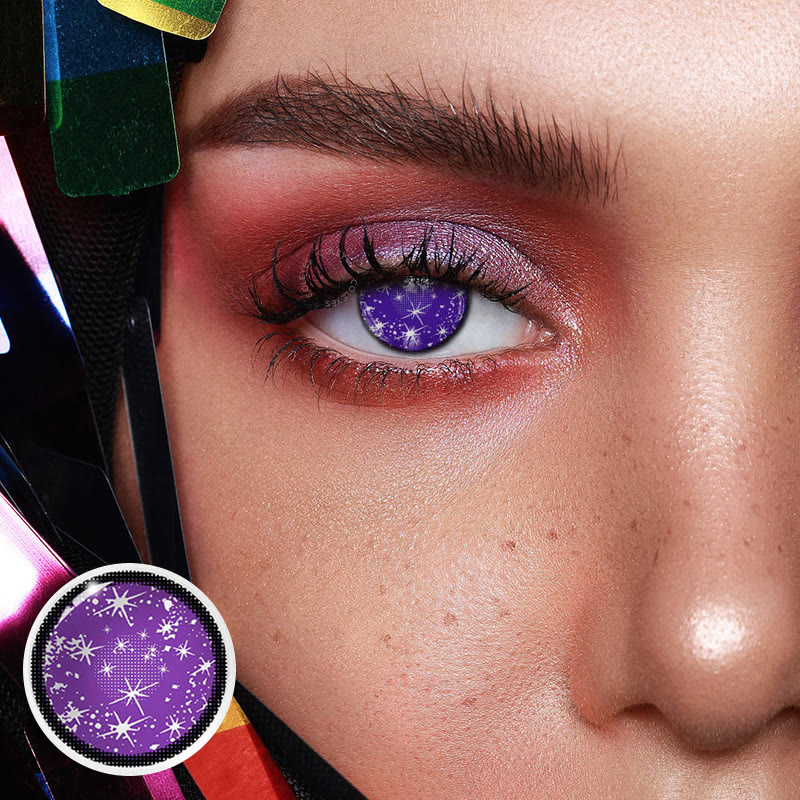
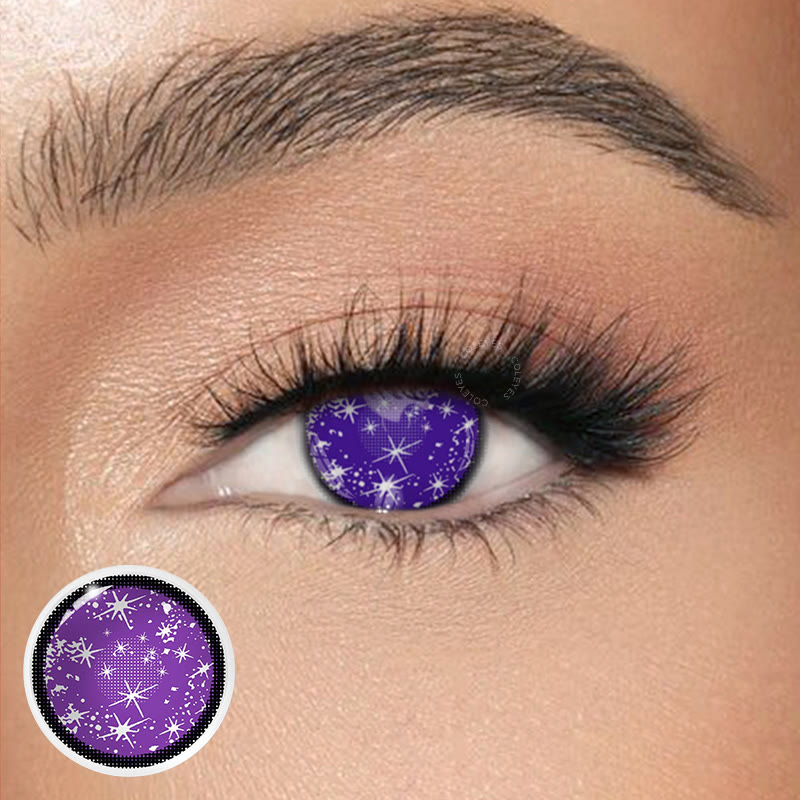
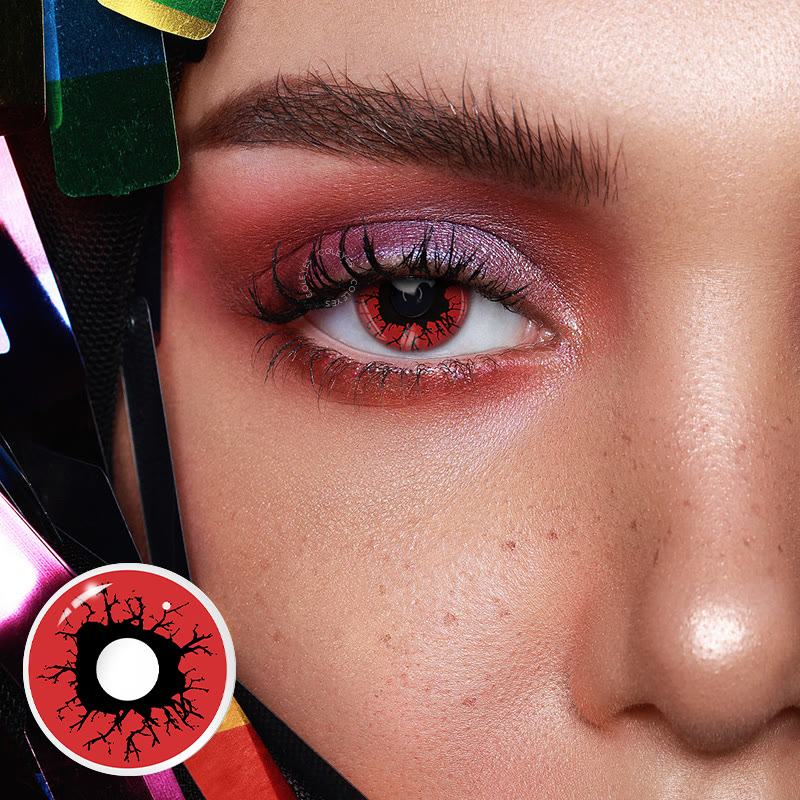
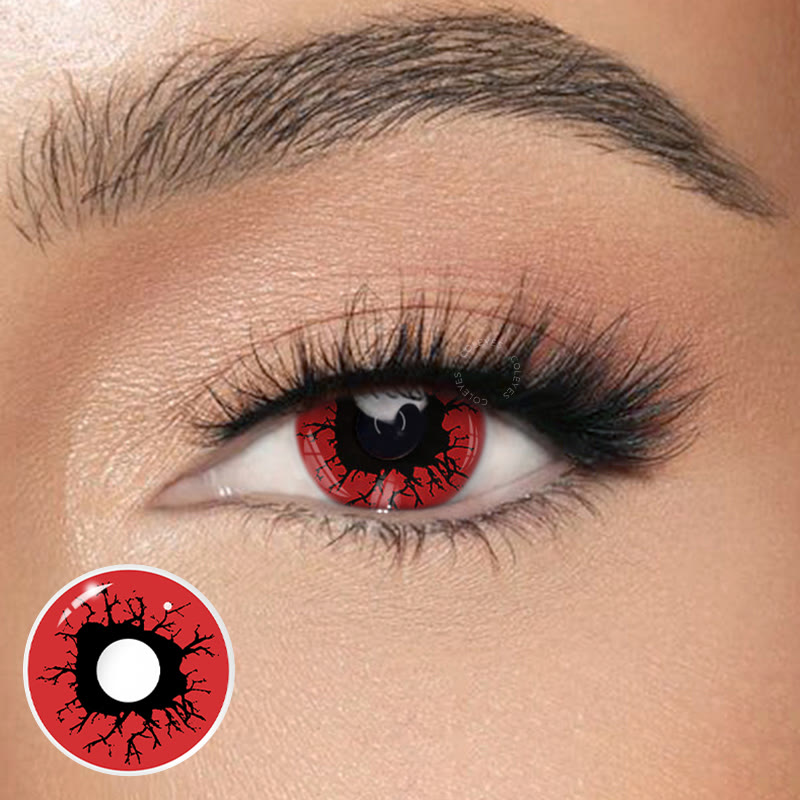
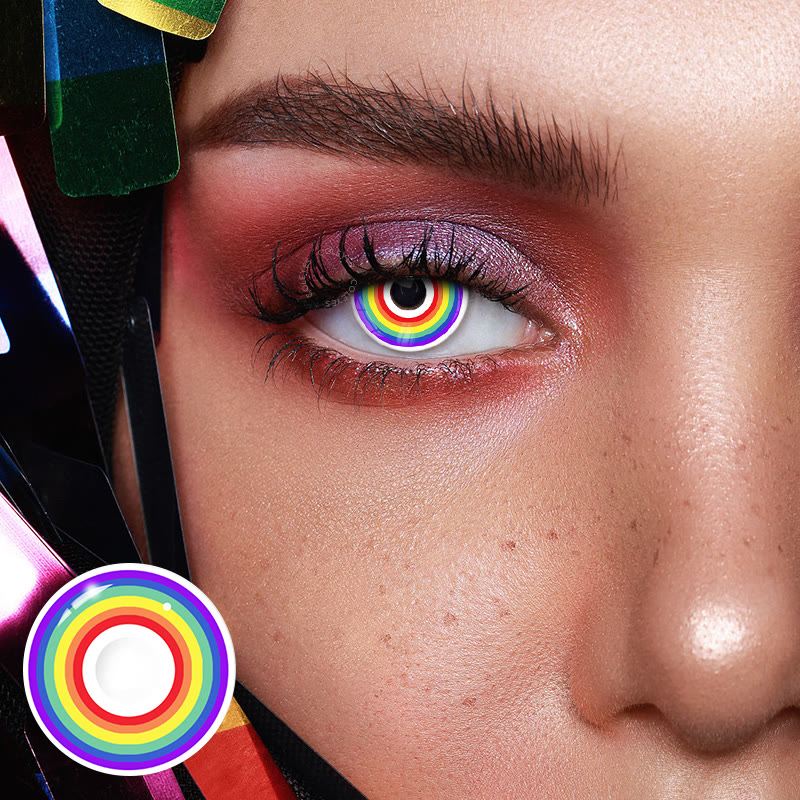
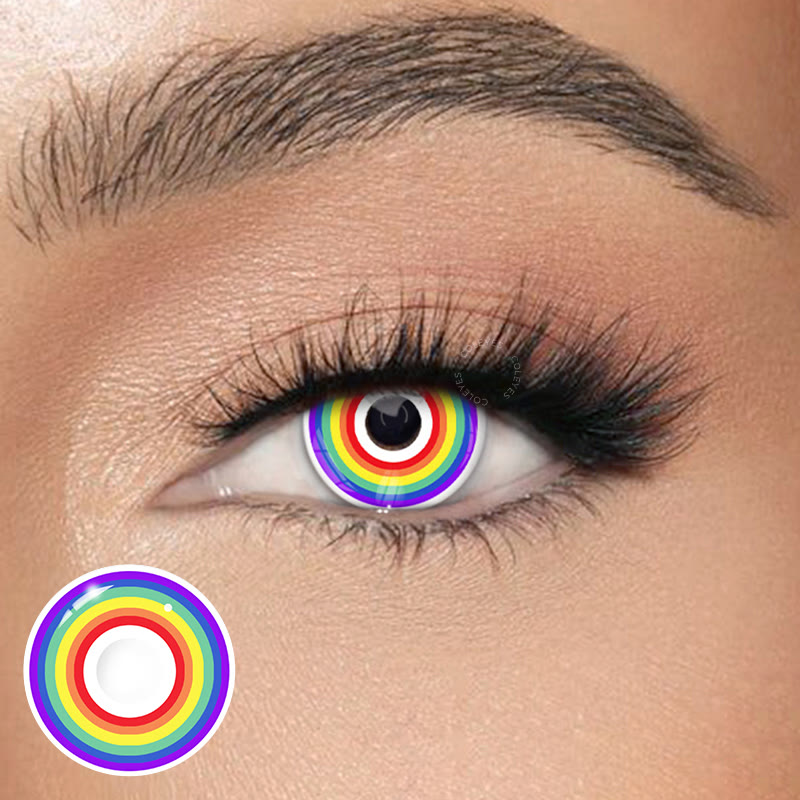
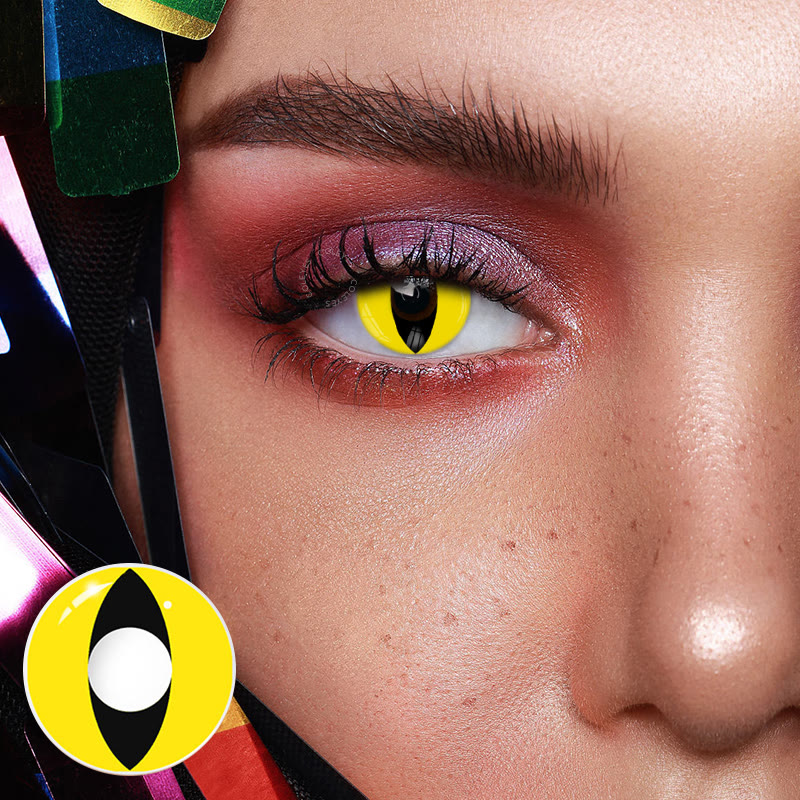
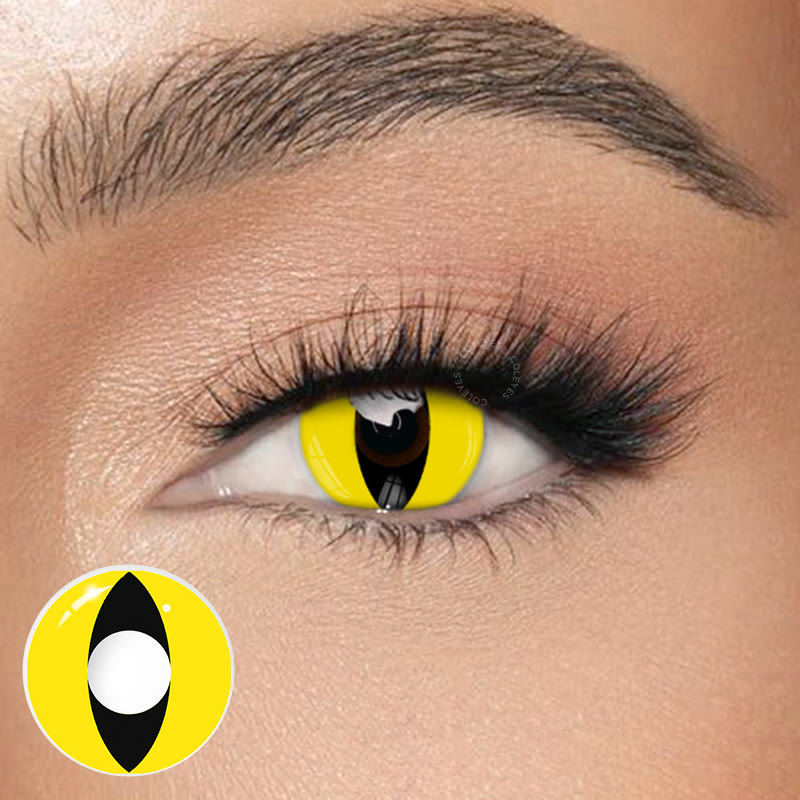
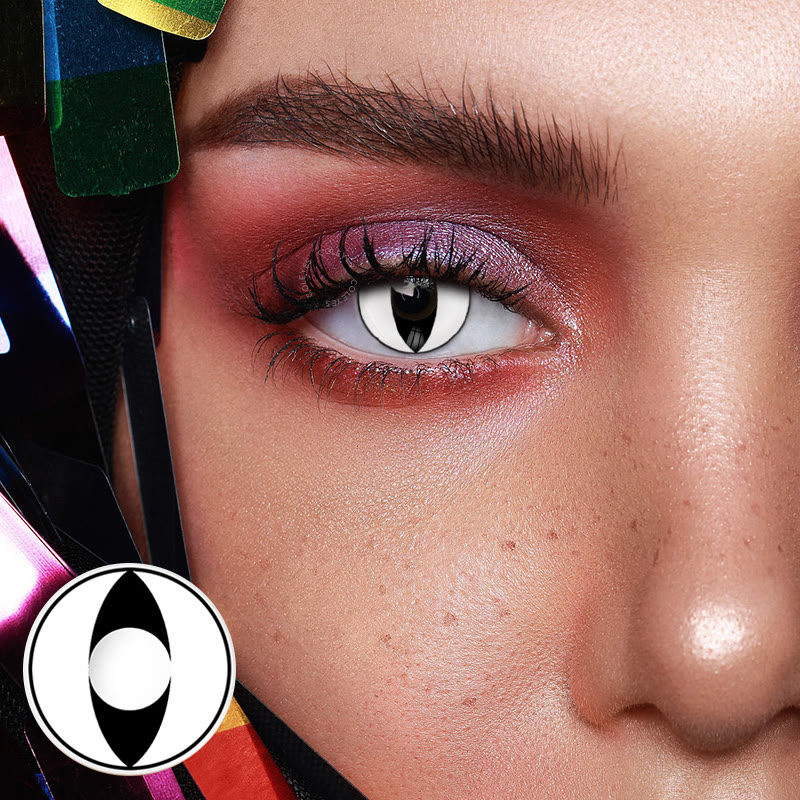
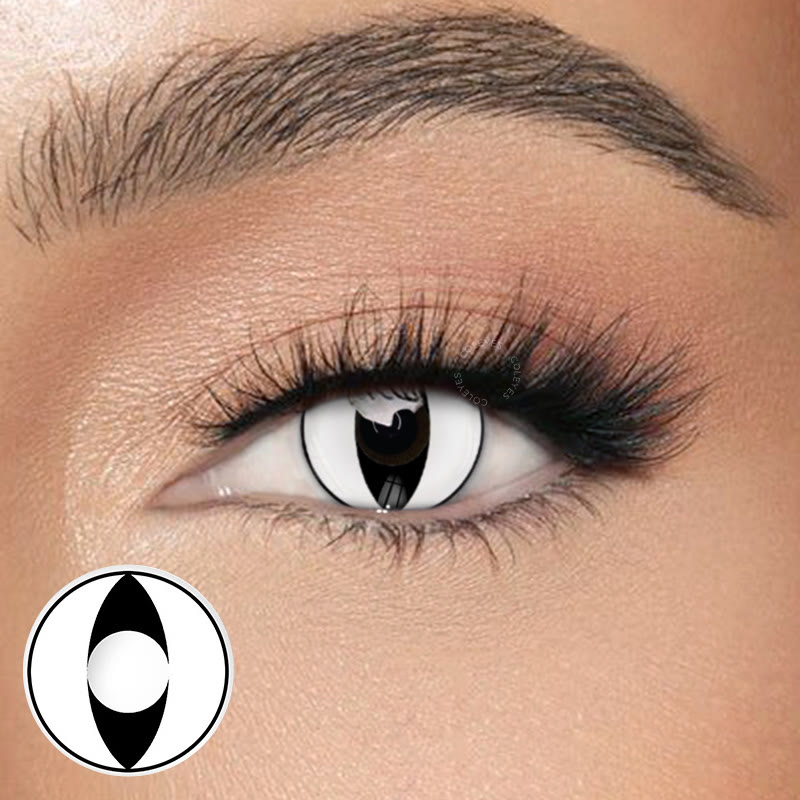
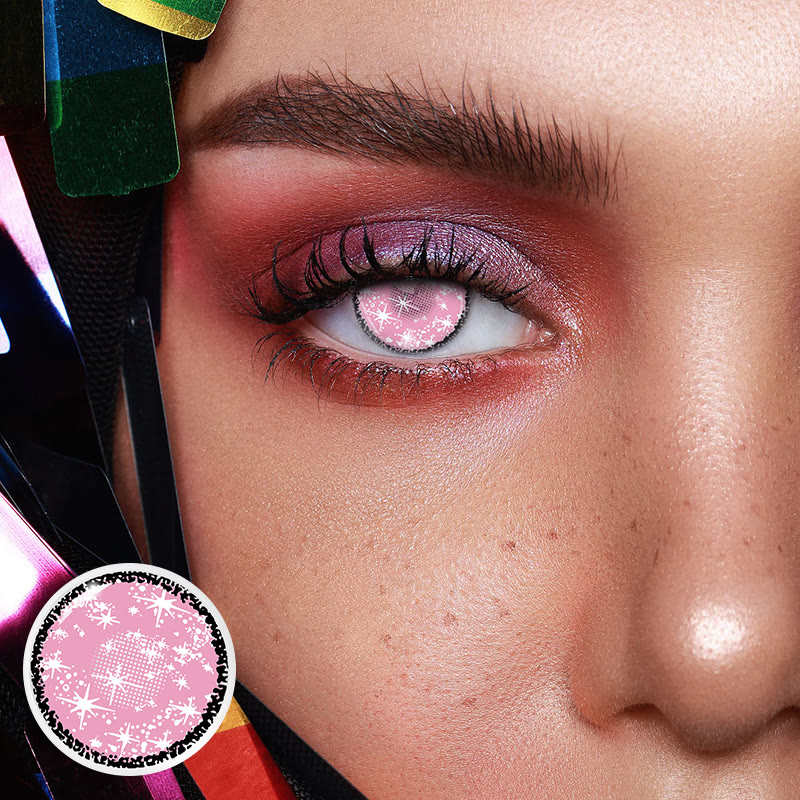
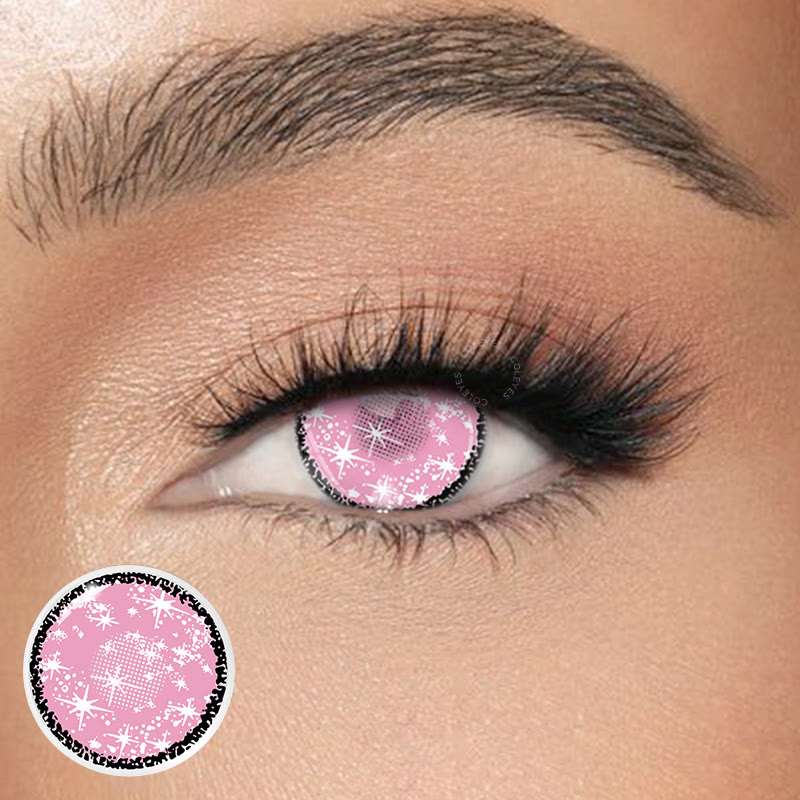
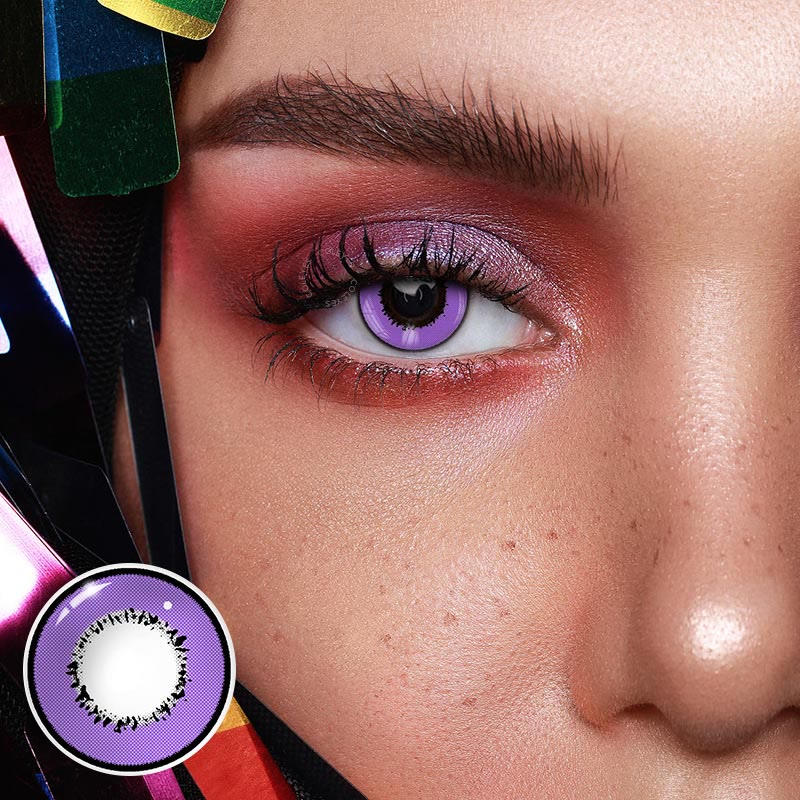
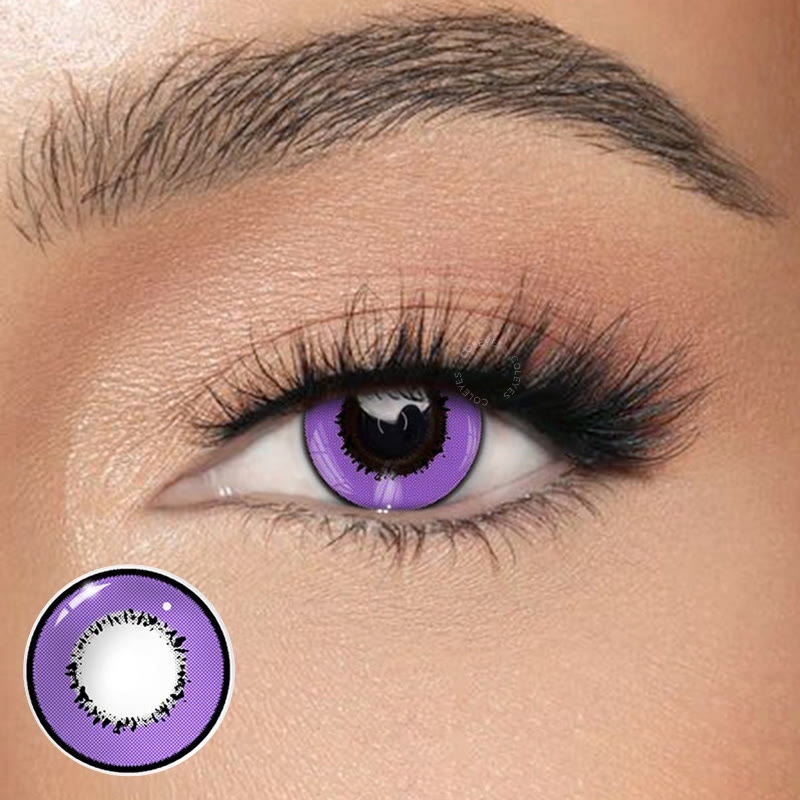
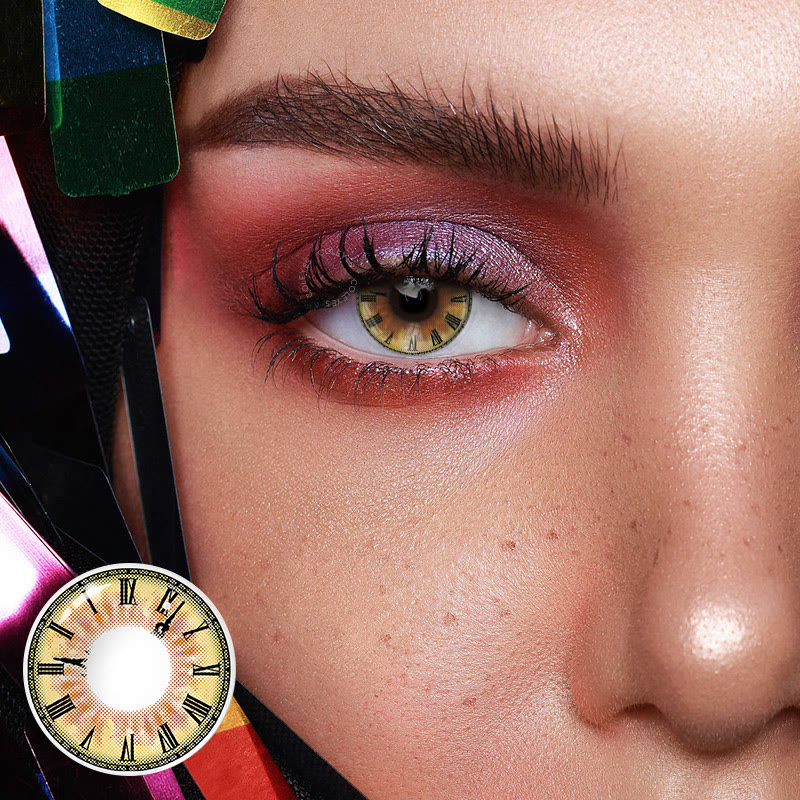
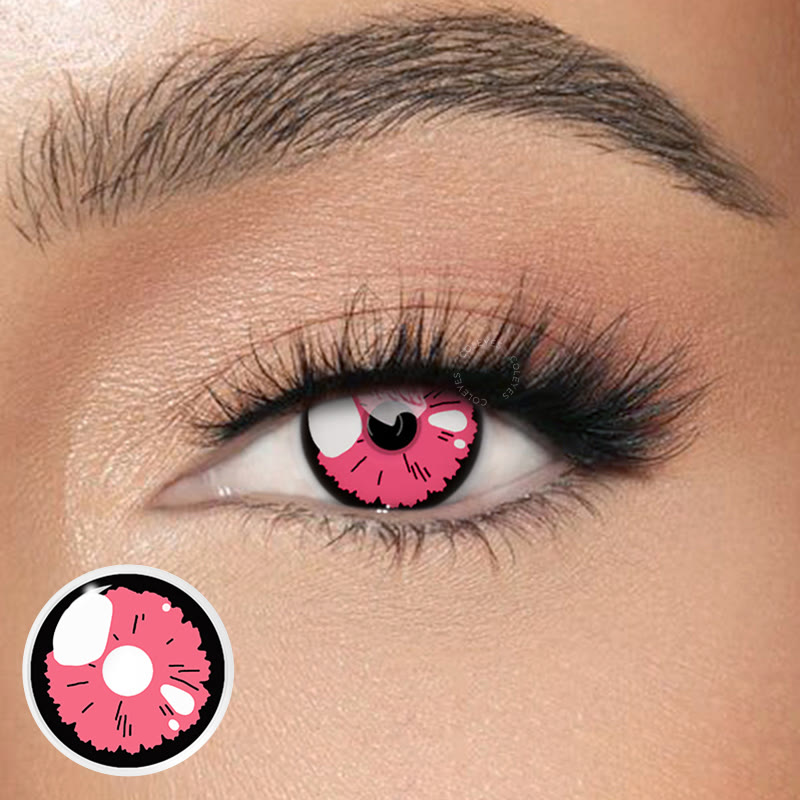
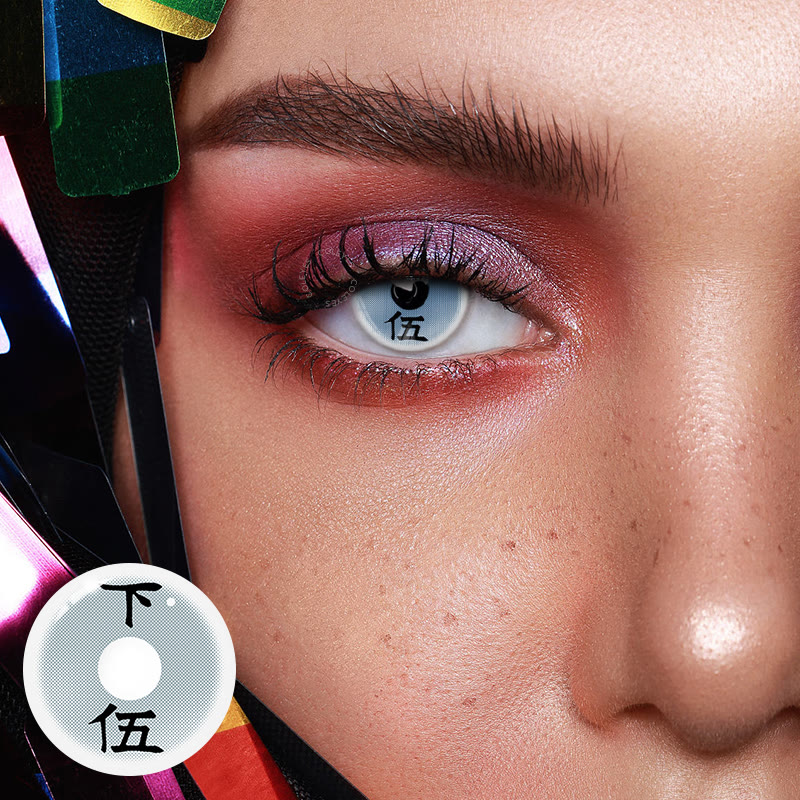
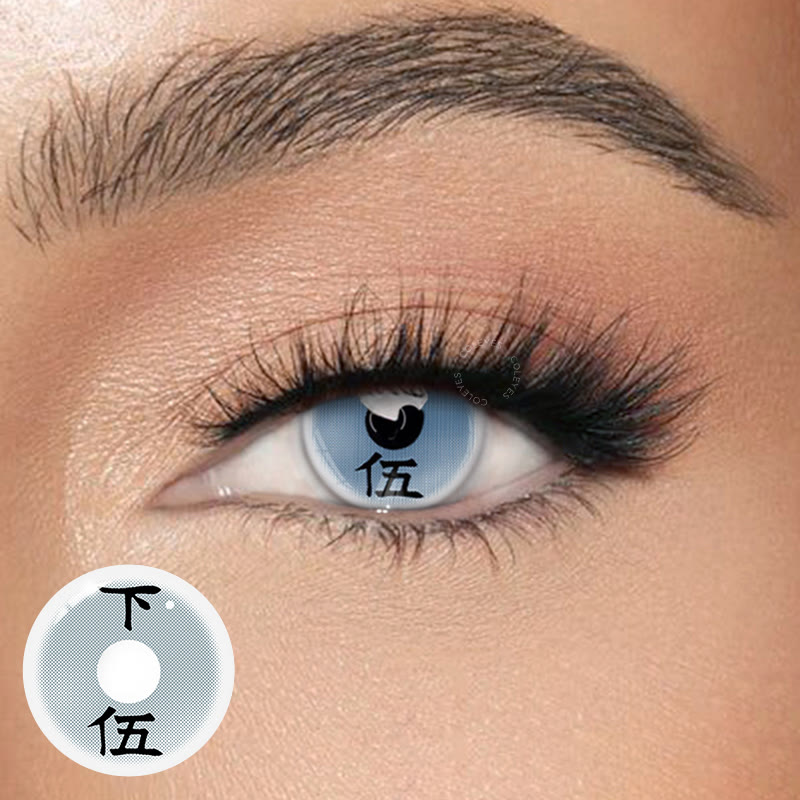
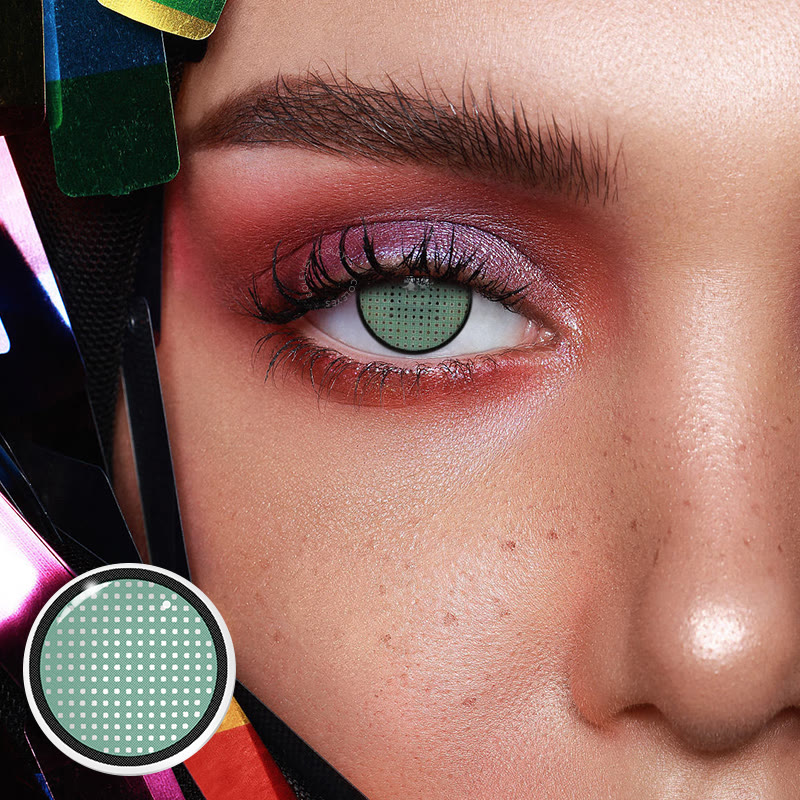
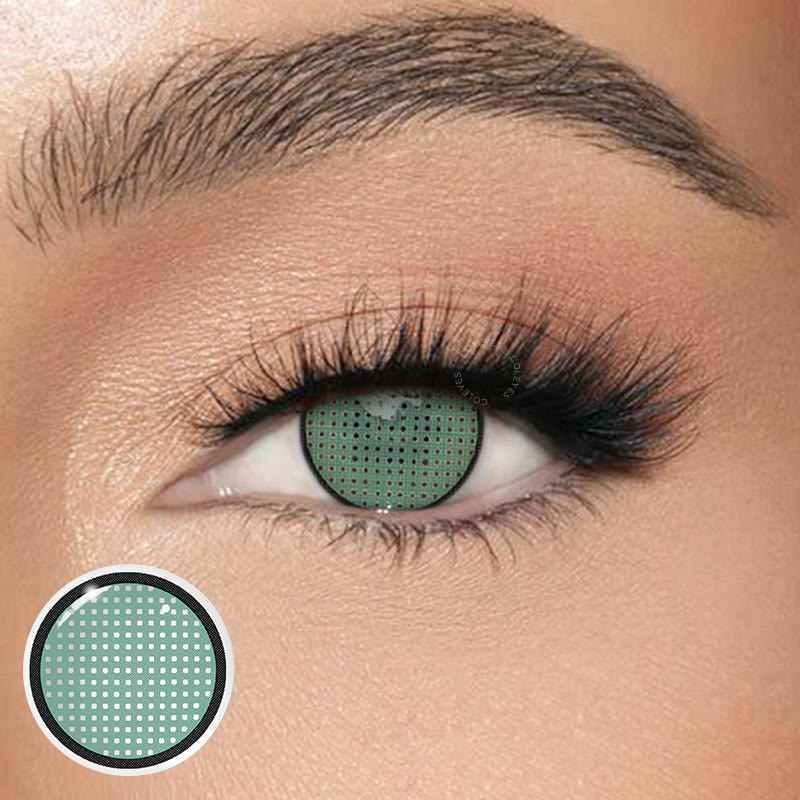
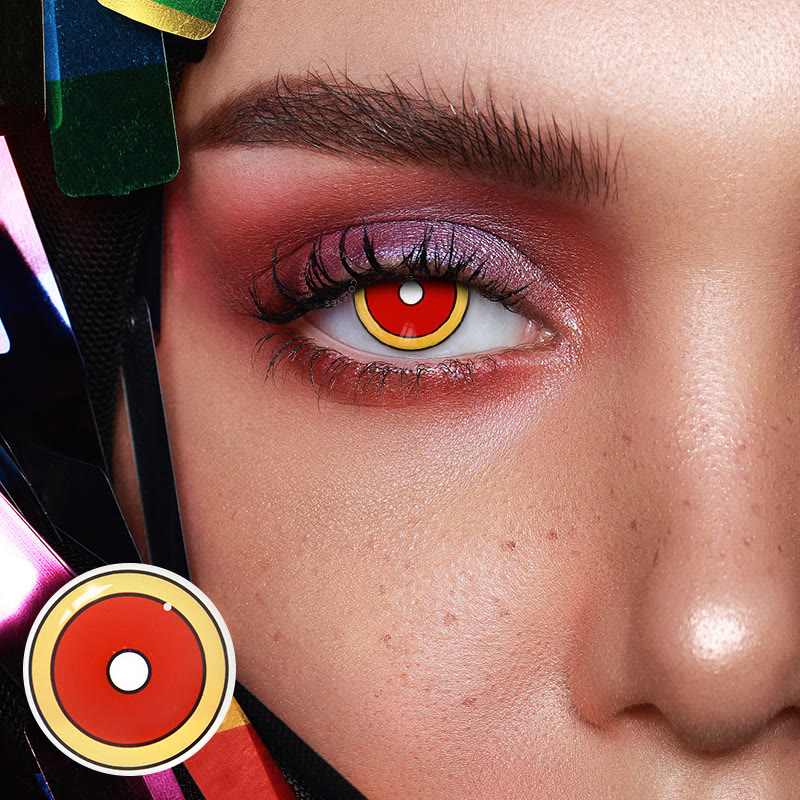
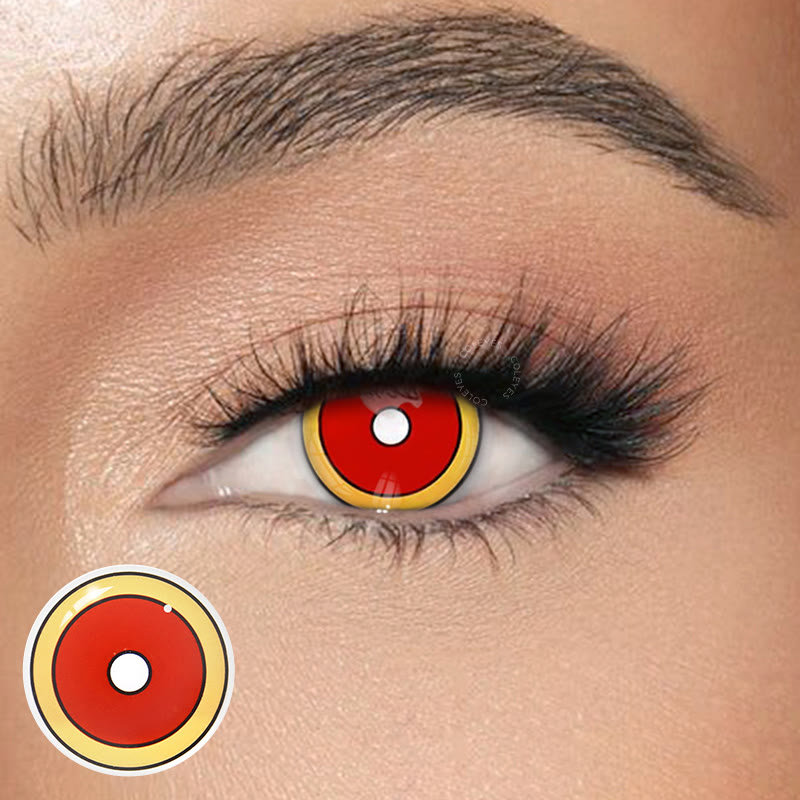
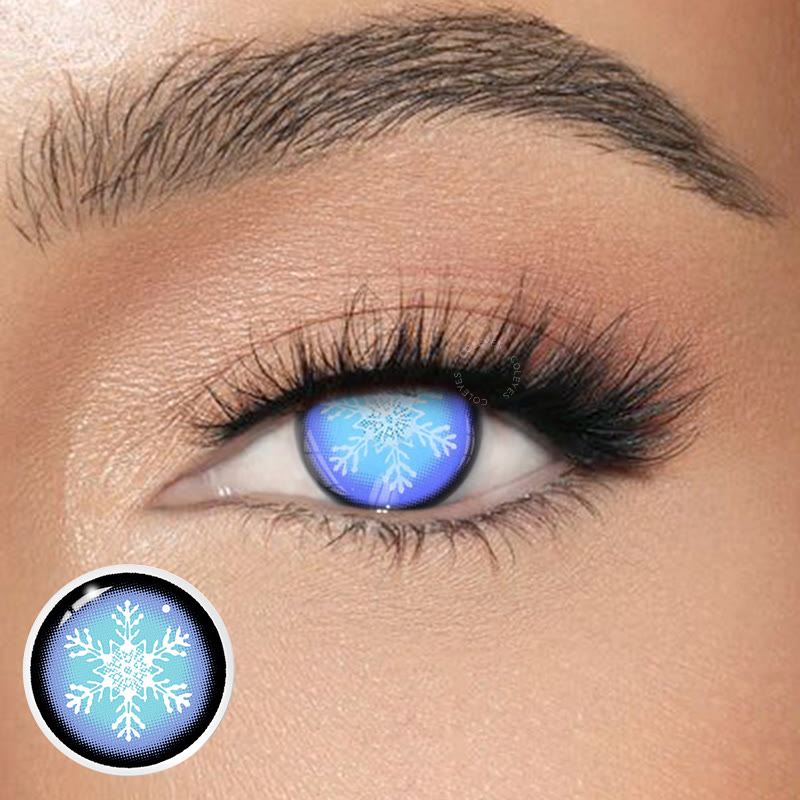
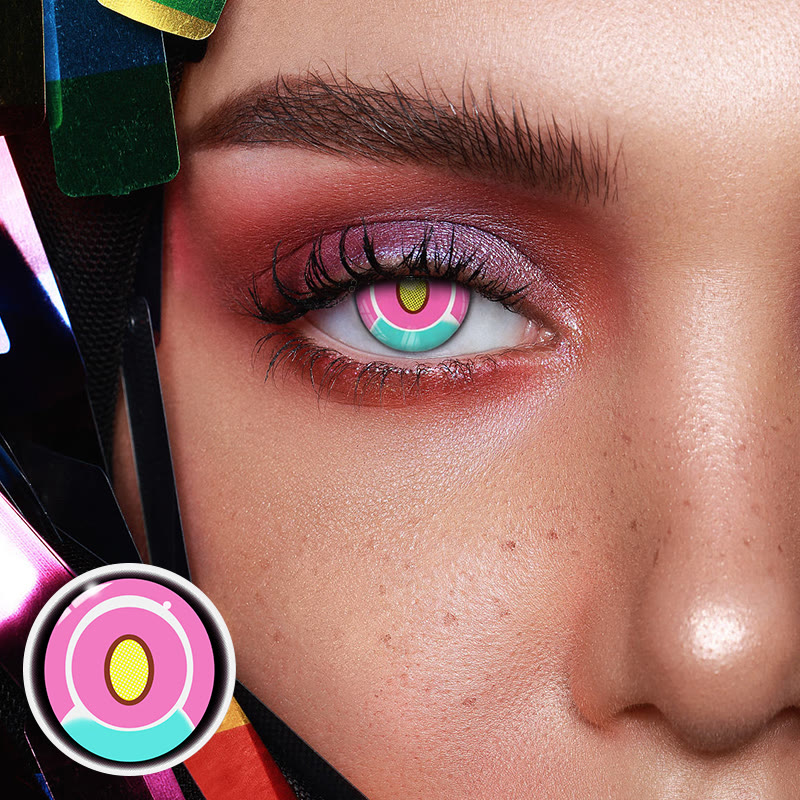
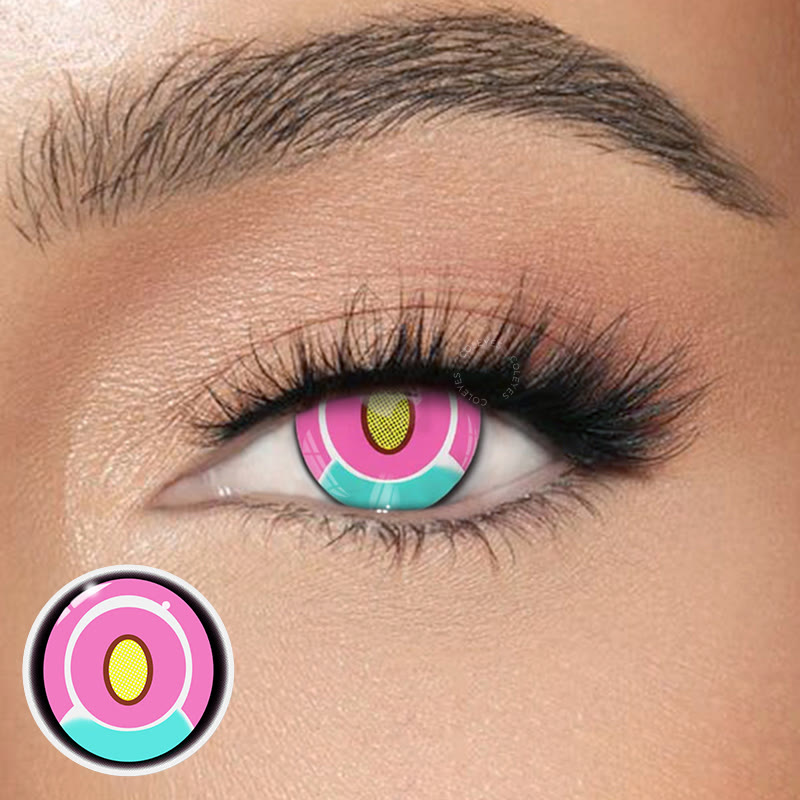
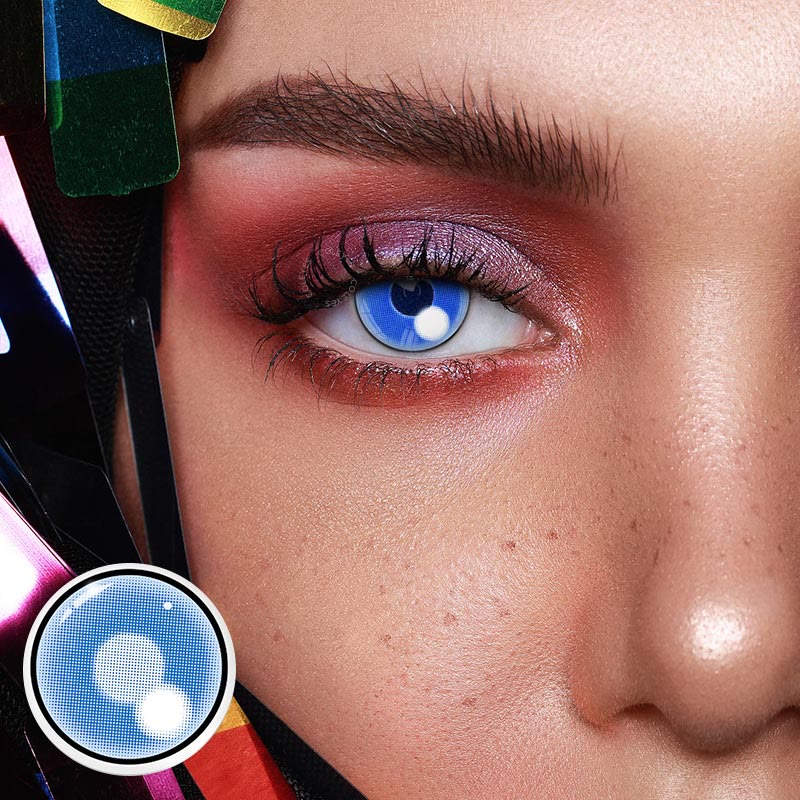
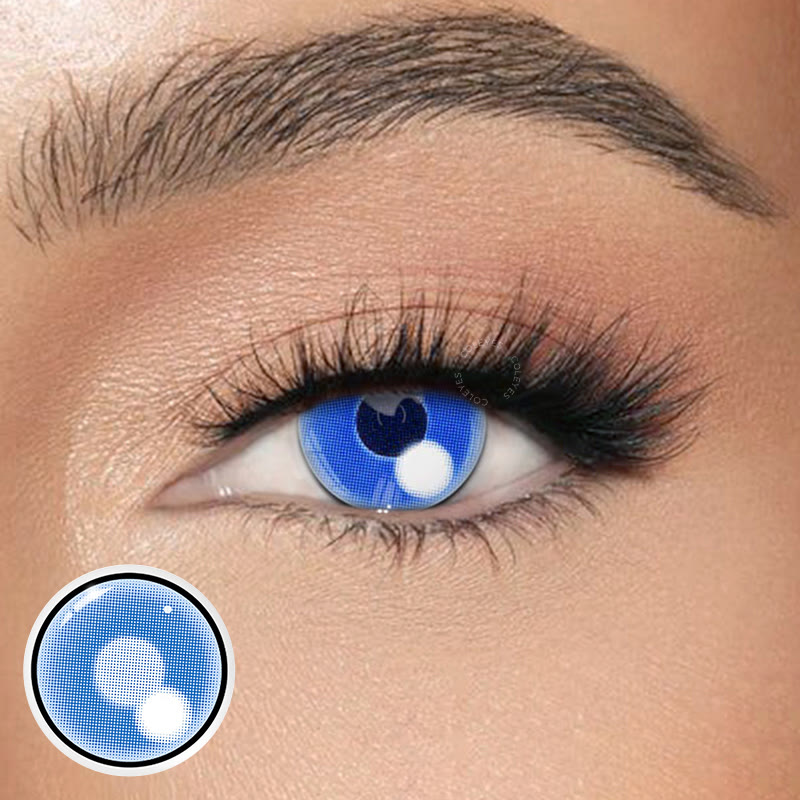
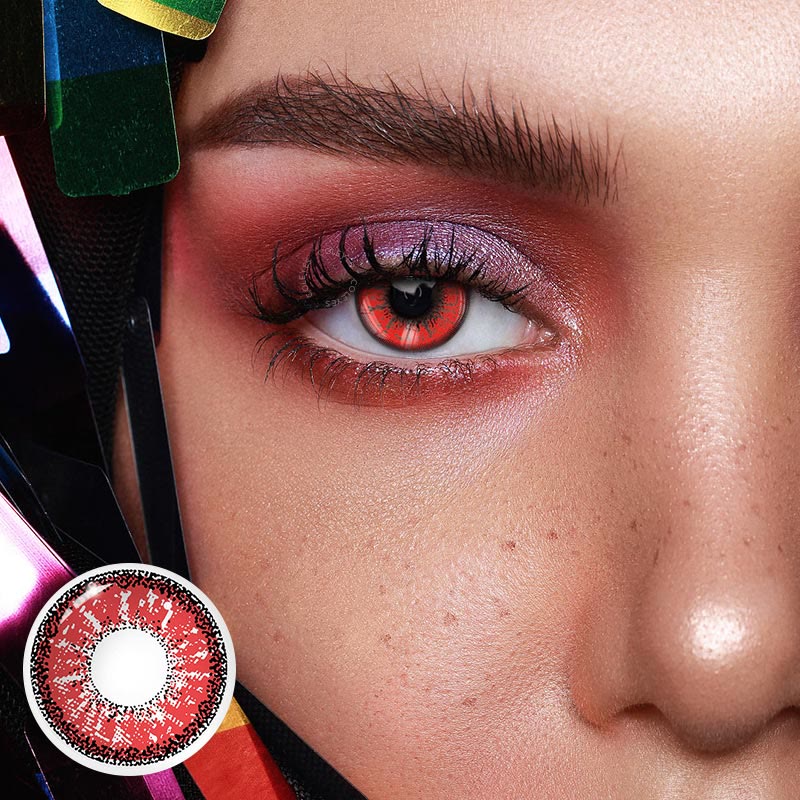
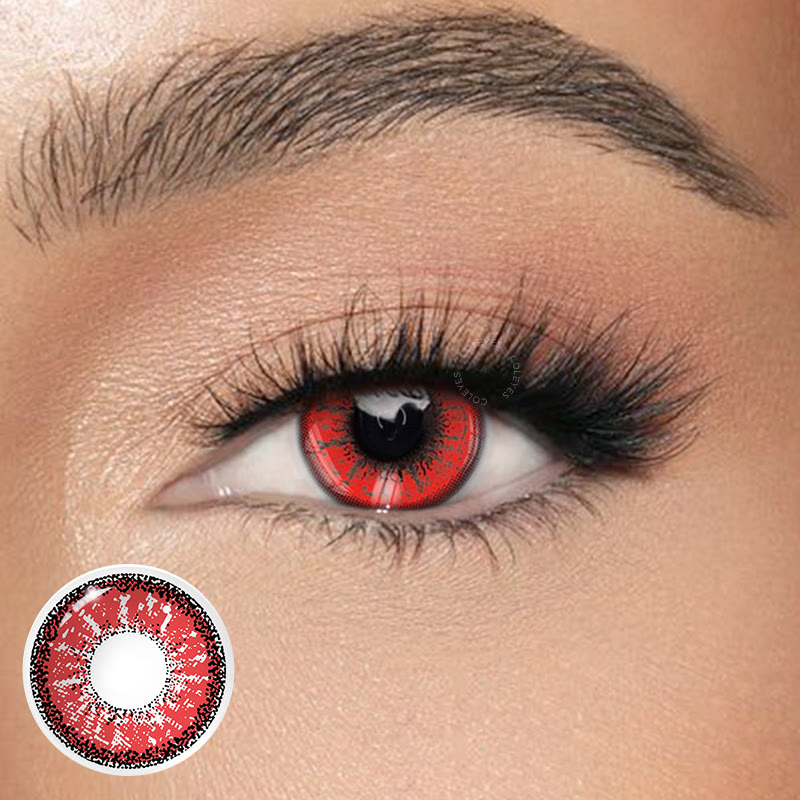
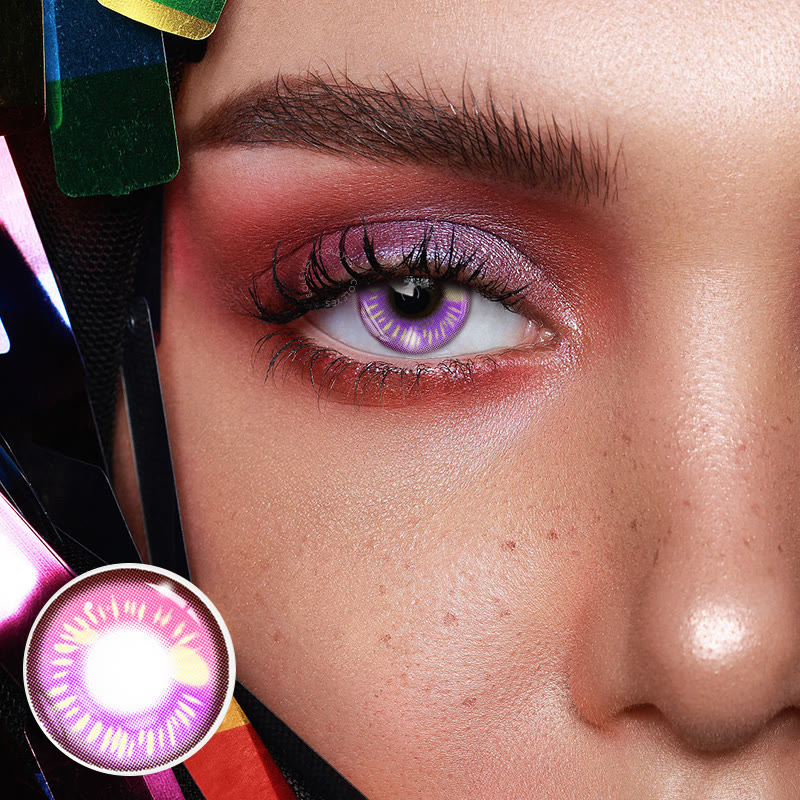
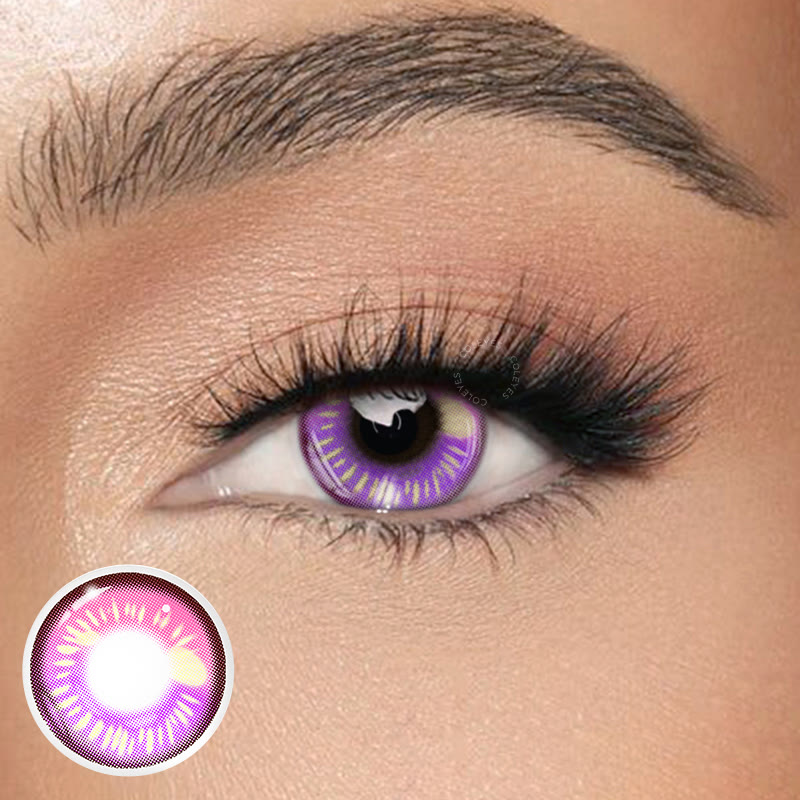
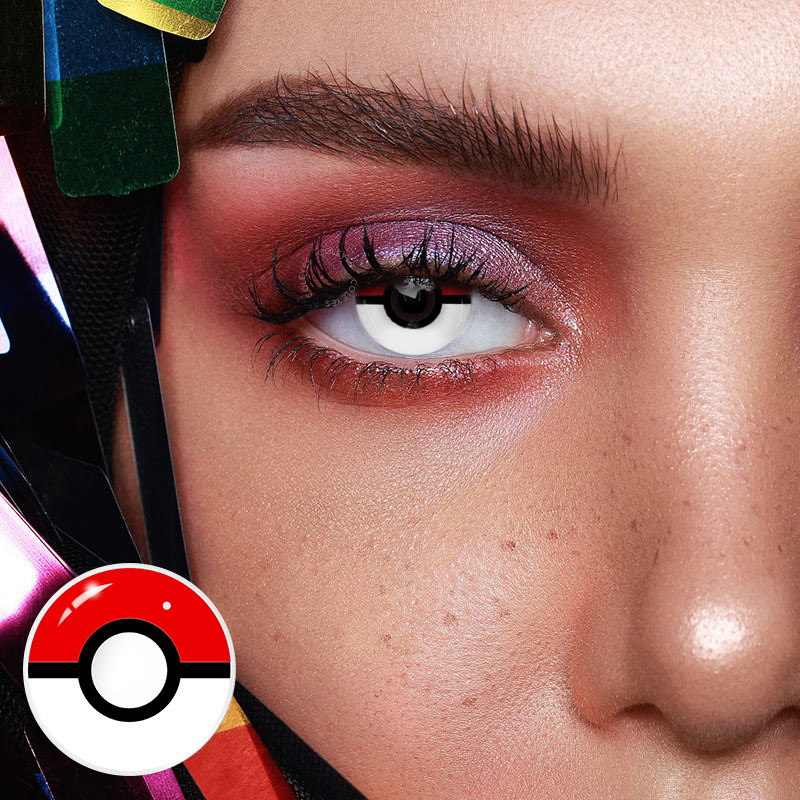
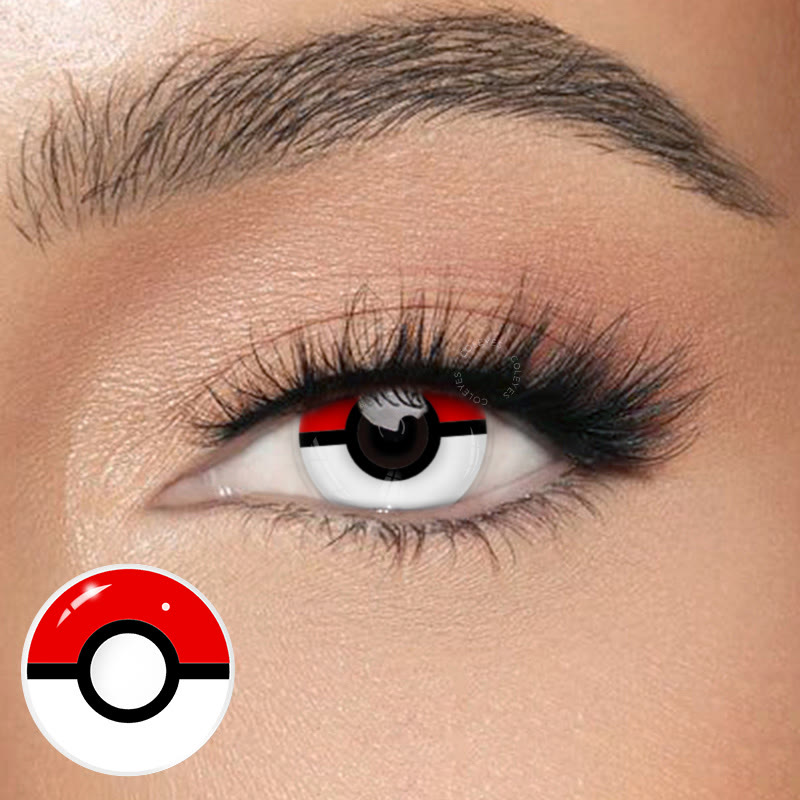
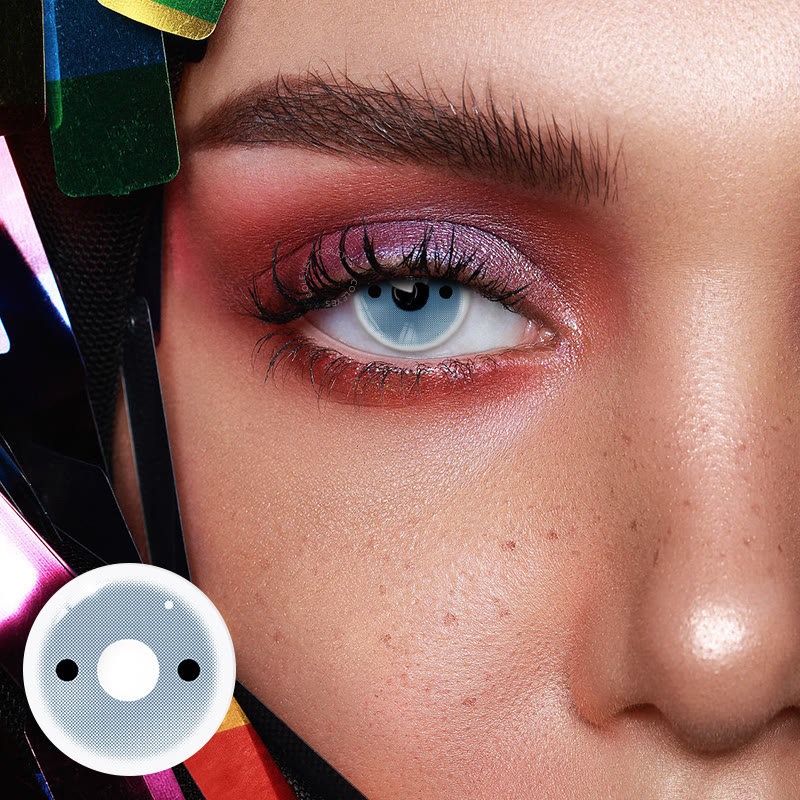
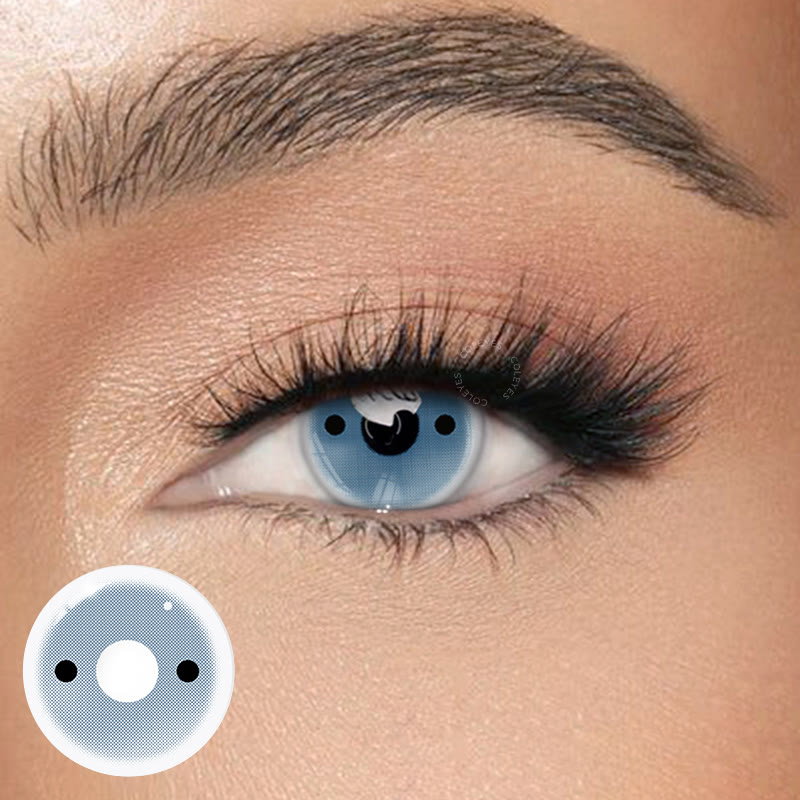
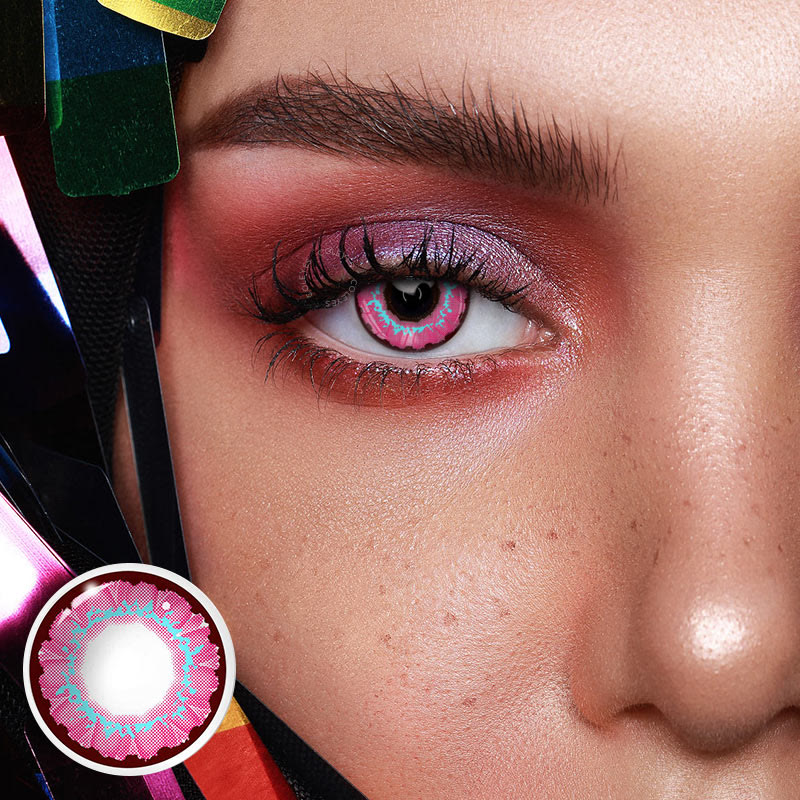
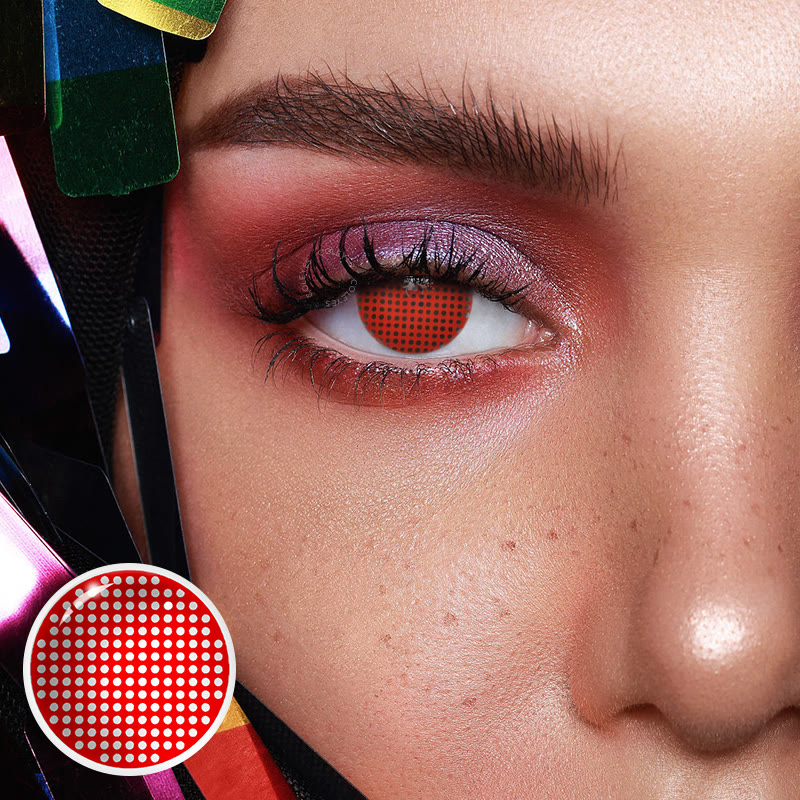
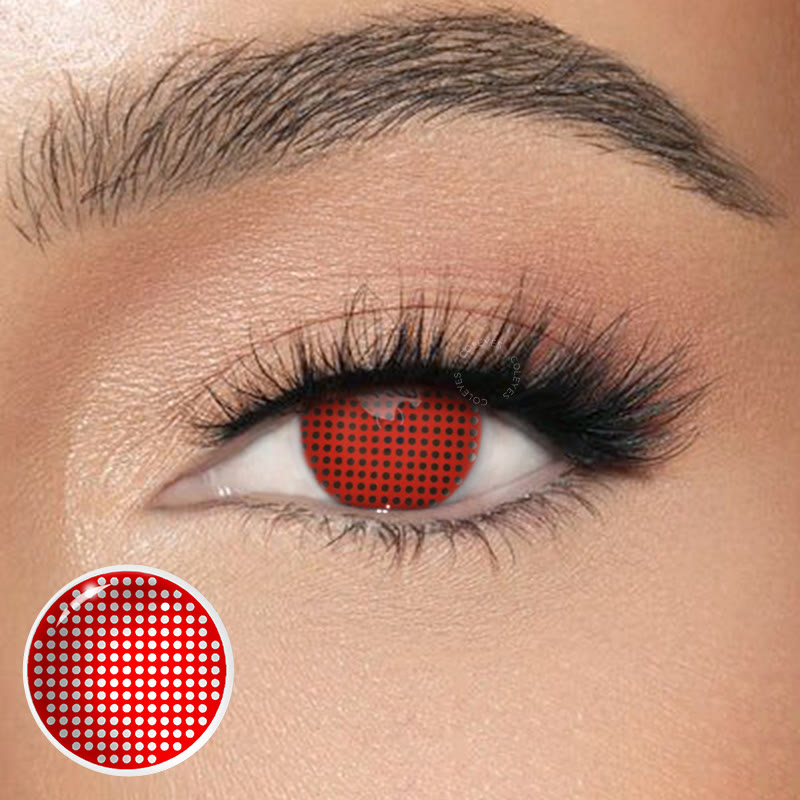
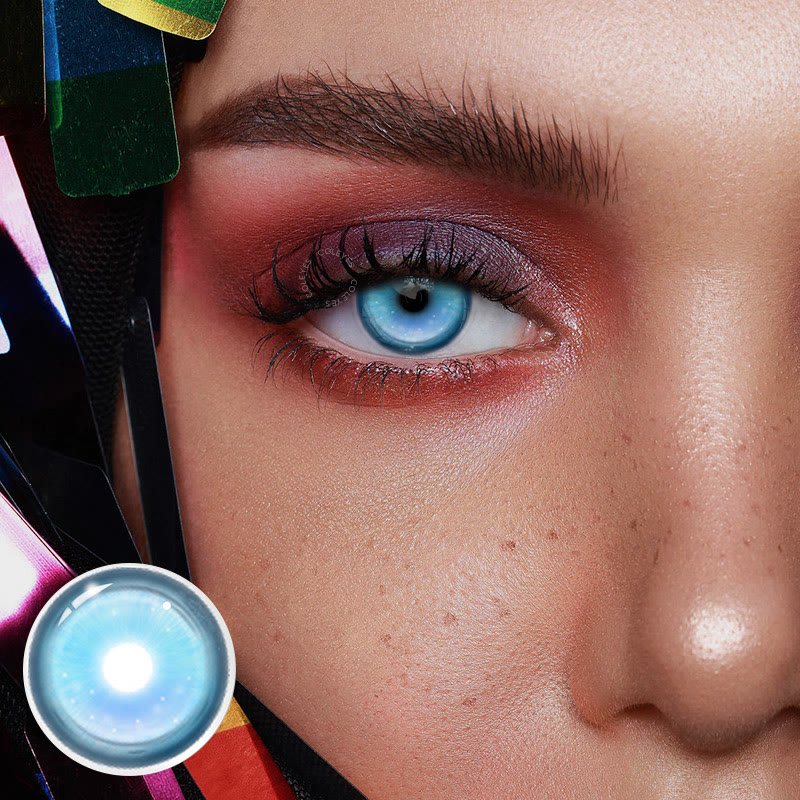
Cosmetic contact lenses designed to create bigger eyes work by featuring enlarged dark centers that mimic dilated pupils. These bigger eyes contact lenses, often called circle lenses or large pupil contacts, use a larger colored or darkened area to make your pupils appear wider than their natural size. Wearers get a doe-eyed appearance popular in certain fashion and beauty styles.
Medical professionals also prescribe specialized prosthetic soft contact lenses for patients with specific vision conditions. Iris occlusion lenses feature iris pigment on the front surface with a black backing. These lenses can have varying pupil diameters with either a clear or black pupil. Patients who have fixed, dilated pupils and experience symptoms of glare and photophobia benefit from these occlusive contact lenses.
Pupil-occluding lenses represent another medical category and feature an opaque black pupil area with either a clear or pigmented iris. These don't provide vision correction but help patients hide a white pupil or opaque central corneal opacity. A patient's occupation and daily activities dictate the final lens pupil diameter, and the soft contact lens should fit on your ocular surface comfortably.
Contact Lens Wear After Medical Eye Dilation
Eye doctors use specialty drops to widen your pupils and allow them to get into internal eye structures. This medical procedure raises a question: can you wear contacts after dilation?
The answer depends on timing and comfort. You can wear contacts with dilated eyes, but most eye care professionals advise against it. Your eyes become very sensitive after dilation. The drops interact with your eye's surface and leave residue on the cornea. You can trap this residue between the lens and your eye if you insert contact lenses too soon, which causes potential irritation.
Dilation side effects wear off within 4 to 6 hours for most people. The dilating drops get absorbed after instillation, and by the time the drops take effect and you complete your exam, little active ingredient remains on your eye's surface. Some practitioners allow patients to reinsert contacts after the exam with warnings about driving while dilated.
Understanding the Difference Between Both Types
The difference between these two meanings of dilated pupil contacts matters for your eye health and safety. Cosmetic pupil contact lenses feature a design element that makes your pupils look larger through colored or darkened patterns. You wear these for esthetic purposes during daily activities.
The question "can you wear contacts after eye dilation" refers to your regular prescription or non-prescription contacts after a medical procedure. Your pupils remain enlarged from medication, not from the contact lens design itself. This scenario involves timing and potential discomfort from the interaction between dilating drops and your contact lenses.
Medical prosthetic lenses fall into a third category. These specialized devices address specific vision disorders and require professional fitting. Your eye doctor matches the pupil diameter to your normal pupil size based on whether you spend most time in bright outdoor illumination or dim indoor lighting.
Can You Wear Contacts With Dilated Eyes After an Eye Exam
Why Eye Doctors Dilate Your Pupils
Pupil dilation serves as a diagnostic window into your overall eye health. Your eye doctor uses specialty drops to enlarge your pupils, which allows more light to enter the eye and provides a clearer view of internal structures. Optometrists can see only 10-20% of your retina without dilation and miss about 85% of critical tissue where diseases begin.
This complete view enables early detection of serious conditions. A dilated exam reveals the full retina surface for identifying diabetes and glaucoma. It examines the crystalline lens where cataracts develop and inspects the vitreous where floaters originate. Research indicates that regular dilated eye exams can prevent over 95 percent of diabetes-related sight loss. Dilated exams can detect systemic health issues like high blood pressure as well, as these conditions cause visible changes in retinal blood vessels.
What Happens During Pupil Dilation
The dilation process begins with eye drops placed in each eye. Your optometrist may apply an anesthetic drop first to minimize any stinging sensation. Full dilation takes 15 to 30 minutes, though factors like eye color influence the speed. Lighter-colored eyes dilate more quickly than darker eyes.
You'll notice increased light sensitivity and difficulty focusing on close objects while you wait. Once your pupils fully widen, they become less responsive to bright light. Your doctor then uses a bright light and magnifying lens to examine your retina, optic nerve, and blood vessels for signs of disease. The exam itself involves checking your eye's interior structures, something impossible to see through constricted pupils.
How Long Does Eye Dilation Last
Most people experience dilation effects for 4 to 6 hours. The duration varies based on several key factors, though. The type of drops used plays the most important role. Tropicamide lasts 4 to 6 hours, while Cyclopentolate may extend from 6 to 24 hours. Phenylephrine boosts dilation for complex procedures.
Your eye color affects duration as well. Patients with light irises such as blue, green, or hazel dilate very quickly and stay dilated longer. Those with dark irises take longer to dilate and recover more quickly. Age matters too. Children often require stronger drops and may experience dilation lasting up to 24 hours. Some individuals experience effects beyond the typical timeframe in rare cases, with full recovery occurring within 24 hours.
The Risks of Wearing Contacts Too Soon
Wearing contacts with dilated eyes presents multiple concerns. The dilating drops interact with your eye's surface and leave a thin residue on the cornea. Contact lenses inserted too soon trap this residue between the lens and your eye, which magnifies irritation or discomfort.
Your dilated pupils make your eyes very sensitive, as the entire purpose of dilation is to allow more light to enter. Contact lenses don't provide UV or light-blocking protection unless they're designed to, making sunglasses a safer choice post-dilation. Your vision becomes blurry whatever you wear—contacts or glasses—as the blurriness stems from dilation itself.
Most eye care professionals recommend waiting at least 30 minutes to an hour after dilation before you insert contact lenses. Some sources suggest waiting 2 hours, while others advise waiting the full 4 to 6 hours for the dilating drops to wear off. This waiting period allows your vision and light sensitivity to return to normal and ensures greater comfort and safety.
Large Pupil Contact Lenses for Everyday Cosmetic Wear
Circle lenses, also called large pupil or big eye contact lenses, represent a category of cosmetic colored contacts that extend beyond simple color changes to create an enlarged eye appearance.
How Large Pupil Contacts Differ from Regular Colored Contacts
The structural design sets these lenses apart from standard colored contacts. Large pupil contacts feature a bigger radius where the tinted area covers not only your iris but also extends onto the outer rim of the lens. This extended coloring creates the illusion of bigger, brighter eyes. Regular colored lenses focus solely on changing iris color without affecting perceived eye size.
Diameter measurements reveal the physical difference. Circle contact lenses come in various sizes like 14.0mm, 14.2mm, 14.4mm, and 14.5mm. This makes them slightly larger than regular color contact lenses. Standard contacts typically measure no larger than 14.0mm.
The limbal ring plays a critical role in the enlargement effect. This dark circle separates your iris from the sclera and appears more prominent before age 20. It fades as you age. Circle lenses improve this natural boundary by darkening and extending it. Your iris looks bigger. Regular colored contacts don't emphasize this feature and prioritize natural-looking effects instead.
Key Features and Benefits
These soft contact lenses are surprisingly comfortable. They remain comfortable to wear despite being thicker than regular contacts because of their soft lens composition. The variety in design and style exceeds what you'll find with standard options. Some manufacturers offer customized lenses according to your priorities.
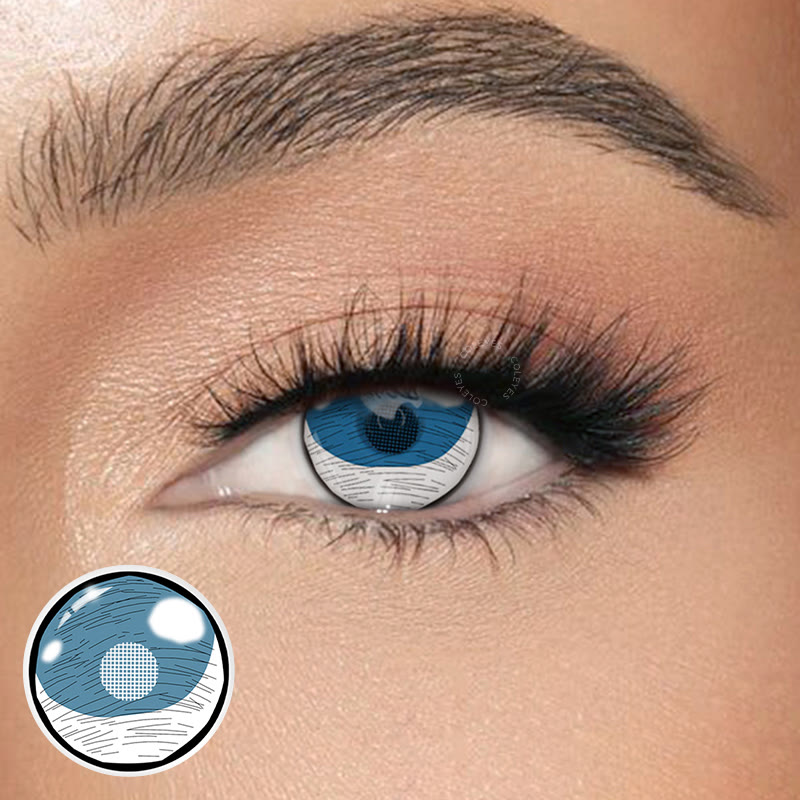
Cosplay and anime enthusiasts benefit from the creative possibilities. The lenses help you achieve anime-inspired looks without applying layers of cosmetics. Fashion industry leaders use circle lenses on models to achieve sophisticated looks that stand out on the runway.
Popular Styles and Colors Available
Graphic diameter determines the visual impact. Smaller graphic diameters around 13.3mm provide natural-looking enlargement. Sizes above 13.7mm create a doll-like appearance. Colors span the full spectrum: black, brown, blue, green, gray, pink, and yellow.
Limbal ring designs vary from solid black or dark brown that create stronger contrast to finely dashed patterns that blend naturally. Two-tone and three-tone designs radiate color from the pupil in both natural and vibrant hues.
Who Should Wear Large Pupil Contacts
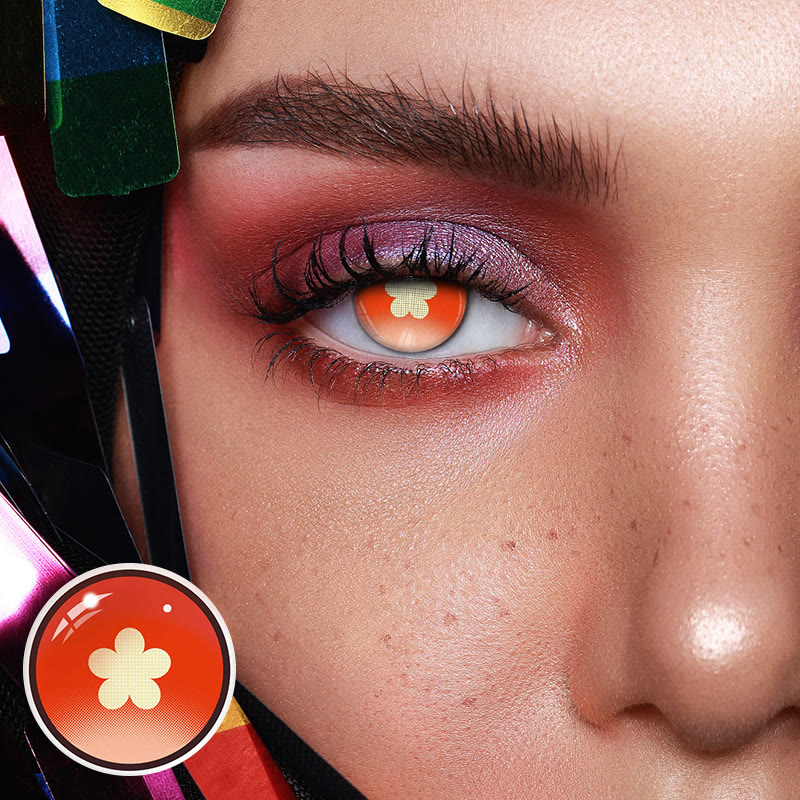
Fashion-conscious individuals who want to improve their appearance without expensive eyelash extensions or cosmetic eye surgeries find these lenses appealing. Cosplayers rely on them to replicate characters with unique eye colors like yellow or red, or even characters with heterochromia.
The lenses work well if you have everyday wear needs, makeup to improve, or special occasions. You can choose lenses without limbal rings to get subtle color changes with minimal enlargement. This offers a realistic and natural effect.
Safety Considerations and Proper Care
Contact lenses qualify as medical devices requiring consistent maintenance protocols to protect your eye health. Whether you wear cosmetic dilated pupil contacts for bigger eyes or standard soft contact lenses, proper hygiene and care prevent serious complications.
Hygiene Practices for Contact Lens Wearers
Wash your hands really well with soap and water before touching your lenses or eyes. Dry them with a lint-free towel to avoid transferring particles. This single step prevents most contact lens-related infections.
Handle solution bottles with care. Never touch the tip to your lens, finger, or any surface. Close bottles right after use to prevent contamination. Discard expired solution bottles and any opened bottles after 28 days.
Your contact lens case needs daily attention. Empty all old solution right after inserting your lenses. Rinse the case wells with fresh contact lens solution, then rub the inside with a clean finger to remove biofilm. Wipe excess liquid with a clean tissue and place the case upside down with caps off to air dry. Replace your case every three months.
When to Avoid Wearing Contacts
Remove your lenses before any water exposure. Swimming pools, hot tubs, showers, and natural water bodies harbor Acanthamoeba, a microorganism that can cause severe infections when trapped behind contacts. This rule applies to all contact types, including occluding lenses and cosmetic pupil contact lenses.
Skip your lenses during illness. Colds, flu, and allergies alter your tear film chemistry and reduce lubrication. Environmental irritants like smoke and dust also warrant removal. Never sleep in contacts unless approved for overnight wear.
Cleaning and Storage Guidelines
Multipurpose solution cleans, rinses, disinfects, and stores soft contact lenses in one system. Rub and rinse your lenses with fresh solution every time you remove them. Never top off old solution with new, as this reduces disinfection effectiveness.
Hydrogen peroxide systems require special cases that convert peroxide to saline over time. Wait 4 to 6 hours before wearing lenses after placing them in hydrogen peroxide solution.
Signs You Should Remove Your Lenses
Stop wearing contacts right away if you experience:
- Redness, pain, or discharge (the red flag trio suggesting possible infection)
- Vision changes including sudden blurriness, fogginess, or halos
- Persistent discomfort that doesn't resolve with blinking or rewetting drops
Contact your eye doctor right away if symptoms persist or worsen.
Common Questions About Dilated Pupils and Contact Lenses
Can I Wear Contacts After Dilation at the Eye Doctor
You can reinsert your contacts after dilation if you wait for an appropriate timeframe. Some practitioners recommend waiting 30 minutes to an hour. This allows your pupils to begin returning to normal size and decreases light sensitivity. Most eye care professionals advise waiting the full 4 to 6 hours for complete comfort and safety.
How to Tell If Your Pupils Are Still Dilated
Your pupils constantly change size in response to lighting conditions. They enlarge in darker environments to allow more light entry and constrict in brighter settings to minimize light exposure. Test your pupils by looking in a mirror under bright light. Dilation effects persist if they remain large and don't shrink.
Are Cosmetic Dilated Pupil Lenses Safe for Daily Use
Cosmetic dilated pupil lenses qualify as medical devices regulated by the FDA. You need a valid prescription and proper fitting from a licensed eye doctor, even for non-corrective cosmetic lenses. Keep in mind that anisocoria (one pupil larger than the other) affects about 20% of the population naturally. Professional assessment is vital.
What to Do If You Experience Discomfort
Remove your lenses if you notice stinging, redness, blurred vision, or light sensitivity. Sharp or persistent pain, redness that doesn't improve after removal, or discharge warrant urgent medical attention.
Conclusion
The difference between cosmetic dilated pupil lenses and wearing contacts after medical eye dilation matters for your eye health and comfort. You might choose large pupil contacts for everyday fashion wear or need guidance on reinserting lenses after a dilated exam. Whatever the case, the same principle applies: prioritize safety over convenience.
Wait the recommended 4 to 6 hours before wearing contacts after dilation. Get cosmetic lenses through a licensed eye care professional with a valid prescription. Contact lenses qualify as medical devices whatever their purpose. Treat them therefore as such. Follow hygiene practices and professional guidance. You'll enjoy comfortable lens wear without compromising your vision or eye health.