Permanent Eye Color Change: Your Complete Guide to Making the Right Choice
May 09,2026 | Coleyes
Cosmetic eye procedures like permanent eye color change have been gaining popularity among people seeking to alter their appearance. You might wonder if you can change your eye color beyond wearing colored contact lenses. The answer is yes, but it comes with serious risks.
Several eye color change surgery options exist. These include iris implant surgery, laser iris color change procedures and keratopigmentation. But these surgical eye color change methods are not FDA-approved for cosmetic purposes and carry most important risks. This piece explores how to change your eye color through various methods. We cover surgical procedures and safer alternatives like prescription colored contacts and cosmetic contact lenses to help you make an informed decision.
Understanding Eye Color and Why People Want to Change It
What determines your natural eye color
Your eye color depends on melanin, a pigment that sits in the iris surrounding your pupil. The amount of melanin in your iris determines whether you have brown, blue, green, or hazel eyes. Brown eyes contain high concentrations of melanin stored in many melanosomes (melanin-storing compartments). Blue eyes have minimal melanin within fewer melanosomes. Green and hazel eyes fall somewhere in between, with moderate melanin levels.
The genetic basis of eye color is way more complex than we once believed. Scientists used to think a single gene controlled eye color. Research now shows that at least eight genes influence your final eye color. The OCA2 gene on chromosome 15 controls nearly three-fourths of the blue-brown color spectrum. This gene produces P-protein, which affects melanin production in your iris. Another gene, HERC2, regulates how OCA2 functions. Specific variations in HERC2 can reduce P-protein concentration substantially and lead to blue eyes.
Your parents' eye color plays a substantial role in determining your own, but the inheritance pattern defies simple predictions. Two blue-eyed parents usually have blue-eyed children. Yet genetic variations from extended family members can produce unexpected results. This explains why a child with two brown-eyed parents might inherit blue eyes if grandparents had blue eyes. Eye color often changes during the first few months after birth as melanocytes continue producing melanin. This causes many babies' eyes to darken over time.
Why eye color change surgery has become popular
The desire to change eye color surgically has surged on social media platforms, with procedures like keratopigmentation costing around $12,000. This trend reflects growing interest in cosmetic modifications that go beyond traditional beauty treatments. Much of the world's population (79%) has brown eyes, making it the most common eye color globally. Blue eyes appear in only 8% to 10% of people, while green eyes are found in just 2% of the population.
Media and celebrity influence drives much of this need. Social media personalities showcasing eye color transformations inspire others to pursue similar changes. The rarity factor plays a role, as people notice features that differ from the norm. Cultural influences also contribute, as some regions associate lighter or rare eye colors with beauty and status.
The psychology behind wanting different eye color
People seek permanent eye color change for multiple psychological and esthetic reasons. Many view lighter or different-colored eyes as a unique feature that helps them stand out. You might feel a specific eye color complements your facial features or overall appearance better than your natural color. Self-confidence plays a substantial role, as changing to a desired eye color can boost self-esteem and make you feel more attractive.
Cultural factors shape these priorities substantially. Media portrayal of blue-eyed individuals as idealized beauty standards influences what you find desirable. Some people want eye color change as part of a broader personal transformation, like changing hairstyles or wardrobes. The desire for uniqueness motivates others to choose uncommon colors like violet or gray to fulfill their wish to stand out.
Research shows gray eyes ranked as most attractive due to their rarity. Yet 47.6% of survey respondents said they would still choose blue eyes if given the option. This reveals how cultural beauty standards affect your priorities, even when they contradict actual attractiveness ratings.
Surgical Eye Color Change Options Explained
Several surgical methods exist to alter eye color permanently. Each works through different mechanisms and carries distinct risk profiles. These procedures remain experimental and lack regulatory approval in most countries.
Iris implant surgery
Iris implant surgery involves inserting a thin silicone prosthetic iris into your eye through a small incision in the cornea. The surgeon unfolds the implant to cover your natural iris and creates a new visible color. Doctors originally developed this procedure to help people with missing or damaged irises from trauma or congenital conditions, but it has been repurposed for cosmetic use.
The complications from cosmetic iris implants are severe and systemic. A retrospective multicenter study of 65 eyes revealed that nearly 92% experienced complications and 81% required implant removal within 2 years of surgery. These issues include glaucoma, cataracts, corneal injury, and uveitis, which causes red eyes, pain, and blurred vision. Corneal endothelial cell loss can lead to permanent vision impairment even after the implant is removed.
Cosmetic iris implants have not received approval from the FDA or European regulatory bodies because of these risks. The American Academy of Ophthalmology opposes getting iris implants for esthetic reasons.
Laser iris color change (Stroma procedure)
Laser iris depigmentation uses a 532-nm Q-switched Nd:YAG laser to destroy melanin pigment in your iris. The procedure works by raising and lowering the temperature of the anterior iris pigment and stimulates a response that removes pigment through your vascular system. This reveals underlying blue or gray stromal fibers and changes brown eyes to lighter colors.
The procedure only works on brown eyes and cannot produce colors beyond blue, green, or hazel variations. Your eyes remain the same color right after treatment. Changes appear over about three weeks as your body processes the disrupted melanin.
Potential risks include glaucoma, uveitis, patchy pigmentation, and photophobia. A study of 1176 eyes reported that 25% of patients developed transient iritis, though it resolved with anti-inflammatory therapy. This procedure is not FDA-approved and remains in experimental stages.
Keratopigmentation (corneal tattooing)
Keratopigmentation involves injecting micronized mineral pigments into your cornea rather than altering the iris itself. A surgeon uses a femtosecond laser to create a tunnel or pocket within the cornea at a depth of about 225 microns. Pigments are then injected into this space to achieve your desired color.
Studies show keratopigmentation has fewer complications than iris implants or laser depigmentation. A prospective study of 79 eyes reported stable pigmentation patterns and high patient satisfaction during a follow-up period of up to 69 months, with no major effect on visual acuity or corneal integrity. Keratopigmentation is not FDA-approved for cosmetic use, though. Reported complications include corneal inflammation, pigment migration, and vision impairment in some cases.
Colored corneal implants
Colored corneal implants consist of synthetic disks embedded into the cornea to simulate different eye colors. These devices function as permanent contact lenses but require surgical placement. Risks include corneal scarring, light sensitivity, and corneal edema. This option is not FDA-approved.
Risks and Complications of Permanent Eye Color Change
The complications from eye color change surgery extend way beyond temporary discomfort. Medical research reveals a troubling pattern of severe and often permanent damage across every surgical eye color change method.
Vision loss and eye damage
Studies document devastating outcomes for patients who undergo cosmetic iris implants. One multicenter retrospective study of 65 eyes found that only 7.7% avoided complications, while 92.3% experienced at least one serious issue. A social media personality lost most of their sight after the procedure. A patient developed bilateral vision loss three years after surgery in another documented case, with vision limited to hand motion in one eye after surgical complications.
Damage occurs over time. Patients experience symptoms like redness, pain, tearing and light sensitivity at first. Vision deteriorates over months to years as the implants cause continuous mechanical damage to delicate eye structures. Nine out of 14 patients required implant removal due to complications in one case series.
Glaucoma and increased eye pressure
Intraocular pressure spikes to dangerous levels after these procedures. One patient presented with pressure readings of 60 mm Hg in the right eye and 38 mm Hg in the left eye despite maximum medical therapy. Normal eye pressure ranges from 10-21 mm Hg, making these readings dangerously high.
Over half of patients develop glaucoma after cosmetic iris implants, with 52.3% diagnosed in one large study. The mechanisms include direct implant contact with the trabecular meshwork that causes mechanical damage to drainage systems and secondary pigment dispersion from continuous chafing between the implant and natural iris. Laser procedures release melanin that clogs internal eye drains and leads to pressure buildup. Filtering surgery becomes necessary in 21% of cases to control elevated pressure.
Inflammation and chronic uveitis
Chronic inflammation emerges as a consistent problem across procedures. Uveitis causes red eyes, pain, blurred vision and tearing. Low-grade chronic inflammation from iris implants damages corneal endothelial cells over time. On top of that, 25% of patients undergoing laser iris depigmentation developed transient iritis.
Corneal complications
Corneal decompensation represents the most frequent complication and affects 78.5% of patients in one major study. Furthermore, 81.25% of eyes developed corneal edema after artificial iris implantation. Twenty percent required keratoplasty, with 11 eyes needing Descemet membrane endothelial keratoplasty. One patient needed two corneal transplants that were rejected and required a Boston keratoprosthesis in the end.
Why these procedures lack FDA approval
No permanent eye color change procedure has received FDA approval. These surgeries carry serious risks for vision loss without rigorous regulatory approval or clinical trials. The American Academy of Ophthalmology, American Society of Cataract and Refractive Surgery and multiple international ophthalmology societies advise against cosmetic iris implants.
Colored Contact Lenses: The Safe Alternative
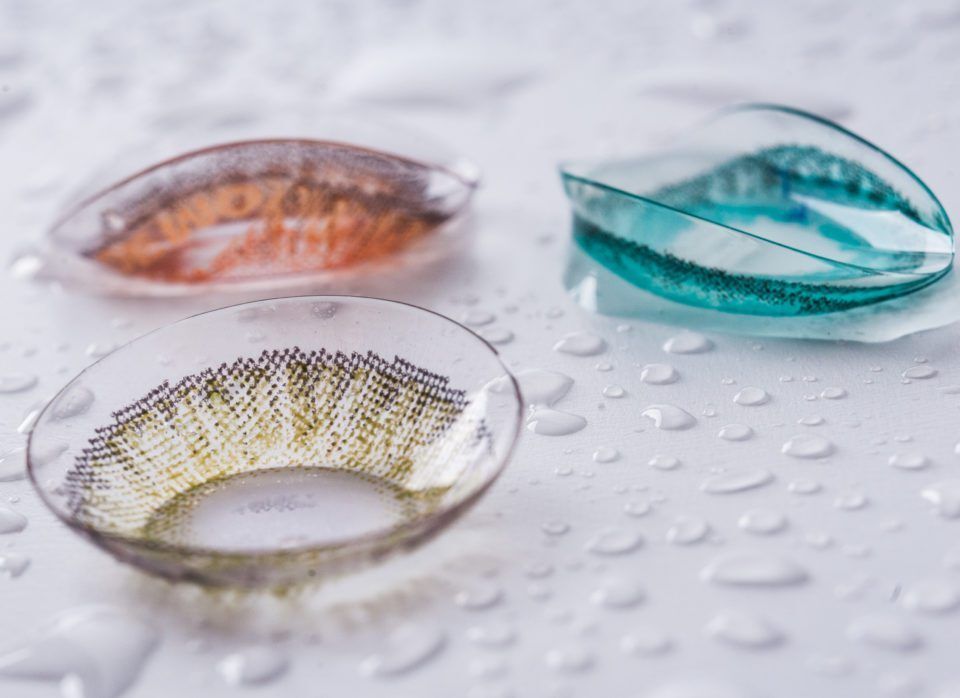
Colored contact lenses offer a non-permanent way to transform your eye appearance without surgery. Whether you want a subtle enhancement or a dramatic cosplay-inspired look, colored lenses let you experiment with different eye colors while keeping your natural eyes untouched beneath the surface. 👁️✨
Since all contact lenses are considered medical devices by the FDA, obtaining a proper prescription and fitting from a licensed eye care professional is essential, even if you do not need vision correction.
Types of Colored Contact Lenses
Enhancement Tint Lenses
Enhancement tints feature translucent coloring designed to intensify your natural eye color rather than completely cover it. These lenses work especially well on lighter eyes such as blue, green, or hazel, creating a richer and more luminous effect.
Opaque Colored Lenses
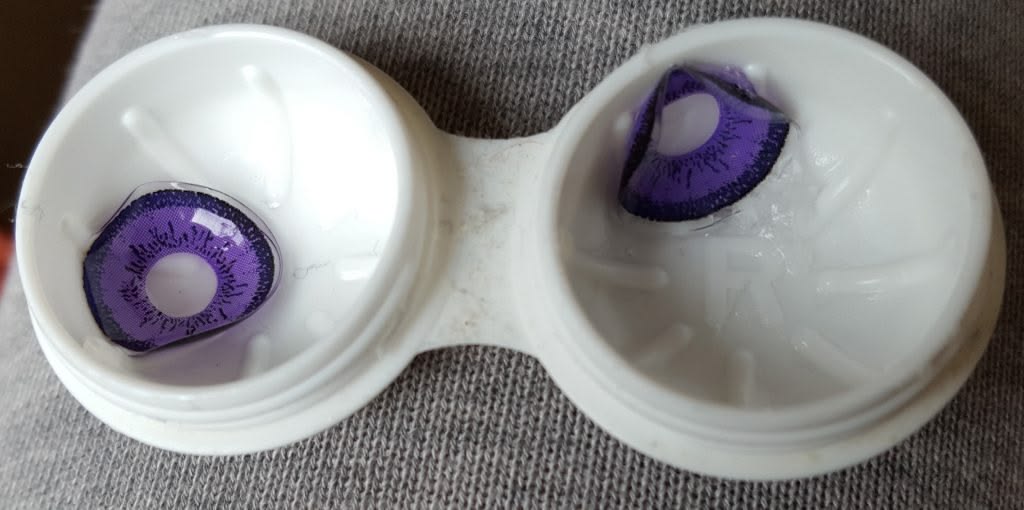
Opaque lenses provide full-color coverage that can completely transform your eye appearance. They are popular for both beauty and cosplay looks because they work on light and dark eyes alike. From icy grey to emerald green or vivid violet, opaque lenses create bold color changes while modern designs still maintain realistic iris depth.
Visibility Tint Lenses
Visibility tints include a faint blue or green tint that helps users locate the lens during insertion and removal. These do not noticeably change your eye color and are mainly designed for convenience.
Blended Color Lenses
Blended lenses use layered color gradients and detailed iris patterns to mimic the complexity of natural eyes. The gradual transition between tones creates a softer and more believable appearance compared to flat-color designs.
Prescription vs Non-Prescription Colored Contacts
Even if you have perfect eyesight, colored contacts should still be professionally fitted. Non-corrective cosmetic lenses, sometimes called plano lenses, alter eye color without changing vision, but they still sit directly on the eye and require accurate sizing.
Improperly fitted lenses can lead to irritation, scratches on the cornea, infections, and more serious eye complications. A professional fitting helps ensure the lenses match your eye curvature and diameter comfortably and safely.
Studies have shown that cosmetic lens misuse significantly increases the risk of eye infections, especially when lenses are purchased from unverified sellers or worn incorrectly.
Choosing Natural-Looking Colored Contacts
Modern colored lenses are designed with advanced multi-tone patterns that imitate the texture and depth of a real iris. This creates a more seamless and realistic appearance instead of a flat “doll-eye” effect.
For Light Eyes
If you already have light-colored eyes, enhancement tones can amplify your natural shade while keeping the result soft and believable.
For Dark Eyes
Opaque lenses with layered pigments can effectively cover darker irises while still preserving dimension and realism through detailed ring patterns and blended color transitions.
Lenses with iris diameters close to the average natural iris size often create the most authentic appearance for daily wear and beauty looks.
How to Safely Wear Cosmetic Contact Lenses
Safe lens habits are essential for protecting eye health and maintaining comfort.
Important Safety Tips
- Wash and dry your hands thoroughly before touching lenses
- Buy lenses only from trusted retailers that follow prescription verification practices
- Use proper contact lens solution for cleaning and storage
- Never rinse lenses with water or saliva
- Replace your lens case regularly
- Do not share contact lenses with anyone
- Remove lenses before sleeping, swimming, or showering
- Refresh storage solution frequently and disinfect lenses as instructed
Consistent hygiene helps reduce the risk of irritation, dryness, and infection.
Daily vs Extended Wear Colored Contacts
Colored contacts come in different replacement schedules depending on your lifestyle and wearing habits.
Daily Disposable Lenses
Daily lenses are single-use and discarded after each wear. They provide the highest level of convenience and hygiene, making them ideal for occasional use, cosplay events, or people with sensitive eyes.
Monthly Replacement Lenses
Monthly lenses offer a balance between affordability and practicality. With proper cleaning and storage, they work well for regular wear.
Long-Term Colored Lenses
Longer replacement cycles require more careful maintenance and cleaning routines. These lenses are often chosen by experienced users who wear colored contacts frequently and want extended usability.
Making the Right Choice: Safety, Cost, and Long-Term Considerations
Permanent eye color change cost breakdown
Surgical eye color change carries a significant financial burden. Keratopigmentation ranges from $6,000 to $12,000 for both eyes. Laser iris depigmentation costs between $3,000 and $9,000 and often needs multiple sessions. Iris implants run $1,500 to $5,000, though complications often need removal surgeries that add thousands more. The financial reality is that none of these procedures receive insurance coverage because they are elective cosmetic treatments.
Colored contact lenses present much lower costs at $50 to $500 annually.
Comparing safety profiles of all options
Colored contacts remain the safest way to change your eye color if prescribed and fitted right. Among surgical options, keratopigmentation has the best evidence-supported safety profile, though risks include dry eye and light sensitivity. Laser procedures carry glaucoma and uveitis risks. You should avoid cosmetic iris implants due to high complication rates.
Questions to ask before deciding
Ask your surgeon about their specific experience with your chosen procedure. Look into non-invasive alternatives fully before committing to surgery. Understand post-operative sensations and recovery expectations. Confirm whether pre-operative findings make surgery less than ideal.
Finding qualified eye care professionals
Seek board-certified ophthalmologists with specialized training. Verify credentials through national medical councils. Ask for detailed pre-operative assessments including intraocular pressure measurement and endothelial cell counts. Request transparent complication data, not just success testimonials.
Conclusion
Changing your eye color might seem appealing, but the risks are nowhere near worth the benefits. Iris implants have complication rates exceeding 90%, and the FDA has approved no surgical option. These procedures can damage your vision and cost thousands of dollars.
Colored contact lenses are a safer alternative. They're reversible and affordable. You can experiment with different looks without risking your eyesight. Properly prescribed contacts let you change your appearance and protect your eye health at the same time.
Consult a board-certified ophthalmologist and explore contact lens options before you think about surgery. Your vision is irreplaceable, so make choices that prioritize safety over cosmetic trends.
FAQs
Q1. Can you permanently change your eye color safely? While several permanent eye color change procedures exist, including keratopigmentation, laser iris depigmentation, and iris implants, none are FDA-approved for cosmetic purposes and all carry significant risks. Colored contact lenses remain the safest option for changing eye color, as they are reversible and, when properly prescribed by an eye care professional, pose minimal risk compared to surgical alternatives.
Q2. What is the cost of permanent eye color change surgery? Permanent eye color change procedures are expensive and not covered by insurance. Keratopigmentation typically costs between $6,000 to $12,000 for both eyes, laser iris depigmentation ranges from $3,000 to $9,000, and iris implants cost $1,500 to $5,000. Additional costs may arise from treating complications or removal surgeries. In contrast, colored contact lenses cost only $50 to $500 annually.
Q3. Is it possible to change eye color naturally without surgery? No, you cannot change your eye color naturally or permanently without medical intervention. Eye color is determined by genetics and the amount of melanin in your iris. While some babies' eyes darken during their first months of life as melanocytes produce more melanin, adult eye color remains stable unless altered through surgical procedures or temporarily changed with colored contact lenses.
Q4. What are the main risks of eye color change surgery? Eye color change surgeries carry serious risks including vision loss, glaucoma, chronic inflammation, corneal damage, and increased eye pressure. Studies show that over 90% of patients who receive cosmetic iris implants experience complications, with many requiring implant removal. Other procedures like laser depigmentation can cause uveitis, pigment dispersion, and drainage system blockage leading to elevated eye pressure.
Q5. What is the safest alternative to permanent eye color change? Colored contact lenses are the safest alternative for changing eye color. They are FDA-regulated medical devices that require a prescription from a licensed eye care professional. Available in enhancement tints for subtle changes or opaque tints for complete color transformation, they offer a reversible, affordable option without the serious risks associated with surgical procedures. Proper fitting, hygiene, and following care instructions ensure safe use.
Commentaire