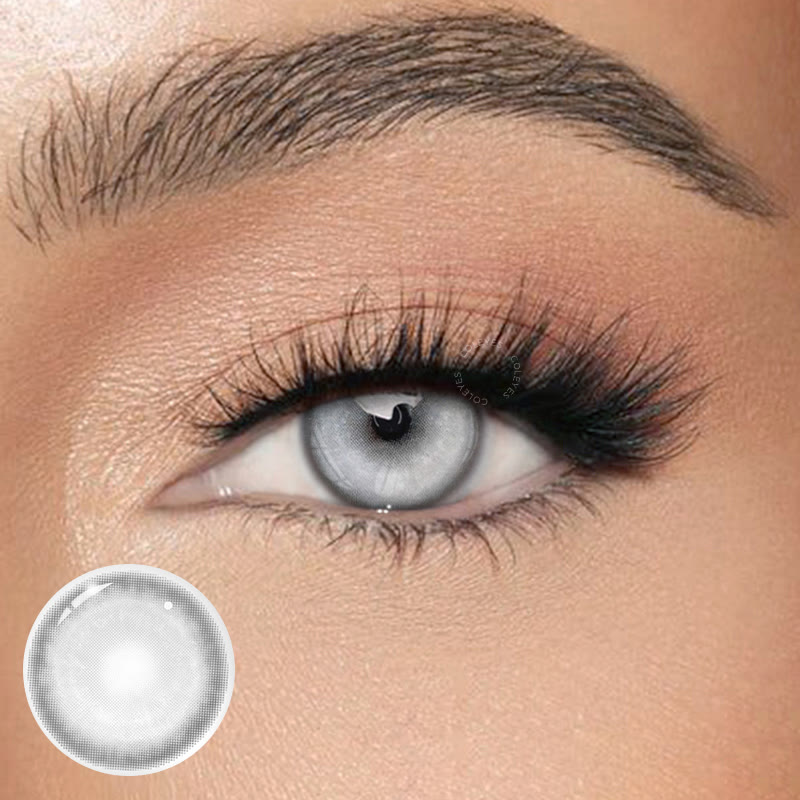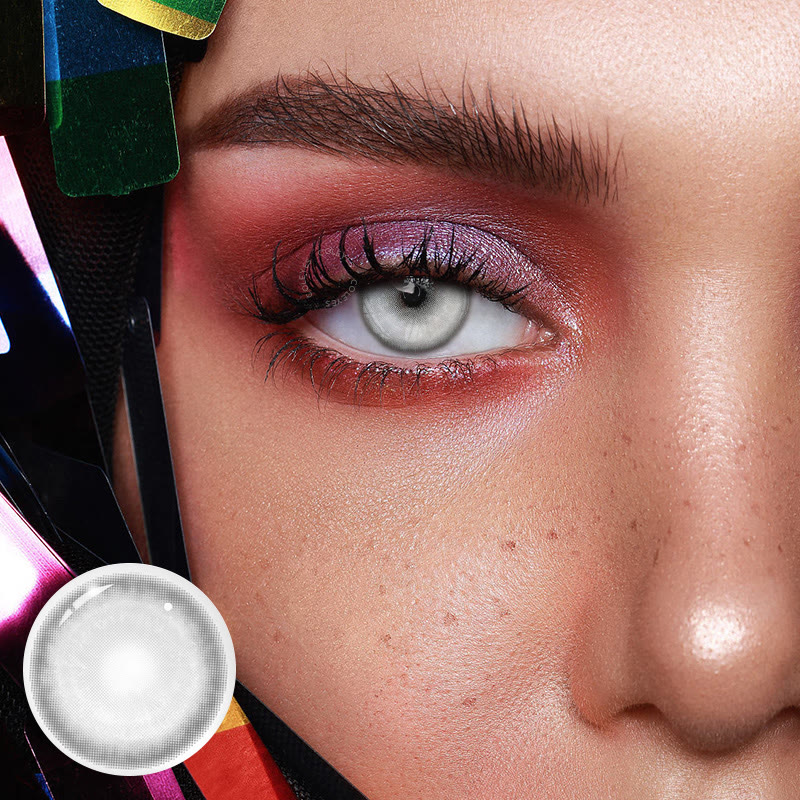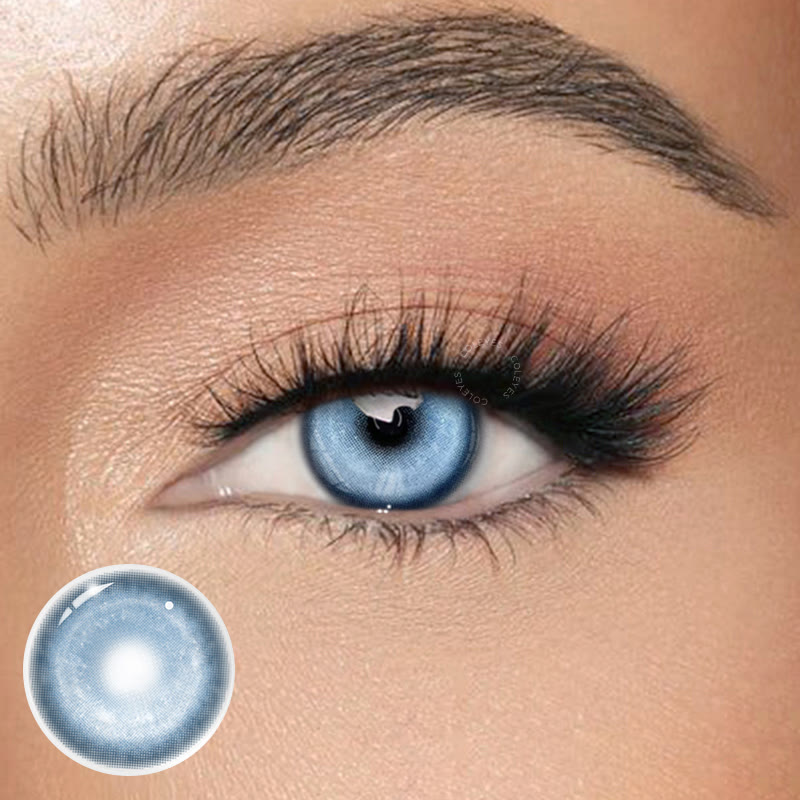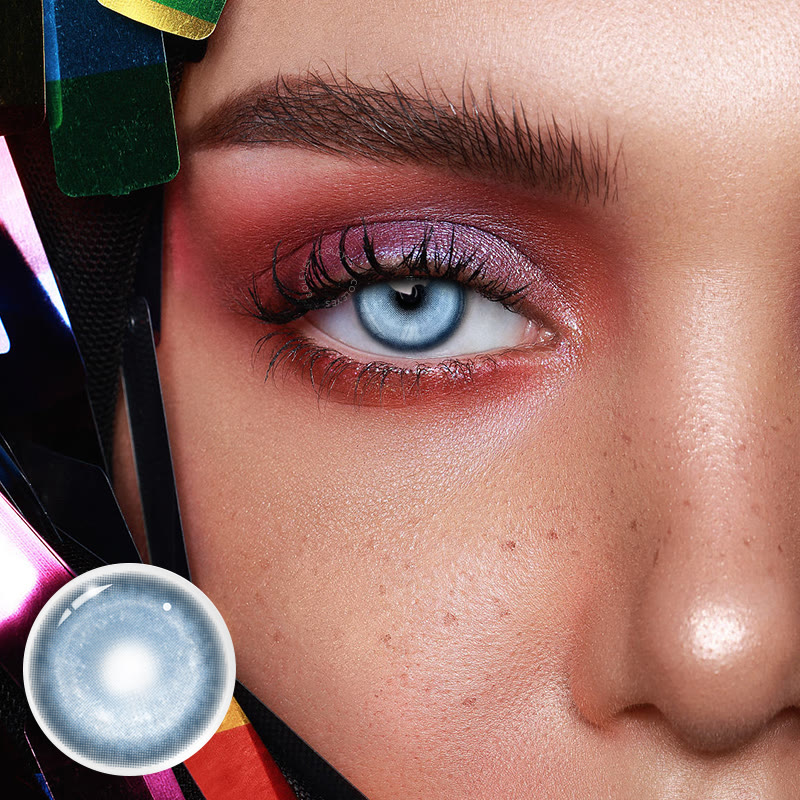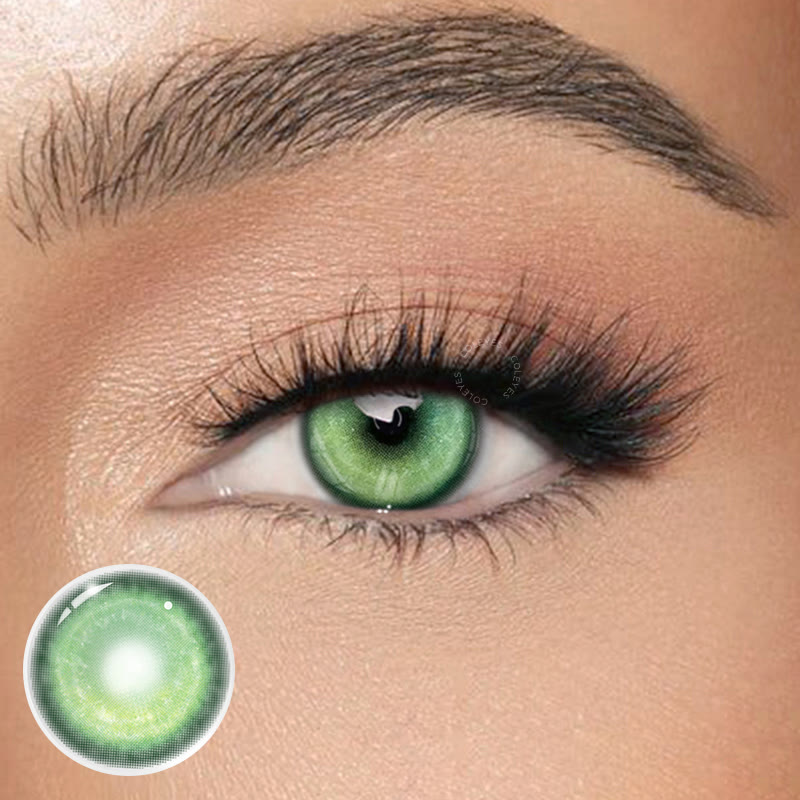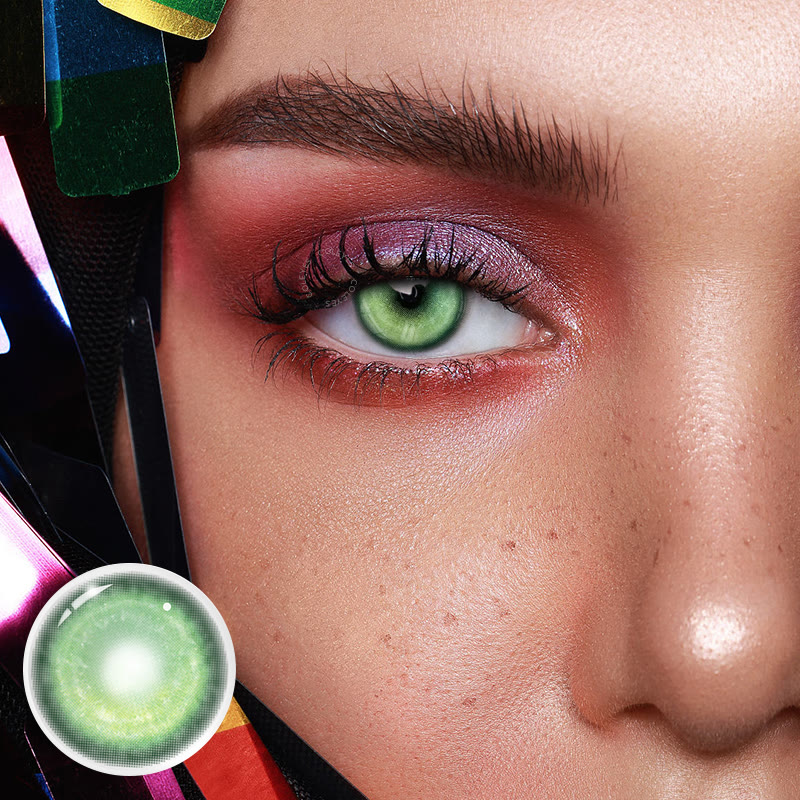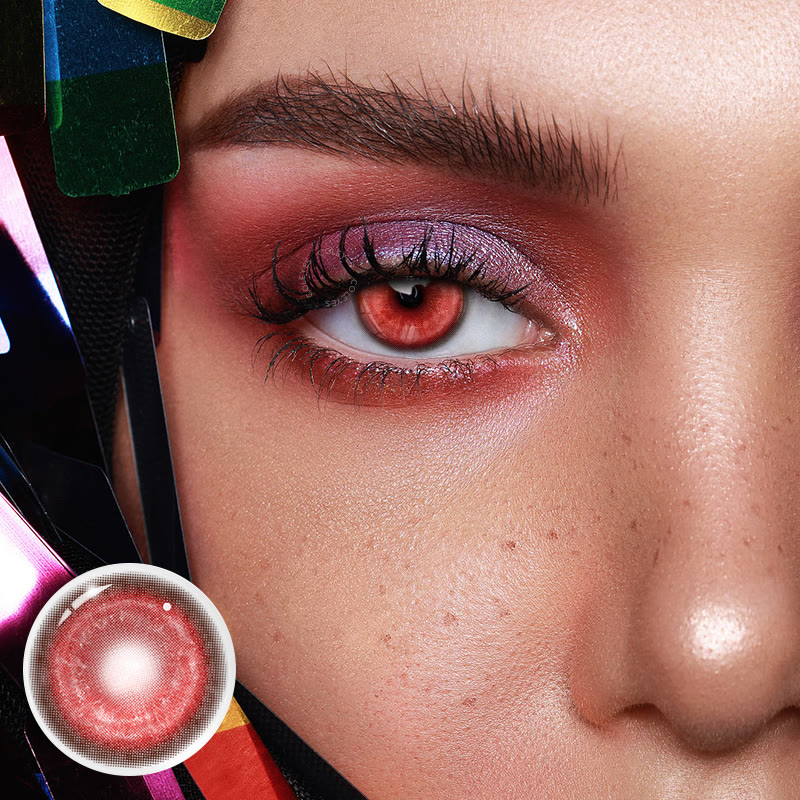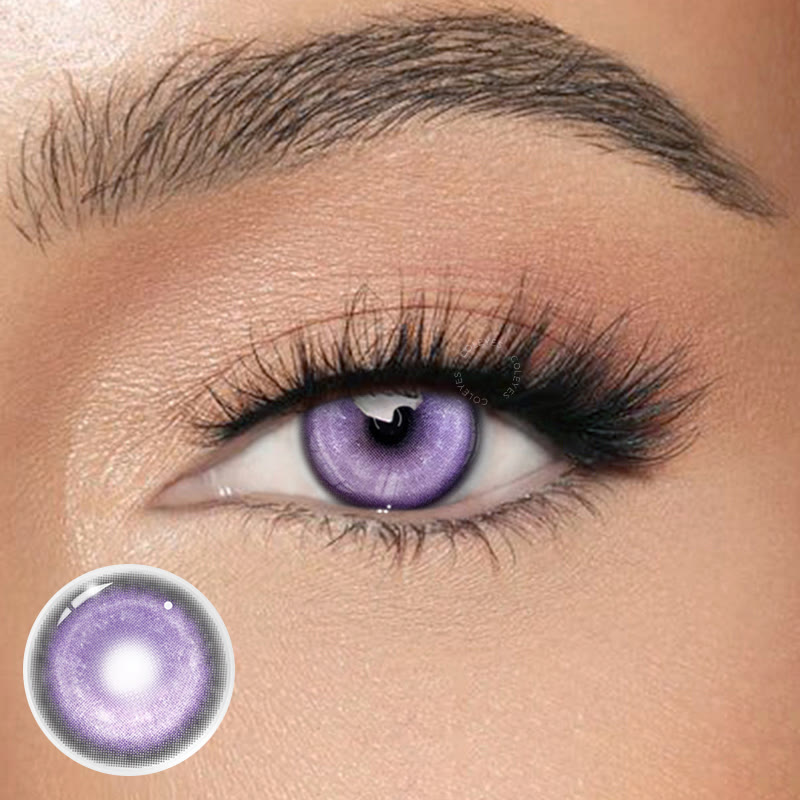

Novelty contact lenses might seem like a fun accessory, but 1 in 4 women have reported using non-prescription contacts. The consequences can be severe. About 60% of wearers experienced eye problems such as pain, redness and swelling. Halloween contact lenses and costume contact lenses can transform your look, but wearing them without proper precautions can lead to infections and decreased vision.
You can safely wear colored contacts with a prescription from an eye doctor. This piece will walk you through everything you need to know about prescription novelty contact lenses. We'll cover the risks of non-FDA approved options, how to purchase safely, and common mistakes to avoid when wearing creepy contacts for your next event.
Understanding Novelty Contact Lenses: Types and Uses
Colored Contacts for Everyday Fashion
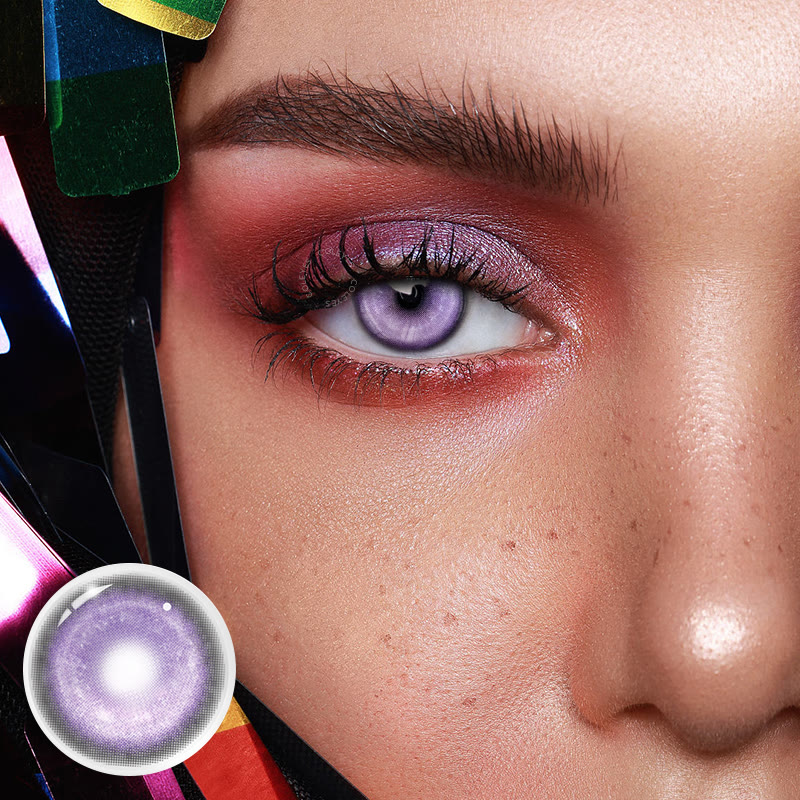
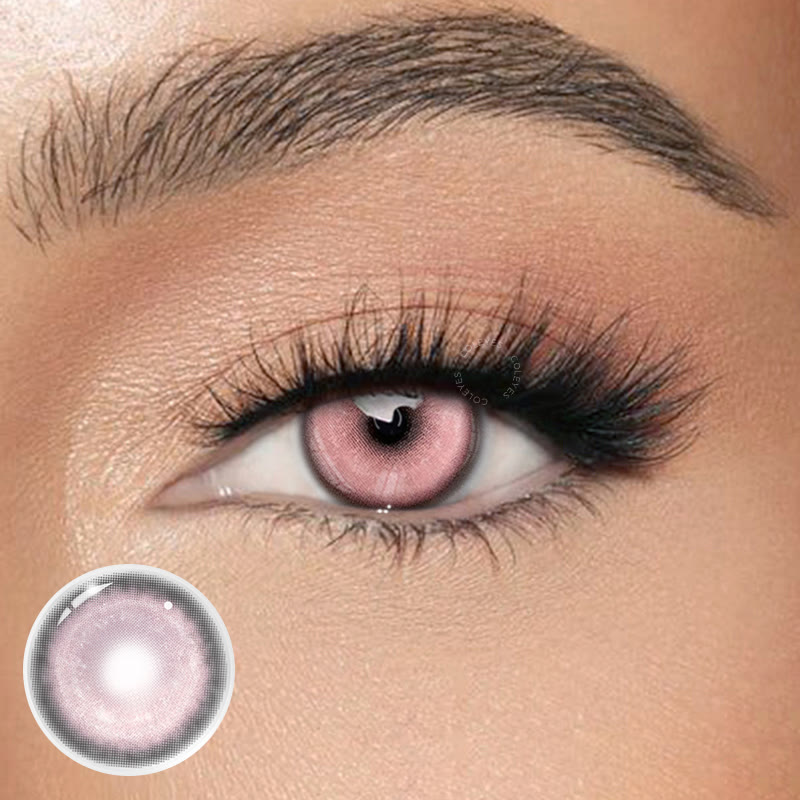
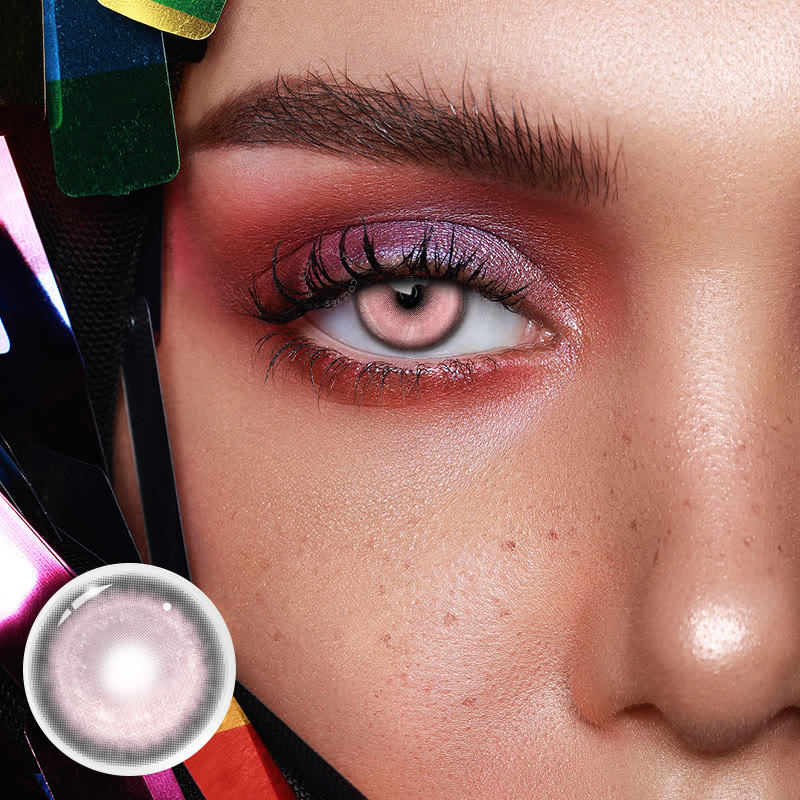
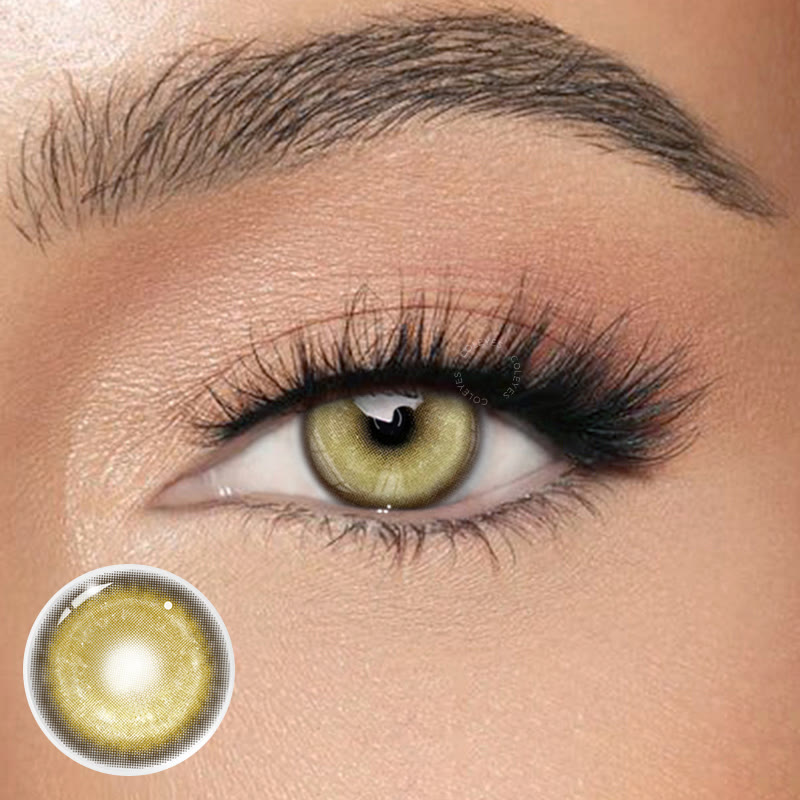
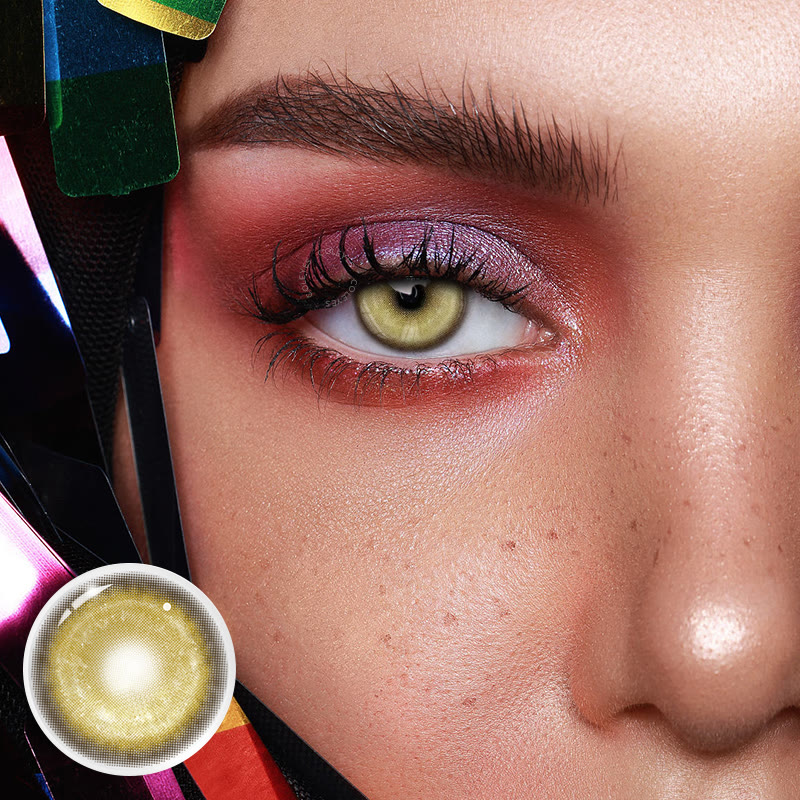
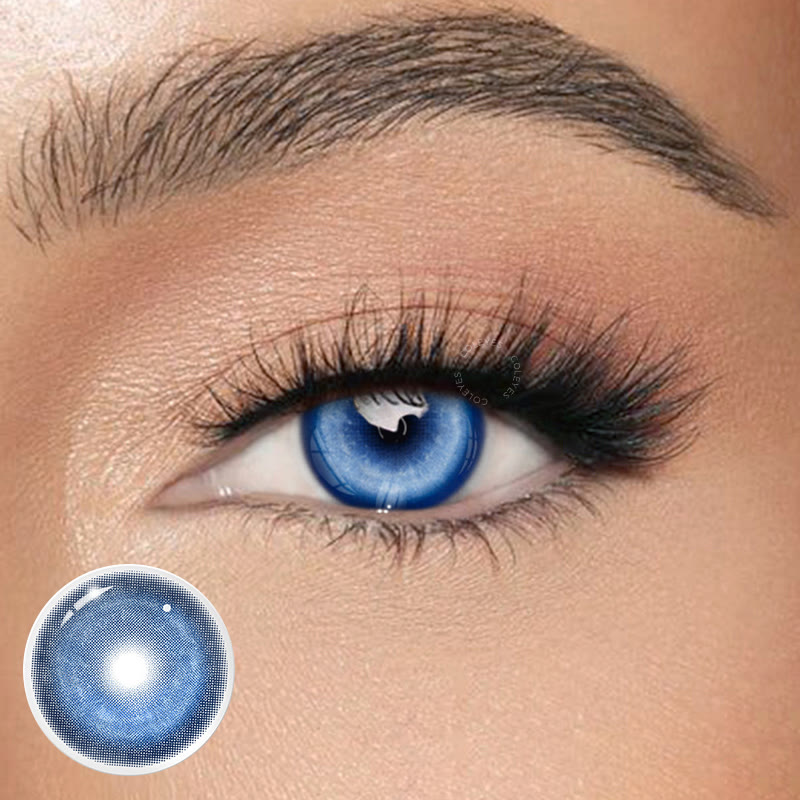
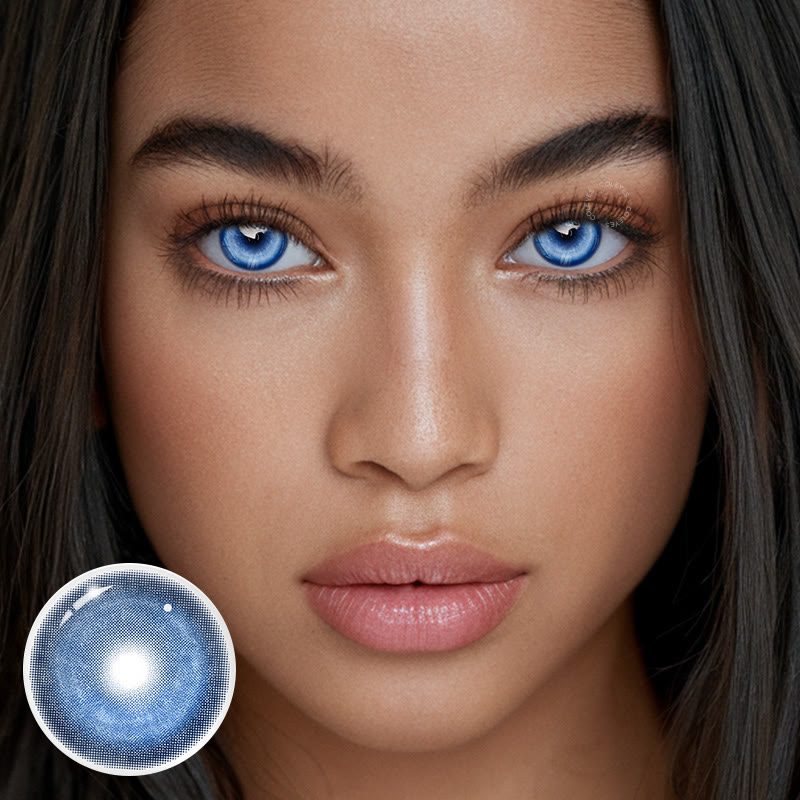
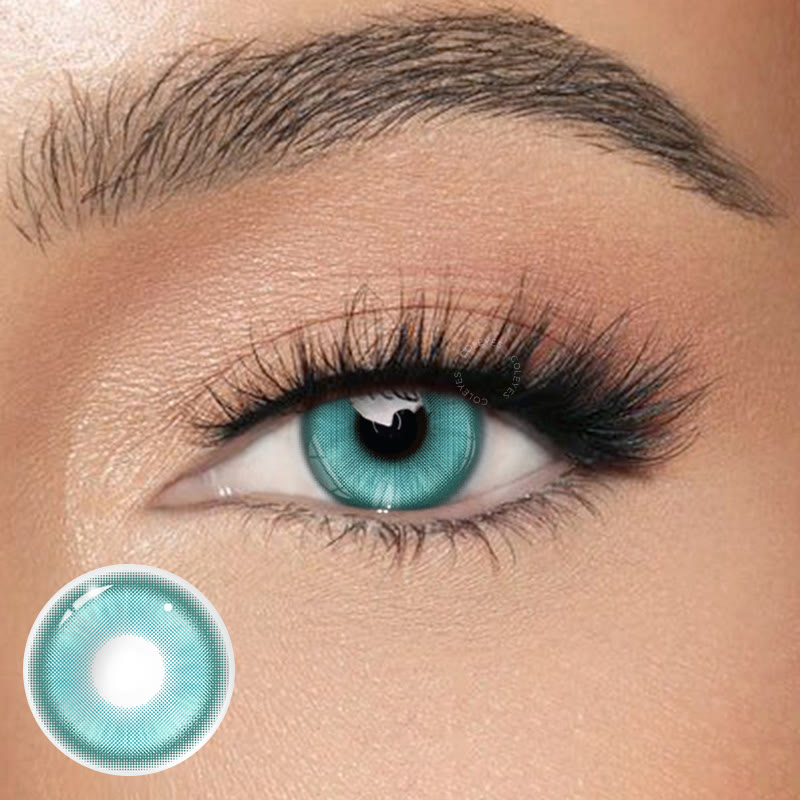
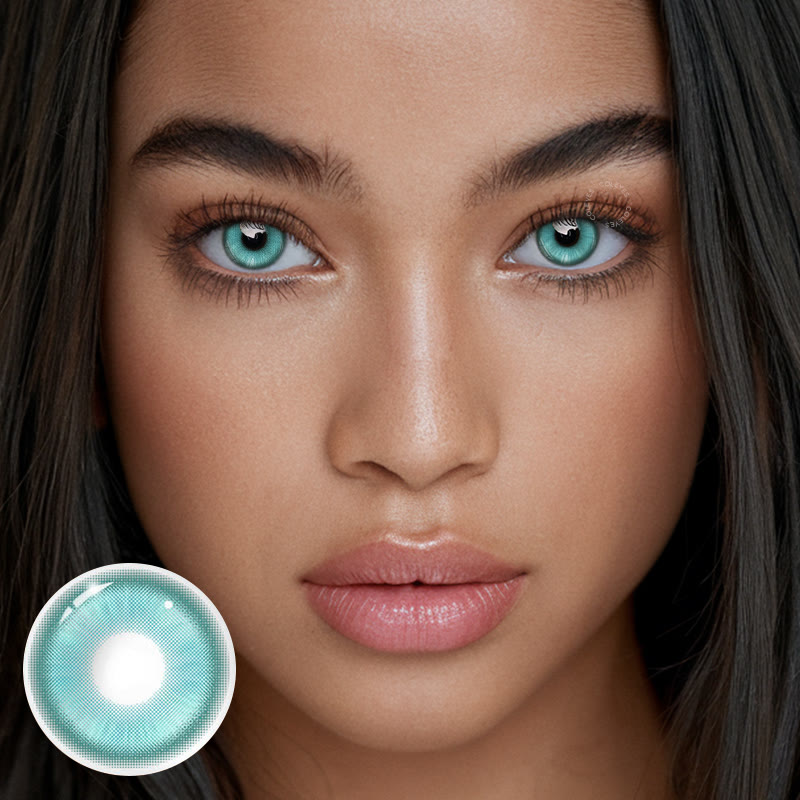
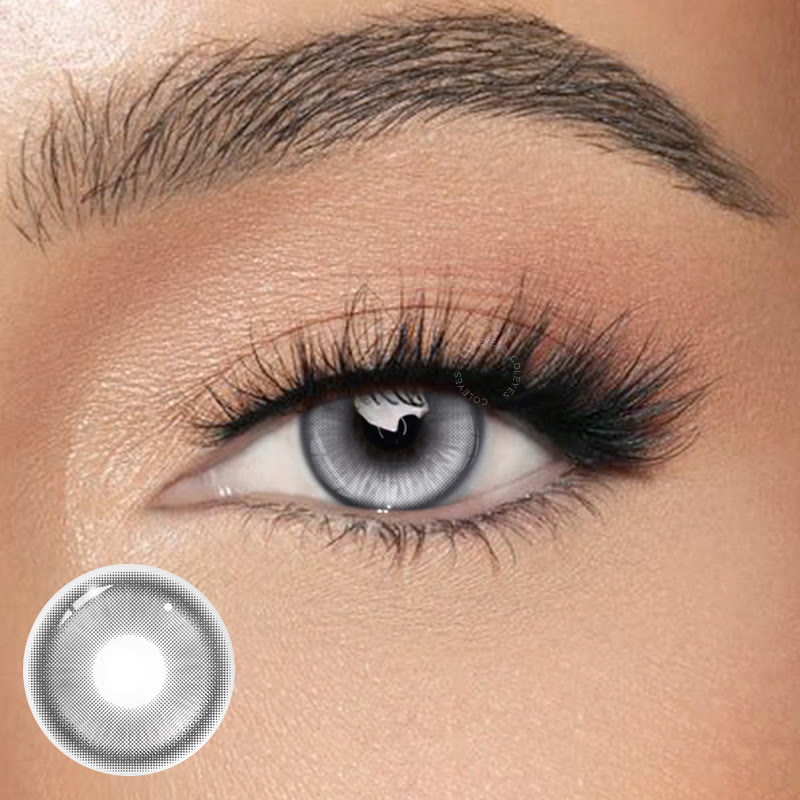
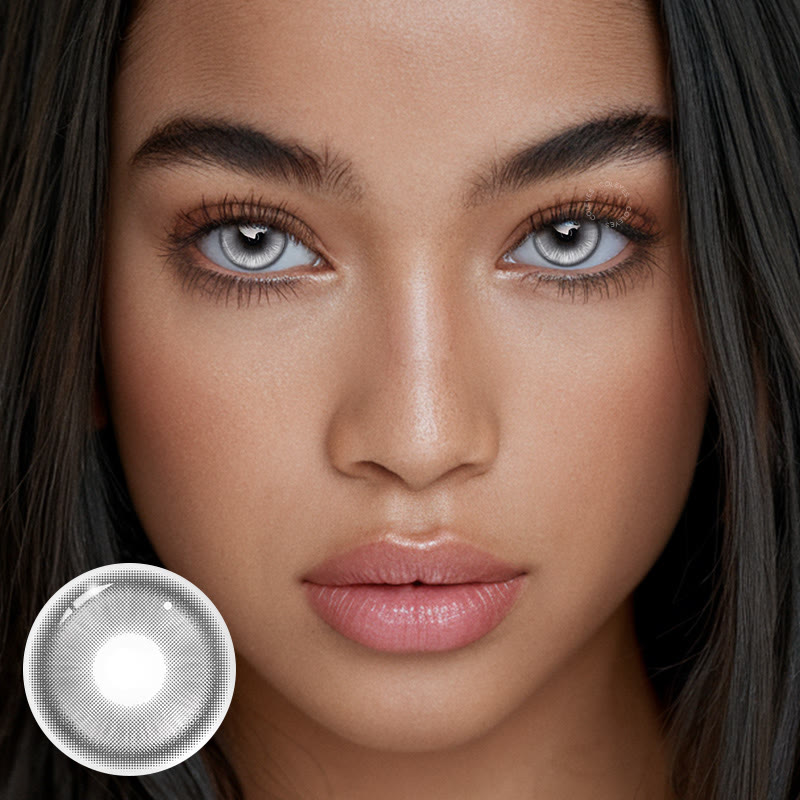
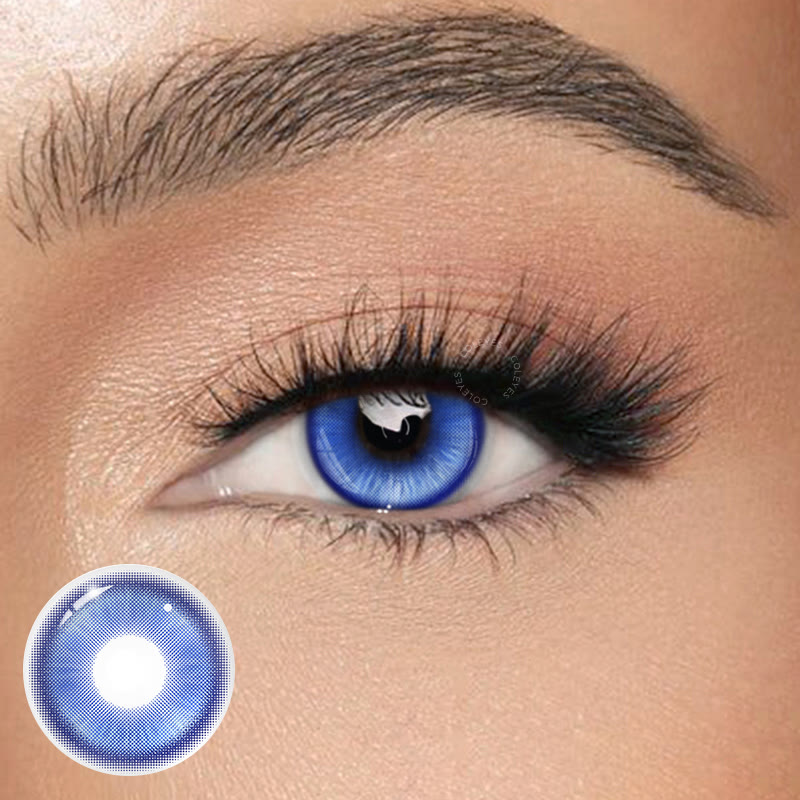
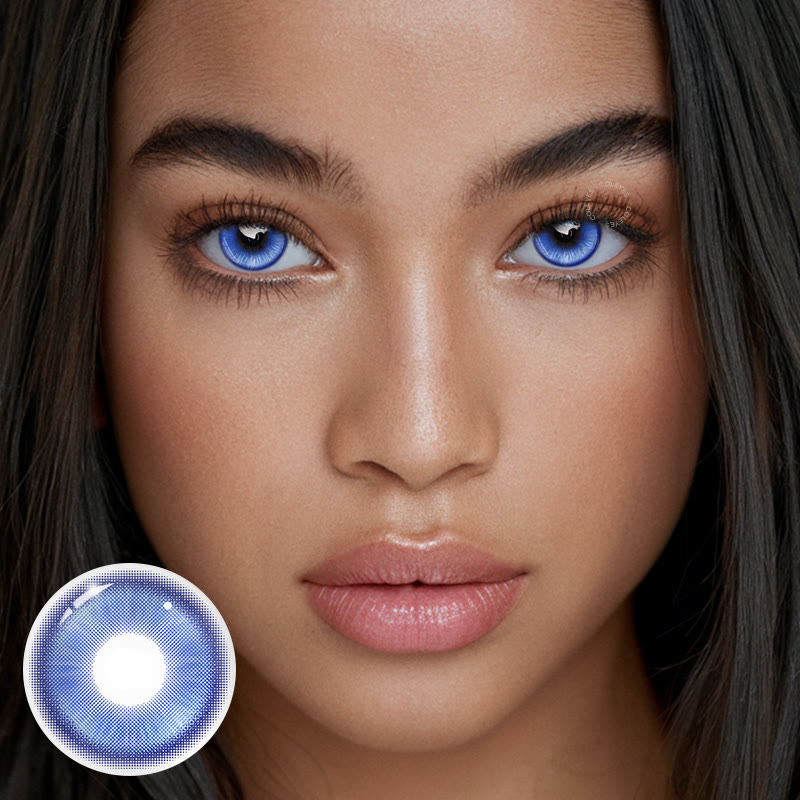
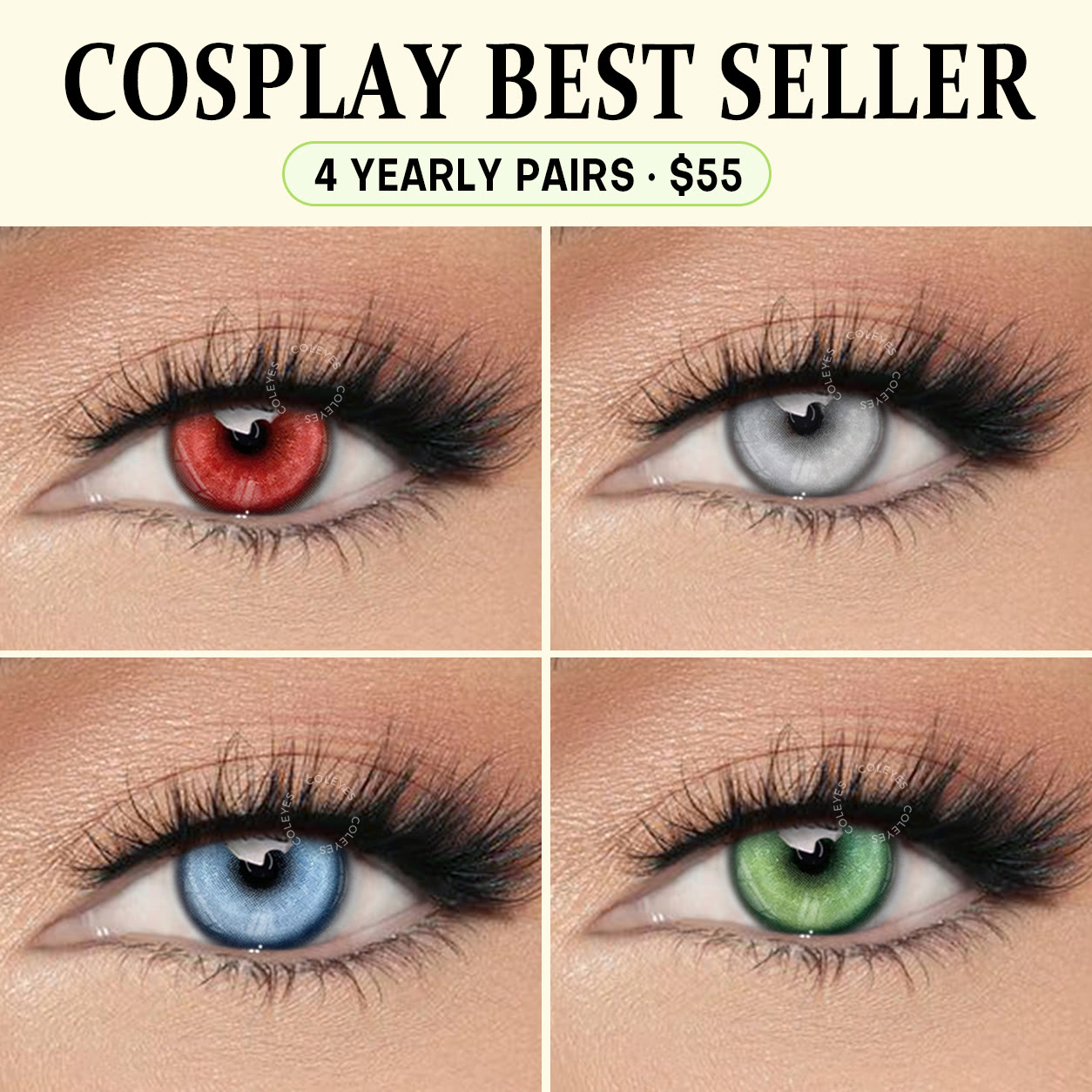
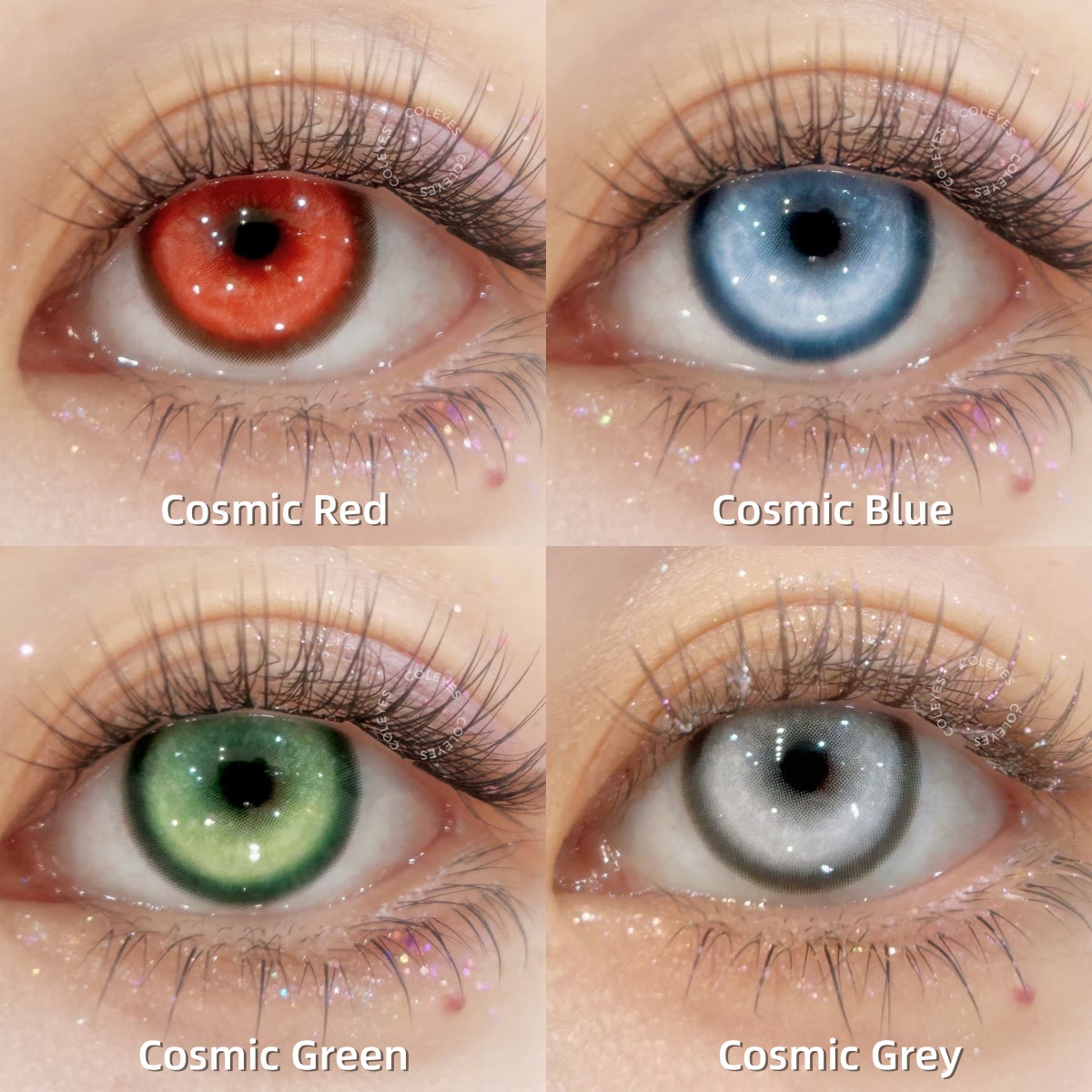
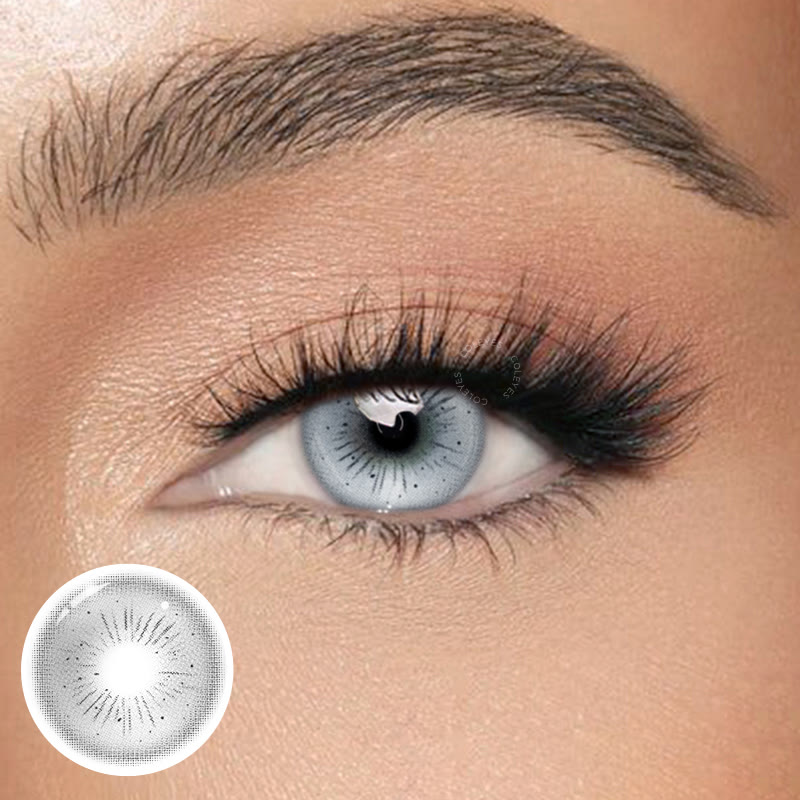
Colored contacts change your eye color temporarily and come in several tint variations. Enhancement tints work with your natural eye color and make it appear more vibrant. Opaque tints cover your natural iris color and give you a brand new hue. Blending tints mix with your existing eye color for a subtle change. Visibility tints help you locate the lens but don't alter your appearance.
People wear colored contacts for multiple reasons beyond fashion. Some use them to correct iris defects or reduce light sensitivity. Athletes wear certain tints to boost visual contrast during sports. Others choose them to express themselves or complement their personal style with different eye colors.
Halloween Eye Contacts and Theatrical Effects
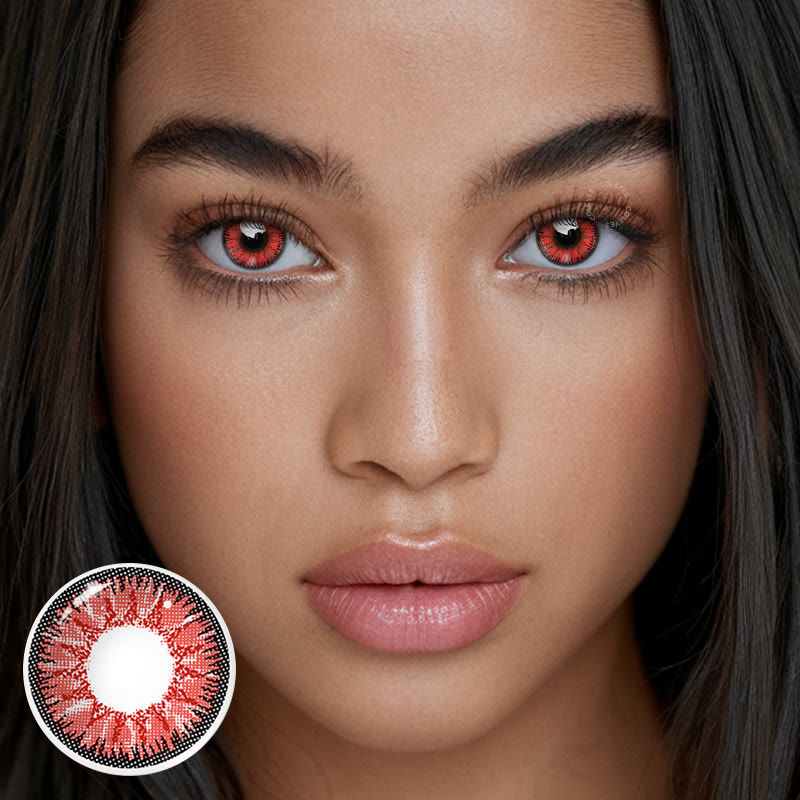
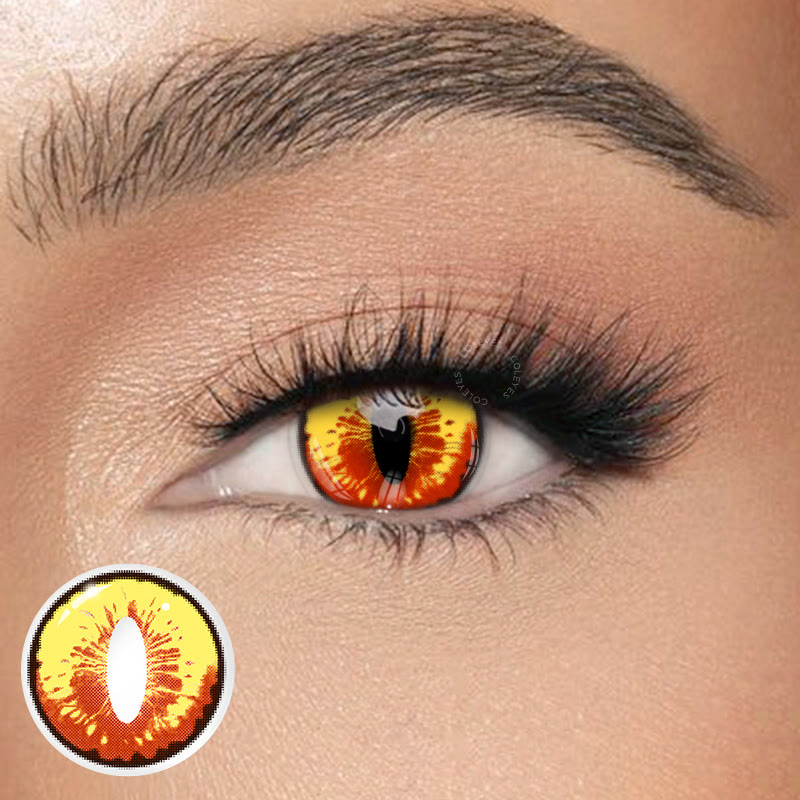
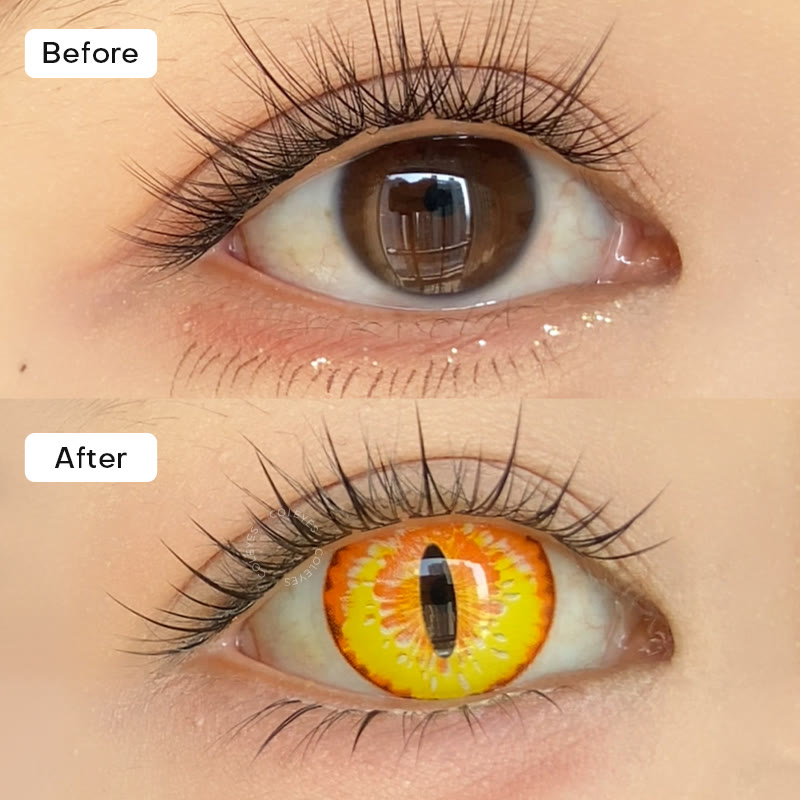
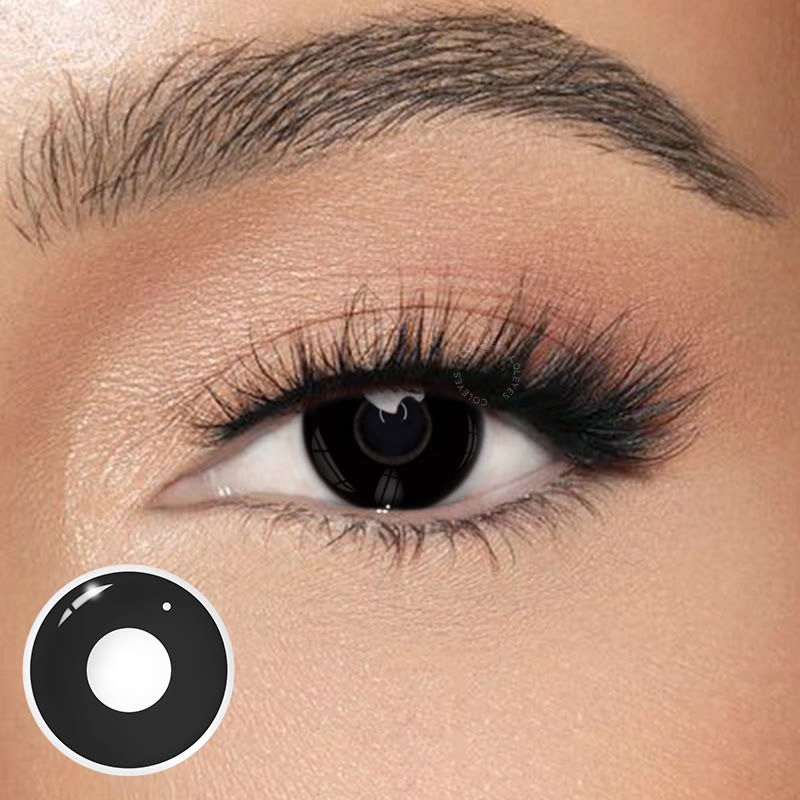
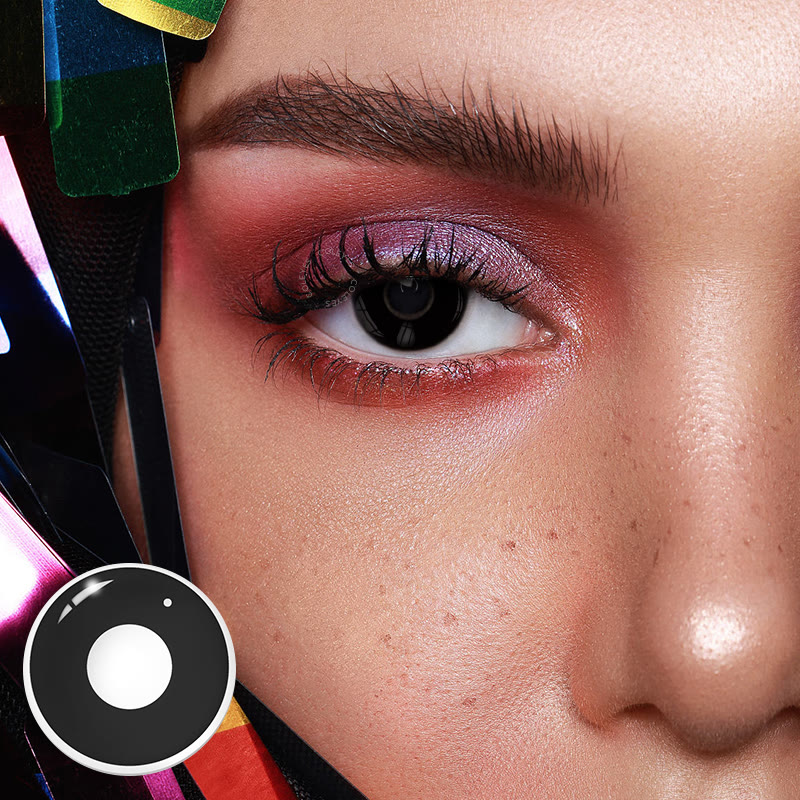
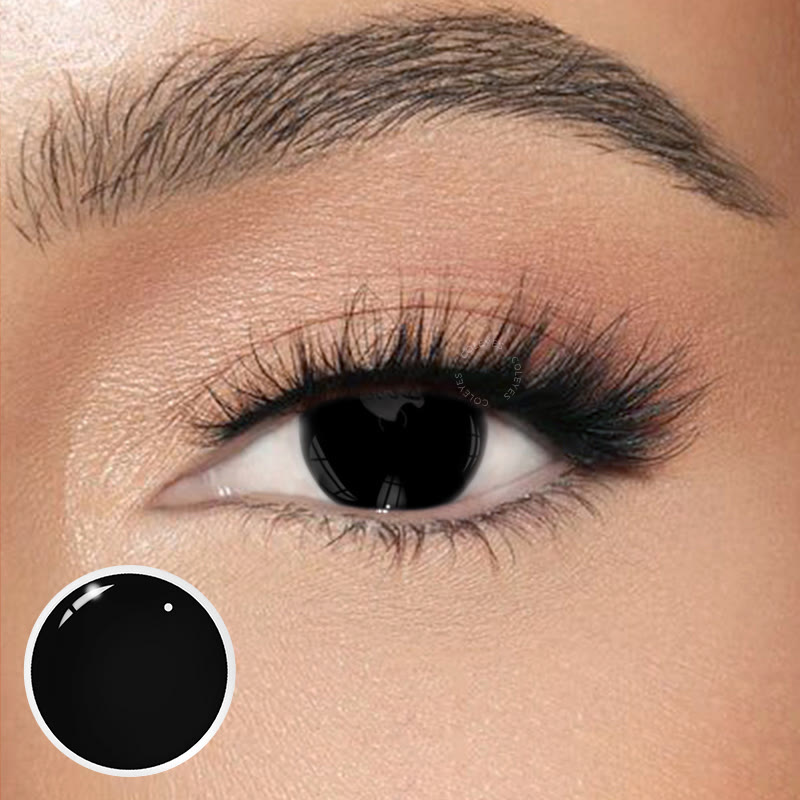
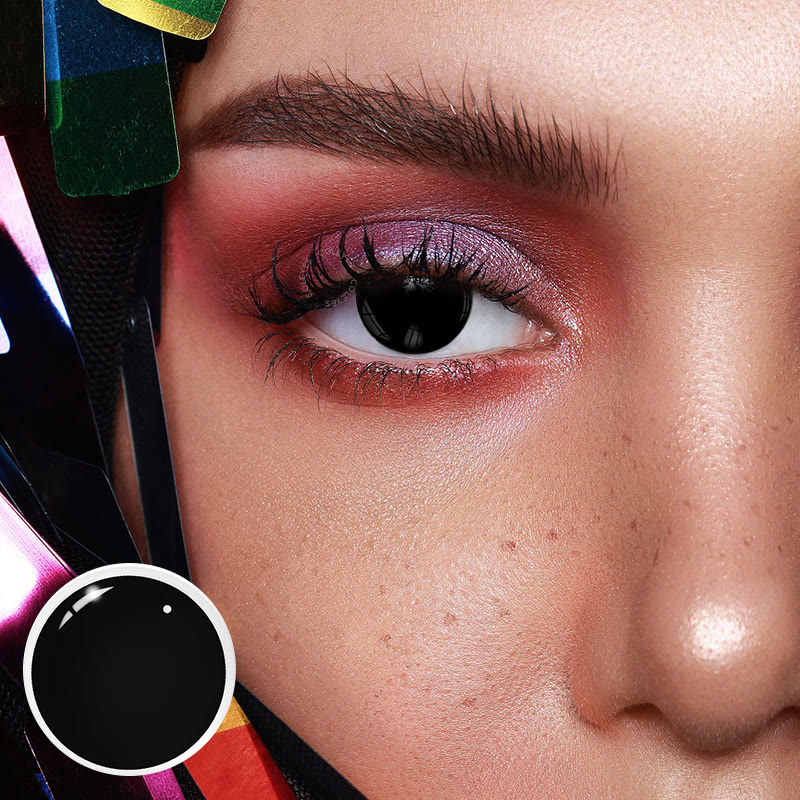
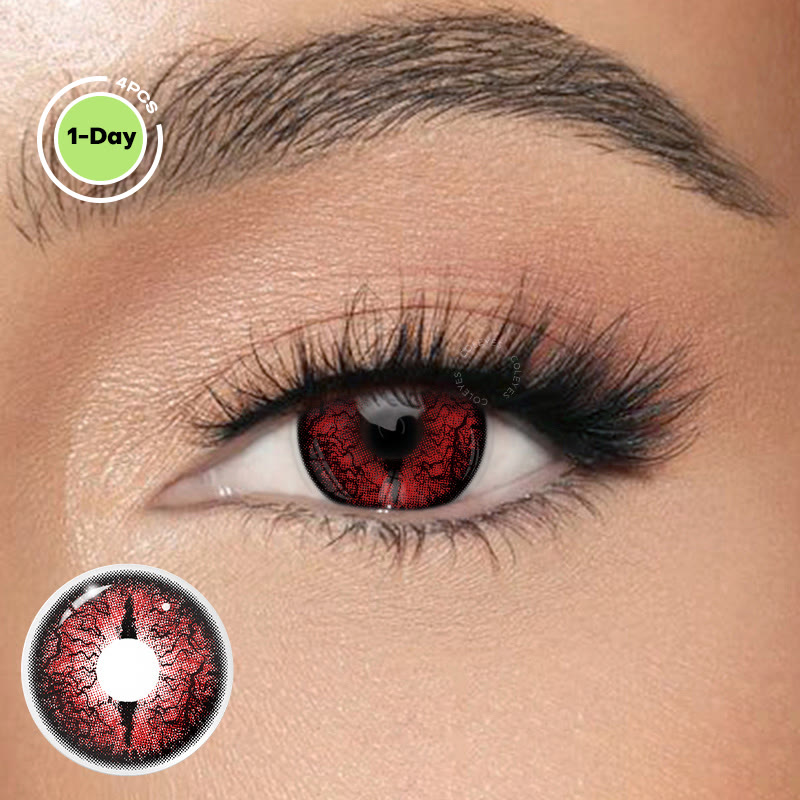
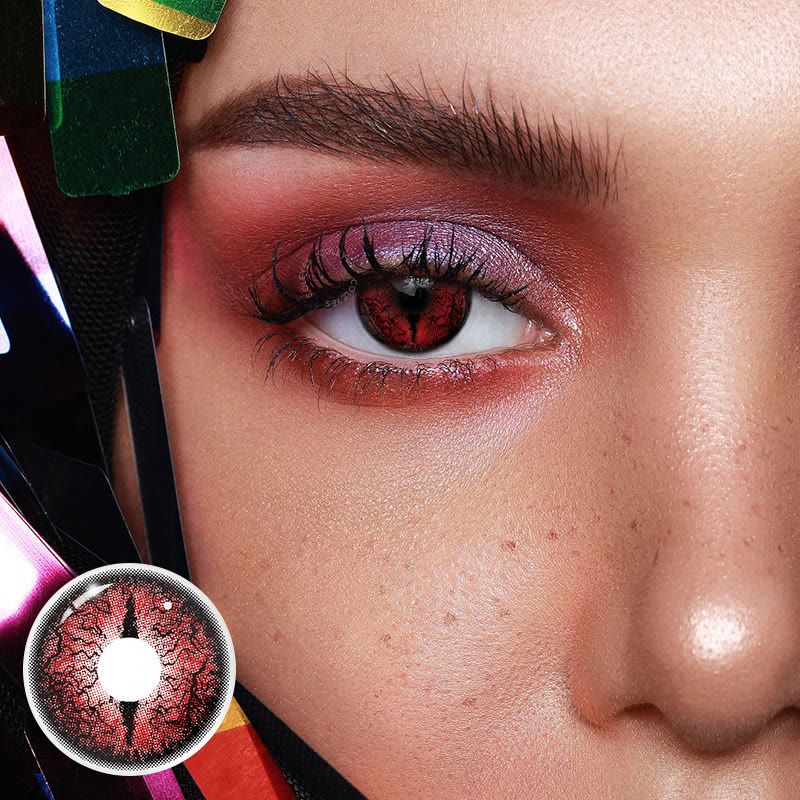
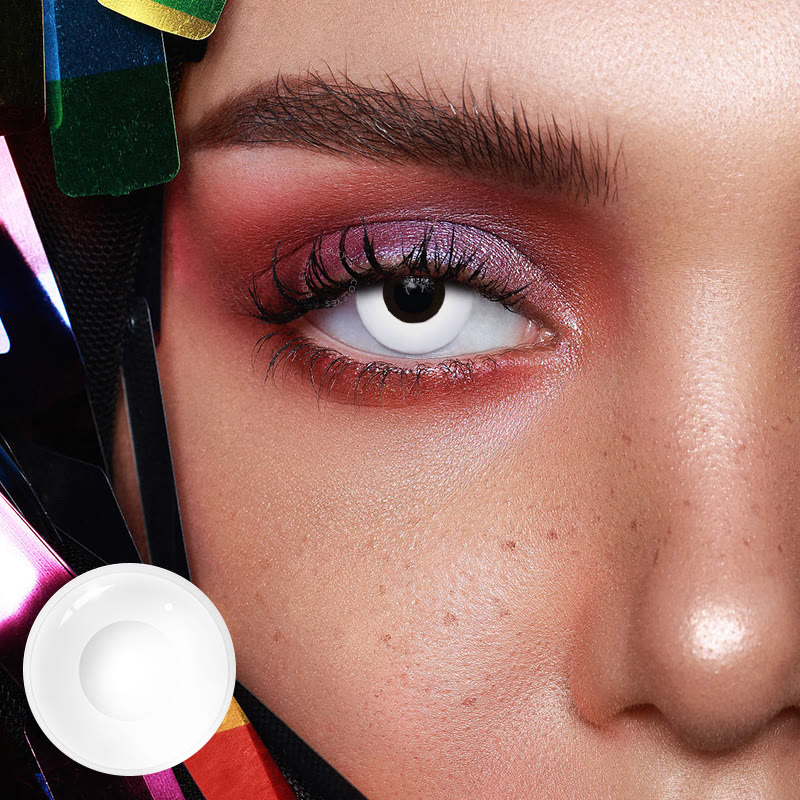
Halloween eye contacts go beyond natural-looking colors. These theatrical lenses create dramatic effects for costumes and film productions. You can find designs that make your eyes look like vampire eyes, zombie whites, cat eyes with vertical pupils, or black irises for demon characters.
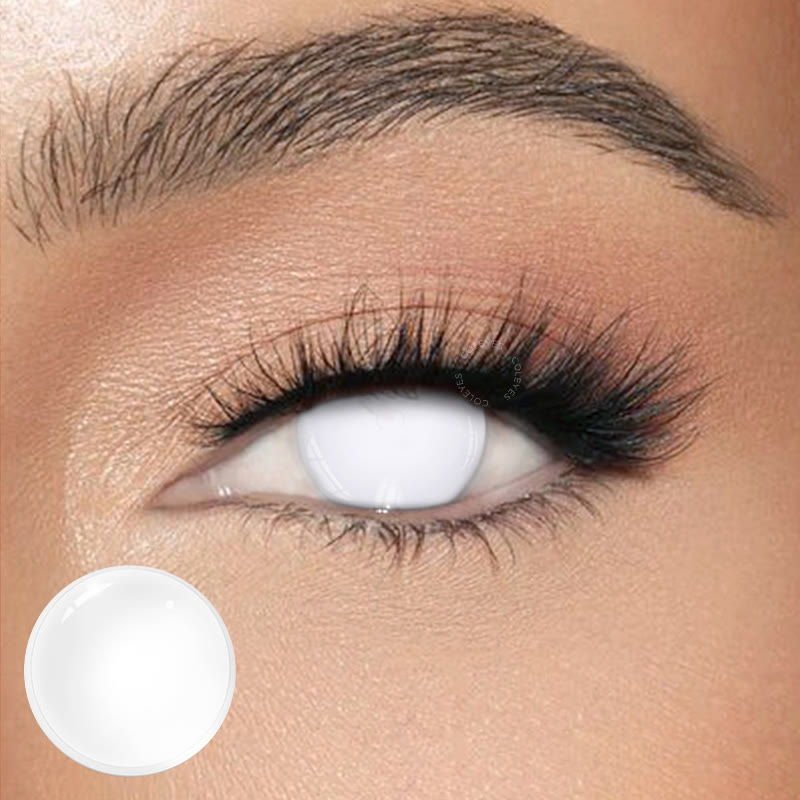
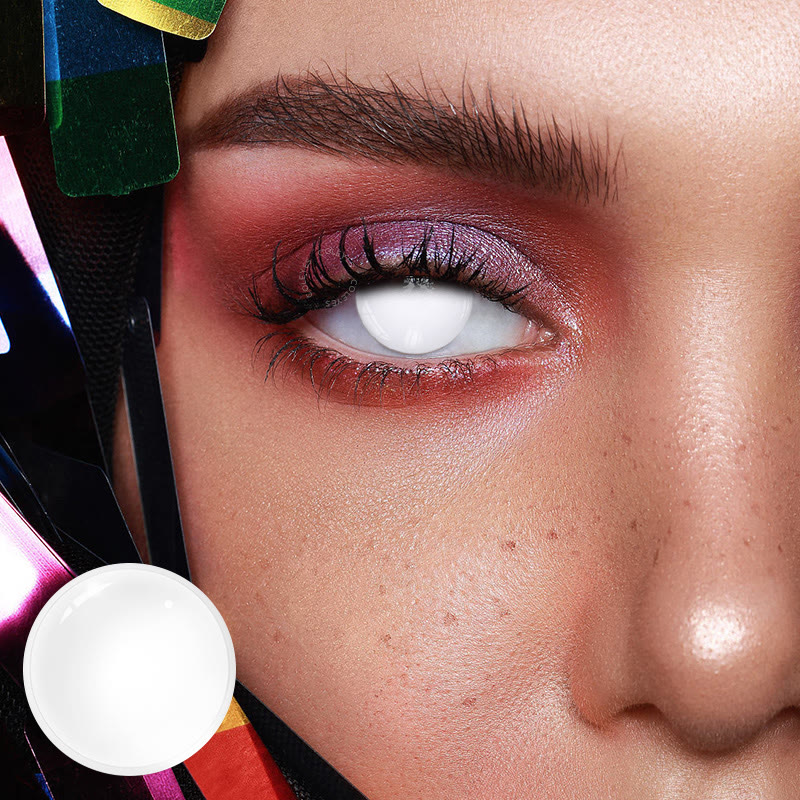
Sclera lenses cover your eyeball's entire white portion and create an intense transformation. Popular sclera styles are black, red (Akuma), and green (Predator). Mini sclera lenses extend beyond the iris without covering the full eye. UV reactive lenses glow under blacklight conditions and are perfect for themed parties and haunted attractions.
Most Halloween contacts are cosmetic, called "plano" lenses. The FDA classifies all contact lenses as medical devices, whatever their purpose. Actors use these same special-effect lenses in Hollywood productions to portray supernatural characters.
Prescription vs Non-Prescription Options
Both prescription and non-prescription colored contacts exist. Prescription lenses correct your vision while changing your eye color. Non-prescription cosmetic contacts alter appearance without vision correction. But in the United States, you cannot get contact lenses without a prescription. You need a valid prescription even for cosmetic lenses.
The prescription confirms your lenses were fitted by a qualified eye care professional. It has lens material and base curve specifications. Many novelty contact lenses now come in corrective strengths from 0.00 down to -6.00 for those needing vision correction among other cosmetic effects.
Why Novelty Contact Lenses Without Prescriptions Are Dangerous
Corneal Abrasions and Scratches from Poor Fit
Contact lenses that don't fit your eyes scrape against the corneal surface with every blink. Your eye's outer protective layer gets painful scratches called corneal abrasions. Laura Butler experienced severe pain just 10 hours after inserting non-prescription lenses that "stuck to my eye like suction cups." She now lives with a corneal scar and vision damage. Her eyelid droops.
These scratches open pathways for bacteria to enter. Corneal abrasions can progress into corneal ulcers, which appear as white dots on your iris. Ulcers usually respond to eyedrop medicine, but healing often leaves permanent scars that compromise your vision. Severe cases require corneal transplants to restore sight.
Bacterial Infections and Keratitis Risks
Colored contacts increase your risk of keratitis by 16 times compared to regular contact lenses. This bacterial infection attacks the cornea and can destroy your vision within hours if left untreated. About 60% of colored contacts purchased online without a prescription contain bacteria.
Eye infections from non-prescription lenses develop faster. Keratitis causes redness, swelling, discharge and intense pain. Treatment requires aggressive antibiotic therapy, but resistant bacterial strains don't always respond. Some patients need emergency corneal transplants. Robyn Rouse went through transplant surgery after an infection from store-bought lenses. Twelve years later, she still uses daily drops for chronic dry eye and suffers blurry vision.
Reduced Oxygen Flow to Your Eyes
Paints and pigments used in novelty contacts make lenses thicker and less breathable. Your cornea receives oxygen from the air, but these lenses block that supply. Prolonged wear triggers corneal hypoxia, where oxygen-deprived tissue accumulates lactic acid and swells with fluid.
Corneal edema causes hazy vision at first. Extended oxygen deprivation can kill epithelial cells and create corneal cysts. Your eyesight gets compromised.
Cases of Permanent Vision Loss and Blindness
Julian Hamlin bought $20 colored contacts from a gas station without a prescription. He's now blind in his left eye after more than 10 surgeries to treat infections and injuries those lenses caused. Elevated eye pressure destroyed his optic nerve, damage that can't be reversed. He wears an eye patch and has trouble maintaining employment because regular medical visits interfere with work schedules.
How to Get Novelty Contact Lenses Safely
You need to follow proper procedures to get novelty contact lenses and protect your eyes.
Step 1: Schedule an Eye Examination
Contact lens exams differ from standard vision tests. Your optometrist will measure your cornea's curvature using a keratometer or corneal topography. They'll assess your tear film to confirm your eyes produce sufficient moisture for lens wear. First-time wearers receive trial lenses to test fit and comfort before the prescription gets finalized.
Step 2: Get a Valid Contact Lens Prescription
State law determines whether your prescription expires after one or two years. Federal regulation sets a one-year minimum unless medical reasons justify a shorter period. The prescription must include your name, examination date, issue date, expiration date, prescriber information, lens power, material or manufacturer, base curve, and diameter. Your eye care provider must give you a copy once the fitting completes, even if you don't request it.
Step 3: Purchase from Reputable FDA Approved Sources
Order from suppliers that require prescription verification. Legitimate retailers will contact your eye doctor to confirm your prescription details. Check that the manufacturer's name appears on product listings. Review packaging for brand name, lens material, power, base curve, diameter, expiration date, and lot number. Avoid sellers claiming "no prescription needed" or "one size fits all."
Step 4: Learn Proper Cleaning and Storage Methods
Rub and rinse your lenses with fresh multipurpose solution every time you remove them. Never top off old solution in your case. Never reuse lens solution. Clean, rinse, and air-dry your case after each use. Never expose contacts to tap, bottled, distilled, lake, or ocean water.
Step 5: Attend Follow-Up Appointments
Schedule your first follow-up within one to two weeks if you're new to contacts. Wearers who have been using them for years need annual appointments. Contact your eye care professional right away if you experience irritation or infection symptoms.
Common Mistakes People Make with Costume Contact Lenses
Costume contact lenses from unauthorized retailers remain surprisingly common despite being illegal in the United States. Most women who wore non-prescription contacts bought them from costume shops, salons, or novelty stores. These venues often advertise lenses as "one size fits all" or claim you don't need to see an eye doctor. Both statements are false and dangerous. Contact lenses must be tailored to each individual.
Buying Contacts Without Seeing an Eye Doctor
Your eyes' unique measurements determine proper lens fit. You put yourself at risk for corneal damage and infections if you skip the eye examination. About 1 in 7 teens have used cosmetic contact lenses, and most report unsafe behaviors that increase infection risk.
Sharing Lenses with Friends or Family
Never share contact lenses with anyone. Bacteria, viruses, and proteins transfer between users and increase infection risk. Your friend's prescription doesn't match your eye shape or curvature. Shared lenses can transmit contagious conditions like pink eye.
Ignoring Red Flags and Eye Infection Symptoms
Remove your lenses right away if you experience redness, swelling, excessive discharge, or pain. Eye infections progress faster and can become serious within hours. Many people delay seeking medical treatment and put their vision at further risk. See an ophthalmologist right away if symptoms appear.
Conclusion
Novelty contact lenses can change your appearance. But you need to prioritize safety first. Get a valid prescription from an eye care professional. Purchase from FDA-approved retailers and follow proper cleaning protocols. The consequences of cutting corners are severe. Infections and permanent vision loss affect countless wearers each year. Your eyesight is worth the extra effort. Make the smart choice and protect your eyes while enjoying the cosmetic effects you want.