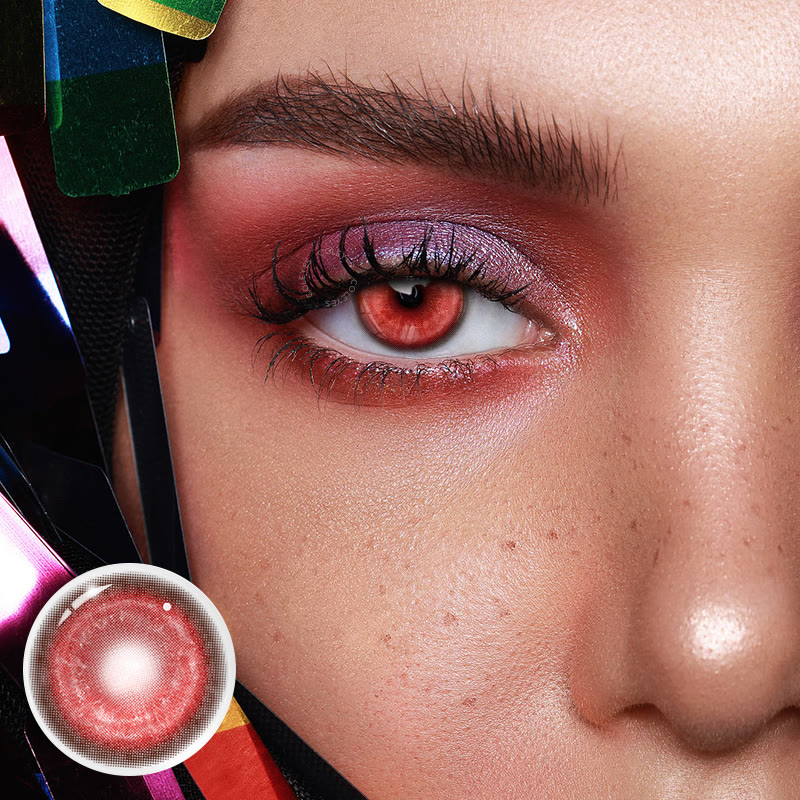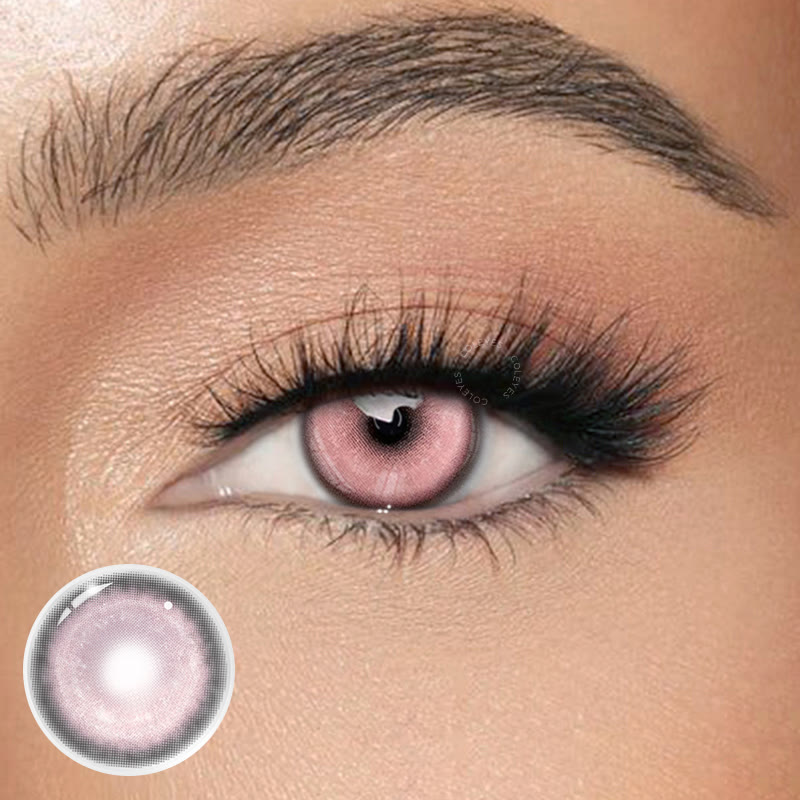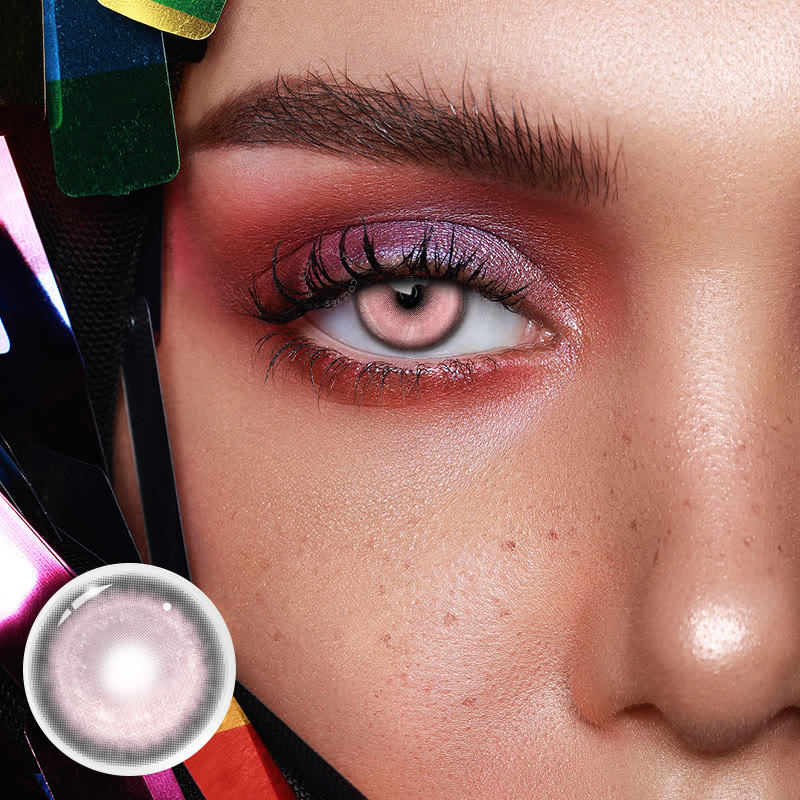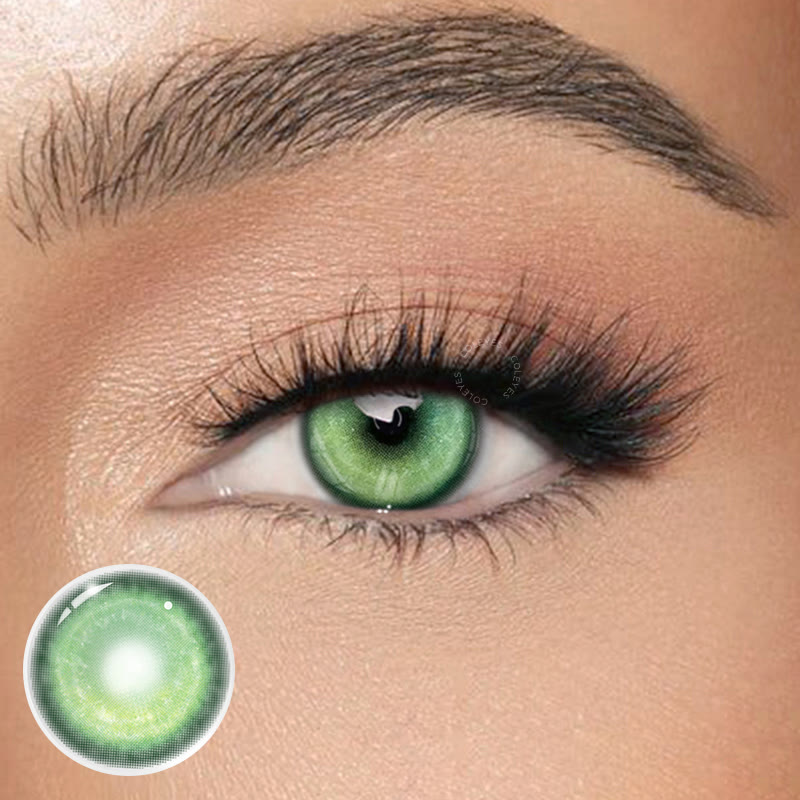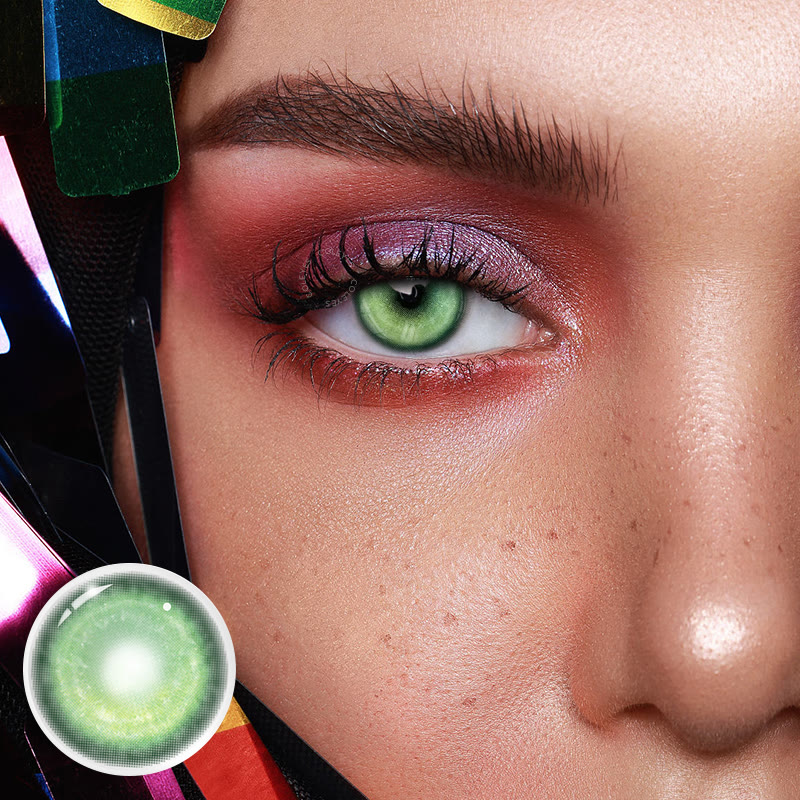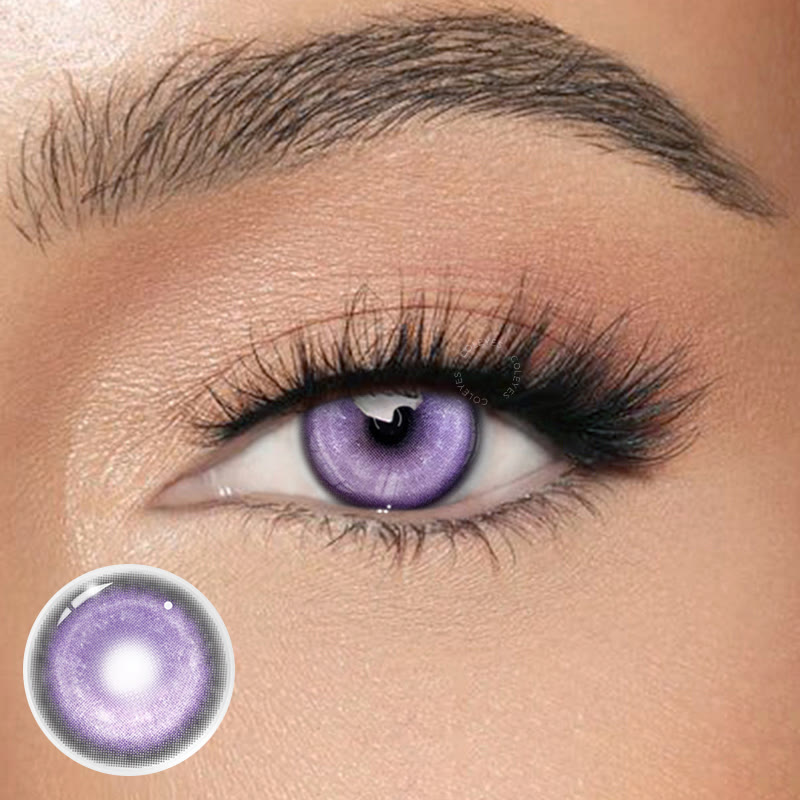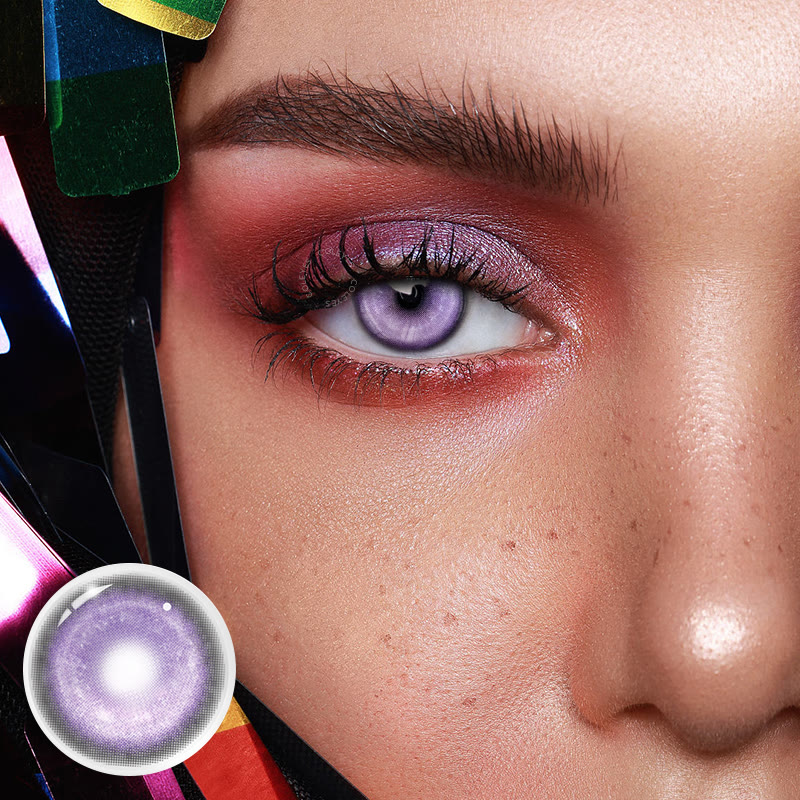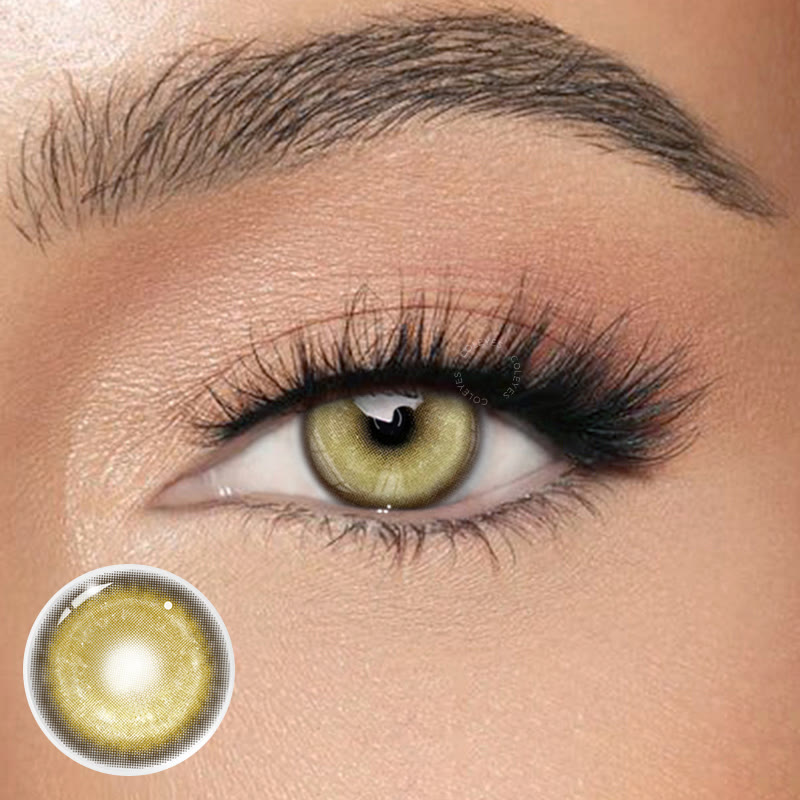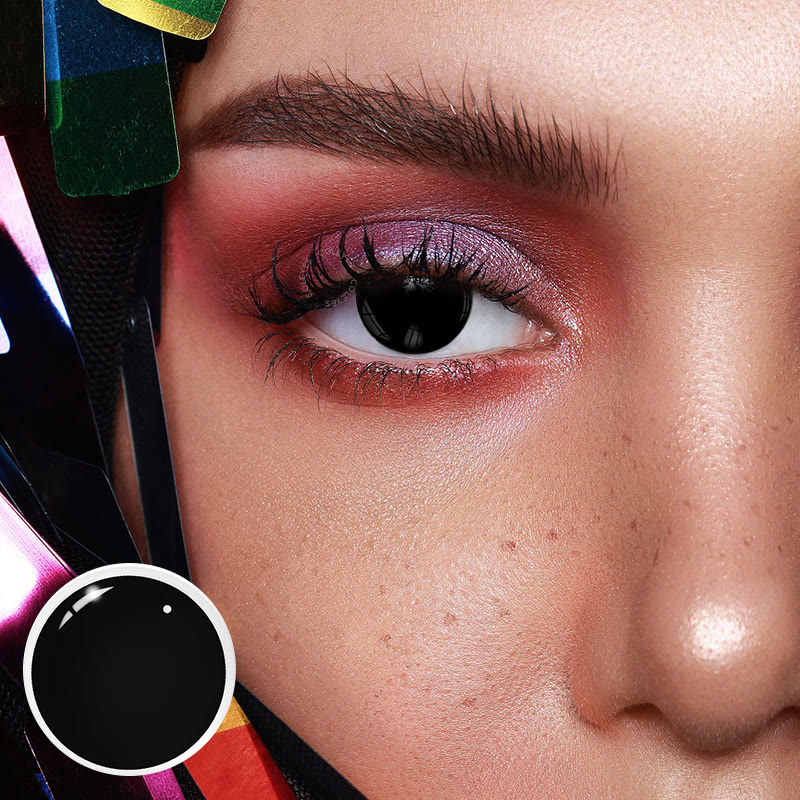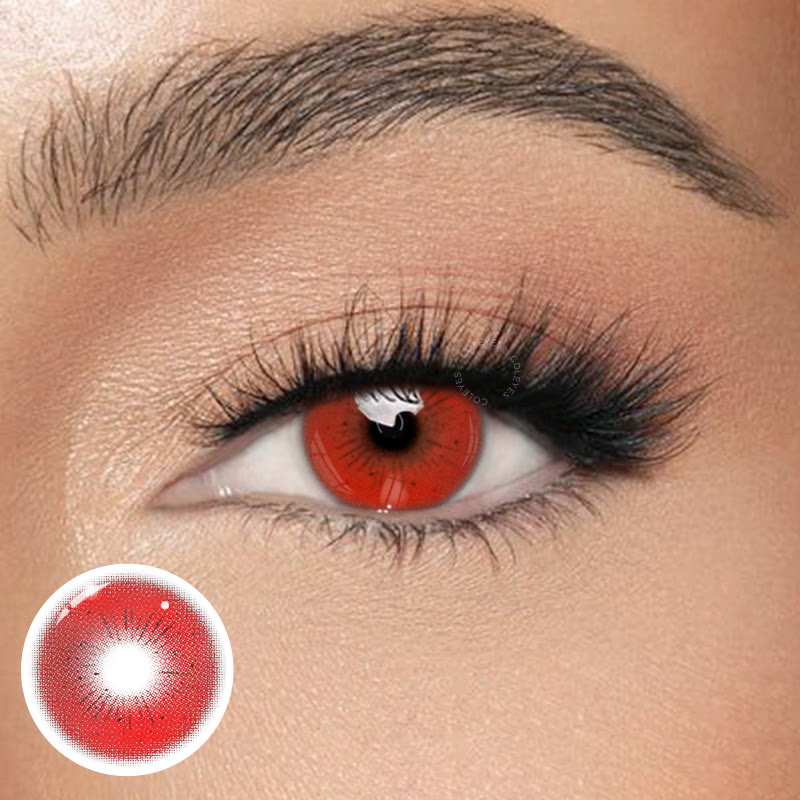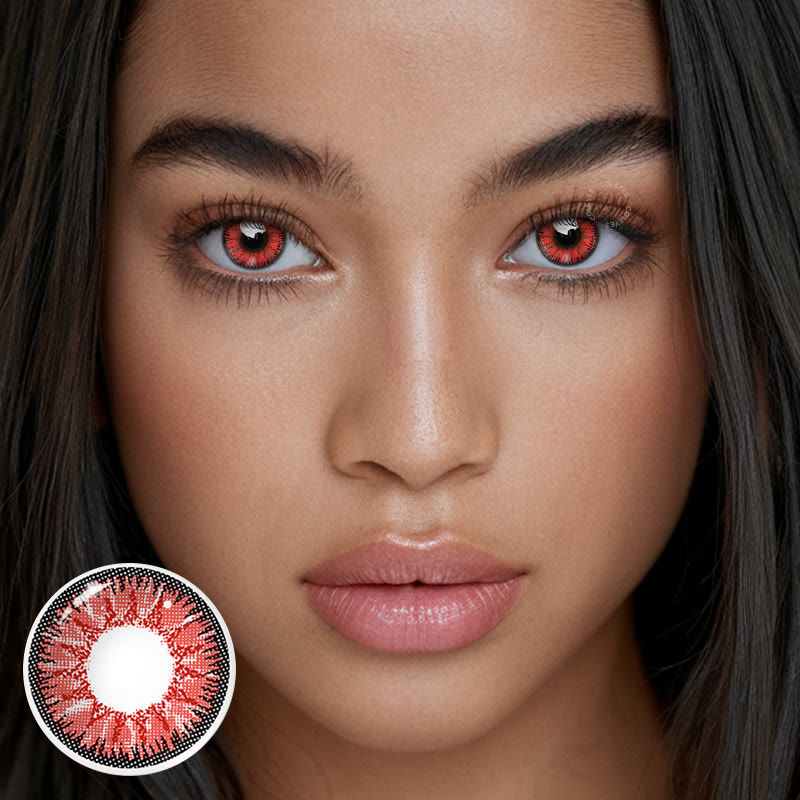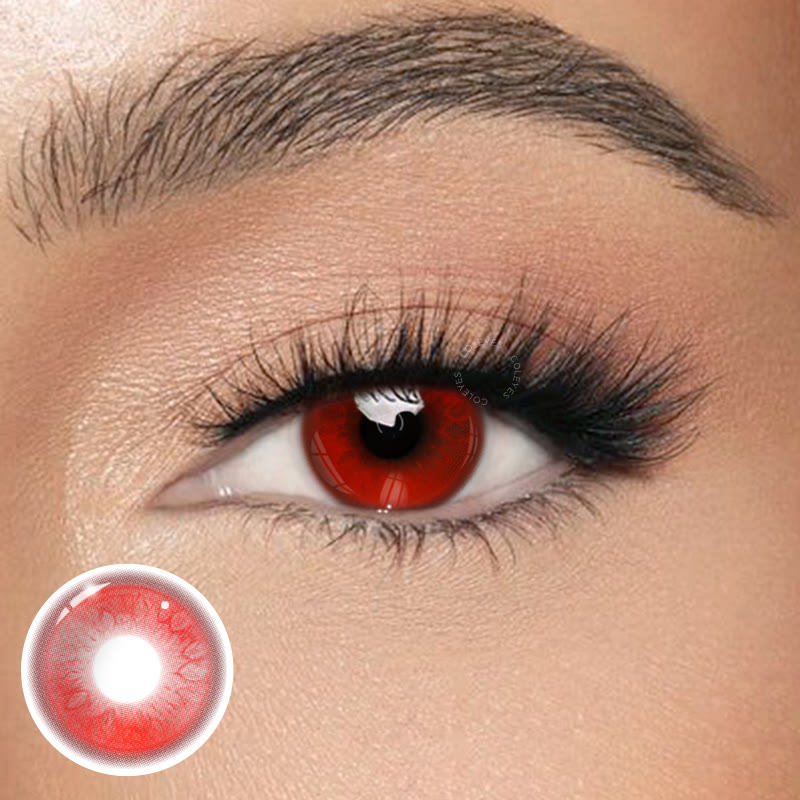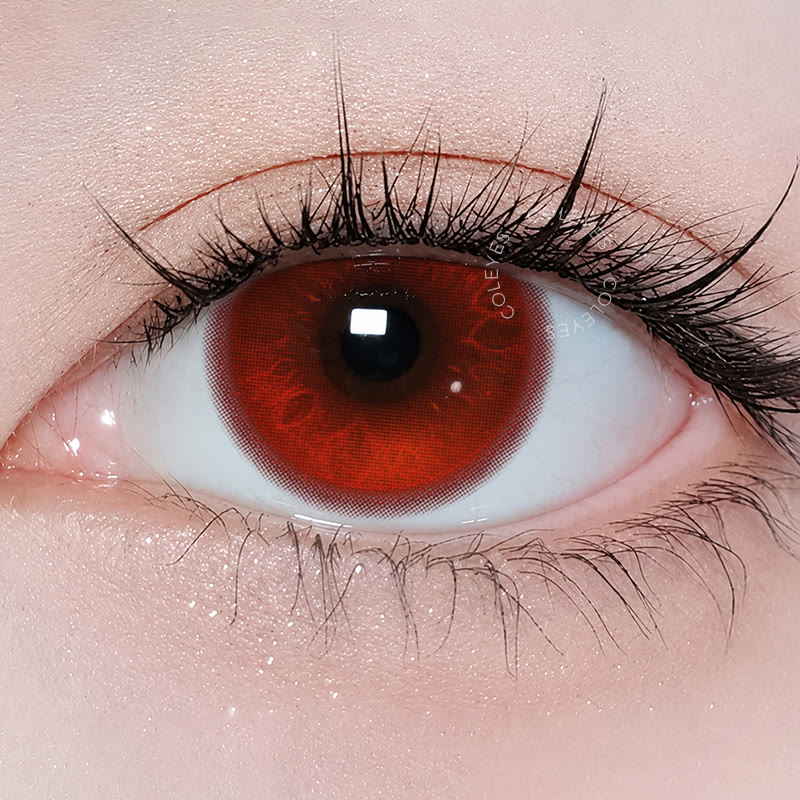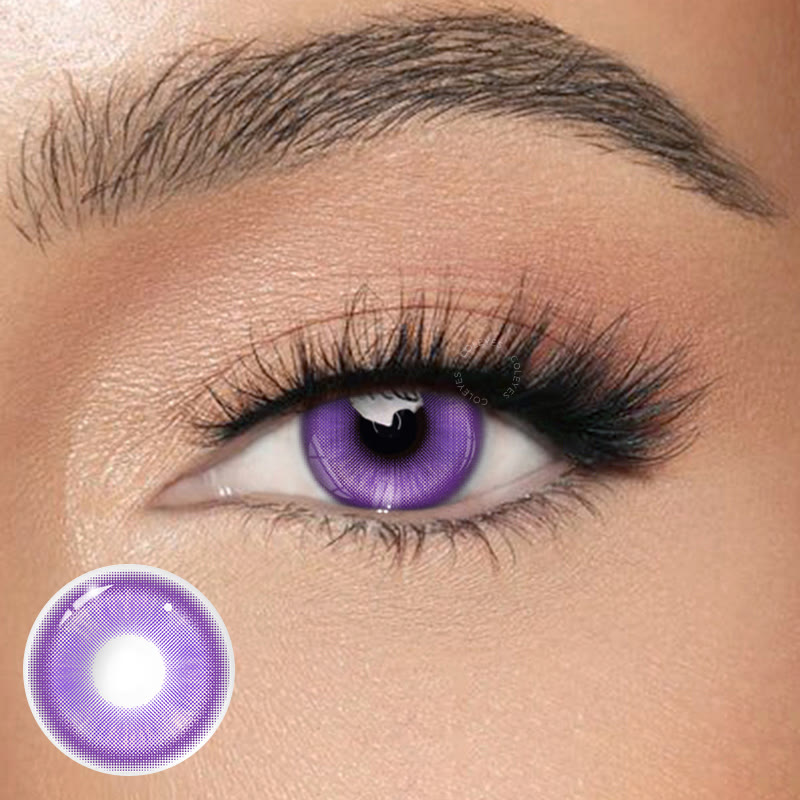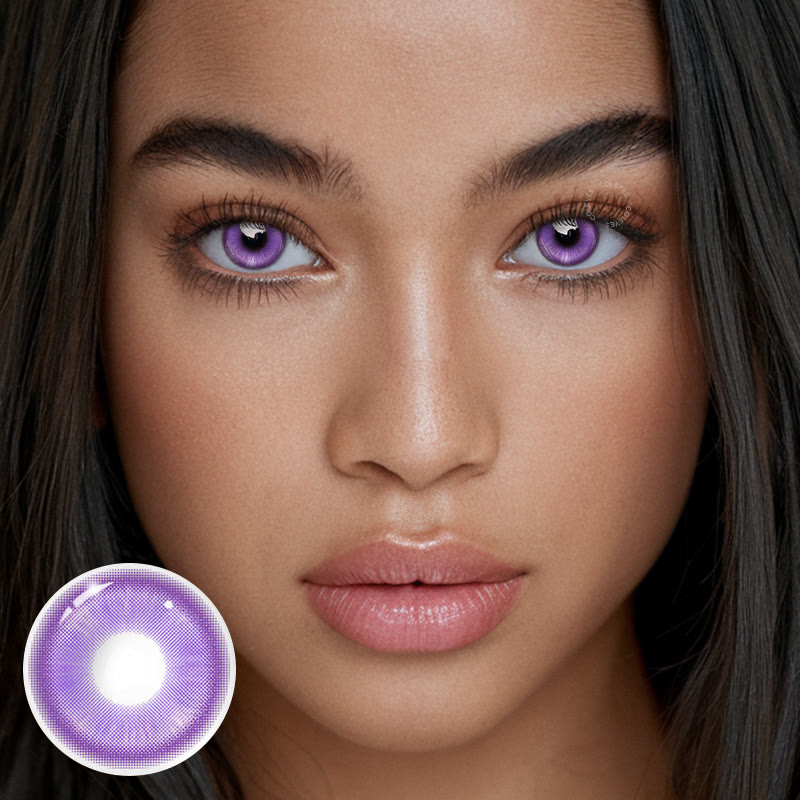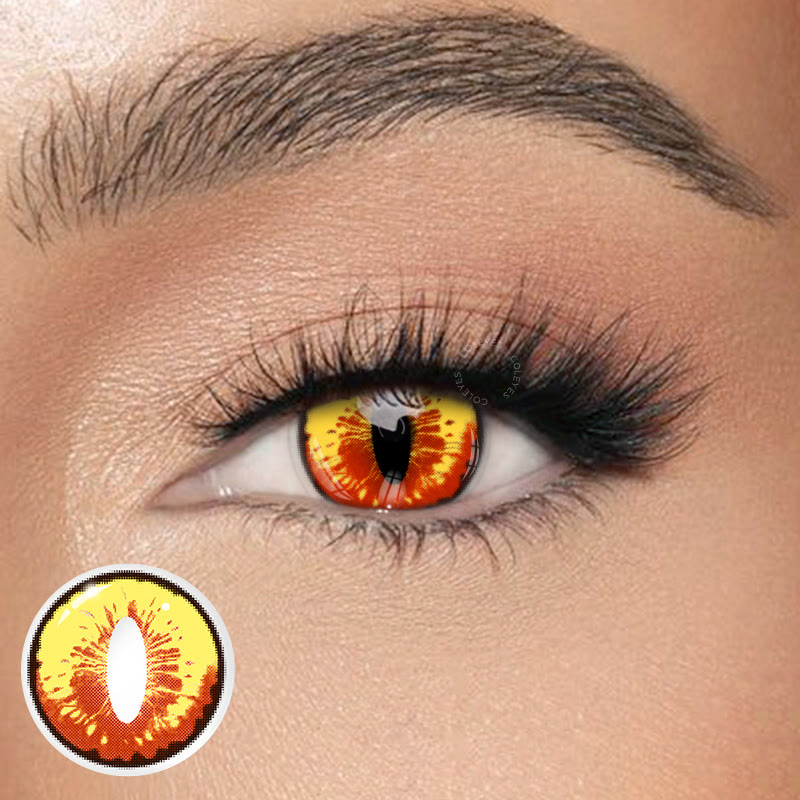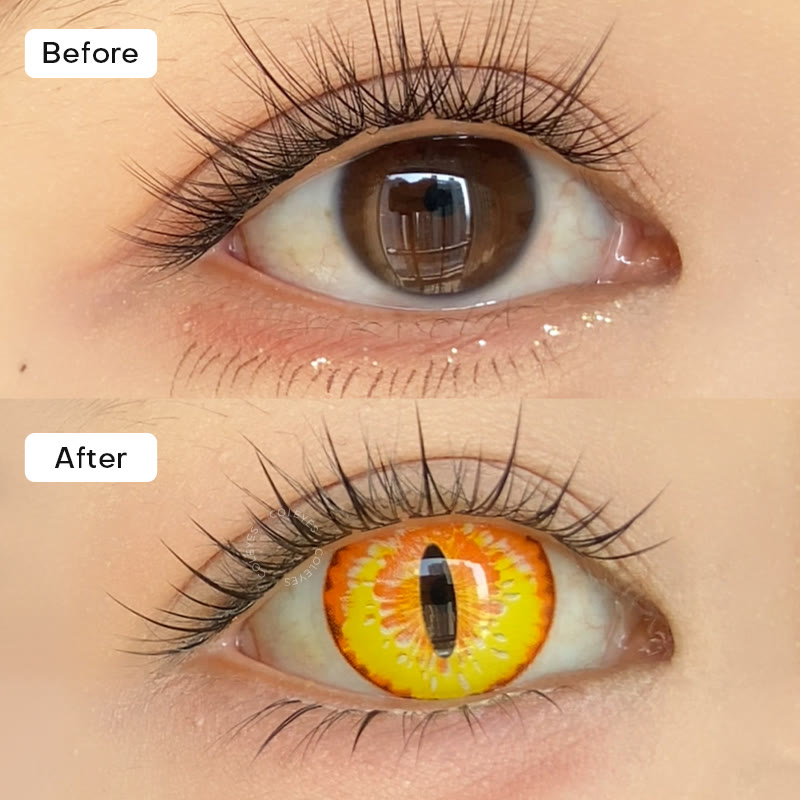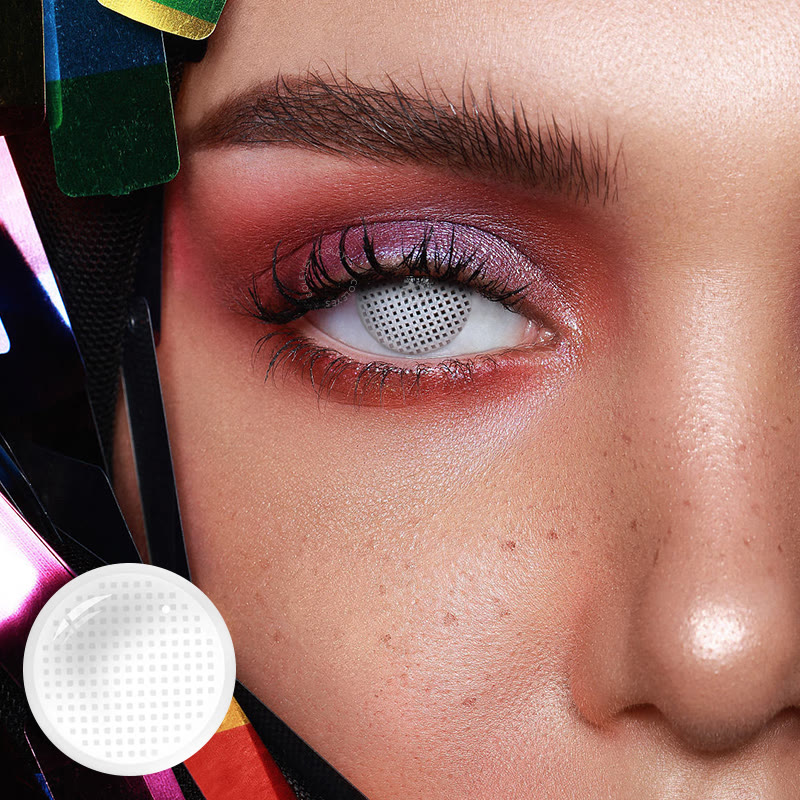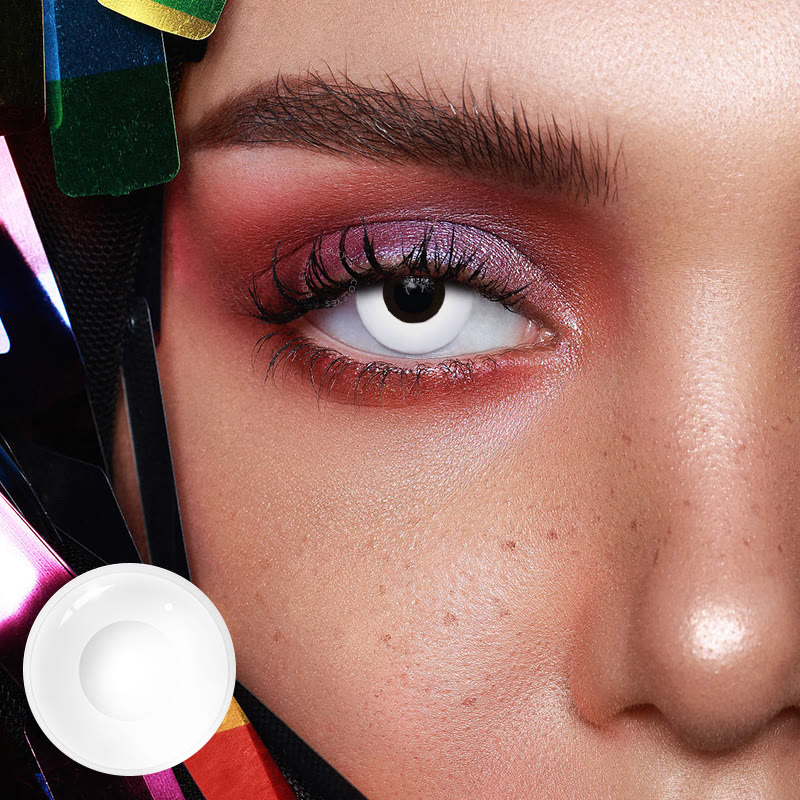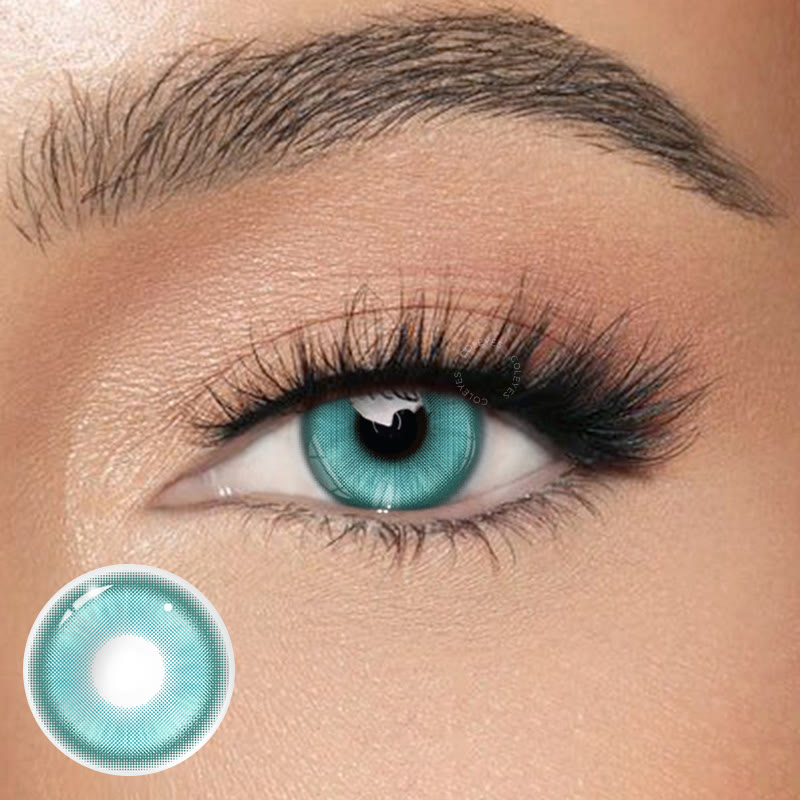

Searching for color contact lenses non prescription might seem like an easy way to change your eye color, but here's a shocking reality: people who wore colored contacts without proper oversight were 16 times more likely to get keratitis than those who wore regular contact lenses. Retailers cannot sell contact lenses without requiring a prescription. It's illegal. Despite this, many people still wonder, are colored contacts safe when purchased through unofficial channels? The short answer is no. Then this piece will show you the real risks of non prescription colored eye contacts and how to get safe colored contacts through legitimate means.
What Are Non Prescription Colored Contacts (And Why They're Different)
The term "non prescription colored contacts" confuses many people. It doesn't mean you can skip getting a prescription. This phrase refers to plano colored contacts, which are lenses without vision correction power. Here's what catches most people off guard: even plano colored contacts require a prescription from a licensed eye doctor.
The difference between prescription and non prescription colored eye contacts
Non-prescription colored contacts, also called plano colored contacts, serve purely cosmetic purposes. They change your eye color without correcting any refractive errors. You don't get vision correction, but you still need proper fitting and a valid prescription from an eye care professional.
Prescription colored contacts do double duty. They correct vision problems like myopia or hyperopia while changing your eye color. These lenses incorporate your specific prescription to address refractive errors, just like regular contacts do.
The FDA classifies both types as medical devices. This classification means retailers who sell either type without requiring a prescription are breaking federal law. Your eyes are unique in size and curvature, which is why every contact lens needs professional fitting.
How colored contact lenses work on your eyes
Colored contact lenses sit on the tear film layer that covers your cornea. They're designed to cover your iris with a chosen color while leaving the pupil area clear for unobstructed vision.
The color itself comes from tinted layers embedded within the lens material through a process known as "Sandwich Technology". This design ensures the colored portion remains aligned with your iris while the clear center allows light to pass through to your retina without interference.
These lenses move with your eye movements when you blink. The lens corrects vision by focusing light onto your retina for prescription versions, improving clarity while the colored tint changes your appearance. The colored part doesn't interfere with your vision because it's positioned only over the iris.
Common misconceptions about non prescribed colored contacts
Many people believe cosmetic lenses are one-size-fits-all products you can pop into your eyes. This assumption causes serious problems because contacts come in different sizes, and wearing the wrong size damages eye health.
Another dangerous myth suggests you don't need to see an eye doctor for cosmetic lenses. The truth? You can wear cosmetic lenses, but only under the care of an eye care professional who can determine whether you're a good candidate and measure your eyes for proper fit.
Some people assume it's fine to buy colored contacts online from any website. You can purchase lenses online, but only from sites that require a prescription. Buying from beauty supply stores or street vendors puts your eyes at risk.
The misconception that cosmetic lenses are safe for anyone to use overlooks important contraindications. Colored contacts might not be suitable for you if you've had recurring eye infections, suffer from allergic reactions, or have very dry eyes.
One widespread myth claims that colored contacts sold in Halloween stores are safe for one-time wear. These vendors are breaking the law, and a severe eye infection can develop from a single exposure to a contaminated or poorly fitting lens.
The Legal Reality: Why Non Prescription Colored Contacts Are Regulated
Federal law draws a hard line when it comes to colored contacts. The legal framework protects you from serious consequences and helps explain why seemingly harmless purchases can turn into medical emergencies.
FDA classification of all contact lenses as medical devices
The U.S. Food and Drug Administration classifies contact lenses as Class II or Class III medical devices. This classification puts colored contacts in the same regulatory category as pacemakers and surgical implants. Why? Contact lenses sit directly on the corneal surface, which means improper lenses can cause physical damage to your eye tissue.
This medical device status applies to every single contact lens, whatever its purpose for vision correction. Plano colored contacts without any refractive power carry the same classification as prescription lenses that correct nearsightedness or astigmatism. Federal law doesn't distinguish between cosmetic and corrective purposes when it comes to safety requirements.
Approximately 45 million Americans wear contact lenses. The FDA's regulatory oversight covers manufacturing standards, material safety, labeling requirements and distribution channels for all these products. Your colored contacts must meet the same safety measures as any other medical device before reaching the market.
Why retailers can't legally sell contacts without a prescription
Selling contact lenses without a prescription has been illegal since 2005. The Fairness to Contact Lens Consumers Act and the Federal Trade Commission's Contact Lens Rule create the legal framework that governs how colored contacts reach consumers.
These laws require every seller to verify a valid prescription before completing a sale. The verification process works through direct communication between the seller and your eye care provider. Sellers must request confirmation by phone, fax or email, and prescribers have eight business hours to respond.
A retailer that doesn't ask for your prescription is breaking federal law. Places advertising colored contacts as cosmetics or selling them over-the-counter are operating as unauthorized distributors. You can report these violations directly to the FDA.
Retailers who ignore prescription requirements face civil penalties. Violations can result in fines up to $200,000 and prison time. Each individual sale without prescription verification counts as a separate violation, which means penalties multiply for businesses selling to multiple customers.
What happens when you buy from unauthorized sellers
Unauthorized sellers operate outside legal safeguards that protect your eye health. These vendors bypass professional lens fitting and provide no instructions specific to your eyes. They often sell counterfeit products.
An FDA analysis revealed alarming contamination rates in illegal contact lenses. Three out of five suspected counterfeit contact lenses tested positive for bacterial contamination. Contaminated lenses raise your risk of sight-threatening infections.
Illegal colored contacts show up in unexpected places. You'll find contact lenses sold at gas stations, flea markets, beauty supply shops and pawn shops in some states. Halloween stores, novelty shops and beauty salons stock decorative lenses without requiring prescriptions. You'd never buy a heart valve at a gas station, and you shouldn't buy medical devices like contact lenses there either.
These products may be counterfeit devices that haven't been cleared or approved by the FDA. They often contain harsh dyes with harmful substances like chlorine that can be absorbed into your eye tissue. The consequences range from corneal scratches to permanent vision loss.
Real Health Risks of Wearing Non Prescription Colored Contact Lenses
Colored contact lenses can change your eye color dramatically, making them popular for cosplay, Halloween, parties, and everyday fashion. But a cosmetic lens is still a contact lens. It sits directly on the surface of your eye, which means its fit, material, cleanliness, and wearing conditions all matter.
The biggest concern with non-prescription colored contacts is not the color itself. The problem is that lenses purchased without proper fitting or from unreliable sources may not be suitable for your eyes.
Wearing an improperly fitted or contaminated lens can lead to irritation, corneal damage, infection, and, in serious cases, permanent vision problems.
Why Do Non-Prescription Colored Contacts Pose a Risk?
A contact lens needs to fit the shape of your eye correctly while allowing sufficient oxygen to reach the cornea. A lens that is too tight, too loose, poorly manufactured, or made from unsuitable materials can interfere with this balance.
There is also a common misconception that non-prescription means harmless. In reality, "non-prescription" generally refers to the absence of vision correction. It does not mean that the lens is simply a piece of makeup.
When a decorative lens is placed directly on the eye, it still needs to meet applicable safety and regulatory requirements and be appropriate for the individual wearer.
An Incorrect Fit Can Damage the Cornea
One of the first problems associated with unsuitable contact lenses is mechanical irritation.
If a lens moves excessively across the eye, fits too tightly, or has an irregular surface, it can cause repeated friction against the cornea. This may result in:
- Redness
- Burning or stinging
- Excessive tearing
- A feeling that something is stuck in the eye
- Light sensitivity
- Blurred vision
More significant irritation can damage the corneal surface. Once the protective surface of the cornea is compromised, the eye becomes more vulnerable to infection.
This is why simply choosing a lens based on its diameter or appearance is not enough. Proper fit is an important part of contact lens safety.
Contaminated Lenses Can Trigger Serious Eye Infections
Another major concern is contamination.
Contact lenses can collect bacteria, fungi, and other microorganisms when they are handled with unwashed hands, stored incorrectly, exposed to contaminated water, or reused beyond their recommended schedule. Poor-quality products can also create additional concerns about manufacturing and sterility.
An infection of the cornea is known as keratitis. It can develop quickly and may cause symptoms such as:
- Increasing eye pain
- Significant redness
- Sensitivity to light
- Discharge
- Sudden or worsening blurred vision
- Swelling or unusual discomfort
A mild irritation should not automatically be treated as an infection, but symptoms that become severe or continue after removing the lens should be evaluated by an eye care professional promptly.
Oxygen Deprivation Can Affect Eye Health
Your cornea does not receive oxygen from blood vessels in the same way as many other tissues. It obtains much of its oxygen directly from the surrounding environment.
A contact lens can reduce the amount of oxygen reaching the cornea. This becomes particularly important when a lens has low oxygen permeability, fits too tightly, or is worn for longer than recommended.
Insufficient oxygen can contribute to discomfort, redness, swelling, and other complications.
This is also one reason why sleeping in contact lenses is not recommended unless specifically prescribed and approved for that purpose. Keeping lenses in your eyes for longer than directed can increase the likelihood of complications.
Sleeping, Swimming, and Poor Hygiene Increase the Risk
The way you use colored contacts can be just as important as the lens itself.
Certain habits can significantly increase the chance of problems, including:
Sleeping in lenses: Extended wear can reduce oxygen availability and increase infection risk.
Wearing lenses in water: Swimming, showering, or exposing contacts to tap water can introduce microorganisms to the eye.
Sharing lenses: Contact lenses are personal medical devices and should never be shared, even if they appear clean.
Using old solution: Reusing or topping off contact lens solution can reduce its effectiveness and increase contamination risk.
Touching lenses with dirty hands: Hands can transfer microorganisms directly onto the lens and then onto the eye.
Wearing damaged lenses: A torn, scratched, or deformed lens should not be placed on the eye.
Can Colored Contacts Cause Permanent Vision Problems?
Most contact lens problems do not automatically lead to permanent vision loss, particularly when irritation is recognized and treated promptly. However, serious complications can cause lasting damage.
A severe corneal infection may result in ulceration and scarring. Because the cornea plays a critical role in focusing light, significant scarring can interfere with vision.
In the most severe cases, treatment may involve intensive medication, specialist care, or surgical procedures.
The takeaway is simple: colored contacts should be treated as medical devices, not disposable costume accessories.
What Should You Do If Your Eye Hurts After Wearing Colored Contacts?
If you experience discomfort while wearing colored contacts, remove the lenses rather than trying to "push through" the irritation.
Pay particular attention to symptoms such as:
- Persistent or severe eye pain
- Sudden blurred vision
- Strong sensitivity to light
- Significant redness
- Unusual discharge
- Increasing swelling
Do not put the lens back in to see whether the symptoms improve. If symptoms are severe, sudden, or do not resolve after removing the lens, contact an eye care professional as soon as possible.
How to Make Colored Contact Lens Use Safer
You do not have to give up colored contacts to enjoy a cosplay or Halloween transformation. The safer approach is to make eye health part of the buying decision.
Before purchasing, consider whether the seller provides clear information about the lens, including its material, dimensions, replacement schedule, and applicable regulatory status. A qualified eye care professional can also help determine whether a particular lens is suitable for your eyes.
Once you have the appropriate lenses, follow basic hygiene practices, use the recommended lens-care products, respect the suggested wearing time, and replace the lenses according to instructions.
A dramatic eye effect may be the goal, but healthy eyes should always be part of the final look.
How to Get Colored Contacts Safely (Even Without Vision Problems)
You can get colored contacts safely if you follow the proper medical channels. The process protects your vision while giving you the eye color you want.
Getting a prescription from your eye doctor
Schedule a contact lens exam with an optometrist or ophthalmologist. This exam is different from a standard eye exam because it has a lens fitting to measure your eye's unique shape and size. You can mention your interest in colored contacts when booking the appointment.
The contact lens exam runs between $100 and $250 if done separately. You'll spend less by combining it with your annual detailed eye exam if you're due for one. Some eye doctors allow stand-alone contact lens exams if you've had a detailed eye exam within the previous few months.
Vision insurance may cover part or all of your exam and lens costs. You can also use HSA or FSA funds to pay. Coverage doesn't apply if you're getting plano lenses without vision correction.
Finding reputable sellers of colored contacts prescription lenses
Buy only from retailers that require a valid prescription. Legitimate sellers verify your prescription with your eye doctor before shipping lenses.
All colored contacts sold through proper channels are FDA-approved medical devices. Skip any retailer that doesn't ask for prescription verification.
Understanding your contact lens prescription details
Your contact lens prescription contains specific measurements that are different from glasses prescriptions. The core components are base curve (BC), which measures lens curvature in millimeters, and diameter (DIA), the lens width. Power (PWR/SPH) indicates your vision correction strength.
The prescription also lists your approved brand since different manufacturers have slight fit variations. Prescriptions expire in one to two years.
Cost comparison: prescription vs attempting non prescription routes
Prescription colored contacts start at $10.90 and range up to $100 depending on brand and replacement cycle. Prices vary between daily, monthly, and quarterly options.
Buying illegal non prescription colored contacts might seem cheaper at first, but treating corneal ulcers or infections costs thousands. Corneal transplant surgery alone is a big deal as it means that you're looking at over $10,000.
Choosing the Best Color Contact Lenses for Your Needs
Once you have your prescription, selecting the right colored contacts depends on several factors that affect both appearance and comfort.
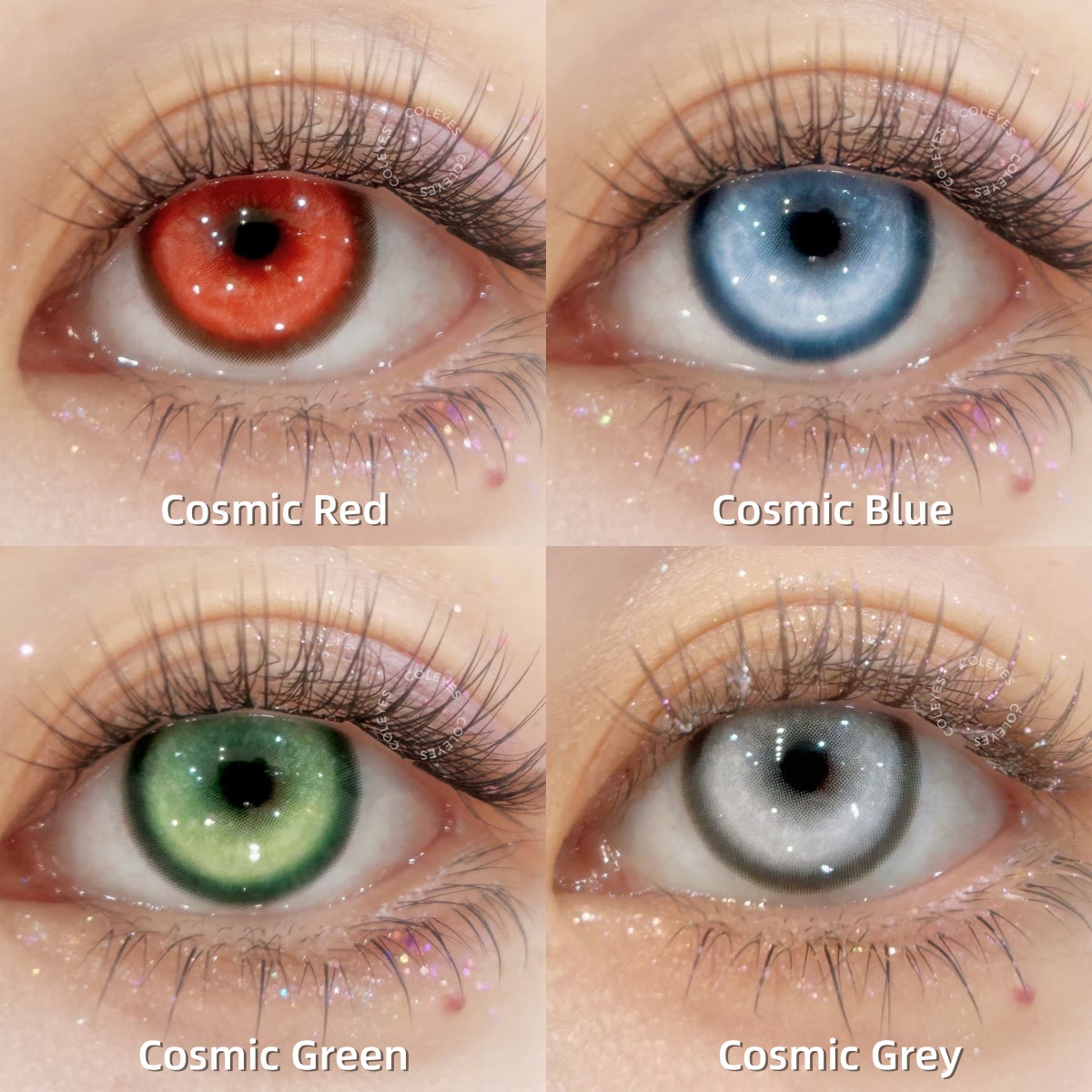
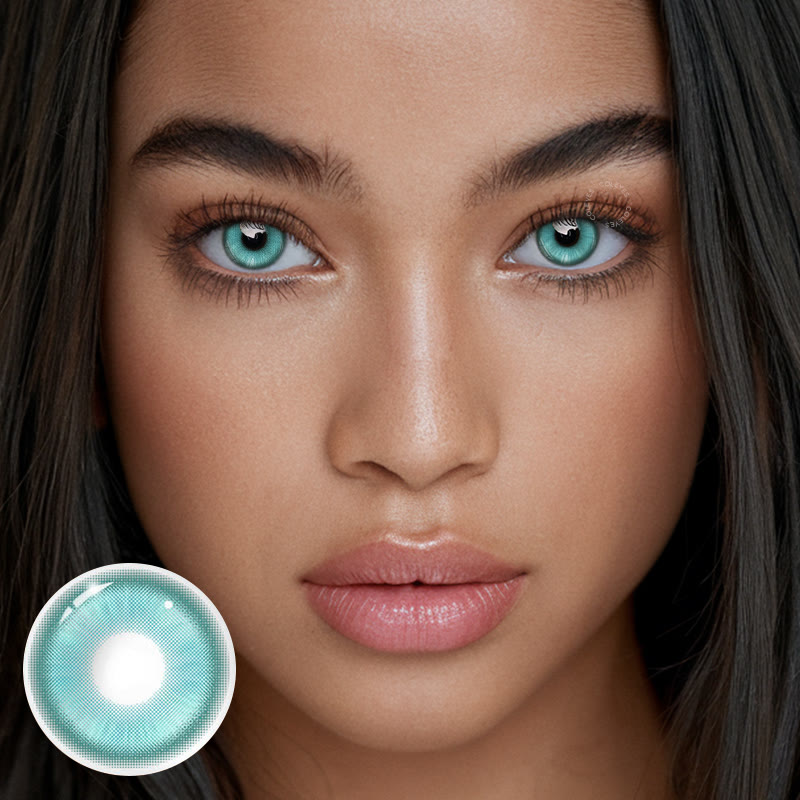
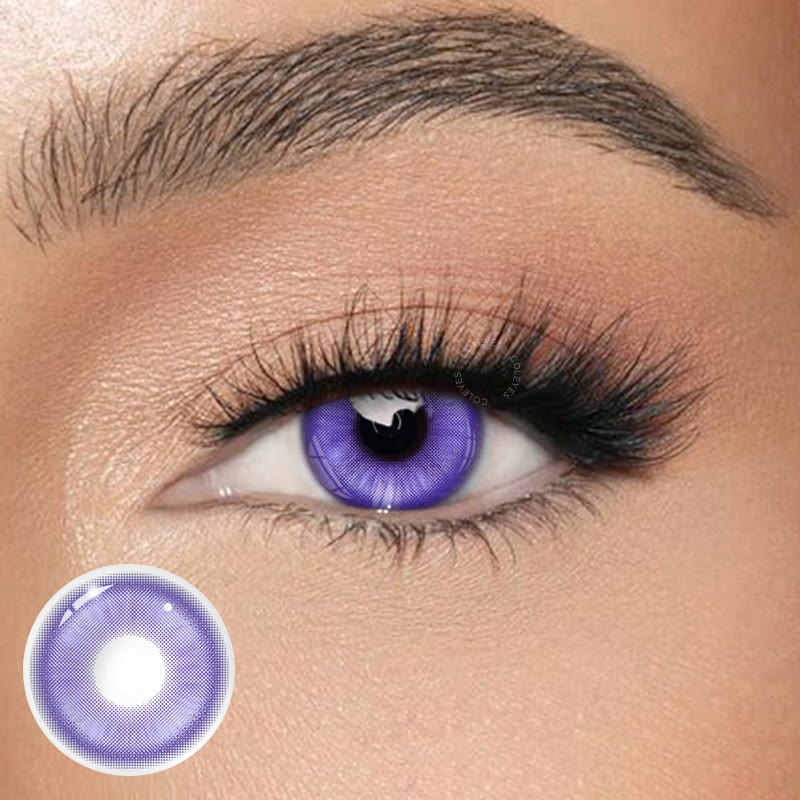
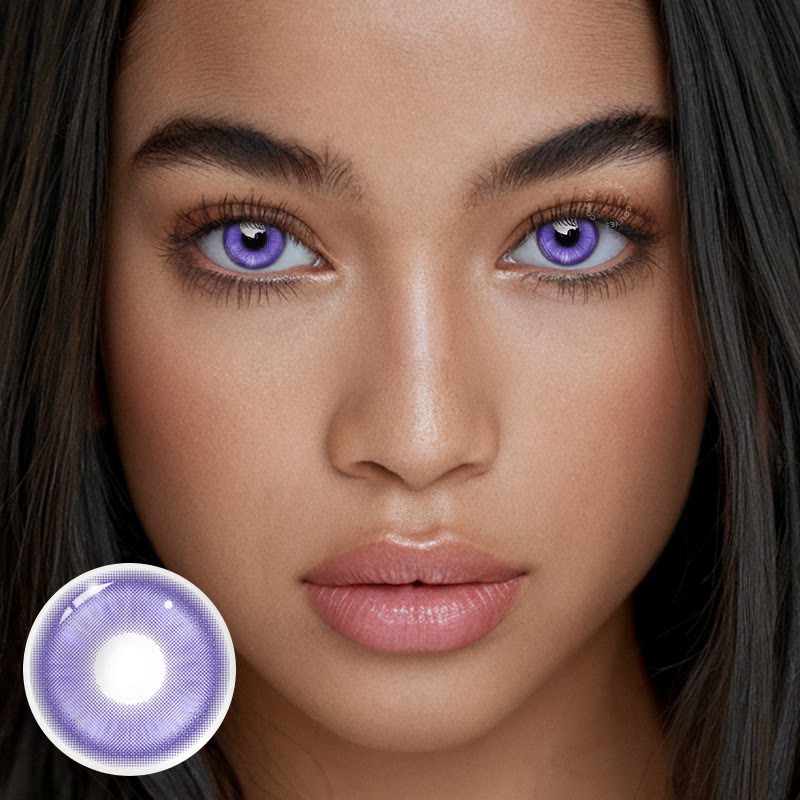
Popular colors: blue contact lenses, hazel, gray, and more
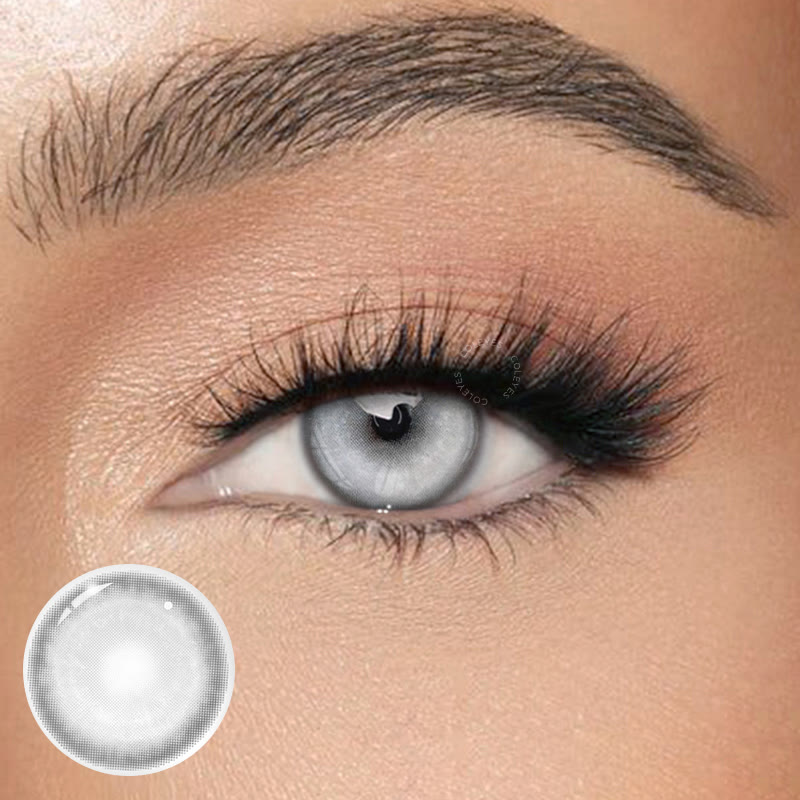
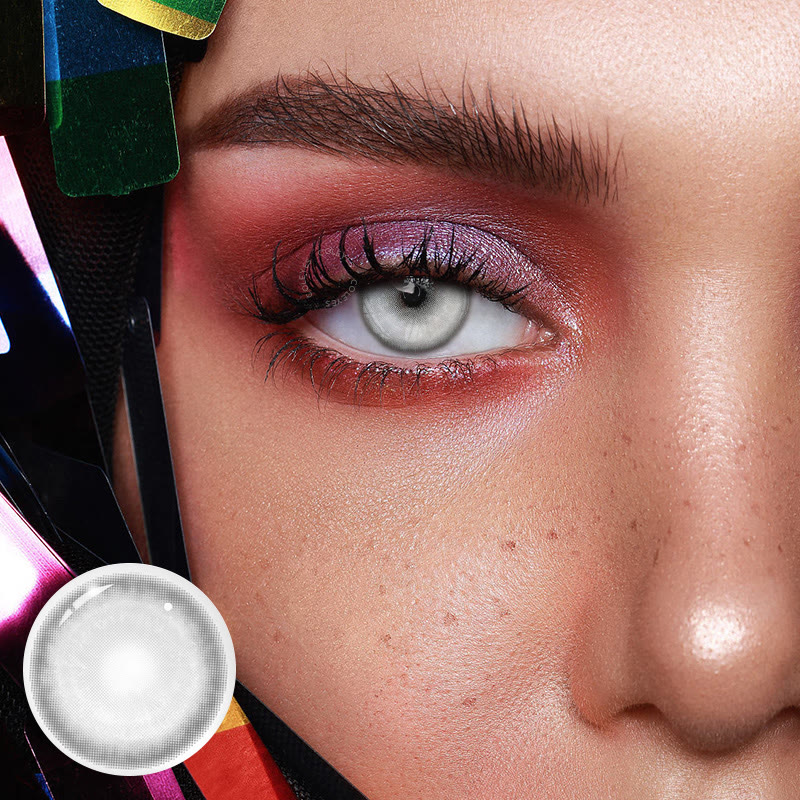
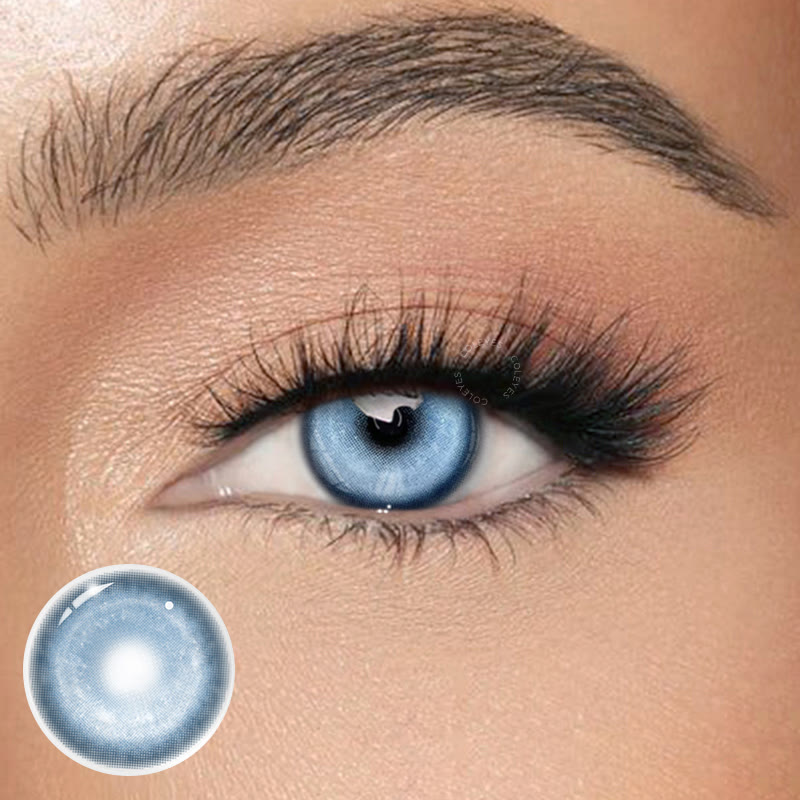
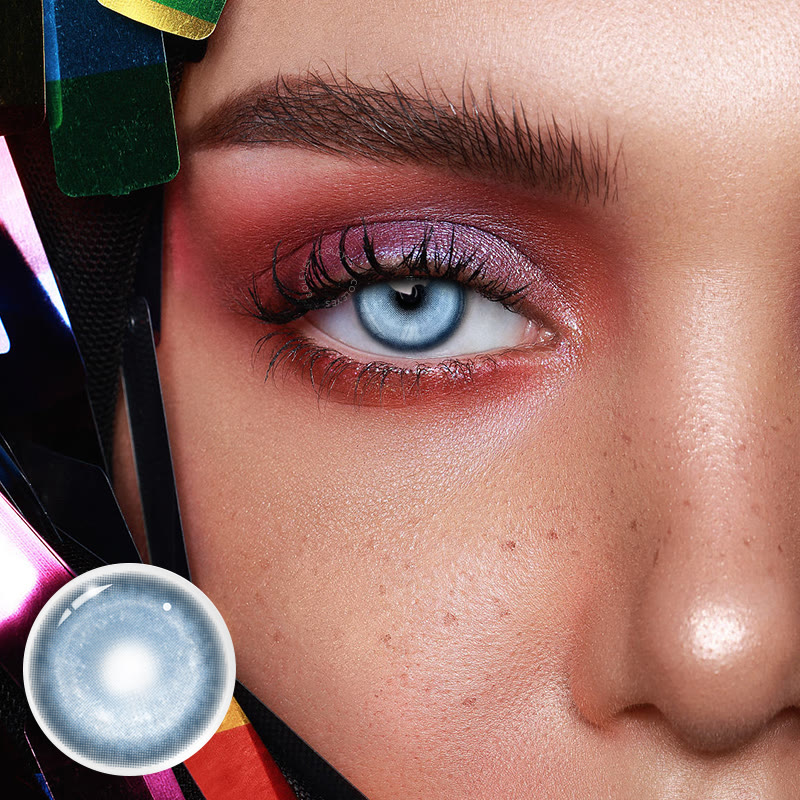
Gray ranks as the most popular colored contact shade. Hazel, amethyst, and gemstone green follow. Blue contacts remain highly sought after because blue is one of the rarer natural eye colors. You'll find honey, brown, green, violet, and aqua options in brands of all types.
Selecting lenses for dark eyes vs light eyes
Dark eyes need opaque tints for noticeable color changes. These lenses feature stronger pigmentation to mask your natural brown iris completely. Light eyes work well with enhancement tints. These intensify your existing color rather than replace it. Vibrant blues and greens create dramatic looks for dark brown eyes. Hazel or light brown provides subtle enhancement.
Daily vs monthly vs yearly replacement options
Daily disposables give you fresh lenses each wear with zero maintenance. Monthly lenses provide better value for frequent wearers but need nightly cleaning with fresh solution. Yearly lenses deliver the lowest per-day cost for regular users. They demand strict hygiene protocols and case replacement every few months.
Special occasion vs everyday wear considerations
Daily disposables work best for occasional events, travel, or sensitive eyes. Monthly or yearly options suit everyday wear patterns.
Conclusion
Colored contacts can transform your appearance when you follow the proper channels safely. Every colored lens requires a prescription, even plano lenses without vision correction. This extra step of visiting your eye doctor protects your vision from infections and permanent damage.
Skip the temptation to buy from unauthorized sellers. Those purchases at beauty stores or online shops without prescription verification put your eyesight at risk. The potential risks range from painful corneal abrasions to blindness.
Getting prescription colored contacts takes little effort compared to treating eye infections or vision loss. Schedule your contact lens exam today and choose your new eye color safely.