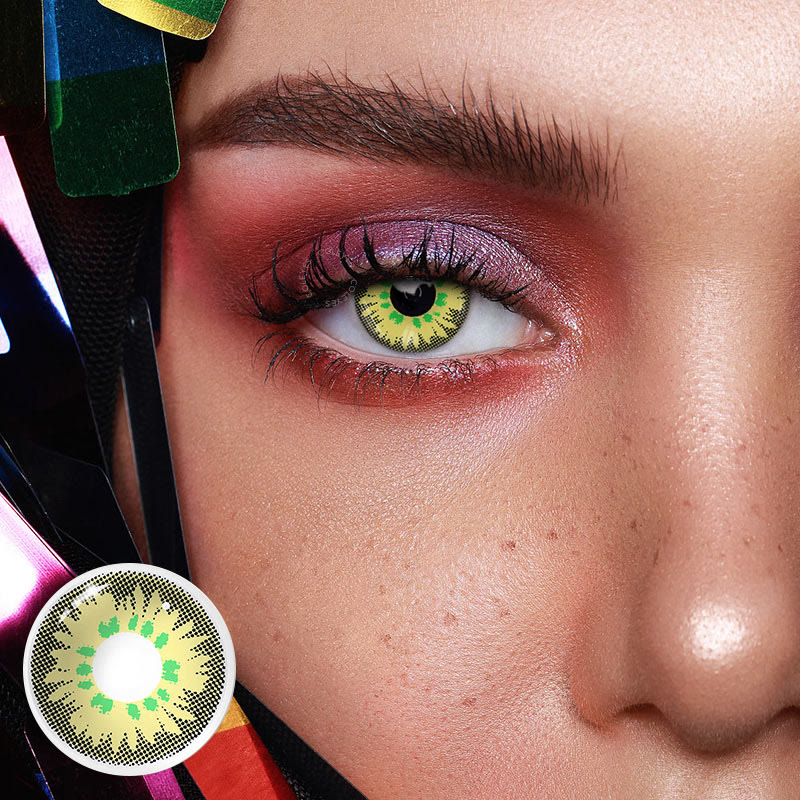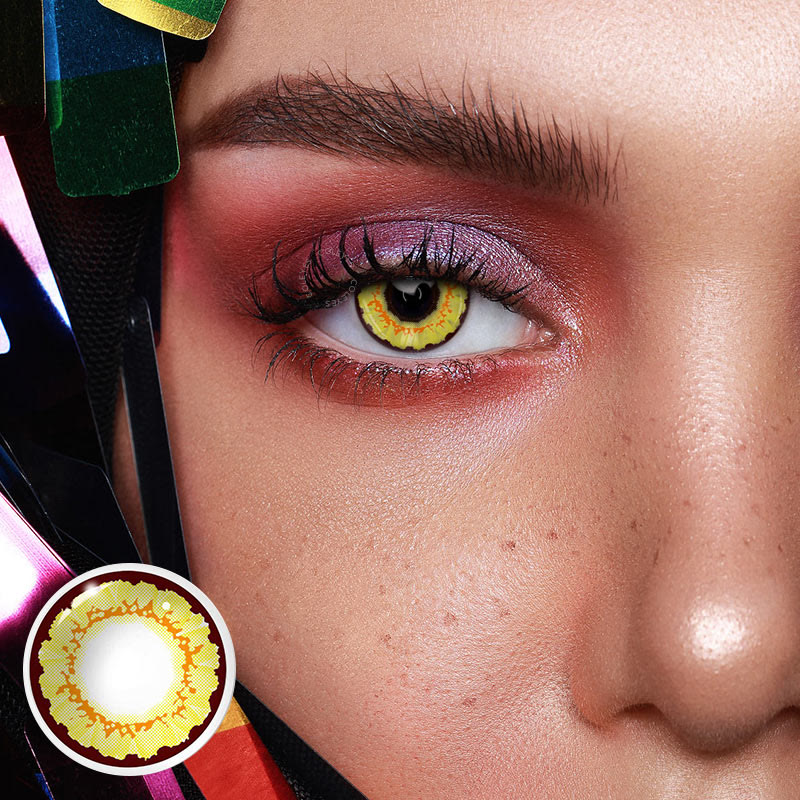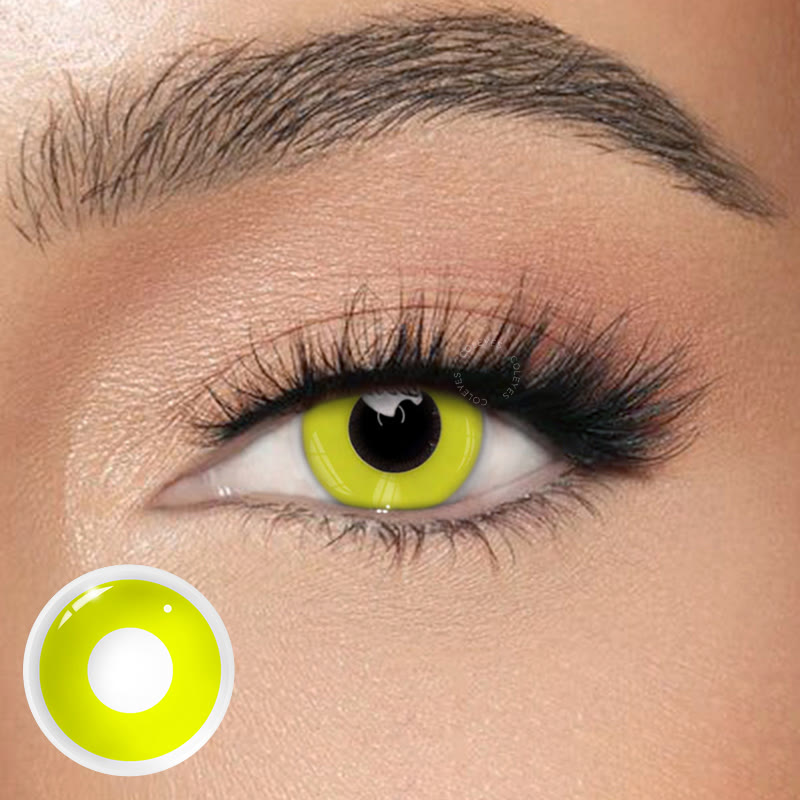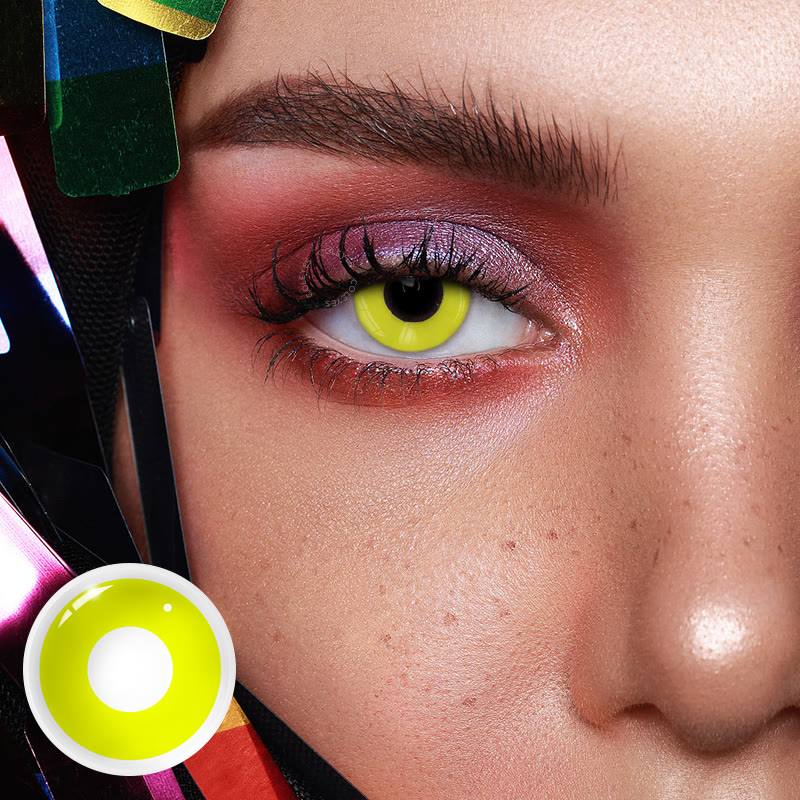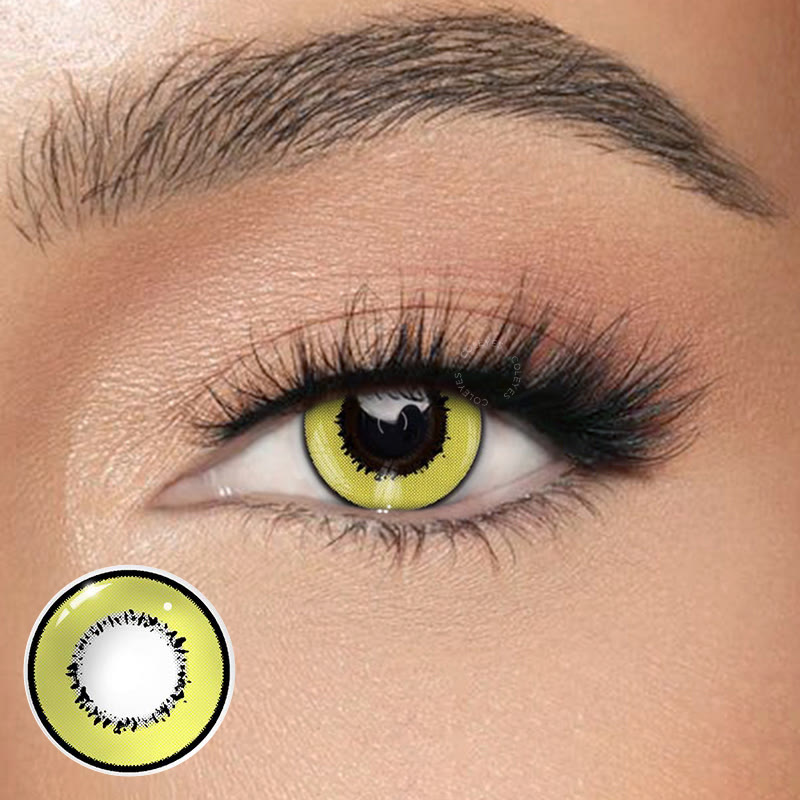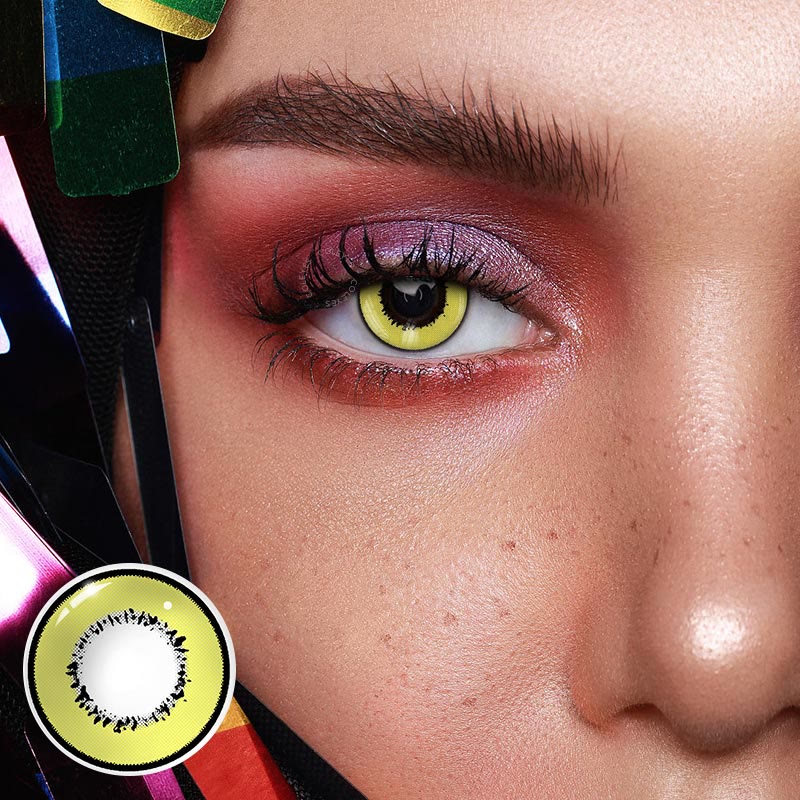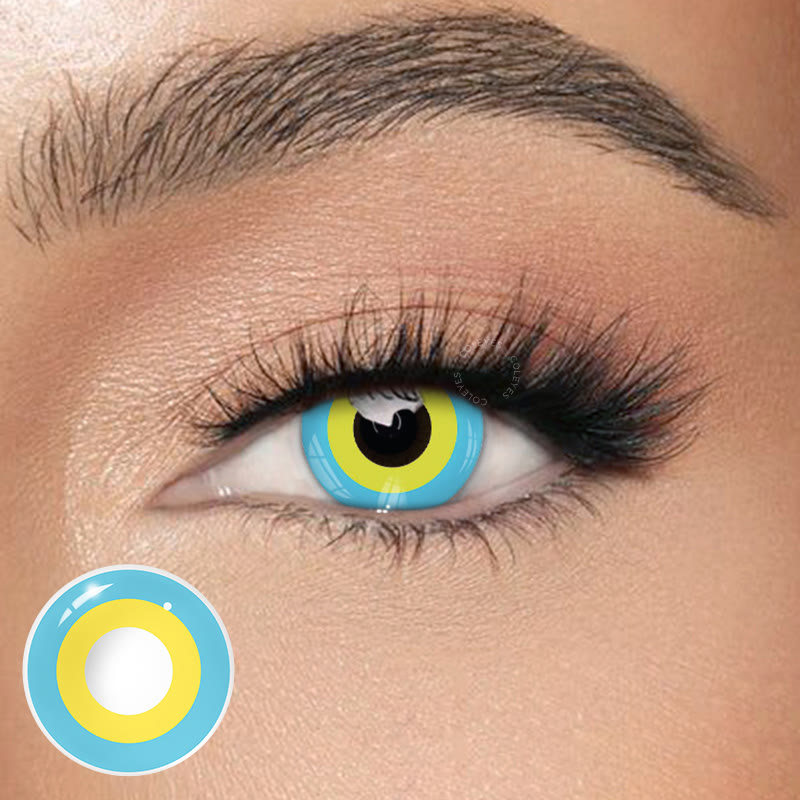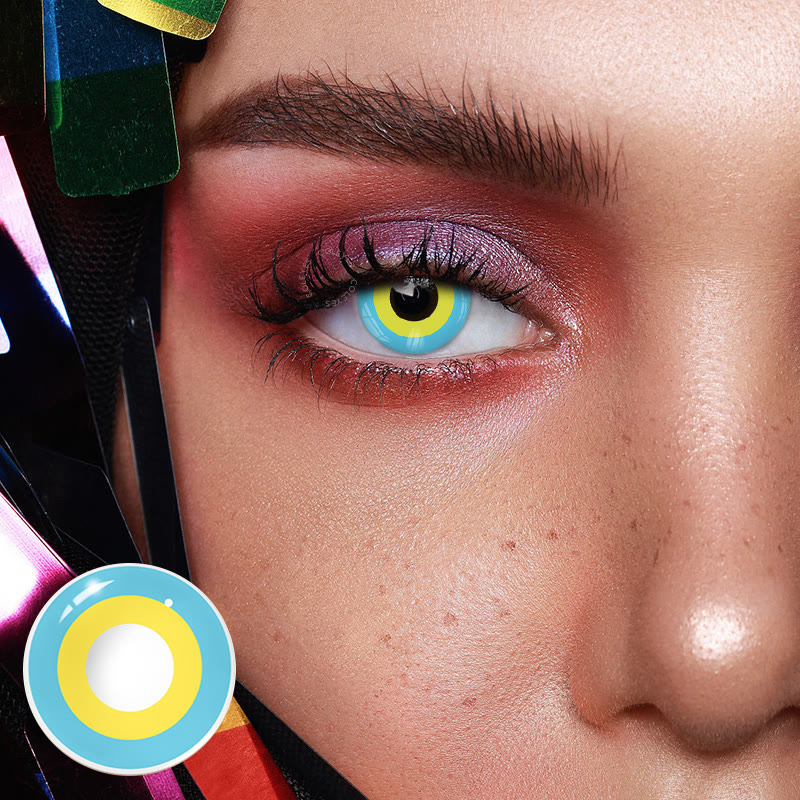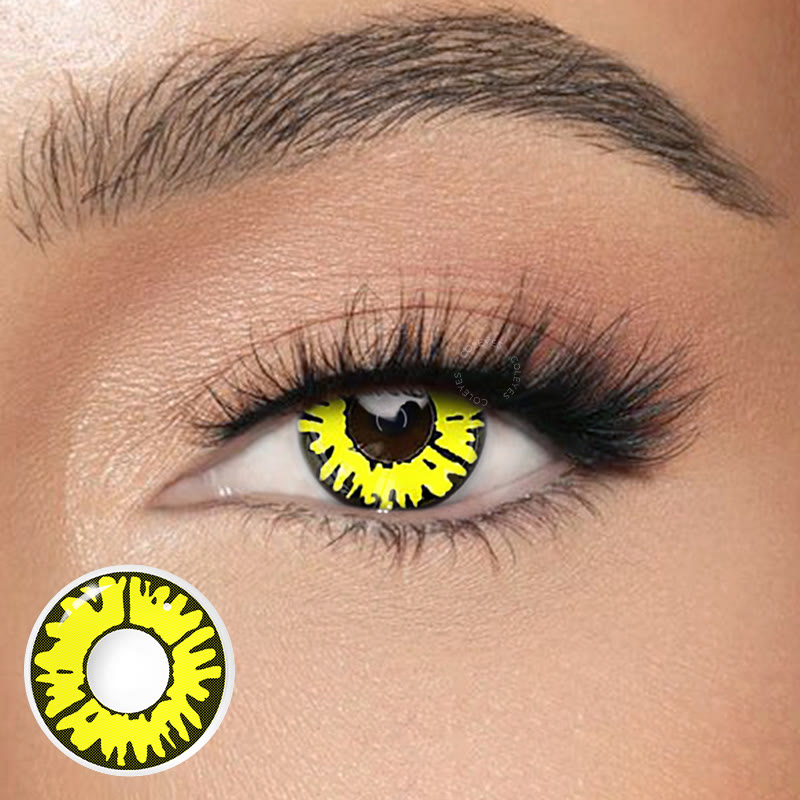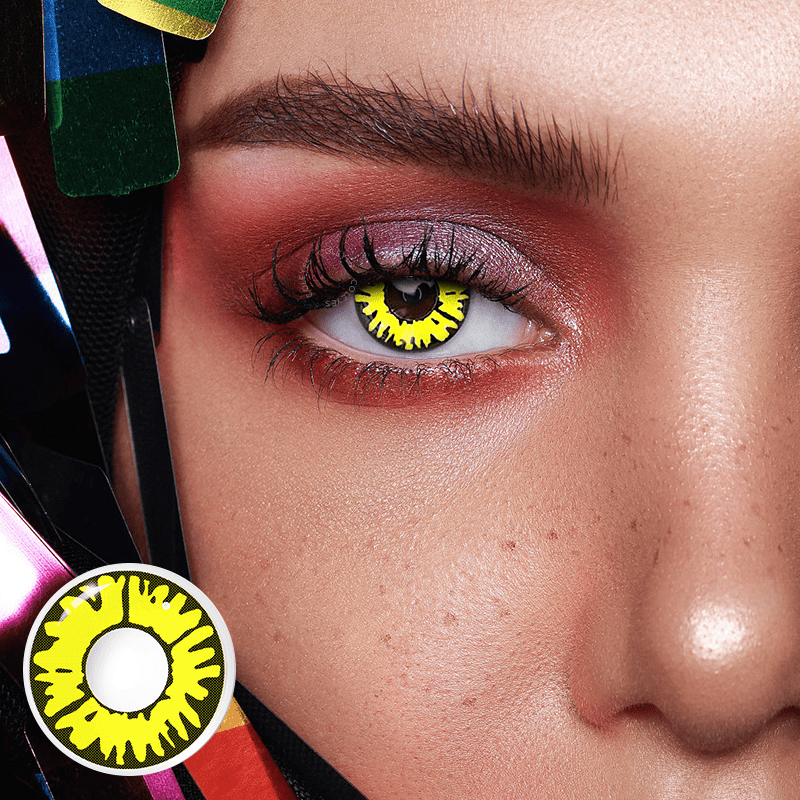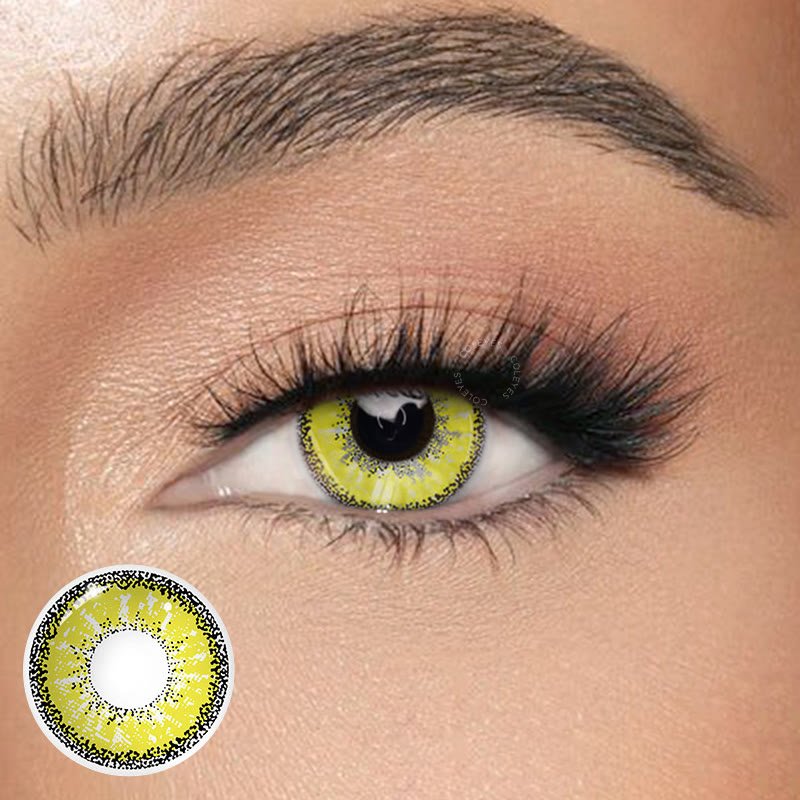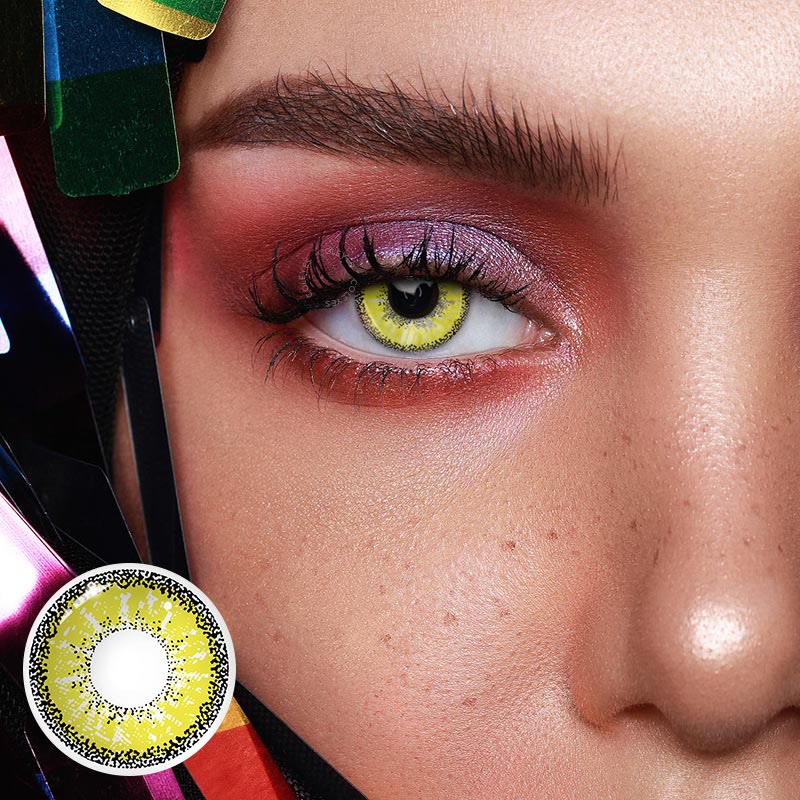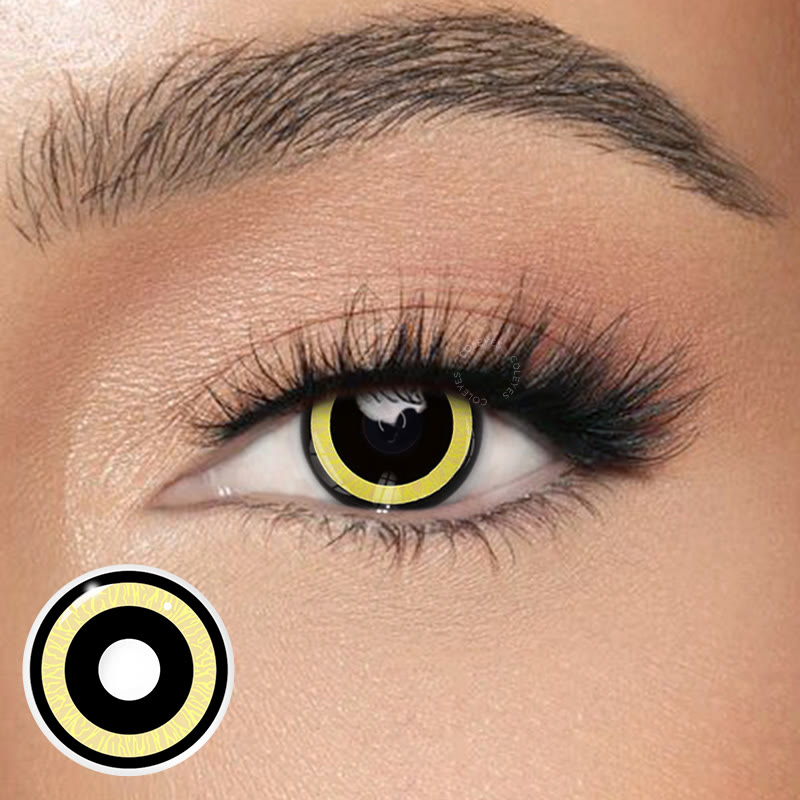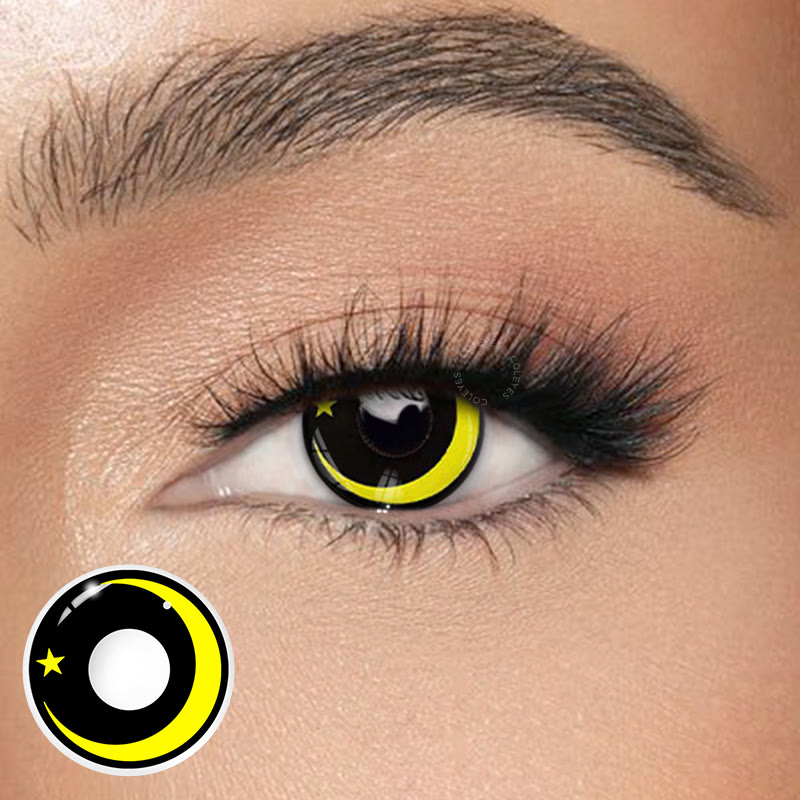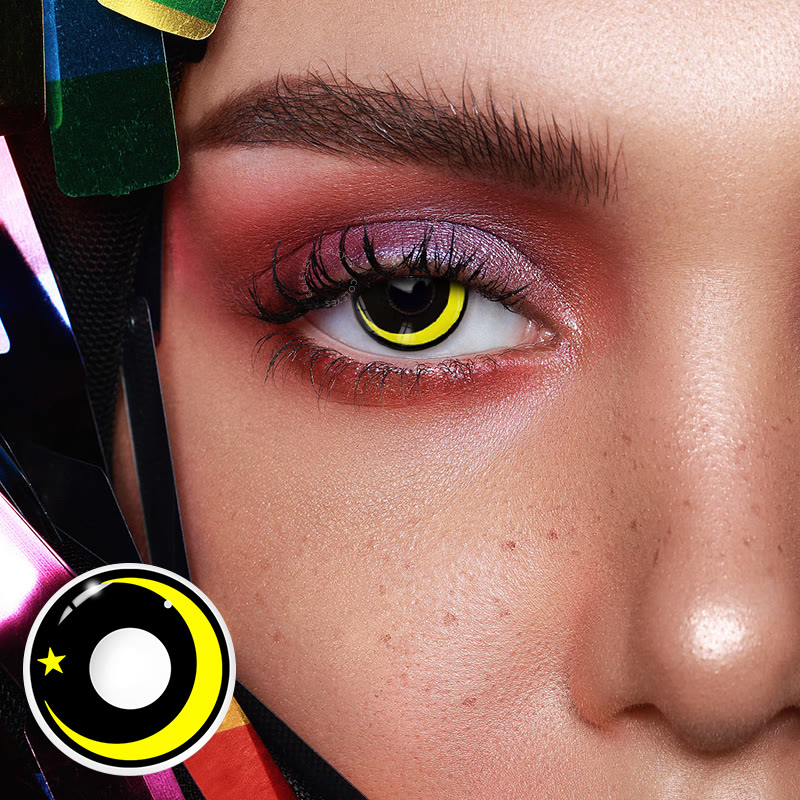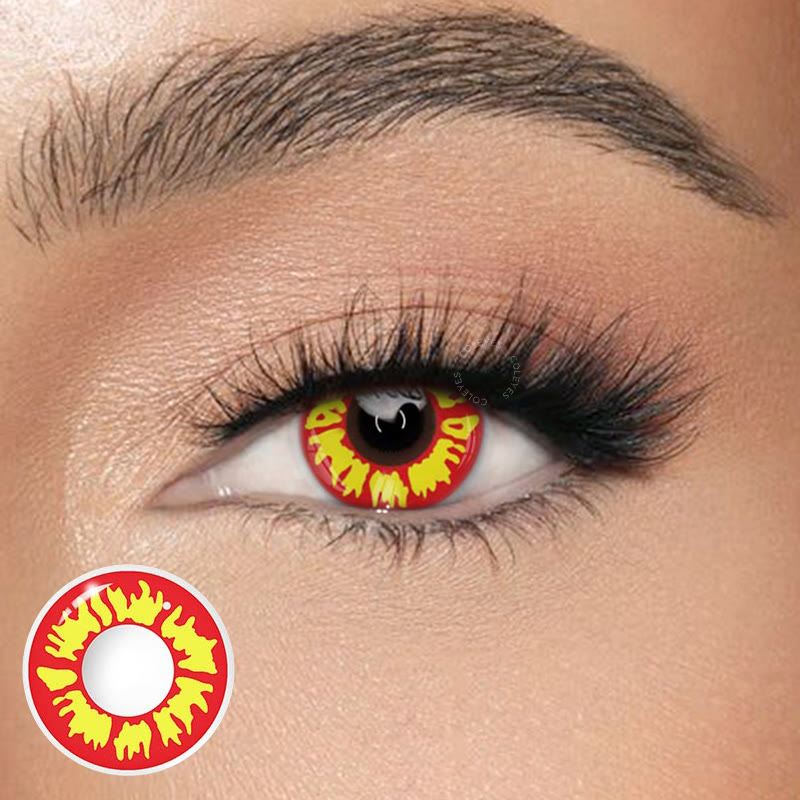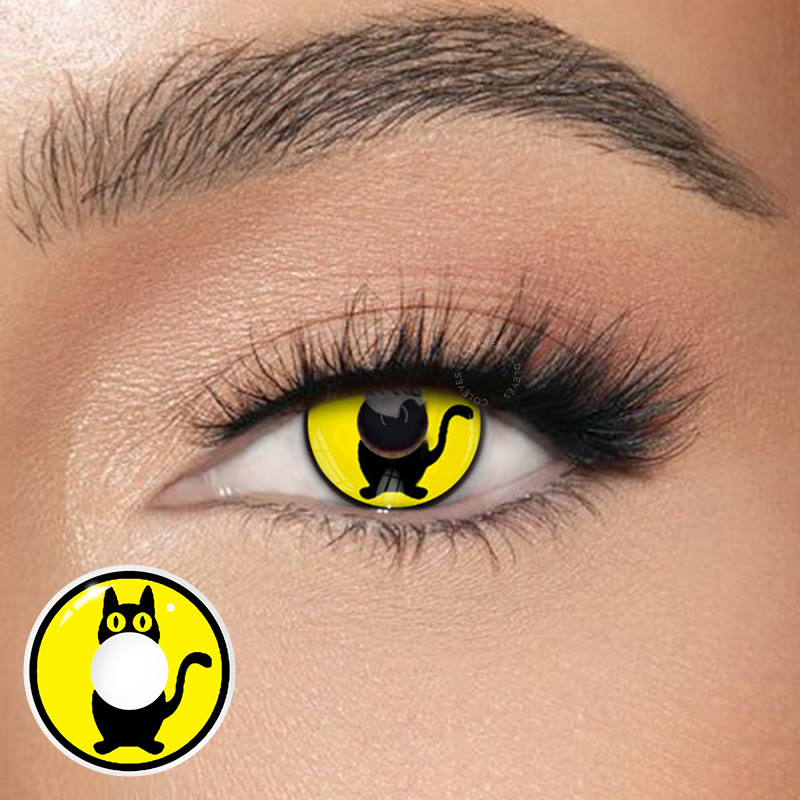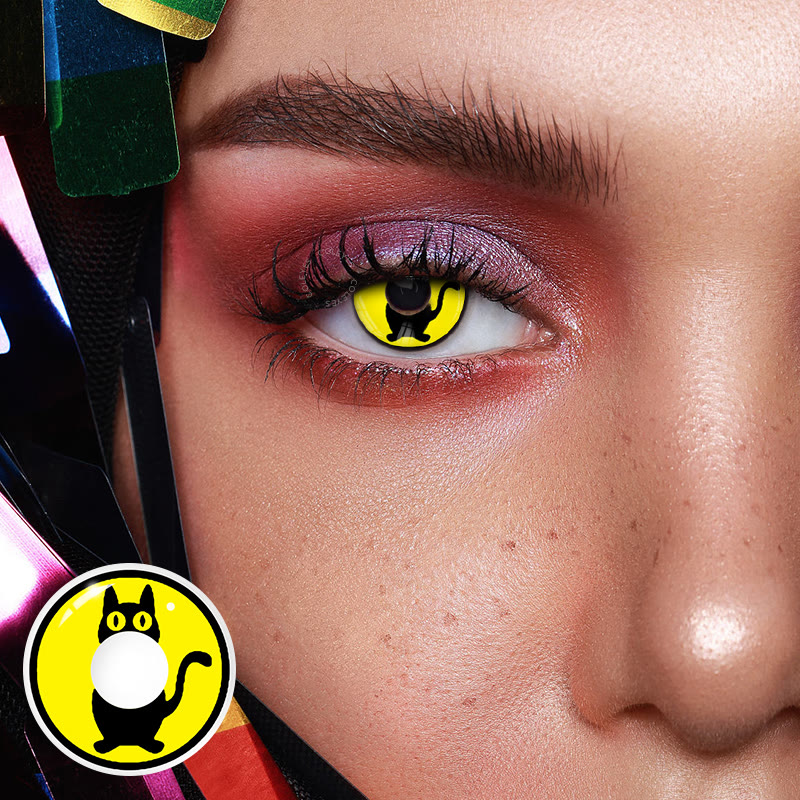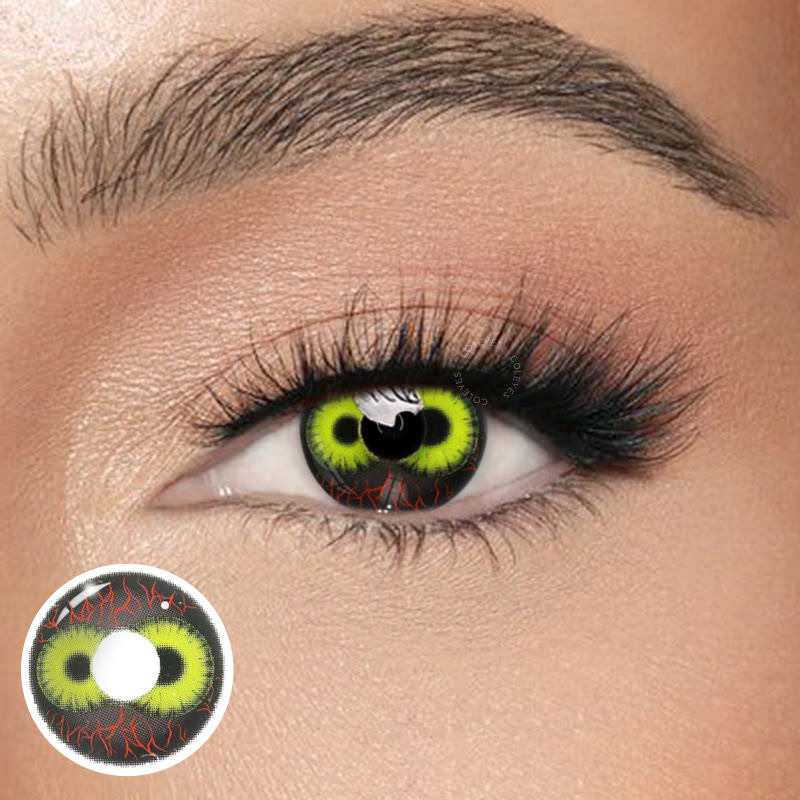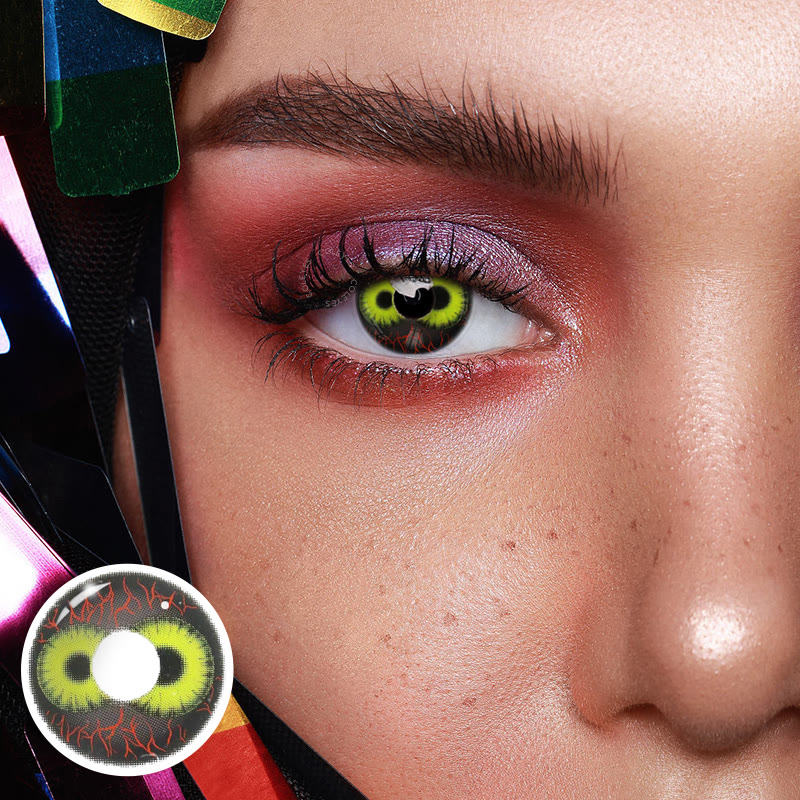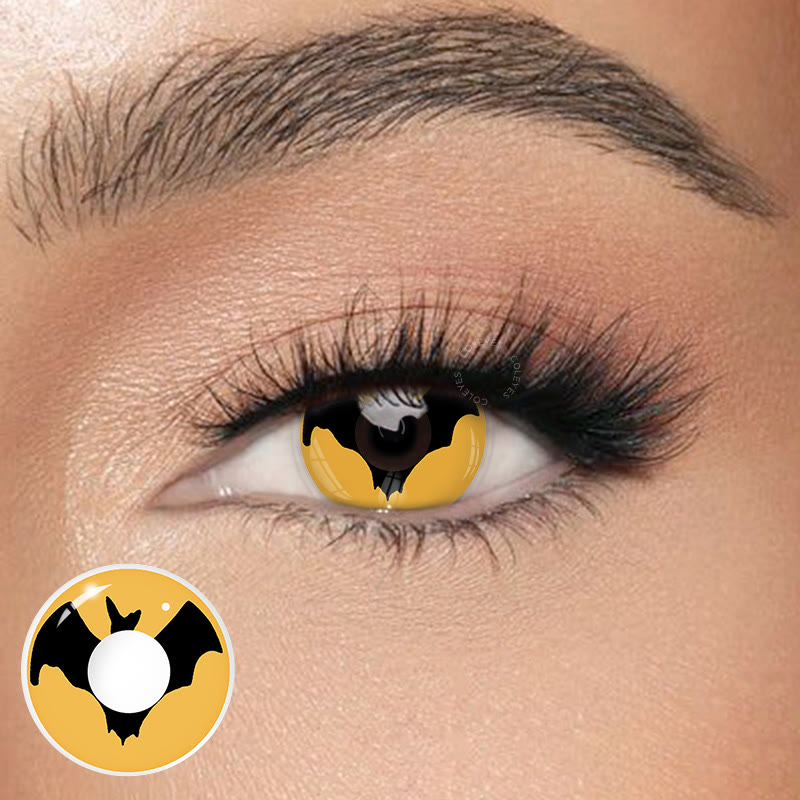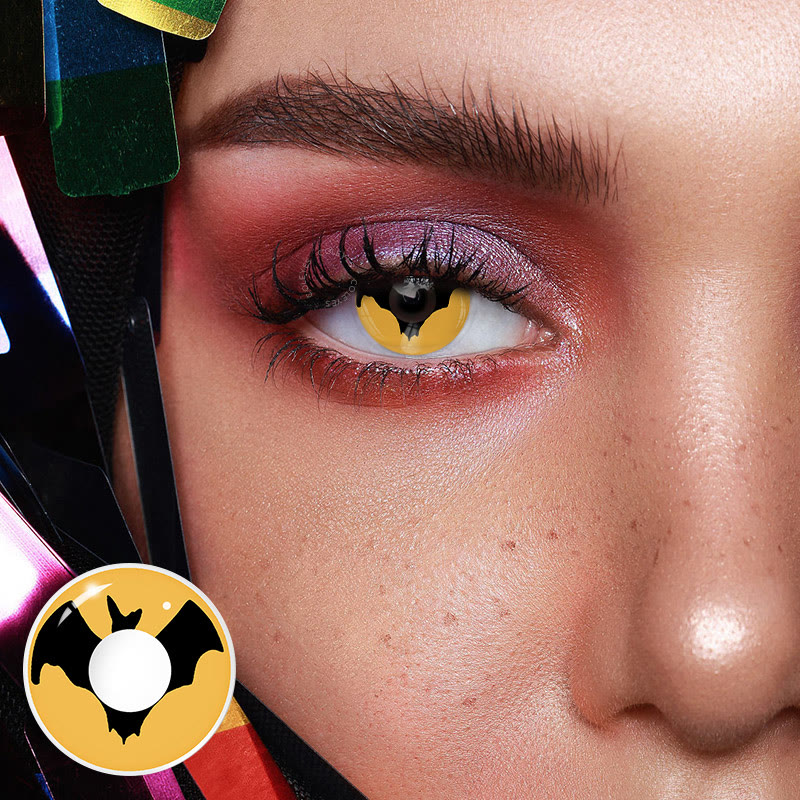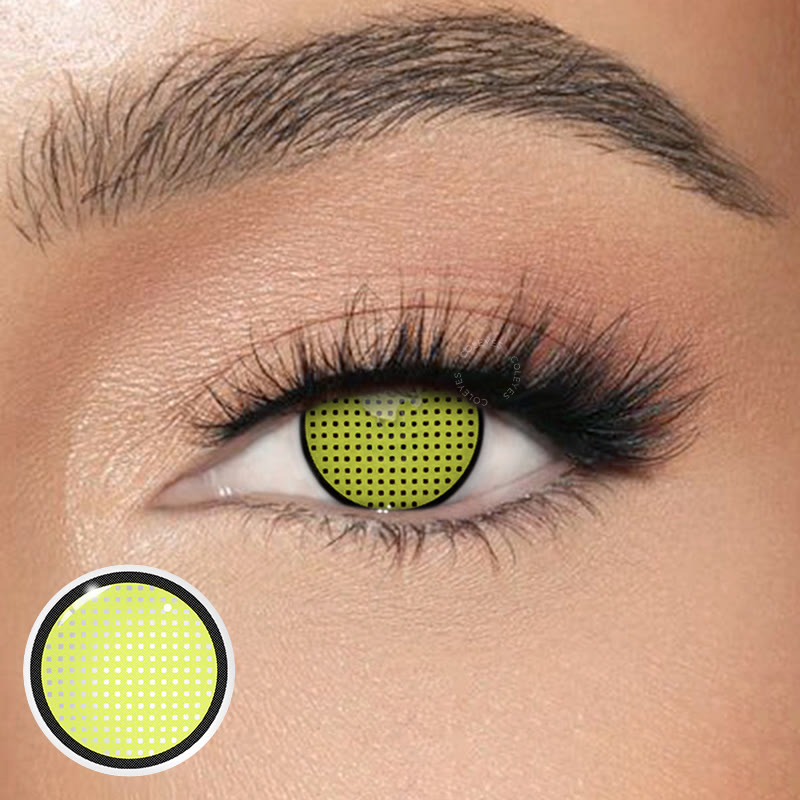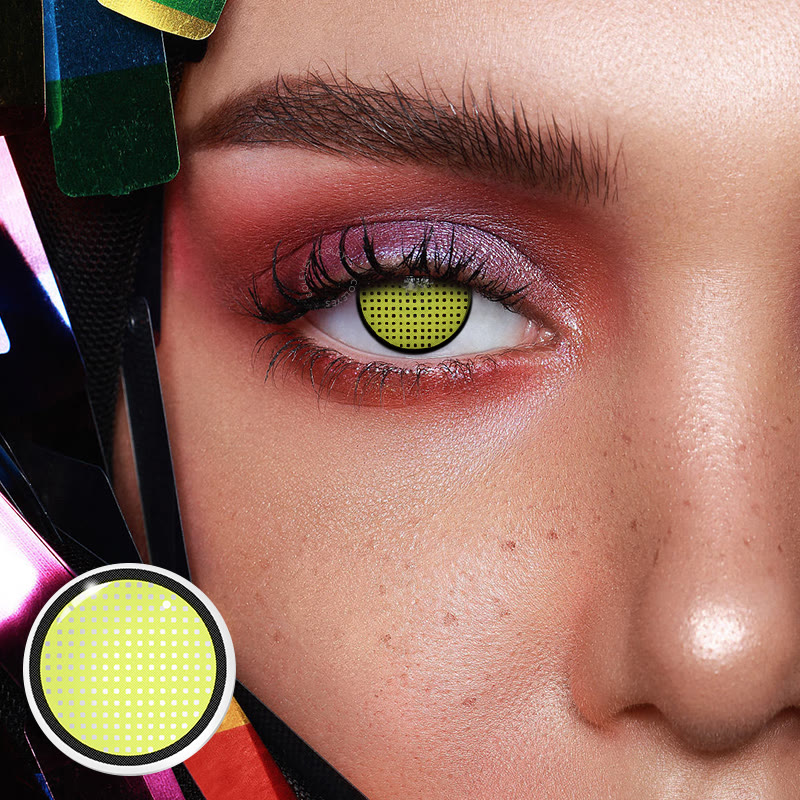

Gold contact lenses do not contain actual metal, but they can give your eyes a striking golden look to suit any occasion. Printed pigments create shades ranging from soft honey tones to bold metallic effects. Your ideal pair depends on your eye color, skin tone, and style goals. Whether you prefer natural gold-colored contact lenses for daily wear or dramatic gold contact lenses for cosplay, this piece covers how to choose, style, and care for gold prescription contact lenses and plano options. It also helps you buy with confidence.
What Do Gold Contact Lenses Really Look Like?
Gold contact lenses can look very different on your eyes than they do in the package. A quick look at color science explains why. Before adding a pair to your cart, understand what "gold" means on a lens and how your natural eye color affects the final look.
Honey, amber, and yellow gold shades explained
Most lenses sold as "gold" fall within the honey, amber, or yellow-brown range instead of having one uniform gold shade. Honey contacts sit between light brown, amber, and golden hazel. They can brighten brown eyes and soften lighter shades such as blue or green.
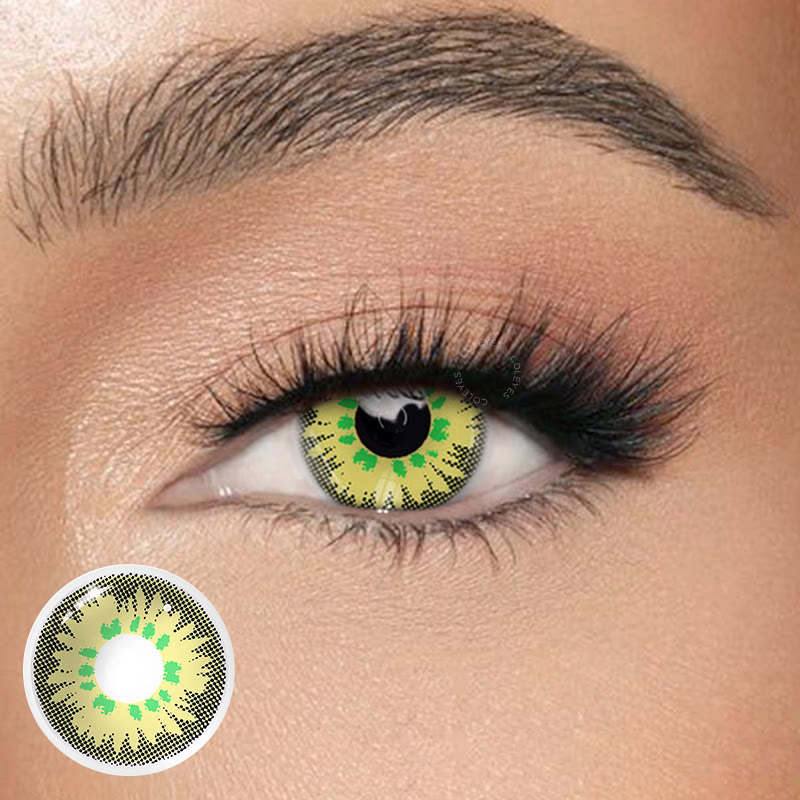
A honey lens blends with dark brown eyes to create a subtle, natural-looking amber-gold effect. The same pigment looks brighter on lighter eyes, often appearing honey-yellow or olive-gold because a dark base does not mute the color. Some designs use richer tones. Glamor-style honey lenses often combine orange with yellow and golden-brown shades, along with a boosted limbal ring that adds depth and makes the eyes appear larger. Other options, such as one-tone toasted honey lenses, avoid layered colors and create a simple honeycomb glow that suits most eye colors. Plain yellow lenses offer a bolder, costume-ready effect. They move beyond soft amber into a brighter and more artificial-looking shade, which some wearers prefer to create dramatic effects.
Metallic gold contact lenses: printed effects, not real metal
A lens labeled "metallic gold" does not reflect light like real gold. Gold gets its distinct color because the metal absorbs some blue light and reflects more red and green wavelengths. Contact lenses use pigments and printed patterns on the lens material. They can reproduce gold's color but cannot copy its reflective finish.
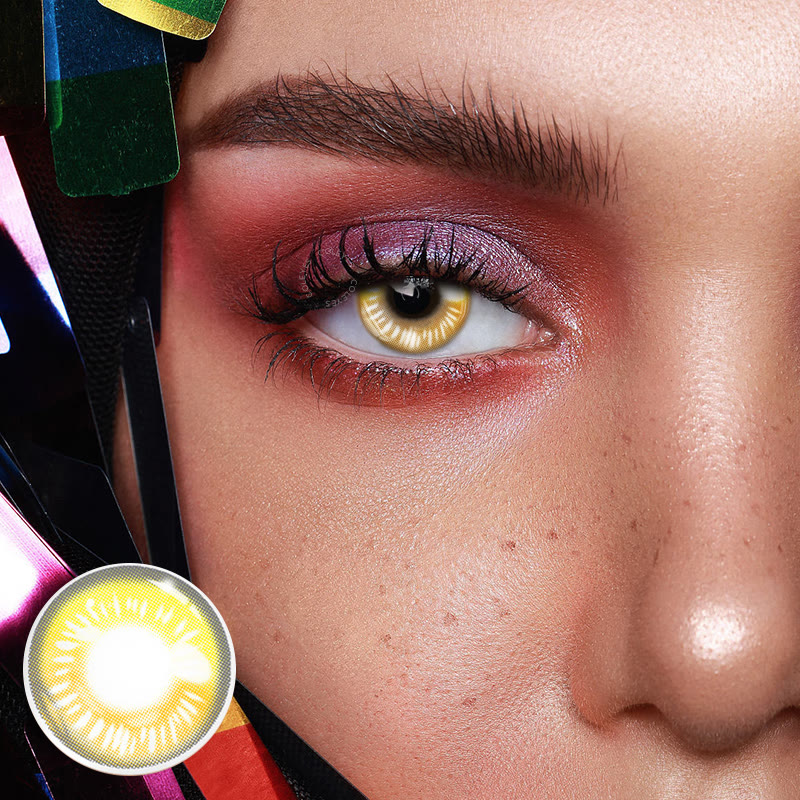
Lens makers use patterns instead of solid color blocks to create the appearance of shimmer. Tri-tone gold lenses, to cite an instance, blend several shades to suggest a metallic finish. Your natural eye color can change the result. Dark brown eyes often make these lenses look more yellow, while blue eyes may produce a softer brownish shade. Shimmer-style yellow lenses with a natural brown tone can sometimes look more convincing as "gold" than lenses marketed under that name. A detailed printing process creates these effects. Colored contacts use tiny dots to control transparency and mimic iris texture because dot printing remains the most precise way to apply color without affecting comfort or visibility.
Why product photos may differ from real results
A product photo reveals little about how a lens will look on your eye. Lighting, camera settings, and digitally enhanced images can alter the lens's true shade. Your natural eye color creates the largest difference between product photos and real results. A gray-blue lens, to name just one example, may look bright silver in daylight but appear much darker indoors. Pupil size, skin tone, and makeup can also affect the final result. Check customer photos from people with eye colors like yours before buying instead of relying only on studio images.
How to Choose Gold Contacts for Your Eyes
Your eye color is the first factor to consider when choosing gold contacts because it determines whether the shade looks like soft honey or dramatic metallic gold. Skin tone and pattern design also matter, and reviewing each factor helps you avoid lenses that look nothing like you expected.
Dark eyes: compare opaque coverage and blended tints
Dark brown eyes contain a high level of melanin, and that pigment prevents lighter tints from showing through. Enhancement tints usually have little effect because they cannot override the natural color underneath. Opaque tints are the practical choice when you want a visible change.
Opaque lenses layer colored tint over the iris and leave the center clear for the pupil. This keeps your vision unobstructed while the gold color remains visible. Blended tints offer a middle option. They appear denser around the outer edge and lighter near the center, which creates a softer transition and avoids the flat, painted-on effect that solid opaque lenses can create. Choose a lens with a small optical zone because it brings color closer to the pupil without covering the area you see through.
Light eyes: check how your eye color changes the shade
Light eyes react to gold pigments in almost the opposite way. A dark backdrop does not mute the color, so golden pigments appear brighter. The result often leans toward light honey-yellow or olive-gold instead of the richer amber shade that appears on brown eyes.
Blue and green eyes are especially likely to show this change, as lighting and pupil size can affect which tones stand out. A tri-tone gold pattern that appears yellow on dark eyes may look muted and brownish on blue eyes instead. Customer photos from people with your eye color matter more than the product image alone.
Skin tone: choose warm or cool gold shades
Your skin undertone determines whether gold complements your complexion or clashes with it. Warm undertones, such as golden, peachy, or yellowish tones, pair well with honey, amber, and hazel shades. Cool undertones can still suit gold contacts, though pale or iridescent options often look more balanced than deep, rich tones.
The jewelry test is one of the easiest ways to check your undertone. You likely have warm undertones if gold jewelry suits your skin better than silver. Your forearm veins can also help: greenish veins usually indicate warm undertones, while blue or purple veins suggest cool undertones.
Lens patterns: compare soft edges and bold outer rings
The limbal ring is the darker circle around the iris's outer edge, and it affects how dramatic a gold lens appears. A soft or diffused ring blends into the eye and works well for everyday wear or light makeup. A medium ring adds definition without looking harsh, which suits casual outings. A strong, defined ring creates a bold outline that can make the eyes appear larger. This style works well for selfies, parties, or cosplay. Lenses without a limbal ring avoid a drawn edge and allow the gold shade to blend with your natural iris texture.
How to Style Gold Contact Lenses for Any Occasion
Once you've chosen a shade and pattern that complement your eyes and skin, build the rest of your look around them. Gold can look different with certain makeup, outfits, and settings, so choose a styling approach that suits the occasion and feels intentional.
Everyday looks with soft makeup and neutral outfits
Beige, white, black, and gray outfits create a clean backdrop, while hazel or honey tones add warmth without taking over the look. Pair brown or hazel gold contacts with a simple jeans-and-T-shirt outfit for a polished everyday style. Natural brown, hazel, or soft gray lenses work best for casual wear because they look effortless instead of costume-like. Keep makeup light: mascara and a neutral lip let the gold tone stand out on its own. Honey gold contact lenses can also work in an office or professional setting. An enhancement tint that deepens your natural eye color without drawing attention usually looks more polished and credible than an opaque shade.
Party looks with bold liner and rich colors
Metallic dresses, sequins, and sparkly outfits suit glamorous lenses, and gold works well with this kind of styling. A golden smoky eye with black liner and sharp winged lines creates dramatic definition for a night out. Gold eyeliner along the lash line can add glamor with a cat-eye flick or fuller lower lashes, without covering the entire lid in color. Try a honey solar lens with a sunset-toned lid and thick black liner for a festive gathering. A gold gradient that fades into a sharp cat-eye also works well for parties and formal events. Glitter and shimmer suit evening settings, though cream formulas tend to feel gentler around the eyes than loose, flaky products. Gold contacts can add a regal touch to a gown for formal occasions, while champagne-brown shades photograph well in most lighting and last throughout the whole event.
Gold contact lenses for cosplay: vampires, cats, and fantasy characters
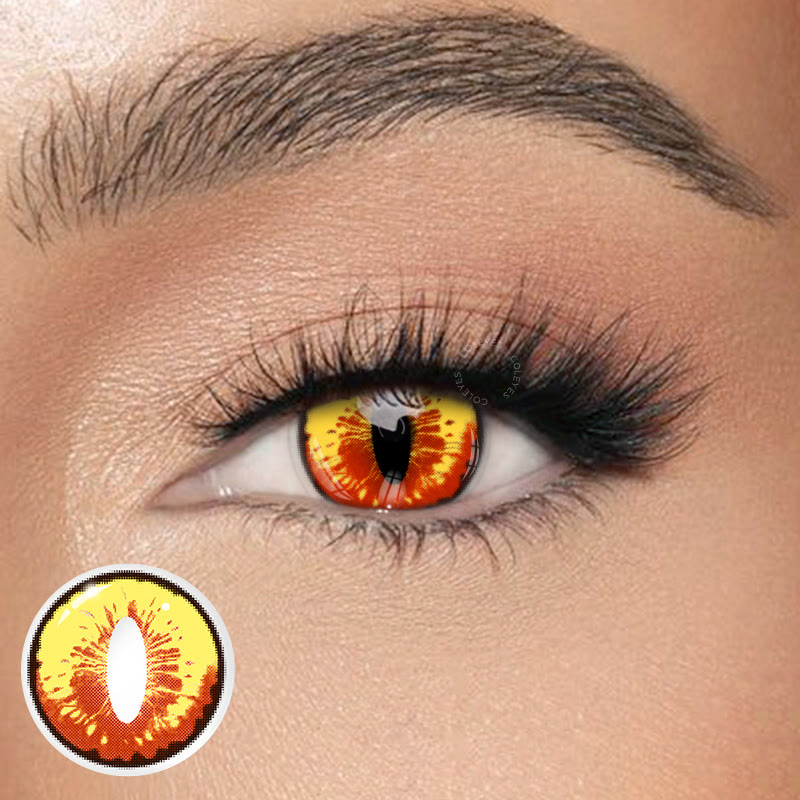
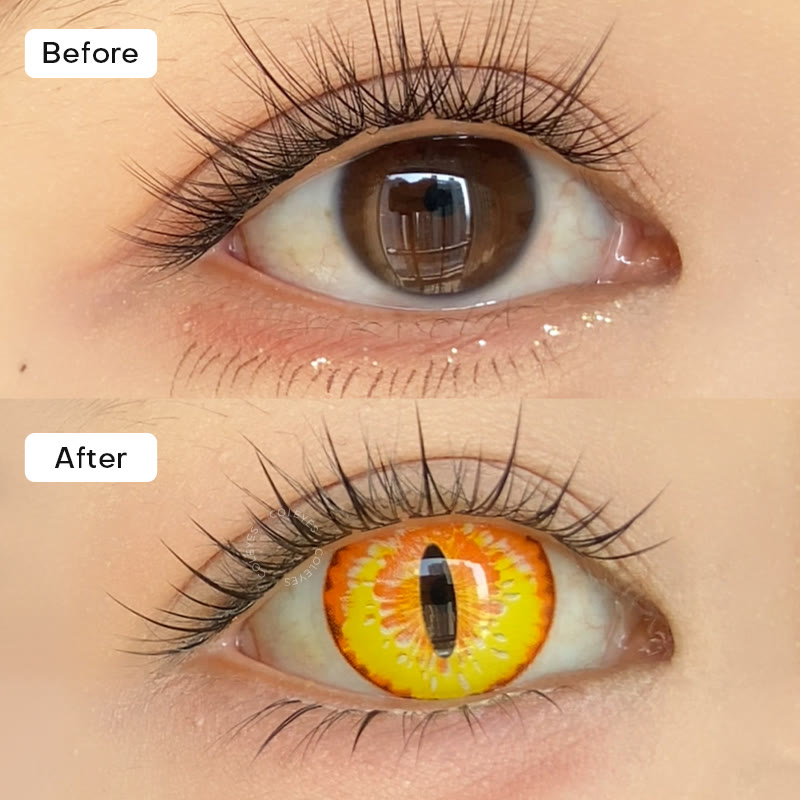
Cosplay needs a completely different approach. Opaque colors work well for vampires, demons, and other fantasy or horror characters because they create a full, visible color change whatever your natural eye shade is. Yellow, orange, or green cat-eye lenses with vertical slits suit dragons, demons, reptiles, and similar creature-based designs. They create a sharp transformation. Match the lens intensity to your makeup so your eyes do not overpower the rest of the costume. Before you wear cosplay contacts at a convention or event:
- Test the lenses at home first. Check their comfort while you walk, read, and move through crowds.
- Wear them only for the approved duration listed on the packaging.
- Keep backup glasses nearby if your eyes become dry, red, or irritated.
What to Check Before Buying Gold Contact Lenses
Finding a gold shade that complements your natural eye color is just the first step. Before purchasing gold contact lenses, you should also consider several important factors related to eye health, lens compatibility, and overall value. Whether you prefer subtle honey gold contacts for everyday wear or bold metallic gold lenses for a costume, these checks can help you make a more informed choice.
Get an Eye Exam and a Contact Lens Fitting
Before buying gold contacts, schedule an eye exam and a contact lens fitting with a qualified eye care professional. Contact lenses are not one-size-fits-all, and the right fit depends on the measurements and needs of your individual eyes.
During the examination, your eye doctor will determine your prescription and assess important fitting details. Your prescription should include the appropriate lens specifications and remain valid according to applicable regulations. Buying lenses without a proper fitting can lead to discomfort, irritation, or more serious eye problems. Be cautious of sellers who claim their lenses fit everyone, as this is not true.
Understand Prescription and Non-Prescription Gold Contacts
Gold contact lenses are available in both prescription and non-prescription options.
Non-prescription, or plano, gold contacts have no vision-correction power. They are designed to change your eye color without correcting refractive errors. Prescription gold contacts, on the other hand, can combine a decorative gold tint with vision correction for conditions such as nearsightedness or farsightedness, depending on the available lens options.
Keep in mind that non-prescription lenses still require a valid contact lens prescription and professional fitting. Even if a lens does not correct your vision, it must still fit your eyes properly to help reduce the risk of complications.
Check the Brand, Base Curve, and Diameter on Your Prescription
Before placing an order, carefully review the specifications on your contact lens prescription. Important details include the prescribed lens brand, base curve (BC), diameter (DIA), and lens power for each eye.
The base curve and diameter determine how the lens sits on your eye. Although common measurements may fall within certain ranges, the correct values vary from person to person and should be determined through a professional fitting.
Do not choose a lens simply because its measurements look similar to those on your prescription. Different lenses may have different fitting characteristics, even when their listed dimensions match. Always confirm with your eye care professional before switching to another lens brand or model.
Compare Daily and Reusable Gold Contact Lenses
Your daily routine can help determine which replacement schedule is more convenient. Daily disposable gold contacts are designed for one-time use and should be discarded after removal. Reusable lenses, such as monthly contacts, require proper cleaning, disinfection, and storage according to the manufacturer's instructions.
Although reusable lenses may have a lower cost per day, they also require additional care products and regular maintenance. Daily disposables offer a simpler routine because there is no need to clean or store lenses for another day.
When comparing prices, consider the full cost rather than looking only at the initial purchase price. The following figures are illustrative examples of how daily lens costs may differ:
| Lens Type | Replacement Schedule | Example Cost per Day |
|---|---|---|
| Monthly colored contacts | Monthly | USD 0.76 |
| Daily colored contacts | Daily | USD 1.39 |
| Daily disposable contacts | Daily | USD 2.70 |
| Daily colored contacts | Daily | USD 5.20 |
Actual costs vary depending on the product, package size, retailer, and replacement schedule. Always follow the recommended wearing and replacement instructions for your specific lenses.
Choose a Seller That Verifies Prescriptions and Follows Local Regulations
Contact lenses are regulated medical devices in the United States, including decorative lenses that do not correct vision. Selling contact lenses without verifying a valid prescription is not a legitimate practice.
Choose a seller that requests your prescription and follows the applicable verification process before shipping your order. A reputable retailer should also provide clear product information, customer support, and guidance on how to use and care for the lenses.
Avoid purchasing gold contacts from unverified street vendors, beauty salons, flea markets, or novelty shops. A low price is not worth risking your eye health. If a seller does not ask for a prescription or cannot explain where its lenses come from, consider looking elsewhere.
Compare Total Costs, Customer Reviews, and Return Policies
Price should not be the only factor when choosing gold contact lenses. Before ordering, review the retailer's return policy, especially its rules for unopened or damaged packages. Contact lenses are often subject to specific hygiene-related return restrictions, so make sure you understand the conditions before completing your purchase.
You can also browse customer reviews and real-life photos to get a better idea of how the gold shade may look under different lighting conditions. Pay attention to comments about color appearance, comfort, packaging, and delivery experience.
Finally, compare the total cost, including shipping fees and any additional care products you may need. Taking time to evaluate these details can help you find gold contact lenses that match your preferred look, fit requirements, and budget.
How to Wear and Care for Your Gold Contacts
Wearing gold contacts safely depends on a few habits that protect your eyes well after you buy them.
Wash and dry your hands before inserting or removing lenses
Wash your hands with soap and water, then dry them with a lint-free towel before touching your gold contact lenses. Dry hands are essential because moisture on your fingers can transfer bacteria directly to the lens surface.
Clean and store reusable lenses with the recommended solution
Reusable gold color contact lenses require a rub-and-rinse cycle with fresh multipurpose solution. Rub each lens for about two to 20 seconds, then store it in a clean case filled with fresh solution. Never top off old solution. Hydrogen peroxide systems need four to six hours of soaking before the lenses are safe to wear.
Follow wear limits and replacement dates; avoid sleep and water
Most people can wear gold contacts for up to 16 hours a day, but sleeping in them greatly increases the risk of infection. Re-disinfect lenses stored for 30 days or longer before wearing them. Keep lenses out of showers, pools, and hot tubs.
Remove lenses for pain, redness, or blurred vision and seek eye care
Remove your lenses immediately if you experience pain, redness, watery eyes, or blurred vision, then contact your eye doctor.
Conclusion
Gold contact lenses use pigments instead of real metal, yet they can create anything from a soft honey glow to a bold metallic effect. Match the shade with your eye color and skin tone to find the best look.
Check real customer photos instead of relying only on product images, and review details such as limbal rings before you buy. Safety matters as much as style. An eye exam, a valid prescription, and a trustworthy seller help protect your vision as you try new looks.
Careful selection and proper daily care can make gold contacts a safe, striking choice for everyday style or your next cosplay look.