
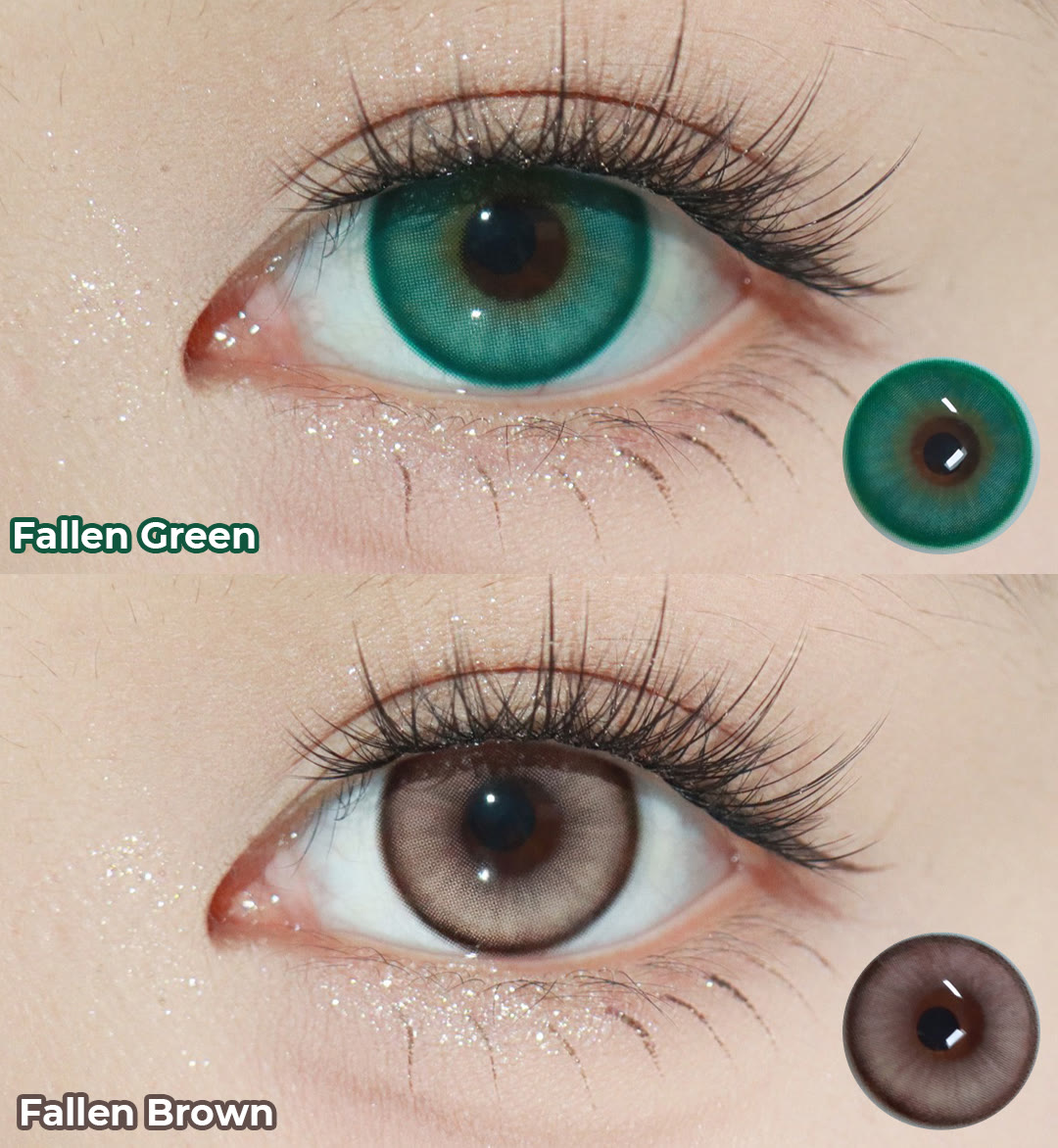
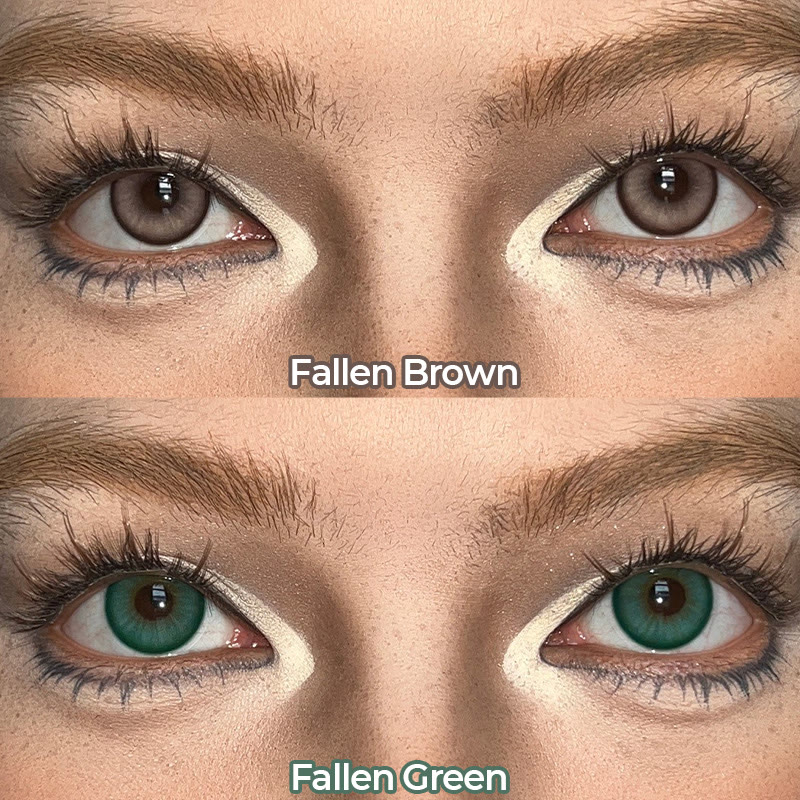
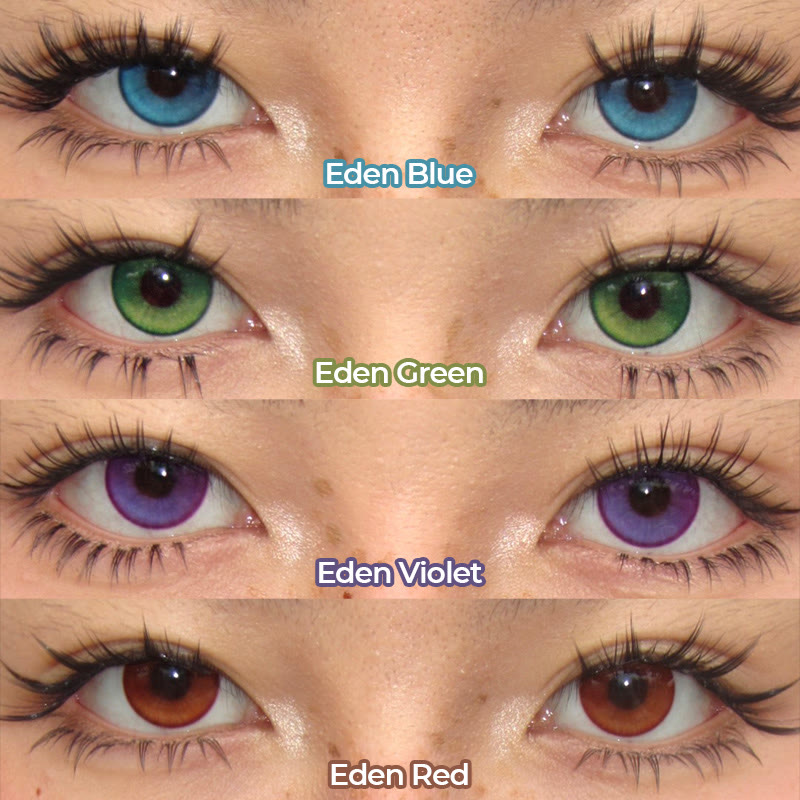
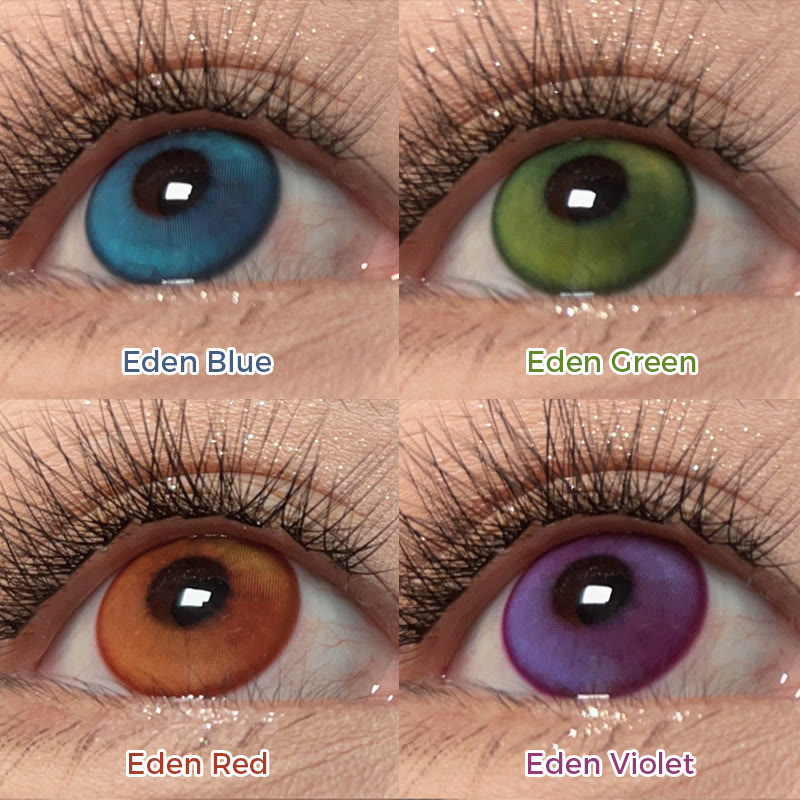
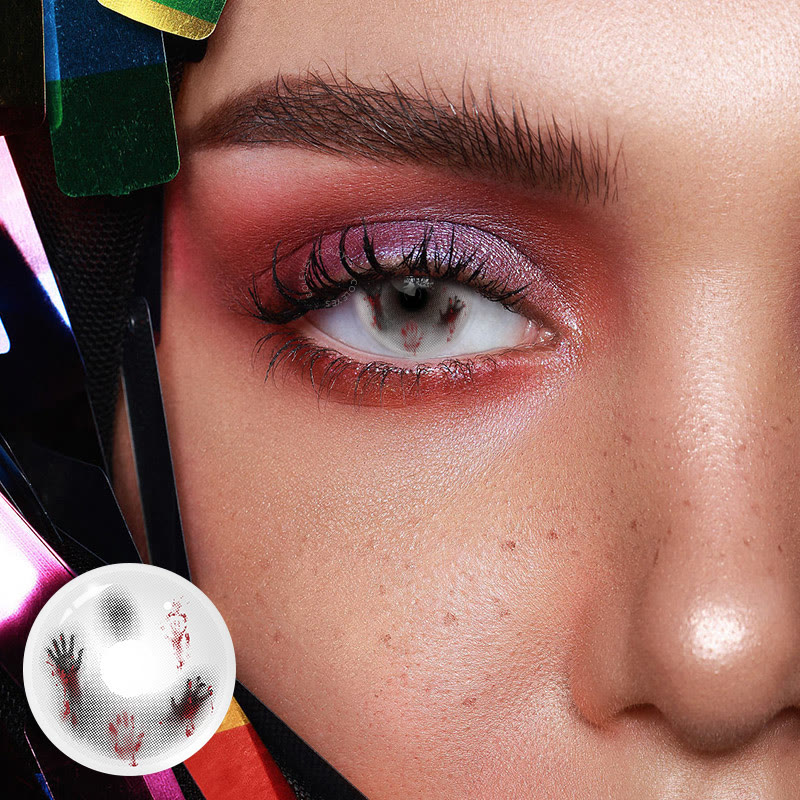
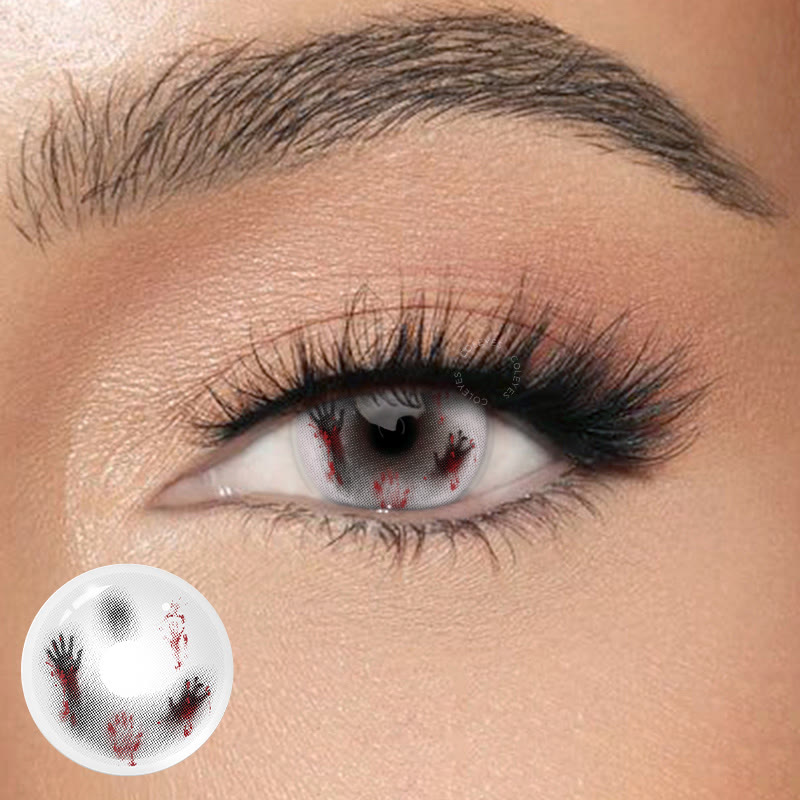
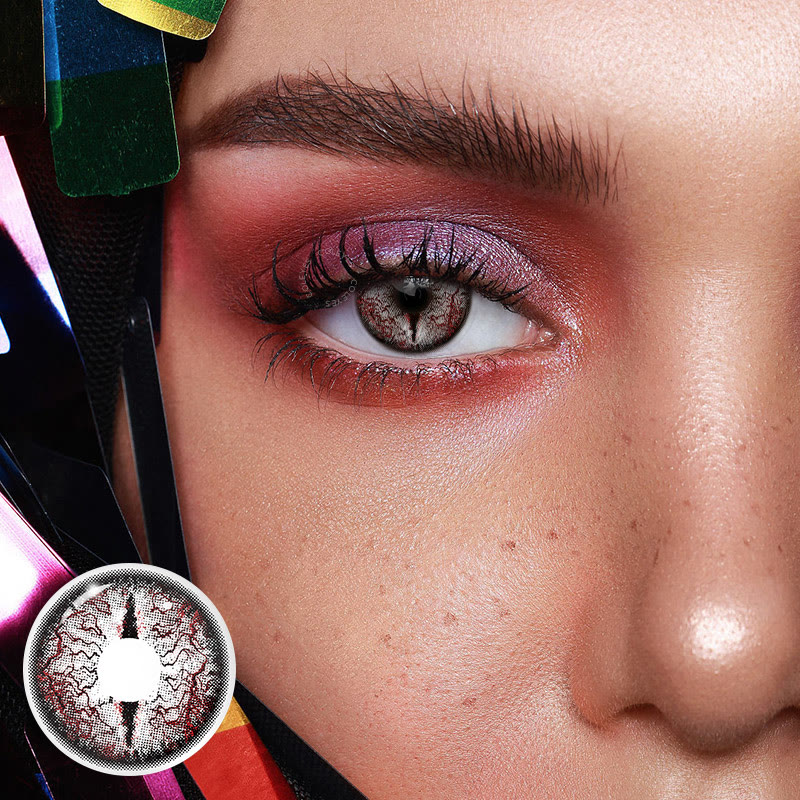
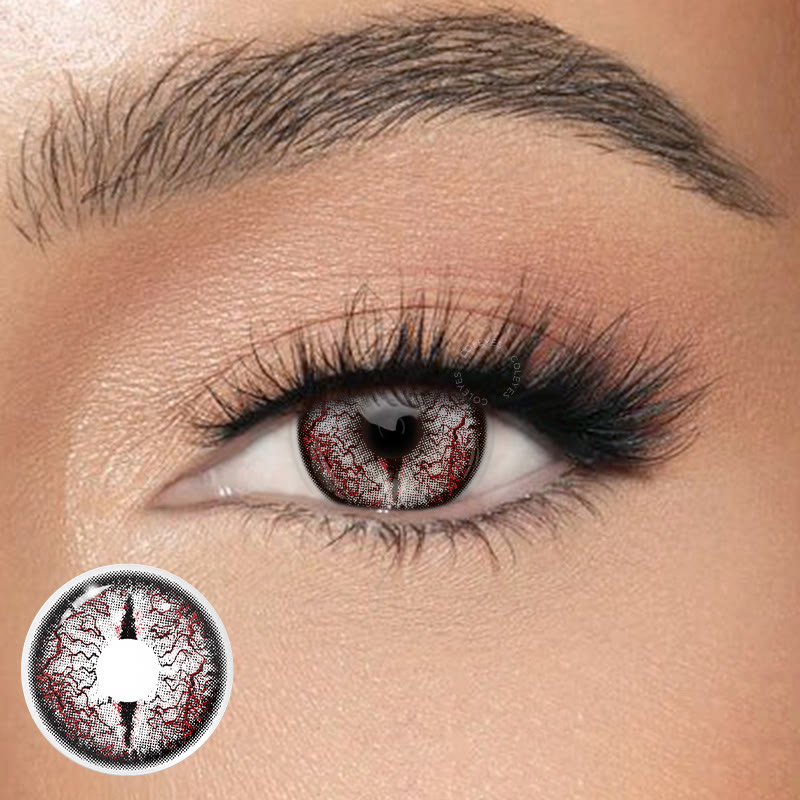

You probably own contact lenses accessories, but are you missing significant items that could protect your eye health? Proper contact lens care matters for clear vision, eye health, and all-day comfort. Yet, many wearers overlook important contact accessories beyond simple cases and solutions. The right eye contact lenses accessories can make a real difference, from antibacterial alternatives to specialized tools for colored contact lenses accessories. This piece covers everything you need: the must-have items and hidden accessories most people ignore, plus how to avoid common mistakes with your contact lens accessories.
Essential Contact Lens Accessories You Actually Need
Contact lens cases and why they matter
Your contact lens case is a medical device, not just a storage container. The quality and maintenance of this small accessory affect your eye safety in a big way. A CDC study reveals that over 80% of contact lens wearers use their cases longer than recommended. This habit creates a breeding ground for bacteria, whatever cleaning routine you follow.
Medical-grade, BPA-free plastic is the gold standard for contact lens accessories. This material combination ensures durability without leaching harmful chemicals into your solution. The case design matters just as much. Look for screw-top lids that create an airtight seal. They prevent solution leakage and block airborne contaminants like dust and bathroom humidity. Flip-top cases offer convenience but lack the secure seal you need for safe storage.
The interior shape plays a role you might overlook. Cases with smoothly rounded, concave bottoms cradle your lenses without creating stress points that cause tears or warping. Flat-bottomed cases can damage lenses and prevent complete solution coverage during disinfection.
Replace your case every three months without exception. Microscopic scratches and stubborn biofilm accumulate over time and create perfect hiding spots for dangerous bacteria. Most multipurpose solution bottles include a free replacement case, making this safety measure both simple and inexpensive.
Solution bottles and storage containers
Contact lens solutions have specific shelf lives that extend beyond the printed expiration date. The discard date marks when you should throw out the bottle after opening, usually within 90 days depending on the manufacturer. Storage capabilities vary between solution types. Some multipurpose solutions allow lens storage for up to one month in a tightly closed case, while others are only good for 24 hours. Hydrogen peroxide-based systems range from seven days to as little as 24 hours of safe storage time.
Preservative-free solutions packaged in unit-dose vials require disposal within 24 hours after opening. Aerosol containers offer longer discard dates due to their sealed design.
The largest solution size fitting TSA 3-1-1 bag requirements is 2 oz for travel purposes. Bottles larger than this exceed the 3.4 oz maximum for carry-on liquids. Refilling travel bottles poses contamination risks unless done in sterile conditions, though some wearers accept this risk for convenience.
Lens applicators and removal tools
Specialized insertion and removal tools serve wearers who struggle with traditional finger methods. The DMV Soft Lens Handler has led the industry for over two decades with its patented gripper pads that align with eye shape and grip the lens surface with care. The small end features a shallow cupped indentation that holds moist lenses for placement onto the eye.
Modern applicators like OptiWand use premium liquid silicone rubber for non-slip grip and safe handling. These tools benefit people with small eye cavities, sensitive fingers, or those who want to protect manicured nails. The compact design measures just 1.75 inches and fits in purses or pockets with ease.
Travel-sized accessories for on-the-go care
Travel kits designed for contact lenses accessories combine everything you need in TSA-approved quantities. Detailed kits include a mirror, solution bottle, lens applicator remover, and case with separate compartments for left and right lenses. You also get soft plastic tweezers and a microfiber cleaning cloth. The lightweight, compact design fits into purses, backpacks, or pockets without adding bulk.
Pack backup contacts and your prescription when traveling. Airlines permit contact solution in carry-on bags as over-the-counter medication, exempt from standard liquid restrictions. Keeping a 2 oz travel bottle simplifies security screening, though.
The Hidden Accessories Most Contact Lens Wearers Ignore
Beyond the standard contact accessories most wearers know about, several specialized items can improve your lens care routine and eye safety by a lot. These overlooked contact lenses accessories address specific hygiene concerns and practical challenges.
Antibacterial lens case alternatives
Standard contact lens cases harbor bacteria even with regular cleaning. Antibacterial contact lens cases offer boosted protection through antimicrobial materials built into the case structure. These professional-grade cases suit all types of contact lenses and prevent dust and bacteria buildup better than conventional options.
You must wash your case with lens solution on a regular basis, whatever type you choose. Never use water to clean your case because unwanted bacteria may increase your risk of eye infections. Routine cleaning keeps your products ready and safe for use between the recommended three-month replacement schedule.
Compact mirrors for quick lens checks
Portable mirrors designed for contact lens wearers solve a common problem. These compact designs let you check lens positioning fast when you're stuck in an elevator, car, or other tight space without access to a bathroom mirror. The folded compact design makes them easy to store and carry, yet durable enough for daily use.
Quality compact mirrors feature high-clarity glass and sturdy construction that withstands regular handling. Some models include magnification options and LED lighting for detailed inspection in low-light conditions.
Makeup sponges for hygienic application
Many makeup-wearing contact lens users store their lens cases inside cosmetic bags. This practice causes cases to become covered in makeup both inside and outside. The cosmetic bag contains bacteria from makeup brushes and containers. Keep your contact lens accessories in a separate bag from cosmetics to prevent contamination.
Use disposable applicators or clean sponges rather than sharing tools that collect bacteria when applying makeup while wearing lenses. This separation protects your eye contact lenses accessories from harmful microorganisms.
Lens washers and cleaning devices
Multipurpose solution combined with your fingertips provides adequate cleaning for most wearers. But specialized cleaning devices appeal to those seeking deeper disinfection. Multipurpose solutions clean, disinfect, and store lenses in one step while removing dirt, germs, and protein buildup.
Hydrogen peroxide solutions offer deeper cleaning for protein deposits that accumulate over time. Follow instructions with care because hydrogen peroxide requires neutralization before wearing your lenses again. Machine cleaners generate mixed opinions among users, with concerns about proper sanitization of the devices themselves.
Tweezers for safe lens handling
Specialized contact lens tweezers feature soft silicone tips that prevent damage during handling. These tools measure about 5 inches in length and provide precision grip for transferring lenses from cases or cleaning tools. The silicone tips protect delicate lens surfaces from scratches or tears that fingernails might cause.
Scissor-handle designs offer ergonomic grip and reduce contamination risk during lens transfers. These tweezers work especially well for colored contact lenses accessories and specialty lenses that need extra care. The hygienic handling reduces direct finger contact and makes lens care simpler and safer for accessories for contact lenses users who value sanitary practices.
How to Choose the Right Contact Accessories for Your Lifestyle
The type of lenses you wear determines which contact lenses accessories belong in your care routine. Your lens replacement schedule, material composition and wearing patterns shape your accessory requirements more than personal preference.
Daily disposables vs monthly lens needs
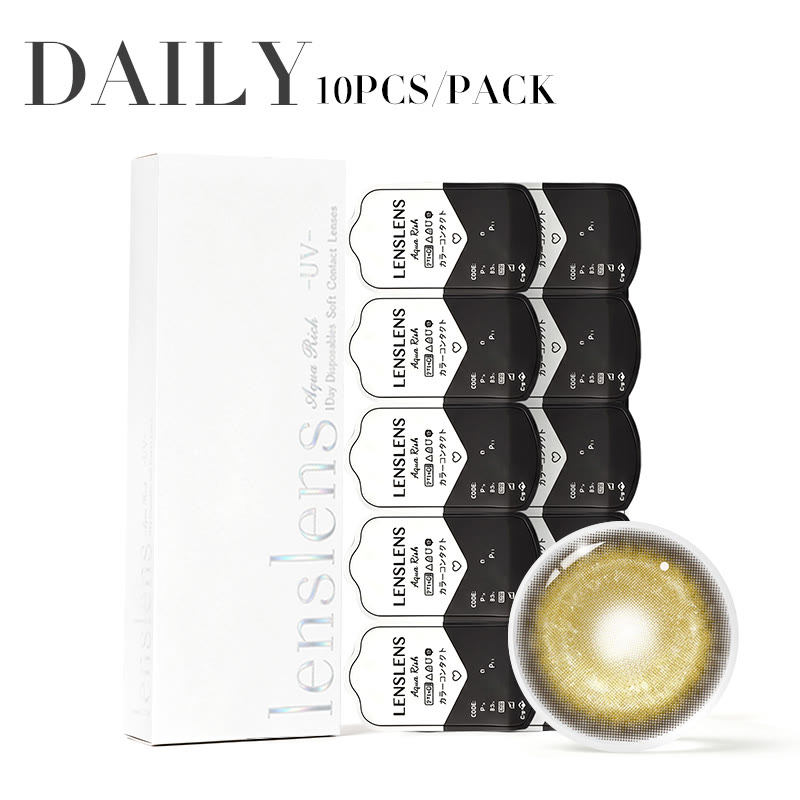
Daily disposable contact lenses eliminate most accessory requirements. You won't need cleaning solutions, storage cases or disinfection systems because you discard the lenses after single use. But you still need to soak new daily lenses in fresh contact lens solution for at least two hours before wearing them. The packaging solution contains higher concentrations that can irritate your eyes without this preparation step.
Monthly lens wearers require complete care systems. A high-quality multipurpose solution that cleans, disinfects and stores lenses becomes your daily essential. Hydrogen peroxide-based systems offer an alternative for deep cleaning protein deposits. You'll also need rewetting drops compatible with contact lenses to curb dryness during extended wear periods. Backup glasses remain important even for full-time monthly lens users. They give your eyes breaks and provide vision correction when you remove lenses for the night.
Colored contact lenses accessories requirements
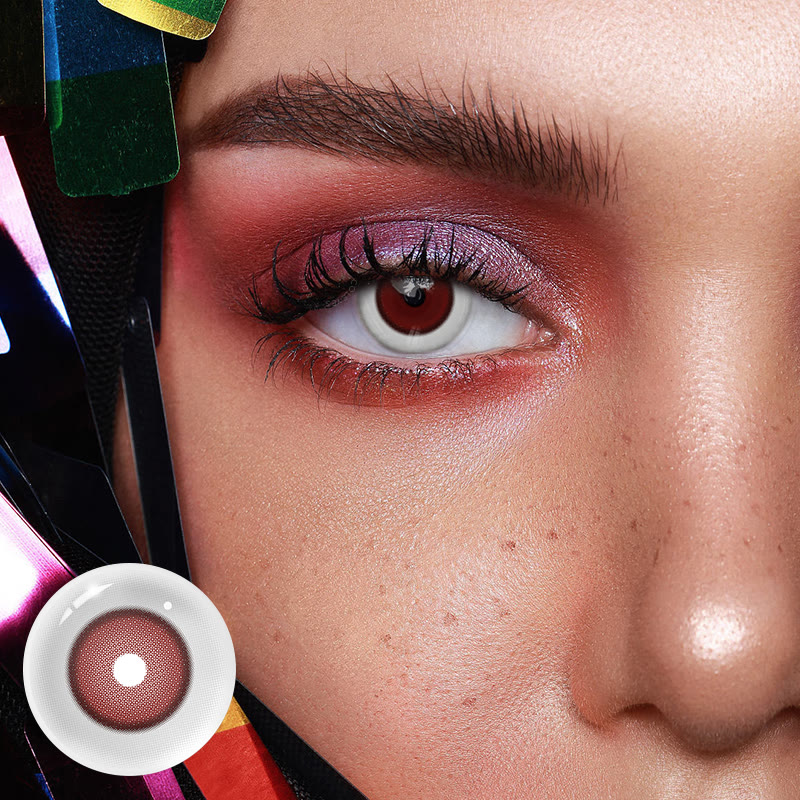
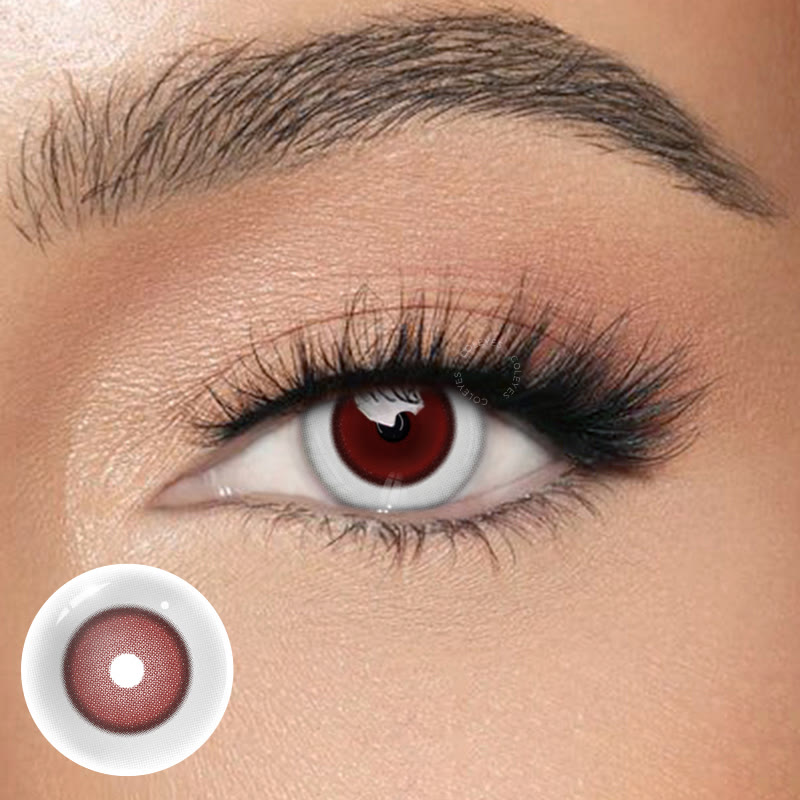
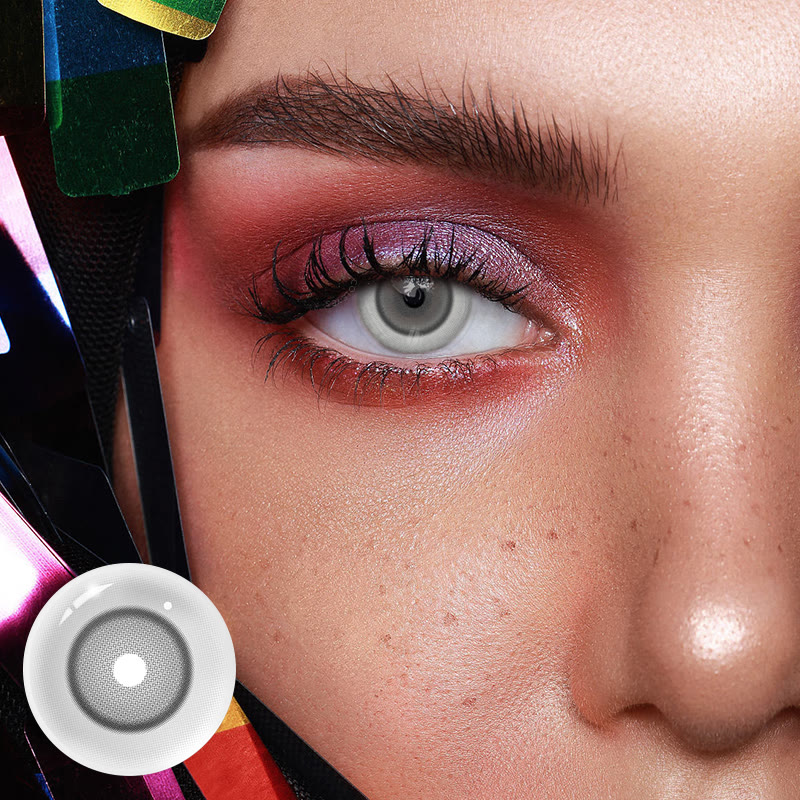
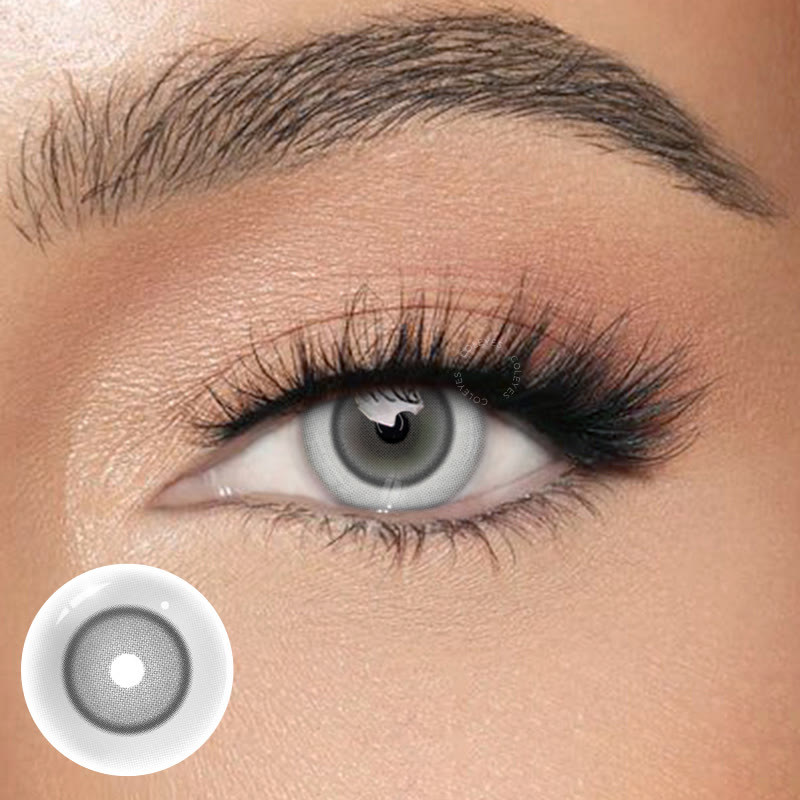
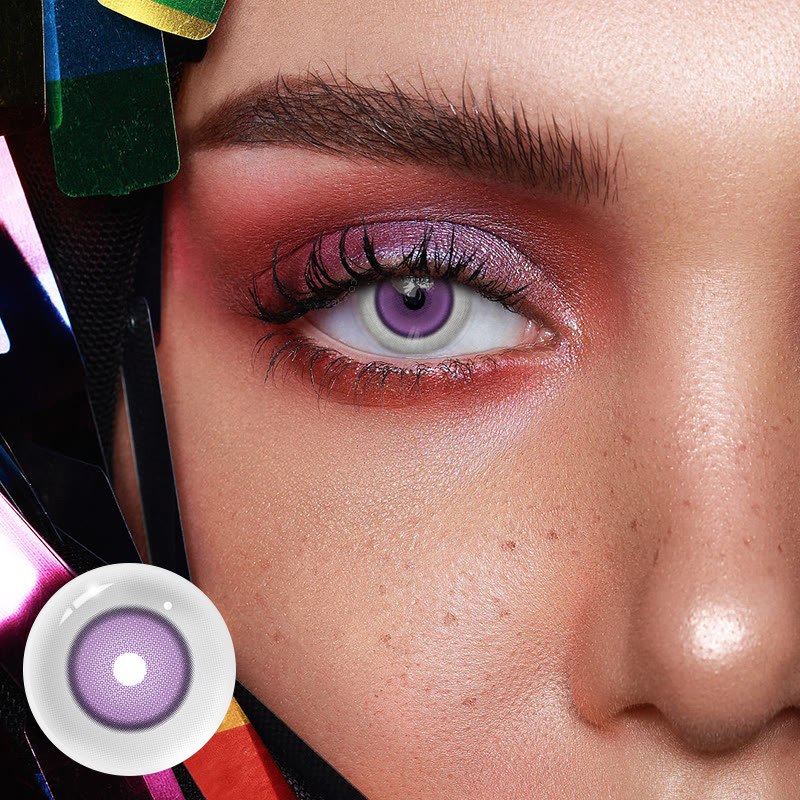
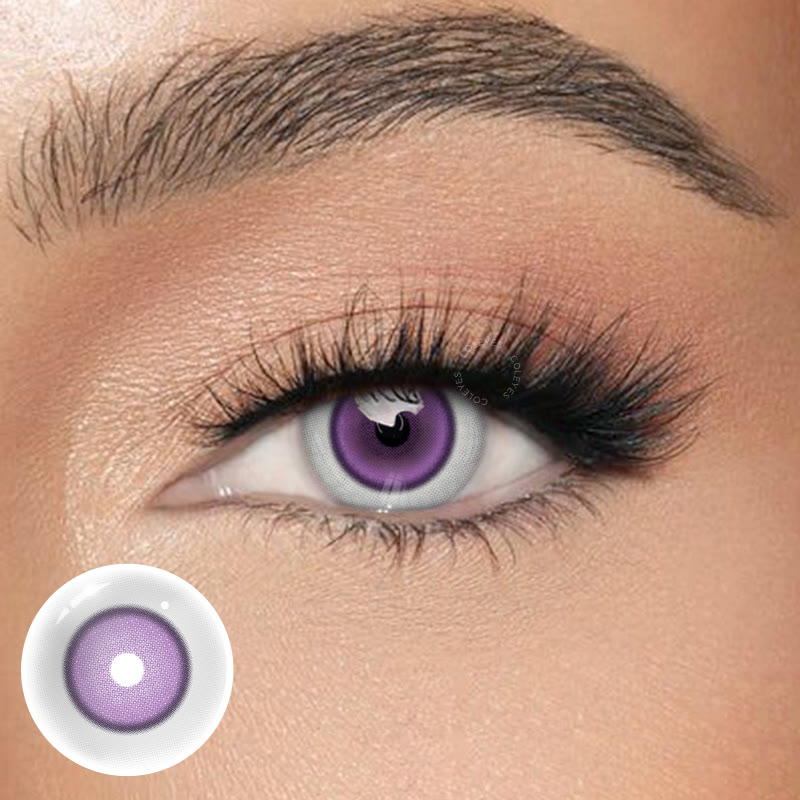
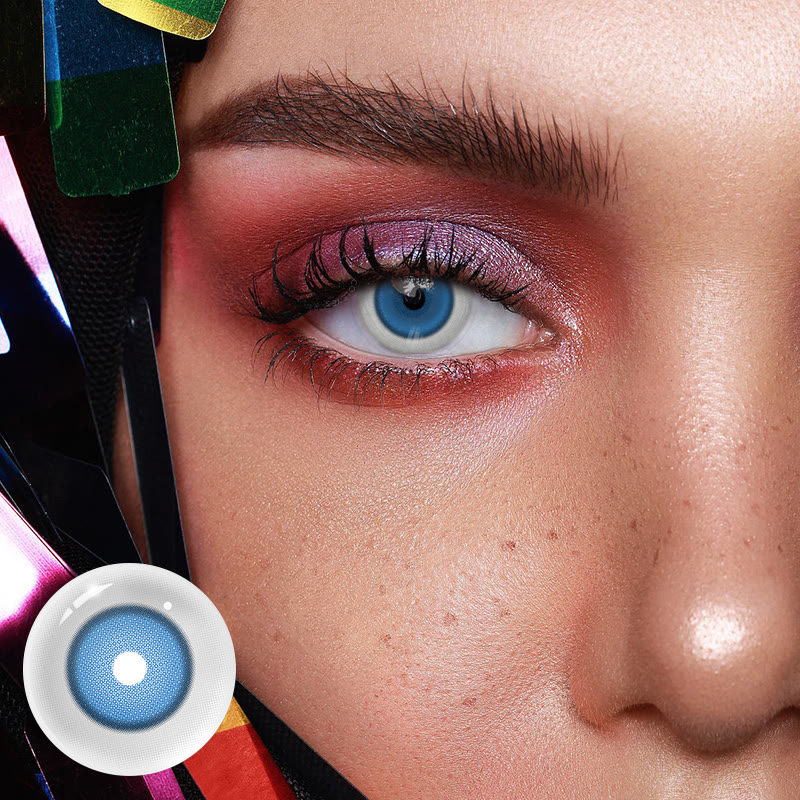
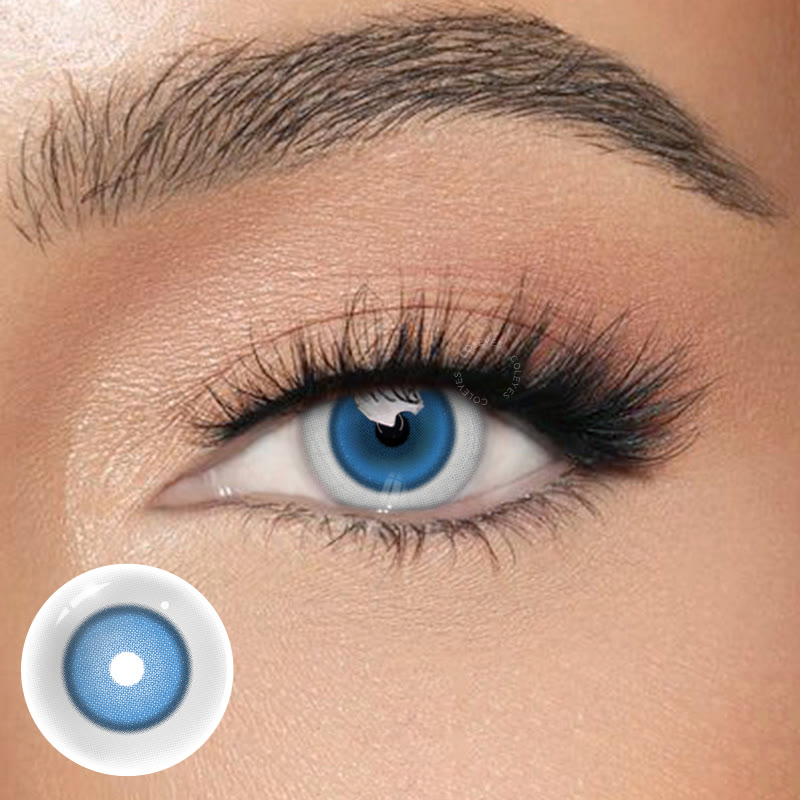
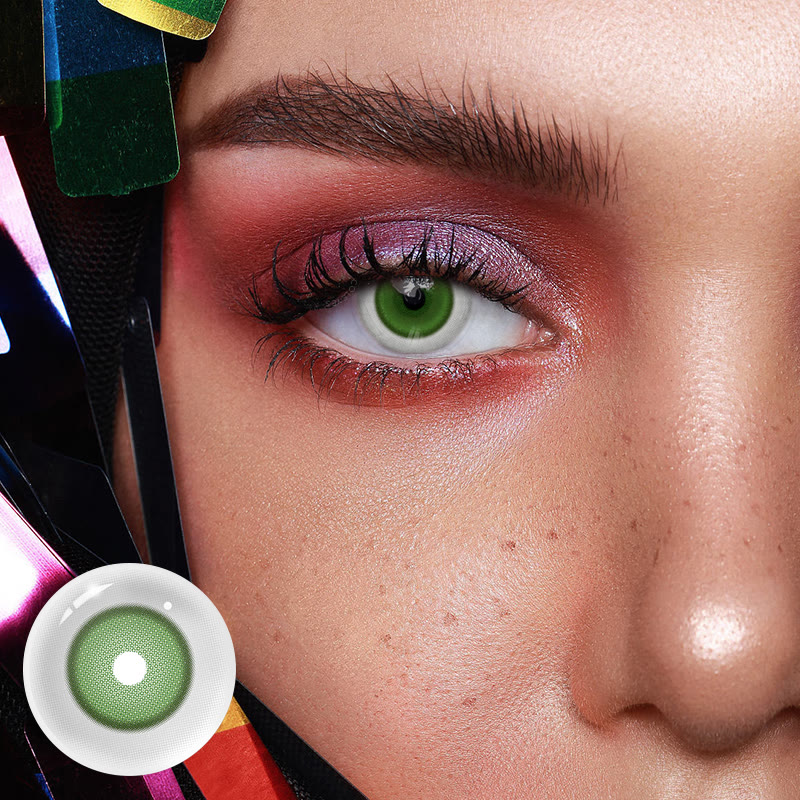
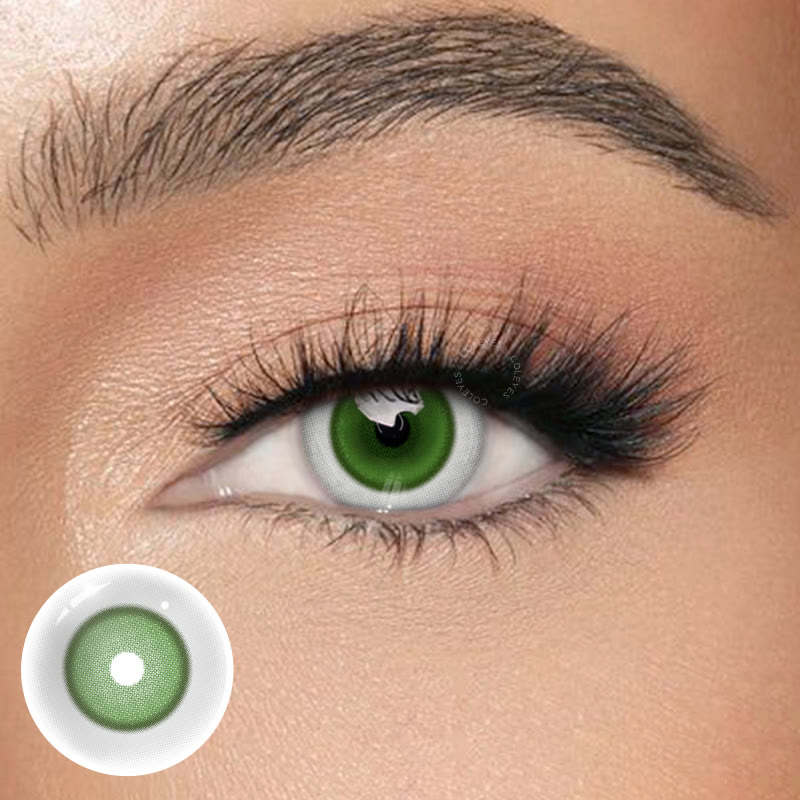
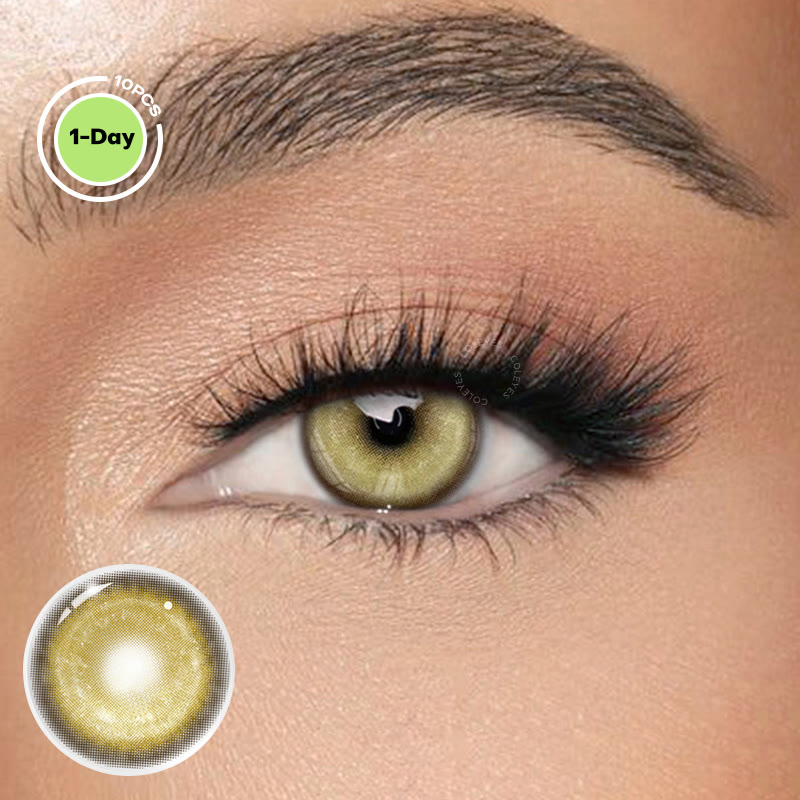
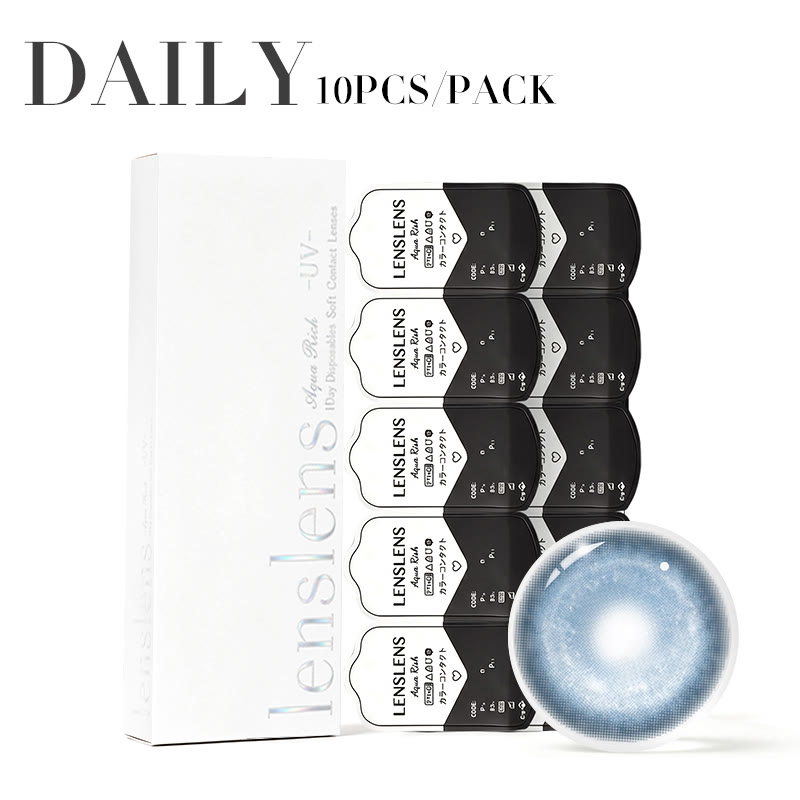
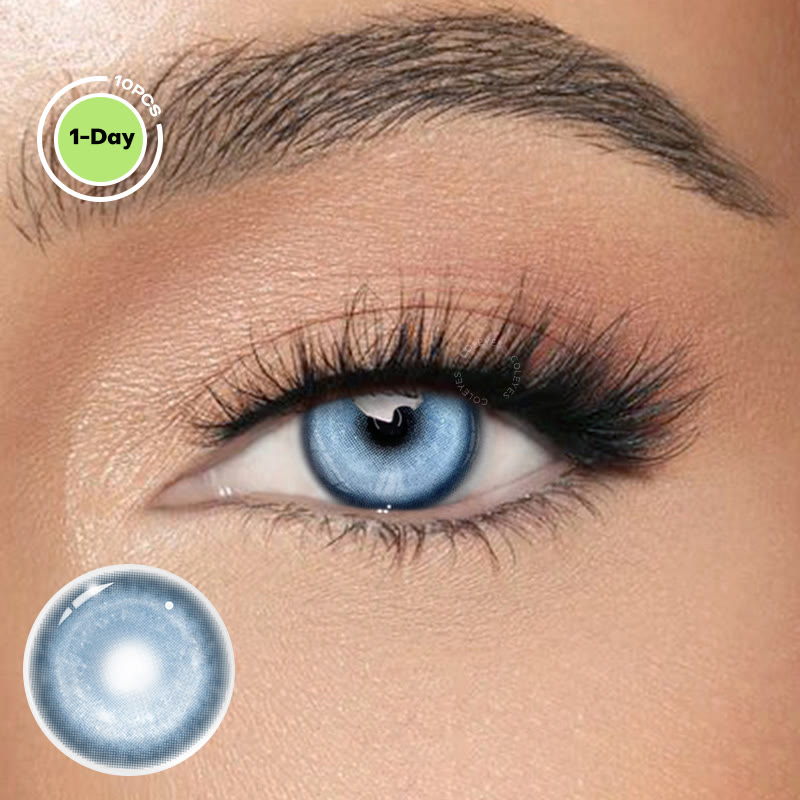
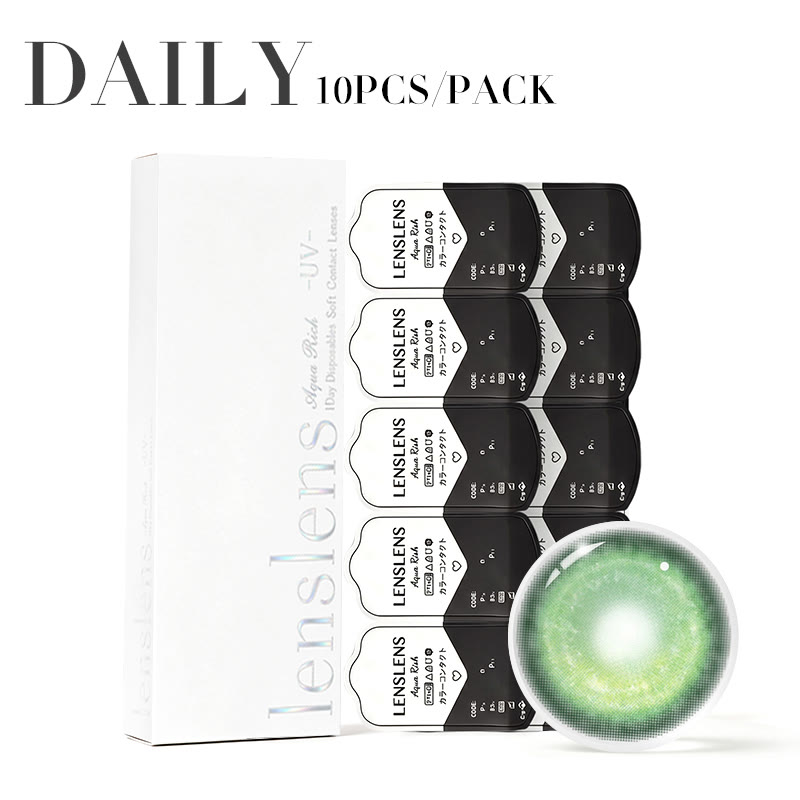
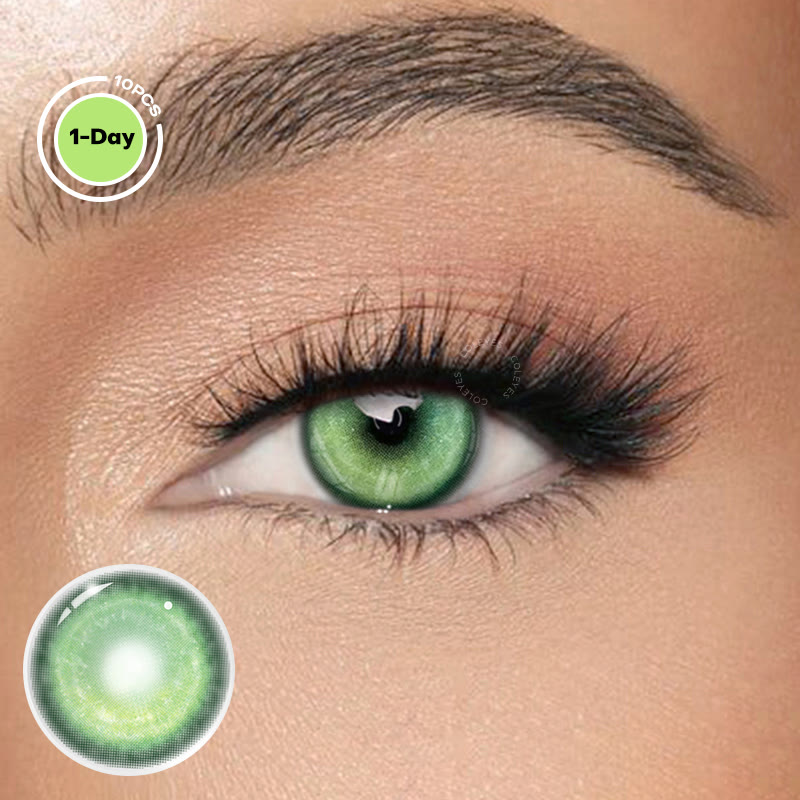
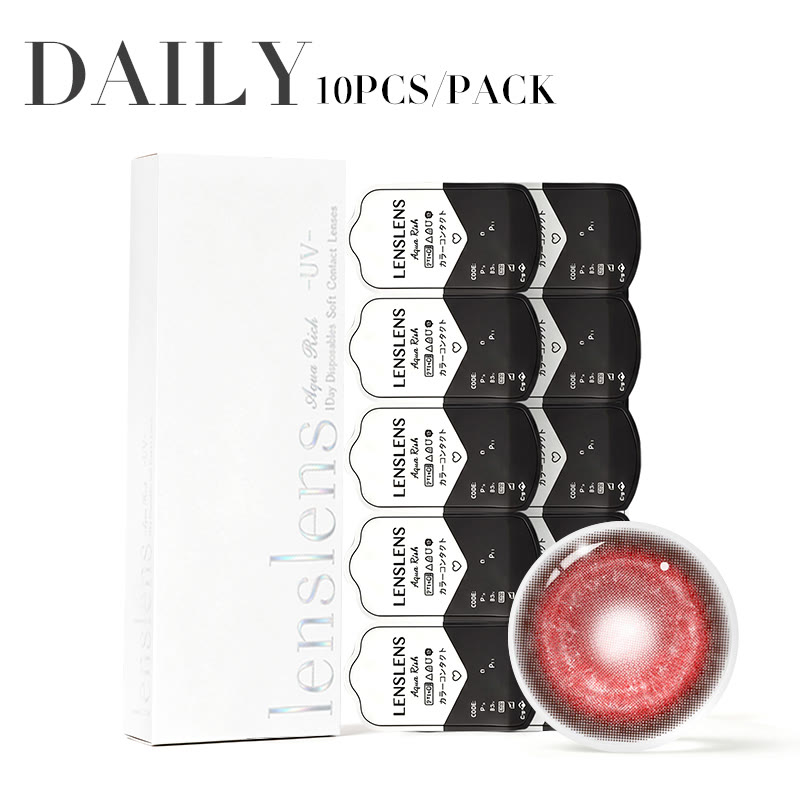
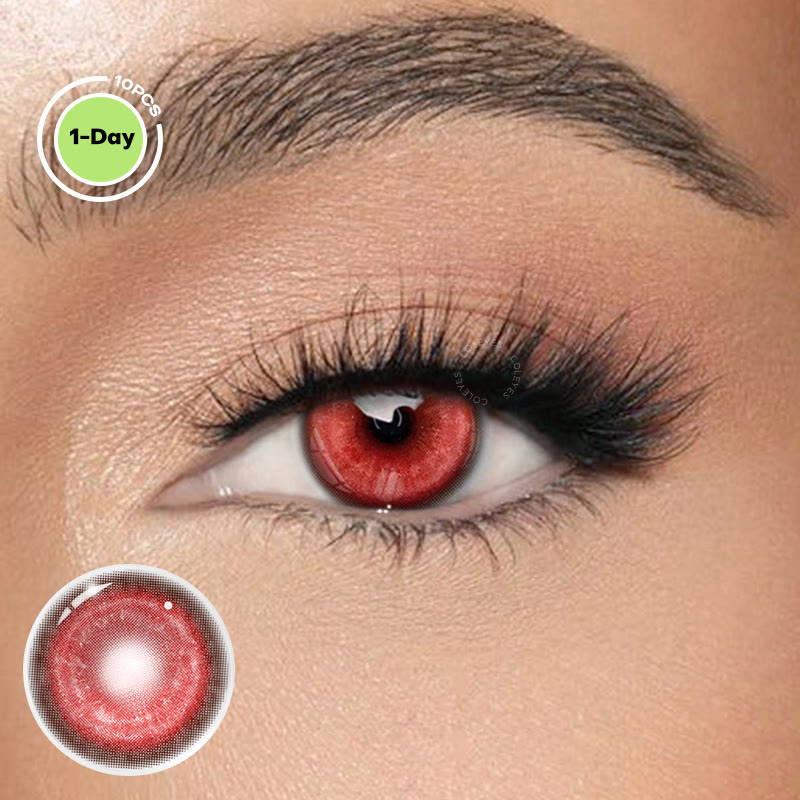
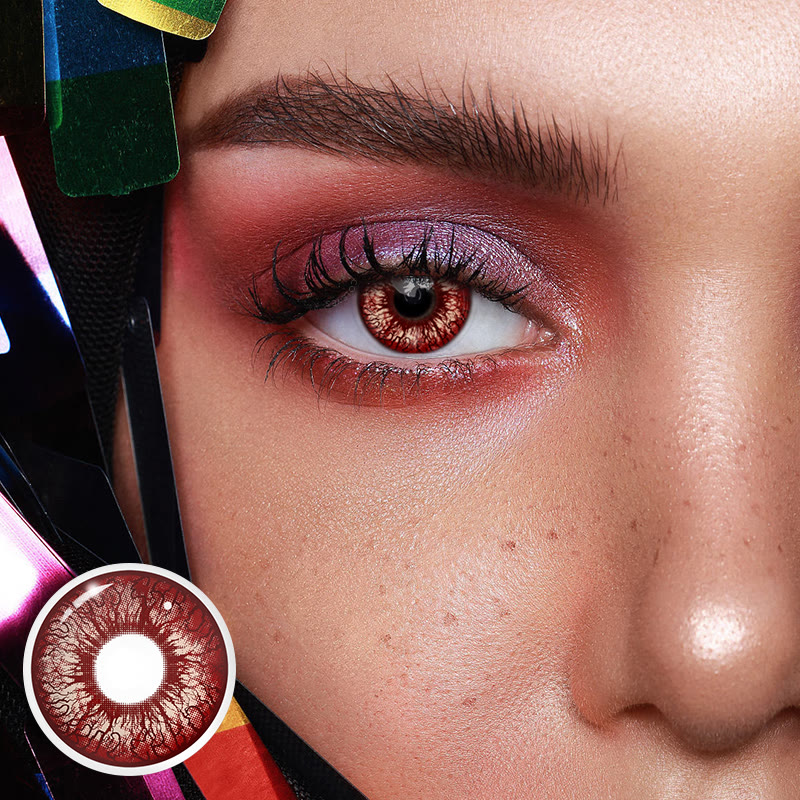
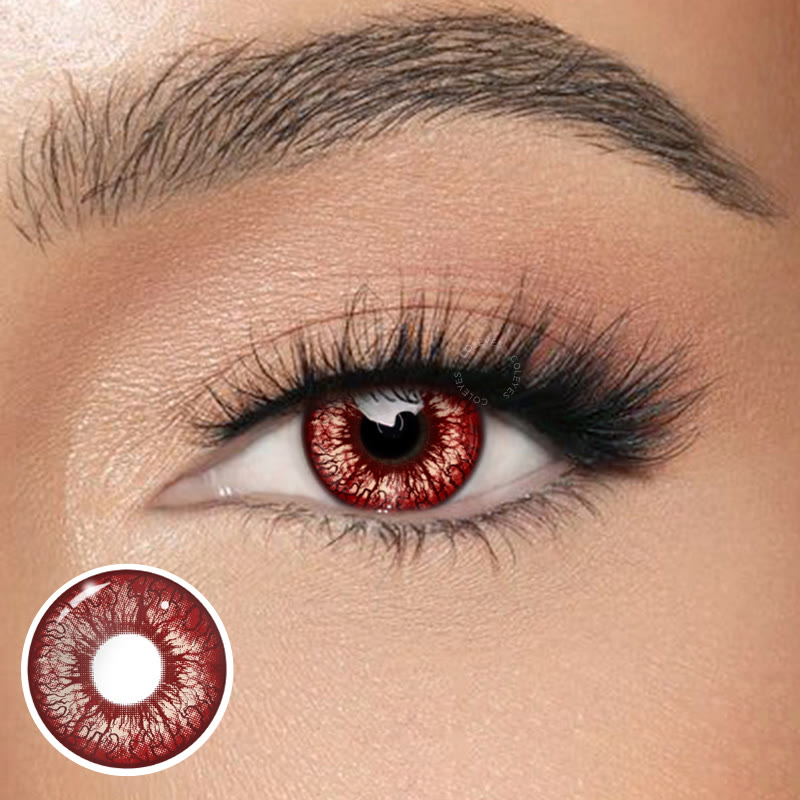
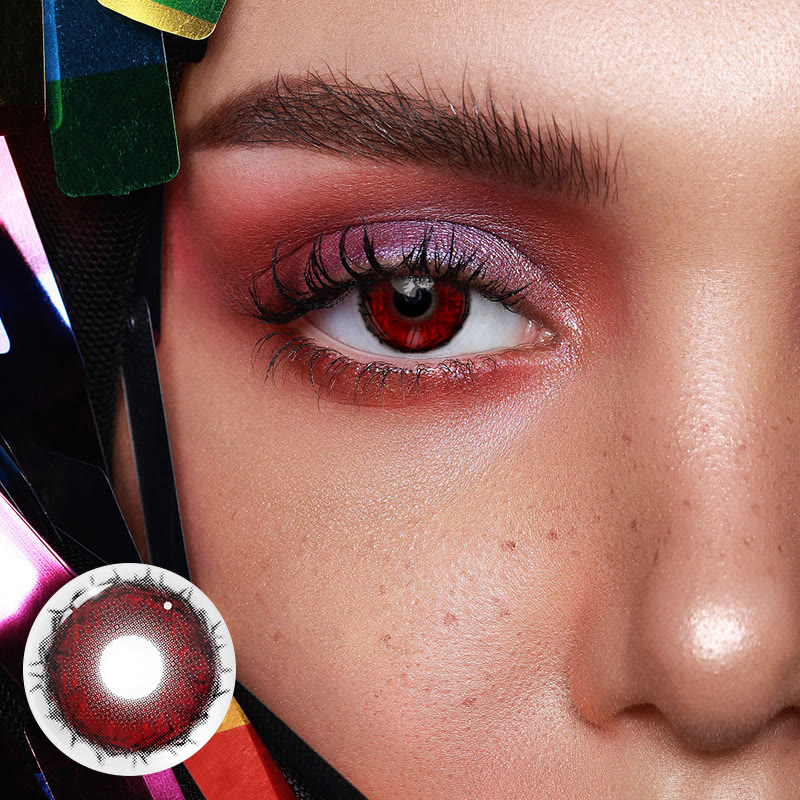
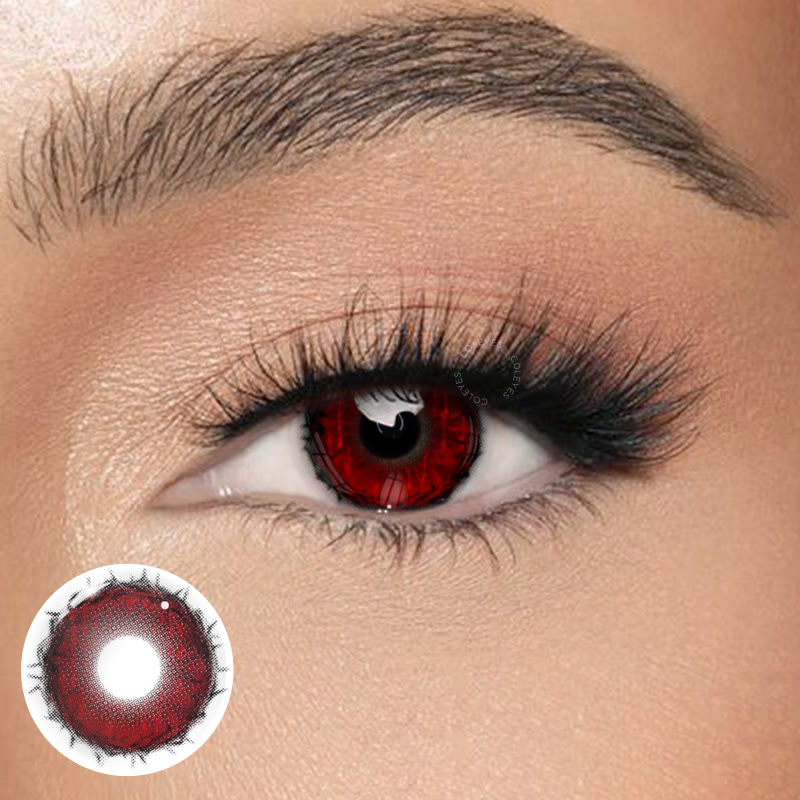
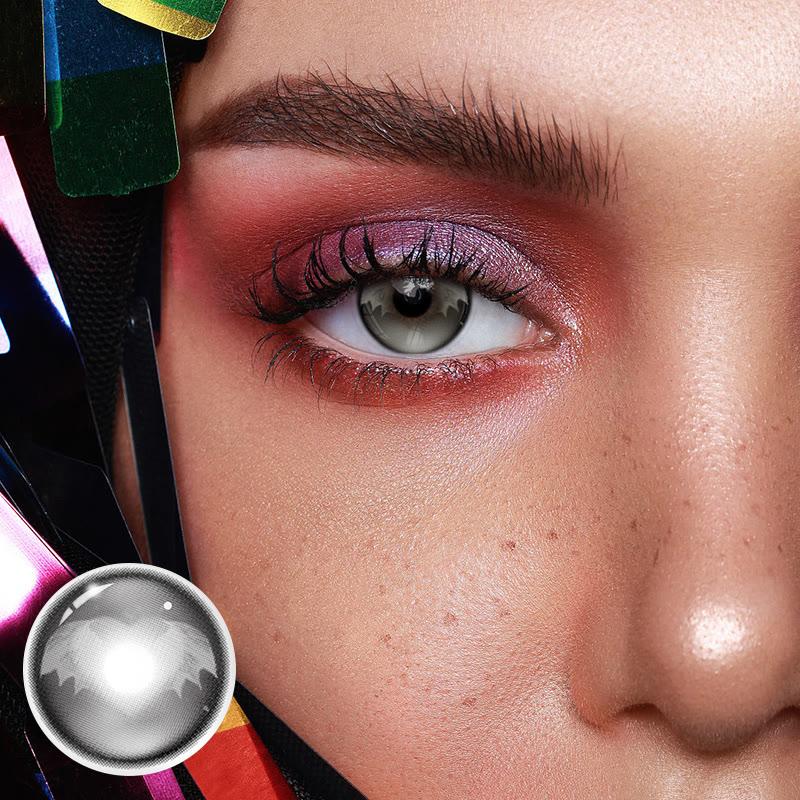
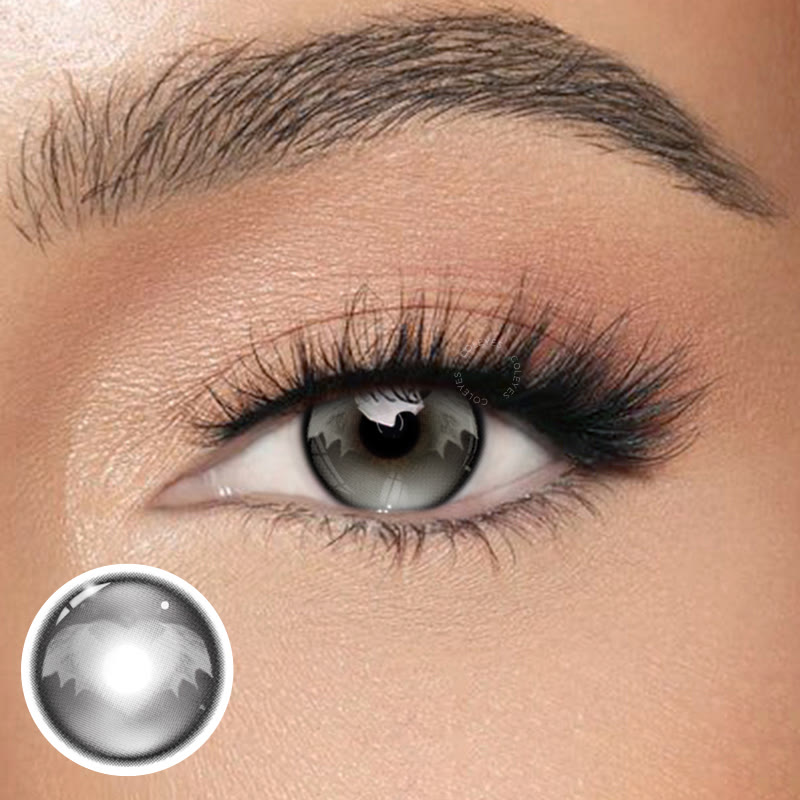
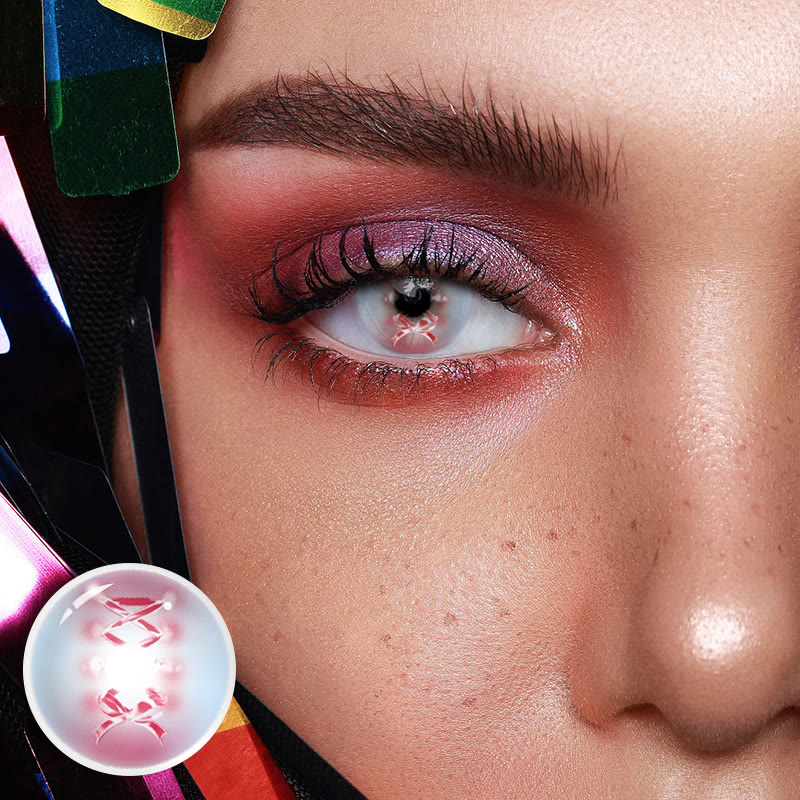
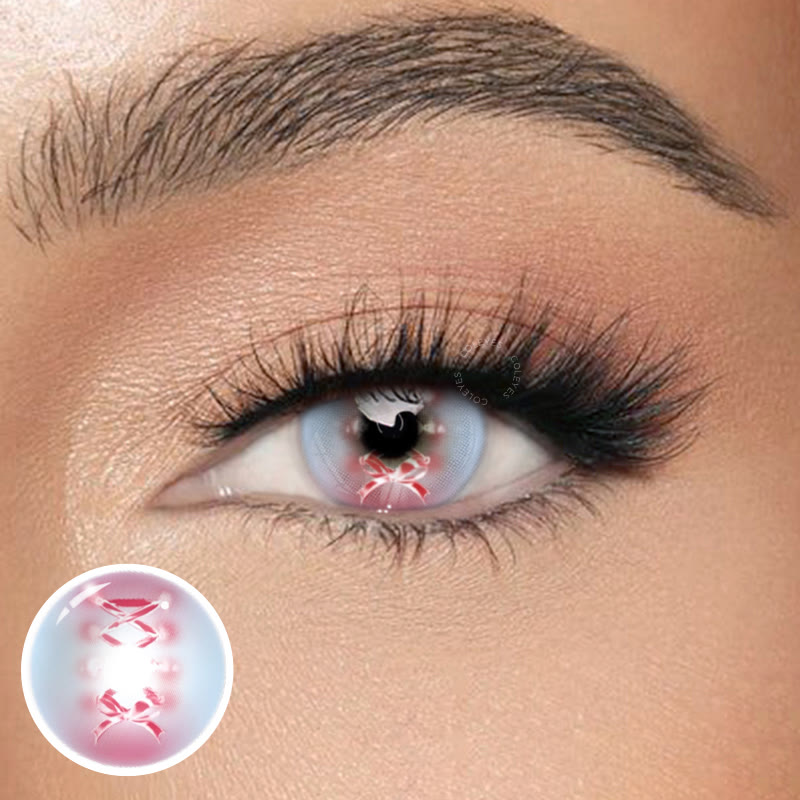
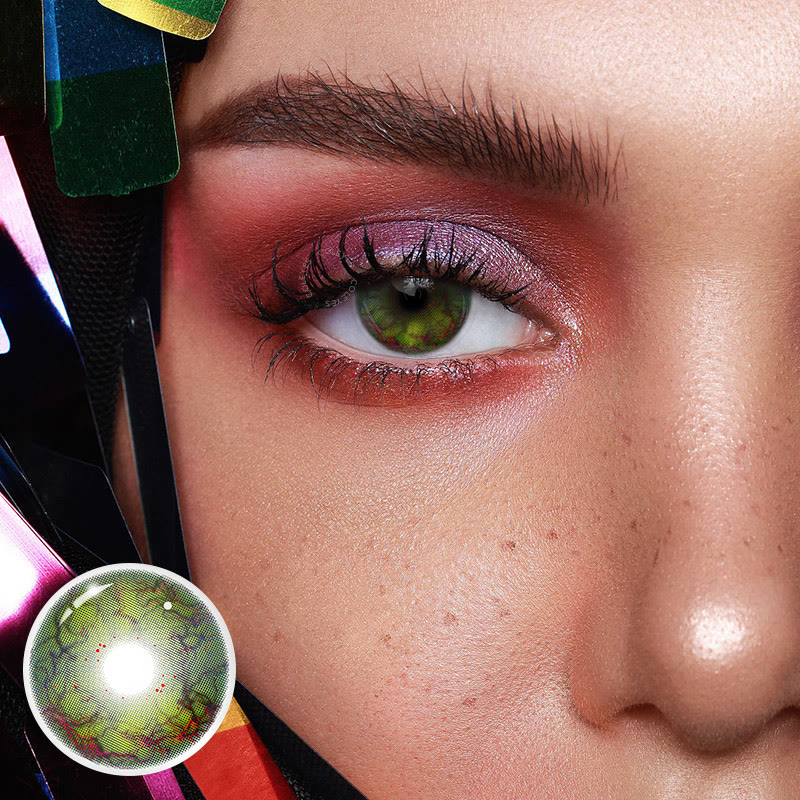
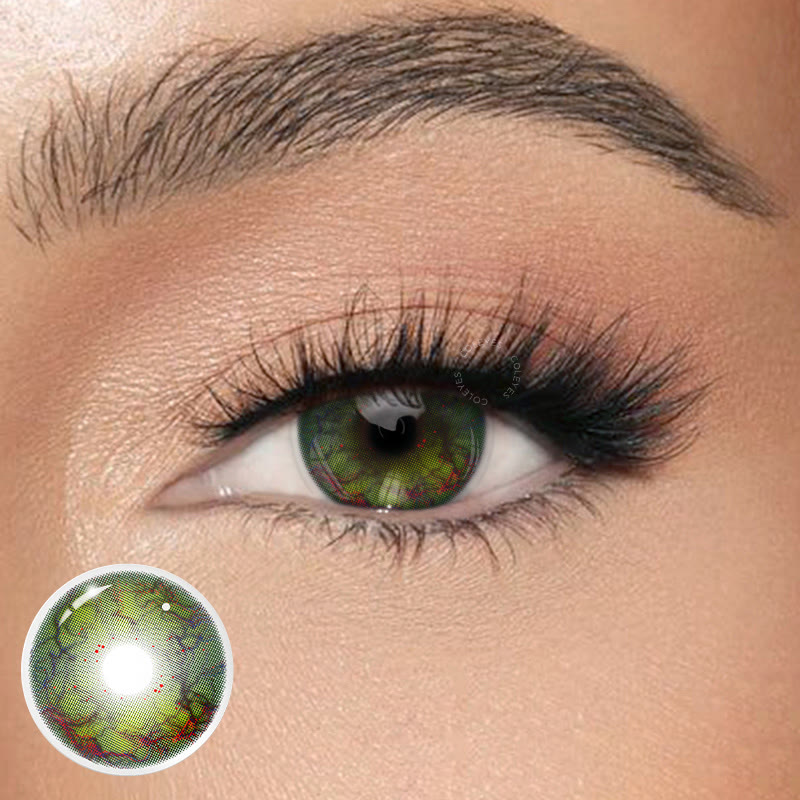
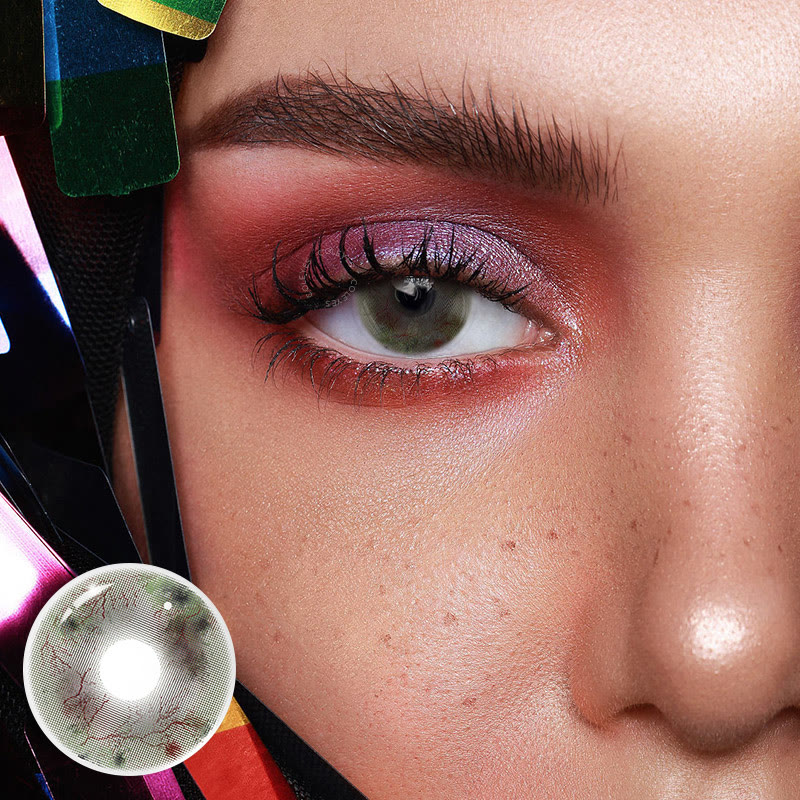
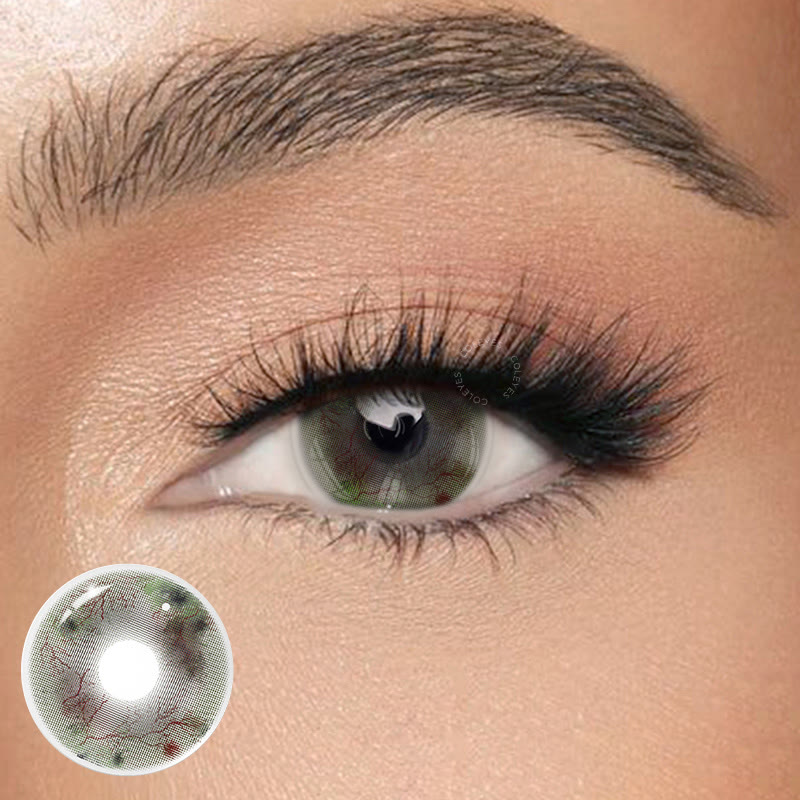
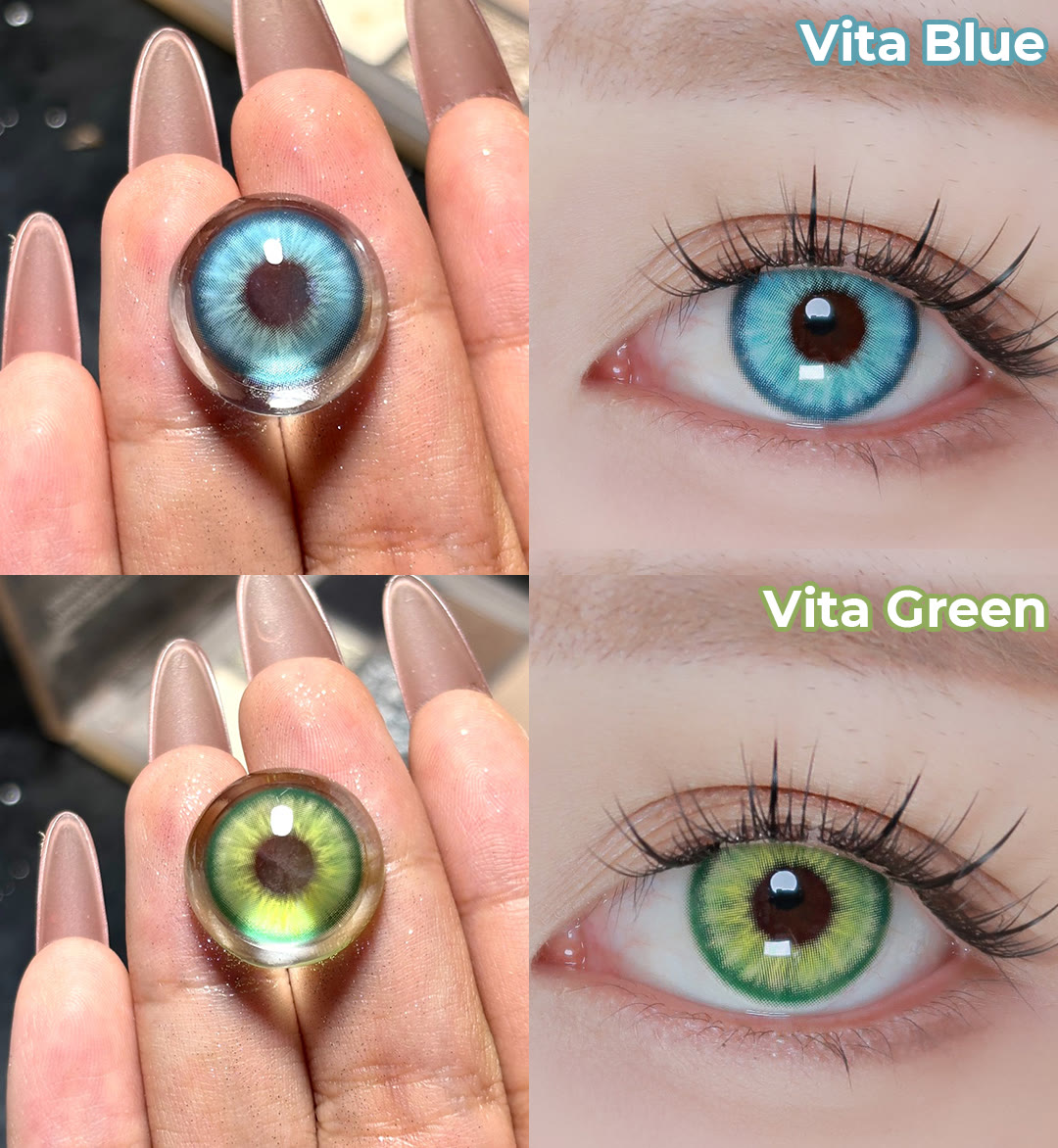
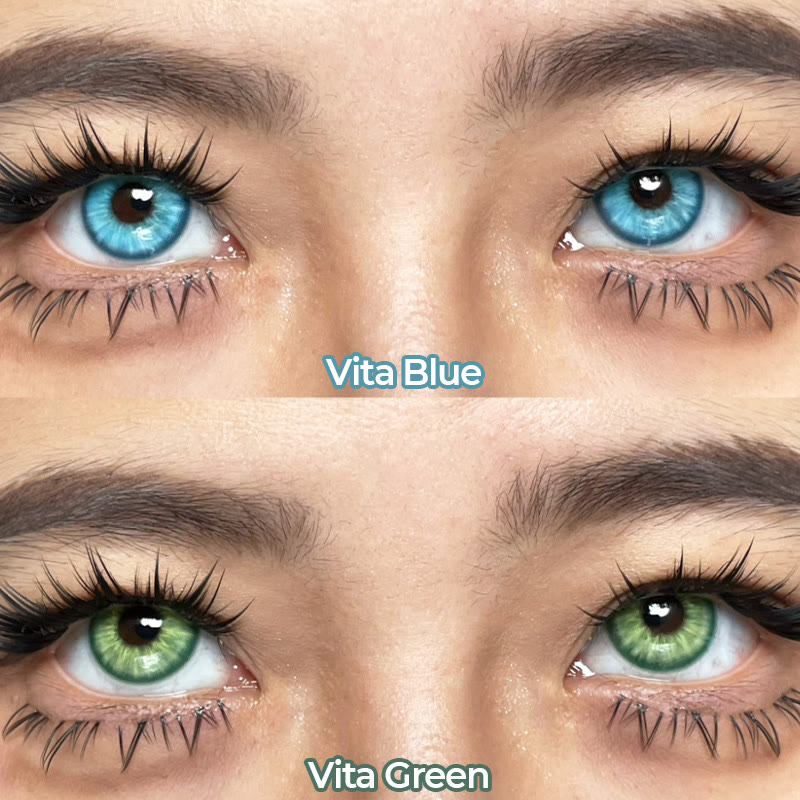
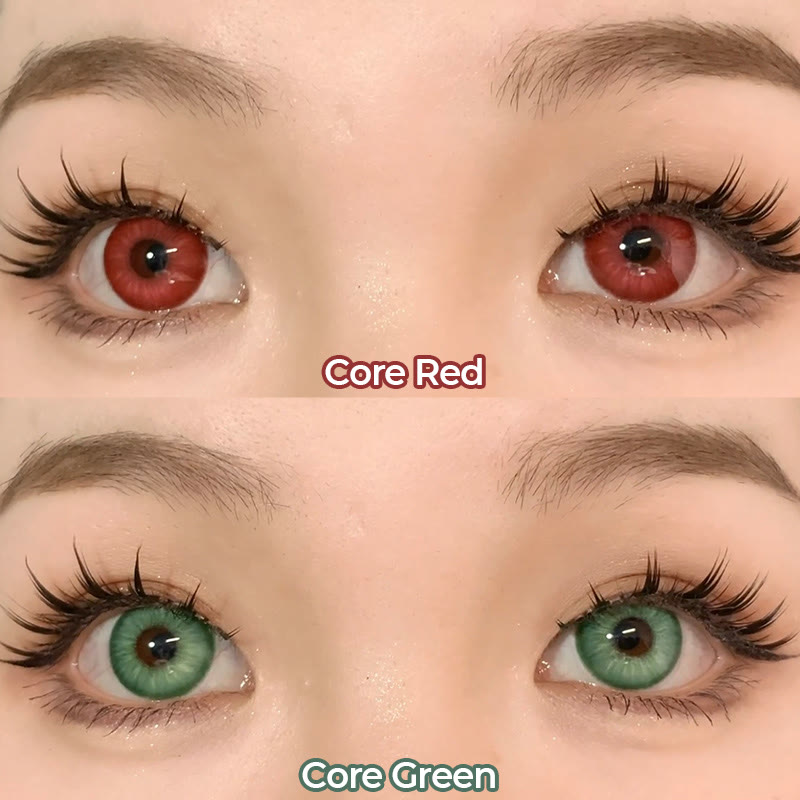
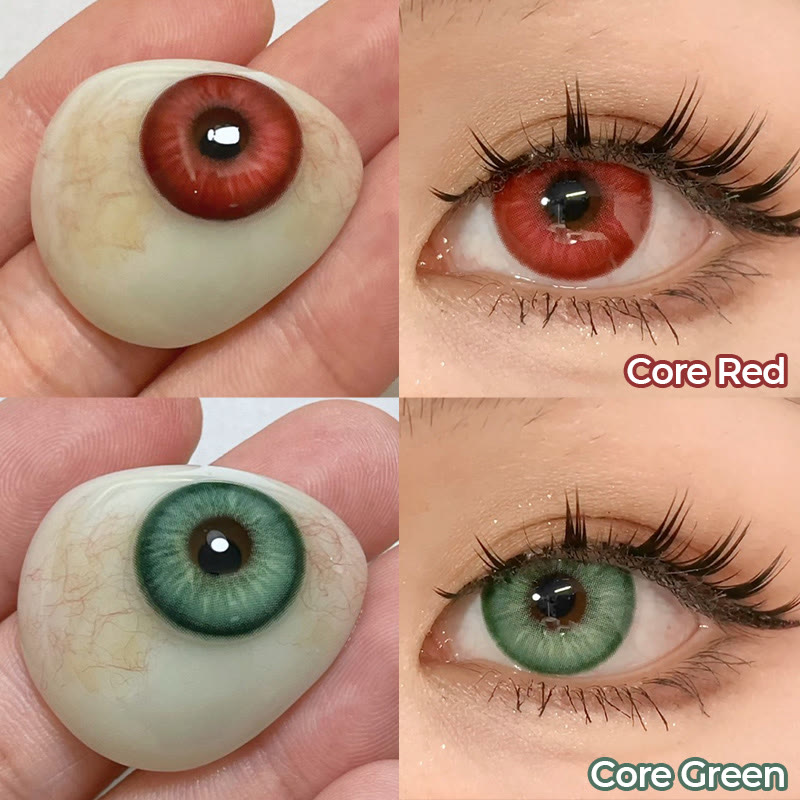
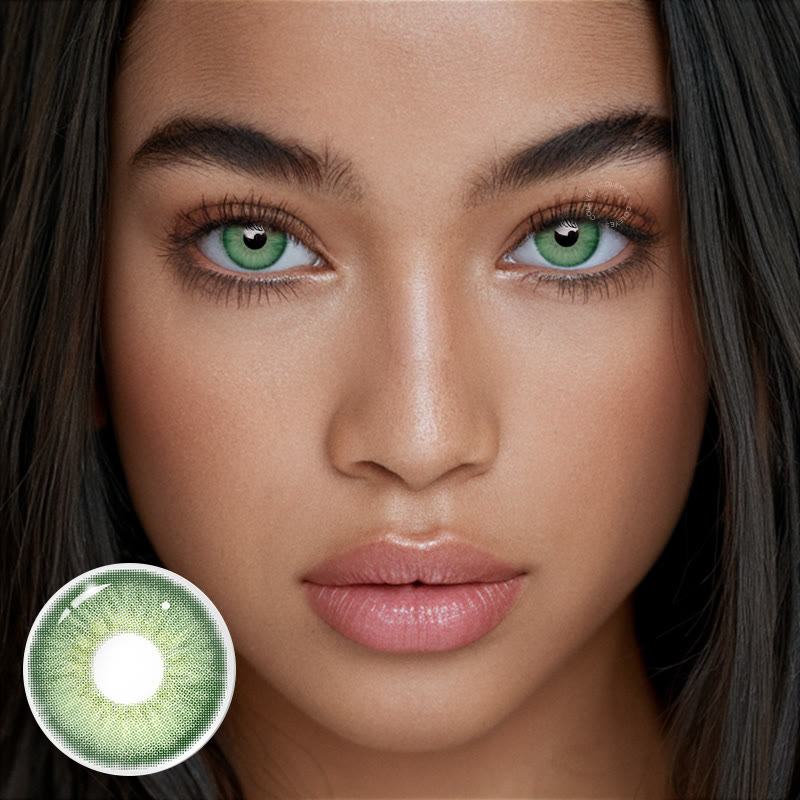
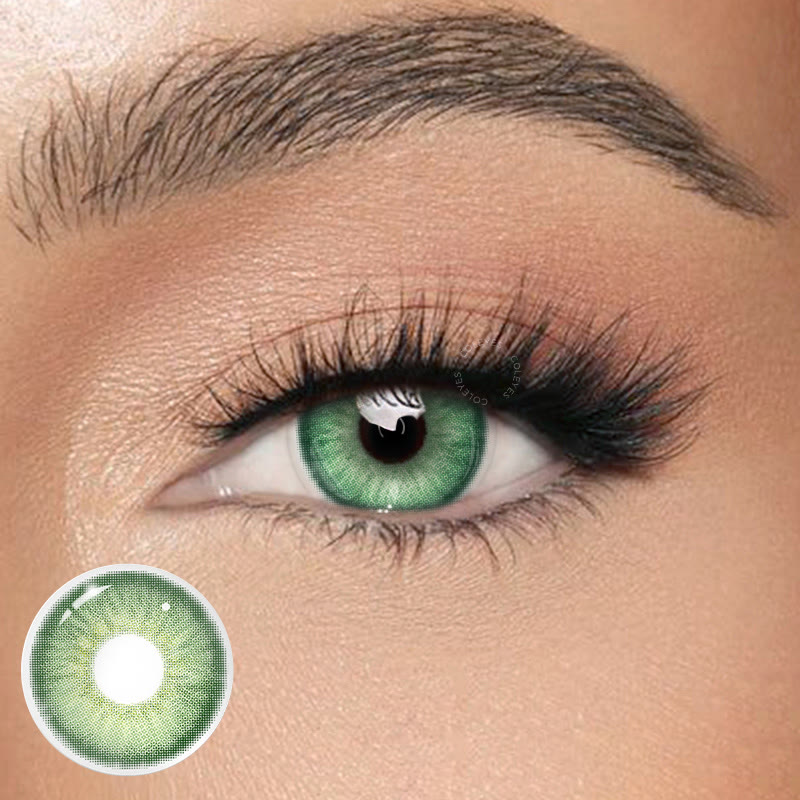
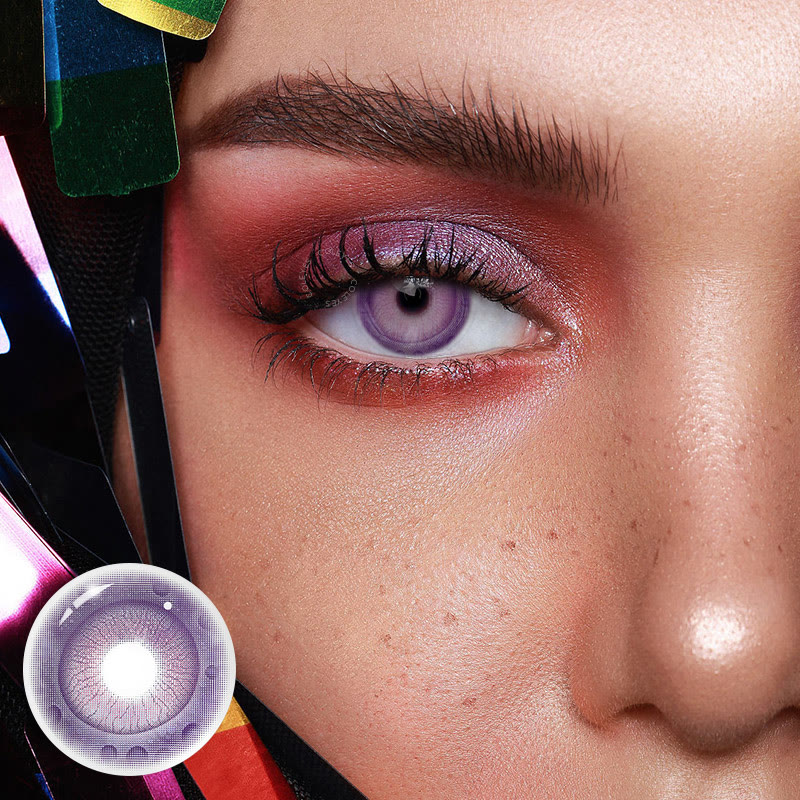
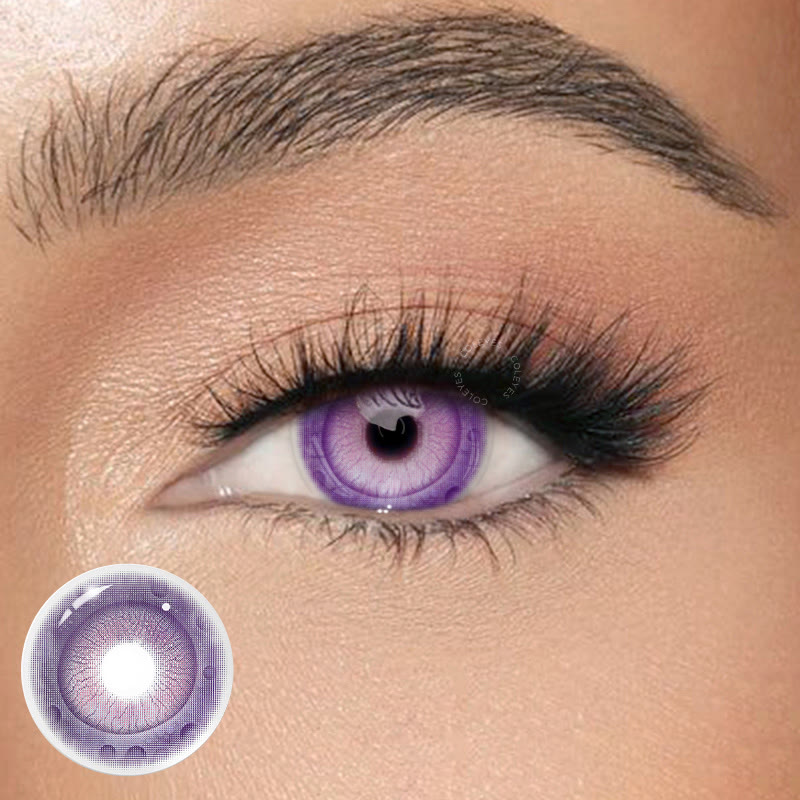
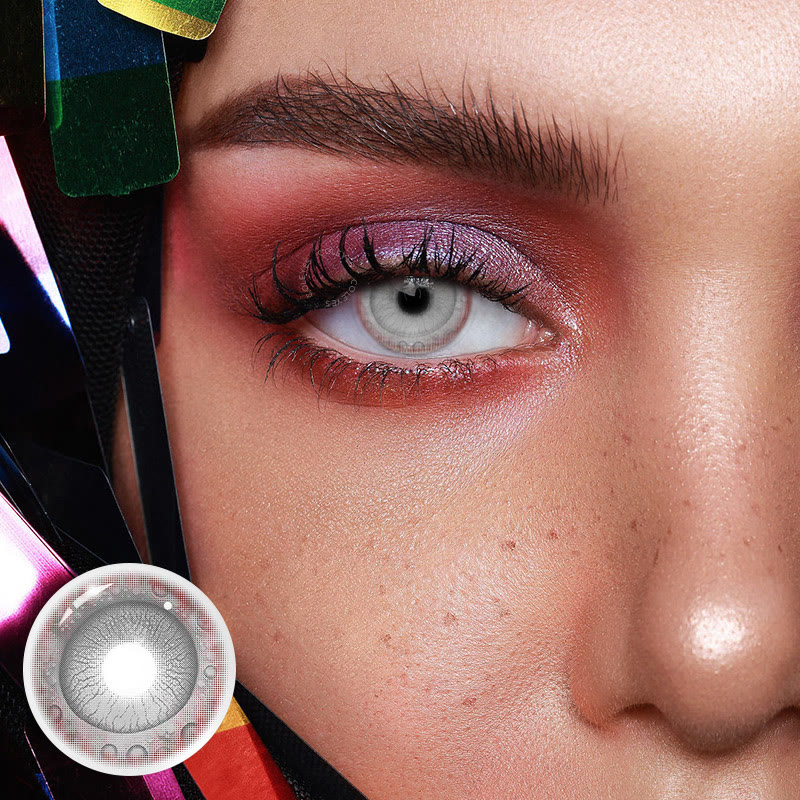
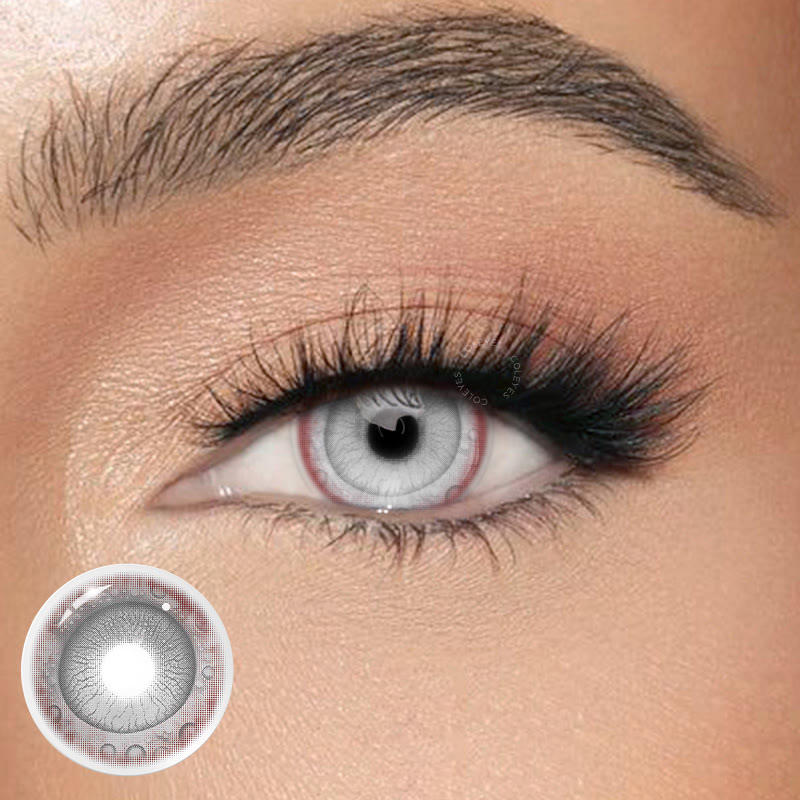
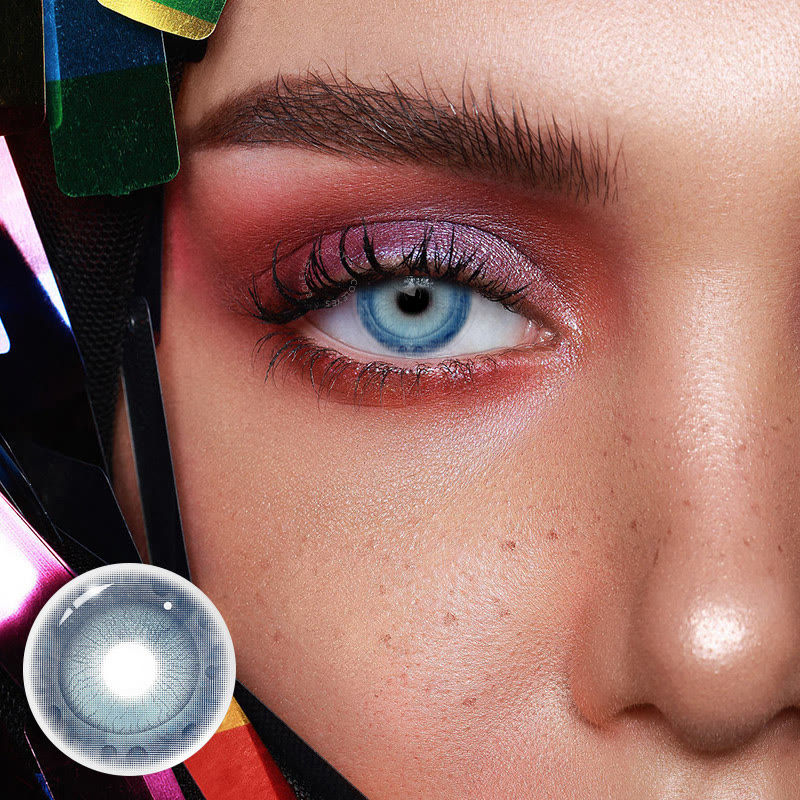
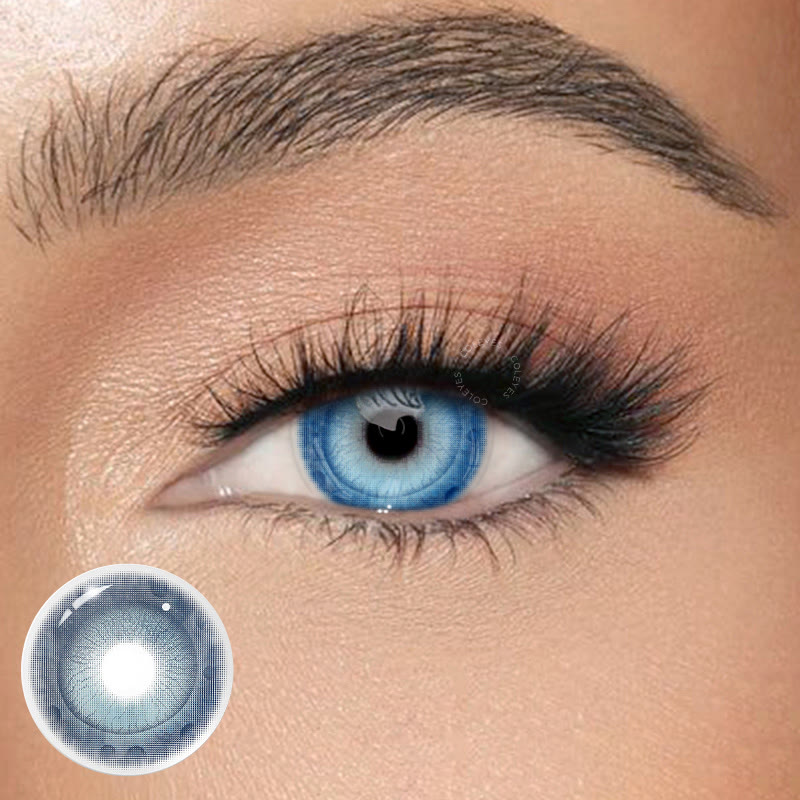
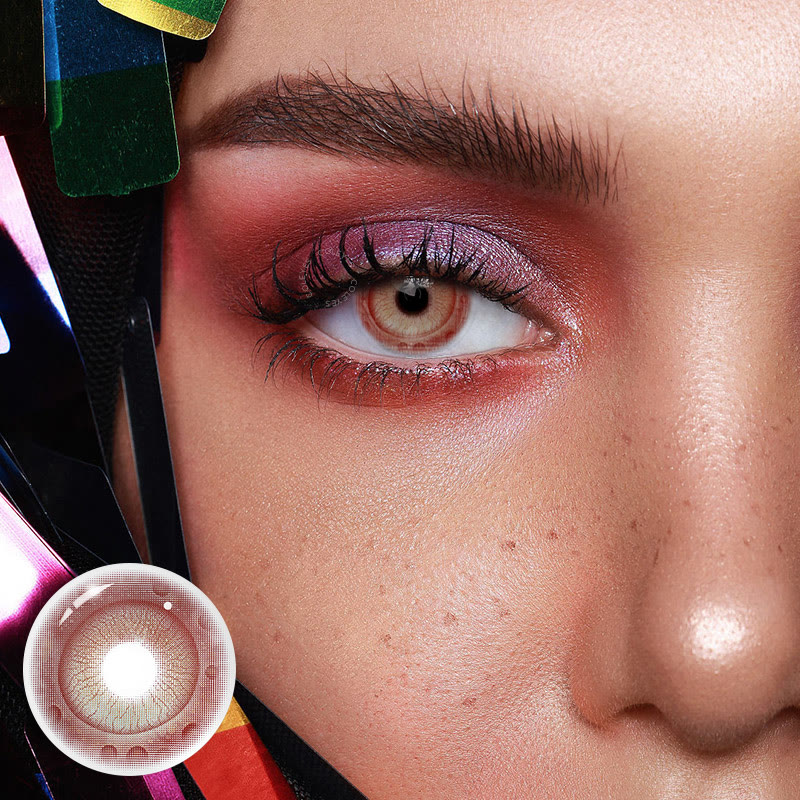
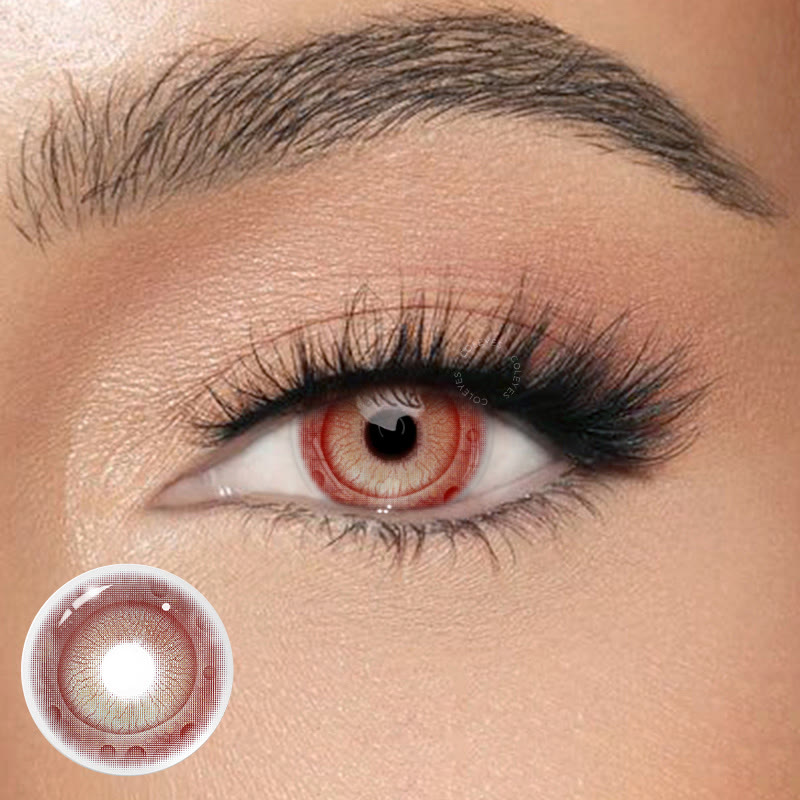
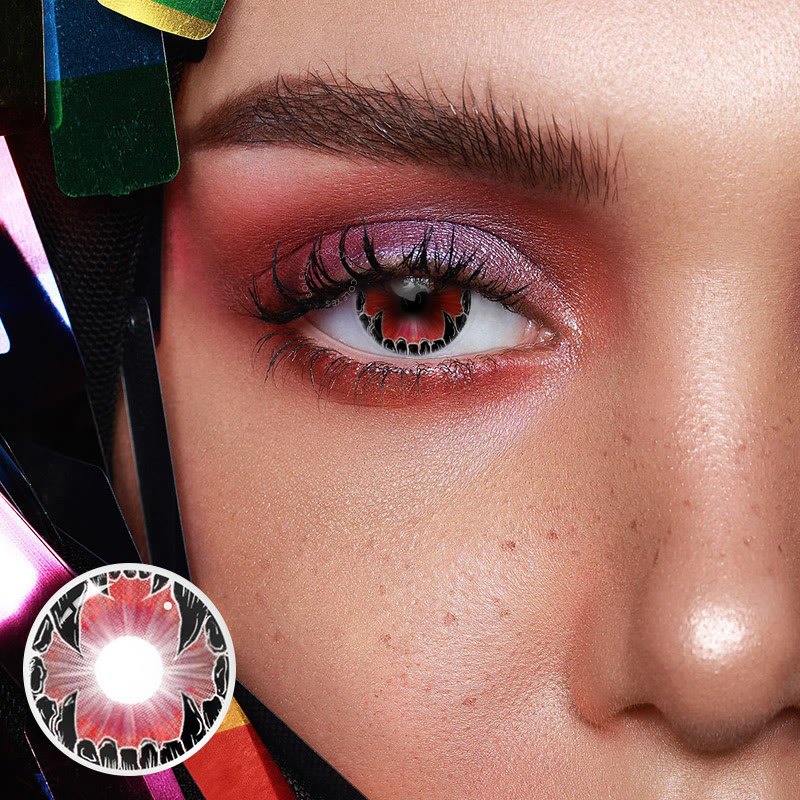
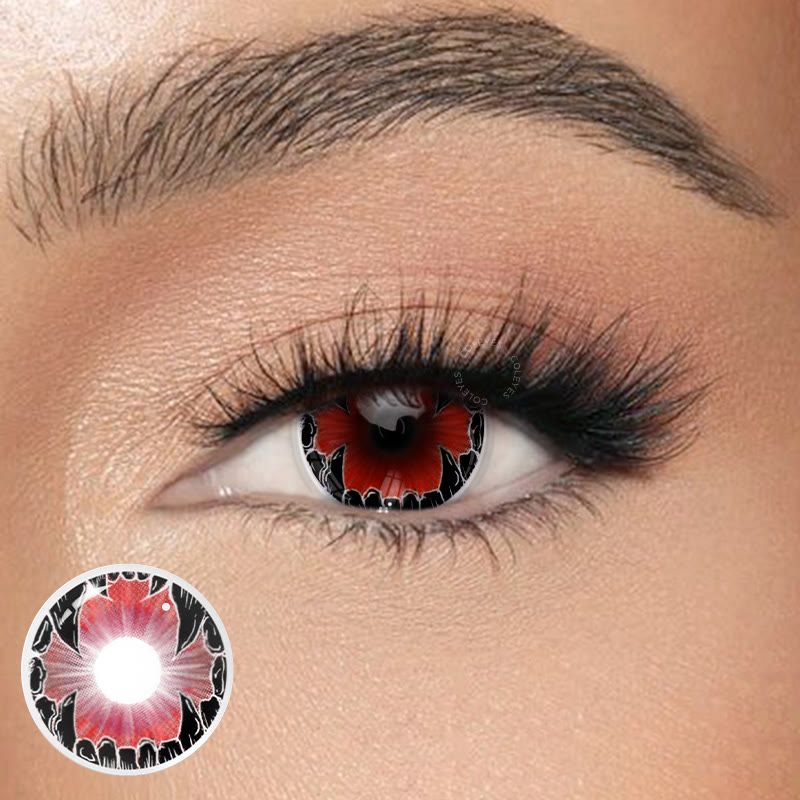
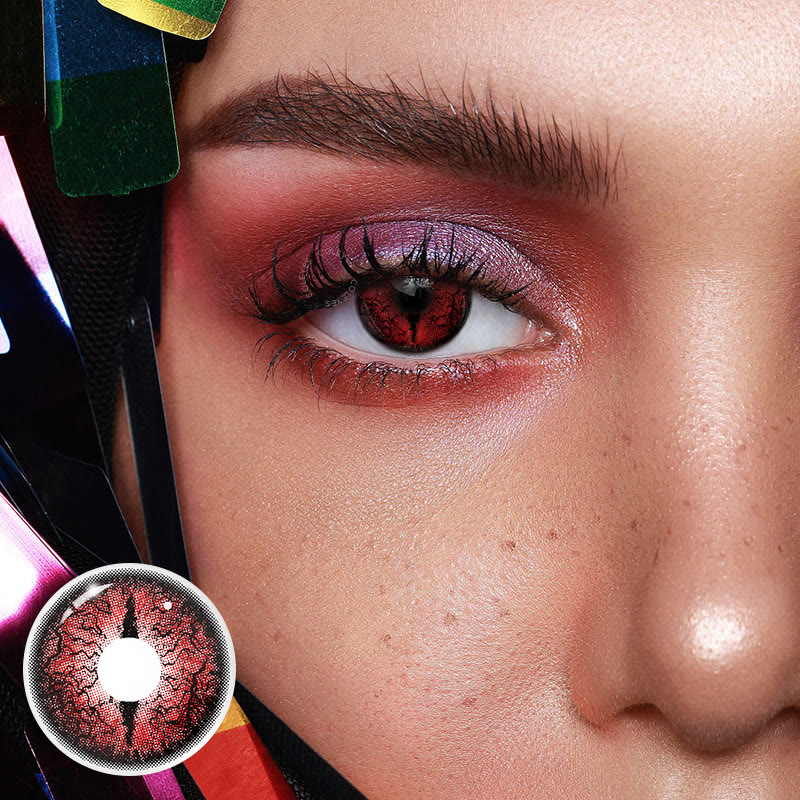
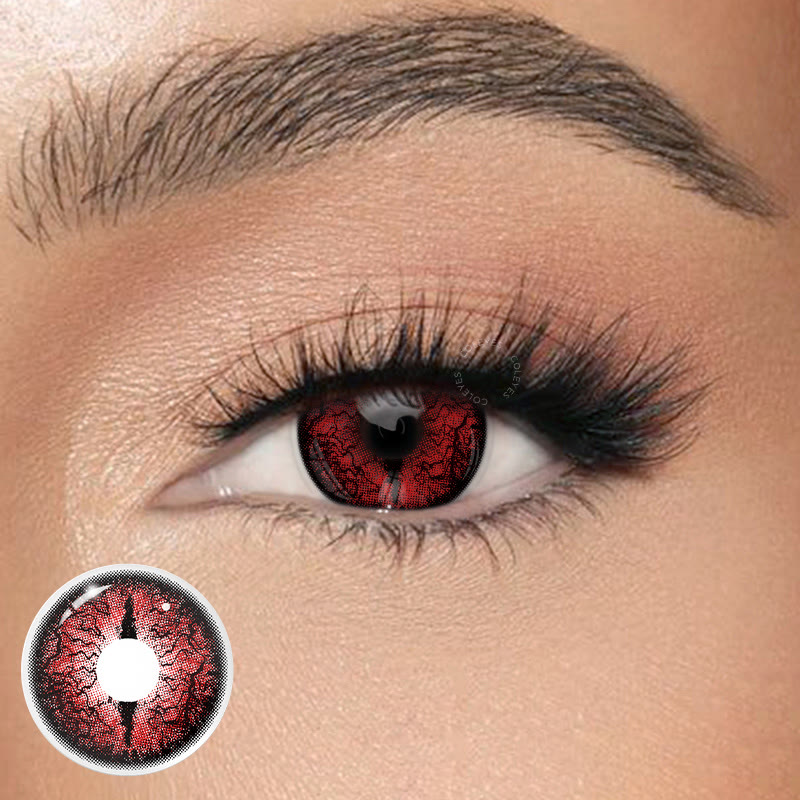
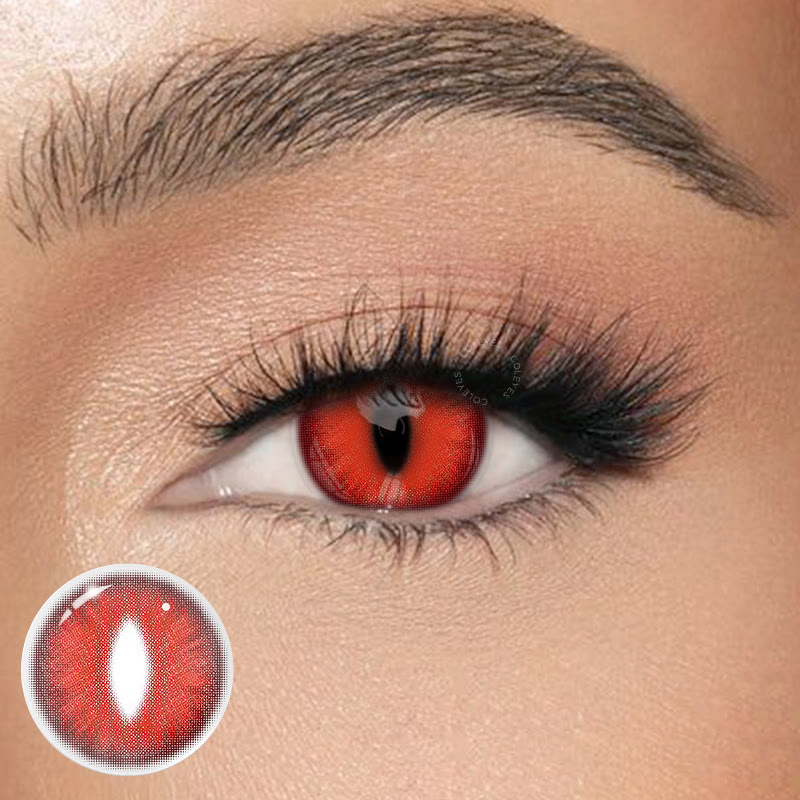
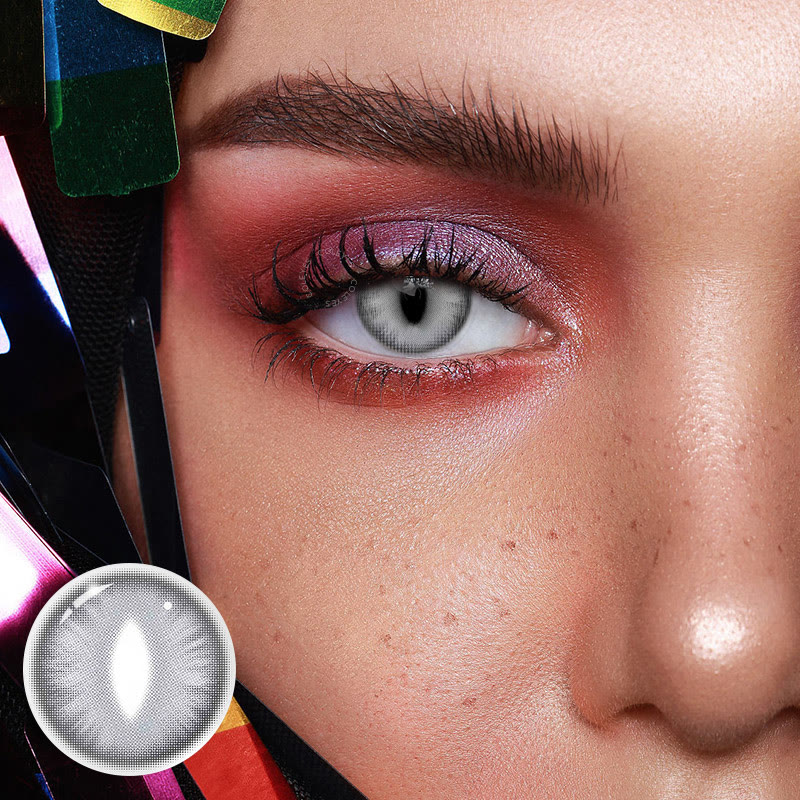
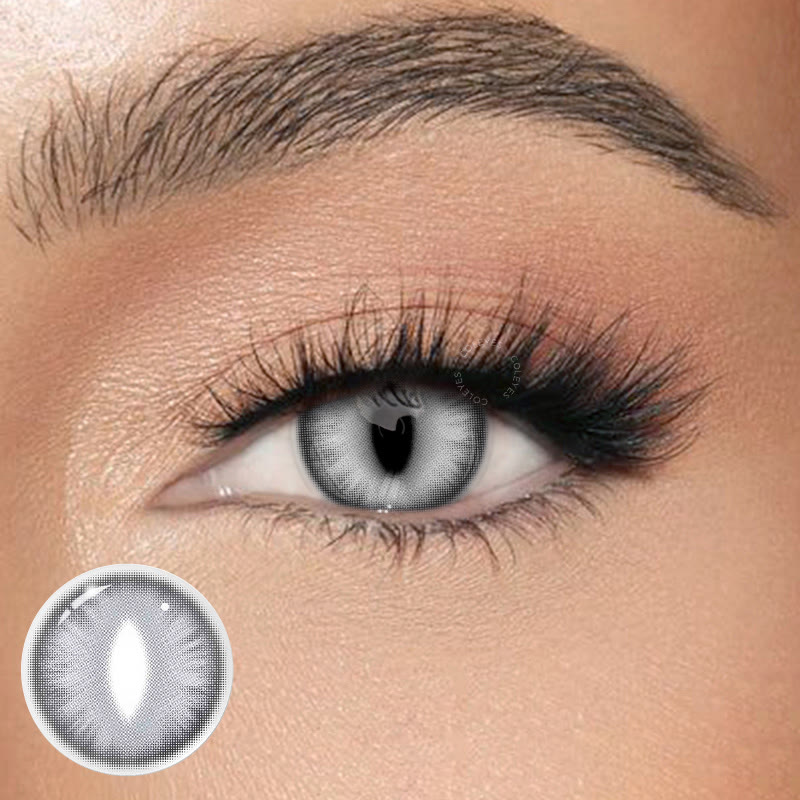
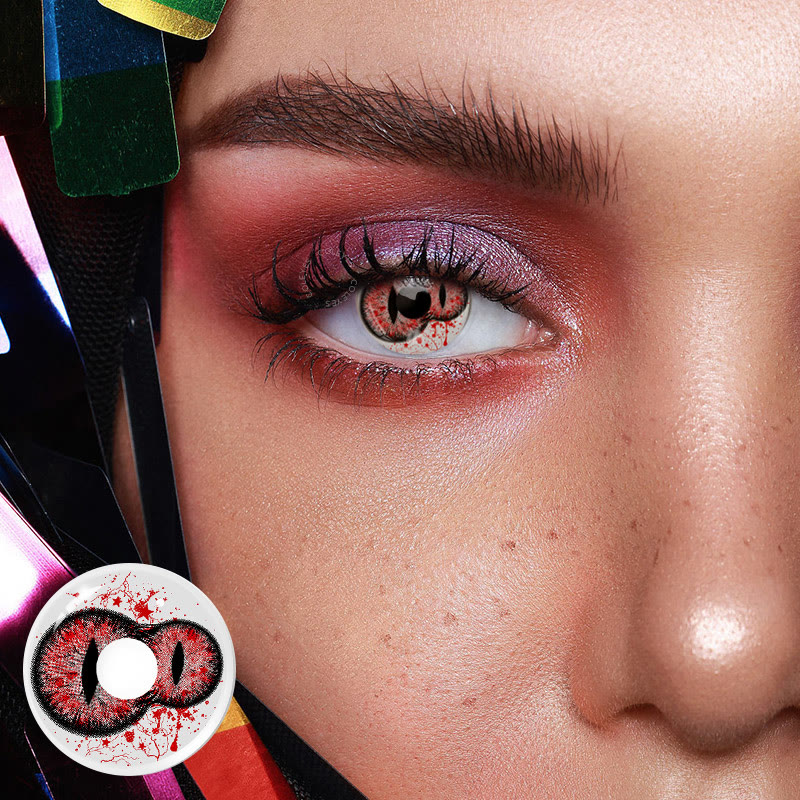
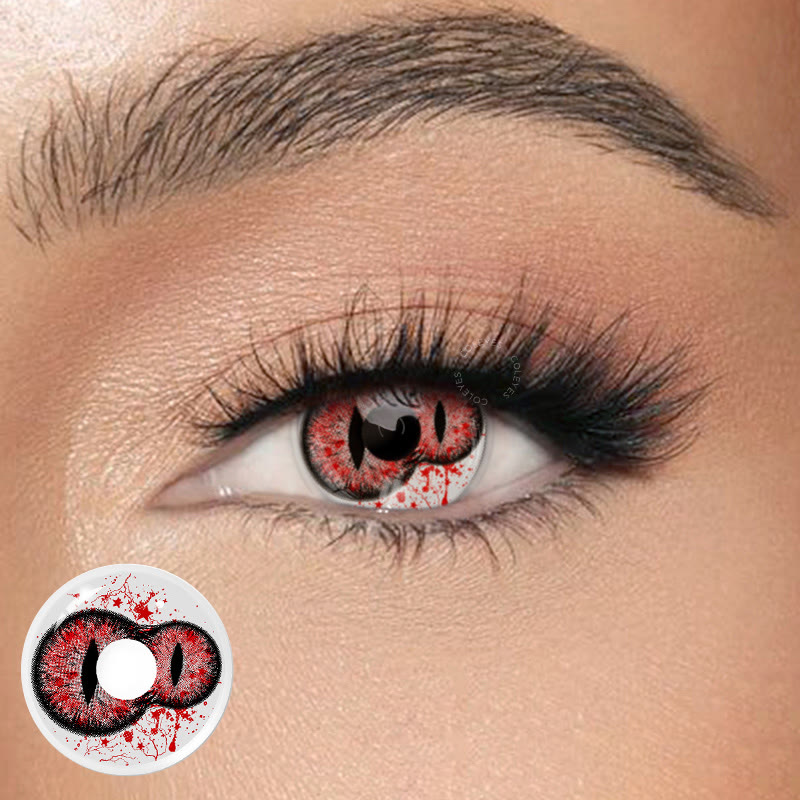
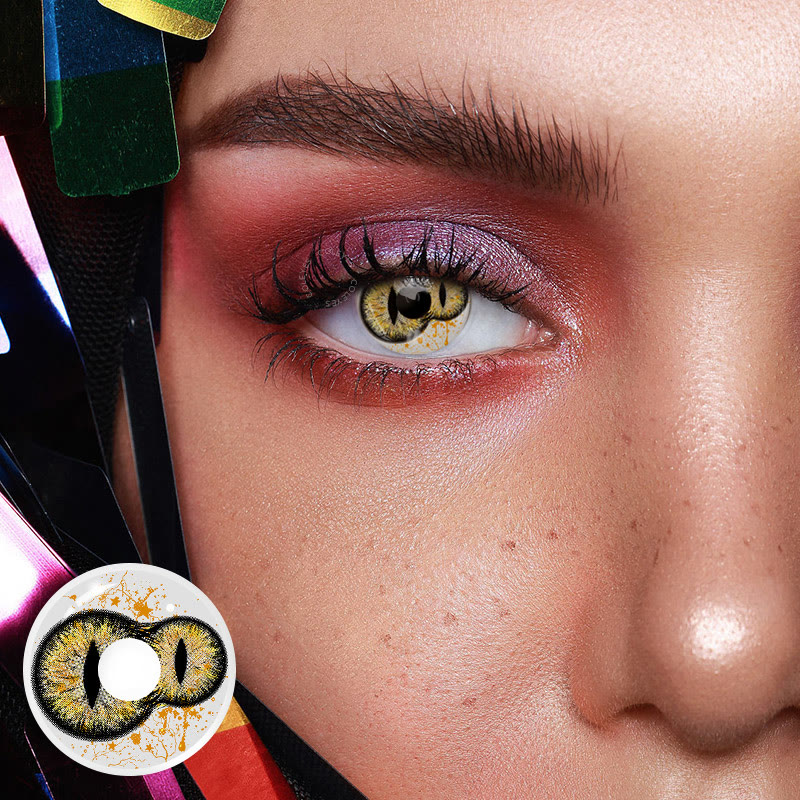
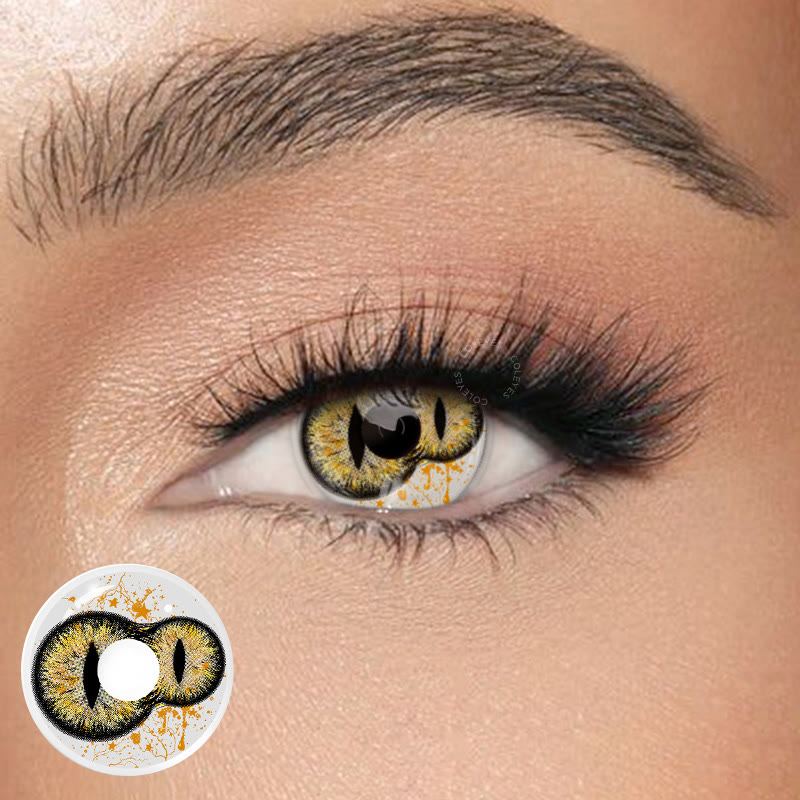
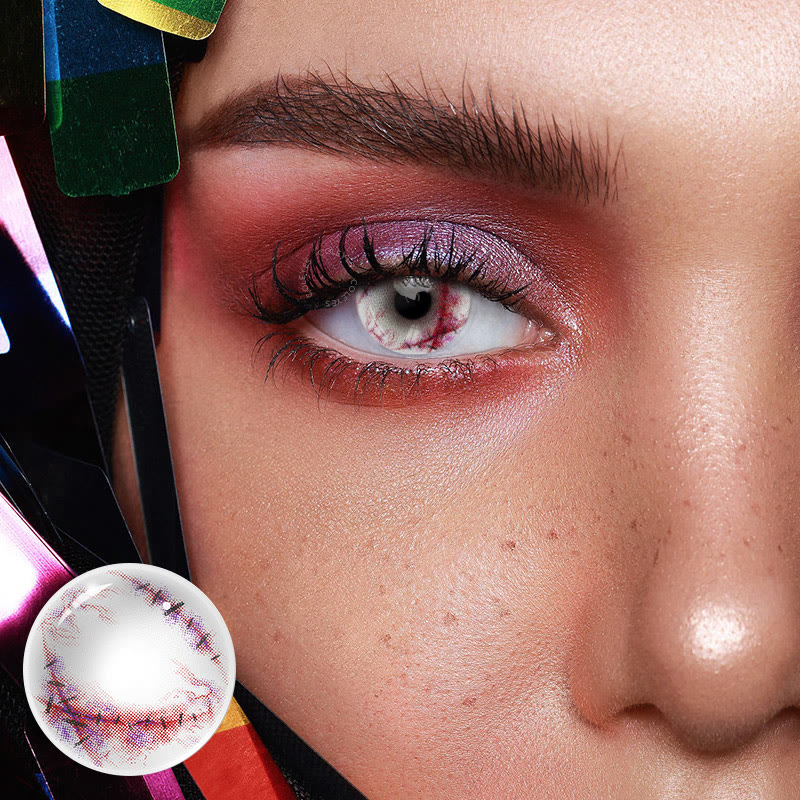
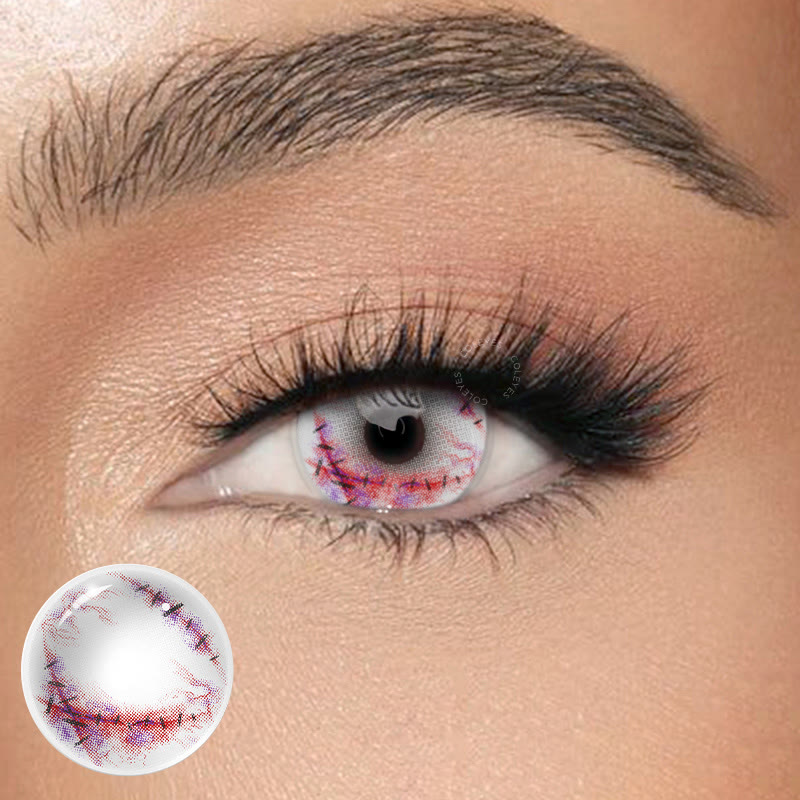
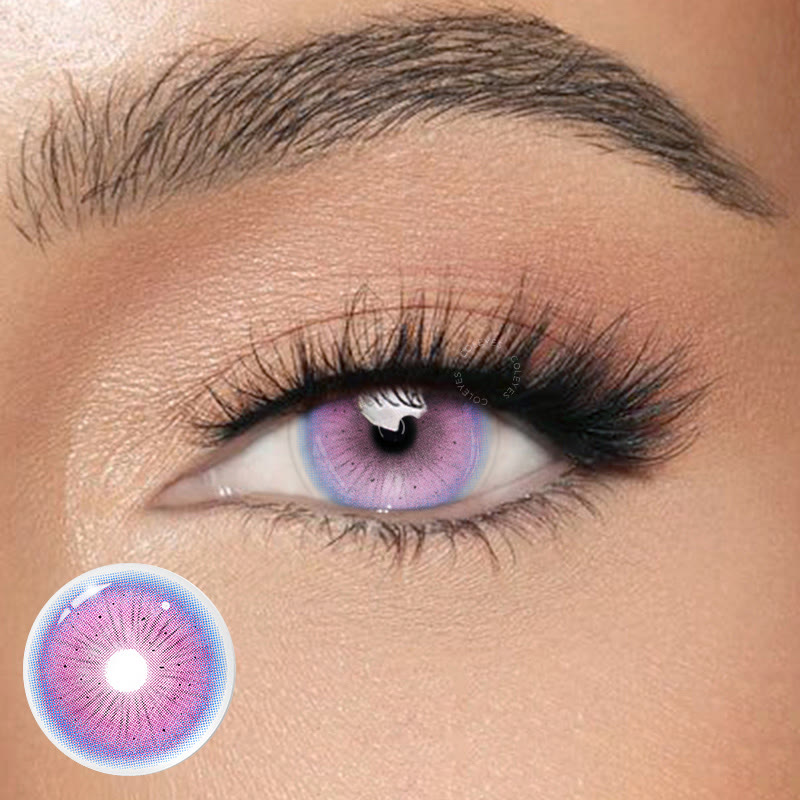
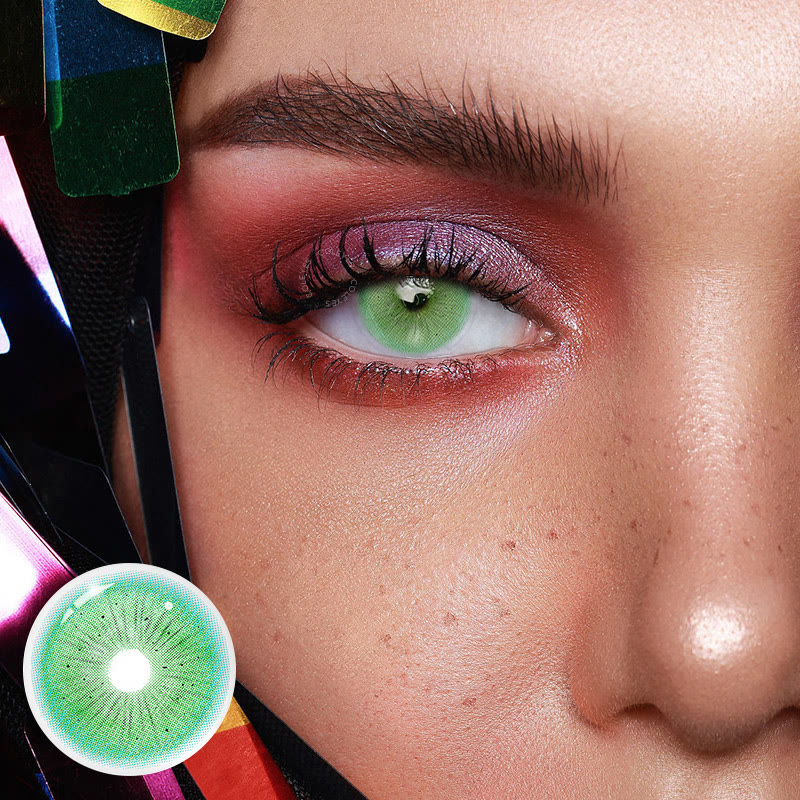
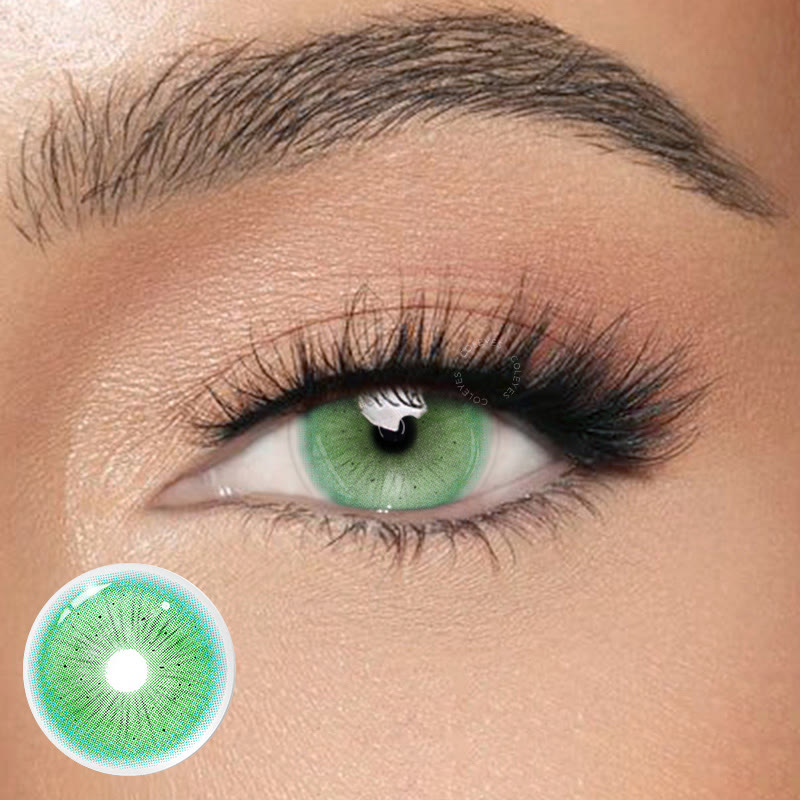
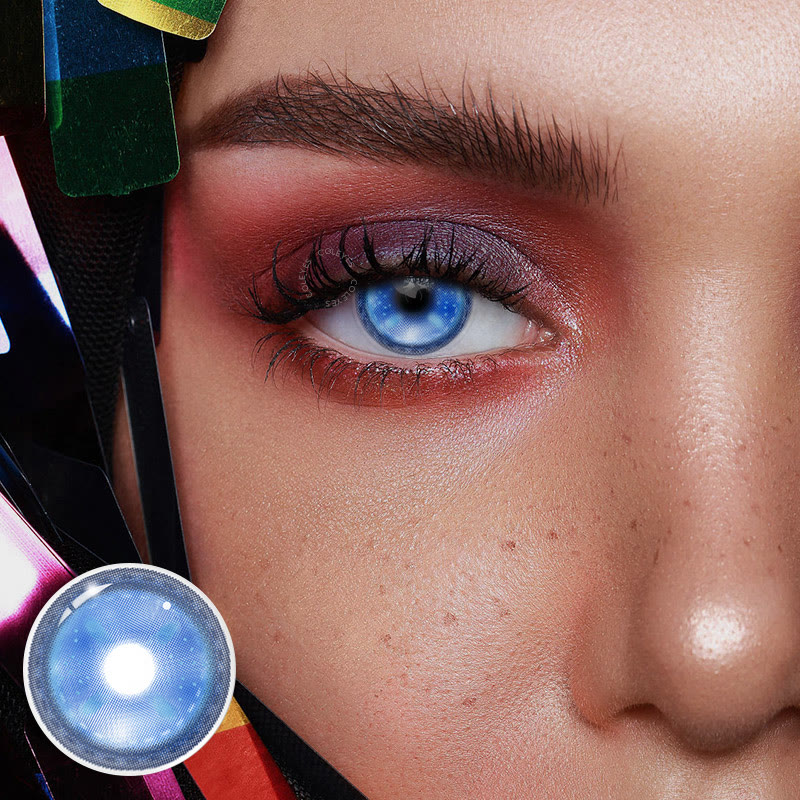
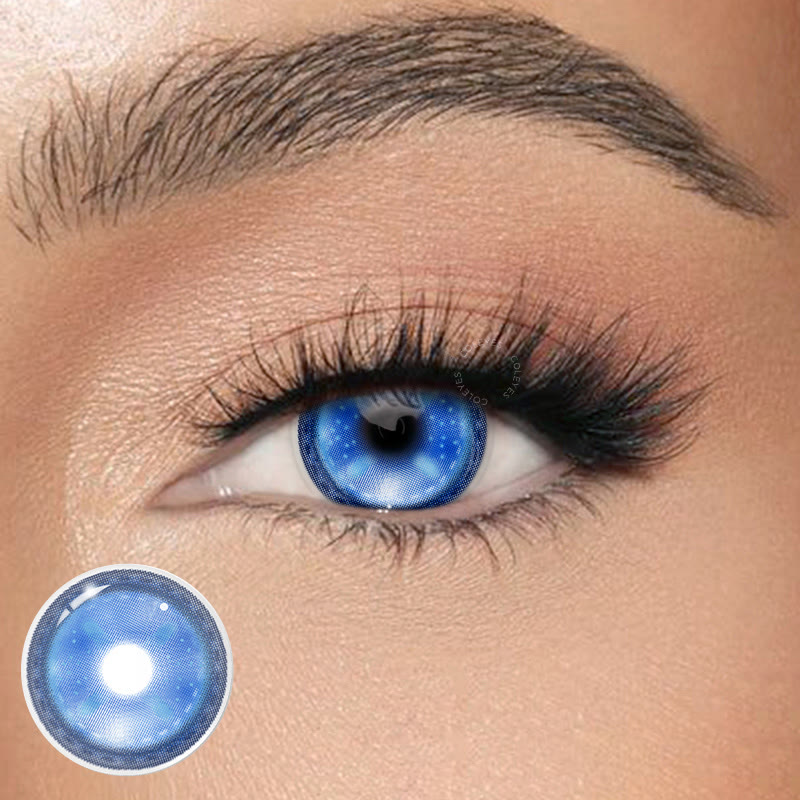
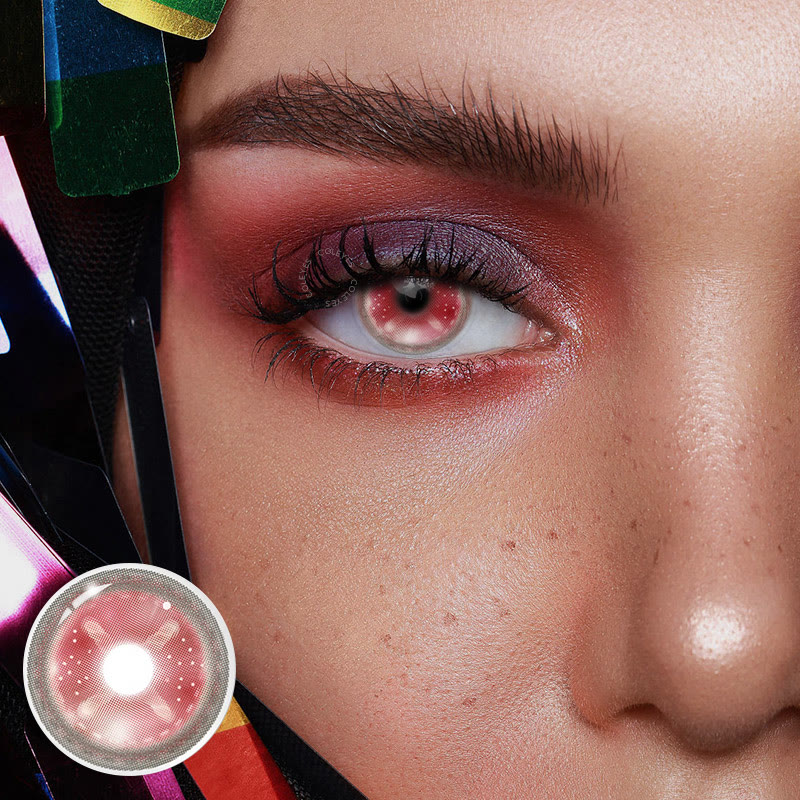
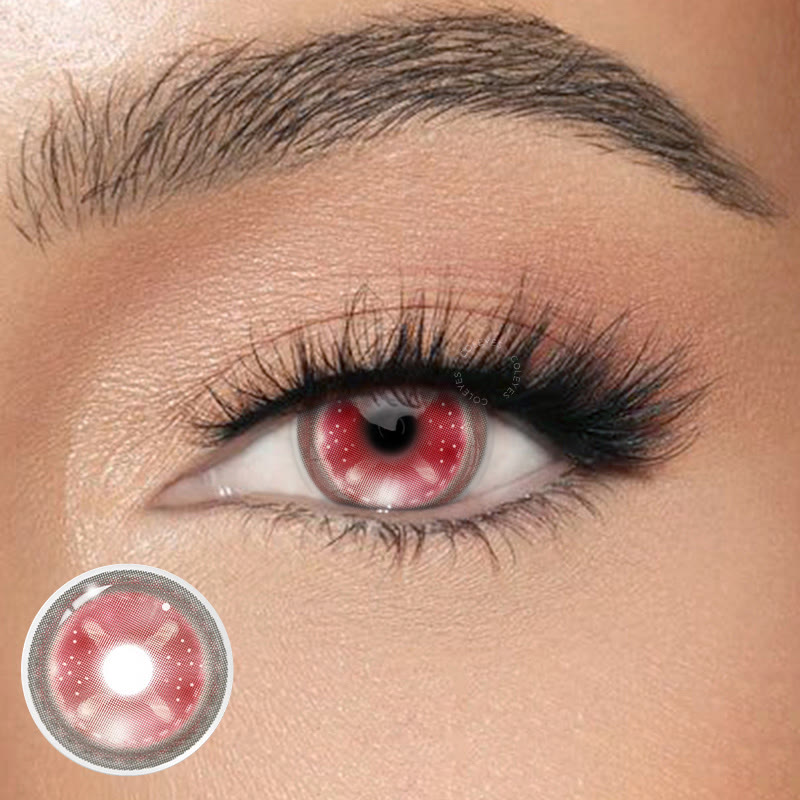
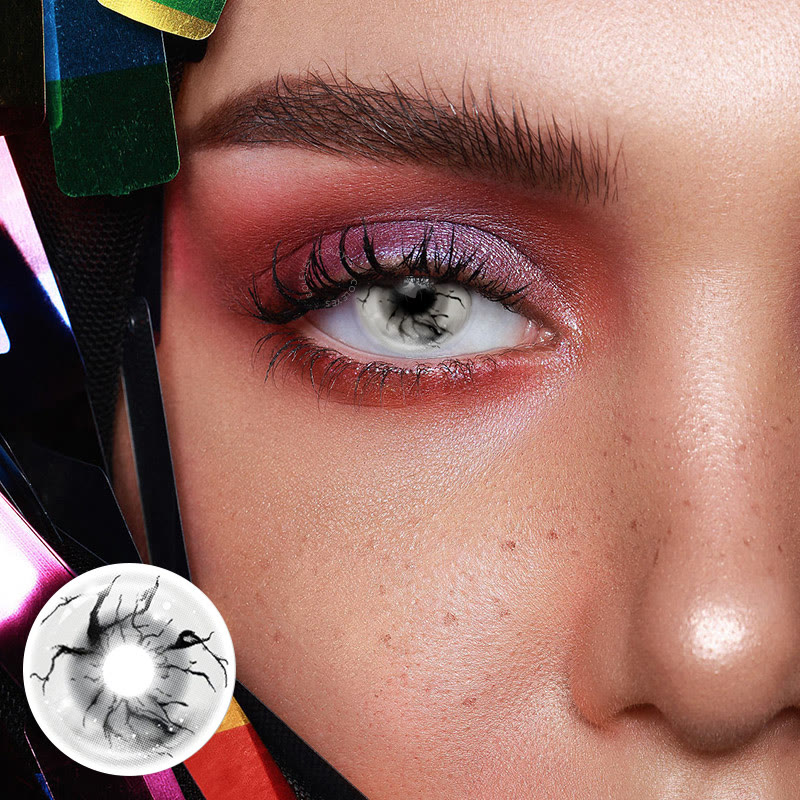
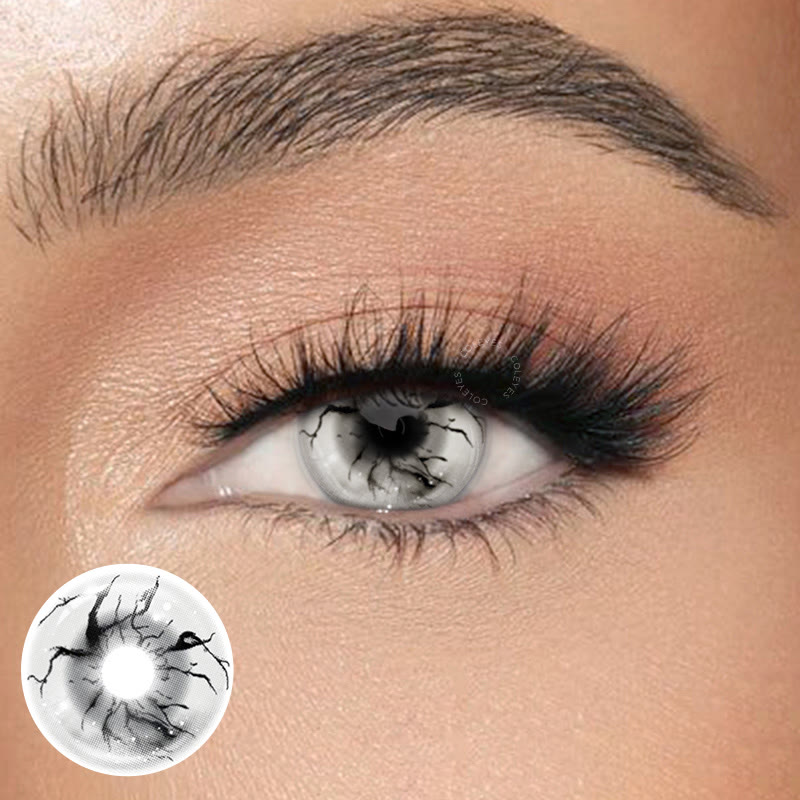
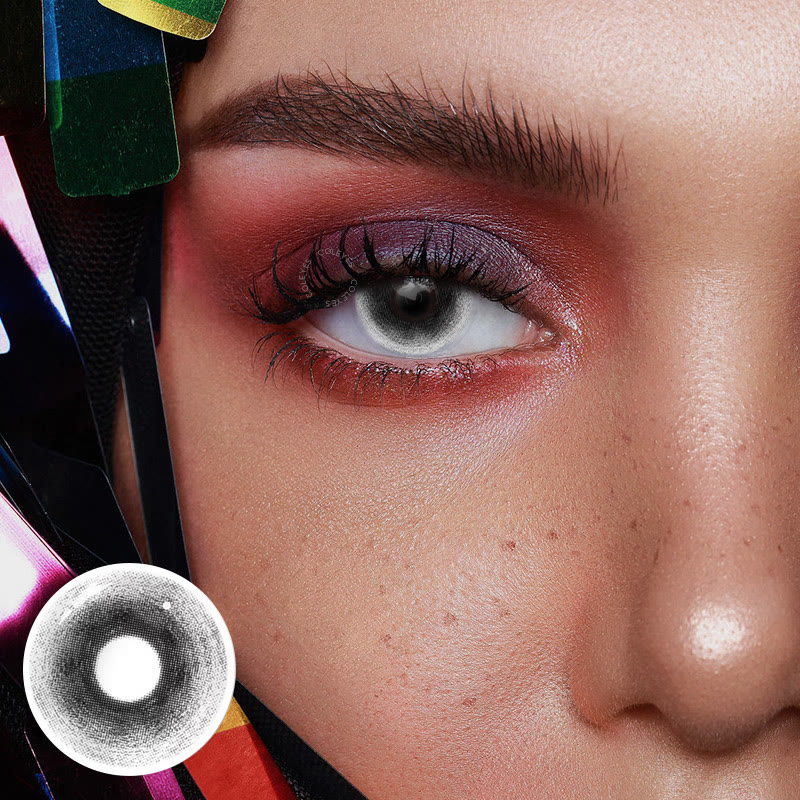
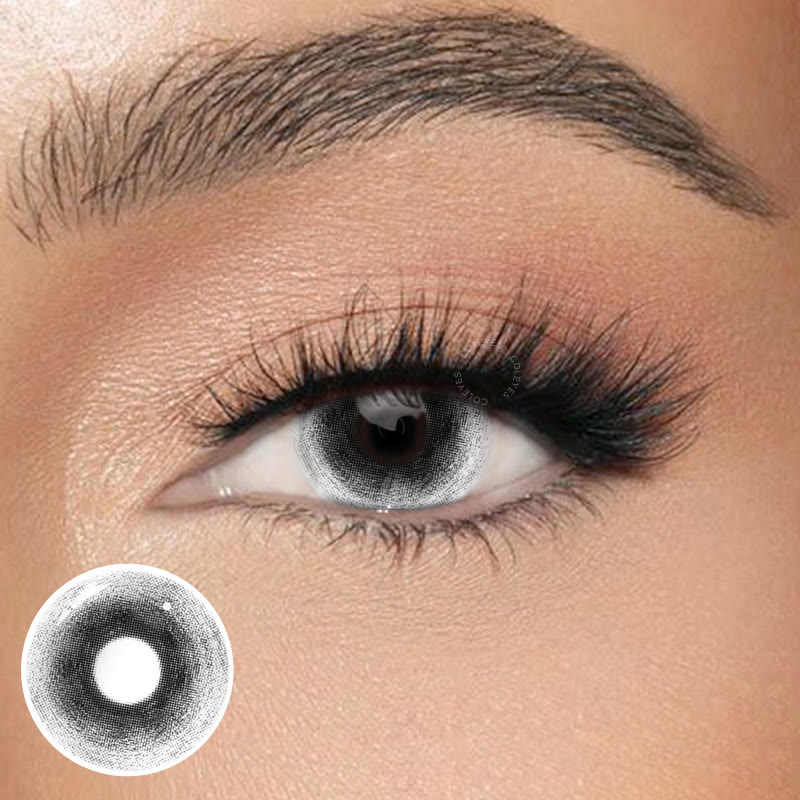
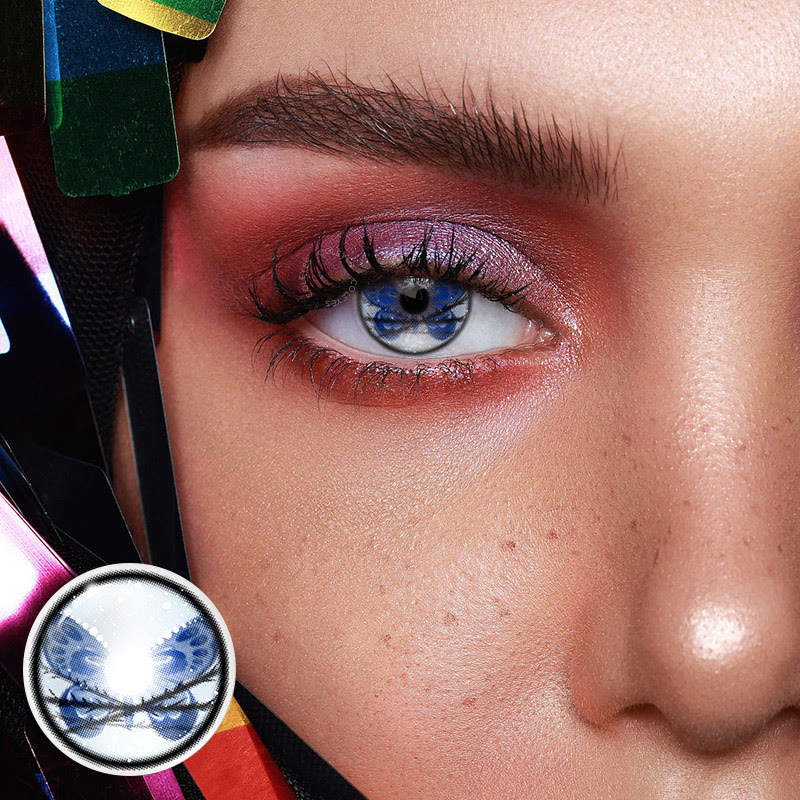
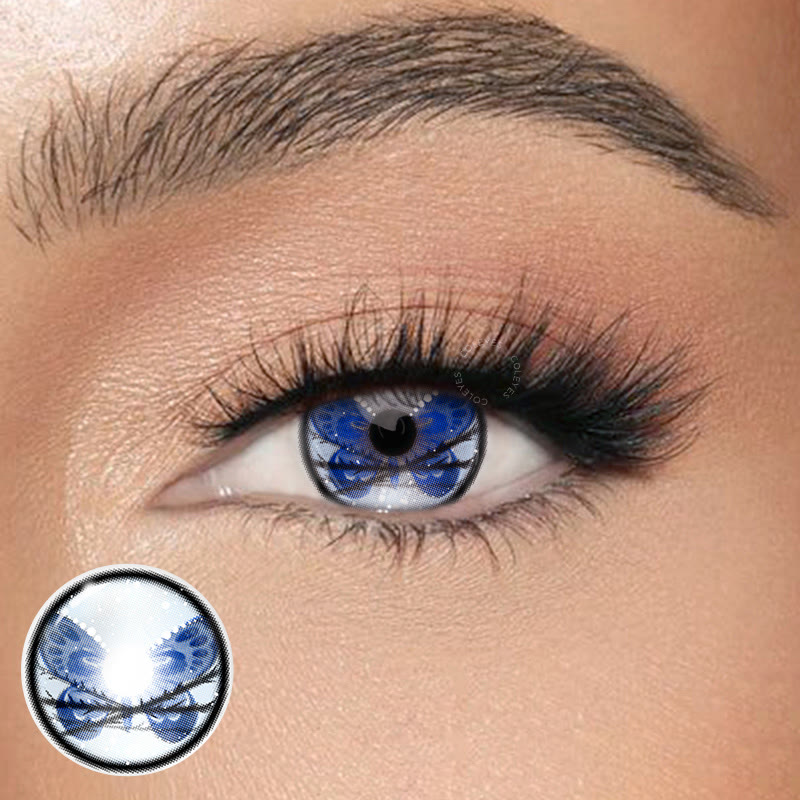
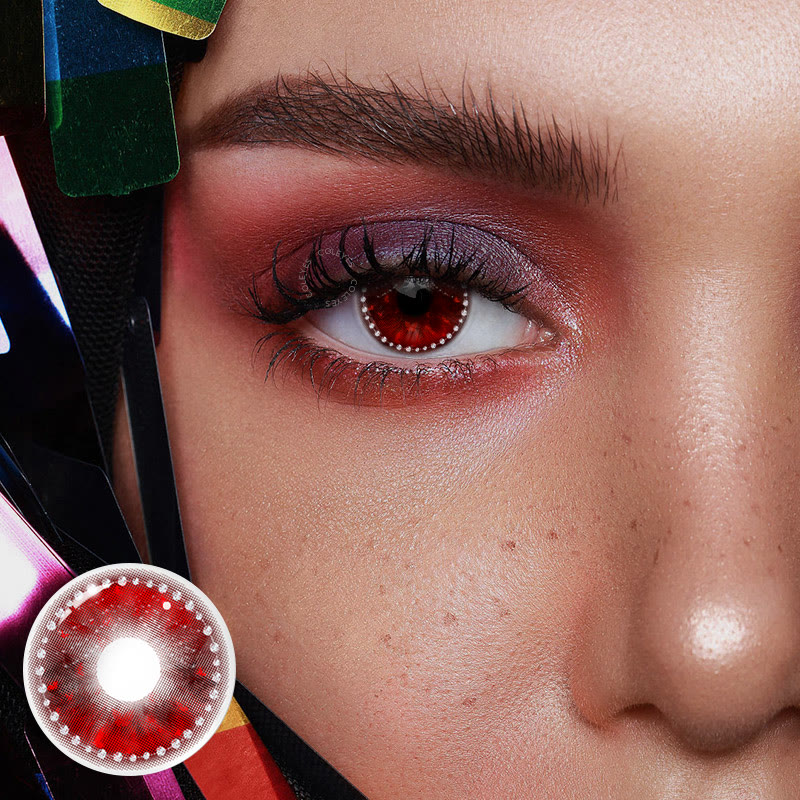
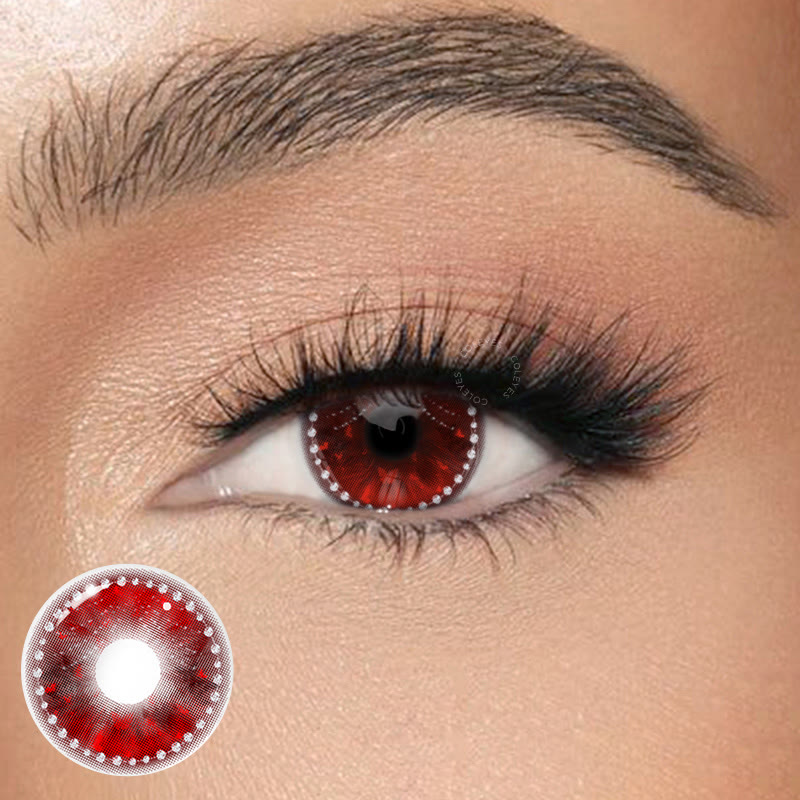
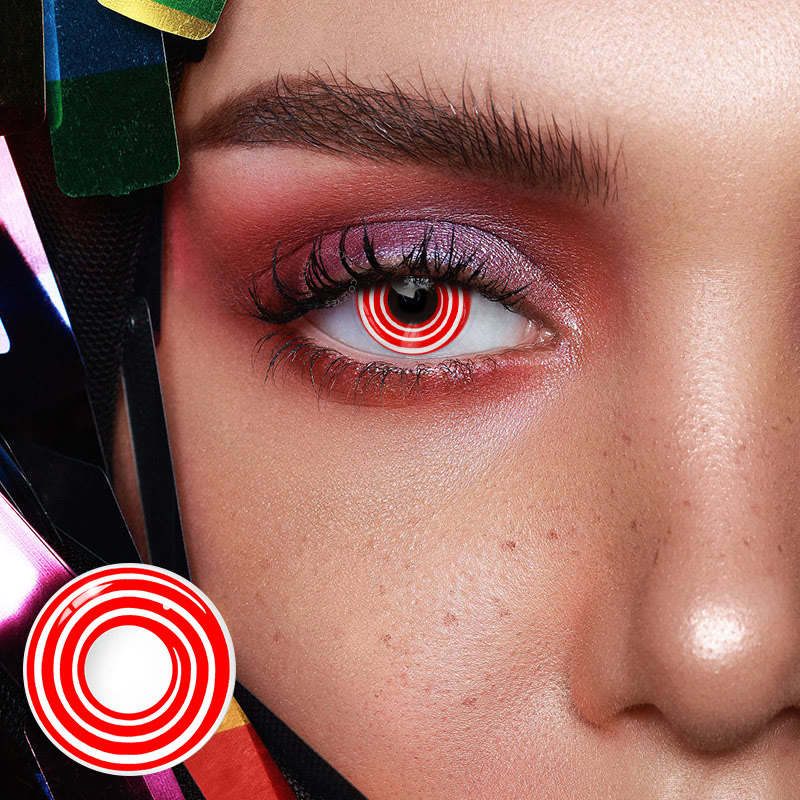
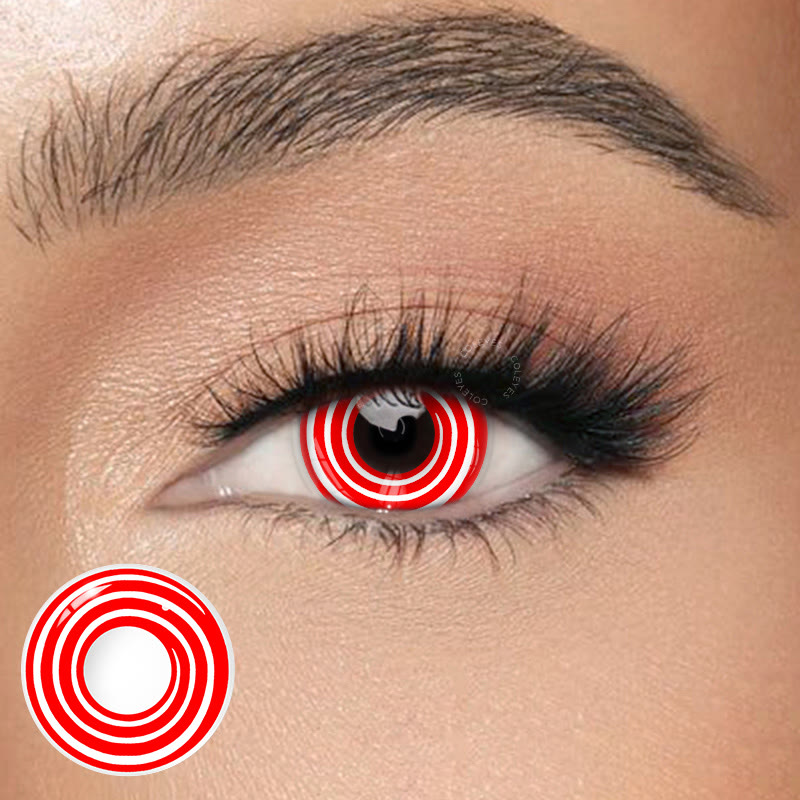
Colored contact lenses accessories mirror the needs of standard soft lenses with one critical difference. Both daily and reusable colored lenses require soaking in multipurpose contact lens solution for at least two hours before use. This preparation step removes the concentrated storage solution from manufacturing and will give comfort. Colored lenses often come in decorative cases featuring animal designs or character themes that include bonus tools like mini tweezers and compact mirrors. These combination kits keep everything in one portable package.
Scleral and specialty lens equipment
Scleral lenses demand specialized contact accessories beyond standard soft lens supplies. The PROSE cleaning and storage case handles larger scleral lenses from 16mm up to 22mm in diameter. These cases work with hydrogen peroxide-based systems when you remove the catalyst disk and transfer it to the PROSE case. DMV insertion plungers and removal tools designed for scleral lenses make handling easier and safer. Tangible Clean multipurpose solution works with RGP, scleral, hybrid and soft lenses. This makes it useful for those with mold-based sclerals or Hydrapeg coatings. Microfiber towels prevent fiber transfer from paper products or terry cloth during insertion and removal.
Size and portability considerations
Specialty lens wearers benefit from dedicated travel systems. The TinkerTurtle emergency scleral lens case contains only essentials like plunger tools and saline in a pocket-sized design. Full everyday cases include dedicated spaces for tools, lens cases and saline solutions. Standard soft lens wearers can opt for simpler compact kits with mirrors and applicators that fit purses or backpacks without bulk.
Common Mistakes People Make with Contact Lens Accessories
Most contact lens wearers compromise their eye safety through preventable errors with their contact accessories without knowing it. Studies show lens case contamination occurs in 30% to 85% of users, despite regular cleaning efforts.
Using expired or contaminated cases
Visible cracks, discoloration, persistent odors, or sticky residue signal replacement needs right away. Biofilms develop invisible bacterial communities that resist even effective multipurpose solutions. These microscopic structures form protective matrices where bacteria hide from disinfectants and transfer harmful microorganisms to your lenses. Bacteria in contact lens cases link to serious eye disorders like keratitis, which can result in blindness if left untreated.
Expired contact lenses pose equal dangers. The packaging solution loses its power to protect against bacteria over time. This means expired lenses can harbor harmful microorganisms even if they look clean. Contact lenses expire because the blister pack seal degrades and allows microscopic breaks that permit bacteria, fungi, and microorganisms to enter.
Skipping regular replacement schedules
Eye care professionals recommend replacing your case every three months. Plastic materials degrade and develop microscopic cracks that harbor bacteria. These create biofilms that regular cleaning solutions cannot eliminate. Antimicrobial coatings in cases lose effectiveness over time and reduce their power to fight bacteria. An old or expired contact lens case increases your risk of eye infections.
Improper cleaning and storage methods
You should never top off old solution with fresh solution. This practice dilutes disinfecting power and allows bacteria to survive and multiply. Water can contain impurities and microorganisms, so avoid cleaning your case with it. Tap water exposure increases your chances of developing severe corneal infections from Acanthamoeba. Dump out old fluid after each use, rinse your case with new saline solution, and let it dry. Mildew and germs build up when you store cases near toilets or in humid bathrooms.
Mixing different solution types
You should never mix different contact lens solutions. Hydrogen peroxide solutions require specific cases with neutralizers. Saline solutions are suitable for rinsing lenses but never for daily cleaning or storage.
Not having backup accessories
A backup pair of eyeglasses ensures you can still see clearly while giving your eyes necessary rest during infections, allergies, or lost lenses.
Where to Buy Quality Eye Contact Lenses Accessories
Finding reliable contact lens accessories is essential for maintaining both lens hygiene and long-term eye health. Whether you are looking for lens cases, cleaning solutions, or travel kits, choosing the right retailer and ensuring proper safety standards can make a significant difference.
Look for Certified and Safety-Compliant Products
When purchasing contact lens accessories, it’s important to look for products that meet recognized safety and quality standards. Certifications such as FDA registration in the United States and CE marking in Europe indicate that a product has undergone testing for safety, materials, and manufacturing quality.
These certifications help ensure that accessories such as lens cases, cleaning solutions, and storage containers are produced using safe materials and hygienic manufacturing processes. Choosing certified products reduces the risk of contamination, irritation, or eye infections caused by low-quality accessories.
Online Stores vs. Optical Shops
Both online retailers and physical optical stores can be good sources for contact lens accessories, but they each offer different advantages.
Online stores often provide a wider selection of products, allowing shoppers to easily compare different options, prices, and product features. Many online shops specialize in contact lenses and accessories, making it easier to find items such as lens cases, cleaning solutions, insertion tools, and travel kits in one place.
Optical stores, on the other hand, offer the benefit of immediate purchase and professional guidance. Eye care professionals can recommend suitable accessories based on your specific lens type and eye care routine.
Choosing between the two often depends on whether you value convenience and variety or in-person assistance and instant availability.
Budget-Friendly Options That Still Prioritize Safety
Affordable contact lens accessories are widely available, but safety should always remain the top priority. Lower prices do not necessarily mean lower quality, as long as the products meet proper safety standards.
When shopping on a budget, look for retailers that clearly display product certifications and offer accessories made from safe, hygienic materials. Comparing prices between different stores can also help you find reliable products at a better value.
By purchasing from reputable retailers and choosing properly certified accessories, you can maintain a safe, hygienic contact lens routine without overspending. 👁️✨
Conclusion
Contact lens accessories go beyond simple convenience. They're tools that protect your eye health and vision safety. Cases and solutions are your foundation, but specialized tools like antibacterial cases and proper tweezers address needs most wearers overlook.
The core is matching accessories to your specific lens type and lifestyle. Daily disposables require minimal supplies. Monthly and specialty lenses just need complete care systems. Replace your case every three months without exception, avoid mixing solutions, and always choose FDA-approved or CE-marked products.
You protect your eyes when you invest in quality accessories for contact lenses and use them correctly.