

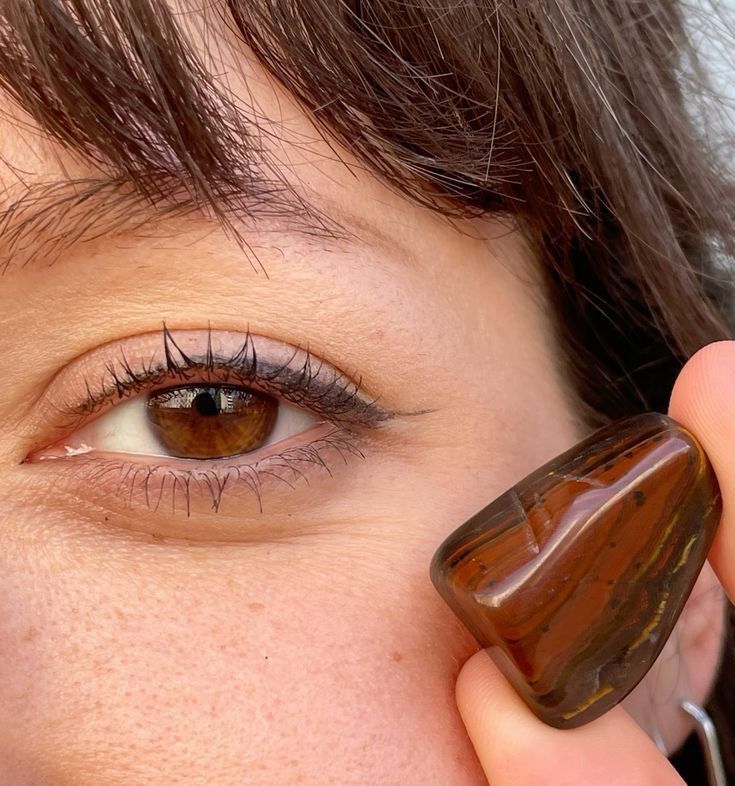
You might assume light brown eyes are common since brown is the world's most prevalent eye color, but the reality is different. Brown eyes affect approximately 79% of the global population, yet not all shades of brown eye color are distributed the same way. Dark brown eyeball tones dominate these statistics. Light brown eye color appears nowhere near as often. This difference among different types of brown eyes often goes unnoticed and leaves many to wonder: are light brown eyes rare? This piece explores the unique characteristics of light brown eyes, their prevalence across populations, and how they compare to hazel and other eye colors.
Understanding Light Brown Eyes and Their Unique Characteristics
Different Types of Brown Eyes Explained
Brown eyes exist along a broad spectrum determined by melanin concentration in the iris. Melanin amount in the iris paints this variety. More melanin produces darker shades. Each shade carries distinct visual characteristics:
- Light brown eyes display a clear, bright appearance with a honeyed or golden glow and remain brown across the iris
- Honey brown eyes resemble liquid honey with distinct yellow or golden undertones that seem to glow in bright light and border on amber while they retain a clear brown base
- Cognac brown eyes present a darker shade than honey brown with warm, earthy colors and reddish-brown hues
- Chestnut brown eyes feature a medium shade with red and gold undertones that become more obvious under certain lighting
- Chocolate brown eyes represent a classic medium brown that's warm and inviting and allow more light to play within the iris than darker variants
- Dark brown eyes contain very high melanin concentration and often appear almost black. They provide the deepest, most intense color
Where Light Brown Fits on the Eye Color Spectrum
Light brown eyes occupy a specific position on the eye color spectrum due to their medium concentration of melanin. This moderate melanin level produces a soft radiance that varies uniquely among individuals. Natural warmth can shift in appearance under different lighting conditions.
Melanin content in light brown eyes sits between darker brown shades and lighter colors like hazel or amber. Eyes with very little melanin in the iris are blue. Eyes with a bit more melanin are green, hazel or light brown. Those with high concentration of melanin are medium or dark brown. This positioning gives light brown eyes their characteristic bright, vibrant appearance, noticeable in sunlight.
Light brown eyes allow more light interaction within the iris than darker brown variants. The reduced melanin concentration creates a translucent quality and reflects a spectrum of golden hues that add to the eyes' appearance. Warm lights bring out the gold in brown eyes. Cool lights emphasize their depth.
Common Misconceptions About Light Brown Eyes
Many people confuse light brown eyes with hazel or amber eyes, but these are distinct eye colors. Light brown eyes are brown across the iris and do not have flecks of green or gold. Hazel eyes display a combination of green, gold and brown hues, which makes them vary between these colors depending on the lighting. The iris center in hazel eyes is often brown, but the color shifts to green or gold toward the outer edge.
Amber eyes are often mistaken for light brown or hazel, yet they possess a distinct golden or coppery color due to a yellow pigment called lipochrome. Amber eyes can range from bright yellowish-gold to deep, rich copper. Light brown eyes maintain their brown base throughout.
Another misconception involves uniformity. Two brown-eyed people could have very different-looking eyes. Variations exist based on melanin distribution patterns and iris structure, even within the light brown category. The endless variations of brown eye colors come from differences in melanin levels and distribution patterns. Iris structure also plays a role. Identical twins can potentially show tiny differences in their brown eye color.
The Rarity Factor: How Common Are Light Brown Eyes Really?
Statistical Breakdown by Region
Brown eyes dominate globally and affect around 70 to 80% of the world's population. But this broad category masks major variation in shade distribution. The United States has 45% of people with brown eyes, representing less than half the population despite brown being the most common color.
Geographic location determines which shade of brown eye color you'll most likely encounter. Dark brown represents the most common eye color in Africa, East Asia, and Southeast Asia. Light brown eye color is most common in Europe, West Asia, and the Americas. This regional split reveals that brown eyes are universal, but their specific shades cluster according to ancestry and sun exposure patterns.
Melanin concentration in different populations creates this geographic divide. Countries in Africa and Asia have brown eyes as the most common type because melanin helps protect the eyes from the sun. Populations with higher UV exposure developed darker pigmentation as a protective adaptation, therefore pushing light brown eyes to regions with less intense sunlight.
Light Brown Eyes in Different Populations
Population studies reveal striking patterns in eye color distribution. Almost all study participants representing South Asia and East Asia had brown eyes. East Asian participants showed minimal eye color variation, with few having green eyes and none having blue eyes. South Asian participants displayed more eye color variation than East Asian participants.
These findings confirm that brown eyes remain standard across Asian populations, but the shade skews toward dark brown eyeball tones rather than lighter variants. The uniformity in these populations stems from consistent melanin production levels that generations have managed to keep.
European and American populations show light brown eyes more often alongside hazel and blue eyes. Greater variation in eye color exists in Europe compared to Asian and African regions where brown eyes dominate. The diversity of shades of brown eye color in Western populations creates more opportunities for light brown eyes to appear.
Why They're Rarer Than Dark Brown Eyes
Light brown eyes are rarer than dark brown eyes due to their moderate melanin concentration. Dark brown eyes have a high concentration of melanin and are deeper and richer in color. Light brown eyes contain moderate amounts of melanin and have a softer, lighter shade.
The biological reality explains the rarity. High melanin concentration occurs more readily through genetic inheritance patterns than the specific moderate levels needed for light brown eyes. Most individuals with brown eye color inheritance fall into the dark brown category and make different types of brown eyes unequally distributed even within the brown-eyed majority.
Around 10,000 years ago, everyone on Earth had brown eyes. The persistence of dark brown as the dominant shade reflects this ancestral baseline. Light brown eyes represent a more recent variation that requires precise melanin calibration.
The Biology Behind Light Brown Eye Color
Melanin Concentration in Light Brown Eyes
Melanin creates the brown color in your eyes. This pigment determines your skin and hair color too. Two distinct types of melanin work together to create eye color variations: eumelanin and pheomelanin. Eumelanin appears as a dark brown or black-brown pigment. Pheomelanin contributes a reddish-yellow or red-orange tint.
Light brown eyes contain moderate amounts of melanin. They sit between darker brown variants and lighter colors on the spectrum. This moderate concentration creates their characteristic bright appearance without the near-black intensity of dark brown eyeball tones. Melanin exists in specialized packets called melanosomes within melanocytes. The level of melanin inside each melanosome determines the exact shade you see.
Your iris has two layers where melanin appears. The back layer contains melanin in virtually everyone. Brown eyes result when you have substantial melanin in both the front and back layers. The melanin distribution in the front layer remains less dense than in dark brown eyes for light brown eye color. This allows more light interaction within the iris structure.
How Genetics Determine Your Shade of Brown
Scientists have identified over 150 different genes that influence eye pigmentation. This genetic complexity explains why two parents with the same eye color can have children with different eye colors. The OCA2 gene on chromosome 15 plays a major role. It controls the brown to blue color spectrum and accounts for about three-fourths of eye color variation.
The OCA2 gene produces P-protein. This protein is involved in melanin formation and processing. The allele that results in high levels of P-protein links to brown eyes. Other genes including HERC2, TYRP1, ASIP, and ALC42A5 function in the melanin pathway. They change the total melanin amount present in the iris[112]. Statistical modeling suggests 74% of eye color variability comes from a dominant genetic factor (OCA2). Another 18% comes from additive genetic factors (polygenic/other genes), and 8% from unique environmental factors.
At least 15 genes affect eye color. There may be others not yet found. Any gene that affects melanocytes can influence your coloration.
The Difference Between Light Brown and Amber Eyes
Amber eyes differ from light brown eyes in their color makeup. Amber eyes display a golden or coppery hue. This comes from a higher concentration of pheomelanin, the reddish-yellow pigment. Only 5% of the population has amber eyes. This makes them rarer than light brown.
Light brown eyes maintain a higher concentration of eumelanin than amber eyes. This gives them a uniformly brown appearance. Amber eyes contain both eumelanin and pheomelanin. The increased pheomelanin creates the distinctive golden or honey-like tint. A person inherits amber eyes recessively. Both parents must pass on the same gene variants.
Light brown eyes probably have the same pigments as brown eyes. They contain some extra pheomelanin for subtle warmth, but not enough to create the pronounced golden hue characteristic of true amber eyes.
Light Brown Eyes vs Other Eye Colors
Light Brown Eyes vs Hazel Eyes
People confuse light brown eyes with hazel eyes all the time, but these eye colors are fundamentally different in their composition. Both belong to the brown family, and hazel eyes can appear light brown under certain lighting conditions. However, hazel eyes contain additional pigmentation beyond standard brown. The color composition creates the most striking difference between these two eye colors.
Hazel eyes display a combination of pigments that include brown, amber and green. Sometimes hazel eyes feature specks of gray, blue or gold. Brown eyes maintain a solid brown appearance with only slight tones of green or other colors. Light brown eyes show uniform and consistent color throughout the iris. Hazel eyes exhibit much more variation and complexity.
Both eye colors respond to lighting changes, but hazel eyes demonstrate more dramatic shifts. Hazel eyes exhibit flecks of other colors, fluctuating rings, coronas, bands or other designs most of the time. Brown eyes can have these features, but the effect remains nowhere near as common. Around 18% of the US population and 5% of the world population have hazel eyes. This makes them rarer than brown eyes, including light brown variants.
The genetic makeup is different between these eye colors as well. Brown eyes suggest pronounced genetic identification. Hazel eyes exhibit a mixture of diverse color spectrum and suggest more complex genetic makeup.
Light Brown vs Dark Brown Eyeball Appearance
Dark brown eyes contain very high melanin concentration. This creates the deepest, most intense color that often appears almost black. Light brown eyes have moderate melanin amounts and produce a softer, lighter shade with more translucence. This difference in melanin concentration affects how light interacts with the iris.
Dark brown eyeball appearance blocks more light due to dense melanin in the stroma. Light of both shorter and longer wavelengths gets absorbed. Light brown eyes allow more light play within the iris. Natural warmth and golden hues shift under different lighting conditions.
How Light Brown Eyes Compare to Blue and Green
Blue eyes represent the second most common eye color worldwide. An estimated 17 percent of the world's population has blue eyes. Blue eyes contain minimal melanin in the front iris layer. Light brown eyes maintain moderate levels. Green eyes fall between blue and light brown on the melanin spectrum.
People with lighter eyes face higher light sensitivity and greater melanoma risk. Lighter eyes link to higher alcohol abuse risk as well. Brown eyes, including light brown variants, provide reduced macular degeneration risk and lower melanoma risk. Melanin's protective properties account for these benefits.
Styling and Care for Light Brown Eyes
Best Colored Contact Lenses Options
Opaque or semi-opaque lenses work best for light brown eyes when you want a noticeable color transformation. Gray lenses transform light brown eyes into the desired tone with ease. Blue contacts remain the top choice among users, and green creates striking contrast. Honey or hazel lenses blend with your brown eye color to create warmth if you want subtle enhancement. Tri-tone lenses feature different colors in the limbal ring and inner ring. They create a realistic finish and blend with brown eyes.
Protecting Light Colored Eyes from Sun Damage
People with light-colored eyes have less melanin. This makes them more susceptible to UV damage. Sunglasses that block 100% of UVA and UVB rays are essential for your eyes. Labels specifying UV400 provide the best protection. Wraparound designs prevent UV rays from entering through the sides. UV exposure contributes to photokeratitis, cataracts, macular degeneration and pterygium. Wear protection year-round, especially during peak hours between 10 a.m. and 4 p.m..
Glasses and Fashion Choices for Light Brown Eyes
Classic black frames suit brown eyes well. Warm tones like earthy greens, light browns, golds and deep grays complement your eye color. Bright purple, red, blue or silver frames make brown eyes pop if you want contrast. Moss gray adds definition to brown eyes.
Cosplay Contacts for Brown Eyes
Mini sclera contacts provide a dilated eye appearance that works well for zombie or demon costumes. UV contacts glow under club lighting.
Conclusion
Light brown eyes occupy a unique position on the eye color spectrum. Their moderate melanin concentration makes them rarer than the dark brown variants that dominate global statistics. Brown eyes affect around 79% of the world's population, but light brown shades appear nowhere near as frequently as most people assume.
Your light brown eyes maintain consistent warmth throughout the iris. This sets them apart from hazel or amber eyes. You were born with this eye color or simply appreciate its golden radiance. Understanding its biology and rarity helps you recognize what makes it special. Protect your eyes from UV damage and accept styling choices that highlight their natural beauty.