

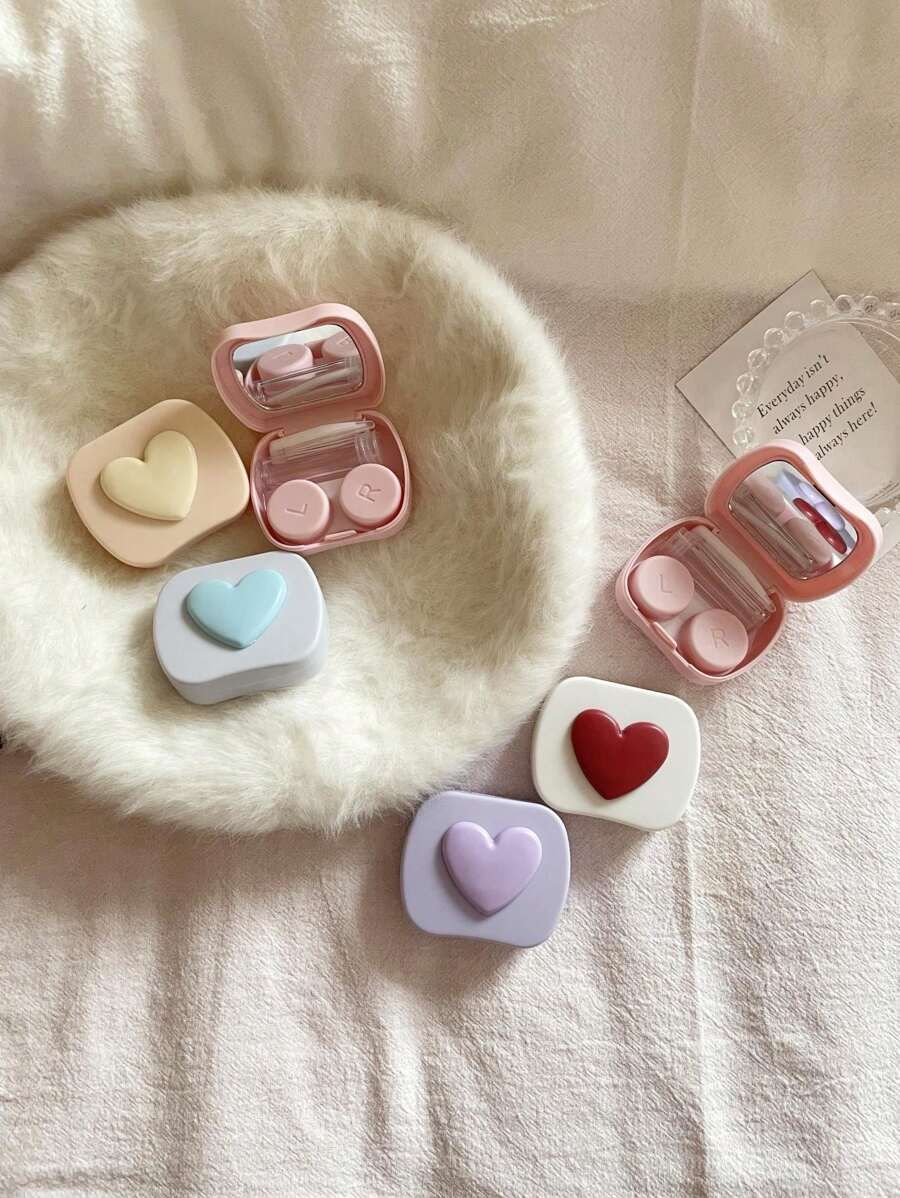
Can you safely reuse colored contacts? The answer might surprise you. Daily disposable colored contact lenses work best for single use only. Colored contacts marked for extended wear (monthly or 6 months) are safe to reuse.
This difference is significant to your eye health. Reusing daily disposable lenses can lead to serious eye problems. Your eyes face major risks from improper reuse of colored contacts, especially infections. Dirty lenses worn too long might create ulcers on your cornea. The good news is that reusable colored contacts give you many benefits when you use them right. You can safely wear your colored lenses during their intended lifespan with proper cleaning and care.
This piece shows you how to spot reusable colored contacts and understand how long each type lasts. You'll also learn the exact steps to clean and store them. These expert tips are a great way to get clear vision while enjoying your colored contact lenses.
What Makes a Colored Contact Lens Reusable?
The difference between reusable and single-use colored contacts boils down to their design, materials, and manufacturing specs. You need to know these differences to keep your eyes healthy and get the best value from your lenses.
Material differences: daily vs. extended wear
Reusable colored contacts use tougher materials that can handle multiple cleaning cycles. Monthly and yearly lenses typically use materials like HEMA and POLYMACON. These materials keep their shape and stay moist for longer periods. Here's what makes them special:
- Greater oxygen permeability - Silicone hydrogel lenses let more oxygen reach your eyes, so you can wear them longer
- Enhanced durability - Their thicker build helps them last through repeated handling
- Better deposit resistance - They need cleaning but handle protein buildup better than thin daily lenses
Daily disposable colored contacts are different. They're made with thinner materials and contain more water, which makes them comfortable but impossible to reuse. These materials break down quickly and won't survive cleaning cycles.
How to check if your lenses are reusable
You can tell if your colored contacts are reusable by looking at a few things:
Start with the original packaging and product info. Look for labels that say "daily," "monthly," "quarterly," or "yearly" replacement schedules. The packaging should clearly tell you how long to wear them.
Physical characteristics are another clue. Daily disposables feel much thinner than monthly or yearly options. Care instructions that came with your lenses will help too – daily disposables say "single-use only" and don't come with cleaning instructions.
Price can also tell you about reusability. Daily disposables cost more per lens but don't need cleaning solutions. Reusable lenses have a higher upfront cost but save you money in the long run.
Can u reuse colored contacts safely?
Reusing colored contacts safely is possible, but only under certain conditions. We used colored contacts designed for multiple uses – like monthly, quarterly, or yearly replacements. Daily disposable lenses should never be reused because they can cause eye infections.
Monthly, bi-weekly, quarterly, or yearly contacts use special materials that can handle repeated cleaning and disinfection. You must take proper care of them. Clean your lenses with recommended solutions after each use, store them in fresh solution, and replace them on schedule.
Your safety depends on following these care steps carefully. Eye care experts suggest getting a new lens case every three months to avoid bacteria growth. Using lenses past their recommended time puts your eye health at risk.
Note that dirty lenses can cause painful corneal ulcers and serious infections. Your colored contacts' reusability depends on how well you take care of them and follow proper hygiene steps.
How Long Can You Reuse Colored Contacts?
Your colored contacts' replacement schedule isn't just a suggestion—it's a vital safety guideline that protects you from serious eye complications. You need to know how long you can safely reuse different types of lenses to keep your eyes healthy and your vision clear.
Typical lifespan of monthly and yearly lenses
Monthly colored contacts give you a great balance between affordability and convenience. You can safely use these lenses for up to 30 consecutive days from when you first open the package—not from when you start wearing them. They expire after 30 days even if you only wear them occasionally.
Yearly colored contacts are the most economical option if you wear them regularly. These lenses use more durable materials to handle daily wear for longer periods, and they can last up to 12 months with proper care. Eye care professionals recommend replacing them around the 8th to 10th month because protein deposits and materials start to break down by then, whatever your maintenance routine.
You'll find several other replacement options:
- Bi-weekly lenses: You can use these for about 14 days with proper care
- Quarterly lenses: These last up to three months if you maintain them well
Signs your lenses need replacing
Your colored contacts need immediate replacement if you notice these warning signs:
- Visual changes: Blurry or hazy vision after cleaning points to lens deposits or material breakdown
- Physical damage: Tears, nicks, bent edges, or shape changes can scratch your cornea and let bacteria in
- Color changes: Fading or discoloration shows the lens material isn't safe anymore
- Persistent discomfort: You feel irritation, burning, or something in your eye even after cleaning
- Eye reactions: You need to remove lenses right away if you notice too much tearing, discharge, redness, or swelling
You should replace any lens that shows damage or causes discomfort. Wearing damaged or worn-out lenses puts you at high risk for infection.
Factors that affect lens longevity
Your colored contacts' safety and effectiveness depend on several things:
The lens material makes a big difference. Silicone hydrogel lenses let more oxygen reach your eyes and usually last longer than standard hydrogel lenses, which dry out faster.
Your cleaning routine affects how long your lenses last. Daily cleaning gets rid of proteins and debris that build up during normal wear. Your lenses won't last as long if you skip cleaning steps or use old solutions.
Your eye chemistry plays a role too. Some people's eyes produce more proteins and oils that stick to contact lenses, which might mean replacing them sooner.
The environment around you matters—smoke, dust, makeup, and pollution can contaminate your lenses. Storing them in very hot, cold, or humid places can damage the lens material.
The time you spend wearing your contacts each day affects when you'll need new ones. People who wear their contacts longer each day might need to replace them before the recommended time.
Safe Cosmetic Contact Lens Use: Expert Advice
Safety must be your top priority with colored contacts. These fashion accessories are regulated medical devices that need proper handling and care. The FDA classifies all contact lenses as medical devices that need valid prescriptions—this is the law, not just a suggestion. Here's what experts recommend to keep your eyes healthy while wearing colored lenses.
Follow your optometrist's instructions
You should consult an eye care professional before getting any colored contacts. An optometrist will:
- Check if contact lenses suit your eyes
- Give you the required prescription (even for non-corrective colored lenses)
- Measure your eyes to ensure proper fit
- Give you specific guidance about cleaning, disinfection, and wear schedules
Buying colored contacts without a prescription puts your eye health at risk. Research shows that 60% of fake cosmetic eye lenses contain microbial contamination. You should only buy lenses from authorized sources like eye doctors' offices or trusted online vendors that ask for a valid prescription.
Avoid sleeping in lenses unless approved
Never sleep with colored contacts in your eyes unless they have FDA approval for extended wear. The risk of serious eye infections becomes six to eight times higher if you sleep with contacts.
Your cornea gets less oxygen while you sleep because you stop blinking. This creates perfect conditions for bacteria to grow. This can cause:
- Corneal ulcers (painful open sores on your cornea)
- Keratitis (severe cornea inflammation)
- Conjunctivitis (pink eye)
- Permanent vision damage in severe cases
If you fall asleep wearing contacts, take them out as soon as you wake up to let your eyes breathe. Use lubricating eye drops or normal saline if the lenses feel stuck. Let your eyes rest that day and call your eye doctor right away if you notice redness, pain, or discharge.
Don't exceed recommended wear time
Eye care professionals recommend wearing colored contacts no more than 10-12 hours daily. Think of it as your contacts' workday—after that, both your lenses and eyes need rest.
Wearing contacts too long can cause:
- Discomfort and dry eyes
- Red, irritated eyes from expanded blood vessels
- Blurred vision from lack of oxygen
- Long-term corneal damage
Users of colored contacts are 16 times more likely to develop keratitis than regular contact lens users. Watch for warning signs: remove your lenses if your eyes feel irritated, scratchy, or gritty—especially late in the day.
Colored contacts can dry out your eyes because the lens material limits oxygen flow. This makes it harder for your eyes to produce natural tears. Even if your lenses complete your look perfectly, wearing them too long causes immediate discomfort and risks your long-term eye health.
Step-by-Step Guide to Reusing Colored Contacts
Safe reuse of colored contacts depends on proper care. Here's a step-by-step routine that will protect your eye health and help your lenses last longer. These guidelines will help you avoid problems and keep your colored lenses in great shape.
1. Wash and dry your hands
Clean your hands really well with mild soap and running water before you touch your lenses. This basic but crucial step gets rid of harmful bacteria that could move to your lenses and cause infections. Research shows that poor hand hygiene remains one of the main reasons for contact lens contamination.
Stay away from soaps that contain cold cream, lotion, or oily cosmetics because they can damage your lenses. Use a lint-free towel to dry your hands completely. Your fingernails should never touch the lenses to avoid scratches or tears.
2. Clean lenses with solution
Take out your colored contacts and put each lens in your palm. Add a few drops of the recommended cleaning solution. Rub the lens gently for about 20 seconds on both sides to clean off deposits, debris, and some germs from the surface.
Tap water, saliva, or homemade solutions should never touch your lenses - they have harmful bacteria that can hurt your eyes. Rinse both sides of the lens with fresh solution for about 10 seconds each.
3. Store in fresh solution overnight
Put your clean lenses in a clean contact lens case. Fill each well completely with fresh multipurpose solution. Your lenses need to stay fully covered to get properly disinfected. The case creates a safe space that keeps bacteria away from your lenses.
Let the lenses soak as long as the manufacturer suggests—usually 4 to 8 hours. Soaking overnight works best because it gives the solution enough time to disinfect your lenses properly.
4. Replace solution daily
Fresh solution must go into your case each time you store your lenses. Many people make the mistake of adding new solution to old solution—this makes the disinfection much less effective. Old solution loses its germ-fighting power and becomes a breeding ground for bacteria.
Empty all old solution from your case before adding fresh solution. This step cannot be skipped if you want to keep your lenses clean and prevent eye infections.
5. Disinfect weekly with peroxide system
Think over using a hydrogen peroxide cleaning system from time to time for deeper cleaning. These systems work great for removing tough protein buildup and don't contain preservatives.
Peroxide systems need their special case with a neutralizing disk. Let your lenses soak for 6-8 hours so the peroxide can disinfect and neutralize fully. Never put hydrogen peroxide solution directly in your eyes - it will cause severe burning and damage.
6. Replace lens case every 1–3 months
Get a new contact lens case every three months at least—even if you clean it properly. Research shows that up to 81% of lens cases become contaminated after 9 months of use.
Clean your case daily between replacements by rinsing with fresh contact lens solution (never tap water). After rinsing, turn the case upside down on a clean towel or tissue and let it air dry. This stops moisture from building up and growing bacteria.
Common Mistakes to Avoid When Reusing Contacts
Your eye health depends on avoiding mistakes that can occur when reusing colored contacts. These errors can lead to serious complications and compromise your vision.
Reusing daily disposables
Daily disposable colored contacts work for single use only. These lenses are thinner, more fragile, and lose their moisture retention properties after one wear. The FDA strictly bans using daily disposable contacts for multiple days. Reusing these lenses substantially increases your risk of eye infections. The lens material breaks down during cleaning and could shatter inside your eye.
Skipping cleaning steps
Eye infections often result from poor cleaning habits. Users often skip the mechanical rubbing step - you need to place lenses in your palm and rub with solution for about 30 seconds to break down proteins and debris. Some people add new solution to old solution instead of replacing it completely, which makes disinfection less effective. Note that tap water and saliva contain harmful bacteria that should never come in contact with your lenses.
Using expired or damaged lenses
Never ignore contact lens expiration dates. Aging lenses change their structure, which leads to deformation and poor fit. Your cornea might not get enough oxygen from expired lenses that become less permeable. The material also breaks down chemically over time and could release harmful substances into your eyes. Any surface defects can scratch your cornea and create entry points for infections.
Ignoring signs of eye irritation
Red, uncomfortable, or blurry vision just needs immediate attention. These symptoms usually show your eyes are reacting to contaminated lenses. Watch for excessive tearing, burning sensations, itching, or unusual discharge. Early detection of these symptoms helps prevent serious complications like bacterial keratitis—an infection that could cause permanent vision loss or require a corneal transplant.