

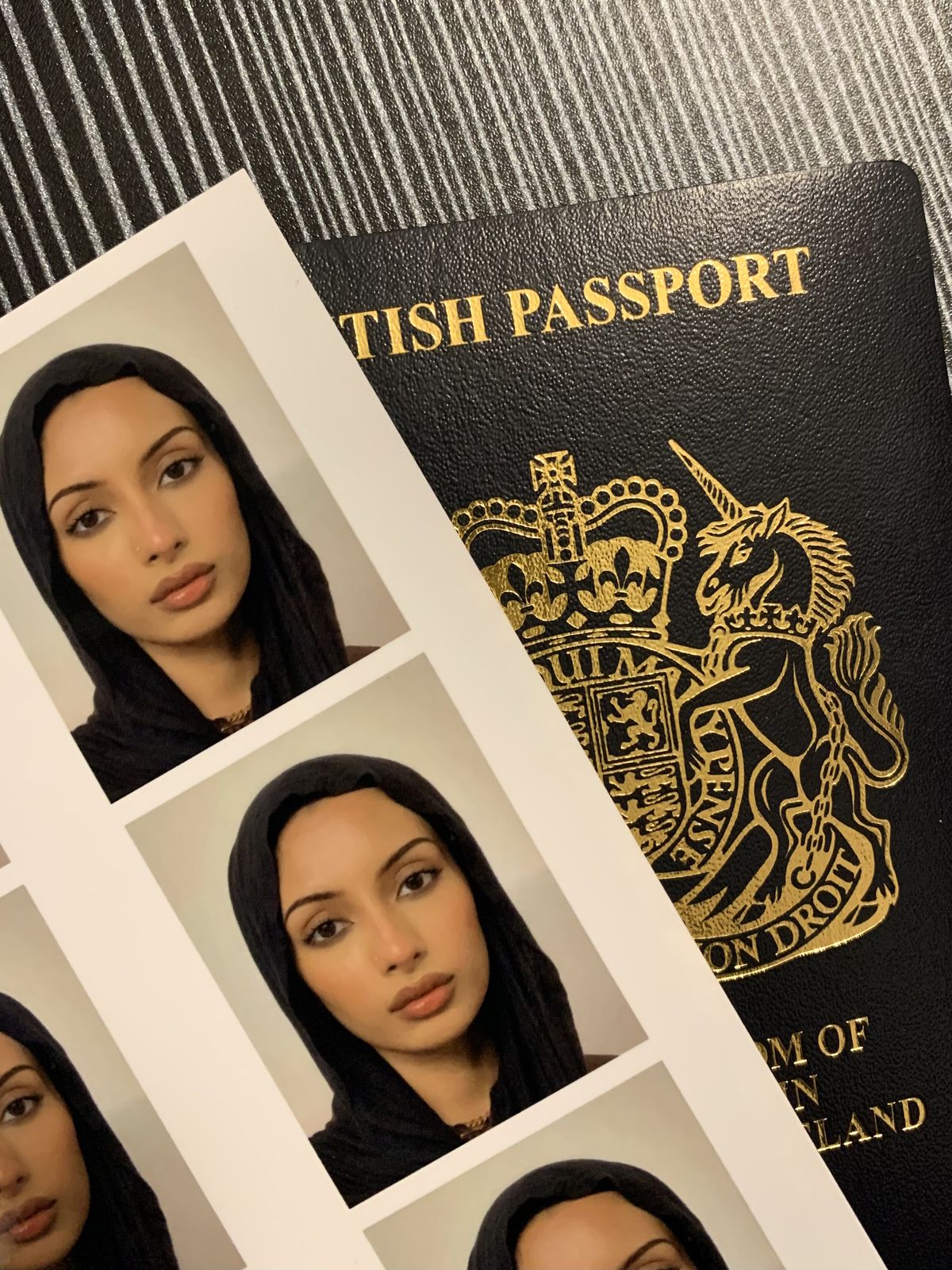
Many people ask about colored contacts in passport photos. The answer is clear - they're not allowed. The U.S. Department of State guidelines strictly prohibit anything that blocks the visibility of your face or eyes in passport photos. Colored contacts that change your natural eye appearance fall under this restriction.
Your passport application faces potential delays or rejection when you wear eye-changing contacts. Passport photos must accurately show your current appearance. The colored contacts often create unwanted glare or red-eye effects that make your eyes difficult to see clearly in photos.
This piece will tell you everything about colored contacts and passport photos. You'll learn the official rules, their reasons, and consequences of non-compliance. We'll also share practical solutions that contact lens wearers can use to avoid travel complications.
What do passport photo rules say about eye appearance?
Passport photo guidelines emphasize how your eyes look. The U.S. State Department requires your eyes to face the camera directly and stay fully open and visible. Your eyes can't have shadows on them or appear too dark or bright in the final photo.
Why eye visibility is critical in passport photos
Eyes play a vital role in photo identification. Unclear eyes create problems during identity checks at borders and security points. Official rules state that nothing should cover your eyes or eyelids, and the eye area must be free from shadows.
This rule covers colored contacts and all eye-related accessories. The U.S. Department of State's "No Eyeglasses Policy" has been around since 2016. Eyewear can change how you look or create glare that makes identification sort of hard to get one's arms around. All but one of these rules are strict - you need a doctor's signed note to prove medical necessity.
People who want to wear contacts to change their eye color should know that wrong eye appearance leads to rejected applications. Your eyes must show their natural color and look for proper identification.
How facial recognition systems rely on eye features
Eyes rank among the most crucial facial features to verify identity. These sensory organs provide vital visual data that helps facial recognition systems match your passport photo to your real appearance.
Colored contacts in passport photos change a core biometric marker. Facial recognition technology looks at specific eye features such as:
- Natural eye color and patterns
- Eye shape and positioning
- Surrounding eye structures
These systems need clear, unblocked eyes to work right. Any change to your eye's natural look—whether from colored contacts, heavy makeup, or accessories—disrupts these identification processes.
The message is clear: your passport photos must show your natural eyes without changes from colored contacts, excessive makeup, or anything else that might alter your eye's appearance.
Can you wear colored contacts in a passport photo?
No, you cannot wear colored contacts in a passport photo. The rules about eye appearance in official identification documents are strict, and with good reason too.
What the U.S. State Department says
The U.S. State Department's website doesn't directly mention colored contacts. Their guidelines clearly state that anything changing your natural appearance isn't allowed. Nothing should block the view of your face or eyes according to official requirements. These rules help maintain security and consistency in identification documents.
Regular contact lenses that correct vision are usually fine. Tinted lenses need a signed medical statement explaining why you need them. The rules strictly forbid contacts that make your irises look bigger or smaller, or hide your eyes in any way.
Why altering your natural eye color is not allowed
Your passport photo must show exactly how you look. Wearing contacts that change your eye color changes a crucial identifying feature. Border guards and security staff need these details to check your identity quickly and accurately.
This rule exists because your passport serves as a government ID document. As one source puts it: "Curb your vanity and keep your passport photo as natural and bland as possible". Many countries list eye color as part of your official identification details.
Glare and red-eye issues with colored lenses
Colored contacts create technical problems in passport photos beyond just breaking rules. These lenses often create unwanted reflections or red-eye effects that make photos unsuitable for official documents. This happens because:
- The artificial surface reflects light differently than natural eye tissue
- Contact lens pigments can interact unpredictably with camera flash
- The curved surface creates unexpected reflections
Examples of rejected passport photos
Passport applications often get rejected because of colored contacts. Common rejection cases include:
- Photos showing eye colors different from your natural appearance
- Images with glare or reflections that partially hide the eyes
- Pictures showing red-eye effects from contact lens interactions with flash
A traveler shared this experience: "I renewed my passport wearing colored contacts... but now they scan the iris. The contact lenses allowed are only clear ones. I had to take off the contacts... tears would flow".
What happens if you wear colored contacts at the airport?
Airport security has evolved faster with facial recognition technology. Your travel plans might hit a snag if you wear colored contacts after submitting a passport photo with your natural eyes.
Facial recognition mismatches and delays
Modern airports use sophisticated facial recognition systems to match your face with your passport photo. These systems focus on your nose, eyes, and mouth features. The system might flag you as a potential mismatch if you wear dark brown lenses while your passport shows natural green eyes.
How customs officers verify identity
Customs officers step in for manual checks when automated systems spot differences. You might need to take off your colored contacts. A traveler's experience at Dubai immigration shows what to expect - they had to remove their contacts for a second photo after the initial scan. This makes carrying spare clear lenses or glasses crucial.
Tips to avoid issues during travel
Here's what you need for smooth travel with colored contacts:
- Be ready to take out colored lenses if border officials ask
- Keep eye drops and disinfectant solution handy
- Bring backup clear lenses or glasses for ID checks
- Have documentation ready if you need specialty lenses
- Note that some countries might turn you away if you look substantially different from your passport photo
On top of that, facial recognition errors hit some groups harder than others. Studies show Asian and African American people face misidentification rates up to 100 times higher than white men.
Alternatives and tips for colored contact users
You have several options that comply with passport requirements instead of giving up colored contacts completely.
Wearing colored contacts after passport photo is taken
Nothing stops you from wearing your favorite colored lenses after getting your passport photo with natural eyes. Many travelers use colored or tinted lenses at airports to manage harsh lighting effectively. People who have astigmatism often find colored contacts beneficial during long trips.
Using enhancement tints that don't alter identity
Subtle enhancement tints offer a great alternative to dramatic eye-changing contacts. These lightly tinted lenses highlight your natural eye color instead of changing it completely. This makes them less likely to cause problems at checkpoints.
Medical exceptions and vision correction lenses
Medical necessities qualify for exceptions. You should bring documentation if you need special tinted lenses for medical reasons. The State Department states: "A medical statement signed by a medical professional/health practitioner must be requested in these rare circumstances".
Caring for your lenses while traveling
Contact lenses offer convenience while traveling, but proper care remains vital:
- Keep eyes hydrated in dry airplane cabins with rewetting drops
- Never sleep in your contact lenses, even during flights
- Pack contacts in carry-on luggage rather than checked bags
- Switch to daily disposables to avoid carrying solutions
- Bring a spare pair of glasses as backup
You should also pack eye drops for dryness and disinfectant solution to help remove lenses during your experience if needed.
Conclusion
Getting your passport photo right can be tricky if you wear colored contacts. All the same, these rules exist with good reason too - your passport is a vital identification document that must show exactly what you look like. Colored contacts change your eye's appearance and this can cause issues with facial recognition systems and border security checks.
You can't wear colored contacts in your passport photo, but you have other options. Your colored contacts can still be worn after getting the photo taken. Many people opt for subtle tints instead of dramatic eye-changing lenses to avoid identification problems. On top of that, people with medical needs can get exceptions if they have the right paperwork.
Your eyes play a key role in airport security verification. You should always carry spare clear lenses or glasses when traveling internationally. Taking proper care of your lenses while traveling helps you follow regulations and keeps your eyes healthy.
The message is clear - your passport photo needs to show your natural eye color and appearance. This small adjustment during the photo session lets you travel without any holdups at border control. Once you have your approved passport, you can definitely keep wearing your colored contacts while traveling, but be ready for identity checks occasionally.