Fascinating Truth About Female Vampire Characters in Modern Cartoons
Nov 21,2025 | Coleyes
Female vampire characters in cartoons have evolved beyond traditional horror tropes. These animated blood-suckers now engage viewers during Saturday mornings and after-school shows. The portrayal of female vampires has become the sort of thing I love, as they mesmerize audiences with personalities that range from chilling villainesses to brooding anti-heroes.
Many people share this attraction to supernatural beings. Iconic female vampire characters continue to inspire and entertain fans in movies, books, and anime. Japanese animation creators have given vampire enthusiasts some of the most terrifying, powerful, and surprisingly adorable vampires ever. These characters present vampire mythology in a family-friendly setting and serve as a gateway to learning about more monster-related content later in life. This list of memorable female vampires in modern cartoons has something for every fan, whether you need cosplay inspiration with colored contact lenses or just enjoy fantastic stories.
The Rise of Female Vampire Characters in Cartoons
Vampire stories took an unexpected turn when these creatures made their way into animation. Count Duckula hit TV screens on September 6th, 1988, and brought a fresh, funny spin to vampire tradition. This vegetarian vampire loved broccoli sandwiches instead of blood, and that marked the start of how audiences—especially kids—would look at these once-scary monsters.
How cartoons redefined the vampire archetype
Vampires used to be pure horror creatures, but animated series gave these bloodsuckers a bold new look. Count Duckula mixed horror, comedy, and slapstick to create a blueprint for future animated vampires. Cartoons stopped showing vampires as bad guys and turned them into main characters with everyday problems and dreams.
Marceline from Adventure Time shows this change perfectly. She's the Vampire Queen with amazing powers like flying and turning into monsters, but she doesn't need blood—red stuff works just fine. This clever change keeps vampire style while making her perfect for young viewers. Many animated vampires follow this idea by keeping classic vampire features but dropping the scarier parts.
Why female vampire cartoon characters stand out
Female vampires bring something special to animation with their mix of power, mystery, and charm. Animated vampires have more freedom in how they look than their live-action versions. You can spot them right away by their pale or weird-colored skin, fancy old-fashioned clothes, and big fangs.
These characters really grab attention because they're different even in worlds full of supernatural creatures. They've grown beyond the helpless female stereotype. Now anime and cartoons show strong, layered female vampires who fight male characters—and often come out on top.
Draculaura from Monster High shows us the "good vampire"—she's accepting, friendly, and eats no blood at all. Her character breaks vampire rules while keeping Gothic style with her Lolita-inspired fashion. This mix of classic vampire looks and modern personalities helps these characters strike a chord with viewers.
The shift from horror to humor and heart
The change from scary to funny started with characters like Count Duckula. His cowardly, fame-hungry personality made people laugh as he tried to avoid his vampire roots. This new approach let animated vampire stories add more feeling.
Marceline shows this change perfectly. She brings darkness to the bright world of Adventure Time, but shows her sensitive side through sad songs and honest storytelling. These characters feel real because they deal with inner conflicts, even though they're supernatural.
Today's female vampire characters grow and change throughout their shows. Marceline started as a possible enemy but became a deep character with real emotions. Mavis from Hotel Transylvania grows from a sheltered teen into a confident mom, showing how animation now treats female characters differently.
Vampire characters have come a long way from simple monsters to complex personalities with real problems. They've proven that even the undead can win our hearts.
Top Female Vampire Characters in Modern Cartoons
Modern animation brings us amazing female vampires who break away from old stereotypes. These characters come with their own unique powers, personalities, and stories that really grab viewers worldwide. Let's look at eight awesome vampire cartoon characters that female audiences have grown to love, from rock-star queens to cute otakus.
1. Marceline the Vampire Queen (Adventure Time)
This thousand-year-old vampire queen (voiced by Olivia Olson) has given new meaning to being undead in animation. Half-demon and half-human, Marceline became queen after beating the previous Vampire King in battle. She doesn't drink blood - she just feeds on the color red and protects herself from sunlight with giant hats and sunscreen. Her music skills and deep connection with Princess Bubblegum add layers to who she is, though living for over a millennium sometimes makes her moral compass spin a bit.
2. Mavis Dracula (Hotel Transylvania)
Selena Gomez brings life to Mavis, Count Dracula's 118-year-old daughter who pushes back against her dad's protective nature. She might be a vampire, but she's smart, determined, and wants to see what's out there beyond her sheltered life. Everything changes when she meets Jonathan, a human backpacker. They experience a "zing" - vampire speak for love at first sight. Their relationship helps her dad rethink his views about humans, showing how Mavis shapes her own story.
3. Carmilla (Castlevania)
Netflix's Castlevania shows Carmilla as a crafty vampire mistress on Dracula's war council. Unlike the video game version who stays loyal to Dracula, this Carmilla wants his throne. She stands out with her beautiful yet scary look - pale gray skin, crimson lips, and icy blue eyes. Her clever mind games and political moves make her a great villain who shakes up the usual vampire power structure.
4. Sophie Twilight (Ms. Vampire Who Lives in My Neighborhood)
Sophie, about 360 years old, gives us a fun twist on vampire stories. This cute silver-haired vampire moved to Japan in 1986 and lives just like anyone else today. She looks refined but loves anime and manga like a true fan. She keeps her blood in the fridge and won't drink straight from humans. Sophie's mix of old-school vampire traits and modern geek culture makes her really special.
5. Seraphim (Is This a Zombie?)
Seraphim mixes vampire powers with ninja skills in a way nobody else does. She rocks the Secret Sword Technique: Swallow Cut along with her vampire abilities in fights. This vampire-ninja combo lets her sprout bat wings and create a katana from leaves. She follows strict blood-drinking rules - only kissing girls to numb them before feeding since kissing guys would mean marriage in her group. Her hot-and-cold attitude, especially toward Ayumu, adds more to her tough-girl image.
6. Redcurrant (The Ancient Magus' Bride)
The Garland Household has this beautiful Leánnan sídhe vampire watching over it. Her eyes match her name - they're as red as redcurrants. She trades talent for life energy through blood, seeing it as a fair deal rather than something evil. Her love story with Joel, a human writer whose life she accidentally drains, shows a deeper side to vampire tales. She promises to care for his garden "until the world turns to dust."
7. Yue (Arifureta)
Yue used to be Aletia Galdea Vesperitio Avatarl, a vampire princess whose people turned against her and locked her in a labyrinth. She's over 300 but looks 12 thanks to being immortal. After Hajime Nagumo sets her free, she becomes his closest companion and love. Her magic powers and healing abilities make her almost impossible to destroy. She's completely devoted to Hajime - seeing herself as his and listening only to him.
8. Avrora Florestina (Strike the Blood)
Avrora brings something new as a doll created when the Original Fourth Primogenitor split himself. She starts off shy and scared of her powers but makes the biggest sacrifice by giving the fourth primogenitor's powers to Kojou Akatsuki before vanishing. Though we don't see much of her in the series, her selfless choice moves the whole story forward, showing how vampire characters can shape stories even when they're gone.
What Makes These Characters So Memorable?
The appeal of female vampire cartoon characters goes well beyond their supernatural roots. These animated blood-suckers engage viewers through a clever mix of special powers, deep emotions, and surprising vulnerability.
Unique powers and personalities
Female vampire characters stand out with their amazing range of abilities, even in fantasy settings. Their powers go from simple vampire traits like superhuman strength to special abilities that make them unique. To name just one example, Alucard shows remarkable range by controlling weather, manipulating souls, teleporting, and using telekinesis. Some vampires like Marceline take a different path and skip traditional blood drinking to drain the color red from objects instead.
The best vampire characters blend these powers with distinct personalities. Carmilla's story shows this perfectly - her charisma and sharp mind become her deadliest weapons. She stages a coup against Dracula through clever manipulation and dialog. Her strategic thinking and extraordinary speed and agility make her truly unforgettable.
Emotional depth and transformation arcs
Female vampires feel emotions with incredible intensity. Their feelings get amplified by a lot after transformation - joy becomes euphoria, grief turns into consuming depression, and anger explodes into rage. This emotional depth creates characters that strike a chord with audiences.
These characters often grow and change throughout their stories. Sakura's experience from regular girl to powerful vampire explores how she finds herself, shows courage, and stays strong while dealing with her split identity. Lily grows too as she handles her vampire nature and human values, becoming complex enough to make tough choices.
Balancing darkness with relatability
The most memorable female vampires know how to balance their dark nature with qualities we understand. They face moral challenges that mix up good and evil, making us think about what it means to be righteous. These inner battles - like Marceline being dark in Adventure Time's bright world - create fascinating story tensions.
Animation creators have learned to make these scary characters available to viewers through smart design choices. Draculaura becomes friendly with her harmless pink look and vegetarian lifestyle, giving vampire stories a fresh spin for younger viewers. This careful mix lets these characters keep their supernatural mystery while staying approachable.
Female vampire cartoon characters have earned their spot as some of animation's most lasting and loved figures through this mix of unique powers, emotional depth, and relatable struggles.
Visual Identity and Cosplay Appeal
Female vampire cartoon characters' striking visual appeal has sparked a vibrant cosplay community. Fans put their heart into recreating these characters through detailed costumes, makeup work, and specialized props.
Signature looks and colored contact lenses
Cartoon vampire characters stand out with their distinctive eyes that reveal their supernatural nature. Their eyes glow in shades of red, blood orange, or icy white—each color adds depth to the character's design. Carmilla's character design shows pale gray skin that goes together with crimson lips and icy blue eyes. Other characters sport blood-red eyes that hint at their bloodthirsty nature. These visual elements are the foundations of authentic cosplay recreations.
Popular cosplay contacts for vampire characters
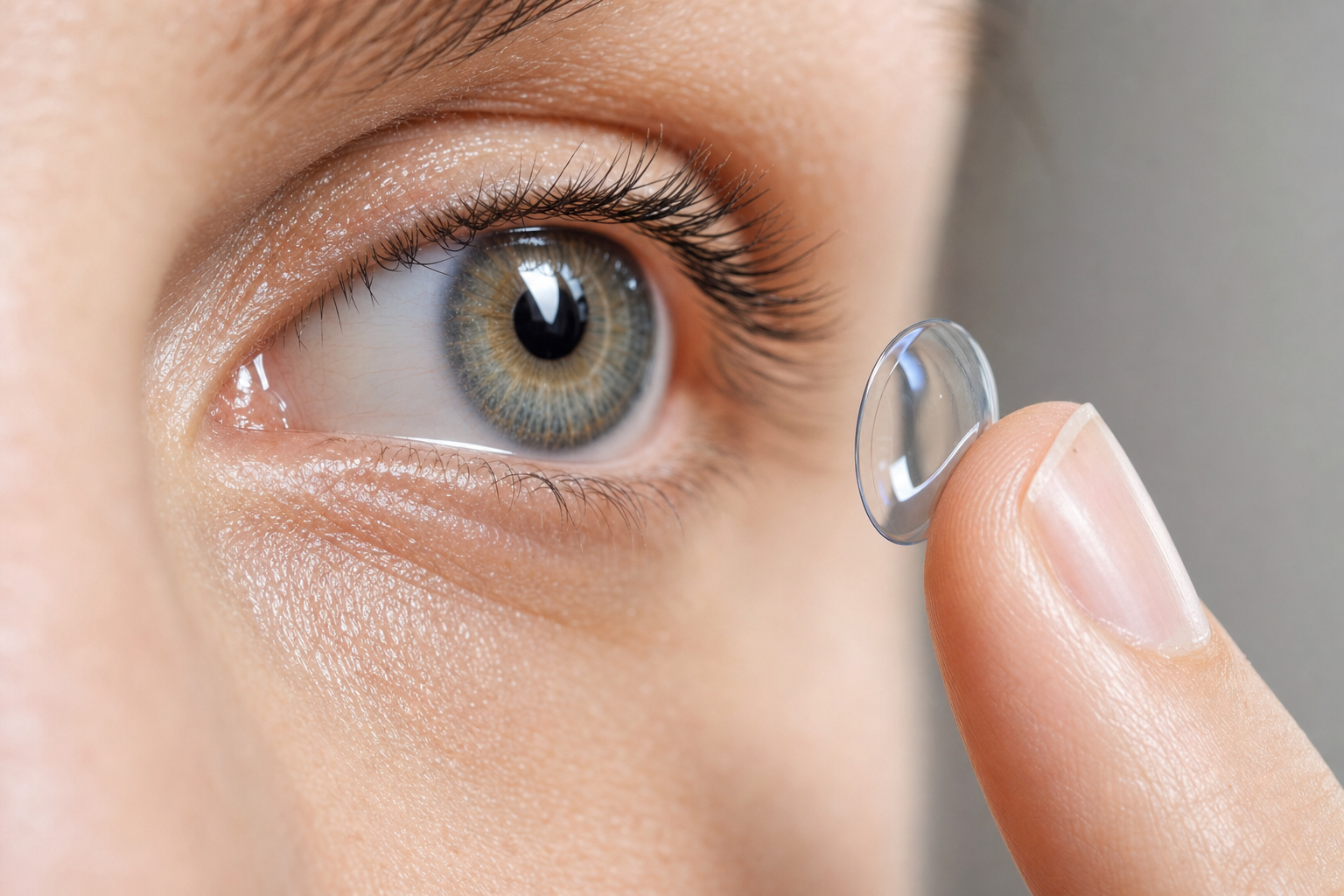
Colored contact lenses are the life-blood of vampire cosplay that lets fans create supernatural eyes without special effects. Red or crimson lenses create bold looks perfect for feral vampires. White-out lenses give that haunting, undead appearance that works best for ancient vampire portrayals. Black sclera lenses add a demonic touch, but experienced contact wearers should only use them. Anime-inspired vampires need amber or golden lenses to match characters from shows like "Is This a Zombie?" or "Twilight"-inspired designs.
How fans recreate their favorite vampire looks
Dedicated cosplayers use theatrical makeup techniques to nail the perfect vampire look. They start with pale foundation bases and add character-specific details. Most fans take time to perfect Marceline's bite marks or Mavis's signature hairstyle. The vampire look needs defined v-shaped sideburns, sharp contours, and bold lip colors—usually black or deep red. Specialized fangs complete the transformation, with different styles that match specific characters.
Cosplay communities have turned these recreations into true art forms. Forums and tutorials help perfect specific character looks. Female vampire characters' visual appeal keeps inspiring creative expression through these passionate fan recreations.
Cultural Impact and Fan Communities
Female vampire cartoon characters have built passionate communities on many platforms. Their cultural effect goes well beyond simple entertainment. These animated bloodsuckers keep their devoted following long after their stories end.
How these characters influence pop culture
Vampire characters show up in a variety of media. You'll find them in ballet, literature, video games, and paintings - they've made their way into almost every form of creative expression. Several thousand vampire movies exist today, which shows just how popular they've remained throughout entertainment history. These characters let creators tackle taboo subjects through fantasy stories and address sensitive topics without being too direct. Female vampires, in particular, have grown more relatable and human-like. They've moved past their old monstrous portrayals.
Fan art, memes, and online discussions
The digital world has helped vampire fan communities thrive on many platforms. Discord servers like "Vampire Empire" give fans gothic-themed spaces to celebrate their favorite characters. Pinterest has huge collections of female vampire artwork in different styles, from anime gothic to monster high tributes. Real-world connections happen too - more than 18,700 people join vampire-themed meetups in 44 groups worldwide. These online communities keep creating fresh content. Platforms like Shutterstock have collections of vampire meme vectors that keep these characters relevant in today's internet culture.
Why vampire cartoon characters remain timeless
Female vampire characters stay popular because they change with cultural trends while tackling basic human questions about death and identity. They stay relevant by adapting to modern fears and concerns. The "otherness" in vampire stories strikes a chord with marginalized communities. LGBTQ+ viewers often see their own experiences mirrored in vampire narratives.
Conclusion
Female vampire characters have changed from scary monsters to beloved icons in modern animation. These animated bloodsuckers have kept their mysterious appeal and developed qualities that strike a chord with viewers of all ages. Characters like Marceline and Mavis show how vampires can blend supernatural power with emotional vulnerability. Their complex personalities exceed the usual vampire stereotypes.
The characters' visual style plays a significant role in their popularity. Their unique eyes, pale skin, and gothic fashion have inspired countless cosplayers. Fans recreate these looks through special contacts, makeup techniques, and detailed costumes. This visual appeal spreads their influence from screens to ground creative expression.
These characters shape pop culture through active online communities, fan art, and memes. Their impact continues long after their shows end. Female vampires' lasting appeal comes from the way they tackle universal questions about identity and belonging. They do this through supernatural stories that feel both familiar and fantastical.
The sort of thing I love about these animated vampires is how they mix darkness with relatability. They have extraordinary powers and immortal views, yet we connect with their emotional challenges, growth, and inner battles. Female vampire characters stand as timeless figures in animation. They keep growing while holding onto the core elements that made us fall in love with these fascinating undead heroines.
Comment