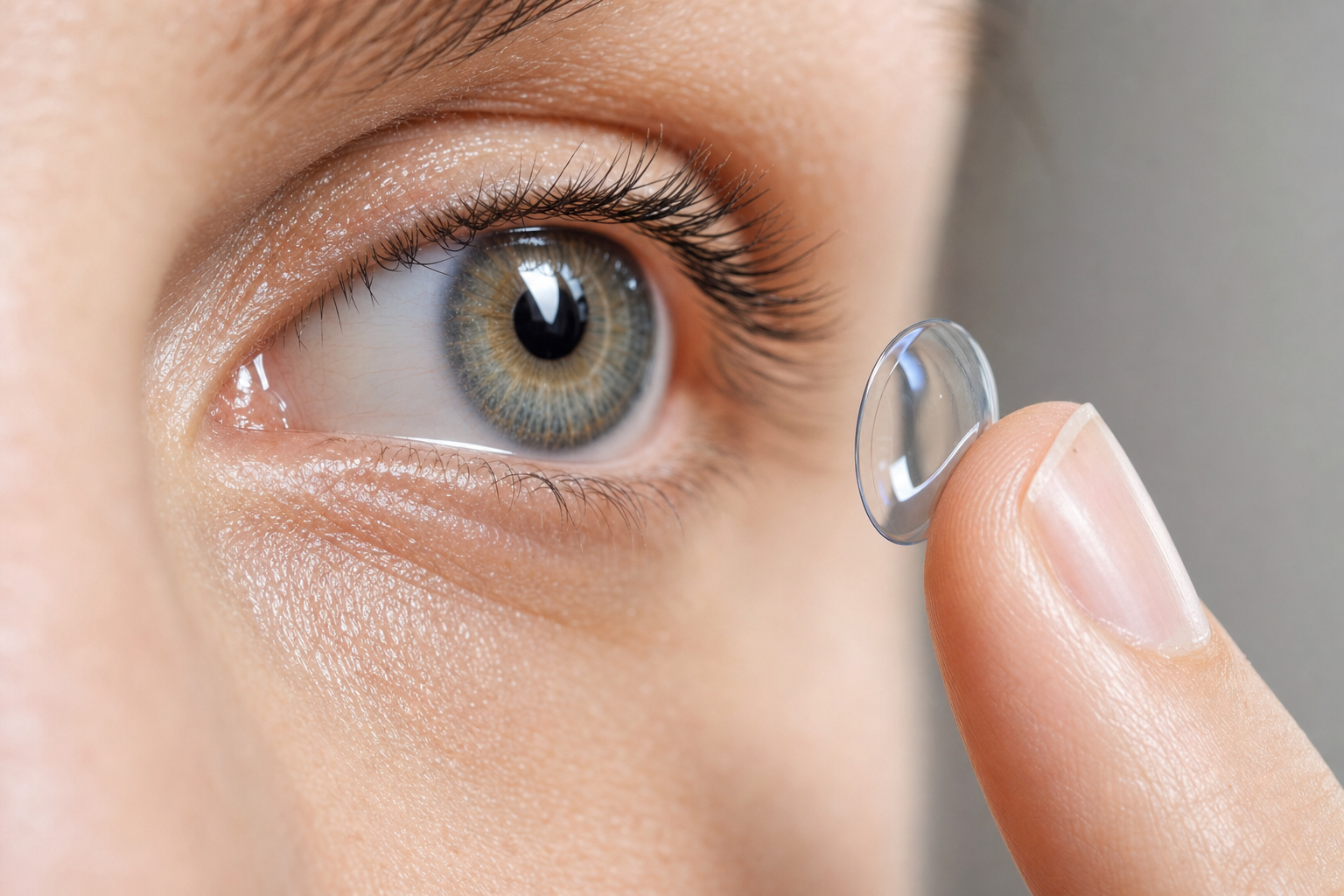
The Surprising Truth About Contact Solution Alternatives That Won't Harm Your Eyes
Mar 27,2026 | Coleyes
You might need an alternative to contact solution late at night, and it can feel urgent. Most substitutes you'll find online could damage your eyes. The Centers for Disease Control and Prevention (CDC) says improper contact lens care is a main risk factor for serious eye infections. Homemade contact solution recipes, tap water and other DIY methods pose real dangers. This piece reveals the only medically-approved substitute for contact solution and explains why popular alternatives like distilled water are risky. You'll also get a practical emergency plan for when you're out of contact solution. You'll learn what to use instead of contact solution safely and how to store contacts without solution temporarily.
Understanding Contact Solution and Its Purpose
Contact solution isn't just sterile water in a bottle. These specialized liquids contain specific chemical compounds designed to perform multiple functions that regular liquids cannot accomplish. The formulation removes protein and lipid deposits that build up on lenses throughout the day, disinfects against bacteria and other microbes, and prepares your lenses for safe wear.
The cleaning process requires more than a simple rinse. Contact solutions contain active ingredients that must meet strict FDA standards for microbial reduction. Your lenses accumulate debris, germs, and organic deposits that can cause discomfort or infections if not removed the right way. Cleaning with the right solution prevents these complications and keeps your contacts comfortable.
What Makes Contact Solution Different From Other Liquids
Contact solutions function through a combination of specialized components. Disinfectants eliminate germs that cause eye infections, especially keratitis. Surfactants clear residue stuck to the lens surface without damaging the material itself. Wetting solutions keep your contacts moistened and comfortable during wear. Preservatives extend the solution's shelf life and maintain its effectiveness.
These ingredients work together in precise concentrations. Modern contact solutions use preservatives composed of larger, higher molecular weight molecules than older compounds. This makes them safer for your eyes by reducing the risk of uptake and release from contact lenses. The balance between antimicrobial effectiveness and ocular surface safety requires careful formulation.
The Three Main Types of Contact Solutions
Multipurpose solutions combine cleaning, disinfecting, and storage in one bottle. These convenient options work for most soft contact lenses and silicone hydrogel types. While marketed as "no-rub" solutions, recent research suggests that rubbing your lenses after moistening them with the solution provides greater cleaning effectiveness. Generic multipurpose solutions sold at discount retailers are FDA approved, but formulations may change depending on the supplier.
Hydrogen peroxide solutions offer preservative-free cleaning for people with sensitive eyes or allergies to standard preservatives. These solutions penetrate microbial biofilms that regular rinses may miss and provide stronger disinfection. The cleaning process takes 6-8 hours because the hydrogen peroxide must be neutralized before you can wear your lenses. Most products include a special case with a built-in neutralizing disk that triggers a chemical reaction and turns the peroxide into a saline-like solution. Unneutralized hydrogen peroxide will sting and irritate your eyes.
Saline solutions contain a sterile mixture of salt and water. They're suitable to rinse lenses but should never be used for cleaning or storage because they lack disinfecting properties. Saline solutions don't contain the antimicrobial agents needed to protect your eyes from infection.
Contact Solution Ingredients That Keep Your Eyes Safe
The preservatives in multipurpose solutions must reduce bacteria by 99.9% and fungi by 90% within the manufacturer's recommended disinfection time. Modern formulas use polyquaternium-1 (PQ-1) and biguanides (PHMB), which are effective against bacteria but minimally effective against fungi and not effective against Acanthamoeba.
Rigid gas permeable (RGP) lenses require different solutions than soft lenses. RGP lenses contain no water and are made of silicone, so they need unique formulations. Never use RGP solutions for soft lenses or vice versa, as the wrong solution can damage your lenses or cause eye irritation.
Your eye doctor thinks about your lens type and sensitivity to preservatives when recommending a solution. Some people develop sensitivity to certain preservatives over time, even if a solution worked well at first. Switching to a preservative-free hydrogen peroxide system may resolve these issues.
The Surprising Truth: Only One Alternative Is Actually Safe
Despite what you might read online, sterile ophthalmic saline is the only medically-approved temporary substitute for contact solution. Every other alternative carries potential risks to your eye health.
Sterile Ophthalmic Saline for Emergency Storage
Sterile saline serves as your sole safe harbor when you're out of contact solution. This pH-balanced saltwater solution gets sterilized during manufacturing, and its composition mimics your natural tears. That's why it won't damage your lenses or irritate your eyes. But saline contains zero cleaning agents or disinfectants.
Not all saline products work for contact lens storage. You need sterile ophthalmic saline made for eye use. Nasal spray saline and wound wash saline are not suitable for your eyes. The bottle must be new and unopened to guarantee sterility.
Here's how to use saline for emergency storage:
- Verify the bottle to confirm it's sterile ophthalmic saline
- Wash your hands really well before handling your lenses
- Rinse your lens case with the sterile saline, then fill the chambers
- Place your lenses in the case and seal it tightly
- Clean and disinfect with proper multipurpose or hydrogen peroxide solution before wearing again
Saline keeps your lenses hydrated and removes debris, but it won't kill bacteria or break down protein deposits that accumulated during the day. You must perform a full cleaning and disinfection cycle with proper solution before inserting the lenses back into your eyes.
What to Use Instead of Contact Solution When Traveling
Pack travel-sized multipurpose solution and a proper case whenever you travel. This simple habit eliminates most emergency situations. Daily disposable lenses offer an even better solution for travelers since they eliminate the need for solution or cases.
Discarding your lenses is the safest choice if you're caught without proper storage options. A study published in the Morbidity and Mortality Weekly Report found that 99% of contact lens wearers involve in at least one risky hygiene behavior, contributing to preventable infections. The cost of replacing lenses is minimal compared to potential medical expenses.
The 24-Hour Rule for Emergency Alternatives
Sterile ophthalmic saline works for storage up to 24 hours maximum. After this window, you should discard the lenses even if they appear fine. Microscopic contaminants may already be present that you can't see.
Prioritize your vision over the cost of a lens. Improper storage can lead to painful infections like microbial keratitis, which requires immediate medical attention and can be difficult to resolve. Medical costs from doctor's visits and medication are nowhere near the price of new lenses. Infections can cause corneal scarring or permanent vision loss in the worst cases.
Watch for warning signs after emergency storage: dryness or discomfort, red eyes, blurred vision, or a cloudy film on the lens surface. Scratched or damaged lenses should go straight in the trash, as they can scratch your cornea and lead to infections.
Homemade Contact Solution and DIY Methods: Why They're Risky
Internet searches for homemade contact solution yield countless recipes that promise to save money. These DIY methods put your vision at serious risk, whatever care you take to follow the instructions.
The Problem With DIY Contact Solution
Creating your own contact solution introduces infection risks that manufactured solutions eliminate through controlled production environments. Homemade mixtures cannot replicate the precise pH balance, disinfecting agents and quality control that commercial solutions undergo. The Cleveland Clinic warns that non-sterile homemade saline can cause eye infections.
Homemade solutions lack sterility even when you use distilled water and measure salt with care. Bacteria can grow in these preparations with ease. The containers you use for mixing and the large bottles of distilled water may already be contaminated before you start. These preparations have no benefit for contact lens disinfection and storage while carrying many risks.
Why Homemade Saline Won't Keep Your Eyes Safe
Saline itself performs no cleaning or disinfecting functions. Any germs on your lenses remain alive when you place them in saline. They multiply faster overnight and create a breeding ground for eye infections when you insert those lenses back into your eyes.
The data on homemade saline is alarming. Sixty percent of reported Acanthamoeba keratitis cases resulted from using homemade saline. Saline gets contaminated quickly after first use once opened. The FDA banned the sale of salt tablets because of these infection risks.
Tap Water Dangers: Acanthamoeba Keratitis Explained
Tap water harbors a microscopic organism called Acanthamoeba that lives in pools, lakes, ponds, oceans and household plumbing. This tiny parasite becomes dangerous when trapped between your contact lens and cornea. Contact lens wearers account for 85% of Acanthamoeba keratitis cases in the United States.
The amoeba causes one to two new cases per million contact wearers each year in the United States. Over 23,000 people receive an Acanthamoeba keratitis diagnosis around the world each year. Research on water samples found that 10% were contaminated by Acanthamoeba. Older plumbing and poorly managed water storage tanks create ideal breeding grounds for this organism.
Tap water lacks the salt balance of your natural tears and causes contact lenses to absorb excess water and swell. Your lens expands and pulls on your cornea to create microscopic openings. These tiny wounds allow Acanthamoeba and other microorganisms direct access to your eye tissue.
The infection causes intense pain, redness and blurred vision. Treatment can require a year or more. Twenty-five percent of Acanthamoeba keratitis cases end up needing corneal transplants. The infection can cause severe vision loss and blindness or eye loss if left untreated.
Other Unsafe Substitutes for Contact Solution
Bottled water appears clean but lacks sterility. Research on bottled water samples purchased from grocery stores revealed that 20% of samples exceeded acceptable sanitation limits. Another 17% contained lower but still present levels of microbes. Testing identified coliforms, mold, amoebas and algae in various samples.
Distilled water presents the same problem. While purified, it isn't sterile and can contain live Acanthamoeba. Saliva is full of bacteria that could cause serious eye infections. The FDA warns against using saliva to wet or store lenses.
Out of Contact Solution? Your Step-by-Step Emergency Plan
Your first response when contact solution runs out determines your risk level. Take stock of what you have available and what type of lenses you're wearing before taking action.
Assess Your Situation and Available Options
Daily disposable lenses simplify your decision. Remove them with clean, dry hands and throw them away right then. Never attempt to save them for later use. Check whether you have access to sterile ophthalmic saline within the next few hours if you wear reusable lenses. Switching to glasses remains your safest move until you get proper disinfecting solution without it.
How to Store Contacts Without Solution Temporarily
Emergency storage requires strict protocols. Wash your hands really well with antibacterial soap and dry them with a lint-free towel. Find a clean, airtight container such as a new lens blister pack, sealed glass cup, or sterilized travel case.
Remove your lenses and keep them dry in the clean container if you have no multipurpose solution available. Soft contact lenses must stay hydrated at all times, so they will dry out, shrivel up, and become fragile. Microcracks can appear in the lens causing keratitis, and permanent parameter changes can happen.
When Throwing Away Your Lenses Is the Right Choice
Discard your lenses if more than 12 hours pass without proper disinfection. Microscopic contaminants may already be present even if they appear clean. Warning signs of contamination include dryness, redness, blurred vision, or a cloudy film on the lens surface.
Bent or torn lenses need disposal right away. They can scratch your cornea and increase infection risk. Inspect your lenses before any insertion attempt. Toss them out and use a new pair if you notice tears, jagged edges, or bends.
What Happens After Emergency Storage
Lenses stored dry or in makeshift containers require full cleaning and disinfection before rewear. Do not reuse them unless you can disinfect them with fresh solution within a few hours. The night before you wear your lenses again, inspect them, then re-clean and disinfect according to the solution manufacturer's instructions.
Remove the lenses right away and switch to glasses if you used tap water, bottled water, saliva, or homemade saline at any point. Complete a full disinfection cycle using fresh contact lens solution for reusable lenses. Do not wear the lenses if anything looks cloudy, feels uncomfortable, or smells unusual.
Smart Habits to Avoid Contact Solution Emergencies
Preparation prevents most contact solution emergencies. Setting up proper systems keeps you covered whatever life throws your way.
Create Your Contact Lens Emergency Kit
Build a dedicated kit with travel-sized multipurpose solution that meets TSA liquid requirements of 100ml or 3.4 ounces. Include at least one backup pair of lenses in case of loss or damage. Pack lubricating eye drops formulated to wear with contact lenses, a lens case, and a small mirror for lens management. Keep this kit in your handbag or carry-on to protect against lost luggage. Replace your lens case every three months to prevent contamination.
The Best Backup Plans for Contact Wearers
Store backup glasses in multiple locations. Keep a pair at work and in your car. Having glasses available means you can remove problematic lenses right away without scrambling for alternatives. Maintain extra contact lenses beyond your regular supply. Flight delays and torn lenses happen unexpectedly, so pack more than you think you'll need.
Daily Disposables: The Ultimate Travel Solution
Daily disposable lenses eliminate contact solution emergencies entirely. You wear them once and discard them at night. No solution or storage cases needed. This means lighter luggage and zero risk of solution-related complications for travelers. Daily disposables also reduce infection risk since you start each day with sterile lenses.
Conclusion
Contact solution alternatives might seem convenient in a pinch, but most substitutes pose serious risks to your vision. Sterile ophthalmic saline remains the only medically-approved temporary option. Even that requires proper disinfection before you wear your lenses again.
Your best strategy is prevention. Keep backup solution in multiple locations and build an emergency kit. You could also switch to daily disposables that eliminate storage concerns. The cost of replacement lenses is minimal compared to treating painful infections like Acanthamoeba keratitis.
Choose your eye health over convenience if you run out of solution. Your vision is irreplaceable.
Comment