Best Contact Lenses for Beginners: An Eye Doctor's Guide
Sep 12,2025 | Coleyes
Starting your journey with contact lenses can feel overwhelming. Right now, about 125 million people worldwide wear contacts. The United States alone has 28 to 38 million contact lens users. You might want to join these millions of users to enjoy better convenience and visual freedom.
The right lenses matter a lot, especially when you have specific vision needs. New users should look for lenses that are comfortable and easy to use. Daily contact lenses are a great way to start, especially when you have dry eyes. People with age-related vision changes can benefit from multifocal contact lenses. These lenses help them focus on objects at different distances.
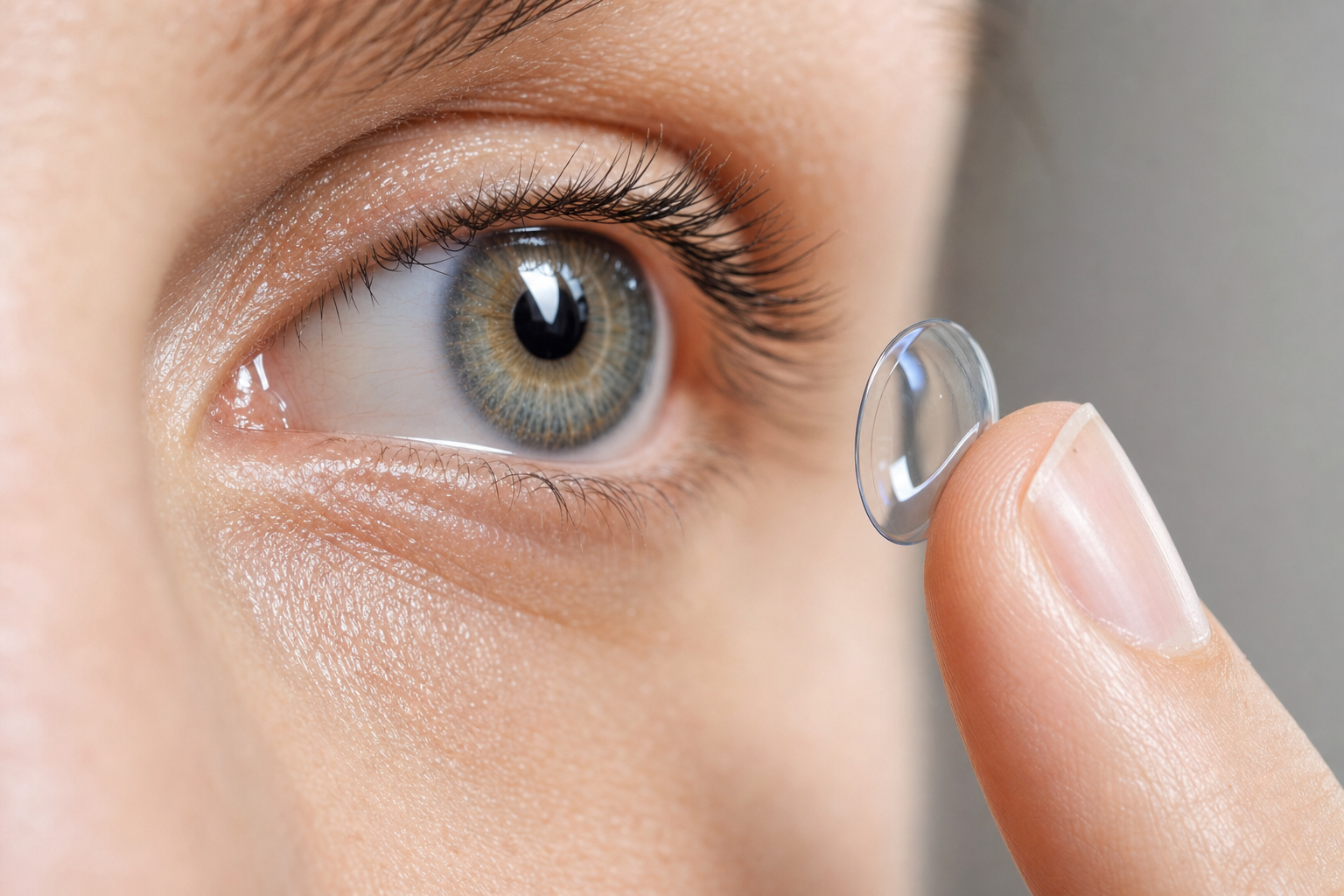
This piece will help you choose your first pair of contacts. You'll learn about different types of lenses and avoid common mistakes that beginners make. More people choose contact lenses each year, and we'll help you find the perfect match for your vision needs.
What Beginners Should Know Before Choosing Contact Lenses
You need to understand the basics of contact lens wear before looking at specific brands and models. The right knowledge helps you make informed decisions and avoid common mistakes that many beginners face.
Why comfort and hygiene matter most
Your top priority should be comfort when picking your first pair of contacts. A survey of contact lens wearers showed that all but one of these wearers (43%) said their contacts fit perfectly without causing vision issues. Most people experience discomfort or vision problems that proper selection and care could prevent.
Poorly fitting lenses can cause irritation, blurry vision, and even eye infections. Users often avoid wearing uncomfortable lenses, which defeats their purpose. Your long-term use of contacts largely depends on your first experience with them.
Hygiene matters just as much as comfort. The CDC states that contact lenses can provide a comfortable and convenient vision correction solution, but they come with risks—especially without proper care. Several outbreaks of serious eye infections have occurred in the US since 2006, which shows how vital contact lens hygiene is.
New users must follow these hygiene practices:
- Wash hands really well with soap and water before handling lenses
- Clean and store reusable lenses in fresh solution every night
- Never use water, saliva, or tap water to clean or moisten lenses
- Replace lenses according to the recommended schedule
- Replace your lens case every 2-3 months
Proper hygiene prevents serious eye infections like microbial keratitis that can result from poor lens care. Studies show that contact lens solutions can develop fungal contamination capable of causing eye infections, even with perfect care routines.
The importance of a professional fitting
Many beginners undervalue professional fitting. A contact lens fitting isn't just a formality—it ensures your lenses work safely and effectively.
Your eye doctor will:
- Get into your overall eye health
- Measure your cornea's curvature using specialized tools
- Review your tear film and production
- Take pupil and iris measurements
- Look for eye conditions that might affect lens wear
These detailed measurements matter because each person's eyes are unique. Eye care professionals emphasize that what works for others may not work for you. Some eye conditions like dry eyes or astigmatism need specialized lenses.
Your doctor provides trial lenses to check fit, comfort, and visual acuity before finalizing your prescription. This step prevents the discomfort that most contact lens wearers report in studies.
It's worth mentioning that eyeglass prescriptions don't work for contact lenses. Contact lenses need specific measurements because they sit directly on your eye. Your eye doctor recommends the best type of contact lenses based on your needs, lifestyle, and eye health after the fitting.
Beginners should use contact lenses that offer both comfort and ease of use. Your eye doctor helps determine this based on your eye characteristics and vision needs.
Best Types of Contact Lenses for Beginners
Contact lens options can overwhelm first-time wearers. A good understanding of the basic types will help you pick the right ones. These lenses come in different replacement schedules and materials, each with unique benefits for newcomers.
Daily disposables: low maintenance and hygienic
Daily disposable contact lenses make the perfect starter option. You wear these lenses for one day and throw them away before bed. The next morning, you put in a fresh pair. You won't need cleaning solutions, storage cases, or complex care routines.
Daily disposables excel in hygiene. Each lens comes in a sterile package, which reduces your risk of eye infections compared to reusable options. These lenses don't collect protein deposits, calcium, lipids, and other substances that make contacts uncomfortable and increase infection risks.
People with allergies or sensitive eyes benefit from daily disposables. Deposits have little time to build up, so allergens can't easily trigger reactions. Your eyes will thank you for the fresh, smooth lens surface every day.
The upfront cost might seem high, but you'll save money since you won't need cleaning solutions or storage containers. These lenses work great for people who want convenience or lead busy lives.
Monthly lenses: cost-effective but require care
Monthly contact lenses give you a budget-friendly option compared to daily disposables. You can wear them daily for up to 30 days before replacing them, but they need proper care between uses.
The biggest advantage of monthly lenses lies in their cost. You only need 24 lenses per year (12 pairs), which costs less than daily disposables. This makes them attractive to budget-conscious beginners.
On top of that, silicone hydrogel materials in monthly lenses let more oxygen reach your eyes. Better breathability keeps your eyes clear, white, and moist throughout the day, making them comfortable for longer wear.
Environmentally conscious beginners will appreciate that monthly lenses create less waste than daily disposables. You'll need to follow a strict cleaning and storage routine to avoid eye infections.
Soft lenses: most common and beginner-friendly
Soft contact lenses stand out as the top choice among beginners. These lenses use flexible plastic materials like hydrogel or silicone hydrogel. They shape themselves to your eye's surface and let oxygen reach the cornea.
Comfort makes soft lenses so popular. Most people get used to them in just a few days, which makes starting with contacts much easier. This quick adjustment period helps newcomers stick with contact lenses instead of giving up.
Active people love soft lenses because they stay in place during physical activities. You'll find them easier to put in and take out compared to other types.
Soft lenses have their downsides too. They can absorb irritants like lotion or soap from your hands, which might irritate your eyes. Their delicate nature means they can tear if you're not careful.
You can get soft lenses as daily disposables or reusable options (monthly or bi-weekly). This flexibility lets beginners choose a replacement schedule that matches their lifestyle and budget.
Top 5 Best Contact Lenses for Beginners in 2025
Starting out with contact lenses for the first time can feel overwhelming. Comfort, safety, and ease of use are the most important factors for beginners. In 2025, there are more beginner-friendly options than ever. Here are the top five recommendations for new contact lens wearers.
1. Daily Comfort Lenses with Advanced Moisture Technology
Daily disposable lenses are the easiest option for beginners since you can simply throw them away at the end of the day—no cleaning required. New designs use tear-like moisture technology to keep your eyes hydrated, making them especially great for people who spend long hours on screens. Many of these also come with built-in UV protection to safeguard your eyes outdoors.
2. Water Gradient Daily Lenses
These lenses use cutting-edge water gradient technology, meaning the surface is made almost entirely of water. This makes them feel silky smooth and natural—so much so that most wearers forget they’re even on. They also help stabilize the tear film to reduce dryness, making them ideal if you’ve struggled with other lenses before.
3. Monthly Lenses with Extended Wear Options
For those who want better value, monthly lenses are a strong choice. Some modern monthly designs are breathable enough to wear continuously for up to a week, thanks to high oxygen transmission. They’re budget-friendly, long-lasting, and keep your eyes clear and white throughout the day—perfect for new users who want to save money without sacrificing comfort.
4. High-Moisture Daily Lenses
These daily lenses mimic the natural water content of your cornea, offering a very natural feel even after long hours of wear. They maintain moisture for up to 16 hours and use advanced oxygen-permeable materials that help your eyes stay healthy and bright. Many also include built-in UVA and UVB protection, giving beginners extra peace of mind.
5. Enhancement Lenses for a Natural Look
If you’re looking to not only correct your vision but also enhance your natural beauty, enhancement lenses are a fun option. These daily disposables don’t completely change your eye color but add depth, sparkle, or subtle enlargement for a natural yet noticeable effect. They balance style with beginner-friendly convenience, giving you a fresh pair every day.
How to Match Contact Lenses to Your Vision Needs
Your eyes' unique characteristics determine which contact lenses will work best. Contact lenses must match your prescription and eye features to give you the best comfort and clear vision, unlike glasses.
Correcting nearsightedness and farsightedness
People with nearsightedness (myopia) see close objects clearly, but distant objects look blurry. Street signs, TV screens, and people's faces across rooms become hard to see. About 40% of Americans have myopia. This condition usually starts during childhood and settles around age 20.
On the flip side, farsightedness (hyperopia) makes nearby objects appear blurry while distant vision stays clearer. Reading books, text messages, and ingredient lists becomes challenging. Standard spherical contact lenses can correct both these conditions effectively.
Options for astigmatism: toric lenses
Astigmatism affects about 30% of people. This means your cornea or lens shape looks more like a football than a basketball. Light focuses on two points in your eye instead of one, which makes everything look blurry.
Toric contact lenses help fix this unique eye shape with two different curves. These special lenses have different focusing powers in vertical and horizontal directions. They stay in place through special stabilization methods:
- Prism ballast: A thicker bottom part that gravity holds down
- Blink stabilization: The lens adjusts with each blink to keep your vision steady
Your toric lens prescription needs extra measurements - cylinder (CYL) and axis - to match your specific astigmatism.
Multifocal lenses for presbyopia
Most people notice presbyopia after turning 40. This makes it hard to focus on close objects because their eye's natural lens ages. People used to wear contacts for distance and reading glasses for close work.
Today's multifocal contact lenses solve this problem. One lens can handle multiple prescription powers. These smart designs let you see clearly at all distances - near, middle, and far.
You can choose from different multifocal designs:
- Concentric: Rings for different viewing distances
- Progressive: Smooth changes between vision zones
- Aspheric: Power changes gradually from center to edge
Research shows that 76% of people like multifocal contacts better than monovision (using different eyes for near and far vision).
Beginner Mistakes to Avoid with Contact Lenses
Contact lens users make mistakes regardless of their experience level. New wearers face higher risks when they develop poor habits that can damage their eyes. Good practices start with knowing these common mistakes.
Wearing lenses too long
The risk of infection rises substantially when you wear lenses longer than recommended. Your corneas can develop ulcers and damage to stem cells from overnight wear unless your doctor prescribes extended-use lenses. You should wear soft lenses only 12-16 hours each day. This gives your eyes the oxygen and rest they need.
Skipping cleaning steps (for reusable lenses)
Monthly lens care requires thorough cleaning. Research shows that rubbing your lenses removes more deposits than just using solution. Empty the old solution completely - never add fresh solution to used fluid as this makes disinfection less effective. Dirty cases create problems too, so replace them monthly.
Ignoring signs of discomfort or dryness
Discomfort signals a problem you shouldn't ignore. Take your lenses out right away if your eyes become red, sting, burn, tear excessively or your vision blurs. Many lens wearers quit too soon because they don't address early warning signs. Studies show this happens to more than 15% of users.
Not replacing lenses on schedule
Protein deposits build up on overused lenses. This blocks oxygen flow and raises your infection risk. Daily disposables need fresh replacement each day - no exceptions, not even for a few hours. Sticking to replacement schedules protects you from serious issues like keratitis.
Conclusion
Getting your original pair of contact lenses is an exciting step toward better vision freedom. This piece explains why finding the right fit matters more than picking a popular brand. The foundations of successful contact lens wear are comfort and hygiene, especially when you're new to contacts.
Daily disposable lenses give beginners the easiest way to start because they don't need complex cleaning routines and provide the best hygiene. Monthly lenses are a budget-friendly choice if you can stick to proper care habits. Your vision needs will help narrow down your options, whether you need to correct nearsightedness, farsightedness, astigmatism, or presbyopia.
Professional fitting is crucial even though online shopping seems convenient. Your eye doctor's expertise helps measure your eye's unique characteristics and recommend the most suitable lenses. Lenses that don't fit properly can cause discomfort or vision problems, even if they're high quality.
Starting with contact lenses might seem daunting at first. The right information and professional guidance will help you adapt quickly. Most beginners find that contacts' convenience and natural vision are nowhere near as challenging as the original learning curve suggests. Take your time, follow the care instructions, and enjoy your clear vision through new contact lenses.
Comment