

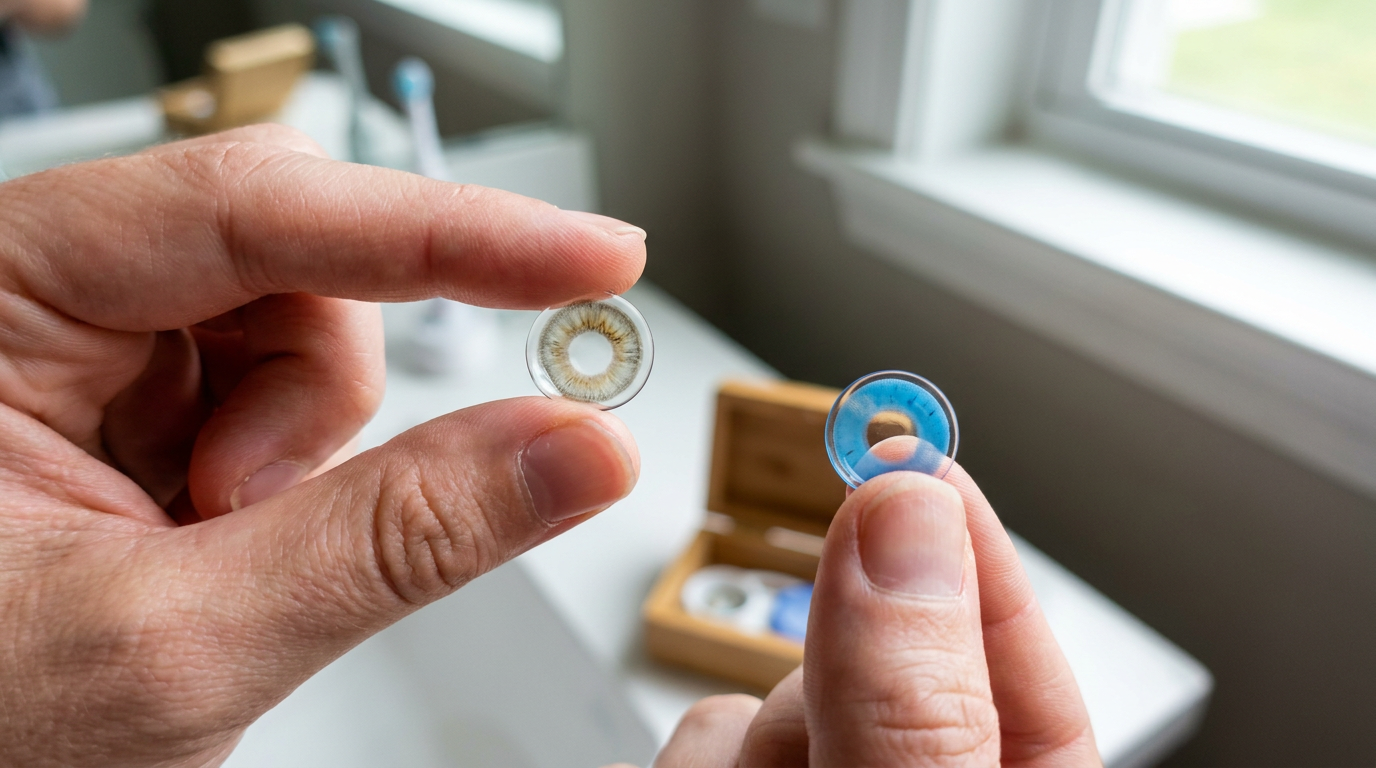
The right choice of colored contact lenses can save you from uncomfortable, unsafe, or unflattering results. Most people make critical errors before they even place their first lens on their eye. This happens when they select between different contact lens tint options without understanding what each type does.
You'll find how to choose the right contact color for your skin tone and natural eye shade. You'll also avoid legal pitfalls and prevent care mistakes. This piece covers everything from enhancement tint contact lenses to visibility tint contacts. Smart shopping decisions that protect your eyes become possible with this information.
The Biggest Mistake: Not Knowing What Type You Need
You'll face three distinct categories of tinted contact lenses when you walk into a store or browse online. Each serves a different purpose. Picking the wrong type wastes money and delivers disappointing results.
Contact Lens Enhancement Tint Options
Enhancement tint contact lenses work with your existing eye color rather than replacing it. These lenses feature a translucent tint that adds depth and intensity to light-colored eyes. Enhancement tints increase your natural shade if you have blue, green, gray, or light hazel eyes.
The tint pattern on these lenses contains small gaps that allow your original color to show through. This creates a subtle, multidimensional effect. Your blue eyes might appear more vivid or acquire hints of aqua. Green eyes can change toward emerald or develop golden flecks.
People choose enhancement tint colored contact lenses when they want a natural appearance that others won't notice right away. You won't get a dramatic transformation with these lenses. To cite an instance, brown eyes won't turn blue because the enhancement tint lacks the opacity needed to cover dark pigmentation.
Visibility Tinted Contact Lenses
Visibility tinted contact lenses contain a light blue or green tint that serves one purpose: helping you locate the lens in its case or when you drop it. These lenses don't change your eye color at all.
The contact lens visibility tint is faint enough that it remains invisible once you place the lens on your eye. You can see the tint when handling the lens in your palm or searching for it in the solution. This prevents you from losing clear lenses on light-colored surfaces.
Many people confuse visibility tint contacts with enhancement tints and therefore end up with lenses that do nothing for their appearance. Always check product descriptions. A lens marketed as "visibility tinted" or has "VT" in its name won't alter your eye color.
Opaque Tints for Complete Color Change
Opaque tints offer the most dramatic option. These lenses cover your natural eye color with a new shade. Dark brown eyes can become bright blue, green, gray, violet, or even unusual colors like amber or turquoise.
The opaque tint covers the entire colored portion of your eye, except for the clear center that sits over your pupil. Manufacturers create realistic patterns by layering multiple colors and adding details that mimic the natural iris. Higher-quality opaque lenses include rings, radial lines, and color variations that prevent a flat, artificial appearance.
You'll find opaque lenses in both natural and costume varieties. Natural opaque lenses want to replicate realistic eye colors, while costume lenses produce theatrical effects like cat eyes or white-out eyes. Both types use the same opaque technology.
Start by determining which tint category matches your goals when you're learning how to choose the right contact color. Want a subtle boost? Enhancement tints work. Need help finding your lenses but no color change? Visibility tints are enough. Desire a complete transformation? Only opaque tints deliver.
Your natural eye color determines which options work for you. Enhancement tints fail on dark eyes, while opaque tints work on any shade but cost more and may feel thicker.
How to Choose the Right Contact Color for Your Look
Your skin tone and natural eye color determine which lens shades flatter you most. The wrong color creates an unnatural appearance that clashes with your complexion.
Matching Colored Contacts to Fair Skin
Fair skin pairs well with cool-toned lenses. Blues, grays and violets complement pale complexions without creating harsh contrast. Hazel or light brown lenses warm up your appearance while maintaining a natural effect.
Avoid dark or intense colors if you want subtlety. Rich chocolate browns or jet blacks can look too stark against fair skin. To name just one example, if you're aiming for a gentle change, honey or amber tones work better than deep espresso shades.
Best Colors for Medium and Olive Skin Tones
Medium complexions handle a wider color range. Greens look striking on olive skin and create an exotic yet believable result. Warm browns with golden or amber undertones improve your natural warmth.
You can experiment with both cool and warm shades. Turquoise and teal offer unique options that complement olive undertones. Your skin's natural warmth allows you to venture into bolder territory while maintaining harmony.
Choosing Bold Colors for Deep Skin Tones
Deep skin tones create beautiful contrast with bright, saturated colors. Vivid blues, emerald greens and honey browns stand out. Gray lenses produce a striking effect against dark complexions.
Rich purple and violet shades work well. You can also choose deep browns for a natural improvement that adds depth without radical change. Your melanin-rich skin prevents pale colors from washing you out.
Selecting Colors for Light vs Dark Eyes
Light eyes require different strategies than dark ones. Enhancement tint colored contact lenses work on blue or green eyes and intensify your existing shade. Dark brown or black eyes need opaque tints for any visible color change.
Your natural pigmentation shows through non-opaque lenses. Brown-eyed individuals must choose opaque options to achieve blues or greens. Light-eyed people can use either enhancement or opaque lenses depending on desired intensity.
Natural Look vs Dramatic Transformation
Define your goal before selecting a shade. Natural results come from choosing colors one or two steps away from your original shade. Brown eyes switching to hazel appear believable. Blue eyes shifting to green maintain plausibility.
Dramatic transformations ignore natural color rules. Dark eyes becoming bright blue or gray create obvious change. Costume or fantasy colors like violet or red deliver theatrical effects for special occasions rather than daily wear.
Think over your environment when deciding. Professional settings require natural-looking choices, while social events allow bolder experimentation. How to choose the right contact color depends on where you'll wear them and what impression you want to create.
Test colors if possible. Many retailers offer virtual try-on tools or sample programs that show how different shades look on your specific combination of skin tone and eye color before you commit to purchasing.
Legal and Safety Mistakes People Make
The excitement of choosing eye-catching colors shouldn't overshadow critical safety requirements. Many buyers skip legal steps or ignore safety protocols. This puts their vision at risk and could lead to legal consequences.
Buying Without a Valid Prescription
Colored contact lenses qualify as medical devices whether they correct vision or not. You need a valid prescription from a licensed eye care professional to purchase any contact lenses legally. This applies to purely cosmetic ones that don't change your vision power.
Your prescription has specific measurements beyond simple vision correction. Base curve determines how the lens fits your eye's shape, and diameter measures the lens width. These measurements vary between people. A prescription for regular contacts won't work for colored lenses if the specifications differ.
Skipping the eye exam creates multiple risks. Your eyes might have conditions that make contact lens wear dangerous. Astigmatism, dry eye, or corneal irregularities require specialized lens types. An eye care professional identifies these problems during examination.
Retailers selling colored contacts without requiring prescriptions operate illegally. These sellers face penalties, and you receive no assurance about product quality or safety. Purchasing from such sources puts you outside consumer protection frameworks that handle defective products or injuries.
Choosing Non-Approved Brands
The FDA regulates all contact lenses sold in the United States. Approved brands meet safety standards for materials, oxygen permeability and manufacturing processes. Non-approved lenses might contain harmful substances or lack proper oxygen transmission.
Costume shops, beauty supply stores and unauthorized online sellers frequently stock non-approved lenses. These products often come from overseas manufacturers who don't follow FDA requirements. The lenses might use dyes that leach into your eyes or materials that prevent adequate oxygen flow to your cornea.
Cheap prices signal potential problems. Legitimate colored contacts undergo rigorous testing and quality control, which costs money. Suspiciously low prices indicate corners were cut somewhere in manufacturing or safety compliance.
Check for FDA approval before purchasing. Reputable sellers display approval information clearly. At the time you learn to choose the right colored contact lenses, verification of regulatory compliance should rank above color priorities or price.
Incorrect Fitting and Sizing
Contact lenses that don't fit properly slide around, allow debris underneath or restrict oxygen flow. Tight lenses create pressure points that damage your cornea. Loose lenses move excessively and cause irritation and blurred vision.
Your base curve measurement determines lens curvature. An incorrect base curve means the lens either flattens too much against your eye or sits too steeply. Neither situation allows the lens to center properly over your pupil.
Diameter affects coverage and comfort. Lenses too large extend beyond your iris, and undersized lenses don't provide adequate coverage. Using someone else's prescription or guessing your measurements leads to poor outcomes.
Professional fitting has trial lenses. Your eye care provider places test lenses on your eyes to verify proper movement and centration. They check how the lens settles after blinking and whether it maintains position during eye movement. This step catches sizing problems before you purchase a full supply of incorrectly fitted lenses.
Avoiding Common Usage and Care Errors
Proper care determines whether your colored lenses stay safe and comfortable or become a source of eye problems. Many users nail the selection process but stumble when they handle their lenses daily.
Daily vs Monthly vs Annual Wear Mistakes
Your lens replacement schedule matters more than you might think. Daily disposable lenses must be discarded after a single use, yet some people try stretching them to two or three days to save money. Protein deposits and bacteria accumulate with this practice.
Monthly lenses require nightly removal and cleaning. Oxygen deprivation and infection risk increase when you wear them continuously for days or weeks. Lenses not designed for overnight wear damage your corneal surface when you sleep in them.
Annual or extended-wear lenses need meticulous care routines. Buildup occurs when you skip even one cleaning session, and proper solutions can't remove it later. You can't switch between wear schedules either. A monthly lens worn occasionally still expires after 30 days of first opening, not 30 days of actual wear.
Cleaning and Storage Errors
Tap water introduces microorganisms that cause serious infections when you rinse lenses with it. Only use approved contact lens solution. A breeding ground for bacteria develops when you top off old solution in your case instead of replacing it completely.
Your lens case needs replacement every three months. Old cases develop biofilm that transfers to your lenses during storage. Rewetting drops differ from cleaning solutions, and the wrong product fails to disinfect properly.
When to Replace Your Lenses
Replace lenses according to their designated schedule, whatever they feel like. A lens that seems fine might have invisible damage or deposits. Monthly lenses don't last longer just because you wore them infrequently.
Damaged lenses need immediate replacement. Tears, chips, or discoloration mean the lens integrity has failed. Damaged lenses scratch your cornea and allow bacteria to penetrate the lens material.
Recognizing Eye Irritation Signs
Redness that persists beyond a few minutes after insertion signals a problem. Remove your lenses immediately if you experience burning, stinging, or excessive tearing. Blurred vision that doesn't clear with blinking indicates poor lens fit or surface contamination.
Light sensitivity or seeing halos around lights suggests corneal swelling. Pain of any kind means stop wearing your lenses and contact your eye care provider. Discharge, especially if colored or thick, requires professional attention within 24 hours.
Choosing the right colored contact lenses is about more than finding the perfect shade. Quality, safety, and comfort should always be part of your decision. Understanding what makes a reliable lens and seller can help you make a smarter purchase while protecting your eye health.
Smart Shopping: Choosing Quality Lenses and Trusted Brands
What to Look for in Reputable Lens Sellers
A trustworthy contact lens seller should provide clear product details, safety information, and proper usage guidance. Before purchasing, check important information such as:
- Lens material and specifications
- Available prescription options
- Wearing and replacement instructions
- Manufacturer information
- Customer support availability
Legitimate sellers should follow contact lens regulations and require appropriate prescription information when necessary. Avoid purchasing lenses from sources that provide little product information or ignore safety requirements.
Reading Reviews and Doing Research
Customer reviews can help you understand how lenses perform in real-world situations. Look for feedback about:
- Wearing comfort
- Color appearance
- Lens fit
- Overall quality
- Customer service experience
Photos and reviews from users with similar natural eye colors can also help you estimate how the lenses may look after wearing them.
Taking time to research before buying can help you avoid poor-quality products and find lenses that better match your expectations.
Understanding Price vs. Quality
When shopping for colored contact lenses, the cheapest option is not always the best choice. Extremely low prices may come with compromises in materials, manufacturing standards, or product information.
A quality lens should balance:
- Attractive color effects
- Comfortable wearing experience
- Reliable safety standards
- Proper lens care support
Consider the overall value of the product rather than focusing only on the initial price.
Where to Buy Colored Contacts Safely Online
Buying from a reliable online retailer can make the shopping experience safer and easier. Before placing an order, check whether the website provides:
- Detailed product descriptions
- Clear contact information
- Secure payment options
- Transparent shipping and return policies
Avoid unknown sellers that offer unrealistic prices, lack product details, or do not provide proper customer support
Make a Smarter Choice for Your Eyes
Choosing colored contact lenses does not need to be complicated. Start by selecting the right lens type for your purpose, whether you want a natural enhancement, cosplay transformation, or a dramatic style.
Always prioritize eye safety by following prescription requirements, wearing lenses as directed, and replacing them according to the recommended schedule. If you experience discomfort, redness, or irritation, remove the lenses and seek professional advice.
The best colored contacts are the ones that give you the look you want while providing the comfort and care your eyes need.