Enhancing Blue Eyes with Contacts: Your Essential Guide to Picking the Perfect Lenses
Mar 27,2026 | Coleyes
Improving blue eyes with contacts opens exciting possibilities. Think about this: only 8-10% of the world's population has this rare eye color. Colored contacts for blue eyes offer endless opportunities to experiment with your look. You can go from subtle improvements that intensify your natural hue to bold transformations that create new shades. Your blue eyes are well suited for color improvement due to their light base. This piece covers everything you need to know. We'll discuss improvement contacts for blue eyes and the best colors to improve blue eyes. You'll also find practical blue eyes improvement tips and important safety considerations.
Why Blue Eyes Are Perfect for Color Enhancement
The Science Behind Blue Eye Color
Your blue eyes don't contain blue pigment. This might surprise you, but the blue you see results from a physical phenomenon called Rayleigh scattering, the same process that makes the sky appear blue. Light enters your iris and interacts with the stroma, which contains collagen fibers but lacks melanin pigment. Shorter wavelengths of light scatter more than longer ones, and blue wavelengths scatter most.
The main pigment in eyes is dark brown melanin. Your iris structure contains minimal melanin compared to brown eyes. Blue eyes result from low melanin concentrations in the stroma, which sits in front of the dark epithelium. The epithelium absorbs longer wavelengths, while shorter blue wavelengths reflect back through the turbid medium.
This structural color system means your eye color can appear to change under different lighting conditions. Scientists describe this as a "colorless stroma" that scatters all incoming light back into the atmosphere.
The genetic mutation responsible for blue eyes affects the OCA2 gene, which controls melanin production. This mutation emerged between 6,000 and 10,000 years ago in the Black Sea region of Europe. The mutation doesn't eliminate melanin but reduces its production in the iris and dilutes what would otherwise be brown eyes. Everyone with blue eyes inherited this tiny genetic switch that turns down brown pigment production.
How Light Eyes Accept Color Better
Your low melanin content gives you a distinct advantage when you wear colored contacts for light eyes. Melanin absorbs light rather than reflecting it. Less melanin in your iris allows more light to scatter and create visible color effects.
Light eyes have less natural pigment to compete against when you place tinted lenses over them. This creates a clearer canvas where even subtle tints produce noticeable changes. Darker eyes require heavy pigmentation to mask the color beneath. Your blue eyes respond more to both translucent and opaque lens options.
Tint contacts for blue eyes work by adding see-through color that interacts with your natural eye color instead of covering it. Because your iris contains minimal melanin, these translucent tints can change your blue eyes toward green or gray. They can desaturate them to softer shades or intensify your existing blue to different variations. Light eyes show more dramatic changes with colored contacts due to less melanin coverage.
Natural vs Dramatic Possibilities
Tint lenses use translucent, subtle color that works with your natural eye color. These lenses can boost your existing colors or create slight changes and turn blue eyes into stunning periwinkle or add depth to your iris. Gray-colored lenses add sophistication and make blue eyes appear brighter and more intense.
Opaque lenses feature dense pigmentation designed to mask your natural eye color. These lenses create dramatic changes by using solid color layers that cover your iris. Brown contacts for blue eyes create striking results and move you from cool tones to warm hues. Light eyes can transform into honey, hazel, or brown shades using opaque lenses. You can even apply subtle violet hints if you prefer.
The flexibility stems from how light interacts more freely with your iris structures when less pigment blocks the pathway. You gain access to a wider spectrum of options than people with darker eyes possess.
Color Enhancing Contacts for Blue Eyes: Your Complete Options
Understanding your lens options starts with knowing the fundamental difference between enhancement and opaque tints. Enhancement tints use translucent color layers that interact with your natural blue rather than covering it. These lenses add sparkle and brightness to your eye tone without expecting a full color change. The design allows your natural eye color to show through while adding depth or shifting shades slightly.
Opaque lenses feature solid, non-transparent colors that mask your natural eye color. These work when you want dramatic transformations, changing blue to brown or creating different hues. The dense pigmentation covers your iris fully and makes complete color reversals possible.
Between these two extremes sits another option. Blended color contacts feature pigmentation only on the outer ring of the lenses or use pixelated patterns that let your natural blue peek through. This creates hybrid effects where you enjoy glimpses of your original color paired with realistic lens designs.
Enhancement Tints vs Opaque Color Contacts
Enhancement tints deliver more versatility for blue eyes than they do for darker eyes. Your light base allows these translucent lenses to shift your blue toward periwinkle, add aqua dimensions, or desaturate to gray. The see-through nature means color blending happens between the lens tint and your iris naturally.
Some brands incorporate 3-in-1 color technology with an outer ring that highlights the iris, an inner ring for depth, and a central color ring enriching your natural shade. This layered approach creates vibrant yet natural-looking results.
Opaque tints provide complete coverage when you want bold changes. They come in realistic iris patterns and cosplay styles, from tri-tone designs mimicking natural eyes to full coverage anime-inspired looks.
Subtle Color Contacts for Blue Eyes
Gray contacts add soft, smoky effects that blend with blue eyes naturally for refined sophistication. The cool undertones make transitions subtle yet effective and add mysterious qualities while making your eyes appear more intense.
Light brown contacts introduce warm tones that create depth and contrast without overwhelming your natural blue. These lenses often produce warm hazel-tinted effects when applied over blue irises.
Icy blue contacts intensify brightness for more luminous appearances. Different blue shades work depending on your goals. Lighter blues brighten eyes for youthful looks, while darker tones add mystery.
Circle lenses with limbal rings create larger, rounder appearances. The defined outer ring adds innocent, baby-like qualities that highlight blue eyes beautifully.
Bold and Vibrant Color Transformations
Green contacts create natural-looking transformations since green and blue share cool undertones. Shades like emerald or olive highlight cool tones while adding unique twists. Green lenses can produce beautiful turquoise effects when layered over blue irises.
Brown contacts offer the most striking changes and create complete color reversals from cool to warm. These range from honey shades ensuring natural transitions to deep browns for bold, intense looks.
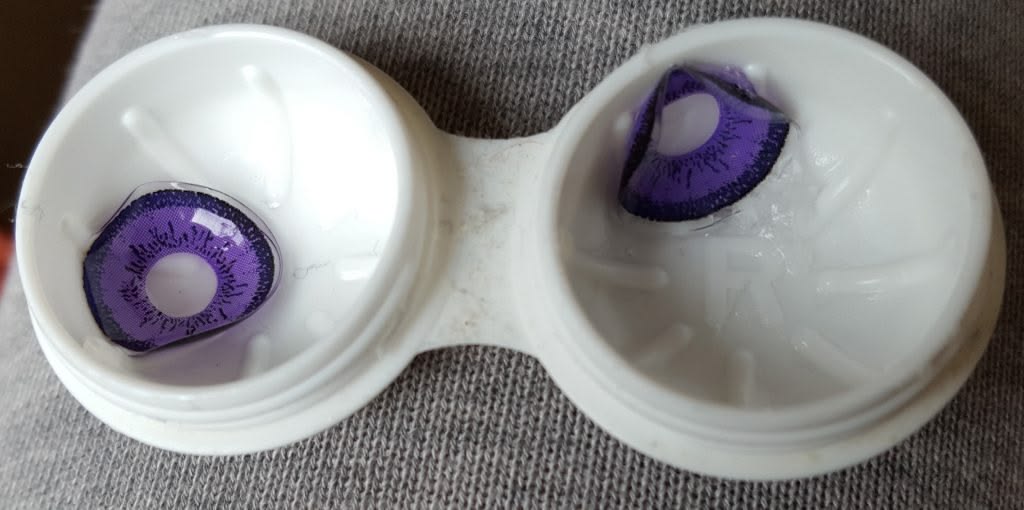
Violet and purple contacts provide ethereal, otherworldly effects that still look surprisingly natural with blue eyes. These sophisticated shades share cool undertones with blue while adding mystical dimensions.
Best Colors to Improve Blue Eyes Naturally
Stick with colors close on the spectrum for natural everyday enhancement. Gray, light brown, and subtle blue variations provide noticeable changes without appearing artificial. Green options like olive and jade work well, especially lighter shades. Purple variations including violet, lilac, or lavender complement blue eyes while maintaining believable appearances.
Selecting Your Perfect Enhancement Lenses
Matching colored contacts for blue eyes to your skin tone creates harmonious results that look natural rather than jarring. Your skin's undertone plays a more important role than surface color in determining which lens shades flatter your appearance.
Identifying Your Skin Undertones for Better Matching
Three simple tests reveal your undertone. Hold silver and gold jewelry against your bare skin in natural light. Silver making your skin look radiant indicates cool undertones, while gold suggests warm tones. You have neutral undertones when both metals flatter you the same. To name just one example, check the veins on your forearm's underside. Blue or purple veins signal cool undertones, greenish veins indicate warmth, and colorless veins that blend with your skin suggest neutral tones.
There's another clue in how your skin responds to sun exposure. Cool undertones burn with ease and tan with difficulty, while warm undertones tan without much burning. Neutral undertones show mixed reactions.
Cool undertones pair well with blue, gray and violet lenses that create striking contrast with pink or rosy skin. These shades provide gentle enhancement without harsh effects. Warm undertones with golden or peachy skin look best with hazel, honey, amber and brown tones that complement natural warmth. Green options like emerald also enhance warm complexions.
Neutral undertones give you flexibility to experiment with both warm and cool lens colors. You can explore the full spectrum without restrictions.
Choosing Between Daily and Extended Wear Options
Daily disposable lenses need single-day use before disposal, which eliminates cleaning and storage needs. These lenses reduce infection risk since you start fresh each morning. People with dry eyes, allergies or sensitive conditions often find daily lenses more comfortable. The freshness minimizes irritation from protein deposits.
Extended wear lenses last from one week to 30 days depending on type. Most varieties need nightly removal and cleaning, though some FDA-approved options allow continuous overnight wear. Extended wear offers convenience for those who dislike daily insertion routines. But sleeping in contacts increases infection risk compared to daily wear.
Understanding Lens Materials and Breathability
Silicone hydrogel lenses allow five times more oxygen to reach your cornea than traditional hydrogel materials. This increased oxygen permeability, measured by Dk values exceeding 100, keeps eyes healthier during wear. Higher oxygen flow reduces redness, dryness and swelling.
Water content affects comfort differently than expected. Higher water lenses may feel comfortable at first but can draw moisture from your tears, causing dryness. Silicone hydrogel features lower water content but superior oxygen transmission.
Finding the Right Brand and Quality Standards
Safe colored contacts need FDA approval and CE marking certifications. These approvals ensure lenses meet rigorous safety standards for materials, breathability and comfort. Purchasing from retailers offering verified certifications and transparent material information protects your eye health.
Blue Eyes Enhancement Tips Beyond Contacts
Colored contacts aren't your only tool to make blue eyes pop. Wardrobe choices, makeup application and photography techniques create striking results.
What Colors Make Blue Eyes Brighter in Clothing
Color theory explains why certain clothing shades intensify blue eyes. Two mechanisms drive this effect: complementary contrast and tonal resonance. Warm terracotta, copper and rust sit opposite blue on the color wheel. This contrast makes blue eyes appear more intensely blue. A terracotta silk blouse or copper-toned cashmere sweater worn near your face creates an eye-first effect right away.
Dusty mauve, plum and lavender share cool, rosy qualities that enrich eye color through harmony rather than competition. Deep navy frames blue eyes with depth without matching them. A midnight navy blazer over warm ivory creates professional looks where blue eyes appear vivid without calling attention to the color choice itself.
The most common mistake? Matching eye color with blue clothing. This creates a wash of like tones where eyes and clothing blend rather than eyes standing out. Pure white can wash out fair-skinned individuals especially when you have dramatic contrast.
Makeup Techniques to Boost Blue Eyes
Copper and warm bronze eyeshadow create classic enhancement through complementary contrast. This works just as well in makeup as in clothing. Warm terracotta or dusty rose blush creates the same effects at your cheeks.
Soft plum or charcoal eyeliner defines blue eyes with tonal harmony as a cool alternative. Avoid blue eyeliner, which matches rather than frames your eye color.
Lighting and Photography Considerations
Photography relies on complementary color schemes to maximize pop. Orange sits opposite blue on the color wheel and creates the most contrast. Analogous or triadic color schemes still draw attention to eyes. Direct light coming into the eyes matters a lot, as blue eyes change coloring into green or gray when left in shadow.
Safety, Comfort, and Maintenance Guidelines
All contact lenses, including colored ones for enhancing blue eyes, are medical devices regulated by the FDA and require prescriptions from licensed eye care professionals. Improper use can lead to eye infections, corneal abrasions, and even blindness.
Getting a Proper Contact Lens Fitting
Schedule a contact lens fitting to receive proper measurements of your eye's curvature, pupil size, and iris dimensions. Your eye doctor will assess your overall eye health and determine if you're a suitable candidate for contacts. Some conditions like severe allergies or chronic dry eyes may affect your comfort when wearing lenses. The fitting has trying different lens types and learning insertion, removal, and care techniques. A follow-up appointment about a week later ensures the lenses fit correctly and your eyes are adjusting well.
Maintaining Eye Health While Wearing Colored Contacts
Wash your hands with soap and water before handling lenses, then dry them with a lint-free towel. Clean and disinfect your lenses using the rub-and-rinse method with recommended multipurpose solution. Never use tap water, saliva, or homemade solutions. Remove contacts before sleeping, swimming, showering, or any water activities. Water can harbor Acanthamoeba, a microorganism that causes painful infections and leads to vision loss.
Clean your lens case by rubbing and rinsing with fresh solution each day, then store it upside down with caps off to air dry. Replace the case every three months.
Dealing with Dryness and Discomfort
Use preservative-free artificial tears or rewetting drops approved by your eye doctor to relieve dryness. Silicone hydrogel lenses offer better breathability and moisture retention if you're prone to dryness. Blink often to distribute natural tears across your eyes. Remove your lenses right away if you experience discomfort, redness, or reduced vision, then consult your eye care professional.
Replacement Schedules and When to See Your Eye Doctor
Follow your prescribed replacement schedule whether daily, biweekly, or monthly. These timelines are medical guidelines, not marketing suggestions. Dispose of lenses by their expiration date even if worn only once. Schedule annual eye exams to monitor lens fit and eye health. Contact your doctor right away if you experience persistent redness, pain, light sensitivity, or blurred vision.
Conclusion
Your blue eyes give you a unique advantage at the time of experimenting with colored contacts. Low melanin content creates the perfect canvas for both subtle boosts and dramatic transformations that aren't possible with darker eyes. You can choose enhancement tints that intensify your natural blue or opaque lenses that move you toward green or brown. The possibilities are extensive.
Making informed choices matters most. Match lens colors to your skin undertones for natural-looking results and select quality brands with proper certifications. Prioritize eye health above esthetics. You'll boost your rare eye color safely when you combine the right contacts with proper care practices.
Comentario