

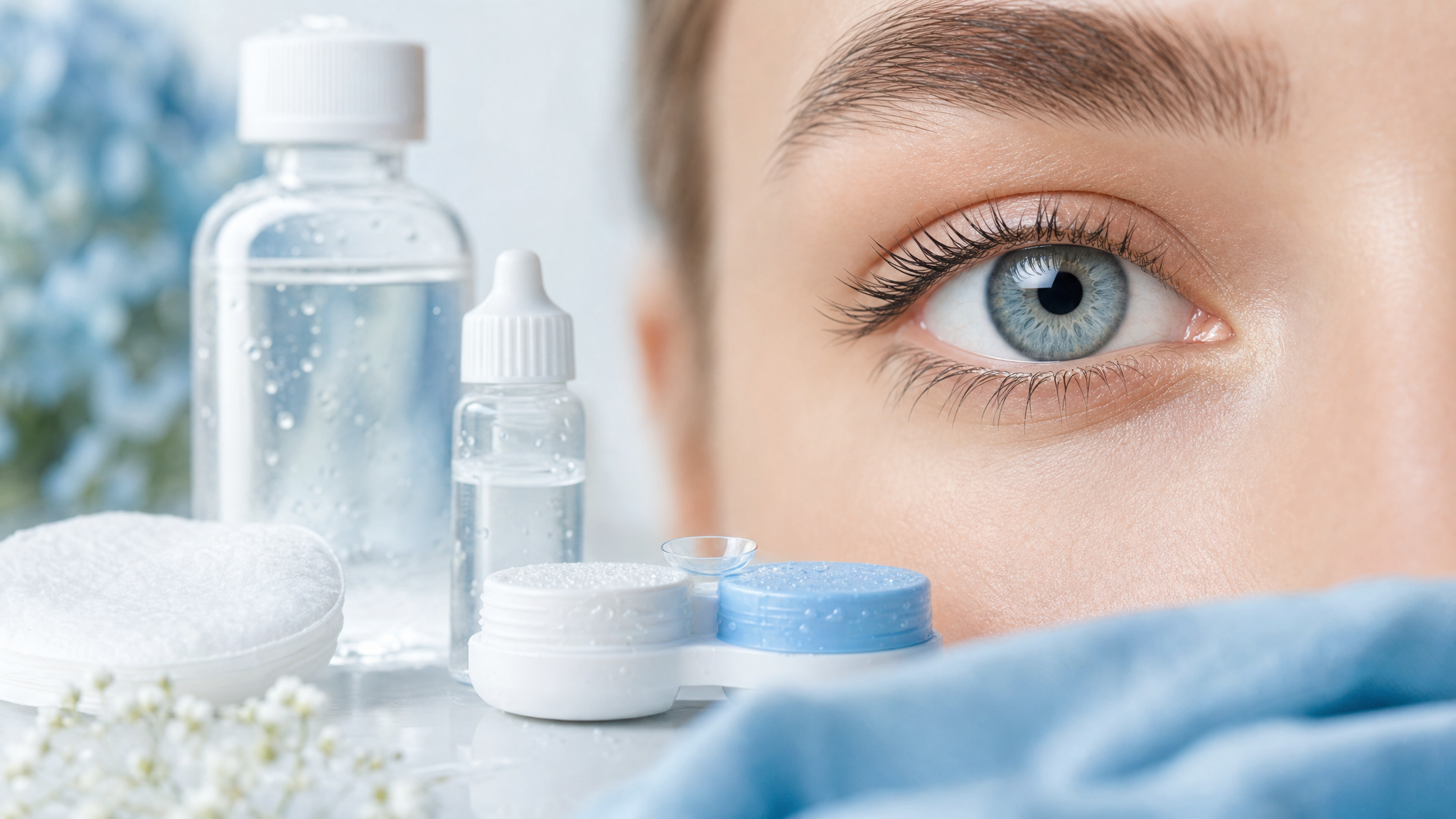
Sensitive eyes can make everyday life harder, whether you're staring at screens or trying to find the best contacts for sensitive eyes that won't irritate. Photophobia, frequent discomfort and constant irritation are common struggles that affect your daily comfort and lens-wearing experience. Modern contact lenses for sensitive dry eyes are designed with advanced materials and features to address these challenges. This piece will help you find the best contacts for sensitive eyes, including daily and monthly options, lenses for astigmatism and expert tips on choosing and caring for contacts that keep your eyes comfortable throughout the day.
What Does It Mean to Have Sensitive Eyes?
Eye sensitivity refers to abnormal reactions your eyes have to environmental factors, lighting conditions, or foreign objects like contact lenses. This condition demonstrates itself in different ways for each person. It can range from mild annoyance to severe discomfort that interferes with daily activities.
Common Signs of Sensitive Eyes
Light sensitivity, medically termed photophobia, stands out as one of the most recognizable indicators. Regular indoor lighting appears uncomfortably bright when you have this condition. You squint too much or shield your eyes. Sunny days might keep you indoors, or you venture out only after dusk.
Your eyes might display persistent redness beyond light sensitivity. This appears as chronic irritation, especially around the edges where contacts sit. The redness often worsens throughout the day. It can take hours to subside even after you remove your lenses. Dryness accompanies these symptoms and creates a gritty sensation. It feels like sand has lodged under your eyelids.
Excessive tearing presents another paradoxical sign. Your eyes produce tears as a defensive response and attempt to flush out perceived irritants. Eye fatigue might develop quickly. You could have difficulty reading or see bright spots whatever the lighting conditions. Some people experience pain or discomfort, while others report a sensation of pressure behind the eyes.
Main Causes of Eye Sensitivity
Dry eye syndrome emerges as the most common condition associated with photophobia. Insufficient tear production or poor tear quality irritates the ocular surface. This triggers pain and sensitivity in bright light. Environmental factors like wind, dry heat and allergens contribute to this condition.
Certain medications increase light sensitivity as a side effect. Tetracyclines, sulfonamides, diuretics and some antihistamines can heighten your eye's reactions to light. Migraines present with light sensitivity often. This may appear as part of the onset phase called an aura or develop after the migraine sets in.
Eye conditions ranging from mild to severe can trigger sensitivity. Conjunctivitis (pink eye), corneal disease including abrasions, astigmatism and uveitis all relate to heightened eye sensitivity. Prolonged screen exposure compounds the problem, especially when you have office environments where digital screens emit blue light and fluorescent lighting can cause headaches.
Allergic reactions to indoor irritants like dust, mold, cigarette smoke and pet dander make eyes dry, red, swollen and irritated. Sun exposure without proper eye protection can result in temporary sun damage. You can sunburn your eyes.
When Sensitive Eyes Affect Contact Lens Wear
Contact lens intolerance develops when your eyes no longer tolerate lenses due to sensitivity, inflammation or allergic reactions. The Centers for Disease Control and Prevention conducted a survey. It revealed that over 99% of contact wearers reported engaging in at least one risky contact lens-related behavior.
Signs of contact lens intolerance include dry, itchy eyes, burning sensations, blurred vision and a gritty feeling. Some people report headaches or light sensitivity after wearing lenses. These symptoms worsen over time, especially with extended wear or poor lens hygiene.
Your eyes can develop intolerance to contact lens fluid, bacteria from unclean contacts or the lens material itself. Improper use, storage, cleaning practices, allergies, dry eyes and improperly fitted lenses all contribute to contact lens intolerance. Tolerance can decrease with age due to changes in tear film and eye surface health. The longer you wear contact lenses, the more likely you are to develop intolerance.
What Makes Contact Lenses Suitable for Sensitive Eyes
Choosing the best contacts for sensitive eyes requires understanding which lens features address comfort and eye health concerns. Modern contact lens technology incorporates specific design elements that minimize irritation and support natural eye function throughout the day.
Moisture-Retaining Materials
Silicone hydrogel materials have become the preferred choice for sensitive eyes contact lenses and offer up to five times more oxygen than traditional hydrogel options. These materials maintain moisture balance through their unique composition. The SMARTSURFACE Technology featured in lenses like PRECISION1 creates a permanent moisture layer at the lens surface with over 80 percent water content that encapsulates the core of the lens. This dual-phase design combines a silicone hydrogel core with 51% water content surrounded by hydrogel polymers that retain moisture.
Surface wettability determines how well lenses interact with your tear film. PRECISION1 contact lenses showed much longer surface moisture break-up times compared to multiple competitor brands. The surface moisture remained intact longer. These lenses also showed much higher moisture retention times and a slower rate of dewetting. The water layer helps support lens surface wettability and comfort while maintaining an optically precise tear film for visual quality.
High Oxygen Permeability
Your cornea lacks blood vessels and relies on oxygen from the air to stay healthy. Oxygen must pass through the lens material before reaching the corneal surface once you place a contact lens over your eye. Oxygen transmissibility, measured as Dk/t, factors in lens thickness to show how much oxygen reaches your cornea during wear. Research has shown that a Dk/t of at least 24 is needed to avoid corneal swelling during daily wear. Values of 87 or higher are recommended for safe overnight wear.
Silicone hydrogel lenses use silicone to improve oxygen transfer rather than relying solely on water content like traditional hydrogels. This material advancement allows roughly five times more oxygen to reach the cornea than traditional hydrogel lenses. Higher oxygen flow affects how healthy your eye stays during lens wear, especially during long workdays or screen-heavy routines.
Smooth Surface Technology
Surface treatments boost lens comfort without affecting bulk properties much. Modern lenses incorporate conjugated polymers like PEG and poly(NVPy) that maintain high oxygen permeability despite higher water content. Hyaluronic acid serves as an eye lubricant to eliminate resistance during blinking. The lens surface mimics corneal structure and gives you lubrication and antifouling properties along with improved water wettability.
Daily Disposable Design
Daily disposable contacts reduce the risk of eye infections by a lot because you start each day with a fresh lens. There's no need to clean or store lenses, which limits exposure to bacteria and other harmful microorganisms. A new lens every day prevents buildup of proteins and other deposits that can irritate your eye. These lenses remain soft and smooth throughout the day since they don't accumulate debris that causes redness or itching. They help minimize contact with pollen and other environmental allergens by discarding them after each use.
UV Protection Features
UV radiation damages your eyes year-round, with effects that accumulate over time. Contact lenses offer varying levels of UV protection:
- Class 1 UV blocking: Filters at least 90% of UV-A and 99% of UV-B radiation
- Class 2 UV blocking: Blocks 70% UV-A and 95% of UV-B radiation
Contact lenses only protect the area they cover and leave the eyelid and surrounding skin exposed. You still need wraparound sunglasses for complete eye protection.
Best Contact Lenses for Sensitive Eyes by Type
Choosing the right type of contact lenses based on your wearing habits and specific eye needs can make a significant difference in comfort. The best lenses for sensitive eyes are designed to support moisture retention, oxygen flow, and a smooth wearing experience while reducing common issues such as dryness, irritation, and discomfort.
Best Daily Contacts for Sensitive Eyes
Daily disposable lenses are often a great choice for sensitive eyes because they provide a fresh pair every day, reducing the buildup of deposits and potential irritants. Look for lenses with advanced moisture technologies that help maintain hydration throughout the day. Some daily lenses feature blink-activated moisture systems that release lubricating agents with each blink, while others use specialized materials that help retain water and create a smooth surface for improved comfort.
High-quality daily lenses may also include ultra-thin designs that allow natural blinking movement and better breathability. Some options provide UV protection and advanced hydration features, making them suitable for people who experience dryness in air-conditioned environments or spend long hours using digital devices.
Best Monthly Contacts for Sensitive Eyes
Monthly contact lenses can be a comfortable option for sensitive eyes when properly cleaned and maintained. Modern monthly lenses often use silicone hydrogel materials that allow more oxygen to reach the eyes, helping reduce tiredness and discomfort during longer wear periods.
Many advanced monthly lenses feature moisture-retaining technologies and smooth surface treatments that help prevent protein deposits, dirt, and other particles from collecting on the lens. These features can support a cleaner, more comfortable wearing experience throughout the replacement cycle.
Best Contacts for Sensitive Dry Eyes
For people with sensitive and dry eyes, lenses with strong moisture retention and high breathability are usually the most comfortable choices. Water-gradient designs create an extremely smooth outer surface that feels more like the natural tear film of the eye, helping reduce friction during blinking.
Other dry-eye-friendly lenses use tear-inspired hydration technologies or moisture-locking materials to maintain comfort during extended screen time, long workdays, or dry environments. Choosing lenses that balance hydration and oxygen transmission can help minimize dryness, redness, and eye fatigue.
Best Contacts for Sensitive Eyes with Astigmatism
People with astigmatism and sensitive eyes may benefit from toric lenses designed to provide stable vision correction while maintaining comfort. Daily toric lenses are especially helpful because a fresh lens each day reduces the chance of deposits that may cause irritation.
The best options combine stable lens positioning with moisture-focused designs to keep vision clear and reduce movement during blinking. Advanced toric lenses often feature high oxygen permeability, smooth surfaces, and hydration technologies that support comfort throughout daily activities.
How to Choose the Right Contact Lenses for Your Sensitive Eyes
Finding the best contacts for sensitive eyes starts with understanding your unique eye needs and daily habits. Your choice depends on multiple factors that work together to determine comfort and wearability.
Determine Your Specific Eye Sensitivity Issues
Schedule a detailed eye exam with your eye doctor to identify the root cause of your discomfort. The examination checks for dry eye syndrome, corneal health, and refractive changes that affect lens tolerance. Your optometrist will measure tear production and examine your eye's shape to determine which lens materials and designs suit your corneal structure.
Sensitivity stems from various sources. Low-quality or outdated lenses increase irritation. Preservatives in contact lens solutions can trigger burning or redness. Allergies and environmental irritants like pollen and dust worsen lens discomfort. An improper fit causes rubbing or blurry vision, so precise measurements matter more than selecting premium brands without proper fitting.
Think Over Your Lifestyle and Wearing Schedule
Your daily routine influences which contacts for sensitive eyes work best. Digital professionals who stare at screens need lenses that maintain consistent vision during extended computer use. Active lifestyle enthusiasts who participate in sports and outdoor activities benefit from daily disposable lenses that prevent lens loss and eliminate drying during physical activity.
Lenses designed for moisture retention maintain comfort throughout the day if you spend long hours on computers or in dry environments. Athletes need lenses that stay secure during movement. Frequent travelers appreciate extended-wear lenses that require minimal maintenance and fewer supplies. Think over your willingness to maintain a cleaning routine, as some types require rigorous care while dailies need none.
Assess Lens Material Options
Silicone hydrogel lenses allow more oxygen to reach your eye than standard hydrogel contacts. Choosing the right material improves comfort and vision for sensitive eyes. But silicone hydrogel lenses tend to collect more debris and protein deposits from your tears. Neither material outperformed the other in comfort tests, and both had low incidence of contact lens related problems.
Check Compatibility with Rewetting Drops
Preservative-free rewetting drops like Biotrue Hydration Boost provide up to eight hours of moisture and help prevent deposit buildup on lenses. Avoid redness-relief drops, as their active ingredients can be absorbed by your lenses and worsen dryness. Medicated allergy drops should be applied 10 to 15 minutes before putting contacts on. Your eye doctor will recommend preservative-free solutions or hydrogen peroxide-based systems for better comfort and reduced irritation.
Caring for Sensitive Eyes While Wearing Contact Lenses
Proper care routines protect your eyes from infection and discomfort when wearing the best contacts for sensitive eyes.
Proper Contact Lens Hygiene Practices
Wash and dry your hands really well before handling lenses. Avoid lotions or soaps containing fragrances, which transfer to lenses and cause irritation. Clean and store lenses as recommended to reduce bacteria and debris that lead to infections. Replace your contact lens case at least every three months. Never rinse or store contacts in water, as tap water carries harmful microorganisms. Use fresh solution each time. Never top off old solution.
Managing Dry Eye Symptoms
Use preservative-free artificial tears or rewetting drops safe to use with contact lenses. Preservatives may cause additional irritation. Switch to daily disposable lenses, which are thinner and accumulate fewer deposits. Apply the 20-20-20 rule to reduce eye strain during screen time.
Identifying and Avoiding Eye Irritation Triggers
Limit exposure to allergens like pollen and dust, which get trapped on lenses and worsen irritation. Give your eyes breaks by alternating between contacts and glasses. Remove lenses at least one to two hours before bedtime. Avoid wearing contacts while sleeping unless they are designed for overnight wear.
When to Remove Your Contacts and See a Doctor
Remove contacts right away if you experience sudden pain, persistent redness, or blurry vision. Other warning signs include unusual discharge and light sensitivity. If discomfort continues after removal, schedule an exam as soon as possible.
Conclusion
Sensitive eyes don't have to keep you from the comfort and convenience of contact lenses. Modern lens technology provides solutions designed to address your unique challenges. Moisture-retaining materials and high oxygen permeability features are available. You need to identify your sensitivity triggers and match them with the right lens type.
Consult your eye doctor before making any decisions. They'll help you find lenses that work with your eye's natural chemistry rather than against it. Once you've found the best contacts for sensitive eyes and proper care habits are in place, you'll experience the clear vision and all-day comfort you deserve.