

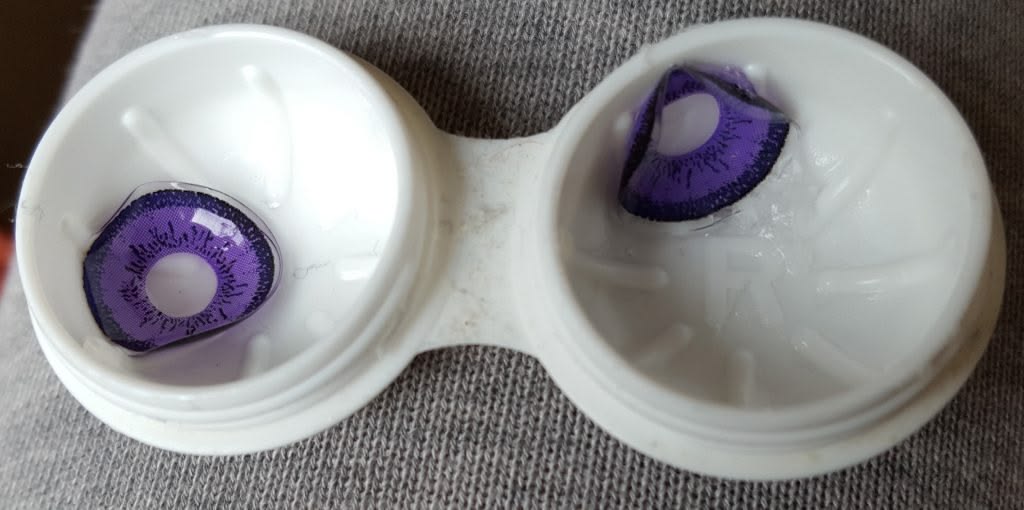
Ever wondered what happens if contact lenses dry out after you've left them exposed overnight by accident? Contact lenses become brittle and prone to tears or breaks when they dry out. The physical damage aside, dried out contacts can cause irritation and blurry vision. The increased risk of eye infections is more worrying due to bacteria harboring in the lens's cracks. Whether you can rehydrate contacts or should replace them depends on several factors. This piece gets into dry contact lens safety, rehydration methods, and when replacement is your only option to protect your vision.
Understanding What Happens to Dried Out Contacts
Why Contact Lenses Need Moisture
Contact lenses are made from hydrogel, a type of plastic that gets its name because it needs to stay hydrated to work right. Water isn't just a component of these lenses; it's what keeps them functional. The water content in contact lenses affects their oxygen permeability directly and allows oxygen to pass through to your cornea. Higher water content means better oxygen transmission, which creates a more comfortable wearing experience.
But the relationship between water and comfort isn't straightforward. Lenses with high water content can draw moisture from your eye's natural tear film. This creates a paradox where the very feature designed to improve comfort can worsen dryness for some wearers. About 50% of contact lens wearers experience dry eye symptoms, with 40% of soft contact lens wearers reporting sensations of dryness and 25% suffering from moderate to severe symptoms.
Contact lens wear itself disrupts the normal tear film on your eye's surface and causes increased evaporation and dryness. The lens splits your tear film into layers above and below it, which makes moisture evaporation easier. The lens loses adequate hydration, and its flexibility and oxygen transmission change. This affects comfort, visual quality, and your ocular surface.
Changes in Lens Shape and Flexibility
Contact lenses become brittle and can warp when they dry out. This causes discomfort and potential damage to your cornea. Water can cause soft contact lenses to change shape, swell, and stick to the eye. Dried lenses develop a stiff texture that makes them more susceptible to tears and breaks, as opposed to their normal pliable state.
The structural changes go beyond what you can see with your eyes. The lens may not rehydrate evenly and can develop subtle changes in its shape and fit. These microscopic alterations affect how the lens sits on your eye and can compromise vision quality. A dried contact lens may develop cracks, chips, or tears that aren't visible right away.
The dehydration process affects more than just the lens material. Dehydration changes the contact lens's flexibility as well as its oxygen transmission and lens fit, which can affect comfort and visual quality. The lens may no longer fit your eye correctly after drying out. This creates gaps or pressure points that weren't present before.
Bacterial Growth on Dried Lenses
Dried contact lenses become more prone to bacterial contamination. The cracks and irregularities that form in the dried lens material create harboring spots for bacteria and other harmful elements. A lens that appears clean or undamaged doesn't mean it's safe to use.
Rehydrating dried-out contacts can introduce bacteria and other contaminants and increase your risk of eye infections. The compromised lens surface provides more opportunities for microorganisms to attach and expand. Wearing these contaminated lenses puts you at risk of serious eye problems or permanent loss of vision.
The combination of structural damage and bacterial presence creates a dangerous situation. Dried lenses may scratch your cornea and make it easier for germs to enter your eye and cause infection. This scratching effect, combined with bacterial contamination on the lens itself, elevates infection risks beyond normal contact lens wear by a lot.
The Truth About Rehydrating Contact Lenses
Can Contacts Be Rehydrated
Rehydration is possible, but only under very specific circumstances. You can attempt to rehydrate a contact lens if it dried inside a clean contact lens case where the solution evaporated, the lens remained protected from dirt and surfaces, and you see no visible damage. Full safety isn't guaranteed even in these situations.
The safest approach remains replacing the lens. Eye care professionals recommend discarding dried-out lenses rather than salvaging them because minor distortions can irritate your eye or increase infection risk.
Several scenarios mean you should skip rehydration. Don't attempt to rehydrate a lens if it was left on a countertop, sink, or desk. Skip rehydration if you're unsure how long it was exposed to air, if the lens feels stiff after soaking, if you see cracks or tears, or if it feels uncomfortable when inserted. A lens that appears clean doesn't guarantee it's safe for use.
Step-by-Step Rehydration Process
You need patience and precision before attempting rehydration. Contact lenses behave like sponges. They can absorb moisture after drying, but they might not return to their original state.
Follow these steps if you decide to proceed:
-
Wash your hands really well with soap and water, then dry with a lint-free towel to prevent tap water from contacting your lenses
-
Clean your lens case and fill it with fresh contact lens solution
-
Use only sterile contact lens solution to rehydrate; never use tap water, bottled water, saliva, or homemade solutions
-
Place the dried lens into the solution-filled case
-
Inspect for cracks, tears, or warping after soaking
-
Gently rub and rinse the lens with fresh solution for about 20 seconds per side, then rinse both sides for at least 5 seconds before wearing
Dr. Joe Wende, Medical Director for ContactsDirect, advises using every precaution when wearing a rehydrated lens: "Inspect it closely for any small tears at the edges, any scratches on the lens, or any signs of contamination or buildup". Remove the lens right away if discomfort occurs.
Do not use saline solution or rewetting drops to disinfect your lenses, as they are not disinfectants. Use new solution each time; never reuse or top off old solution.
How Long to Soak Dried Contacts
Soaking time depends on how severely your lens dried out. Allow moderately dried lenses to soak for 2-4 hours. Lenses that dried out completely might require up to 24 hours. Some sources suggest soaking for at least 4-8 hours or overnight.
The hydrogel material in your contacts absorbs lost moisture during this period. RGP (rigid gas permeable) lenses need at least 4 hours of soaking since they might warp or flatten when liquid evaporates.
Cap the case tightly during soaking to prevent evaporation or contamination. Keep the case away from heat and direct sunlight that might affect the solution's effectiveness.
Throw away the lens after soaking if it stays stiff, shows damage, or looks discolored. A rehydrated lens that causes any discomfort should be removed and discarded right away.
When Dried Contact Lenses Become Unsafe
Daily vs Reusable Lens Differences
Dried-out contacts don't all carry the same rehydration potential. You should dispose of daily disposable lenses after wearing them one time. These single-use contacts aren't designed to withstand cleaning or storage. Attempting to reuse them increases your risk of infection. The materials break down after a single use and can't be disinfected with any solution.
Reusing daily lenses can lead to serious complications such as corneal ulcers or severe infections that threaten your vision. Harmful microorganisms can be present on the surface or within the lens material, even if the lens looks clean. You should only think over rehydration for monthly or weekly contacts, which are designed to be reused.
Monthly contacts are soft contact lenses designed to be used each day for 30 days before being replaced with a new pair. These reusable contacts are meant to be worn during the day and taken out before bed. You store them in contact lens solution overnight. Rehydrating dried monthly lenses comes with risks that daily lens wearers can avoid by using a fresh pair.
Visible Damage You Can't Ignore
Inspect dried contacts under good lighting. Look for any visible cracks, tears or scratches. Check for warping or changes in shape. Look at the edges for irregularities. A lens that appears cloudy, discolored or has visible deposits on the surface indicates deterioration.
You should replace lenses that are bent or dented. Bent or torn lenses can scratch the cornea and make it easier for bacteria to pass through. This increases the risk of infection and other complications. Throw the lens away if it stays stiff or uneven after soaking. The lens might not return to its original shape even after overnight soaking, which signals permanent damage.
The location where you found the dried lens matters. A lens found on any surface isn't safe to use, even if it looks fine. Invisible bacteria and contaminants make their way onto exposed lenses. Avoid the risk and throw it out if you found the lens exposed on a countertop, desk or bathroom sink.
Health Risks That Aren't Always Visible
Contacts that are cleaned improperly or left unprotected from bacteria can add to a host of eye problems or permanent loss of vision. These damaged lenses can cause corneal abrasions (scratches on the eye), serious infections like keratitis, burning sensations and excessive tearing. Your lens might tear while in your eye.
Infections include conjunctivitis (more commonly known as pinkeye), keratitis (an infection of the cornea), staph infections and introduction of harmful parasites such as Acanthamoeba and various types of fungi. Being in water while wearing contacts exposes them to different bacteria that could lead to Acanthamoeba keratitis. This can cause permanent vision impairment or blindness.
The cost of buying new contacts is nothing compared to the cost of treating an infection caused by a contaminated contact lens. New lenses cost much less than treating a serious eye infection. Eye care professionals always say this: when in doubt, throw it out.
Deciding Whether to Reuse or Replace
Situations Where Reuse Might Be Safe
The window for safe rehydration is narrow. You might attempt to rehydrate a dried contact lens if it was left inside a clean contact lens case, the solution evaporated but the lens stayed protected, it was not exposed to dirt or surfaces, and it shows no visible damage. The lens must be a reusable type, like a monthly contact. The time spent out of solution should be brief, around 15-30 minutes.
Check whether the lens returns to its normal shape after soaking under those circumstances. But full safety isn't guaranteed even when these conditions are met. Eye care professionals note that most cases don't meet all these criteria, making replacement the better option.
Red Flags That Mean Throw It Away
Several conditions make a dried lens unsafe for reuse. Discard the lens right away if it's torn, damaged, or scratched. Throw it away if it's discolored or the texture is different from before dehydration. A lens that doesn't return to its original shape even after soaking overnight is damaged.
Location matters substantially. Never attempt to rehydrate a lens if it was left on a countertop, sink, or desk. Throw it away if you're unsure how long it's been exposed to air. The lens should go in the trash if it feels stiff after soaking, if you see cracks or tears, or if it feels uncomfortable when inserted.
Cost vs Health: Making the Right Choice
Saving money might tempt you to reuse a lens, but eyes are sensitive. Vision problems can sometimes become permanent once damage occurs. The cost of buying new contacts is insignificant compared to treating an infection caused by a contaminated contact lens.
Eye care professionals recommend erring on the side of caution. Replacing it is the better choice if you aren't confident that a lens is safe. The principle is simple: when in doubt, throw it out.
Protecting Your Eyes from Dry Contact Lens Problems
Storage and Handling Tips You Need
Proper lens hygiene prevents most contact lens complications. You should wash your hands with soap and water before touching your contacts. Dry them with a lint-free towel. Contact lens solution is the only thing you should use to clean, rinse and store contacts. Water or saliva should never be used.
Your lens case needs replacement every three months at minimum. Fresh solution should be used each time. Never top off solution by mixing old and new. Water contains germs that can harm your eyes. Remove contacts before showering, swimming or using hot tubs.
Early Warning Signs You Should Recognize
Dry eyes feel gritty or irritated by the end of the day. Redness, burning, blurred vision and constant urges to blink signal insufficient moisture. You should remove your lenses right away if you experience eye pain lasting more than a day, itching or burning, light sensitivity, watery discharge or sudden blurry vision.
Solutions for Chronic Eye Dryness with Contacts
Preservative-free eye drops safe for contact lens use can replenish moisture throughout the day. Daily disposable lenses eliminate protein deposit buildup. Silicone hydrogel lenses allow much more oxygen to reach your cornea. Lenses with lower water content sometimes work better because they pull less moisture from your tear film.
Screen time should be limited using the 20-20-20 rule. Omega-3 supplements support healthy tear production. For severe cases, punctal plugs retain natural moisture by blocking tear drainage.
When to See Your Eye Doctor
Detailed eye exams should be scheduled at least once a year. Regular checkups catch prescription changes and eye health issues early. Contact your doctor right away if symptoms persist despite treatment or worsen faster.
Conclusion
While rehydrating dried contact lenses might seem like a money-saving solution, your eye health takes priority over the cost of replacement lenses. Most dried contacts don't meet the safety criteria needed for successful rehydration. The risks of infection and permanent vision loss outweigh the expense of a new pair.
Eye care professionals recommend the safest approach: throw it out at the time of doubt. Practice proper storage habits and recognize warning signs early. Schedule regular eye exams. Your vision deserves better than compromised lenses that put your eye health at risk.
FAQs
Q1. Is it safe to wear contact lenses after they've dried out? It depends on the circumstances. If the lens dried inside a clean case with no visible damage and you can successfully rehydrate it, it might be safe for reusable lenses. However, daily disposable lenses should never be reused. If the lens was exposed to surfaces, shows any cracks or tears, or remains stiff after soaking, it's unsafe and should be discarded.
Q2. How long should I soak dried contact lenses before wearing them again? Moderately dried lenses typically need 2-4 hours of soaking in fresh contact lens solution. Completely dried-out lenses may require up to 24 hours. After soaking, inspect the lens carefully for damage, and if it remains stiff, discolored, or uncomfortable, throw it away rather than attempting to wear it.
Q3. Can I use water to rehydrate my dried contact lenses? No, never use water to rehydrate contact lenses. Only sterile contact lens solution should be used. Water—whether tap, bottled, or distilled—contains bacteria and microorganisms that can cause serious eye infections. Similarly, avoid using saliva, saline solution, or rewetting drops, as these don't properly disinfect lenses.
Q4. What are the signs that a dried contact lens is damaged and shouldn't be worn? Look for visible cracks, tears, scratches, or warping in the lens shape. Check for cloudiness, discoloration, or deposits on the surface. If the lens feels stiff after soaking, appears bent or dented, or causes any discomfort when inserted, it should be thrown away immediately to prevent eye damage or infection.
Q5. Why do contact lenses become uncomfortable and dry during wear? Contact lenses disrupt your natural tear film by splitting it into layers, which increases moisture evaporation. Lenses with high water content can actually draw moisture from your eyes. Additionally, contact lens wear itself affects tear film stability, and approximately 50% of contact lens wearers experience dry eye symptoms as a result.