

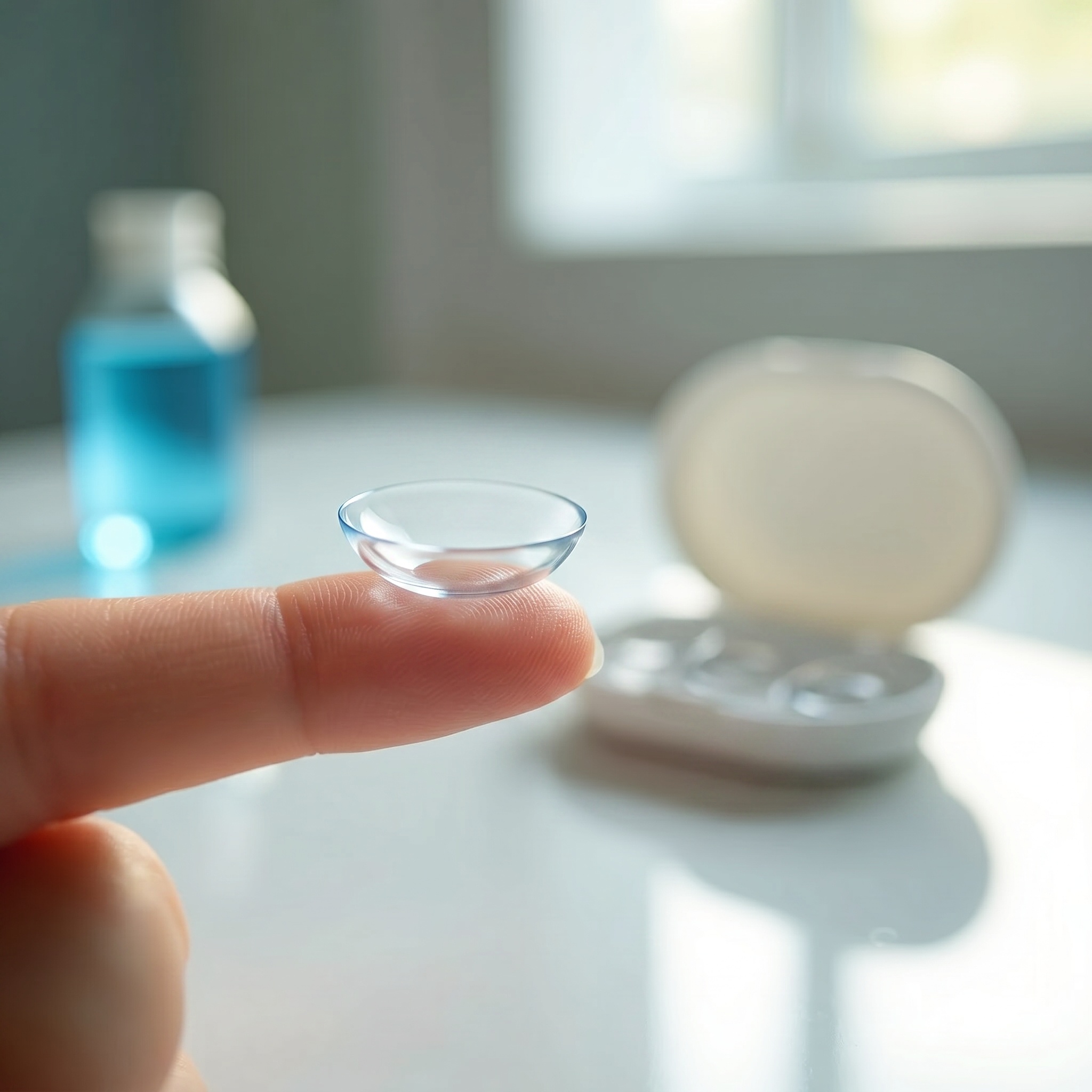
Ripped contact lenses can turn your morning routine into an expensive frustration. More than 45 million Americans wear contact lenses. Soft lenses offer comfort and convenience, but their thin, delicate design makes them prone to tearing. Frequent tears can cost you money and aggravation. You might be wondering why do my contacts keep tearing and how to prevent it. This piece gets into the common causes of torn contact lenses and explains care practices to help you avoid contacts ripping in your eye.
Why Do My Contacts Keep Tearing? Common Causes Explained
Understanding why your contacts keep tearing helps you take the right preventive steps. How you handle them and environmental conditions affecting their integrity are factors that contribute to torn contact lenses.
Poor Handling Techniques
Your handling method plays the biggest role in contact lens tears. Pinching lenses too hard while cleaning or inserting them creates immediate rips or nicks. Long fingernails pose a particular risk. Sharp edges catch and cut the delicate lens material with ease. Your fingernails can puncture the center when you remove lenses if you pinch them instead of sliding the lens off first.
Aggressive cleaning techniques also weaken lenses over time. Rubbing too hard creates tiny tears that become larger rips. Rubbing your eyes while wearing contacts can cause the lens to fold and tear against your eye's surface. This action damages your lenses and can scratch your cornea.
Contact Lenses Drying Out
A dry lens tears much more than a hydrated one. Contacts lose flexibility and become brittle when they dry out. This happens most often during removal from a dry eye, which causes the majority of contact lens rips.
Environmental factors accelerate lens dehydration. Air conditioning, indoor heating and dry air strip moisture from both your lenses and eyes. Wind and dust contribute to the same problem outdoors. Spending extended hours staring at screens reduces your blink rate. Your eyes aren't rehydrating when you blink less. Lens dehydration happens faster as a result.
Your eyes may absorb moisture from the lens if you have dry eyes. People with chronic dry eye syndrome produce lower-quality tears, causing contacts to dry out more quickly.
Old or Expired Lenses
Contact lenses weaken over time and develop structural problems. Wearing lenses beyond their recommended duration leads to thinning and increased susceptibility to tears. The material breaks down with use and deposits accumulate on the surface.
About half of all contact wearers don't follow their doctor's replacement schedules. Pushing lenses past their replacement date creates multiple problems: the material weakens, proteins and debris build up, and the lens can lose its shape. This isn't about comfort. Overworn lenses present real health risks to your eyes.
Improper Storage and Cleaning
Storage mistakes increase tearing risk. The lens can adhere to the dry wall if your lens case is only part filled with solution. The lens tears when you try to remove it. Always fill your lens case to prevent this issue.
Using wrong products or failing to clean lenses causes buildup that makes lenses brittle. Reusing the same storage solution day after day leads to dryness, irritation and increased infection risk. Hand sanitizer residue on your fingers can damage lens material and make tears more likely.
Damaged or Low-Quality Lenses
Manufacturing defects result in damaged lenses straight from the blister pack on occasion. Missing a minor tear before insertion makes that lens more prone to further tearing. Lens quality varies between brands. Lower-quality options might work for a while but may not hold up for regular use like reputable brands.
Lens design also affects tear resistance. The modulus measures the material's resistance to deformation under tension and varies between lens types. Higher modulus lenses are stiffer and easier to handle, while lower modulus lenses tend to be floppier and require more careful handling. The fit may not be ideal for your eye shape if lenses tear during insertion or removal.
Essential Prevention Tips to Stop Contacts from Ripping
Preventing ripped contact lenses requires consistent attention to detail during every step of lens handling. Small adjustments to your daily routine protect your lenses from damage and extend their usability.
Keep Your Fingernails Short and Smooth
Your fingernails create one of the biggest risks for torn contacts. Sharp nail edges nick or tear soft lenses during insertion and removal. File your nails to eliminate rough spots that catch on lens material. Even a few extra millimeters can throw off your handling technique if you aren't used to them.
Longer nails need extra caution. Scrub underneath your nails with a clean nail brush before every lens handling session. Bacteria accumulates under long nails throughout the day, and cleaning prevents transferring debris to your lenses.
Always Wash and Dry Your Hands Before Handling
Hand hygiene stands as a critical step for preventing both lens damage and eye infections. Up to 50% of contact lens wearers don't practice proper hand washing procedures. Wash your hands with soap and water for at least 20 seconds to remove dirt and germs. Use oil-free and fragrance-free soap because oils and lanolin can transfer to your lens surface.
Dry your hands with a lint-free towel after washing. Microfiber cloths work well for this purpose. Residual water on your fingers can contaminate lenses, as microbes that cause eye infections often exist in water.
Hand sanitizer isn't recommended for contact lens wearers. The alcohol residue can damage lens material and sting your eyes. You must wait several minutes for complete evaporation before touching your lenses if you use sanitizer.
Use Fingertips Instead of Nails
Your fingers' pads provide safe contact with your lenses. Never use your fingernails to pinch lenses from the center, as this causes tearing. Slide the lens down with your fingertip to break suction and then lift it out when removing contacts.
Place lenses on your finger pad rather than the tip, especially when you have longer nails. This positioning gives you better control and reduces the chance of jabbing your eye or dropping the lens.
Store Lenses in Fresh Solution Daily
Fill your lens case with fresh solution every single day. Partial filling allows lenses to stick to dry case walls and causes tears during removal. Never reuse old solution or top off existing solution in your case.
Replace your contact lens case every 90 days to prevent bacterial buildup. Drain the case after inserting your contacts each morning, rinse with fresh solution, and leave it open to air dry.
Apply Rewetting Drops Before Removal
Dry lenses stick more closely to your eyes and tear during removal. Apply rewetting drops or lubricants to rehydrate the lens surface before taking them out. This simple step makes removal smoother and protects against rips.
Unfold Folded Lenses in Solution
Resist pulling the edges apart with your fingers if your lens folds. Place the lens in a pool of saline solution in your palm and massage it until moisture helps it unfold. This method prevents stress on the material that guides to tears.
Proper Contact Lens Care and Maintenance Practices
Your storage and maintenance routine affects whether contacts keep tearing. Proper care practices protect lens integrity and reduce infection risks that can damage both your lenses and eyes.
Fill Your Lens Case with Solution
Fill each well of your lens case with fresh multipurpose solution every time you store your lenses. Partial filling creates problems: lenses stick to dry case walls and tear when you try to remove them. This simple step prevents one of the most common causes of torn contacts.
Never top off old solution with fresh solution. Mixing fresh and used solution reduces disinfection effectiveness and allows bacterial growth. Topping off increases your chances of contact lens-related complications. Empty your case each morning, rinse with fresh solution (never water), and leave it open to air dry. Air drying between uses prevents bacterial buildup while you wear your lenses.
Replace Your Contact Lens Case Every 90 Days
Most optometrists recommend replacing your lens case every three months. Your case becomes a breeding ground for bacteria and microorganisms over time, even with daily cleaning. Contaminated cases link to serious eye disorders like keratitis, which can result in blindness if left untreated.
Replace your case right away if you notice cracks, discoloration, or residue that won't wash away. These signs indicate bacterial contamination even before the 90-day mark. Many solution bottles come with a new case, making regular replacement convenient.
Follow Your Lens Replacement Schedule
Replace your lenses according to manufacturer recommendations and your eye care professional's instructions. Whether you use daily, bi-weekly, or monthly lenses, stick to the schedule. Wearing lenses beyond their intended duration causes material breakdown and increased tearing susceptibility.
Some multipurpose solutions allow storage for up to one month in a tightly closed case. One point often overlooked: if you haven't worn stored lenses for a long time, inspect and re-clean them the night before wearing. Hydrogen peroxide systems vary in storage times from 24 hours to seven days before requiring re-disinfection.
Never Use Water or Saliva on Lenses
Water from taps, pools, or lakes contains bacteria and germs, including Acanthamoeba. This microorganism causes Acanthamoeba keratitis, a serious and painful eye infection that may take up to a year to resolve. It can lead to blindness or require a corneal transplant. Tap water isn't sterile and causes contact lenses to absorb water and swell. Swollen lenses change fit and create microscopic corneal breaks where microorganisms enter.
Saliva creates similar dangers. Putting contacts in your mouth exposes them to bacteria like placing them in a petri dish. Never rinse or store lenses in water, even for a short time. Homemade saline solutions aren't safe either, as there's no guarantee they're germ-free.
What to Do If Your Contact Lens Tears While Wearing
Finding a torn contact while wearing it creates an urgent situation that just needs immediate action. The thin edge of a ripped contact lens can scratch your cornea within minutes, so quick response protects your eye health.
Never Continue Wearing a Torn Contact
Remove a torn contact lens right away, even if it feels comfortable. Jagged edges along the tear scratch your cornea and create openings where infections develop. The damage affects more than comfort. A torn lens loses the curvature needed to fit your eye the right way. This poor fit causes blurred vision as the lens moves around or fails to stay centered. An intact lens maintains stable positioning, but a ripped contact is more likely to fall out of place or get stuck in your eye.
You can't repair a torn contact lens. The only safe option involves throwing it away and replacing it with a fresh lens. If you don't have a spare lens available, switch to your backup glasses until you get new contacts.
Safe Removal Steps for Ripped Contact Lenses
Stay calm and follow these steps in order to remove the torn lens safely:
- Wash your hands with soap and dry them with a clean, lint-free towel
- Apply rewetting drops or contact lens solution to lubricate the lens fully. This prevents pieces from sticking to your eye during removal
- Pull your lower eyelid down and use your index fingertip pad to slide the largest part of the torn lens down to the lower part of your eye
- Pinch the lens between your thumb and forefinger to remove it
- Place the removed lens on your fingertip and inspect it to see if any piece is missing
Never rub your eye during this process, as rubbing can push fragments deeper or cause additional scratches.
Check for Remaining Fragments in Your Eye
A piece of the torn lens can remain in your eye after removing the main section. Flush your eye with preservative-free saline solution or lubricating drops to help float fragments out. Blink repeatedly to move the piece toward the corner of your eye. If you locate the fragment, use your fingertip pad to slide it toward the outer corner, then pinch it out.
Fragments often hide under your upper eyelid. If you can't locate or remove a piece within 20 to 30 minutes, stop trying and contact your eye doctor right away. Your doctor will use a slit lamp to locate the fragment and may apply a special colored dye to help identify and remove it.
When to See Your Eye Doctor About Torn Contacts
Torn contacts can lead to serious complications if you don't know what signs warrant professional medical attention. Certain symptoms signal immediate problems that require expert evaluation.
Signs of Eye Damage or Infection
Stop wearing contacts and call your eye doctor right away if you experience persistent redness lasting longer than an hour, sharp or stinging pain, excessive tearing or discharge, sensitivity to light, blurred or foggy vision, or the feeling that something is still stuck in your eye. These symptoms indicate a corneal scratch or early infection that can worsen faster without treatment.
Keratitis represents the most common eye infection from wearing contact lenses. It can scar the cornea and affect your vision in some cases. Bacterial keratitis can lead to vision loss or blindness if left untreated. Eye infections related to contact lenses often progress faster and may damage vital parts of your eye in hours or days.
Getting Replacement Lenses
Contact your optometrist to explain the situation after removing a torn lens. Your optometrist may recommend scheduling a visit to check your eyes based on how long you wore the torn contact. You need a current prescription to order replacement lenses.
Think Over Switching to Daily Disposables
Daily disposable contact lenses rank as the healthiest option for your eyes. You toss them out each night, so bacteria, deposits, or virus pathogens stuck to your lenses during the day are never re-introduced to your eyes the next morning. If a lens tears, you simply discard it and insert a fresh one.
Conclusion
Torn contact lenses don't have to be a recurring frustration in your daily routine. Now that you understand the main causes, from improper handling techniques to dry lenses and expired materials, you can take specific steps to protect your investment and eye health.
The prevention strategies outlined here are straightforward: keep your nails short and smooth, wash your hands before every handling session, fill your lens case with fresh solution, and follow your replacement schedule without exception. Remove any torn lens right away and never attempt to continue wearing it.
If you find that contacts keep tearing despite following these best practices, think about switching to daily disposables. They eliminate storage-related issues and provide a fresh, clean lens every morning. You end up with better eye health for minimal extra effort.
FAQs
Q1. How can I prevent my contact lenses from tearing? Keep your fingernails short and smooth to avoid nicking the lenses. Always wash and dry your hands thoroughly before handling contacts, use your fingertip pads instead of nails, store lenses in fresh solution daily, and apply rewetting drops before removal. Additionally, replace your lenses according to the recommended schedule and avoid letting them dry out.
Q2. Is it safe to continue wearing a contact lens if it tears? No, you should never continue wearing a torn contact lens. Remove it immediately, even if it feels comfortable. The jagged edges can scratch your cornea and cause infections. A ripped lens also loses its proper curvature, leading to blurred vision and poor fit. Always replace a torn lens with a fresh one.
Q3. What should I do if my contact lens rips while I'm wearing it? Stay calm and remove the lens immediately. First, wash your hands thoroughly and apply rewetting drops to lubricate your eye. Gently slide the lens down to the lower part of your eye using your fingertip pad, then pinch it out carefully. Check to ensure no fragments remain in your eye, and if you can't locate or remove a piece within 20-30 minutes, contact your eye doctor.
Q4. Why do my contact lenses keep drying out and tearing? Contact lenses dry out due to environmental factors like air conditioning, heating, wind, and extended screen time that reduces your blink rate. If you have dry eyes, your eyes may absorb moisture directly from the lens. Dry lenses become brittle and lose flexibility, making them much more prone to tearing, especially during removal.
Q5. When should I see an eye doctor about torn contacts? Contact your eye doctor immediately if you experience persistent redness lasting over an hour, sharp pain, excessive tearing or discharge, light sensitivity, blurred vision, or the feeling that something is stuck in your eye. These symptoms may indicate a corneal scratch or infection that requires prompt treatment to prevent serious complications.